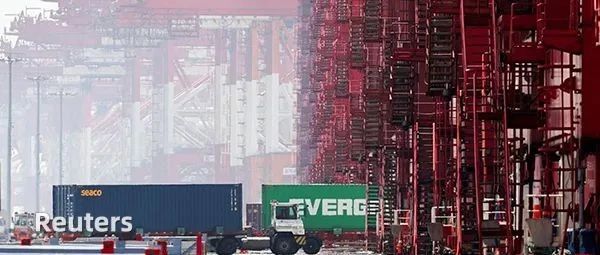
中美贸易摩擦

Search documents
A股市场2025年中期投资策略报告:从"山重水复”到"柳暗花明”-20250710
CHINA DRAGON SECURITIES· 2025-07-10 07:53
Group 1 - The report highlights that the U.S. tariff policy has disrupted the global economy, with multiple international organizations downgrading global economic growth forecasts for 2025 to 2.3% due to trade policy uncertainties [10][12][31] - The U.S. trade deficit with its major trading partners has shown a noticeable decline following the implementation of tariffs, with the trade deficit in April 2025 reported at $87.4 billion, down from $162.6 billion in March [15][31] - The report indicates that the U.S. economy is showing resilience despite tariff impacts, with the services PMI returning to expansion territory and manufacturing orders showing signs of recovery [31][36] Group 2 - The report notes that the trade friction between China and the U.S. has shifted from escalation to dialogue, with significant negotiations taking place in Geneva and London leading to a framework agreement for tariff reductions [50][52] - China's exports to Africa and Europe have shown strong growth, with exports to Africa increasing by 33.33% year-on-year in May 2025, indicating a diversification of trade relationships [68] - The report emphasizes the importance of new economic drivers, with high-tech sectors experiencing price increases, particularly in integrated circuits and wearable technology, reflecting a shift towards innovation-led growth [75][79] Group 3 - The report suggests that long-term growth remains intact, with A-share market earnings expected to recover significantly in 2025 compared to 2024, indicating a potential for a sustained bull market [10][31] - It highlights the importance of policy support in stabilizing market performance, with insurance funds expected to continue increasing their holdings in A-shares through early 2025 [10][31] - The report identifies key sectors for investment, including defense, low-altitude economy, stablecoins, AI, and autonomous robotics, which are expected to benefit from favorable policies and high growth potential [10][75]
豆粕期货远月合约易涨难跌
Qi Huo Ri Bao· 2025-07-10 03:33
Group 1 - The core point of the articles indicates a significant reduction in U.S. soybean planting area, which is expected to tighten supply and potentially increase domestic soybean meal prices [1][4] - The USDA reported that the U.S. soybean planting area is 83.38 million acres, lower than both the intended planting area of 83.50 million acres and market expectations of 83.65 million acres, marking a five-year low [1] - The ending stocks for U.S. soybeans for the 2025/2026 season are projected to be only 8.03 million tons, with a stocks-to-use ratio of 6.68%, indicating a low inventory situation compared to previous years [1] Group 2 - Weather conditions during the soybean planting period in May and June were favorable for planting but require sufficient rainfall in July and August for crop growth, increasing sensitivity to weather-related speculation [2] - As of July 6, the soybean good-to-excellent rating was 66%, matching the previous week but lower than the 68% from the same time last year, indicating a need for attention to rainfall in August [2] - The EPA's proposed blending rules for 2026-2027 significantly exceed market expectations, which is expected to increase demand for soybean oil and indirectly support soybean prices [3] Group 3 - Domestic soybean meal market is currently characterized by a "weak reality strong expectation" state, with a supply surplus in the third quarter suppressing prices [4] - A potential supply gap for imported soybeans in the fourth quarter could lead to increased domestic soybean meal prices [4] - The forecast for domestic soybean imports is high, with June imports reaching 10.56 million tons and expected to rise to 11 million tons in July, indicating a supply surplus in the near term [3]
重磅数据创14个月来新高!A股牛来了吗?
天天基金网· 2025-07-09 11:46
Core Viewpoint - The A-share market experienced a rise and subsequent fall, with the Shanghai Composite Index losing the 3500-point mark, driven by various factors including economic indicators and market sentiment [1][5][6]. Market Performance - The two markets had a total trading volume of 1.51 trillion yuan, with sectors like diversified finance, banking, and media showing gains, while insurance, semiconductors, and non-ferrous metals faced declines [3][6]. - Analysts suggest that a sustained increase in trading volume above 1.6 trillion yuan and a stable breakthrough of the 3500-point level could open up further upward potential for the index [4][6]. Economic Indicators - The core Consumer Price Index (CPI) reached a 14-month high, with a year-on-year increase of 0.7%, indicating a potential economic stabilization and positive market sentiment [8][10]. - The rise in CPI was attributed to a rebound in industrial consumer goods prices and effective policies aimed at boosting domestic demand and consumption [10]. International Relations - Recent developments in U.S.-China trade negotiations, including a planned meeting between U.S. Commerce Secretary and Chinese officials, may positively influence market sentiment [11][12]. - The U.S. has postponed the implementation of tariffs on certain countries, which could alleviate some market pressures and provide a more favorable environment for negotiations [13][14][18]. Market Outlook - There is a growing sentiment that the A-share market may be entering a bull market phase, with institutions like CITIC Securities predicting a significant upward trend in equity assets over the next year [20]. - The market is currently viewed as being in the early stages of a bull market, with a focus on structural growth rather than rapid increases [20][22]. Sector Focus - Analysts recommend focusing on sectors that may benefit from current economic conditions, including electronics, machinery, textiles, chemicals, and agriculture, which are expected to see positive performance due to export substitution benefits [19][20]. - The upcoming earnings reports in July are anticipated to shift market focus towards sectors with improving performance, particularly large-cap stocks [24][25]. Performance Trends - Historical data indicates that large-cap stocks tend to outperform small-cap stocks during July, with a 60% probability of outperforming the overall market [24]. - Resource products and AI computing are highlighted as key performance indicators for the upcoming earnings season, with expectations of price increases in sectors like non-ferrous metals and chemicals [25][28].

中方转守为攻,通电全球,一口气对30国加税,特朗普想清楚再动手!
Sou Hu Cai Jing· 2025-07-08 04:33
Group 1 - The Ministry of Commerce of China announced the continuation of anti-dumping duties on imports of stainless steel billets and hot-rolled sheets/strips from the EU, UK, South Korea, and Indonesia, effective from July 2025 for a period of five years [1] - The ongoing trade dispute has highlighted China's proactive stance in the context of US-China trade tensions, with the US facing difficulties in imposing tariffs on Chinese products [3][4] - The rise of trade protectionism amid global economic downturn poses significant challenges for Chinese products in international markets, with China firmly opposing unreasonable trade protectionist measures [4][6] Group 2 - China has shown a willingness to cooperate in resolving trade disputes, contrasting with the EU's protectionist measures, such as the anti-subsidy investigation into Chinese electric vehicles [6][8] - The extension of anti-dumping duties signals China's commitment to fair trade practices and adherence to rules, emphasizing the importance of mutual respect in international trade relationships [8] - The evolving dynamics suggest that China is no longer in a passive position but is actively setting the agenda and rules in trade negotiations, urging the EU to reconsider its approach [8]

2025下半年,钱往哪里投?
Sou Hu Cai Jing· 2025-07-07 14:05
Group 1 - The article discusses the historical turning point of globalization, highlighted by the U.S. proposal for "reciprocal tariffs," which reflects a significant trade deficit and domestic demand issues in the U.S. and a mirrored situation in China with excess production capacity and insufficient domestic demand [2][8][67] - The U.S. has proposed a 10% tariff on all countries, with an additional 34% tariff specifically on China, indicating a strategic move to address trade imbalances [4][68] - The rapid escalation of tariffs between the U.S. and China, reaching as high as 125%, signifies a volatile trade relationship that has substantial implications for global economic dynamics [6][11] Group 2 - The article emphasizes the need for a macroeconomic perspective to understand the complexities of trade relations, arguing that microeconomic experiences cannot adequately inform macroeconomic policies [10][12][20] - It highlights the importance of recognizing the interconnectedness of economic variables, where government spending can influence overall economic health and consumer behavior [52][56] - The analysis points out that the U.S. trade deficit is fundamentally linked to its domestic demand exceeding production capacity, necessitating imports to meet consumption needs [74][90][93] Group 3 - The article outlines the implications of the U.S. dollar's status as the world's primary reserve currency, which allows the U.S. to maintain high levels of trade deficits without immediate repercussions [106][110] - It discusses the potential consequences of the U.S. pursuing a policy of reciprocal tariffs, which may lead to reduced dollar outflows and impact the country's ability to sustain its debt levels [153][159] - The article suggests that the U.S. may face significant challenges in maintaining its economic model if it continues down the path of protectionism, potentially leading to a debt crisis [161][162] Group 4 - The article posits that China's economic strategy must adapt in response to the U.S. shift towards protectionism, emphasizing the need to boost domestic demand to mitigate reliance on exports [139][141] - It argues that if China can effectively stimulate internal consumption and investment, it could enhance its position in the global economy amidst changing trade dynamics [142][146] - The analysis concludes that the future of globalization will depend significantly on China's policy choices and its ability to navigate the challenges posed by U.S. trade policies [165][168]

正信期货股指期货周报:股指周报:美国关税豁免本周到期,不确定性引发市场避险-20250707
Zheng Xin Qi Huo· 2025-07-07 06:12
Report Industry Investment Rating - Not provided in the document Core Viewpoints - The expiration of the 90 - day US tariff exemption this week brings uncertainty. The impact of tariff policies on the market remains uncertain, and it's necessary to guard against the negative emotional impact of Trump's extreme pressure. The domestic economy is entering a seasonal recovery window, and the market expects positive signals from the Politburo meeting at the end of July [4]. - In the medium - term, real estate sales are seasonally rising at a low level, the service industry is structurally differentiated and seasonally warming up in summer. Consumption is boosted by fiscal subsidies, and the manufacturing's rush - to - export is ending, with a possible decline in the third quarter. Domestic anti - involution policies may reverse the commodity supply - demand balance and lead to a rebound in prices [4]. - Domestically, liquidity is generally loose, while overseas, it is marginally tightening. The US dollar index is expected to rebound from oversold levels. The domestic stock market will receive incremental funds, but the pressure of share unlocks remains [4]. - After a short - term rebound, the valuations of various indices are still at a historically neutral to high level, and the attractiveness of allocation funds is average [4]. - The stock market may rise in an oscillating manner in the third quarter. It is recommended to actively go long on stock index futures after sharp declines due to tariff policy shocks this week. In terms of style, first go long on IC and IM, then on IF and IH, or conduct an arbitrage strategy of going long on IM and short on IF [4]. Summary by Directory 1. Market Review - **Global Stock Market Performance**: Last week, US stocks led the rise, and the Hang Seng Technology Index led the decline. The performance order is Nasdaq > S&P 500 > CSI 300 > Shanghai Composite Index > FTSE Emerging Markets > German Stock Market > Nikkei 225 > STAR 50 > Hang Seng Technology [8]. - **Industry Performance**: Steel led the rise, and comprehensive finance led the decline. The order is Steel > Bank > Building Materials > Medicine... > Transportation > Comprehensive > Computer > Comprehensive Finance [12]. - **Futures Basis and Spread Changes**: The basis rates of the four major stock index futures (IH, IF, IC, and IM) changed by 0.22%, 0.3%, 0%, and - 0.05% respectively last week, with the discounts of IF and IH significantly narrowing. The inter - period spread rates (current month and next month) of the four major stock index futures changed by - 0.05%, - 0.23%, - 0.27%, and - 0.31% respectively, with the inter - period discounts of IF, IC, and IM slightly widening. The inter - period spread rates (next quarter and current month) changed by - 0.05%, - 0.31%, - 0.44%, and - 0.48% respectively, with the long - term discounts of IF, IC, and IM significantly widening [15][16]. 2. Fund Flows - **Margin Trading and Stabilizing Funds**: Last week, margin trading funds flowed in 19.71 billion yuan, reaching 1.86 trillion yuan. The proportion of margin trading balance to the circulating market value of the Shanghai and Shenzhen stock markets decreased by 0.01% to 2.26%. The scale of passive stock ETF funds was 302.83 billion yuan, an increase of 13.89 billion yuan from last week, and the share was 199.171 billion shares, with a redemption of 1.48 billion shares from last week [25]. - **Industrial Capital**: In the first week of July, equity financing was 3.67 billion yuan, with 1 company. Among them, IPO financing was 640 million yuan, private placement was 0 yuan, and convertible bond financing was 3.03 billion yuan. The scale of equity financing declined significantly. The market value of stock unlocks last week was 90.83 billion yuan, an increase of 33.28 billion yuan from the previous week, remaining at the second - highest level this year [28]. 3. Liquidity - **Money Supply**: Last week, the central bank's OMO reverse repurchase expired 202.75 billion yuan, with a reverse repurchase of 65.22 billion yuan, resulting in a net money withdrawal of 137.53 billion yuan. After the end of the quarter, the open - market operations recovered liquidity. MLF had a net injection for four consecutive months, and the overall liquidity supply was neutral [30]. - **Money Demand**: Last week, the net money demand for national debt was 19.993 billion yuan, for local debt was 4.361 billion yuan, and for other bonds was 34.787 billion yuan. The total net money demand in the bond market was 59.141 billion yuan, remaining at a high level [33]. - **Fund Price**: DR007, R001, and SHIBOR overnight rates changed by - 27.4bp, - 9.9bp, and - 5.8bp respectively, reaching 1.42%, 1.36%, and 1.31%. The issuance rate of inter - bank certificates of deposit decreased by 5.9bp, and the CD rate issued by joint - stock banks dropped by 8.1bp to 1.59%. The overall fund price was oscillating at a low level [36]. - **Term Structure**: Last week, the yield curve flattened. The central bank's liquidity recovery in the open market made the short - end stronger, and the credit spread between national debt and policy - bank bonds widened at the long - end [40]. - **Sino - US Interest Rate Spread**: As of July 4th, the US 10 - year bond rate increased by 6.0bp to 4.35%, the inflation expectation increased by 4.0bp to 2.33%, and the real interest rate increased by 2.00bp to 2.02%. The inversion of the Sino - US interest rate spread widened by 6.40bp to - 270.78bp, and the offshore RMB appreciated by 0.11% [43]. 4. Macroeconomic Fundamentals - **Real Estate Demand**: As of July 3rd, the weekly transaction area of commercial housing in 30 large - and medium - sized cities seasonally recovered to 3.329 million square meters, but was still at a low level compared to the same period in 2019. Second - hand housing sales seasonally declined to the lowest level in the past seven years. The overall real estate market sales were weak, and more incremental policies were expected [46]. - **Service Industry Activity**: As of July 4th, the subway passenger volume in 28 large - and medium - sized cities remained high, with a daily average of 83.58 million passengers, a year - on - year increase of 1.2% and a 32.5% increase compared to the same period in 2021. The service industry's economic activity seasonally recovered in summer. The Baidu Hundred - City Traffic Congestion Delay Index remained flat compared to last week, at a neutral level in the past three years [50]. - **Manufacturing Tracking**: Last week, the manufacturing capacity utilization rate declined across the board. The capacity utilization rate of steel mills decreased by 0.54%, that of asphalt increased by 0.2%, that of cement clinker enterprises decreased by 6.7%, and that of coke enterprises decreased by 0.18%. The average operating rate of the chemical industry chain related to external demand decreased by 0.45% compared to last week [52]. - **Goods Flow**: Both goods flow and passenger flow remained at relatively high levels. The number of civil aviation flights for summer tourism consumption increased strongly, while highway transportation was relatively weak, with limited growth, and there was a risk of a second seasonal decline from July to August [57]. - **Import and Export**: In terms of exports, the logic of rush - to - export after the Sino - US trade talks continued. The port cargo throughput and container throughput rebounded after a short - term decline. From July to August, it was necessary to guard against the risk of a second decline due to renewed trade frictions after the expiration of the 90 - day US tariff exemption [60]. - **Overseas Situation**: The US May non - farm payrolls report slightly exceeded expectations, but the structure implied a cooling signal. The US non - farm employment showed certain resilience, and the service industry PMI rebounded unexpectedly. The market's expectation of the Fed's interest - rate cuts in 2025 was reduced to 2 times, with a cut of about 25 - 50bp, and the probability of a rate cut in July dropped to 4.7% [62][66]. 5. Other Analyses - **Valuation**: The stock - bond risk premium last week was 3.35%, a 0.06% decrease from last week, at the 68.8% percentile. The foreign - capital risk premium index was 4.24%, a 0.21% decrease from last week, at the 24.3% percentile, indicating a low level of foreign - capital attractiveness. The valuations of the Shanghai 50, CSI 300, CSI 500, and CSI 1000 indices were at the 79.9%, 72.9%, 78.2%, and 60.3% percentiles in the past five years respectively, and the attractiveness of each index's valuation decreased marginally [69][74]. - **Quantitative Diagnosis**: According to seasonal rules, the stock market is in a seasonally oscillating and rising period with structural differentiation in July. The growth style is relatively dominant, and the cyclical style first rises and then falls. In general, the market is likely to rise in July. Pay attention to the opportunities of going long on IC and IM on pullbacks, short - term shorting on sharp rises of IF and IH, and medium - term long - term on sharp declines. This week, the market is greatly disturbed by the uncertainty of US tariff policies. If there are negative impacts, pay attention to going long on the growth style on sharp declines [77]. - **Financial Calendar**: This week's financial calendar includes China's June CPI and PPI data, and attention should be paid to whether prices have stabilized and rebounded. Overseas markets should focus on the US Treasury auctions and the progress of the Trump administration's tariff policy negotiations with other countries [79]
深度好文 |中美贸易摩擦下的经济形势:抓住偶然背后的必然
混沌学园· 2025-07-07 01:13
Group 1 - The core viewpoint of the article is that the trade conflict between China and the United States is a long-term struggle driven by conflicting national goals, with both sides unwilling to compromise, leading to a potential decades-long competition [1][12][32] - The "reciprocal tariffs" policy initiated by the Trump administration aimed to reduce the U.S. trade deficit by imposing high tariffs on countries with which the U.S. has a trade deficit, particularly China, which faced a 34% tariff based on its trade deficit ratio [5][12] - The underlying cause of the U.S. trade deficit is linked to the unique position of the U.S. dollar as the world's primary reserve currency, allowing the U.S. to create dollars with minimal cost, leading to a persistent trade deficit [7][8] Group 2 - The article discusses the "hollowing out" of the U.S. manufacturing sector due to the dollar's dominance, with manufacturing's share of GDP dropping from 24% in the 1970s to an estimated 10% in 2024, while finance and real estate sectors have grown [8][9] - The article highlights the increasing income inequality in the U.S., where the share of wages in GDP has declined over the past 30 years, exacerbating social tensions and contributing to the rise of populist sentiments [9][11] - The U.S. has two potential strategies to address the challenges posed by globalization: abandoning dollar hegemony in favor of a global currency and implementing domestic policies for wealth redistribution, but both options face significant political and ideological hurdles [11][12] Group 3 - The article outlines the "mirror imbalance" in the U.S.-China economic relationship, where China has a trade surplus and low consumption, while the U.S. has a trade deficit and high consumption, which has historically supported mutual economic growth [14][17] - China's economic challenges are rooted in insufficient effective demand, which is linked to income distribution issues, where a significant portion of national income does not translate into consumer spending [17][19] - The article proposes three strategies for China to address effective demand issues: a fundamental shift towards consumption through income redistribution, continued investment to stabilize growth, and the risk of falling into a cycle of overcapacity and low demand if no action is taken [20][22] Group 4 - The article emphasizes the importance of stabilizing the economy and market in the context of U.S.-China competition, suggesting that China has more policy tools at its disposal to address demand issues [24][26] - The expected policy direction for China is to focus on investment-driven growth, particularly in infrastructure and real estate, to stimulate the economy in the short term [27][28] - The current state of China's stock, bond, and currency markets is characterized by bottom oscillation, with expectations of government support and stabilization measures influencing market dynamics [28][30]

稳得住 转得快——来自浙江外贸企业的调研
Jing Ji Ri Bao· 2025-07-06 21:36
Core Insights - The ongoing US-China trade friction has posed significant challenges for China's foreign trade enterprises, prompting them to adjust production rhythms and explore new markets to enhance product value [1] - The joint statement from the US-China Geneva trade talks on May 12 marked a turning point for Zhejiang's foreign trade businesses, leading to a swift recovery in production and logistics [1][4] Group 1: Market Adaptation - Zhejiang's foreign trade enterprises have shown resilience by adjusting production schedules based on order changes and actively seeking new markets [1][4] - Yiwu merchants are engaging in Spanish language training to better access Latin American markets, reflecting a proactive approach to diversifying their customer base [2][3] Group 2: Business Performance - Yiwu, as a major global small commodity distribution center, reported a total import and export value of 413.34 billion yuan last year, with the US market being a significant contributor [4] - Companies like Jinqi Technology have experienced a resurgence in orders following the tariff reductions, showcasing their ability to adapt quickly to market changes [4] Group 3: Strategic Shifts - Ningbo Hangfeng Electric has shifted focus from traditional products to kitchen appliances, achieving a sales target of 120 million yuan for air fryers, nearly double that of previous products [10] - Companies are increasingly looking to establish overseas production facilities to mitigate risks associated with US tariffs, with examples including Taizhou's LockSail Tool Co. planning a factory in Thailand [17] Group 4: Government Support - The Zhejiang provincial government has implemented a "stabilize, expand, and optimize" strategy to support foreign trade enterprises, focusing on maintaining trade stability and exploring new markets [13] - Local governments are actively collaborating with businesses to address challenges posed by high tariffs, ensuring a coordinated response across various departments [15][16] Group 5: Future Outlook - Companies are encouraged to diversify their markets and reduce reliance on the US, with many exploring opportunities in ASEAN and Latin America [14][18] - The overall sentiment among Zhejiang's foreign trade enterprises is one of cautious optimism, with many believing that they can navigate through the current challenges and emerge stronger [18]
越南“跪了”!美国阴谋得逞,40%特殊关税瞄准中国,中方回应亮了
Sou Hu Cai Jing· 2025-07-06 02:43
Group 1 - The core point of the news is that the trade agreement between the US and Vietnam includes a 20% tariff on Vietnamese goods and a 40% tariff on goods transshipped through Vietnam, which is perceived as a direct measure against China [1][2][3] - The agreement allows for zero tariffs on US goods entering Vietnam, which may increase competition for local Vietnamese agricultural products, potentially impacting local farmers and related industries [3][6] - The implementation of the agreement may force Vietnamese companies to reassess their supply chains and production strategies, as they will need to comply with new rules regarding product origin verification [3][6] Group 2 - The 40% tariff on transshipped goods is likely to increase operational costs for Chinese companies that rely on Vietnam for assembly to avoid US tariffs, leading to potential shifts in investment strategies [6][7] - The agreement has raised concerns among other countries with similar economic structures to Vietnam, as they fear similar trade measures may be applied to them by the US [9] - The US-Vietnam trade agreement may serve as a precedent for future trade negotiations, where the US could impose similar conditions on other countries to reshape global supply chains and counter China's influence [9]

日经调查预测:中国经济4~6月增长5%
日经中文网· 2025-07-04 02:39
Core Viewpoint - Economists predict China's GDP growth for Q2 2025 to average 5.0%, slightly lower than the actual growth rate of 5.4% in Q1 2025, with trade tensions with the US being a significant concern but exports to Southeast Asia providing some support [1][3]. Group 1: Economic Growth Predictions - The highest predicted growth rate for Q2 2025 is 5.3%, while the lowest is 4.3%, indicating a slowdown compared to Q1 2025 [3]. - The average seasonally adjusted quarter-on-quarter growth rate is 0.8%, down from 1.2% in Q1 2025 [3]. - For the entire year of 2025, the average growth expectation is 4.6%, with many economists believing the government’s target of around 5% is unlikely to be met [4]. Group 2: Trade Relations and Impact - The US-China trade negotiations have led to a reduction in additional tariffs by 115%, which may improve the economic outlook [3]. - Despite a decrease in direct exports to the US, exports to ASEAN and other regions have compensated for this decline [3][4]. - The temporary suspension of additional tariffs is expected to maintain the effective tariff rate on Chinese products at around 40% until the end of 2025 [4]. Group 3: Consumer Behavior and Retail Sales - In May 2025, China's retail sales grew by 6.4% year-on-year, driven by government subsidies for replacing old appliances [3]. - However, analysts express concerns that this growth may be temporary, predicting a slowdown in the second half of the year [3]. Group 4: Economic Risks and Concerns - UBS warns that uncertainties in US-China negotiations could lower growth rates by 1-1.5 percentage points, with a predicted growth rate of 4% for 2025 being the lowest in the survey [6]. - Key risk factors identified include a sluggish real estate market and weak consumer spending, exacerbated by falling property prices [6]. - There are concerns about a potential deflationary spiral leading to worsened corporate performance and reduced consumer spending [6].