
情绪价值

Search documents
【活动招募】情绪价值究竟值多少钱?来大湾区创新商业YiSalon寻找答案!
第一财经· 2025-06-20 10:07
除了全球政局,最近你的社交媒体刷到霸屏的词多半就是"情绪价值"了吧。机构媒体的趋势报道、 KOL 的深度解读,就连某歌手在综艺节目里的颠覆翻唱都因被冠以"情绪价值"的共鸣而上了热搜。 商业观察家、得到 App 《商业参考》主理人蔡钰在其畅销书《情绪价值》中提到,产品价值 = 功 能价值 + 情绪价值 + 资产价值,当卷不动产品、卷不动性价比了,卷"情绪"似乎成了唯一的出路, 因为溢价空间来自情绪价值。润米咨询创始人刘润老师近期也发表了题为《情绪,是下一个赛道》 的文章。 如今,情绪价值这个词实在太火,大家都在说,但,你真的看明白了吗? 让我们暂时跳脱出盲目追 捧的窠臼,邀请几位在商业前线真正的操盘手, 以专业财经商业观察者的理性视角, 深入解构情 绪价值背后的商业逻辑,探索可落地、可借鉴的方式方法。 毕竟,只有看清本质,才能运用情绪价 值驱动商业增长,而非流量的昙花一现。 回到商业世界,当消费不再只是满足物质需求,当情感体验成为选择的关键,情绪价值正悄然改写 着新消费的商业逻辑。从让人会心一笑的创意周边,到慰藉心灵的温馨服务,情绪价值似乎已不再 是营销的点缀,而是让品牌脱颖而出、让用户甘愿买单的核心密码。 " ...

中国商业联合会:2024年中国商业零售TOP100的销售规模为3.4万亿元 同比增长2.0%
Zhi Tong Cai Jing· 2025-06-20 03:21
Group 1 - The core viewpoint of the news is the release of the 2024 China Retail TOP100 list, highlighting a sales scale of 3.4 trillion yuan, with a year-on-year growth of 2.0% compared to 2023 [1] - In 2024, there are 5 retail enterprises with sales exceeding 100 billion yuan, showing a year-on-year growth of 6.5%, which is an increase of 2.9 percentage points from 2023 [1] - The total sales of regional physical retail enterprises reached 951.61 billion yuan, with a year-on-year growth of 1.2%, outpacing the growth of cross-regional physical retail enterprises by 0.8 percentage points [1] Group 2 - The assistant suggested that retail enterprises should enhance emotional value to enrich practical and rational consumption, focusing on quality assurance and creating a sense of belonging and comfort [2] - The use of artificial intelligence is recommended to explore new paths for consumption growth, shifting from cost-saving to consumer insights and precise marketing [2] - Cultural empowerment is emphasized to create new products, scenes, and experiences, promoting deep integration of culture and retail [2] - Continuous innovation is necessary to consolidate the core values of enterprises, combining values with innovation for sustainable development [2] - Establishing a symbiotic ecosystem between new and old stores is advised to balance the traffic effect of new stores with the trust assets of old stores [2]
人民日报刊发评论:挖掘情绪价值的经济价值
news flash· 2025-06-19 00:55
Core Viewpoint - Emotional value is fundamentally a form of humanistic value, focusing on human core and emotional experience [1] Group 1: Project Design - To transition from material value to emotional belonging, it is essential to refine the design of cultural and tourism projects, moving away from the traditional "whirlwind" approach to a more participatory and ceremonial presentation of local culture [1] Group 2: Infrastructure and Services - Continuous optimization of infrastructure and public services is necessary to ensure that tourists feel at home, enhancing their overall experience [1] Group 3: Economic Value - By effectively tapping into the economic value embedded in emotional value, new avenues for high-quality development in the cultural and tourism sector can be unlocked [1]
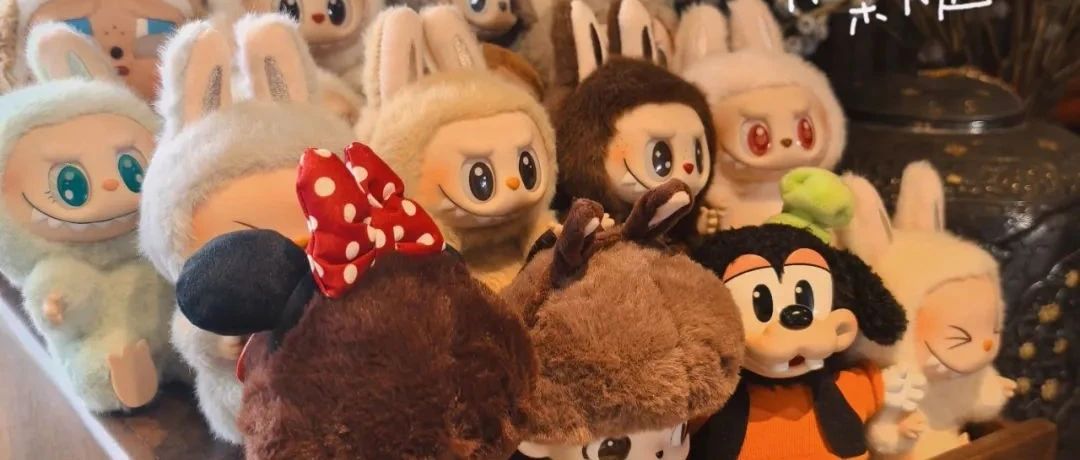
Labubu能火多久?专家预测:盗版或加速其时尚周期终结
Nan Fang Du Shi Bao· 2025-06-18 15:24
Core Insights - The article discusses the recent surge in popularity of the Labubu toy series from Pop Mart, highlighting its cultural impact and the challenges posed by counterfeit products [3][5][9] Customs and Legal Issues - Customs authorities in China have been actively seizing counterfeit Labubu toys, with recent incidents including the confiscation of 144 toys at Wuhan Tianhe Airport and previous seizures of thousands of items at other locations [1][4] - The total value of seized counterfeit Labubu products is significant, indicating a widespread issue with intellectual property rights violations [4][9] Market Dynamics - Labubu's popularity skyrocketed after endorsements from celebrities like Lisa from BLACKPINK, which triggered a buying frenzy in Southeast Asia and beyond [3][6] - The blind box sales model has contributed to Labubu's success by creating a sense of excitement and addiction among consumers, particularly among younger demographics [6][8] Cultural Relevance - Labubu's design resonates with Generation Z, reflecting a shift towards "ugly-cute" aesthetics that challenge traditional beauty standards [6][8] - The toy has become a social currency among youth, fostering a unique subculture and community around its ownership and trading [6][8] Future Outlook - Experts suggest that Labubu's current trend may have a limited lifespan, with predictions of declining popularity within a few months unless the brand innovates or evolves [7][8] - The proliferation of counterfeit products poses a significant threat to Labubu's brand value and market position, potentially leading to a loss of exclusivity and consumer interest [9]

为情绪价值买单,值不值?
Sou Hu Cai Jing· 2025-06-18 12:59
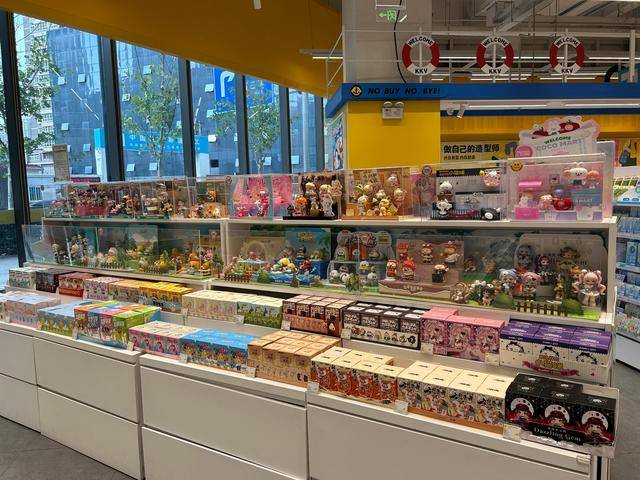
Core Insights - The rise of "emotional consumption" is becoming a significant trend in China, with the market expected to exceed 20 trillion yuan by 2025, transitioning from a niche to a mainstream economic force [1] Group 1: Emotional Consumption Trends - Emotional consumption is characterized by the purchase of items that provide immediate emotional satisfaction, such as stress-relief toys, flowers, and nostalgic items like CCD cameras [1][9] - Young consumers are increasingly engaging in trends like blind box purchases, figurine collections, and claw machines, which offer a sense of joy and satisfaction [4][6] - The emotional value attached to products is reshaping consumer perceptions, with items like CCD cameras gaining popularity due to their unique nostalgic appeal [9][11] Group 2: Experiences and Emotional Value - Live experiences, such as concerts and sports events, are highly valued for their ability to provide emotional release and joy, with consumers willing to invest significant time and money for these experiences [8][16] - The emotional satisfaction derived from activities like claw machines is linked to the thrill of chance and achievement, enhancing the overall consumer experience [6][16] - AI applications are emerging as tools for emotional support, providing companionship and understanding, thus fulfilling unmet emotional needs in modern society [14][15] Group 3: Consumer Behavior and Market Implications - The trend of "paying for emotional value" reflects a shift in consumer behavior towards seeking fulfillment and meaning in purchases, especially in a fast-paced and complex emotional landscape [16] - Consumers are encouraged to maintain discernment in their spending, particularly regarding virtual goods, while also recognizing the importance of emotional satisfaction in their purchases [16]
高考落幕带动毕业游市场,“情绪”与“热点”驱动旅游新场景
Cai Jing Wang· 2025-06-18 03:51
Core Insights - The graduation travel market is experiencing significant growth driven by the post-2005 generation, reflecting a shift in consumer behavior and travel demand [1][2][6] Group 1: Market Trends - The graduation travel market has evolved from a seasonal consumption model to a comprehensive consumption scene that incorporates social attributes, emotional value, and economic vitality [1] - The post-2005 generation exhibits distinct travel preferences, characterized by a combination of short and long trips, a focus on emotional value alongside cost-effectiveness, and a blend of popular destinations with in-depth experiences [2][5] Group 2: Consumer Behavior - The decision-making cycle for travel among the post-2005 generation is approximately 40% shorter than that of traditional tourists, indicating a trend towards immediate decision-making and quick travel arrangements [2] - A notable 55% of users prefer to travel in groups of 2-3, while 30% opt for solo travel, reflecting a balance between social needs and individual expression [3] Group 3: Destination Selection - The choice of travel destinations is heavily influenced by trending hotspots, including popular cities and events, with major cities like Shanghai, Beijing, and Guangzhou leading in bookings [4][5] - The "Su Super" sports event has significantly boosted travel bookings in Jiangsu, with some destinations experiencing nearly a 50% increase in reservations during the event [4] Group 4: Marketing and Product Innovation - The tourism industry is adapting to structural changes by offering more flexible, modular products that cater to the post-2005 generation's desire for customized travel experiences [6][7] - The introduction of targeted pricing strategies, such as free admission for high school graduates at certain attractions, has led to an average 40% increase in bookings for participating sites [7] Group 5: Emotional Value and Experience - The concept of "graduation ceremony" is being transformed into a consumer experience, with theme parks and other attractions offering special packages that enhance the emotional significance of graduation [8] - The overall trend indicates a shift from traditional marketing to value-driven operations, emphasizing emotional consumption and social currency as key factors for future growth in the tourism industry [8]
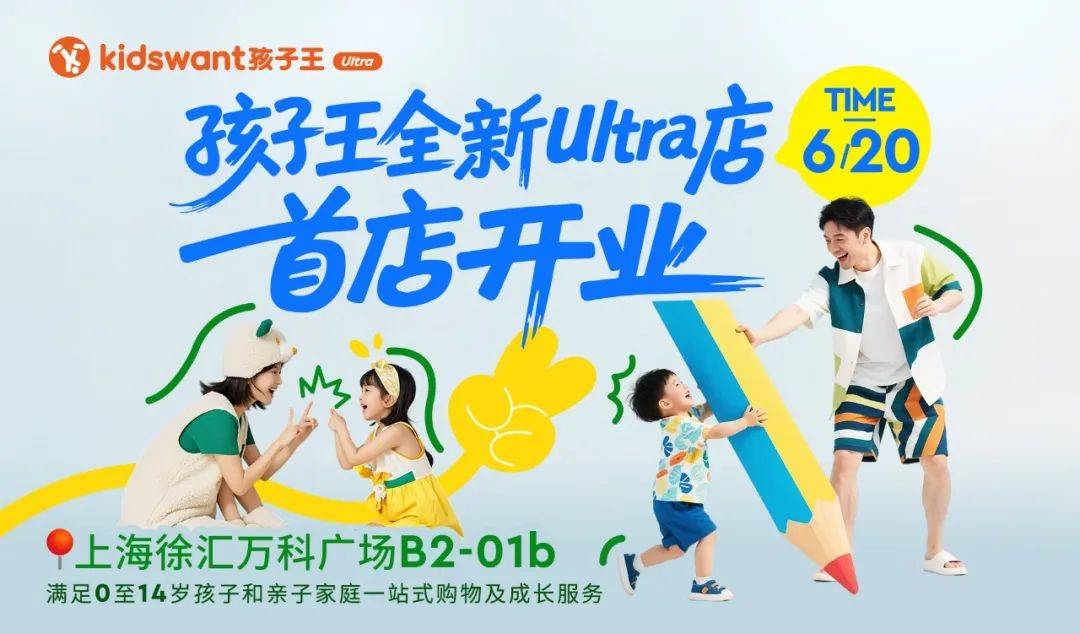
加码情绪价值,孩子王全新Ultra店俘获新生代父母“童心DNA”
Sou Hu Cai Jing· 2025-06-17 22:35
Group 1: Core Insights - The phenomenon of "first store economy" is reshaping consumer markets, acting as a core engine for brand activation and redefining commercial value through innovative experiences [2][5] - The launch of Kidswant Ultra, a flagship store in Shanghai, emphasizes emotional value and shared growth in parenting, catering to the evolving needs of modern parents [3][4] Group 2: Market Trends - The "precise parenting" trend is colliding with "consumer rationality" in the trillion-dollar maternal and child market, calling for new solutions in the first store economy [3][8] - Z-generation parents are redefining necessities, willing to pay a premium for emotional value and personalized experiences [8][11] Group 3: Kidswant Ultra Store Features - Kidswant Ultra store features over 550 solutions and nearly 4000 product SKUs, collaborating with over 21 short-chain suppliers to meet diverse consumer needs [21] - The store includes unique thematic areas such as the "AI Smart Toy Zone" and "Health Snack Pavilion," enhancing the shopping experience through interactive and educational elements [16][17] Group 4: Strategic Initiatives - Kidswant's "three expansion" strategy focuses on expanding product categories, service boundaries, and operational formats to maximize user lifecycle value [23][24] - The company aims to open over 20 new Ultra stores in first and new first-tier cities, leveraging the success of the Kidswant Ultra store as a model for future expansions [23][24]
00后男生潮玩消费浪潮崛起:追求精致生活与解压乐趣丨变革618
Sou Hu Cai Jing· 2025-06-17 17:10
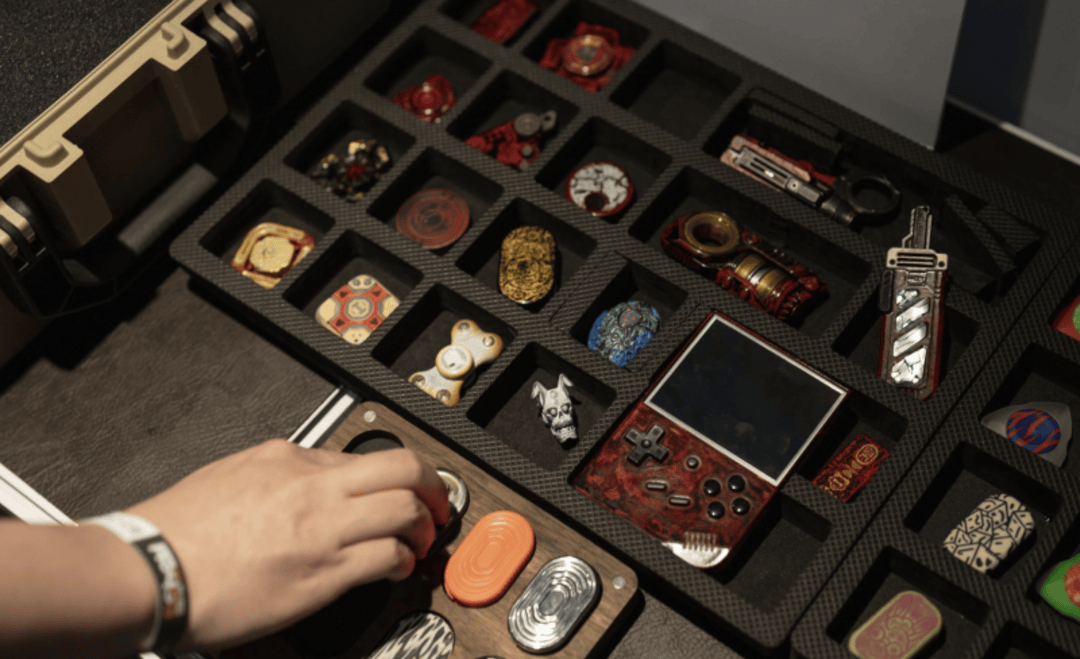
Core Insights - The EDC (Everyday Carry) market is experiencing significant growth, with transaction volume on Taobao surpassing 150 million, particularly among male consumers aged 18-24 [2] - The rise of EDC toys reflects broader trends in emotional value, IP materialization, male consumerism, and AI toys, indicating a shift towards tactile experiences and mechanical aesthetics [2] - During the 618 shopping festival, EDC category sales on Taobao increased by 250% year-on-year, driven by a strong male consumer base, with over 80% of users being male [2] Market Trends - The high-end EDC toy segment is growing, with products priced over 1500 yuan seeing a 112% increase during the 618 festival, highlighting a trend towards premiumization [3] - Material upgrades are evident, with zirconium and titanium alloys becoming mainstream choices for high-end EDC products, alongside advancements in 3D printing technology [3] - EDC toys are evolving beyond mere stress relief items to become expressions of individuality and culture, incorporating traditional designs and multifunctional features [3]
车圈为什么没有产生LABUBU?
阿尔法工场研究院· 2025-06-17 12:19
Core Viewpoint - The article emphasizes the importance of emotional value in products, particularly in the automotive industry, highlighting how LABUBU's success reflects a shift from "Made in China" to "Created by China" and the need for brands to connect with consumers emotionally rather than relying solely on technical specifications [1][37]. Group 1: Emotional Value and Branding - LABUBU's appeal lies in its unique design that combines "cute" and "edgy" elements, evoking both affection and excitement, which is crucial for emotional engagement [4][37]. - Successful brands like MINI and smart have established strong emotional narratives that resonate with consumers, while many domestic brands lack this depth and uniqueness [11][12]. - The article critiques the tendency of some brands to create products without a solid cultural foundation, leading to a lack of distinctiveness and emotional connection with consumers [11][13]. Group 2: Market Strategies and Consumer Engagement - Companies like Bubble Mart have successfully utilized consumer feedback to drive product development and marketing strategies, ensuring that their offerings align with user preferences [18][19]. - The automotive industry has examples of brands that have effectively engaged with consumers, such as Geely and Wuling, which have created products that resonate well with their target audience [22]. - The article warns against a self-centered approach to product development, where companies ignore consumer feedback and instead impose their vision, which can lead to commercial failure [25][27]. Group 3: Cultural and Emotional Depth - The success of LABUBU illustrates that true emotional value is rooted in cultural identity and shared values, rather than superficial trends [37][39]. - The article argues that products that can transform from mere commodities to cultural assets will ultimately succeed in a competitive market [39][41]. - It calls for the automotive industry to develop brands that embody emotional value and cultural significance, moving beyond price competition to create meaningful connections with consumers [41][42].
博时基金王诗瑶:解析LABUBU爆火背后的新消费投资逻辑
Xin Lang Ji Jin· 2025-06-17 01:37
Core Viewpoint - The rise of new consumption, driven by technology and policy, is reshaping consumer behavior and market dynamics, particularly among the Z generation [1][2]. Group 1: Drivers of New Consumption - The dual drivers of policy and technology, including the "trade-in" policy and the application of AI and big data, are accelerating the integration of online and offline channels [2]. - The demand for consumption upgrades, particularly from the Z generation, is pushing the growth of emotional value sectors such as trendy toys and pet economy [2]. - The potential of lower-tier markets is being unlocked, with high-cost performance domestic brands optimizing supply chains to penetrate these areas, leading to significant growth for certain industries and companies [2]. Group 2: Differences from Traditional Consumption - New consumption is characterized by a focus on "emotional value" and "supply creating demand," catering to the self-satisfaction and social needs of the Z generation, contrasting with traditional consumption that relies on material needs and demographic dividends [3]. - In terms of valuation methods, new consumption's high growth potential supports higher valuations, while traditional consumption is anchored by stable cash flows and dividend yields [4]. - The risk characteristics differ, with new consumption being highly volatile and sensitive to market emotions, whereas traditional consumption is more defensive but shows weak demand growth [4].