
国内大循环

Search documents
晨报|僵持阶段看什么
中信证券研究· 2025-04-21 01:03
Group 1 - The trade war is in a stalemate phase, making it difficult for unexpected stimulus or compromise agreements to occur, with China having more policy options and resilience compared to the US [1] - A-shares are crucial for boosting confidence during the trade war, and there is a strong commitment from the government to stabilize the capital market [1] - Investment strategies should focus on sectors like autonomous technology, domestic consumption, and stable dividend stocks that do not rely on short-term performance [1] Group 2 - The market is expected to rotate around the themes of domestic circulation and new technology, with a focus on low-risk preferences among investors [2] - The long-term impact of US tariffs on economic growth is still under evaluation, while domestic policies to support the real estate and stock markets are ongoing [2] - Key sectors to watch include domestic circulation, consumer electronics, and aerospace, as well as deep-sea economy themes [2] Group 3 - The impact of tariffs varies by import model, with traditional retail models facing pressure to reduce prices or shift supply chains, while brand manufacturers may absorb some tariff costs [3][4] - B2C operators may reduce costs in certain areas to mitigate tariff impacts, and some may shift to D2C models to enhance efficiency [4] Group 4 - Policies aimed at strengthening domestic circulation are being prioritized, with a focus on stimulating short-term demand while promoting long-term supply-side policies [5] - In real estate, measures are suggested to balance rising prices and pessimistic expectations, including increased monetary compensation for urban village renovations [5] - The manufacturing sector is expected to undergo reforms to optimize capacity and reduce competition, promoting high-quality development [5] Group 5 - The automotive sector is less exposed to US tariffs, with most companies having minimal direct export exposure to the US [6] - The industry is adapting by localizing supply chains in Mexico and enhancing production capabilities in the US [6] Group 6 - The pumped storage sector is entering a growth cycle due to improved electricity pricing mechanisms and increasing demand for power system regulation [7][8] - Investment in pumped storage projects is expected to rise, supported by favorable policies and market conditions [8] Group 7 - Service consumption is anticipated to grow, with a focus on the tourism industry, which shows resilience and potential for recovery [9] - The aviation sector is expected to see an increase in passenger volume, indicating a positive trend for related industries [9] Group 8 - The banking sector remains stable, with positive financial indicators and asset quality, making it an attractive investment option amid market volatility [10] - The sector is expected to benefit from its stable returns and significant market weight [10] Group 9 - The semiconductor industry is witnessing accelerated domestic substitution, with a focus on AI applications and new product developments [12] - The industry is expected to benefit from the ongoing trends in AI and robotics, with a strong emphasis on high-end breakthroughs [12] Group 10 - The photovoltaic supply chain is adapting to tariffs by increasing indirect exports through Southeast Asia, maintaining competitive advantages despite rising costs [13] - Companies are encouraged to diversify markets and enhance technology to mitigate risks associated with trade policies [13] Group 11 - OpenAI's release of new models enhances multi-modal reasoning capabilities, which is expected to unlock new applications in high-value sectors like research and programming [14] - The demand for AI computing power is anticipated to grow alongside advancements in multi-modal technologies [14]


关税阴影下,稳楼市更重要了
吴晓波频道· 2025-04-20 16:33
点击图片▲立即试听 " 我们手中的牌并不多,楼市是其中必须打好的、最重要的一张。 " 文 / 巴九灵(微信公众号:吴晓波频道) 所有宏大的叙事,最终都会落到一个家庭的起居之间。 2025 年春天,中美贸易摩擦不断加码,中国出口压力与日俱增,从沿海工厂到内陆中小企业,不少人开始重新计算接下来的账本:订单缩水、利 润承压,甚至员工的稳定性也打起了问号。 然而,亮眼成绩单的第二页,一个熟悉的身影却明显掉队了 —— 一季度,我国房地产开发投资同比下降 9.9% 。 这个曾经以一己之力拉动中国经济的 " 大主角 " ,如今似乎正在逐渐淡出聚光灯:不仅在新闻稿标题中失去了位置,甚至在分析师讨论时也被匆 匆带过。 宏观经济的温度计,正在测量每一个家庭最重要的决策之一 —— 买不买房,换不换房? —— 吴晓波 楼市退场?没那么简单 近日,国家统计局公布了 2025 年第一季度宏观经济的 " 成绩单 " 。在中美贸易摩擦愈演愈烈、全球供应链重新洗牌的紧张氛围下,市场的目光 集中投向了 " 出口 " 和 " 消费 " 这两大被寄予厚望的动能引擎,而它们也的确未让人失望: 一季度,中国出口同比增长 6.9% ,社会消费品零售总额同 ...
“预制”变“预利”:一场跨越3000公里的产业实验
2 1 Shi Ji Jing Ji Bao Dao· 2025-04-19 07:25
南方财经"预制菜经济"课题组 程浩 东莞报道 产业协会主办的预制菜国内大循环贸易交流研讨会在东莞举行。程浩 摄 活动当天,在由东莞市预制菜产业协会主办的一场预制菜国内大循环贸易交流研讨会上,广东东莞市和黑龙江省尚志市南北两地的政府官员、预制菜行业企 业家和物流巨头顺丰等企业齐聚一堂,共同探讨一个核心命题——如何让预制菜从"预先制作"迈向"预先盈利"。这场名为"预制"变"预利"的交流活动,不仅 是一场产业对话,更是一次国内大循环贸易的破冰实验。 近年来,预制菜产业在消费升级与供应链优化的双重驱动下迅猛发展,但行业仍面临产销脱节、物流成本高企、区域资源错配等痛点。尤其在复杂多变的国 际贸易环境下,打通国内大循环贸易通路,成为预制菜产业高质量发展的关键。 东莞市预制菜产业协会会长叶贺年介绍,中国预制菜市场规模已突破5000亿元,预计2025年将达万亿级别。受季节因素影响,供应链不畅通,没有建立稳定 的供应渠道,这种供需错配导致"南方企业买不到好原料,北方好原料卖不出好价钱"的尴尬局面。 以黑龙江的"北菜南运"为例,一吨蔬菜从黑龙江运至广东,物流成本占比高达20%—30%,且冷链断裂风险导致损耗率超过10%。顺丰速运 ...


一季度经济数据:直面变局
Yong Xing Zheng Quan· 2025-04-17 07:02
Economic Growth - The nominal GDP growth rate for Q1 2025 is 5.4% year-on-year, unchanged from Q4 2024, while the current price GDP growth rate slightly decreased to 4.59% from 4.62%[14] - The CPI average fell to -0.10% in March 2025, while the PPI average rose to -2.33%[14] Employment and Income - The urban surveyed unemployment rate in Q1 2025 increased to 5.27%, compared to 5.03% in Q4 2024[17] - Per capita disposable income grew by 5.6% year-on-year in Q1 2025, up from 5.1% in 2024[17] Consumer Spending - The total retail sales of consumer goods in Q1 2025 increased by 4.6% year-on-year, compared to 3.5% in 2024[24] - In March 2025, retail sales grew by 5.9% year-on-year, with significant increases in categories such as home appliances (35.1%) and furniture (29.5%) compared to previous months[27][28] Fixed Asset Investment - Fixed asset investment in the first three months of 2025 rose by 4.2% year-on-year, with infrastructure investment increasing by 11.5%[5] - Real estate development investment decreased by 9.9%, accounting for 19.3% of total fixed asset investment[5] Industrial Production - The industrial added value in Q1 2025 grew by 6.5% year-on-year, with high-tech industries increasing by 9.7%[48] - In March 2025, the industrial added value rose by 7.7% year-on-year, with mining and manufacturing sectors showing strong growth[48] Investment Recommendations - The high growth rates in industrial output, particularly in high-tech sectors, alongside robust infrastructure and manufacturing investments, are seen as foundational strengths for the Chinese economy[54]
北京零售企业搭建专区助力外贸扩内销
Bei Jing Shang Bao· 2025-04-16 11:10
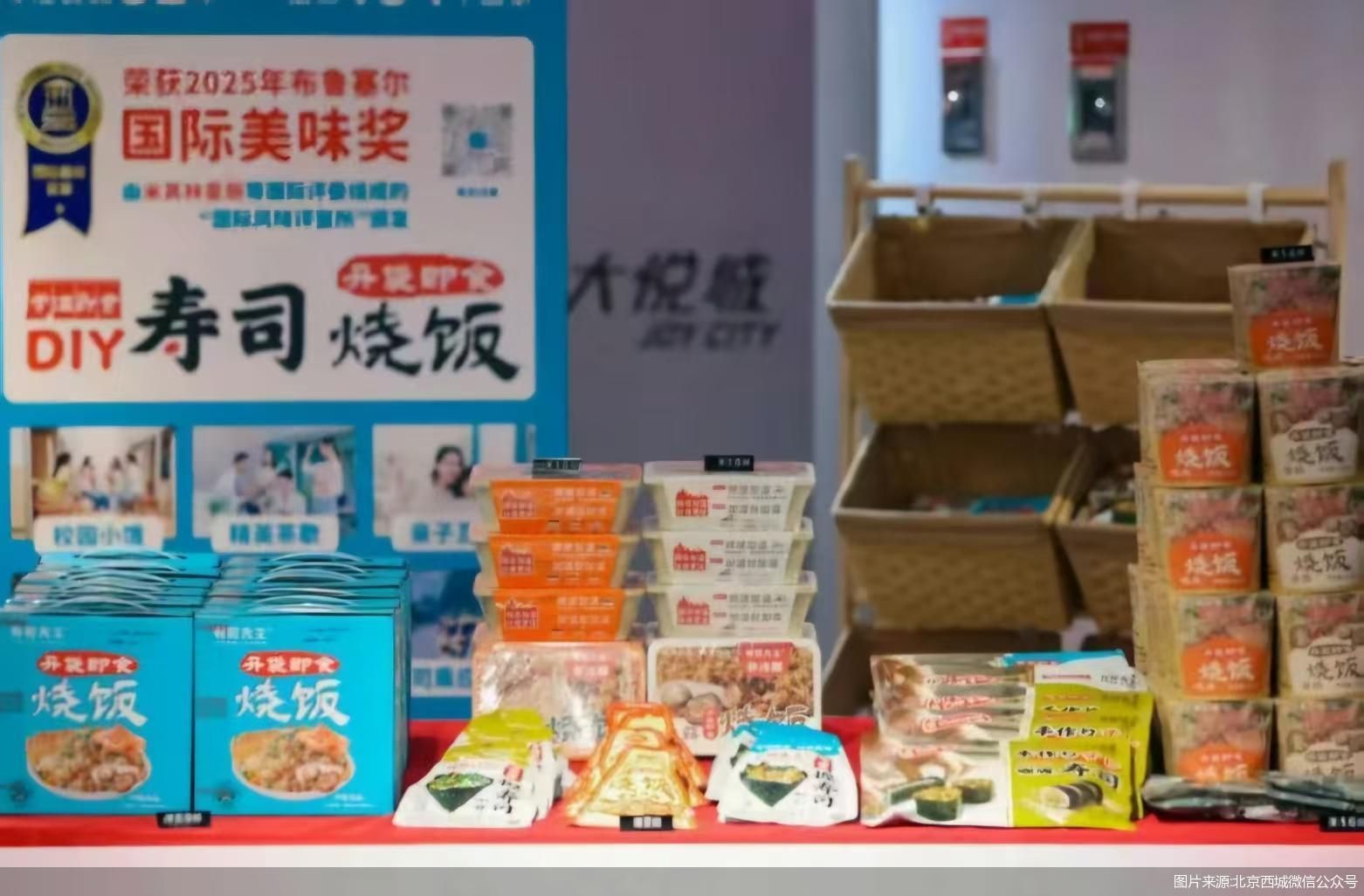
美国关税重压下,本是外销美国的中国畅销品寻找新卖家。对此,商场、购物中心企业搭建销售平台,帮助企业拓展内销空间。4月16日,北京商报记者 从"北京西城"微信号了解到,西单大悦城等点位开展外贸商品转内销活动,活动地点为西单大悦城B2层。 活动期间,北京市西城区加强联系对接属地内优质央企资源和商业资源,助力企业积极开拓多元化市场,稳住外贸基本盘。 据悉,首批参与展销的商家有中国中纺、中粮屯河番茄、浙江新秀箱包集团、天津禧天龙科技、福建奇鹭物联网科技、北京佳美丽家陶瓷、天津食品进出口 公司、中饭(漳州)食品、江苏粮油食品进出口集团、汾阳市瑞优食品、烟台福明蜂产品有限公司、麦康食品(青岛)、浙江塔牌绍兴酒有限公司13家企 业。 接下来,西城区商务局将加大支持力度,搭建平台,征集梳理,整合资源,组织外贸企业在北京坊等重点区域以及重点央企电商平台进行出口转内销产品展 示展销,有力促进外贸产品销售。 不仅是西单大悦城,在外贸企业寻求转型时,零售企业伸出了橄榄枝。北京商报记者了解到,几天前,盒马正式对外宣布,面向中国外贸企业开放入驻通道 ,并推出了一系列极具针对性的扶持措施。盒马为外贸企业开通了绿色通道,安排24小时专人加急 ...
今年一季度中国GDP同比增长5.4%
Xin Hua She· 2025-04-16 04:34
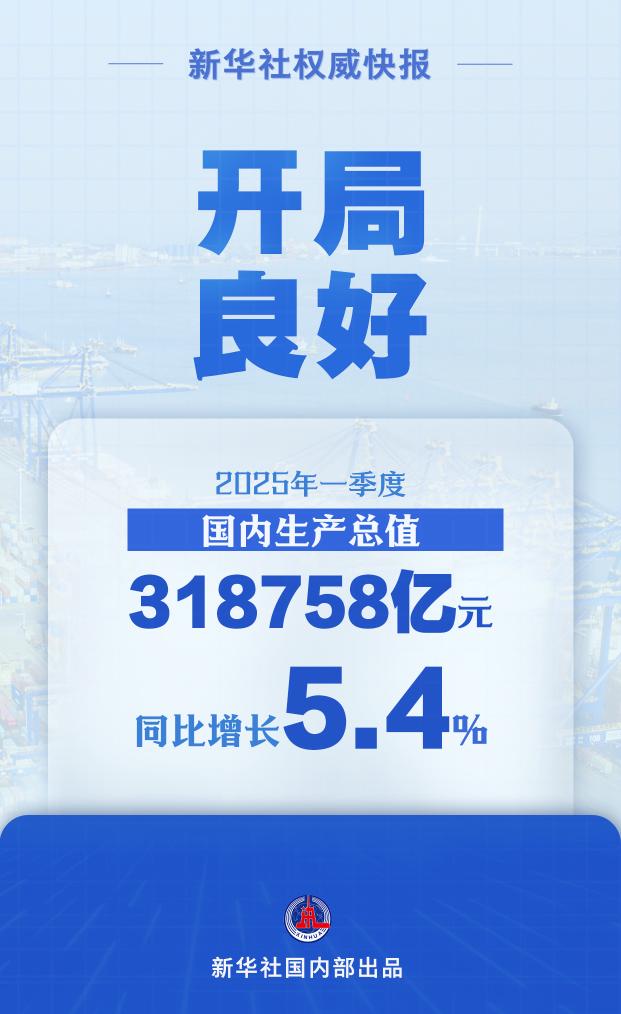
新华社权威快报 2025年一季度 国内生产总值 318758 Z 同比增长 0 - 4% 新华社国内部出品 新华社北京4月16日电(记者潘洁、张晓洁)国家统计局16日发布的数据显示,初步核算,一季度 国内生产总值(GDP)318758亿元,按不变价格计算,同比增长5.4%,比上年四季度环比增长1.2%。 数据显示,农业生产形势较好,工业生产增长加快,服务业较快增长。一季度,农业(种植业)增 加值同比增长4%;全国规模以上工业增加值同比增长6.5%,比上年全年加快0.7个百分点;服务业增加 值同比增长5.3%,比上年全年加快0.3个百分点。 "总的来看,一季度,随着各项宏观政策继续发力显效,国民经济起步平稳、开局良好,延续回升 向好态势,创新引领作用增强,发展新动能加快培育壮大。"国家统计局副局长盛来运在当天举行的国 新办新闻发布会上说,但也要看到,当前外部环境更趋复杂严峻,国内有效需求增长动力不足,经济持 续回升向好基础还需巩固。 市场销售增速回升,固定资产投资稳中有升。一季度,社会消费品零售总额124671亿元,同比增长 4.6%,比上年全年加快1.1个百分点。全国固定资产投资(不含农户)103174亿元, ...
申万期货品种策略日报:黑色-20250416
Shen Yin Wan Guo Qi Huo· 2025-04-16 01:49
1. Report Industry Investment Rating - No relevant content provided 2. Core View of the Report - The steel market is currently facing weak terminal demand, with no clear improvement in fundamentals. Although the steel mills' profits have recovered and production has increased, the sustainability of real steel demand needs careful observation. The market is expected to be weak after a short - term shock - driven upward movement. The iron ore market has support from iron ore demand due to the potential for further increase in molten iron production and good steel mill profits. However, there is a large medium - term supply - demand imbalance pressure, and it is expected to be weak after a short - term rebound. The coking coal and coke market has the potential for upward valuation repair supported by the recovery of downstream demand, and attention should be paid to the digestion of upstream inventory. The ferroalloy market may have stronger support at the bottom driven by the recovery of demand, and attention should be paid to the digestion of market inventory [3]. 3. Summary by Relevant Catalogs 3.1 Futures Market - **Contract Prices and Changes**: For example, the previous day's closing price of coke 01 contract was 1622, down 7 from the day before, with a decline of 0.4%; the previous day's closing price of iron ore 05 contract was 766, up 7 from the day before, with an increase of 0.9%. There were also changes in price ratios and spreads of different contracts, such as the coke 1 - 5 spread changing from 80 to 55 [2]. - **Spot Market and Basis**: In the coke spot market, the spot price at Rizhao Port and Qingdao Port remained at 1340; in the iron ore spot market, the price of PBF (Fe61.5%) increased from 842 to 849. The basis of different varieties also changed to varying degrees [2]. 3.2 Profit - **Profit Changes**: Coke simulation profit decreased from 63 to - 385; steel simulation profit increased from - 53 to - 49; the profit of steel mills on the futures market decreased from - 48 to - 71; the profit of coking plants on the futures market increased from 312 to 327 [3]. 3.3 Macro News - On April 15, Premier Li Qiang emphasized during a research trip in Beijing to calmly respond to difficulties and challenges brought by external shocks, promote consumption and expand domestic demand with greater efforts, and further release the vitality and potential of China's super - large - scale market [3]. 3.4 Industry Information - From April 7 - 13, the total transaction area of newly - built commercial housing in 10 key cities was 131.99 million square meters, a month - on - month decrease of 18.4% and a year - on - year decrease of 18.6%; the total transaction area of second - hand housing was 265.87 million square meters, a month - on - month increase of 39.5% and a year - on - year increase of 24.5% [3]. - For steel, the tariff exemption has no direct impact, and the indirect export impact has not been realized. Terminal demand is weak, and the real steel demand needs careful observation. For iron ore, although the supply is expected to change, the demand is supported by the increase in molten iron production. For coking coal and coke, there is potential for upward valuation repair. For ferroalloys, the cost support has weakened, and attention should be paid to the guidance of steel procurement and the digestion of inventory [3].
政策跟踪 | 根据形势需要及时推出新的增量政策
申万宏源宏观· 2025-04-14 11:42
Group 1 - The central government emphasizes the construction of a community of shared destiny with neighboring countries, focusing on strategic mutual trust, regional stability, and deepening development integration [2] - The government aims to enhance domestic circulation, expand domestic demand as a long-term strategy, and support employment and income growth [3][4] - The government plans to implement proactive macro policies and timely introduce new incremental policies based on changing economic conditions [3][4] Group 2 - China has announced a series of tariff countermeasures against the U.S., increasing tariffs on all imported goods from the U.S. to 125% [6][7] - The Ministry of Commerce has placed several U.S. entities on export control lists, indicating a significant escalation in trade tensions [6][7] - The government is taking measures to mitigate the impact of tariffs, including adjustments in financial regulations and support for state-owned enterprises [8][10] Group 3 - The State Council has issued a plan to accelerate the construction of an agricultural power by 2035, focusing on rural revitalization and agricultural modernization [12][13] - The plan includes promoting the integration of rural industries and enhancing the competitiveness of agricultural products [12][13] Group 4 - The government has issued guidelines to improve the employment service system for college graduates, emphasizing the need for alignment between education and labor market demands [14][15] - The focus is on optimizing the supply of education and enhancing career guidance to facilitate high-quality employment for graduates [14][15] Group 5 - Employment pressure is rising due to structural unemployment caused by industry adjustments and trade frictions, particularly affecting low-education groups [18][19] - New job opportunities are emerging in the service sector, driven by new demands and technologies, with a notable increase in flexible employment [20][21] - The government is encouraged to support the service sector and flexible employment to alleviate unemployment pressures [21]

银河证券头条——政策定力较强,债市做多胜率提高
Sou Hu Cai Jing· 2025-04-07 07:41
Core Viewpoint - The U.S. has officially initiated a trade war with the announcement of "reciprocal" tariffs, resulting in an average import tariff rate exceeding 20%, the highest since the 1930s, reflecting a significant shift in global trade dynamics under Trump's administration [1] Tariff Summary - The global average tariff increase is set at 10%, with countries facing larger trade deficits subjected to higher tariffs. The so-called "comprehensive tax rate" includes not only tariffs but also VAT, non-tariff barriers, and any perceived unfair practices by the U.S. [1] - China faces a cumulative tariff burden of approximately 65%, which includes an average pre-Trump tariff of 11%, a 20% tariff related to fentanyl issues, and an additional 34% in reciprocal tariffs [1] Impact on Other Countries - Asian countries are significantly affected, with Vietnam facing a 46% tariff, Thailand 36%, Taiwan 32%, Indonesia 32%, India 26%, and Malaysia 24%. Europe faces a 20% tariff, while the UK is subjected to a 10% tariff, indicating some negotiation flexibility [2] Additional Tax Measures - A 25% tariff on automobiles has been introduced, and the exemption for small Chinese goods has been canceled [3] Strategic Focus of Tariffs - Tariffs are strategically aimed at China, with rates exceeding 60%, and also target key manufacturing sectors related to military and technological security, such as steel, aluminum, and automobiles [4] - Tariffs are also used as leverage in broader negotiations, including issues like the Russia-Ukraine conflict [4] Economic Impact on the U.S. - The imposition of tariffs is expected to create stagflation pressures in the U.S. economy, with an estimated GDP impact of about 1.6 percentage points, increasing the likelihood of a recession in the second half of the year [4] - The tariffs will cause a one-time spike in the Consumer Price Index (CPI), but a decline in overall demand may lead to a deflationary effect, insufficient to alter the Federal Reserve's interest rate policies [4] Impact on China’s Economy and Policy - The cumulative tariffs from the U.S. are projected to reduce China's GDP by approximately 1.0 to 1.5 percentage points. In response, China is likely to enhance domestic demand strategies, with potential policy measures including childcare subsidies and urban renovation projects [5] Market Implications for China - The tariffs exacerbate global economic instability, but China's domestic market resilience may provide a competitive edge. The impact on economic growth is unavoidable, yet available policy tools can effectively mitigate adverse effects, maintaining a stable economic outlook [6] - In the fixed income market, external uncertainties may enhance the appeal of bonds, while stock market activity will influence bond performance, with expectations of more accommodative monetary policy in the second quarter [7] Currency Impact - The impact on the Chinese yuan is expected to be less severe than in 2018, with short-term fluctuations around 7.3. The stability of the yuan is supported by the narrowing interest rate differential between China and the U.S. [7]
我们能化危为机吗?
Hu Xiu· 2025-04-07 02:58
Group 1: Tariff War Overview - The United States has initiated a "tariff war" against all trade partners, increasing tariffs on China by 34%, bringing the total tariff rate to 54% since Trump's administration began [1] - China has responded with equivalent countermeasures, imposing a 34% tariff on all American goods [1] Group 2: Perspectives on Trump's Tariff Strategy - There are three main perspectives on Trump's tariff strategy: 1. It is seen as a deviation from economic principles aimed at fulfilling campaign promises and promoting manufacturing return [3] 2. It is viewed as part of a systematic policy to contain China, aiming to reshape a global trade system without China [4] 3. It is interpreted as a negotiation tactic, where Trump sets high tariffs to open discussions with all countries [5][8] Group 3: China's Response to Tariffs - China's immediate decision to raise tariffs is logical, as the first category of products (high-value items) is already restricted by the U.S., while the second category can be sourced from other competitors [11] - The third category involves substituting U.S. agricultural products with those from other countries, which may increase import costs but is manageable given current deflationary pressures in China [11] Group 4: Economic Context and Domestic Consumption - China is the largest manufacturing country but not the largest consumer, indicating a reliance on foreign trade due to insufficient domestic demand [14] - Past strategies to expand domestic demand have relied heavily on investment, particularly in real estate and infrastructure, but this approach is no longer sustainable [15] - A shift towards consumer-driven growth is necessary, requiring a reallocation of resources from investment to consumption [16] Group 5: Urbanization and Pension Issues - There is a significant gap between urban and rural income, with rural residents earning approximately 43% of urban income, highlighting the need for pension reforms [17] - Current pension levels are inadequate, often falling below minimum living standards, which affects the consumption capacity of rural elderly [18] - Improving pensions could enhance the consumption ability of rural families, thereby stimulating domestic demand [18][19] Group 6: Structural Reforms and Future Outlook - To achieve a robust domestic consumption cycle, addressing the dual structure of urban and rural economies is crucial [20] - Systematic reforms could potentially elevate China's status from the second-largest consumer to the largest globally, reducing vulnerability to external trade pressures [21] - The current crisis presents an opportunity for significant reforms that should not be wasted [22]