关税战

Search documents
安粮期货宏观股指
An Liang Qi Huo· 2025-06-19 01:18
Group 1: Macro and Stock Index - The Lujiazui Forum released eight major financial policies, including the establishment of a bank - to - bank market transaction reporting library and a digital RMB international operation center. Policies such as optimizing the functions of free trade accounts and developing free - trade offshore bonds are beneficial to cross - border capital flows and foreign - trade enterprise financing, injecting liquidity expectations into the market [2]. - The Shanghai Composite 50 index fell 0.15%, the CSI 300 rose 0.12%, the CSI 500 fell 0.09%, and the CSI 1000 rose 0.53%. The 1 - year implied volatility of the CSI 1000 index option was 21.2%, higher than that of the CSI 300 (15.6%), indicating a higher expected volatility for small - and medium - cap stocks [2]. - The futures discount rates of the CSI 500 and CSI 1000 were 0.3% and 0.5% respectively, reflecting short - term selling pressure. Attention should be paid to the sustainability of the resonance between technical repair and policy benefits [2]. Group 2: Crude Oil - The conflict between Iran and Israel is a key factor affecting oil prices. Market sentiment is cautious, and oil price volatility has increased significantly. The summer peak season for crude oil is approaching, and US inventories have declined for four consecutive weeks, supporting price increases [3]. - If the Middle East situation, especially Iran's counter - attack against Israel, continues to escalate, oil prices are likely to rise. Multiple institutions predict that if the conflict expands, oil prices may return to the high - price range. If the conflict eases, the risk premium of crude oil will quickly decline [3]. - The WTI main contract should focus on the resistance around $78 per barrel [3]. Group 3: Gold - Israel's expanded military strikes on Iran and the threat of enhanced sanctions by the Trump administration have increased the risk of shipping in the Strait of Hormuz, leading to a continuous increase in the demand for gold as a safe - haven asset. Trump's claim to impose new tariffs on the pharmaceutical industry has also intensified concerns about global trade frictions [4]. - The world's largest gold ETF (SPDR Gold Trust) has seen inflows for three consecutive days. Gold prices have been consolidating for two consecutive days, trading below $3400 per ounce in the Asian session. The market is waiting for the Fed's interest - rate decision and policy guidance [4][5]. - In the short term, gold prices are supported by geopolitical risks, central - bank gold purchases, and expectations of interest - rate cuts, but volatility will increase. If the Fed sends a dovish signal or shipping in the Strait of Hormuz is interrupted, gold prices may break through $3400. If the geopolitical situation eases or the Fed delays interest - rate cuts, gold prices may回调 to $3350 [5]. Group 4: Silver - On June 18, 2025, during the Asian session, the spot silver price reached a high of $37.313 per ounce, the highest since 2012, and maintained a high - level volatile pattern [6]. - The continuous escalation of the conflict between Iran and Israel, the strengthening of the US military deployment in the Middle East, and Trump's threat to impose new tariffs have increased geopolitical risks, driving up the price of silver. The short - term profit - taking of funds has not changed the net increase in holdings throughout the year [6]. - Silver has broken through the resistance around $37 under the resonance of its financial and industrial attributes. Attention should be paid to the short - term impact of the Fed's FOMC interest - rate decision on silver prices [6]. Group 5: Chemicals PTA - The spot price in East China was 5205 yuan/ton, with a month - on - month increase of 185 yuan/ton, and the basis was 309 yuan/ton. The rise in crude oil prices supported PTA prices, but the upside was limited [7]. - In June, PTA plant maintenance and restart were concurrent, with an overall operating rate of 83.25%, a month - on - month increase of 4.25%. The inventory days were 4.03 days, basically the same as the previous period. Polyester factory and Jiangsu - Zhejiang loom loads decreased, and the textile market was in a off - season [7]. - In the short term, PTA prices may fluctuate following the cost side [7]. Ethylene Glycol - The spot price in East China was 4547 yuan/ton, with a month - on - month increase of 77 yuan/ton, and the basis was 76 yuan/ton. Affected by geopolitical factors, some Middle - East plants stopped production, but the overall operating rate increased [8]. - The inventory in East China's main ports decreased, and the demand from polyester factories and Jiangsu - Zhejiang looms declined, with a decrease in terminal order days [8]. - In the short term, ethylene glycol prices may show a narrow - range bullish fluctuation [8]. PVC - The mainstream spot price of Type 5 PVC in East China was 4790 yuan/ton, with a month - on - month increase of 40 yuan/ton. The supply side decreased slightly, and the demand from domestic downstream enterprises did not improve significantly, with mainly rigid - demand transactions [9]. - As of June 12, PVC social inventory decreased, but the fundamentals did not improve significantly, and the futures price was oscillating at a low level [9]. - The fundamentals of PVC remain weak, and the futures price will oscillate at a low level [9]. PP - The mainstream prices of PP拉丝 in North, East, and South China increased slightly. The average capacity utilization rate of polypropylene increased, and domestic production increased both month - on - month and year - on - year [10]. - The average operating rate of downstream industries decreased, and the port inventory decreased. The futures price rebounded due to market sentiment, but the fundamentals were weak [10]. - The fundamentals of PP have not improved, and attention should be paid to the risk of a decline in market sentiment [10][11]. Plastic - The mainstream spot prices in North, East, and South China increased. The capacity utilization rate of polyethylene production enterprises increased, while the operating rate of downstream products decreased [12]. - The inventory of polyethylene production enterprises decreased. The futures price rebounded due to the increase in crude - oil prices, but the fundamentals were weak [12]. - The fundamentals of plastic are weak, and attention should be paid to the risk of a decline in market sentiment [12]. Soda Ash - The mainstream prices of heavy soda ash in different regions remained unchanged. The overall operating rate of soda ash increased, and production increased significantly [14]. - The manufacturer's inventory increased, and the social inventory decreased. The demand was average, and the market lacked new driving forces [14]. - The futures market of soda ash is expected to continue to oscillate at the bottom in the short term [14]. Glass - The market prices of 5mm large - size glass in different regions remained unchanged. The operating rate of float glass increased slightly, and the weekly output decreased slightly [15]. - The manufacturer's inventory decreased slightly, but the pressure during the rainy season cannot be ignored. The demand remained weak [15]. - The glass futures market is expected to oscillate weakly in the short term [15]. Rubber - The spot prices of different types of rubber and raw - material prices in He'ai were provided. Rubber prices rebounded due to market sentiment, but the increase was restricted by the repeated trade - war situation and the oversupply situation [17]. - The domestic and Southeast - Asian rubber - producing areas have entered the harvest season, with a loose supply situation. The operating rates of downstream tire enterprises increased [17]. - Attention should be paid to the operating conditions of the downstream rubber industry, and rubber prices are expected to rebound due to market resonance [17]. Methanol - The domestic spot price of methanol increased. The futures price of the main contract increased, and the port inventory increased. The domestic operating rate of the methanol industry decreased slightly, and Iranian methanol plants stopped production due to geopolitical conflicts [18][19]. - The operating rates of MTO and MTBE devices increased, while the demand from traditional downstream industries remained weak [19]. - In the short term, the futures price of methanol may maintain a slightly bullish oscillation. Attention should be paid to changes in port inventory and the recovery of Iranian plants [19]. Group 6: Agricultural Products Corn - The mainstream purchase prices of new corn in Northeast China and North China were provided. The USDA's June supply - and - demand report was slightly bullish, but the support was limited [20]. - The domestic corn market is in a transitional period between old and new grains, with a potential shortage of supply. Downstream demand is weak, but the substitution effect of wheat has decreased, which is beneficial to corn prices [20]. - The main corn futures contract is expected to oscillate between 2300 - 2400 yuan/ton in the short term. Attention should be paid to whether it can break through the upper resistance level [20]. Peanut - The spot prices of peanuts in different regions were provided. The increase in the bio - fuel standard in the United States has supported the peanut - futures market, but there is no continuous upward momentum for peanut prices [21]. - It is estimated that the domestic peanut - planting area will increase in 2025. Currently, the market is in a period of inventory consumption, with a situation of weak supply and demand. Low inventory may drive up prices [21]. - In the short term, the main peanut - futures contract is unlikely to have a trending market and is expected to oscillate within a range [21]. Cotton - The spot price index of Chinese cotton and the arrival price of Xinjiang cotton were provided. The improvement in Sino - US economic and trade relations and the USDA's supply - and - demand report have had a bullish impact on cotton prices [22]. - The expected increase in cotton production in the new year may lead to a loose supply situation. Currently, cotton imports are low, and commercial inventory is lower than in previous years. The textile market is in an off - season, with insufficient new orders and increasing inventory pressure [22][23]. - Cotton prices are expected to be slightly bullish in the short term. Attention should be paid to whether the previous gap can be filled [23]. Pig - The average price of ternary hybrid pigs in major production and sales areas increased. The supply of pigs in the market is sufficient, while the demand for pork is low. The short - term price increase is due to the adjustment of the supply side by farmers, and the increase is limited [24]. - Attention should be paid to whether the 2509 pig - futures contract can break through the upper resistance level of 14000, and continuous attention should be paid to the slaughter situation of pigs [24]. Egg - The egg prices in the main production areas increased. The supply pressure has been relieved due to the continuous elimination of old hens, but the demand is still weak due to the difficulty of egg storage in hot and humid weather [25]. - After a short - term rebound, egg prices are still under pressure. The continuous elimination of old hens will support the market to some extent. It is recommended to wait and see for the time being [25]. Soybean No. 2 - The import costs of US and Brazilian soybeans were provided. The breakthrough in US bio - fuel has boosted US soybeans, and weather factors will have a greater impact on the market during the critical growth period of US soybeans [26]. - Soybean No. 2 is expected to oscillate slightly bullishly in the short term [26]. Soybean Meal - The spot prices of soybean meal in different regions were provided. The repeated US tariff policy and global geopolitical turmoil have affected the market. Tariff policies and weather are the main driving factors for prices [27]. - The operating rate and crushing volume of domestic oil mills are at a high level, with a large supply of soybean meal. Downstream demand is strong, and the inventory accumulation of soybean meal is slow [27]. - Soybean meal is expected to oscillate within a range in the short term [27]. Soybean Oil - The spot prices of soybean oil in different regions were provided. The breakthrough in US bio - fuel has led to a rebound in the external market, driving up domestic soybean - oil prices. Attention should be paid to the weather in the US soybean - producing areas during the critical growth period [29]. - The operating rate and crushing volume of domestic oil mills have returned to a high level, with an expected increase in the supply of soybean meal. The catering industry is in an off - season, and the inventory - accumulation pressure of soybean oil has increased [29]. - Soybean oil is expected to oscillate slightly bullishly in the short term [29]. Group 7: Metals Shanghai Copper - The spot price of Shanghai 1 electrolytic copper increased, and the import - copper ore index decreased. The continued conflict between Israel and Iran in the Middle East and the complex situation of the Fed's interest - rate cuts have affected market sentiment [30]. - Domestic support policies have boosted market confidence. The raw - material supply of copper is still disturbed, and domestic copper inventory is decreasing. The game between reality and expectation, as well as between the domestic and foreign markets, has intensified [30]. - Copper prices are testing the lower neckline of the island pattern, and a defensive strategy is recommended for the time being [30]. Shanghai Aluminum - The Shanghai spot price of aluminum increased. The Fed's interest - rate meeting is approaching, and geopolitical risks in the Middle East have increased. The domestic operating capacity of electrolytic aluminum is stable, with sufficient supply [31]. - The traditional off - season effect is significant, and the demand from downstream industries is weak. However, the decline in inventory and the rebound of alumina prices have supported aluminum prices [31]. - Aggressive investors can try to go long with a light position, while conservative investors should wait and see [31]. Alumina - The national average price of alumina decreased. The supply side has increased production capacity, with a serious oversupply situation. The demand from electrolytic - aluminum enterprises is mainly rigid, and there is no arbitrage space for imports and exports [32]. - The port inventory of bauxite has increased, and the cost center of alumina has moved down. The alumina 2509 contract is showing a weak adjustment trend [32]. Cast Aluminum Alloy - The national and East - China spot prices of cast aluminum alloy increased. The tight supply of scrap aluminum has provided cost support, but the industry is facing the pressure of oversupply due to continuous capacity expansion [33]. - The new - energy vehicle industry is performing well, but it will enter the off - season in the second half of the year. The inventory of aluminum alloy is relatively high, and the current inventory - accumulation trend will continue [33]. - The cast - aluminum - alloy 2511 contract is expected to oscillate within a range [33]. Lithium Carbonate - The market prices of battery - grade and industrial - grade lithium carbonate remained unchanged. The lithium - ore market has stabilized, and inventory has decreased significantly. The supply side is still operating at a high level, but demand is weak, except for the resilience of power - battery demand [34]. - The current fundamentals have not been substantially improved, and lithium prices are expected to oscillate within a range in the short term. Conservative investors are recommended to wait and see, while aggressive investors can operate within the range [34]. Industrial Silicon - The market prices of different types of industrial silicon remained unchanged. The supply side has continued to resume production, with an increase in output. The demand side maintains on - demand procurement, and the inventory is showing a slight downward trend [35]. - The industrial - silicon 2509 contract is expected to oscillate at the bottom [35]. Polysilicon - The spot prices of different types of polysilicon remained unchanged. The supply side has increased production due to the resumption of production in Sichuan and the expectation of new production capacity. The demand side is weak, with a significant decline in the demand from the photovoltaic industry [36][37]. - The polysilicon 2507 contract is expected to oscillate weakly, and it is recommended to go short when the price is high [37]. Group 8: Black Metals Stainless Steel - The spot price of cold - rolled stainless - steel coils remained unchanged. Technically, the downward trend may turn into a low - level oscillation, and the rebound is restricted by the moving - average system. Fundamentally, the cost support has weakened, the supply pressure remains, and the demand is weak, with poor inventory reduction [38]. - Stainless - steel prices are expected to oscillate widely at a low level and have not yet stabilized. It is recommended to wait and see for the time being [38]. Rebar - The spot price of rebar increased. The futures price has changed from a resistive decline to an oscillation under a high basis. The macro sentiment has improved, raw materials in the industrial chain have stabilized, and the cost center is dynamically operating. The demand is in the off - season, inventory is low, and the valuation is relatively low [39]. - It is recommended to take a light - position, low - buying, and slightly bullish approach in the short term [39]. Hot - Rolled Coil - The spot price of hot - rolled coils increased. Technically, the downward trend is gradually turning to stabilization. Fundamentally, external talks have progressed smoothly, raw materials in the industrial chain have stabilized, the cost center is dynamically operating, apparent demand has rebounded, inventory is low, and the valuation is relatively low [40]. - It is recommended to take a light - position, low - buying, and slightly bullish approach [40]. Iron Ore - The spot prices of iron ore were provided. The supply side has maintained a high level of shipments, and the demand side has a high production enthusiasm of steel mills, with an increase in molten - iron output. The port
习近平:关税战、贸易战没有赢家,单边主义、保护主义、霸权主义注定伤人害己
news flash· 2025-06-17 13:14
Core Viewpoint - The statement emphasizes that there are no winners in trade wars and that unilateralism, protectionism, and hegemonism ultimately harm all parties involved [1] Group 1 - The current global situation is characterized by accelerated changes and a new period of turmoil and transformation [1] - The importance of fairness, justice, and mutual benefit is highlighted as essential for maintaining world peace and achieving common development [1] - The call for unity and the rejection of a return to the "law of the jungle" is made, advocating for the construction of a community with a shared future for mankind [1]
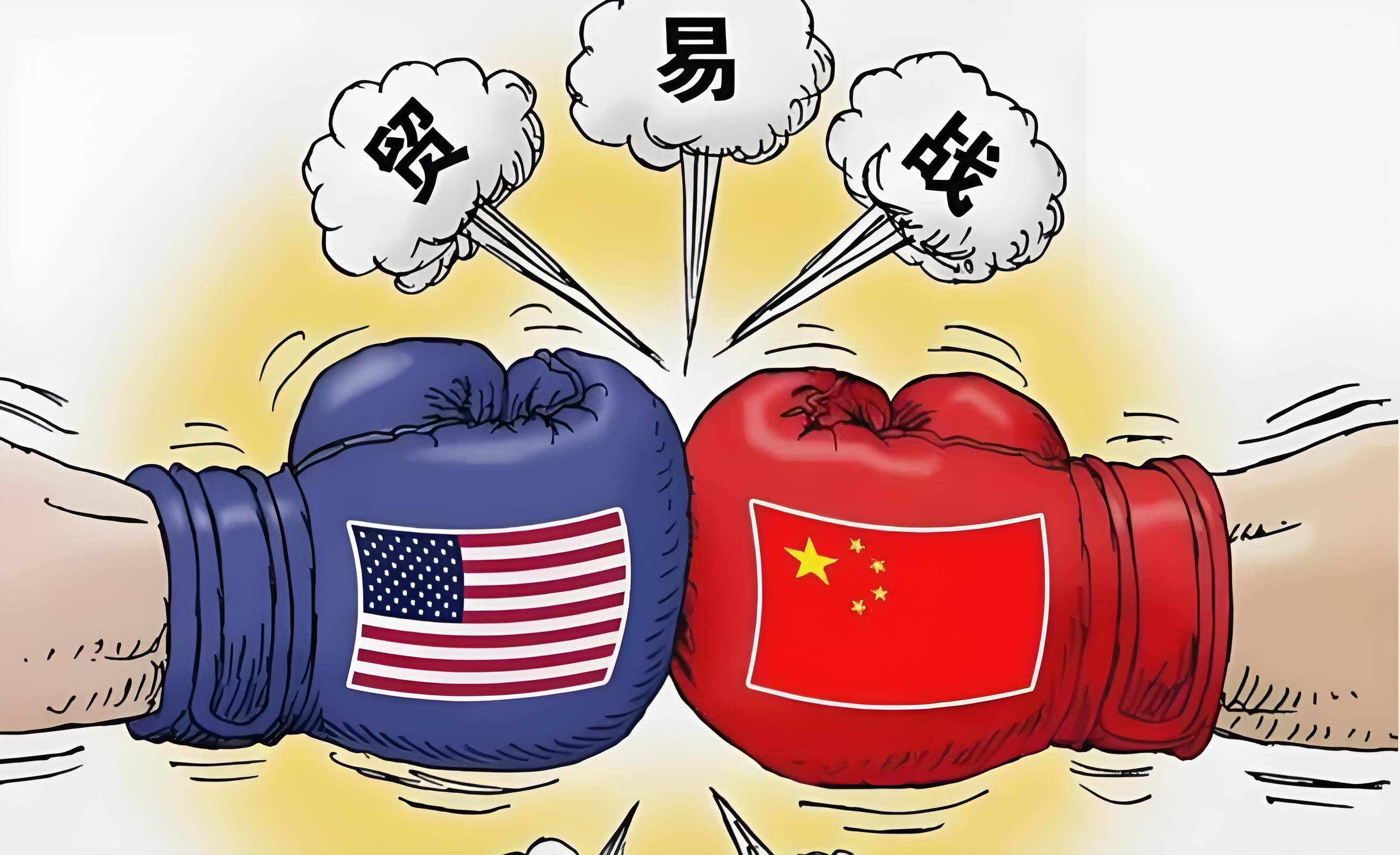
中美关税战胜负手已分,中国人民再一次,把美国打回了三八线以南
Sou Hu Cai Jing· 2025-06-17 06:24
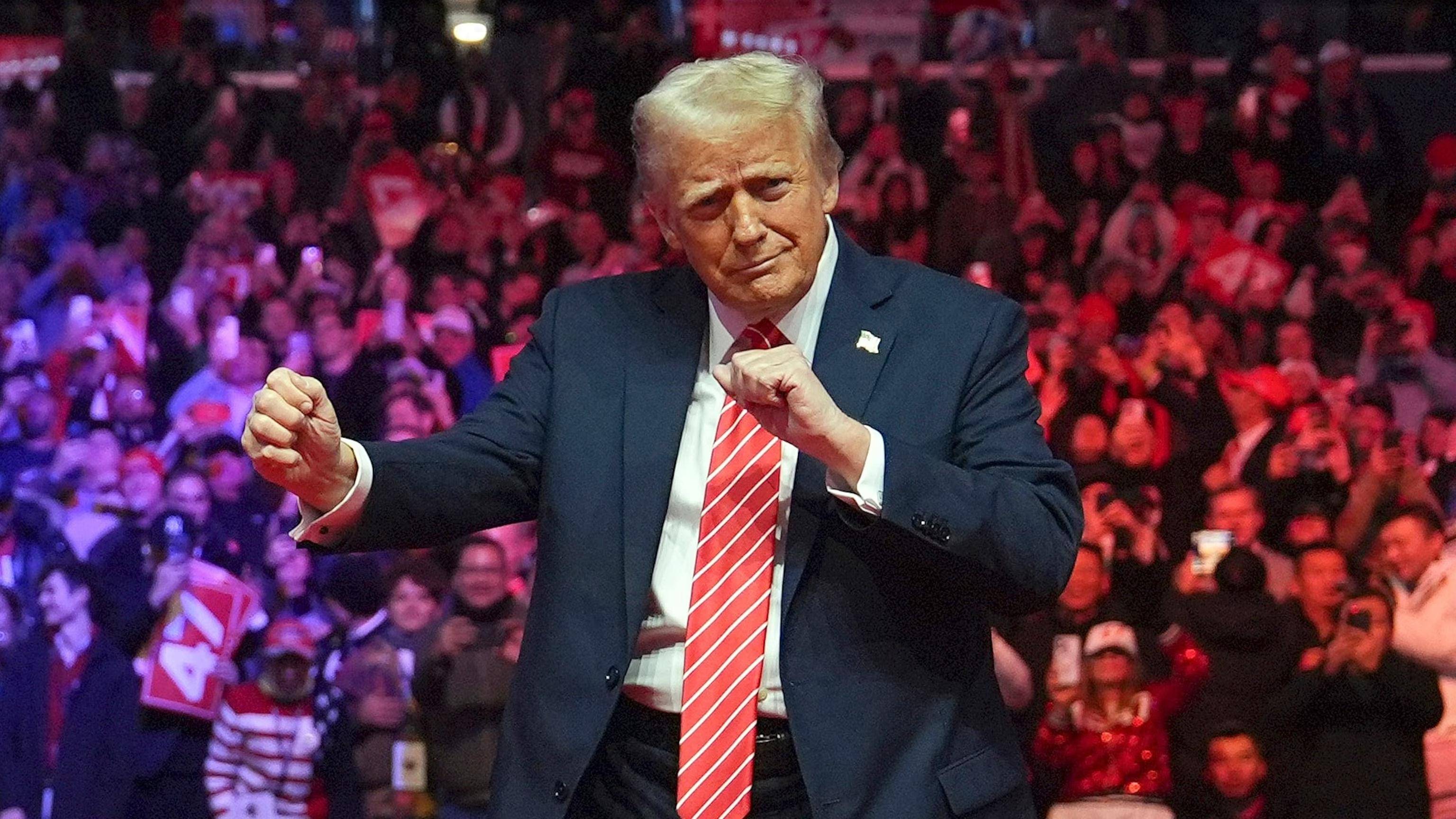
如果把这场中美关税战比作当年的抗美援朝,咱们这回可算是又一次把美国打回了"三八线以南"。川普,这个满嘴跑火车的老流氓,曾经信誓旦旦要用关税 大棒把中国摁在地上摩擦,可结果呢?不到一个月,他就灰头土脸地偃旗息鼓了。 七十多年前,志愿军将士们在朝鲜战场上用鲜血和意志,把美帝国主义的嚣张气焰打得粉碎,硬生生把他们逼回了三八线以南。今天,这场经济战场上的较 量,虽然没有炮火硝烟,但本质没变——美国还是那个美国,但凡能不讲道理,就不会和你讲道理,讲一点道理那也是被逼得不行了。中国也还是那个中 国,谈,我们大门敞开;打,我们奉陪到底。他们要打多久,我们就陪他们打多久,一直打到完全胜利。 川普这人呐,满脑子都是MAGA的春秋大梦,以为自己挥舞关税大棒就能让中国跪地求饶。可惜,他忘了自己手里攥着的不是尚方宝剑,而是一把破铜烂 铁。 美国财政部长贝森特在5月12日的媒体吹风会上说得倒是实在:"我们都不想脱钩,我们有共同利益。" 这话听着怎么这么耳熟?哦,对了,这不就是变相承认美国一开始就打错了算盘吗? 回想4月2日,美国对华商品加征34%的关税时,川普还在推特上吹嘘这是"世纪交易"。结果呢?不到一个星期,中方反制措施就让美国西 ...

钢铁换波音,英美贸易协议图解关税之困
Sou Hu Cai Jing· 2025-06-17 04:47
多位贸易分析人士对《财经》指出,无论是对英国还是对美国,他们都匆忙地赶出这个贸易协议,特朗普不断变化的贸易政策使英国经济显示出的激增势 头戛然而止。关税对美国经济的冲击正在逐渐显现,特朗普也急需一个关税方面的成果。 纽约联储6月8日发布的月度调查显示,美国家庭对未来通胀的预期正在飙升,同时指出其未来收入增长将显著放缓,这些都正是经济滞胀的典型征兆。此 前,国际货币基金组织(IMF)也将2025年美国GDP(国内生产总值)增幅预估下调0.9个百分点至1.8%,在全球主要经济体中降幅最大。 英美最新达成的协议涵盖钢铁、汽车、乙醇、牛肉和航空航天等多方面 文 |《财经》特约撰稿人 金焱 发自华盛顿 编辑 | 苏琦 美东时间6月16日周一,美国总统特朗普和英国首相斯塔默共同宣布,已经敲定了上个月达成的贸易协议的一般条款。在加拿大举行的七国集团(G7)峰 会上,特朗普与斯塔默站在一起。特朗普挥舞着他刚刚签署的文件,表示他与英国的关系"非常好","我们签署了协议,已经搞定了"。这是自特朗普挑起 关税战以来,美国政府与他国达成的第一份贸易协议。 斯塔默则表示,该文件将落实双方在汽车关税和航空领域达成的协议,但没有提供细节。 ...

关税大棒下的印度困局:弃俄武器退金砖,美国毒药咽不咽?
Sou Hu Cai Jing· 2025-06-17 03:44
Core Viewpoint - The U.S. is pressuring India to abandon Russian arms purchases and exit the BRICS organization in exchange for significant tariff reductions, presenting a strategic dilemma for India [1][3]. Group 1: U.S. Pressure on India - U.S. Commerce Secretary made it clear that purchasing Russian weapons would anger the U.S., framing it as a transaction where India must forgo Russian military contracts to ease tariff burdens [3]. - India's military heavily relies on Russian equipment, with 68% of its air force and 90% of its army tanks being Russian-made, making the transition to U.S. systems challenging [3]. Group 2: Economic Implications - The imposition of a 26% tariff by the U.S. led to a 20% drop in India's seafood exports, highlighting the economic stakes involved in the negotiations [3]. - India's GDP was negatively impacted by 0.8% due to U.S. tariffs, which is more severe than the effects of the pandemic [7]. Group 3: Strategic Consequences - Exiting BRICS could isolate India internationally, as it would lose support from emerging economies while facing disdain from Western nations [5]. - The U.S. is leveraging its position to control India's military supply chain, raising concerns about India's strategic autonomy in defense matters [5][7]. Group 4: Manufacturing Challenges - India's manufacturing sector has seen a decline from 16% to 14% of GDP, with foreign companies preferring to invest in China due to lower labor efficiency in India [7]. - The ongoing tariff situation creates a cycle that hampers India's manufacturing growth and economic stability [7].
惠誉将全球石油天然气行业的前景下调至“恶化”
财富FORTUNE· 2025-06-16 12:33
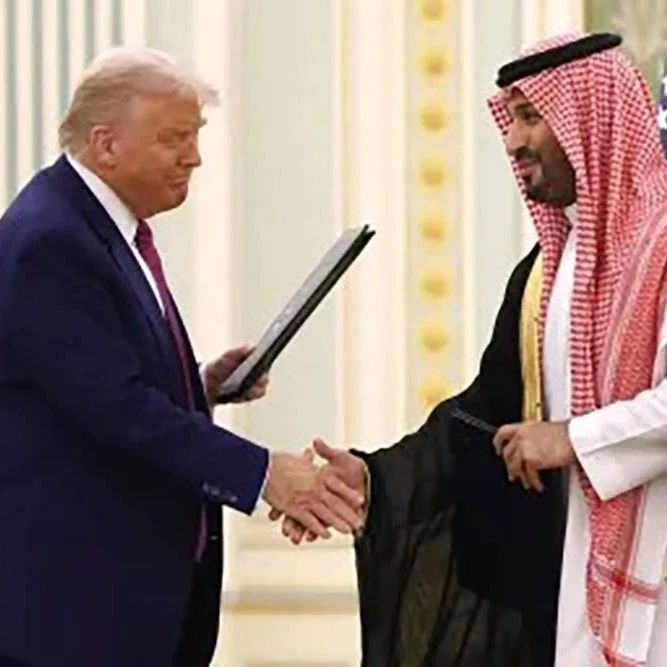
5月,美国总统唐纳德·特朗普与沙特王储穆罕默德·本·萨勒曼在利雅得会晤。图片来源:Win McNamee—Getty Images 当然,第三大信用评级机构穆迪(Moody's)也在5月与标普和惠誉步调一致,逾百年来首次将美国主权 信用评级从最高的"Aaa"级下调,而关税战成为了压垮骆驼的最后一根稻草。 惠誉评级(Fitch Ratings)于6月11日发布的报告称,受关税战、石油需求增长放缓以及欧佩克 (OPEC)和其他国家增产的影响,全球经济面临不确定性,石油和天然气行业已进入新的恶化状态。 惠誉决定将化石燃料行业2025年的前景展望从"中性"下调为"恶化",这是基于全球宏观经济状况,特别 是四月初遭遇的双重打击:特朗普总统宣布加征关税,以及欧佩克及其关键盟友在多年自我限产之后决 定增产原油。 然而,惠誉强调,只要此次行业评级下调持续时间较短,大多数美国油气公司受到的影响有限,因为它 们进入此轮波动期时,平均资产负债表更为健康,债务水平较低。 惠誉在报告中指出:"关税紧张局势已有所缓和,然而,关税税率最终将稳定在何种水平,以及已实施 关税所产生的影响,仍将是我们宏观经济预测的关键因素,这会导致石油消费增幅 ...
中国宏观数据点评:5月消费表现强劲,但投资和生产数据逊于预期
SPDB International· 2025-06-16 09:35
Economic Performance - In May, the retail sales of consumer goods increased by 6.4% year-on-year, up from 5.1% in April, significantly exceeding the market expectation of 4.9%[2] - The growth rate of fixed asset investment fell to 3.7% year-on-year, slightly below the market expectation and April's figure of 4.0%[3] - Industrial production growth declined to 5.8% in May from 6.1% in April, also below the expected 6.0%[7] Consumer Trends - The sales growth of communication equipment surged to 33.0% in May, up from 19.9% in April, while home appliance sales jumped to 53.0% from 38.8%[2] - Restaurant consumption growth rose to 5.9%, an increase of 0.7 percentage points from April[2] - The consumer price index (CPI) remained negative at -0.1% for the fourth consecutive month, indicating low inflation[8] Investment and Housing Market - Real estate development investment fell by 10.7% year-on-year in May, worsening from the previous month's decline of 10.3%[3] - The average price of new homes in 70 major cities decreased by 0.22% month-on-month in May, compared to a decline of 0.12% in April[6] - The sales area of commercial housing in early June dropped by 9.4% year-on-year, reflecting ongoing weakness in the housing market[8] Policy Outlook - The government is expected to introduce fiscal support of 0.5-1.0 trillion yuan (approximately 0.35%-0.7% of GDP) by September, given the current economic conditions[1] - A potential reduction in the reserve requirement ratio (RRR) by 50 basis points and interest rate cuts of 10-20 basis points are anticipated in the second half of the year[1]
宝城期货股指期货早报-20250616
Bao Cheng Qi Huo· 2025-06-16 04:12
Group 1: Overall Investment Ratings - No specific industry investment rating is provided in the report. Group 2: Core Views - The overall view is that the stock index will maintain a range - bound oscillation in the short term. Although the market sentiment has weakened due to the Middle - East geopolitical crisis and concerns about supply and global demand, the policy - side support is strong, and the market bottom - support power is sufficient. The upward momentum of the market is still restricted by the weak macro - demand expectation [4]. Group 3: Summary by Relevant Content Variety View Reference - Financial Futures Stock Index Sector - For IH2506, the short - term view is oscillatory, the medium - term view is upward, the intraday view is oscillatory and bullish, and the overall view is range - bound oscillation. The core logic is that the positive policy expectations provide strong support [1]. Main Variety Price Market Driving Logic - Financial Futures Stock Index Sector - For IF, IH, IC, and IM, the intraday view is oscillatory and bullish, the medium - term view is upward, and the reference view is range - bound oscillation. Last Friday, the stock indexes oscillated and declined. Due to the Middle - East geopolitical crisis, market sentiment weakened. However, the weakening of external demand under the tariff war is within market expectations, and the recovery of domestic demand is the key. The weakening of recent macro - economic indicators increases the expectation of policy support, and the market bottom - support power is sufficient. Attention should be paid to the financial policy guidance of the Lujiazui Forum on June 18th. The market's upward momentum is restricted by the weak macro - demand expectation [4].
美国用关税战给印度喂毒药:终止采购俄罗斯武器,退出金砖组织
Sou Hu Cai Jing· 2025-06-15 09:00
在复杂的国际政治经济棋局中,美国正悄然布置新的战略,利用关税手段迫使印度在军事采购和国际组织参与等关键领域作出 重大调整。最近,美国商务部长霍华德·卢特尼克的言论揭示了背后更深层的战略意图,展现了美国新的外交方向。 除了在军事采购领域向美国靠拢,印度还面临着来自外界的压力,特别是在是否继续留在金砖组织的问题上。在美国的影响 下,印度国内有声音认为,作为金砖成员国,参与一些活动可能会妨碍与美国关系的改善。卢特尼克也暗示,印度在金砖组织 中的立场正在成为美印关系中的一个敏感点,特别是印度对美元霸权的某些看法,这让美国非常不满。他指出,印度在金砖内 部推动"卢比结算"等去美元化的提案,遭遇了俄罗斯和沙特等国的拒绝,结果印度反倒成为去美元化过程中的最大受害者。面 对这一困境,美国在背后施加压力,暗示印度若想改善与美国的经济和战略关系,就必须重新审视其在金砖组织中的角色。 长期以来,印度对俄罗斯军事装备的依赖,一直是阻碍美印关系深化的一个关键因素。随着美国加大对俄罗斯公司的制裁,以 及全球合作伙伴越来越面临与莫斯科关系疏远的压力,印度的采购战略正受到前所未有的审视。在此背景下,美国提出的贸易 协议,无疑成为了一剂"双刃 ...

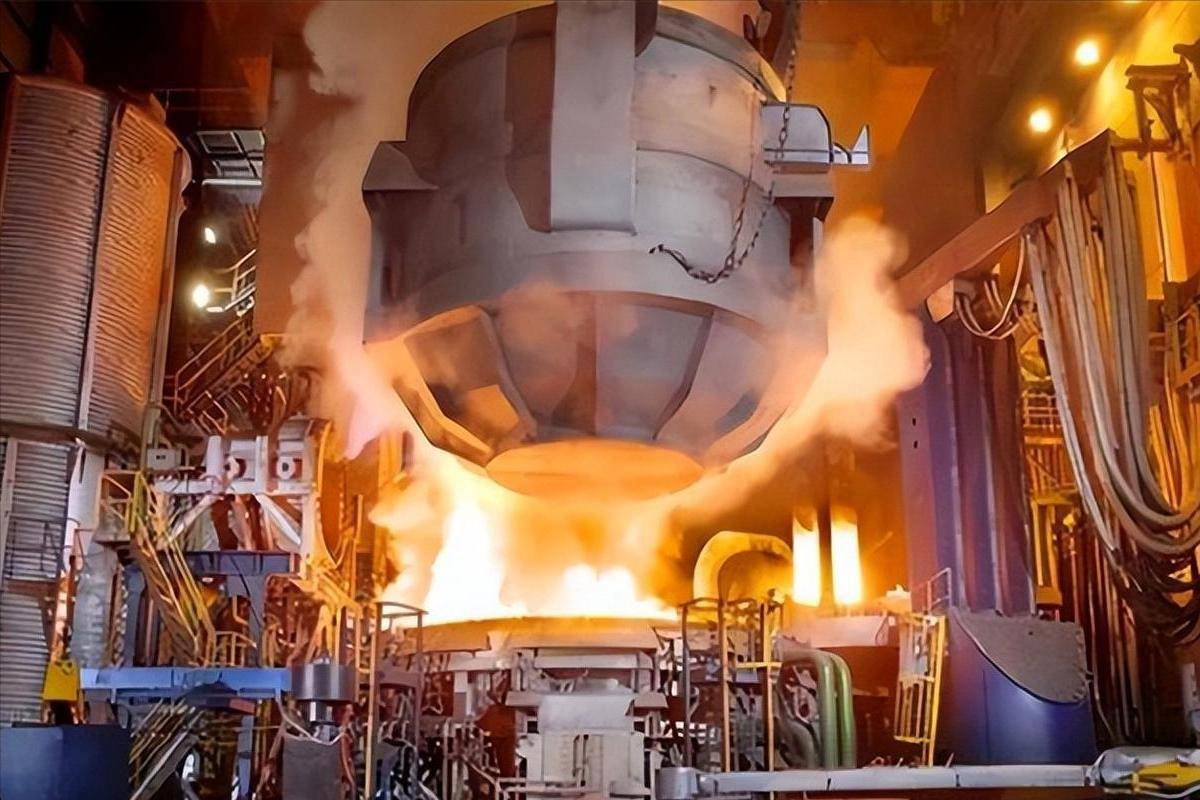
美国也没想到,自己会被直掐命门,特朗普只有放下姿态一条路
Sou Hu Cai Jing· 2025-06-14 08:10
Group 1: U.S.-China Negotiations - The U.S. is facing significant challenges in its industrial sector due to China's control over rare earth exports, which has put critical military production lines at risk of shutdown [1][4] - President Trump is compelled to negotiate with China to alleviate the domestic industrial crisis, which has escalated since the imposition of tariffs [1][12] - The negotiations are complicated by the U.S. offering outdated chip technology as a bargaining chip, which China views as insufficient [15][19] Group 2: Importance of Rare Earth Elements - Rare earth elements are essential for high-tech products, including military aircraft like the F35, which requires over 400 kilograms of rare earth materials per unit [3][4] - The U.S. military's reliance on rare earths extends to future projects, such as the sixth-generation fighter F47, which could face production halts without Chinese supplies [4][12] - The U.S. lacks the refining technology necessary to process its own rare earth resources, making it dependent on China for high-purity industrial materials [5][6][8] Group 3: China's Strategic Position - China has a complete and mature rare earth refining industry, giving it a strategic advantage over the U.S. and its allies [6][19] - The recent negotiations have resulted in China agreeing to temporarily relax export restrictions, but with strict conditions, including limited quotas and monitoring of usage [17][20] - The U.S. is in a precarious position, as it has underestimated China's capabilities and the implications of its own trade policies [19][21]