贸易战

Search documents
帮主郑重:美国突然对印度下重手!50%关税冲击波下,这些行业要小心了!
Sou Hu Cai Jing· 2025-08-26 04:09
Core Viewpoint - The United States has announced a 50% tariff on all imports from India, affecting various sectors including pharmaceuticals, textiles, and IT services, which may lead to a trade war and impact both economies [1][3]. Impact on Industries - The pharmaceutical sector in India, which holds a 65% market share in the U.S. generic drug market, is likely to see profit margins squeezed due to increased drug prices in the U.S. following the tariff [3]. - The textile industry, where the U.S. accounts for 18% of India's exports, may lose its price advantage in the U.S. market, potentially shifting orders to countries like Vietnam and Bangladesh [3]. - Indian garment manufacturers are already reporting difficulties in securing new orders and are forced to fulfill existing ones at a loss [3]. Opportunities in Alternative Markets - There may be an increase in India's exports to China, which saw a 14.2% growth in the first half of 2025, particularly in sectors like steel and chemicals [4]. - The domestic consumption market in India could benefit from government policies aimed at stimulating demand, especially in sectors like home appliances and automobiles [5]. - The technology sector, particularly in semiconductors and software, may receive increased investment and support as a response to U.S. tariff policies, creating potential growth opportunities [5].


特朗普表示“对华关税或提高到200%”,除非中国答应美国一个条件
Sou Hu Cai Jing· 2025-08-26 03:38
Group 1 - The core issue revolves around the U.S. reliance on China for rare earth magnets, which are critical for electric vehicles, wind turbines, military equipment, and electronics [2][3][6] - Trump's ultimatum for China to provide rare earth magnets or face a 200% tariff highlights the strategic anxiety of the U.S. regarding its dependence on Chinese resources [6][10] - Over 90% of high-end neodymium-iron-boron magnets are produced in China, indicating China's dominant position in the rare earth supply chain, built over decades [5][6] Group 2 - Despite Trump's threats, data shows that China's exports of rare earth magnets to the U.S. have actually increased, with July exports reaching 5,577 tons, marking a 75.5% month-over-month increase [12] - The trade war has escalated, with the U.S. imposing fluctuating tariffs since 2018, and the current proposed 200% tariff being the highest in history [8][10] - Historical evidence suggests that trade wars do not yield winners, as seen in past U.S. tariff policies that resulted in job losses in downstream industries [17][19] Group 3 - The U.S. faces dual pressures of layoffs and declining consumer purchasing power, while China maintains a more stable economic position with a complete industrial chain and extensive trade partnerships [16][14] - China's approach to the trade conflict emphasizes strategic stability and a commitment to multilateral trade, contrasting with the U.S.'s unilateral actions [24][26] - The ongoing trade tensions may lead to a scenario where the U.S. undermines its own market trust and international standing if it continues down the path of protectionism [26][28]

54%税率,美国副总统承认,对华加征关税已经够高,不可能再加了
Sou Hu Cai Jing· 2025-08-26 00:42
Group 1 - The U.S. Vice President stated that the U.S. will not impose new tariffs on China due to its trade relationship with Russia, citing the existing 54% tariff as already significant [1][5] - A recent agreement between the U.S. and China has paused additional tariffs for 90 days, maintaining a 10% baseline tariff rate [3][15] - The U.S. has experienced fluctuations in tariff rates, with the average tariff on Chinese goods rising from 2.5% to 27% and then decreasing to 18.6% [5][7] Group 2 - The trade war has led to increased costs for U.S. imports, estimated to exceed $320 billion, which is $130 billion more than initially expected [5][7] - U.S. companies are facing rising procurement costs and supply chain disruptions, prompting some to consider relocating production to countries like Vietnam and India [7][9] - China's export strategy has shifted towards emerging markets, with a 15% decrease in exports to the U.S. in the first half of 2025, while exports to ASEAN and the Middle East have increased [9][11] Group 3 - The strategic importance of rare earth elements has been highlighted, with the U.S. military warning that a cutoff of these imports from China could severely impact weapon system production [11][13] - U.S. companies are increasingly dissatisfied with the government's trade policies, as seen in petitions from major firms like General Electric and Tesla for a relaxation of restrictions [11][13] - The ongoing trade tensions are reshaping global trade dynamics, with international organizations warning of long-term economic downturns due to rising protectionism [13][15] Group 4 - The recent statements from U.S. officials suggest a potential stabilization in U.S.-China trade policies, with ongoing discussions about tariff classifications and industry competition standards [15][17] - The IMF has raised its global economic growth forecast, indicating that easing trade tensions between the two largest economies could have positive implications for the world economy [17]

50%关税,美国明天将对印度加税,印股相对表现20年最差
Hua Er Jie Jian Wen· 2025-08-26 00:40
Group 1 - The Indian stock market is experiencing significant pressure due to the threat of increased tariffs from the U.S., with a proposed 50% tariff on all Indian goods starting August 27 [1][3] - The MSCI India Index has underperformed the MSCI Emerging Markets Index for four consecutive months, lagging by over 15 percentage points this year, heading towards its worst annual performance in over two decades [1] - Foreign investors are accelerating their exit from the Indian market, which is valued at $5.3 trillion, with net selling of Indian stocks for the second consecutive month in August [3] Group 2 - The new tariffs are expected to directly impact India's already slowing economic growth, with estimates suggesting a reduction in annual GDP growth by 0.6 to 0.8 percentage points [5][6] - Concerns over the expanding fiscal deficit are also putting pressure on the Indian bond market, with the yield on the benchmark 10-year government bond rising by 22 basis points this month [4] - Despite recent tax cuts introduced by Prime Minister Modi aimed at boosting the economy, analysts believe that sectors such as banking and IT will continue to face earnings pressure [6]
50%关税!美国明天将对印度加税,印股相对表现20年最差
Hua Er Jie Jian Wen· 2025-08-26 00:28
Core Viewpoint - The Indian stock market is experiencing significant pressure due to escalating tariff threats from the U.S., leading to a pessimistic sentiment among investors [1][3]. Group 1: Tariff Impact - The U.S. Department of Homeland Security announced a 50% tariff on all Indian goods starting August 27, which is a response to India's purchase of Russian oil [1]. - This tariff increase is part of a broader strategy by the Trump administration to compel Russia to engage in peace talks regarding Ukraine [2]. - The new tariffs are expected to directly impact India's already slowing economic growth, potentially reducing the annual growth rate by 0.6 to 0.8 percentage points according to Citigroup [5]. Group 2: Market Reaction - The MSCI India Index has underperformed the MSCI Emerging Markets Index for four consecutive months, lagging by over 15 percentage points this year, heading towards its worst annual performance in over two decades [1]. - Foreign investors are accelerating their exit from the Indian market, with net selling of Indian stocks for the second consecutive month in August [3]. - Concerns over fiscal deficit expansion are also pressuring the Indian bond market, with the yield on the benchmark 10-year government bond rising by 22 basis points this month [4]. Group 3: Economic Outlook - Analysts warn that if the 50% tariff persists, the impact on India's GDP could be as high as 1%, affecting monetary policy and bond yields [5]. - Despite recent tax cuts introduced by Prime Minister Modi aimed at boosting the economy, sectors like banking and IT are expected to face continued pressure on profitability [5]. - The Reserve Bank of India has indicated that the impact of tariffs may be minimal, and the ongoing monetary easing could support economic growth [6].
特朗普撑不住了?深夜喊话中国,想让中方不计前嫌,帮美国一个忙
Sou Hu Cai Jing· 2025-08-25 07:31
Core Viewpoint - Trump is urging China to significantly increase its soybean purchases from the U.S. to reduce the trade deficit, claiming that American farmers can provide the highest quality soybeans [1][3][19]. Group 1: Trade Dynamics - In 2016, U.S. soybeans accounted for over 40% of China's soybean imports, but this changed drastically due to the tariff war initiated by Trump, which led to a 23% retaliatory tariff on U.S. agricultural products, including soybeans [5][12]. - By 2024, the U.S. soybean export value to China is projected to be approximately $12.6 billion, representing more than half of the total exports, but this is expected to decline significantly by 2025 if orders cease [7][12]. Group 2: Market Shifts - China has proactively sought stable soybean import agreements with countries like Brazil, which now supplies over 70% of China's soybean market, while the U.S. share has dropped to around 20% [10][12]. - Brazilian soybeans are approximately 15% cheaper than U.S. soybeans and do not face additional tariff barriers, making them a more attractive option for China [12][14]. Group 3: Political Implications - Trump's appeal to China reflects a sense of urgency as American farmers, particularly in Republican strongholds, face financial distress due to the trade war [7][17]. - The ongoing trade negotiations and the temporary suspension of tariffs indicate a complex relationship, with both sides retaining leverage and the potential for future negotiations remaining uncertain [21][23].
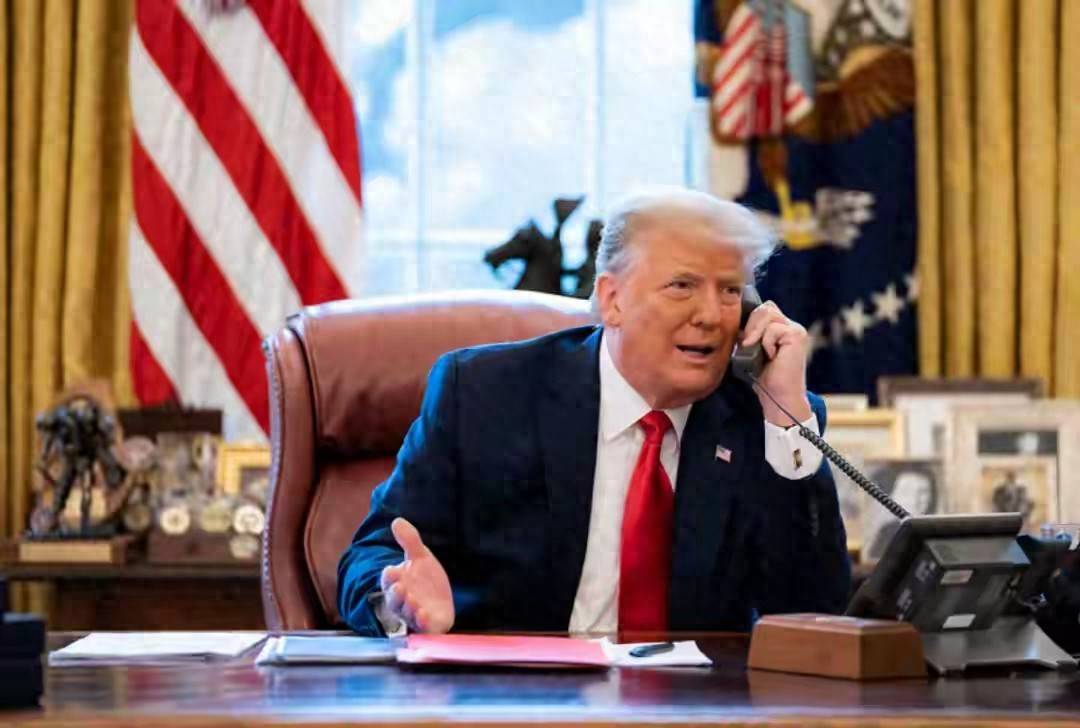
中印都买俄罗斯石油,为何美国不制裁中国?美国二把手实话实说
Sou Hu Cai Jing· 2025-08-25 04:53
Group 1 - The core argument of the article is that the U.S. is strategically differentiating its approach towards India and China, particularly in the context of tariffs and sanctions related to Russian oil imports [1][3][19] - U.S. Vice President Vance indicated that the U.S. is not imposing similar sanctions on China as it has on India due to the high existing tariffs on China and the need for negotiation to end the trade war [5][11][12] - The economic interdependence between the U.S. and China complicates the imposition of sanctions, as both countries rely on each other for various goods and services, making such actions potentially self-damaging for the U.S. [6][10][11] Group 2 - The U.S. has recently canceled 91% of the tariffs imposed during the trade war, highlighting the economic damage both countries have suffered [7] - The U.S. agricultural sector, particularly in states like Iowa, is heavily reliant on the Chinese market for exports, indicating that any sanctions could lead to significant economic repercussions [7][8] - The U.S. is using tariffs on India as a strategic tool to pressure India into shifting its military procurement from Russia to the U.S., given India's heavy reliance on Russian arms [15][19] Group 3 - The article discusses India's response to U.S. tariffs, including efforts to settle oil transactions in rupees and plans to resell refined Russian oil to Europe, showcasing India's attempts to navigate the geopolitical landscape [21] - The U.S. is perceived to be selectively enforcing sanctions, focusing on India while ignoring larger Russian oil trade with Europe, which raises questions about the fairness of U.S. actions [21][15] - The overall dynamic reflects a broader geopolitical struggle where the U.S. seeks to balance its relationships with both India and China while managing its own economic interests [19][21]
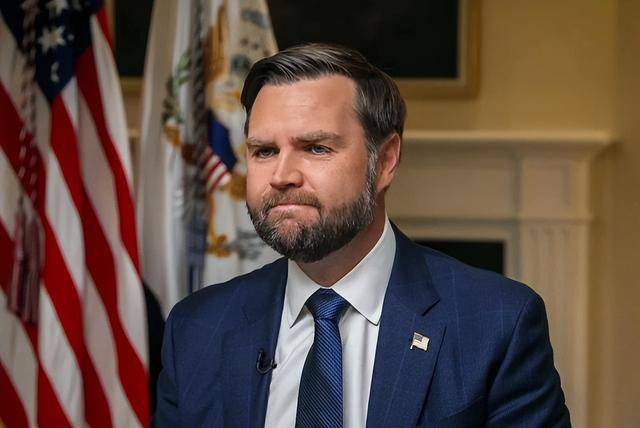
印度防长公开暗讽特朗普:美国的贸易战,无法阻止印度成世界强国
Sou Hu Cai Jing· 2025-08-25 03:41
Core Viewpoint - India's Defense Minister Singh publicly asserted that no force can stop India from becoming a global power, reflecting India's strong stance against external pressures, particularly from the recent economic measures taken by the Trump administration [1][6]. Group 1: Impact of Trump's Tariff Policy - The Trump administration's recent tariff policy, imposing up to 50% tariffs on Indian goods, has significantly impacted India's economy, making its products less competitive in the U.S. market and causing widespread discontent [2][4]. - India views the tariff as not only an economic setback but also a challenge to its national dignity, especially given its status as a major trade partner of the U.S. [4]. Group 2: India's Response and Countermeasures - India has expressed three main grievances regarding the tariff policy: the loss of competitiveness for its goods, the abrupt change in U.S. policy despite their special relationship, and the perceived double standards in U.S. trade negotiations with China [4][6]. - In response, India has taken several countermeasures, including strategic adjustments to strengthen ties with Russia, canceling a planned $3.6 billion arms purchase from the U.S., and deepening cooperation in the rare earth sector with Russia [9][11]. Group 3: Economic and Military Considerations - Singh emphasized India's large economy, projected to become the third-largest globally, and its rapid recovery post-COVID-19, positioning it as a key player in the global economy [6][15]. - Despite its military strength, India still relies on imports for high-tech weapons and faces challenges in achieving complete military independence [15]. Group 4: Future Outlook and Challenges - While Singh expresses confidence in India's rise, the country faces significant challenges, including a relatively single industrial structure and dependence on the U.S. market, which complicates its ability to respond to tariffs effectively [15]. - To enhance its international influence, India may need to adopt strategies similar to China's, focusing on multilateral cooperation and regional economic integration [15].
面对特朗普,印度支棱起来了,加拿大无牌可打
Hu Xiu· 2025-08-24 07:43
Group 1 - Indian Foreign Minister S. Jaishankar reiterated India's firm stance on protecting the interests of farmers and small producers during ongoing trade negotiations with the US, emphasizing that these interests are non-negotiable [1][2] - The trade talks between India and the US have faced challenges, particularly due to India's refusal to open its large agricultural and dairy markets, leading to a breakdown in negotiations [1][2] - The US has imposed tariffs of up to 50% on Indian goods, citing India's purchase of Russian oil as a justification, which has escalated tensions between the two countries [2][9] Group 2 - Analysts suggest that Canada, in response to its trade disputes with the US, may seek to diversify its markets towards Asia, although this would be a long-term endeavor [3][4] - The article discusses the broader implications of US trade policies under President Trump, highlighting how these policies have altered international trade dynamics and created a climate of uncertainty for other nations [4][6] - India's market size presents significant opportunities for US companies, but the regulatory environment and market conditions may pose challenges for foreign investments [8][10]
7月美国关税收入达280亿美元,大涨273%?美国懵了,谁为贸易战买单?
Sou Hu Cai Jing· 2025-08-23 16:51
Core Insights - The recent increase in tariffs to $28 billion has led to significant price hikes for consumers, contradicting the expectation that foreign entities would bear the cost [1][3][12] - A report from Goldman Sachs indicates that by October, consumers will absorb 67% of the tariff costs, a stark shift from earlier where businesses bore 64% of the costs [3][5] - The actual effective tariff rate has reached 18.6%, the highest in 90 years, resulting in an average additional cost of $2,400 per household [5][9] Tariff Impact on Consumers - Over 75% of businesses have opted to pass on tariff costs to consumers rather than absorbing them, leading to increased prices for everyday goods [3][5] - Specific price increases include a 37% rise in footwear and significant hikes in appliance prices, directly affecting consumer spending [3][5] Economic Consequences - The trade war has resulted in a decline in trade volume, with a 2% drop in physical imports in the first half of the year [7] - The U.S. is experiencing a potential stagnation combined with inflation, termed "stagflation," as the Federal Reserve grapples with the implications of rising prices and economic slowdown [9][12] Broader Trade Dynamics - The U.S. has seen a shift in trade partnerships, with China’s share of U.S. imports dropping below 9.5%, while other regions like ASEAN and Latin America are stepping in to fill the gap [7][9] - The agricultural sector is particularly hard hit, with U.S. farmers facing reduced demand and falling prices for their products due to shifting trade patterns [7][9] Long-term Outlook - The current tariff strategy is likened to a short-term financial boost with significant long-term negative consequences, as it fails to address underlying economic issues [9][12] - Historical parallels are drawn to the Smoot-Hawley Tariff Act of 1930, suggesting that current policies may lead to similar economic downturns [12][14]