
美联储降息周期

Search documents
期货日报:基本面和情绪面共振 铂、钯期价再度大涨
Qi Huo Ri Bao· 2025-12-19 00:58
Core Viewpoint - The recent surge in platinum and palladium futures prices is attributed to a combination of fundamental supply shortages and heightened market sentiment, with prices increasing over 20% since December 12 [1][2]. Group 1: Price Movements - As of December 18, platinum futures (PT2606) closed at 542.65 CNY/gram, up 5.32%, while palladium futures (PD2606) closed at 476.6 CNY/gram, up 6.99% [1]. - The price of platinum and palladium has risen over 20% since December 12 [1]. Group 2: Market Dynamics - Analysts suggest that the price increase is driven by a combination of overseas supply shortages and a bullish sentiment in the metal sector [2]. - The World Platinum Investment Council indicates that the platinum market is expected to experience a supply shortage for the third consecutive year in 2025, with a projected supply-demand gap exceeding 20 tons [3]. Group 3: Supply and Demand Factors - Approximately 70% of global platinum production comes from South Africa, where production is constrained by long-term investment shortages, power shortages, aging infrastructure, and extreme weather [3]. - Domestic investment demand for platinum is expected to surge by 100% year-on-year in 2025, making it the largest retail investment market globally [3]. Group 4: Future Outlook - Analysts believe that while platinum prices may have strong support due to structural demand expansion, there are potential risks of price corrections if gold prices decline significantly [4]. - For palladium, the supply-demand balance has shifted from long-term shortages to potential oversupply, with forecasts indicating a surplus of 16.9 tons by 2026 [3][4].
黄金为什么涨价这么厉害?
Sou Hu Cai Jing· 2025-12-18 19:49
Group 1 - Significant increase in gold prices expected in 2025 driven by multiple factors [1] - Federal Reserve's interest rate cuts leading to a decline in the dollar index by over 10%, reducing the opportunity cost of holding gold [1] - Geopolitical risks such as the Russia-Ukraine conflict and tensions in the Middle East contributing to increased global uncertainty, resulting in a surge of safe-haven investments in gold [1] Group 2 - Central banks in emerging markets like China and India accelerating "de-dollarization" by increasing gold reserves, with net purchases reaching 634 tons in the first three quarters of 2025, providing long-term support for gold prices [2] - Weakening of U.S. dollar credit due to expanding fiscal deficits and concerns over inflation, prompting investors to turn to gold as an inflation hedge [3] - Market sentiment and capital flows leading to a record inflow into gold ETFs, amplifying price increases after gold prices break key levels [4]
一财主播说|再创历史新高 年内大涨超120%! 白银为何成贵金属"黑马"?
Di Yi Cai Jing· 2025-12-18 03:14
Core Viewpoint - Silver prices have reached a historic high, with spot silver rising by 3.86% to $66.22 per ounce and COMEX silver futures increasing by 4.92% to $66.44 per ounce, driven by a significant upward trend in recent weeks [1] Price Movement - Silver prices have surged dramatically, breaking the $60 per ounce mark in early December, reaching $65.08 per ounce on December 12, and surpassing $66 per ounce on December 17, indicating a strong bullish momentum [1] Annual Performance - Year-to-date, silver has achieved an impressive annual increase of over 120%, making it the standout performer among precious metals, while gold has only risen about 60%, approximately half of silver's growth [1] Market Dynamics - The rapid increase in silver prices is attributed to three main factors: an imbalance in supply and demand, the onset of a Federal Reserve interest rate cut cycle, and a significant influx of global capital into the market [1] Risk Factors - Following the historic high, risk factors in the silver market are accumulating, suggesting potential volatility ahead [1]
再创历史新高,年内大涨超120%!白银为何成贵金属“黑马”
Sou Hu Cai Jing· 2025-12-17 13:29
Core Viewpoint - The silver market has reached a historic milestone with spot silver prices surpassing $66 per ounce, marking a significant increase driven by supply-demand imbalances, the onset of a Federal Reserve easing cycle, and a surge in global capital inflows [1][2][5]. Price Movements - As of December 17, spot silver prices hit $66.01 per ounce, up 3.6%, while COMEX silver futures rose over 5% to a peak of $66.5 per ounce [1][2]. - Year-to-date, silver has shown an impressive increase of approximately 128.44%, significantly outperforming gold, which has risen about 64% [2]. Market Dynamics - The surge in silver prices is attributed to three main factors: supply-demand imbalance, expectations of continued monetary easing by the Federal Reserve, and concentrated inflows of global capital [2][5]. - The low supply elasticity and inventory levels of silver, combined with strong industrial demand and ongoing ETF investment, have contributed to the bullish market sentiment [4][5]. Economic Indicators - Recent U.S. economic data, including the November non-farm payroll report and retail sales figures, have reinforced expectations of a slowing economy, supporting the Fed's easing policy [4]. - The uncertainty surrounding Japan's monetary policy and its potential impact on global liquidity has also played a role in boosting precious metal prices [4]. Future Outlook - Analysts suggest that while the current bullish trend in silver may continue, caution is advised due to accumulating risk factors, including high implied volatility and potential profit-taking as the market adjusts [6][7]. - The global silver inventory is projected to cover only 1-2 months of consumption by 2025, indicating a significant supply constraint [6]. - Some analysts predict that silver prices could reach between $75 and $80 per ounce in a final surge, representing a peak emotional market response [8].

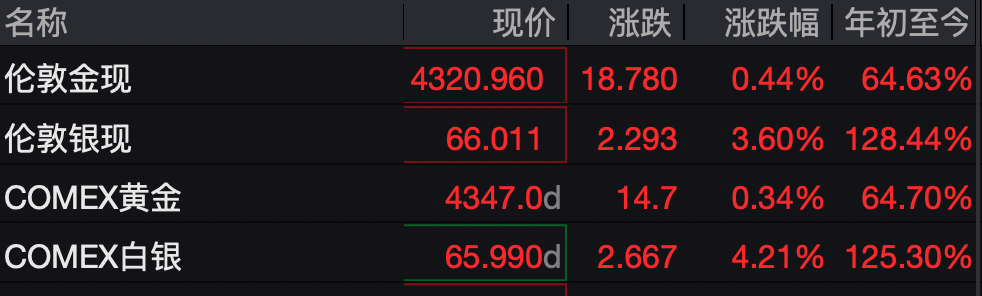
有色“超级周期”再升温!有色龙头ETF(159876)午后强攻大涨3.5%
Sou Hu Cai Jing· 2025-12-17 06:09
Group 1 - The core viewpoint of the articles highlights the strong performance of the non-ferrous metal sector, particularly the non-ferrous metal leader ETF (159876), which has seen significant inflows and price increases, indicating positive market sentiment towards the sector [1][2] - The non-ferrous metal leader ETF (159876) attracted 10.13 million yuan in a single day and has accumulated 198 million yuan over the past 20 days, reflecting investor confidence in the future performance of the non-ferrous metal sector [1] - Citic Securities believes that as long as the Federal Reserve remains in a rate-cutting cycle, there will be upward momentum for non-ferrous metal prices, with a potential super cycle for industrial metals like copper and aluminum on the horizon [1] Group 2 - The non-ferrous metal leader ETF (159876) and its linked fund (017140) cover a wide range of metals including copper, aluminum, gold, rare earths, and lithium, providing a diversified investment option compared to single metal investments [2] - As of December 16, the non-ferrous metal leader ETF (159876) had a latest scale of 840 million yuan, making it the largest ETF tracking the same index among three similar products in the market [2]
ETF日报:目前养殖业处于典型“弱现实、强预期”阶段,行业产能大趋势已经确立
Xin Lang Cai Jing· 2025-12-15 13:39
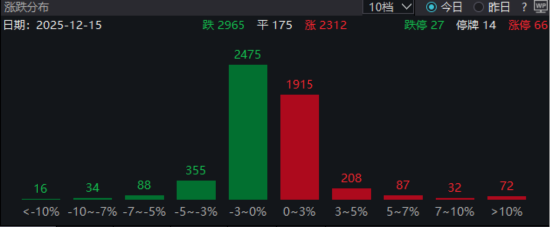
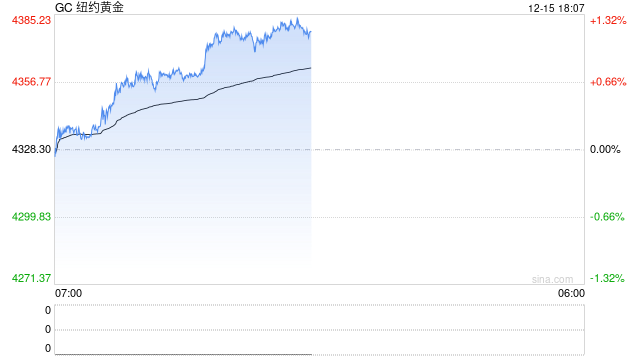
Market Overview - A-shares experienced a downward trend today, with the Shanghai Composite Index closing at 3867.92 points, down 0.55%, and the Shenzhen Component Index at 13112.09 points, down 1.10% [1][11] - Total trading volume in the two markets was less than 1.8 trillion yuan, a decrease from the previous trading day [1][11] - The overall market saw more declines than gains, with non-bank financials rising during the day while electronics and telecommunications sectors led the decline [1][11] Economic and Policy Environment - The current economic and policy environment for A-shares remains positive, with expectations for fiscal spending to support a recovery in total economic demand [3][13] - In the medium term, with the implementation of various growth stabilization measures and loose monetary and fiscal policies, total demand growth is expected to return to an expansionary range, potentially leading A-shares into an upward cycle [3][13] Fixed Asset Investment and Debt Market - Recent data from the National Bureau of Statistics shows that the cumulative year-on-year growth rate of fixed asset investment has dropped to -2.6%, the lowest since 2021, with real estate investment declining over 30% year-on-year in a single month [4][14] - The economic structure continues to exhibit strong supply, weak demand, and low inflation characteristics, which is marginally beneficial for the bond market [4][14] - Although sentiment in the bond market remains weak, signs of stabilization are beginning to emerge, with supply pressures expected to ease in the near term [4][14] - The 10-year government bond yield has surpassed the upper limit of the central bank's acceptable range at 1.85%, with downward momentum expected to outweigh upward pressure [4][14] Livestock Sector - The livestock sector is showing signs of stabilization and recovery, with the industry currently in a "weak reality, strong expectation" phase, and overall capacity trends established [4][14] - In the pig cycle, the number of breeding sows has been continuously reduced due to long-term losses and policy guidance, with supply pressure expected to significantly ease by the second half of 2026 [5][15] - In poultry farming, the supply of white chickens has slightly increased, while yellow chicken supply remains at a low level, likely benefiting from improved domestic demand [5][15] - Investing in livestock ETFs can effectively mitigate risks associated with individual companies and capture the beta returns from the industry's cyclical reversal [5][15] Gold Sector - The gold sector performed well today, with COMEX gold surpassing 4370, and gold ETFs showing increases of 1.37% and 1.28% [6][16] - The Federal Reserve's recent decision to cut interest rates by 25 basis points and initiate reserve management purchases is expected to support gold prices in the medium to long term [6][16][17] - Geopolitical tensions, including the ongoing Russia-Ukraine negotiations and U.S. pressure on Venezuela, continue to create uncertainty that may support gold prices [6][16][17] Dividend and Long-term Investment Strategies - The recent market volatility has led to a cautious investor behavior, with some funds shifting from aggressive to defensive strategies, benefiting dividend stocks as a safe haven [7][17] - Regulatory changes encouraging cash dividends and long-term capital inflows are expected to enhance the demand for dividend assets [7][17][18] - The new "National Nine Articles" and market value management policies are likely to promote stable dividend expectations, benefiting state-owned enterprises and enhancing their valuation [7][18]
12月15日大盘简评
Mei Ri Jing Ji Xin Wen· 2025-12-15 10:16
Group 1 - A-shares experienced a downward trend today, with the Shanghai Composite Index closing at 3867.92 points, down 0.55%, and the Shenzhen Component Index at 13112.09 points, down 1.10% [1] - The total trading volume in the two markets was less than 1.8 trillion yuan, a decrease from the previous trading day, indicating a market environment where declines outnumbered gains, particularly in the electronic communication sector [1] - The overall economic and policy environment for A-shares remains positive, with expectations for fiscal spending to support economic demand recovery, leading to a potential return to an upward cycle for A-shares in the medium term [1] Group 2 - The gold sector performed well today, with the Gold Fund ETF (518800) rising by 1.37% and the Gold Stock ETF (517400) increasing by 1.28% [2] - Short-term expectations include a 25 basis point rate cut by the Federal Open Market Committee (FOMC) in December, alongside ongoing geopolitical tensions and a global trend towards de-dollarization, which are expected to support gold prices [2] - The defensive demand in the market is increasing, with dividend stocks benefiting as a "safe haven," and the resource-heavy dividend index is sensitive to fluctuations in coal and oil prices [2]
ATFX:金银闯关前夜 一场决定反弹成败的压力测试
Xin Lang Cai Jing· 2025-12-15 10:08
Core Viewpoint - The precious metals market is experiencing a buildup of momentum as it approaches year-end, driven by the Federal Reserve's interest rate cut cycle, which remains the strongest support for the bull market in precious metals [3][12]. Group 1: Market Performance - Last week, gold and silver reached new highs, with gold increasing over 2% and silver rising more than 6% on a weekly basis [2][10]. - After reaching these highs, both metals experienced a pullback due to a rebound in the US dollar, as investors took profits at elevated levels [2][10]. Group 2: Technical Analysis - The technical outlook remains strong, with gold maintaining its position near historical highs, indicating a healthy technical correction [5][12]. - Silver's momentum is even stronger than gold, having set new highs for five consecutive days, suggesting that any pullback is a natural pause after rapid gains [5][12]. Group 3: Key Support Factors - Confirmation of the monetary policy path is crucial; any indications of further rate cuts or sustained low rates in 2025 will directly benefit gold [6][12]. - Signs of weakening economic data, particularly in employment and consumption, could enhance expectations for quicker and deeper rate cuts by the Federal Reserve, significantly boosting the appeal of non-yielding assets like gold [6][12]. Group 4: Geopolitical and Industrial Demand - Ongoing geopolitical uncertainties will continue to provide a solid foundation for safe-haven buying of gold [7][13]. - Silver benefits from its dual attributes, with strong industrial demand (in green energy, photovoltaics, and electronics) providing additional upward potential [7][13]. Group 5: Upcoming Economic Indicators - The upcoming US November non-farm payroll report and CPI inflation data will be critical catalysts for determining the market direction before year-end [7][13]. - A scenario of slowing employment combined with cooling inflation would be most favorable for gold and silver, potentially leading to a significant breakout above previous highs [7][13][15]. - Conversely, if employment remains strong and inflation persists, it may lead to skepticism about the Federal Reserve's easing intentions, resulting in a rebound of the dollar and upward pressure on interest rates, which could create selling pressure on precious metals [15].
ETF盘中资讯 保险投资政策优化!中国平安涨近4%创阶段新高!香港大盘30ETF(520560)近5日吸金4349万元
Jin Rong Jie· 2025-12-15 06:15
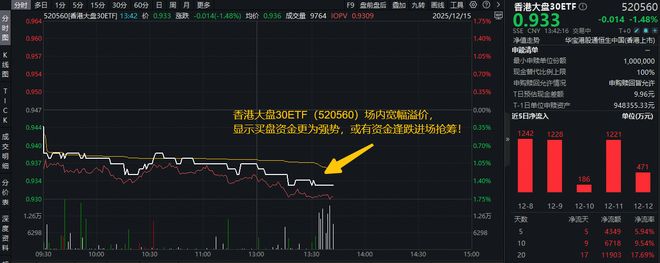
Core Viewpoint - The Hong Kong stock market is experiencing a pullback, with the Hang Seng Technology Index dropping over 2%, while the Hong Kong Large Cap 30 ETF (520560) shows strong buying interest despite market corrections, indicating potential investment opportunities in the sector [1][3]. Market Performance - On December 15, all three major indices in the Hong Kong stock market retreated, with the Hang Seng Technology Index falling more than 2% [1]. - The Hong Kong Large Cap 30 ETF (520560) saw a price decline of 1.48%, but it exhibited a wide premium in the market, suggesting strong buying momentum [1]. - Over the past five days, the Hong Kong Large Cap 30 ETF has attracted a net inflow of 43.49 million yuan, and in the last 20 days, it has accumulated a total of 119 million yuan, reflecting positive sentiment towards the future performance of Hong Kong stocks [1]. Sector Analysis - The insurance sector in Hong Kong showed resilience, with China Ping An rising nearly 4% to reach a new high, and China Life increasing by over 1% [1]. - In the consumer sector, Yum China and Anta Sports both rose by over 1%, leading the gains [1]. - Conversely, leading innovative pharmaceutical company BeiGene fell nearly 7%, while technology leaders like SMIC and Kuaishou dropped over 2%, negatively impacting index performance [1]. Regulatory Changes - The National Financial Regulatory Administration has announced adjustments to the risk factors for insurance companies, which will enhance the capacity for insurance capital to enter the market [3]. - The adjustments include a reduction in risk factors for investments in the CSI 300 Index, the CSI Dividend Low Volatility 100 Index, and STAR Market stocks, potentially releasing a minimum capital of approximately 19.8 billion yuan, which could lead to an additional 72.6 billion yuan in stock investments if fully utilized [3]. Investment Strategy - Analysts suggest that the adjusted valuation of Hong Kong stocks presents better opportunities, particularly in technology and dividend sectors, with a focus on core assets for long-term investment [3]. - The "barbell strategy" is recommended, combining stable value assets with growth-oriented assets in the Hong Kong market [3]. - The dividend yield of Hong Kong stocks is noted to be higher than that of A-shares, with the banking sector in Hong Kong yielding 6.1% compared to 4.3% in A-shares, indicating greater investment value [3]. ETF Overview - The Hong Kong Large Cap 30 ETF (520560) is highlighted as the first in the market to adopt a "technology + dividend" barbell strategy, comprising 30 major Hong Kong stocks, including high-growth tech companies like Alibaba and Tencent, as well as stable dividend payers like China Ping An and China Construction Bank [4].

突发!美元,利空突袭!
Sou Hu Cai Jing· 2025-12-13 10:25
Core Viewpoint - Major Wall Street banks are bearish on the US dollar, predicting a decline as the Federal Reserve continues its easing cycle, with Morgan Stanley forecasting a 5% drop in the first half of next year [1][2]. Group 1: Predictions on Dollar Decline - Deutsche Bank, Morgan Stanley, and Goldman Sachs anticipate that the dollar will weaken again by 2026 due to the Fed's continued easing while other central banks maintain or raise rates [1]. - The Bloomberg dollar index is projected to decline by approximately 3% by the end of 2026 [1]. - The dollar has already experienced a significant drop of nearly 8% this year, marking the largest annual decline since 2017 [2]. Group 2: Economic Implications - A weaker dollar is expected to have a chain reaction on the US economy, increasing import costs, enhancing the value of overseas profits for companies, and potentially boosting exports [3]. - The shift of investor funds to emerging markets for higher yields could extend the rally in these markets, with significant returns recorded in carry trades since 2009 [3]. Group 3: Diverging Opinions - Some analysts, such as those from Citigroup and Standard Chartered, argue that the US economy, driven by AI growth, remains strong and could attract international capital, supporting the dollar [5]. - The Federal Reserve has raised its growth forecast for 2026, indicating potential for stronger-than-expected growth, despite announcing a 25 basis point rate cut [5].


