
通胀

Search documents
未知机构:浙商宏观李超林成炜老龄化是通胀还是通缩力量-20260225
未知机构· 2026-02-25 02:50
【浙商宏观李超林成炜|老龄化是通胀还是通缩力量? 】 老龄化长期来看是通胀力量,将带动利率上行! 老龄化是通胀力量! 一、劳动人口产出大于消费,是通缩力量;而老龄人口消费大于产出,是通胀力量。 老龄化长期来看是通胀力量,将带动利率上行! 老龄化是通胀力量! 一、劳动人口产出大于消费,是通缩力量;而老龄人口消费大于产出,是通胀力量。 未来全球逐步迈向深度老龄化,老龄化将逐步抬升通胀。 二、老龄化社会还会伴随少子化现象。 小孩与老人类似,存在消费需求但无产出能力,同样是通胀力量。 老龄化过程中儿童占比下降和老人占比上行对通胀的影响一负一正,2028年后全球范围内老龄化对抚养比的影响 开始大于少子化,同样指向通胀压力加大。 未来全球逐步迈向深度老龄化,老龄化将逐步抬升通胀。 二、老龄化社会还会伴随少子化现象。 小孩与老人类似,存在消费需求但无产出能力,同 【浙商宏观李超林成炜|老龄化是通胀还是通缩力量? 】 二、展望未来,逆全球化态势下,老龄化对通胀的正向影响将进一步凸显。 未来老龄化将带动实际利率上行! 一、"预期寿命提升"和"出生率下降"两个"老龄化"因子对实际利率作用不同,前者加大储蓄需求对实际利率是负向 影 ...
DLS MARKETS:美联储官员就就业市场评估发声,政策分歧显现
Sou Hu Cai Jing· 2026-02-25 02:32
美国劳动力市场最新数据呈现边际改善迹象。根据薪资处理公司ADP发布的数据,在截至2月7日的一周内,美国私人部门就业岗位增加12,750个,实现 连续第四周改善。该增幅为自2025年11月29日以来最好的单周表现。 ADP指出,相关数据为初步统计,可能存在调整,但似乎为2月份非农就业总人数提供了增长动力。美国劳工统计局通常将包含每月第12日的周作为薪资 调查样本期。 美联储官员对劳动力市场状况的评估存在差异。美联储理事沃勒表示,近期数据显示劳动力市场状况可能优于此前预期,若就业形势持续改善,将进一 步降低降息必要性。他同时提及,并不认为1月非农就业数据属于"噪音"范畴。 芝加哥联储主席古尔斯比则更为关注通胀与就业的关联。他指出,当前3%的通胀水平高于目标,且服务业通胀存在结构性压力,在确认通胀回落趋势前 不宜降息。古尔斯比今年在联邦公开市场委员会拥有投票权。 市场目前关注周五将公布的非农就业报告。此前1月非农数据受统计方法调整等因素影响,新增就业人数低于预期,失业率维持在4.1%水平。 ...


ATFX:黄金连涨两日,洗盘结束了?
Sou Hu Cai Jing· 2026-02-25 02:20
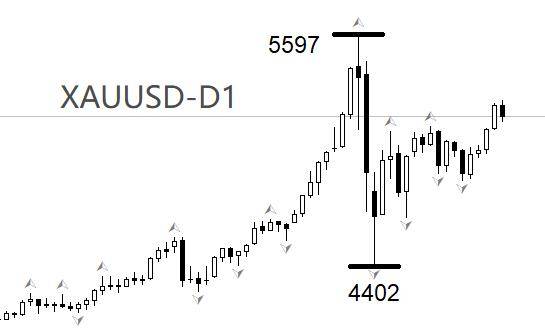
1月28日以来,美元指数持续反弹,上周触及阶段性高点98.05,但中期趋势依旧偏空。如果美国强劲的 经济数据导致美联储暂停降息,美元指数在利好消息下持续大涨,即便有避险情绪的提振,黄金的涨势 可能也将受到显著抑制。 行情方面,中期内,黄金的高点在5597美元,低点在4402美元,最新市价(24日欧盘初)为5170美元, 处于高低点区间内部。行情正在寻找新的中期高点,5597美元有可能是较强的阻力位。由于上周五和本 周一黄金以双阳线收盘,存在洗盘结束迹象,新的牛市行情有望展开。如果今日K线再度收阳,突破 5597的概率将显著升高。 经济数据方面,美国1月份非农就业报告表现亮眼,新增非农就业人口达到13万,远高于前值4.8万人, 创出2025年1月份新高。美国劳动力市场摆脱疲软状态,将会降低美联储降息意愿。 上周五公布的美国12月核心PCE年率数据显示,最新值3%,高于前值和预期值,创出2024年5月份以来 新高,通胀有反扑迹象。通胀数据是中央银行进行货币政策决策的核心指标。美国通胀率升高,将大幅 延缓美联储下次降息的时间。 特朗普作为一个改革者,在执掌美国的四年时间里,必定会推出各种超出市场预期的政策。 202 ...
6000亿元“麻辣粉”到账 央行连续12个月加量续做
2 1 Shi Ji Jing Ji Bao Dao· 2026-02-25 02:04
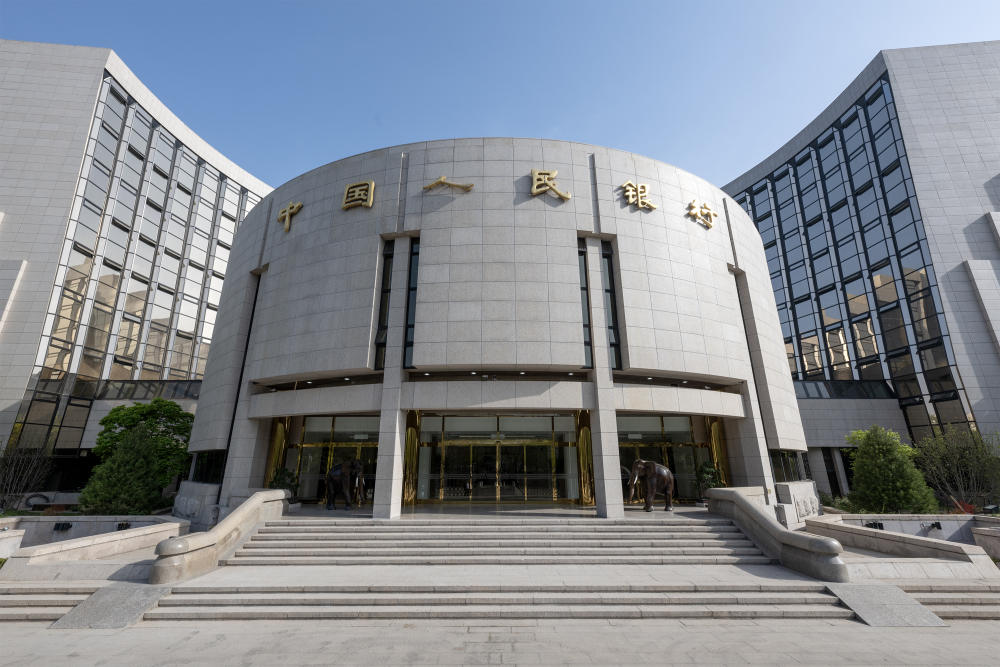
21世纪经济报道记者 叶麦穗 央行"普降甘霖"。 二是2025年10月5000亿元新型政策性金融工具投放完毕,加之2026年1月央行结构性货币政策工具降息、加量、扩围,会带动今年一季度信贷 较大规模投放。以上都会在一定程度上带来资金面收紧效应。 由此,央行2月加量续做MLF,延续较大规模中期流动性净投放,能够有效应对潜在的流动性收紧态势,引导资金面处于较为稳定的充裕状 态。这在助力政府债券发行,引导银行稳固信贷支持力度的同时,也在释放数量型政策工具持续加力信号,显示货币政策延续支持性立场。 中金公司研报认为,2026年货币市场流动性或继续维持充裕,在稳汇率、稳通胀目标影响下,中国央行货币政策可能进一步加大放松力度。 中国人民银行2月24日发布中期借贷便利招标公告称,为保持银行体系流动性充裕,2月25日,将以固定数量、利率招标、多重价位中标方式开 展6000亿元MLF操作,期限为1年期。 鉴于本月有3000亿元MLF到期,央行2月通过MLF净投放3000亿元。这是央行连续12个月加量操作MLF。 本周2.2万亿元逆回购到期 "2月有3000亿MLF到期,意味着2月MLF续作加量3000亿,为连续第12月加量,加 ...
招商期货-期货研究报告:商品期货早班车-20260225
Zhao Shang Qi Huo· 2026-02-25 01:54
Report Industry Investment Rating No relevant content provided. Core Views - The precious metals market is volatile. Gold is recommended to hold long positions, and silver should be carefully participated in. The copper and aluminum prices are expected to fluctuate in the short term. Alumina prices may have potential upward drivers. Lead is recommended to be shorted on rallies, and zinc should be traded within a range. Carbonate lithium prices are expected to fluctuate strongly. Tin is recommended to be bought on dips. For the black industry, it is advisable to wait and see, with radical investors considering short - term long positions in some contracts. In the agricultural product market, different products have different trends and trading strategies. In the energy and chemical industry, different products also have corresponding trading suggestions based on their supply - demand situations [1][2][3][5][6][8]. Summary by Category Precious Metals - **Market Performance**: International gold and silver prices fell in the night session yesterday. Gold fell by 5142 dollars/ounce, and silver fell by 1.24% to 87 dollars/ounce [1]. - **Fundamentals**: Trump's "global tariff" took effect on Tuesday, and inflation - related statements were made by Fed officials. Domestic gold ETF had a small inflow, and inventory changes occurred in various markets [1]. - **Trading Strategy**: Hold long positions in gold and be cautious in participating in the silver market [1]. Basic Metals Copper - **Market Performance**: Copper prices strengthened significantly in the night session yesterday [2]. - **Fundamentals**: The supply of copper ore remains tight. Trump's plan to use AI to set reference prices for key minerals may intensify concerns. The demand shows certain characteristics such as spot premiums and post - festival inventory accumulation [2]. - **Trading Strategy**: Copper prices may fluctuate in the short term [2]. Aluminum - **Market Performance**: The closing price of the electrolytic aluminum main contract increased by 1.53% compared with the previous trading day [2]. - **Fundamentals**: Aluminum plants maintain high - load production, and the weekly aluminum product start - up rate increased slightly [2]. - **Trading Strategy**: The price is expected to fluctuate in the short term, and attention should be paid to downstream resumption of work, US tariff policies, and overseas production capacity changes [2]. Alumina - **Market Performance**: The closing price of the alumina main contract decreased by 0.42% compared with the previous trading day [3]. - **Fundamentals**: Some alumina plants are in the production - reduction and maintenance stage, while electrolytic aluminum plants maintain high - load production [3]. - **Trading Strategy**: The supply - demand pattern is generally loose, but there may be upward drivers, and the upward space depends on the marginal change of the supply - demand pattern [3]. Zinc and Lead - **Market Performance**: On February 24, the zinc and lead main contracts closed at 24625 yuan/ton and 16670 yuan/ton respectively, with different price changes compared with the previous trading day [3]. - **Fundamentals**: For lead, the processing fee at the mine end is low, production decreased in February, and demand is limited. For zinc, the processing fee is also low, production decreased seasonally, and the supply - demand pattern is still oversupplied [3]. - **Trading Strategy**: Short lead on rallies and trade zinc within the range of 23500 - 25500 yuan/ton [3]. Carbonate Lithium - **Market Performance**: LC2605 closed at 164,120 yuan/ton, an increase of 7.52% [3]. - **Fundamentals**: The prices of lithium - related products increased. Supply decreased in February, and demand also decreased seasonally. The inventory is expected to be in a tight balance in Q1 [3]. - **Trading Strategy**: Prices are expected to fluctuate strongly due to concerns about lithium ore export blockades and good expectations for material production in March [3]. Tin - **Market Performance**: Tin prices strengthened significantly yesterday [3]. - **Fundamentals**: The supply of tin ore is tight, and there are concerns about Indonesian policies. The demand shows strong premiums and increased warehouse receipts [3]. - **Trading Strategy**: Buy on dips [3]. Black Industry Steel - **Market Performance**: The main contract of rebar 2605 closed at 3030 yuan/ton, a decrease of 25 yuan/ton compared with the previous night - session closing price [4]. - **Fundamentals**: The supply - demand contradiction of steel is not significant. The demand for building materials is weak, but supply decreased significantly year - on - year. The demand for plates is stable, and exports are high. There is significant inventory accumulation during the festival [5]. - **Trading Strategy**: Wait and see, and radical investors can try short - term long positions in rebar 2605. The reference range for RB05 is 3000 - 3060 [5]. Iron Ore - **Market Performance**: The main contract of iron ore 2605 closed at 743 yuan/ton, a decrease of 3 yuan/ton compared with the previous night - session closing price [5]. - **Fundamentals**: The supply - demand of iron ore is neutral. Steel mill profits are poor, and subsequent blast furnace production may decrease slightly. Port inventory is high, and there are structural contradictions [5]. - **Trading Strategy**: Wait and see. The reference range for I05 is 735 - 765 [5]. Coking Coal - **Market Performance**: The main contract of coking coal 2605 closed at 1108.5 yuan/ton, a decrease of 12.5 yuan/ton compared with the previous night - session closing price [5]. - **Fundamentals**: Steel mill profits are poor, and subsequent blast furnace production may decrease slightly. The first round of price increase has been implemented, and there is no subsequent plan. The overall inventory level is neutral, and the futures valuation is high [5]. - **Trading Strategy**: Wait and see, and radical investors can try short - term long positions in coking coal 2605. The reference range for JM05 is 1080 - 1140 [5]. Agricultural Products Soybean Meal - **Market Performance**: CBOT soybeans rose overnight [6]. - **Fundamentals**: There is an expectation of a bumper harvest in South America. US soybean crushing is strong, and export concerns are alleviated [6]. - **Trading Strategy**: US soybeans will enter a volatile period, and attention should be paid to US soybean exports and South American production realization. The domestic market is also volatile, and attention should be paid to customs policies and South American production [6]. Corn - **Market Performance**: Corn futures prices continued to rise, and most spot prices increased [6]. - **Fundamentals**: The grain - selling progress has exceeded 60%, and the pressure is not large. However, attention should be paid to the selling pressure of ground - stored grain after the temperature rises. Downstream enterprises' inventories are at the same level as the same period, and port inventories are low, but downstream is in a loss state [6]. - **Trading Strategy**: After the Spring Festival, deep - processing enterprises in North China will replenish inventory, and futures prices are expected to fluctuate strongly [6]. Oils and Fats - **Market Performance**: Malaysian palm oil fell yesterday [6]. - **Fundamentals**: The supply is in the late stage of seasonal production reduction, and the demand decreased in February [6]. - **Trading Strategy**: Oils and fats are weak. The resonance of late - stage seasonal production reduction and biodiesel expectations is weakened. An inverse hedging strategy can be adopted. Attention should be paid to subsequent production and biodiesel policies [6]. Sugar - **Market Performance**: The Zhengzhou sugar 05 contract closed at 5252 yuan/ton, with a 0% increase [7]. - **Fundamentals**: Internationally, the pricing of the northern hemisphere's production increase is completed, and the focus is on Brazil's new - season production expectations. Domestically, the supply is more relaxed, and the inventory will reach a high level after March [7]. - **Trading Strategy**: Prices will fluctuate in the range of 5000 - 5300 yuan/ton [7]. Cotton - **Market Performance**: The ICE US cotton futures price rose and then fell overnight, and the international crude oil futures price fluctuated and closed flat. The Zhengzhou cotton futures price rose to a recent high [7]. - **Fundamentals**: Globally, the cotton production is expected to decrease by 3.2% in 26/27, and consumption and exports are expected to increase. In the US, imports from India increased. Domestically, the rising ICE cotton price helps the domestic cotton price strengthen [7]. - **Trading Strategy**: Buy on dips, with a price range of 15000 - 15500 yuan/ton [7]. Eggs - **Market Performance**: Egg futures prices are strong in the near - term and weak in the long - term, and some spot prices increased [7]. - **Fundamentals**: After the Spring Festival, it is the traditional off - season for egg demand. The overall supply is sufficient, and egg prices are expected to run at a low level [7]. - **Trading Strategy**: The demand is weakening, and futures prices are expected to fluctuate weakly. Industrial customers are advised to pay attention to hedging opportunities on rallies [7]. Pigs - **Market Performance**: Pig futures prices continued to fall, and spot prices weakened across the board [7]. - **Fundamentals**: Seasonally, the slaughter volume will increase as the upstream and downstream resume work. The supply is strong and the demand is weak after the Spring Festival, and both futures and spot prices are expected to be weak [7]. - **Trading Strategy**: The supply is strong and the demand is weak, and futures prices are expected to fluctuate weakly [7]. Energy and Chemicals LLDPE - **Market Performance**: The main contract of LLDPE rose slightly yesterday. The spot price in North China is 6640 yuan/ton, and the basis is weak [8]. - **Fundamentals**: The supply pressure is relieved as there is no new device put into operation in the first half of the year, and some existing devices reduce production or stop. The import window is closed, and the demand is weak currently but will enter the peak season in March and April [8]. - **Trading Strategy**: In the short term, due to inventory accumulation during the Spring Festival, weak basis, and weak supply - demand, the price will fluctuate strongly, and the upward space is limited by the import window. Attention should be paid to the development of the US - Iran incident [8]. PVC - **Market Performance**: v05 closed at 4963, an increase of 0.6% [9]. - **Fundamentals**: PVC is suppressed by high inventory, with large supply and low demand as downstream factories have not resumed work. The real estate market is weak [9]. - **Trading Strategy**: The supply - demand is weak, and the valuation is low. It is recommended to wait and see [9]. PTA - **Market Performance**: The CFR China price of PX is 933 dollars/ton, and the spot price of PTA in East China is 5285 yuan/ton, with a spot basis of - 62 yuan/ton [9]. - **Fundamentals**: The supply of PX is at a high level, and attention should be paid to seasonal maintenance. The supply of PTA is at a medium level, and the polyester factory load is at a seasonal low. The overall inventory pressure is not large, and the profit of polyester products has improved [9]. - **Trading Strategy**: Maintain the view of long - term allocation of PX and pay attention to buying opportunities. PTA has seasonal inventory accumulation, and the medium - term supply - demand pattern will improve. The processing fee has reached a high level, and appropriate profit - taking is recommended [9]. Glass - **Market Performance**: fg05 closed at 1061, an increase of 1.2% [9]. - **Fundamentals**: Glass inventory increased during the holiday, and the price is stable. The supply decreased significantly, and the inventory is at a high level. The downstream is not yet in operation, and the price is affected by macro - expectations [9]. - **Trading Strategy**: The supply is decreasing and the demand is weak, and the valuation is low. It is recommended to buy 09 and sell 01 for a positive spread [9]. PP - **Market Performance**: The main contract of PP rebounded slightly yesterday. The spot price in East China is 6620 yuan/ton, and the basis is weak. The import window is closed, and the export window is open [9]. - **Fundamentals**: In the short term, the supply pressure increases as new device put - into - operation decreases and some devices stop unexpectedly. The demand is low currently as downstream is on holiday and will resume work after the Lantern Festival [9]. - **Trading Strategy**: In the short term, due to inventory accumulation during the Spring Festival, weak basis, and weak supply - demand, the price will fluctuate. The upward space is limited by the import window. Attention should be paid to the US - Iran incident. In the long - term, the supply - demand pattern will improve slightly but the contradiction is still large, and it is recommended to short on rallies [9]. MEG - **Market Performance**: The spot price of MEG in East China is 3648 yuan/ton, with a spot basis of - 86 yuan/ton [10]. - **Fundamentals**: The supply pressure is relieved as some devices are transferred or under maintenance. The import supply decreases. The inventory in some ports in East China has increased to 900,000 tons, and the polyester load is seasonally low. The overall inventory pressure is not large [10]. - **Trading Strategy**: Inventory accumulation is expected, and de - stocking may start in March. The current valuation is low, and attention should be paid to phased long - position opportunities [10]. Crude Oil - **Market Performance**: Oil prices have been fluctuating recently as the market is waiting for the result of the US - Iran negotiation on the 26th. The current oil price contains a risk premium of about 10 dollars/barrel [10]. - **Fundamentals**: The supply of Russian oil may face pressure due to EU policies, but the loading volume remains stable. The short - term core factor is the US - Iran geopolitical risk. In the medium - term, the production capacity of some countries is continuously released [10]. - **Trading Strategy**: The current trading core is the US - Iran geopolitical risk, with high uncertainty. It is recommended to wait for the oil price to reach a high point and buy out - of - the - money put options on SC04 [10]. Benzene and Styrene - **Market Performance**: The EB main contract rose significantly yesterday. The spot price in East China is 7700 yuan/ton, and the overseas price is stable with a slight increase. The import window is closed [10]. - **Fundamentals**: The pure benzene inventory is at a normal - to - high level during the Spring Festival, and the supply - demand pattern will improve in February and March. The styrene inventory accumulated during the Spring Festival, and the supply - demand is weak in February and March. The downstream enterprise inventory is high, and the downstream is on holiday and will resume work after the Lantern Festival [10]. - **Trading Strategy**: In the short term, pure benzene will fluctuate strongly due to inventory accumulation and marginal improvement in supply - demand and geopolitical factors. Styrene will fluctuate as the inventory is normal, the basis is strong, and the supply increases while the demand decreases [10]. Soda Ash - **Market Performance**: sa05 closed at 1184, an increase of 1.9% [10]. - **Fundamentals**: After the Spring Festival, the inventory of soda ash increased, and the price is stable. The supply is large, and the demand is weak as there is a production - reduction expectation for photovoltaic glass and float glass [10]. - **Trading Strategy**: The supply increases and the demand is weak, and the valuation is low. It is recommended to wait and see [10].
金荣中国:美联储释放“鹰派”信号,金价扩大回落加剧震荡
Sou Hu Cai Jing· 2026-02-25 01:52
Market Overview - International gold prices experienced fluctuations, opening at $5195.94 per ounce, reaching a high of $5249.75, a low of $5093.09, and closing at $5150.29 [1] Economic Insights - Federal Reserve Governor Cook indicated that artificial intelligence (AI) is causing a generational shift in the U.S. labor market, potentially leading to increased unemployment rates. The Fed may not be able to respond effectively through interest rate cuts [3] - Cook noted that while AI presents new opportunities, job displacement may occur before new jobs are created, leading to a potential rise in unemployment and a decline in labor force participation [3] - Collins from the Fed mentioned that recent economic data shows improvement in the labor market, suggesting that interest rates may remain unchanged for some time, although inflation risks persist [4] - Goolsbee, Chicago Fed President, stated that further rate cuts are inappropriate until there is more evidence of sustained inflation decline [4] Trade Developments - President Trump implemented a 10% global tariff, marking a continuation of his trade agenda. This follows a Supreme Court ruling that rejected his initial comprehensive trade measures [5][6] - There are plans to potentially increase the tariff rate to 15%, although the timeline for this increase remains uncertain [6] Geopolitical Developments - The U.S. has deployed 12 F-22 fighter jets to Israel, indicating ongoing military support in the region [7] Gold ETF Holdings - The SPDR Gold Trust, the largest gold ETF, increased its holdings by 7.72 tons, bringing the total to 1094.19 tons [8] Market Expectations - The probability of a 25 basis point rate cut by the Fed by March is 2%, with a 98% chance of maintaining current rates. By April, the probability of a 25 basis point cut rises to 15.9% [8]

格林大华期货早盘提示:贵金属-20260225
Ge Lin Qi Huo· 2026-02-25 01:30
Morning session notice 之后,周二 COMEX 黄金和 COMEX 白银有所回调。 【交易策略】 美伊谈判面临不确定性,金银短线波动剧烈,投资者注意控制仓位,防控风险。 重要事项: 本报告中的信息均源于公开资料,格林大华期货研究院对信息的准确性及完备性不作任何保 证,也不保证所包含的信息和建议不会发生任何变更。我们力求报告内容的客观、公正,但 文中的观点、结论和建议仅供参考,报告中的信息和意见并不构成所述期货合约的买卖出价 和征价,投资者据此作出的任何投资决策与本公司和作者无关,格林大华期货有限公司不承 担因根据本报告操作而导致的损失,敬请投资者注意可能存在的交易风险。本报告版权仅为 格林大华期货研究院所有 任何机构和个人不得以任何形式翻版 如引用、转载、刊发,须注明出处为格林大华期货有限公司。 格林大华期货研究院 证监许可【2011】1288 号 2026 年 2 月 25 日星期三 研究员: 刘洋 从业资格: F3063825 交易咨询资格:Z0016580 联系方式:liuyang18036@greendh.com | 板块 | 品种 | 多(空) | 推荐理由 | | --- | ...
五矿期货贵金属日报-20260225
Wu Kuang Qi Huo· 2026-02-25 01:08
贵金属日报 2026-02-25 贵金属 【行情资讯】 沪金跌 0.30 %,报 1148.14 元/克,沪银涨 1.88 %,报 22179.00 元/千克;COMEX 金跌 0.19 %, 报 5166.60 美元/盎司,COMEX 银跌 0.34 %,报 87.21 元/盎司; 美国 10 年期国债收益率 报 4.04 %,美元指数报 97.88 ; 周二,贵金属延续震荡走势,市场交投情绪谨慎,受美元走强以及投资者在前期涨势后获利 了结的影响价格有所回落。联储官员表态或为震荡走势提供支撑,此前 FOMC 会议纪要显示 部分官员对降息态度较为谨慎叠加沃勒发言释放中性信号整体稍显鹰派,但随后古尔斯比发 言称需看到通胀向 2%目标回落的证据才会支持降息,且其仍对年内"多次"降息持乐观态 度或重新支持金价上行。此外美国关税政策不确定性、地缘政治风险及央行购金行为仍为金 价提供支撑。 COMEX 贵金属库存持续流出。2 月 23 日,COMEX 白银总库存降至 11321.77 吨,单日大幅减 少约 70.1 吨,多家仓库非注册仓单被提取(JP Morgan(-29.98 吨)、Delaware(-15.58 吨 ...
美联储巴尔金:通胀数据一直高于目标,有望回落至2%
Sou Hu Cai Jing· 2026-02-25 00:43
钛媒体App 2月25日消息,美联储巴尔金表示,就业市场明显放松,难以准确判断劳动力供给的状况; 通胀数据一直高于目标,经济各领域均出现通胀回落,但仍需数据进一步确认;通胀有望回落至2%, 但希望数据能明确显示这一点。(广角观察) ...
美联储巴尔金:AI将温和提升生产率 难引经济剧变
Sou Hu Cai Jing· 2026-02-25 00:25
转自:新华财经 针对外部政策扰动,巴尔金指出,美国最高法院对特朗普关税的裁决"增加了经济的不确定性",但他认 为当前货币政策"处于应对风险的有利位置",具备足够灵活性以应对潜在冲击。 编辑:崔凯 在通胀方面,巴尔金态度谨慎。他承认"整个经济中都能看到通胀放缓迹象",但也明确指出"通胀数据 一直持续高于目标水平"。他强调:"希望通胀能回落至2%,但希望数据能清晰显示这一点",表明美联 储仍需更多确凿证据才会转向宽松。 劳动力市场方面,巴尔金观察到"有明显迹象表明就业市场已趋宽松",但同时坦言"很难精准判断劳动 力供应状况",反映出在移民、退休及参与率变动等多重因素交织下,就业数据解读存在复杂性。值得 注意的是,他引述企业反馈称"其定价权非常有限",暗示成本传导能力减弱,或为未来通胀降温提供支 撑。 新华财经北京2月25日电 里士满联储主席托马斯·巴尔金(Thomas Barkin)就人工智能、通胀前景及货 币政策立场发表最新观点,强调当前经济正经历结构性调整,但不会因技术变革而剧烈动荡。 巴尔金表示,"预计人工智能不会导致经济出现剧烈变化",但他同时指出,AI有望成为"推动生产率提 高的额外动力"。尽管如此,他 ...