贸易战
Search documents
山金期货贵金属策略报告-20250716
Shan Jin Qi Huo· 2025-07-16 13:30
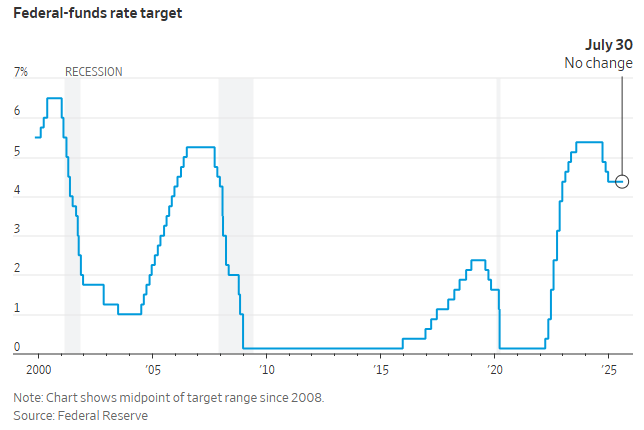
1. Report Industry Investment Rating No relevant content provided. 2. Core Viewpoints of the Report - Today, precious metals fluctuated weakly. The main contract of Shanghai Gold closed down 0.20%, and the main contract of Shanghai Silver closed down 0.35% [1]. - In the short - term, the trade war has entered a new stage, and the risks of economic recession and geopolitical changes still exist. The risk of stagflation in the US economy has increased, and strong employment suppresses the expectation of interest rate cuts [1]. - It is expected that precious metals will show a pattern of weak gold and strong silver in the short - term, high - level fluctuations in the medium - term, and a step - by - step upward trend in the long - term [1]. 3. Summary According to Relevant Catalogs 3.1 Gold - **Core Logic**: In the short - term, the trade war has entered a new stage, with risks of economic recession and geopolitical changes. The risk of stagflation in the US economy has increased, and strong employment suppresses the expectation of interest rate cuts [1]. - **Safe - haven Attribute**: Trump escalated the trade war, threatening to impose a 30% tariff on the EU and Mexico. The EU threatened counter - measures, and Trump said he was open to negotiations [1]. - **Monetary Attribute**: The US CPI in June increased by 2.7% year - on - year, the highest since February, in line with market expectations. The core CPI in June increased by 2.9% year - on - year and 0.2% month - on - month, both lower than market expectations. The overall US employment growth was stronger than expected, and the number of initial jobless claims last week unexpectedly dropped to a seven - week low. The market currently expects the Fed's next interest rate cut to be in September, and the expected total interest rate cut space in 2025 has fallen back to around 50 basis points. The US dollar index and US Treasury yields fluctuated strongly [1]. - **Commodity Attribute**: The CRB commodity index rebounded under pressure, and the strong RMB suppressed domestic prices [1]. - **Strategy**: Conservative investors should wait and see, while aggressive investors can buy low and sell high. It is recommended to manage positions well and set strict stop - loss and take - profit levels [2]. 3.2 Silver - **Price Anchor**: The gold price trend is the anchor for the silver price [5]. - **Funding and Inventory**: CFTC silver net long positions and iShare silver ETF reduced positions again. Recently, the visible inventory of silver decreased slightly [5]. - **Strategy**: Conservative investors should wait and see, while aggressive investors can buy low and sell high. It is recommended to manage positions well and set strict stop - loss and take - profit levels [6]. 3.3 Fundamental Key Data - **Federal Reserve - related Data**: The upper limit of the federal funds target rate is 4.50%, the discount rate is 4.50%, the reserve balance interest rate (IORB) is 4.40%, and the Fed's total assets are 67,132.36 billion US dollars. M2 increased by 4.50% year - on - year [8]. - **Bond and Currency - related Data**: The 10 - year US Treasury real yield is 2.63, the US dollar index is 98.63, the US Treasury yield spread (3 - month to 10 - year) is 0.47, the US - EU yield spread (10 - year bond yield) is 1.92, and the US - China yield spread (10 - year bond yield) is 3.34 [8][10]. - **Inflation Data**: The US CPI increased by 2.70% year - on - year and 0.30% month - on - month, and the core CPI increased by 2.90% year - on - year and 0.30% month - on - month [10]. - **Economic Growth Data**: The US GDP increased by 1.90% year - on - year (annualized) and decreased by 0.50% quarter - on - quarter (annualized), the unemployment rate is 4.10%, and non - farm payrolls increased by 14.70 million [10]. - **Labor Market Data**: The labor participation rate is 62.60%, the average hourly wage growth rate is 3.70%, and the number of initial jobless claims last week was 22.70 million [10]. - **Real Estate Market Data**: The NAHB housing market index is 32.00, existing home sales are 403.00 million units, new home sales are 56.00 million units, and new home starts are 115.20 million units [10]. - **Consumption Data**: Retail sales increased by 4.71% year - on - year and decreased by 0.22% month - on - month, and personal consumption expenditure increased by 4.55% year - on - year and decreased by 0.14% month - on - month [10]. - **Industrial Data**: The industrial production index increased by 0.60% year - on - year and decreased by 0.22% month - on - month, and the capacity utilization rate is 77.43% [10]. - **Central Bank Gold Reserves and Foreign Exchange Reserves**: China's central bank gold reserves are 2,298.55 tons, the US's are 8,133.46 tons, and the world's are 36,250.15 tons. The US dollar accounts for 57.80% of IMF foreign exchange reserves, the euro accounts for 19.83%, and the RMB accounts for 2.18% [10][11]. - **Safe - haven and Commodity Attributes**: The geopolitical risk index is 122.08, the VIX index is 17.52, the CRB commodity index is 302.70, and the offshore RMB exchange rate is 7.1738 [11]. - **Fed Interest Rate Expectations**: According to the CME FedWatch tool, the probability of different interest rate ranges at different Fed meetings from 2025 to 2026 is provided [12].
每日投行/机构观点梳理(2025-07-16)
Jin Shi Shu Ju· 2025-07-16 12:53
Group 1: Inflation and Economic Outlook - Goldman Sachs indicates that potential inflation in the U.S. remains relatively mild, although price pressures are expected to increase during the summer months, with July and August CPI reports being critical [1] - BlackRock notes that the U.S. CPI shows early signs of tariff-driven price increases, particularly in household appliances and entertainment products, suggesting that the full impact of tariffs has yet to materialize [1] - Bank of America reports that 38% of investors view a trade war-induced global recession as the biggest tail risk event, while 20% cite inflation hindering Fed rate cuts as the second-largest risk [3] Group 2: Investor Sentiment and Market Trends - Bank of America finds that 34% of investors believe shorting the dollar is currently the most crowded trade, marking a shift from previous preferences for gold [4] - A significant 59% of investors now believe a recession is unlikely, a notable change from 42% in April, with 65% expecting a soft landing for the economy [5] - Bank of America also reports a record increase in investor positions in euros, with a net 20% of investors overweight in euros, the highest since January 2005 [6] Group 3: Sector-Specific Insights - ING analysts expect the Eurozone economy to receive some support from a rebound in factory output, driven by preemptive stockpiling ahead of anticipated U.S. tariffs [7] - ING also warns that if France fails to implement spending cuts to reduce the budget deficit, the euro may face downward pressure [10] - Citic Securities highlights the investment value in the energy storage sector, driven by ongoing market reforms and the establishment of a capacity pricing mechanism [13]
中辉有色观点-20250716
Zhong Hui Qi Huo· 2025-07-16 09:32
中辉有色观点 | 品种 | 核心观点 | 主要逻辑及价格区间 | | --- | --- | --- | | | | 全球多国正通过双边谈判、WTO 申诉、反制清单 及技术管制 应对美国 8 月 1 | | 黄金 | 高位震荡 | 日关税生效压力,同时俄乌冲突衍生贸易威胁加剧不确定性。中长期,多国政 | | | | 策宽松,多国央行继续购买黄金,未来不确定性仍然较多,战略配置。【765-795】 | | | | 白银供给有缺口,经济需求有支撑,各国宽财政刺激工业需求,多头积极,白 | | 白银 | 强势震荡 | 银盘面强势,长期看受基本金属和黄金价格情绪影响较大,短期关注前 9000 支 撑的有效性做好仓位控制。【9000-9375】 | | | | 美铜进口关税冲击影响边际消退,需求淡季叠加非美铜库存紧张预期减弱,或推动 | | 铜 | 震荡 | 短期隐形库存显性化,警惕需求证伪带来回调压力,但是预计铜深跌幅度有限,以 回调后逢低试多为主,中长期依旧看好铜,沪铜关注区间【77000,79000】 | | | | 锌精矿加工费持续修复,海外钢铁反倾销影响镀锌钢材需求,特朗普关税不确 | | 锌 | 承压 | ...
大摩解密:为何全球原油库存猛增未压垮油价?
智通财经网· 2025-07-16 06:53
Group 1 - Morgan Stanley reports a rapid increase in global oil inventories in recent months, primarily concentrated in the Asia-Pacific region, which has helped maintain stable oil prices [1] - As of the end of June, global inventories increased by approximately 235 million barrels, with only 10% of this increase occurring in the OECD region, which is crucial for price formation [1] - Despite expectations of oversupply in the coming quarters, the current futures price structure indicates market supply tightness, with near-term prices higher than long-term prices [1] Group 2 - Morgan Stanley warns that once the summer demand peak ends, oversupply may re-emerge, but only a "small" surplus is expected to reflect in OECD inventories [1] - The firm anticipates that OECD inventories will increase by no more than 165 million barrels over the next 12 months, returning to levels seen in 2017 when Brent crude prices fluctuated around $65 per barrel [1] - The firm forecasts Brent crude prices to remain at $65 per barrel in Q4 and at $60 per barrel for all four quarters of 2026 [2] Group 3 - In the recent inventory increase, non-OECD countries added approximately 100 million barrels, with China alone accounting for 48 million barrels [2] - The amount of oil in floating storage has also increased, adding 106 million barrels [2]
特朗普对欧盟下手,德专家:所有对美妥协的国家都挨了美国一巴掌
Sou Hu Cai Jing· 2025-07-16 05:20
Group 1 - The article highlights China's proactive stance against the US trade war, gaining respect from other nations while urging them to unite against US unilateralism and trade bullying [1] - The trade negotiations have slowed down, with President Trump warning countries of potential tariffs that could be several times higher if they do not reach agreements with the US, showcasing his "maximum pressure" strategy [3] - The EU has felt significant pressure and has made concessions to the US, such as canceling the planned digital tax, but this has not led to leniency from Trump, who announced a 30% tariff on EU goods starting August 1, shocking EU nations and raising concerns of an impending economic recession [5] Group 2 - The EU's internal divisions have hindered a unified response to the US, with some countries advocating for retaliation while others prefer a conciliatory approach, as indicated by EU Commission President von der Leyen's decision to extend the timeline for countermeasures [6] - German economist Feichner commented that the significant tariff adjustments might be part of the US's negotiation strategy, but Trump's aggressive tactics are a heavy blow to countries attempting to negotiate and calm tensions [7] - A comparison between the EU and China reveals that the more assertive a party is against the US, the more cautious Trump becomes, as seen in his handling of the rare earth issue with China versus the EU's submissive stance [9] - The EU's lack of a swift counter-response to Trump's tariffs, unlike China's firm stance, indicates a potential ongoing weakness in their ability to retaliate effectively, leading to their current predicament [10]
特朗普下“最后通牒”,欧洲迅速行动,欧议员对华示好,中欧关系或迎重大转机
Sou Hu Cai Jing· 2025-07-16 04:35
Group 1 - The core point of the article is the announcement by Trump to impose a 30% tariff on goods imported from the EU and Mexico, citing a significant trade deficit as the reason for this unilateral action [1] - This announcement is part of a broader strategy where Trump has threatened 25%-40% tariffs on 14 other countries, indicating a potential escalation in global trade tensions [1] - The EU's immediate response includes a strong condemnation from Ursula von der Leyen, who stated that the tariffs would harm supply chains and consumers on both sides of the Atlantic [1][6] Group 2 - The article highlights a shift in the EU's internal stance towards China, with calls for a more independent and cooperative approach rather than merely aligning with US policies [3][6] - Trump's confidence in the EU's reluctance to align with China stems from the EU's dependence on the US for security and defense, particularly in light of ongoing geopolitical tensions [3] - The EU's desire for strategic autonomy is emphasized, with Macron's government advocating for European sovereignty in various geopolitical matters, indicating a potential pivot in EU foreign policy [6][8] Group 3 - The EU has initiated countermeasures against the US, starting with tariffs on $210 billion worth of American goods, signaling a serious escalation in trade hostilities [6] - The article suggests that the ongoing trade tensions may lead to a re-evaluation of the EU's relationship with China, moving towards a more pragmatic and mutually beneficial partnership [6][8] - The potential for cooperation between the EU and China in areas such as green technology and high-end manufacturing is highlighted as a counterbalance to US trade policies [6][8]
五矿期货农产品早报-20250716
Wu Kuang Qi Huo· 2025-07-16 02:42
Investment Rating No investment rating information is provided in the report. Core Viewpoints - The soybean market is affected by multiple factors, with the overall trend being range - bound. The domestic soybean meal market is multi - faceted, and trading strategies should be adjusted according to cost and supply - demand changes [3][5]. - The EPA policy supports the central level of the oil market, but there are still many negative factors. The market is expected to show an oscillating trend, with potential for an upward movement in the fourth quarter [7][10]. - The domestic sugar market may face increased import pressure in the second half of the year, and the price of Zhengzhou sugar is likely to continue to decline [12][13]. - The cotton market is expected to remain oscillating in the short term, waiting for new driving factors [15][16]. - The egg market is currently in a bottoming - out period, with limited short - term rebound space. A strategy of waiting for a rebound and then short - selling is recommended [18][19]. - The pig market has a short - term upward trend, but there are medium - term supply and hedging pressures [22]. Summary by Category Soybean/Meal - **Market Situation**: On Tuesday, U.S. soybeans fell slightly. Good weather in North America and potential impacts of the trade war on exports pressured prices, but low valuation, strong old - crop sales, and biodiesel policies supported demand. Domestic soybean meal futures oscillated, with concerns about insufficient future purchases and current supply pressure. Spot prices were stable. According to MYSTEEL, 2.2954 million tons of soybeans were crushed last week, and 2.3803 million tons are expected to be crushed this week. The rainfall in the U.S. soybean - producing areas is favorable in the next two weeks, and the Brazilian soybean premium has risen slightly [3]. - **Trading Strategy**: The import cost of foreign soybeans is oscillating. The overall supply of soybeans or protein is still in surplus. The domestic soybean meal market has low valuation, short - term high supply, active downstream pick - up, and medium - to - high inventory days for feed enterprises. However, the purchase of soybeans from September to January is cost - supported due to Sino - U.S. tariffs. It is recommended to try long positions at the lower end of the cost range and pay attention to crushing margins and supply pressure at the upper end, waiting for progress in Sino - U.S. tariffs and new supply - side drivers [5]. Oil - **Important Information**: High - frequency export data shows that Malaysia's palm oil exports from June 1 - 10 are expected to increase by 5.31% - 12%, and from June 1 - 15, they are expected to decrease by 5.29% - 6.16%. SPPOMA data shows that from July 1 - 10, 2025, Malaysia's palm oil yield increased by 35.43%, the oil extraction rate decreased by 0.02%, and production increased by 35.28%. India's palm oil imports in June increased by 60% month - on - month to 955,683 tons, soybean oil imports decreased by 9.8% to 359,504 tons, and sunflower oil imports increased by 17.8% to 216,141 tons. The total vegetable oil imports in June were 1.549825 million tons, a 30.6% increase from May. According to MYSTEEL, the total inventory of the three major domestic oils last week was 2.298 million tons (+40,000 tons), compared with 1.9653 million tons in the same period last year. The increase in inventory is mainly due to the seasonal accumulation of palm oil and soybean oil, and the year - on - year high is due to the high rapeseed oil inventory and slow destocking [7]. - **Market Situation**: On Tuesday, domestic palm oil oscillated and declined, affected by weak high - frequency export data. Rapeseed oil was relatively weak, pressured by recent diplomatic contacts between China and Canada and China and Australia, and the decline in foreign rapeseed prices. Overall, the EPA policy has raised the annual operating center of the oil market, but the palm oil production in Southeast Asia has recovered significantly, and there are still negative factors in the oil market. The domestic spot basis is stable at a low level [8]. - **Trading Strategy**: The U.S. biodiesel policy draft has exceeded expectations and supported the central level of the oil market. If demand countries maintain normal imports from July to September and palm oil production in the producing areas remains at a neutral level, the inventory in the producing areas may remain stable. There may be an upward expectation in the fourth quarter due to Indonesia's B50 policy. However, the current valuation is relatively high, and the upward space is restricted by factors such as the annual - level production increase expectation, high palm oil production in the producing areas, and the undetermined RVO rules. The market should be viewed as oscillating [10]. Sugar - **Key Information**: On Tuesday, the price of Zhengzhou sugar futures oscillated weakly. The closing price of the September contract was 5,802 yuan/ton, a decrease of 15 yuan/ton or 0.26% from the previous trading day. In the spot market, the quotation of Guangxi sugar - making groups was 6,030 - 6,100 yuan/ton, a decrease of 10 yuan/ton from the previous day; the quotation of Yunnan sugar - making groups was 5,810 - 5,850 yuan/ton, unchanged from the previous day; the mainstream quotation range of processing sugar mills was 6,180 - 6,250 yuan/ton, a decrease of 0 - 30 yuan/ton from the previous day. The basis of Guangxi spot - Zhengzhou sugar main contract (sr2509) was 228 yuan/ton. According to UNICA data, in the second half of June, the sugarcane crushing volume in the central - southern region of Brazil was 42.7 million tons, a decrease of 6.3 million tons or 12.86% from the same period last year; the sugar - to - cane ratio was 53.15%, an increase of 3.21 percentage points from the same period last year; the sugar production was 2.845 million tons, a decrease of 424,000 tons or 12.98% from the same period last year [12]. - **Trading Strategy**: China is currently in the best import profit window in the past five years, and the import supply pressure may increase in the second half of the year. Theoretically, the domestic production and sales situation is still good. With the expected increase in imports in the second half of the year, the spread of near - month contracts should go long, and the spread of far - month contracts should go short. However, the actual market trend is the opposite, making the valuation of the September contract of Zhengzhou sugar higher than other contracts. Assuming that the foreign market price does not rebound significantly, the price of Zhengzhou sugar is likely to continue to decline [13]. Cotton - **Key Information**: On Tuesday, the price of Zhengzhou cotton futures continued to oscillate. The closing price of the September contract was 13,850 yuan/ton, a decrease of 25 yuan/ton or 0.18% from the previous trading day. In the spot market, the price of Xinjiang machine - picked cotton (CCIndex 3128B) was 15,170 yuan/ton, an increase of 10 yuan/ton from the previous day. The basis of Xinjiang machine - picked cotton (CCIndex 3128B) - Zhengzhou cotton main contract (CF2509) was 1,320 yuan/ton. According to USDA data, as of the week ending July 13, 2025, the good - to - excellent rate of U.S. cotton was 54%, an increase of 2 percentage points from the previous week, reaching the highest level in the same period in the past four years; the budding rate was 61%, an increase of 13 percentage points from the previous week, slightly lower than the same period last year and the five - year average; the boll - setting rate was 23%, an increase of 9 percentage points from the previous week, a decrease of 3 percentage points from the same period last year, but slightly higher than the five - year average [15]. - **Trading Strategy**: Although the Sino - U.S. trade agreement has not been finalized, the price of Zhengzhou cotton has rebounded to the level before the announcement of U.S. counter - tariffs, partly reflecting the positive expectation. Fundamentally, the recent strengthening of the basis between futures and spot is not conducive to downstream consumption. The market expects that sliding - scale import quotas may be issued from July to August, which is a potential negative factor for cotton prices. It is expected that the cotton price will remain oscillating in the short term, waiting for new driving factors [16]. Eggs - **Market Situation**: The prices of eggs across the country were mostly stable, with a few rising. The average price in the main producing areas increased by 0.01 yuan to 2.75 yuan/jin. The price in Heishan remained at 2.3 yuan/jin, and the price in Guantao remained at 2.58 yuan/jin. The supply was stable, the downstream sales speed was normal, with a few areas experiencing a slowdown. All sectors mostly purchased and sold in line with the market trend, and the inventory was not large. It is expected that the egg price will remain stable today, with a few areas experiencing slight fluctuations [18][21]. - **Trading Strategy**: Despite continuous losses, the reduction in production capacity is still limited. The large supply has postponed the seasonal rebound of the spot price. The current spot price has gradually entered the bottom - building range, but the short - term rebound space is limited due to inventory pressure. Considering the high premium of the futures market and large open interest, time is not favorable for near - month long positions. For far - month contracts, the potential for a seasonal rebound is uncertain due to the ineffective reduction in production capacity. A strategy of waiting for a rebound and then short - selling is recommended [19]. Pigs - **Market Situation**: Since late June, the spot price of pigs has rebounded significantly, accompanied by a reduction in slaughter volume and a decline in body weight, indicating a seasonal decrease in supply in the middle of the year. With a relatively low proportion of retail farmers and a large price difference between fat and standard pigs, there is still room for an increase in the second - fattening pen. This plays a supporting role from the side [22]. - **Trading Strategy**: Given the current situation where the spot price is likely to rise and difficult to fall, and the futures market, especially the near - month contracts, is at a discount, the downward space is limited. There may still be room for short - term long positions, but in the medium term, supply back - log and the pressure of hedging positions need to be considered [22].
国泰君安期货商品研究晨报:能源化工-20250716
Guo Tai Jun An Qi Huo· 2025-07-16 01:50
1. Report Industry Investment Ratings - PX, PTA, LLDPE, PVC, urea, benzene, styrene, and soda ash are rated as "Weak" or "Weakly Bearish" [2][37][63][64] - MEG, rubber, synthetic rubber, PP, caustic soda, pulp, glass, methanol, fuel oil, low - sulfur fuel oil, and LPG are rated as "Neutral" [2][12][13] - Asphalt is rated as "Weakly Bearish" [23][32] - The container shipping index (European line) has specific strategies of holding 10 - 12 and 10 - 02 reverse spreads lightly [88] 2. Core Views - For PX, the supply is still tight, and it's recommended not to chase short positions in the single - side market, but to take long positions in the calendar spread. Attention should be paid to the compression of forward PXN [12] - PTA is facing increased supply and decreased demand. It's advised not to chase short positions, and to take long positions in the calendar spread. Consider long PX short PTA and long PR short PTA in the 01 contract [12] - MEG is expected to have a bullish single - side market and a long calendar spread strategy due to low inventory and limited import growth [13] - For synthetic rubber, it's expected to have a valuation - based range - bound pattern with narrowed upside space [20][22] - Asphalt is in a range - bound state with a slightly bearish trend [23][32] - LLDPE is expected to have a weakly bearish trend due to increasing supply pressure and weak demand [37][38] - PP has loose spot prices and light trading volume, with a neutral trend [41][42] - Caustic soda is expected to have a short - term range - bound pattern due to cost decline and seasonal demand weakness [44][46] - Pulp is in a range - bound state with high port inventory and weak demand [51][52] - Glass has stable spot prices, and the market is relatively stable [54][55] - Methanol is expected to have a short - term range - bound pattern due to reduced supply and demand [57][59] - Urea is expected to have a short - term range - bound and possibly bearish intraday trend due to weak domestic demand and export support [61][62] - Benzene and styrene are in a weakly bearish state, and attention should be paid to compressing the profit of styrene [64][65] - Soda ash has little change in the spot market and is expected to have a low - level range - bound pattern [66][68] - LPG is expected to have a short - term weakly bearish trend [71][73] - PVC is expected to have a weakly bearish trend due to high production, high inventory, and weak demand [81][82] - Fuel oil had a sharp decline during the day session and may stabilize in the short - term, while low - sulfur fuel oil continues to be weak [86] - The container shipping index (European line) suggests holding 10 - 12 and 10 - 02 reverse spreads lightly [88] 3. Summaries by Related Catalogs PX, PTA, MEG - **Market Overview**: On July 15, PX price dropped, and Asian crude oil futures declined. The demand for polyester chains in Asia continued to pressure upstream PX and PTA. PTA spot price fell, and MEG had specific trading prices and arrival plans [6][8][9] - **Trend Intensity**: All are rated as 0 (Neutral) [11] - **Views and Suggestions**: PX supply is tight, PTA faces supply - demand imbalance, and MEG has low inventory and limited import growth [12][13] Rubber - **Fundamental Tracking**: The futures market had changes in price, volume, and open interest. The spot market had price changes in different varieties. The trend intensity is 0 (Neutral) [15] - **Industry News**: Vietnam's natural rubber exports in June 2025 increased compared to May but decreased year - on - year. The imports also had specific changes [18][19] Synthetic Rubber - **Fundamental Tracking**: There were changes in futures prices, trading volume, open interest, and spot prices. The trend intensity is 0 (Neutral) [20] - **Industry News**: The static and dynamic valuation ranges of cis - butadiene rubber were analyzed, and it's expected to have a range - bound pattern [20][22] Asphalt - **Fundamental Tracking**: There were changes in futures prices, trading volume, open interest, and spot prices. The trend intensity is - 1 (Weakly Bearish) [24][32] - **Market News**: The domestic asphalt factory and social inventories had different changes, and the weekly production increased [36] LLDPE - **Fundamental Tracking**: Futures prices, trading volume, open interest, and spot prices had changes. The market price of LLDPE partially declined [37] - **Market Analysis**: The supply pressure is increasing, and the demand is weak, with a weakly bearish trend [38] PP - **Fundamental Tracking**: Futures prices, trading volume, open interest, and spot prices had changes. The spot price is loose, and trading is light [41] - **Trend Intensity**: 0 (Neutral) [42] Caustic Soda - **Fundamental Tracking**: Futures and spot prices had specific values. The market in Shandong was stable with some price adjustments [44][45] - **Market Analysis**: The supply pressure is large, and the demand is in the seasonal off - peak, with a short - term range - bound pattern [46] Pulp - **Fundamental Tracking**: Futures prices, trading volume, open interest, and spot prices had changes. The trend intensity is 0 (Neutral) [51] - **Industry News**: The pulp price was stable, with high port inventory and weak demand [52] Glass - **Fundamental Tracking**: Futures prices, trading volume, open interest, and spot prices had changes. The spot price of float glass was stable [55] - **Trend Intensity**: 0 (Neutral) [55] Methanol - **Fundamental Tracking**: Futures prices, trading volume, open interest, and spot prices had changes. The spot price index increased slightly [57][59] - **Market Analysis**: The supply and demand are both decreasing, and it's expected to have a short - term range - bound pattern [59] Urea - **Fundamental Tracking**: Futures prices, trading volume, open interest, and spot prices had changes. The inventory decreased in some areas and increased in others [61][62] - **Industry News**: The domestic inventory decreased, and it's expected to have a short - term range - bound and possibly bearish intraday trend [62][63] Benzene and Styrene - **Fundamental Tracking**: Futures prices and spreads had changes. The spot market of styrene is in a state of high production, high profit, and high inventory [64][65] - **Trend Intensity**: - 1 (Weakly Bearish) [64] Soda Ash - **Fundamental Tracking**: Futures prices, trading volume, open interest, and spot prices had changes. The spot market changed little [68] - **Trend Intensity**: - 1 (Weakly Bearish) [69] LPG - **Fundamental Tracking**: Futures prices, trading volume, open interest, and spot prices had changes. The开工 rates of related industries had fluctuations [73] - **Market News**: There were specific expectations for Saudi CP prices, and many PDH devices had maintenance plans [79][80] - **Trend Intensity**: 0 (Neutral) [78] PVC - **Fundamental Tracking**: Futures prices, spot prices, and spreads had specific values. New devices were put into trial production [81] - **Market Analysis**: It has a high - production and high - inventory structure, with a weakly bearish trend [82] Fuel Oil and Low - Sulfur Fuel Oil - **Fundamental Tracking**: Futures prices, trading volume, open interest, and spot prices had changes. The low - sulfur fuel oil continued to be weak [86] - **Trend Intensity**: 0 (Neutral) [86] Container Shipping Index (European Line) - **Fundamental Tracking**: Futures prices, trading volume, open interest, and freight rates had changes. There were specific information about shipping schedules and capacity [88][91] - **Strategy**: Hold 10 - 12 and 10 - 02 reverse spreads lightly [88]
英国央行行长贝利“炮轰”特朗普贸易战:有损全球家庭利益 致使经济碎片化
Zhi Tong Cai Jing· 2025-07-15 23:51
Group 1 - Andrew Bailey, the Governor of the Bank of England, criticized Donald Trump's trade war, stating it harms global household interests and leads to economic fragmentation [1] - Bailey emphasized the need for countries to cooperate to address unsustainable trade and financial imbalances, particularly between the US and China, which account for nearly 40% of global current account imbalances [1][2] - He argued that unilateral imposition of rules by any single country is not a viable solution for achieving lasting stability in the global economy [1] Group 2 - Bailey pointed out that the US has a current account deficit and a significant budget deficit, supported by capital inflows due to the dollar's reserve currency status [2] - He suggested that a better approach to resolving trade issues is through multilateral institutions like the IMF and WTO to restore balance in trade and finance [2] - Bailey expressed skepticism about the future role of stablecoins and the necessity of a central bank digital currency, indicating a cautious stance on innovations in the banking sector [2]
为关税铺路?美国商务部调查无人机、多晶硅,专家:对美自身影响也较大
Huan Qiu Shi Bao· 2025-07-15 22:54
Group 1 - The U.S. Department of Commerce has initiated two investigations related to drone systems and their components, as well as a national security investigation into polysilicon and its derivatives used in solar panels and semiconductors, potentially paving the way for higher tariffs on these imports [1][2] - The investigations were launched under Section 232 of the Trade Expansion Act, with results expected within 270 days, and public comments due by August 6 [1] - The investigations may lead to additional tariffs if deemed necessary for national security, following previous actions against imports of steel and aluminum [1][3] Group 2 - The U.S. aims to localize its drone supply chain to a "national security" level, but this may disrupt the global drone supply chain and could lead to inefficiencies in producing high-quality drones domestically [2] - China dominates the market for commercial drones, producing 70% to 80% of the global supply, and holds an 80% market share in polysilicon production [2] - U.S. efforts to impose targeted tariffs and restrictions on Chinese imports reflect a strategic shift in trade policy, focusing on specific sectors rather than broad technology restrictions [3]