2025清华五道口全球金融论坛

Search documents
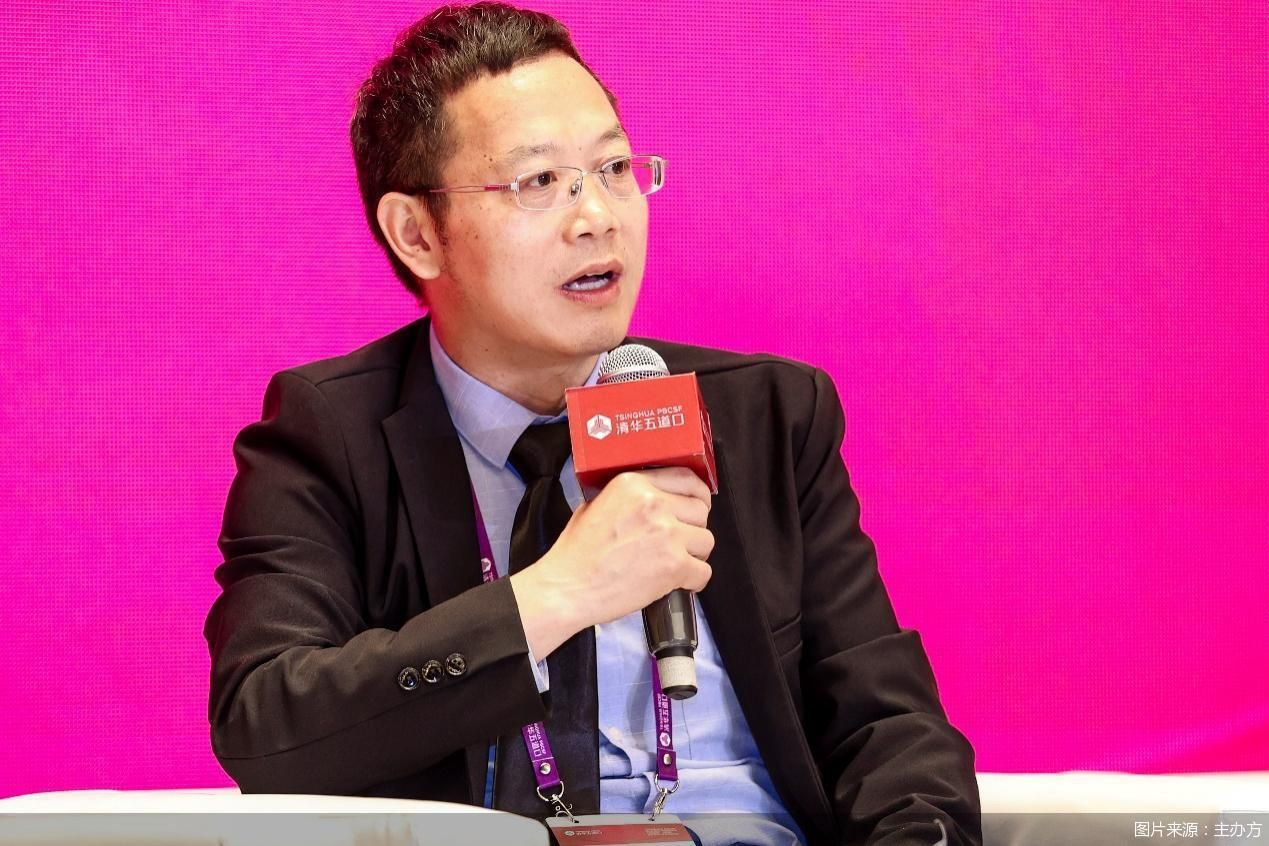
2025五道口金融论坛|莫万贵谈AI风险,金融机构过度依赖几家科技公司,要避免羊群效应
Bei Jing Shang Bao· 2025-05-18 10:20
Core Viewpoint - The integration of AI in the financial sector presents significant risks, including model hallucination, algorithmic opacity, and over-reliance on a few tech companies, necessitating a governance framework involving multiple stakeholders [1][3][4]. Group 1: AI Risks in Finance - Model hallucination poses a challenge due to the high data accuracy required in finance, which can lead to inappropriate applications in certain areas [3]. - Algorithmic opacity complicates regulatory oversight and risk management, making it difficult to trace accountability [3]. - The increasing reliance on a few large tech companies by financial institutions may amplify traditional risks and create systemic vulnerabilities [3][4]. Group 2: Governance Framework - A governance ecosystem should include six key stakeholders: financial institutions, consumers, tech companies, industry governance organizations, regulatory bodies, and financial professionals [4][5]. - Financial institutions must ensure that AI technologies are suitable for their specific business scenarios to avoid unnecessary complexities and risks [4]. - There is a need for human intervention in critical decision-making processes to enhance controllability and risk management [5]. Group 3: Regulatory Approaches - Regulatory bodies should adopt a balanced approach, allowing for innovation while ensuring risk management through trial and error in a controlled environment [5][6]. - Enhanced regulatory measures should be implemented for systemically important financial institutions, including additional stress testing and higher capital requirements [7][8]. - Cross-market and cross-institutional risk monitoring should be strengthened to address the interconnected risks posed by AI technologies [8].

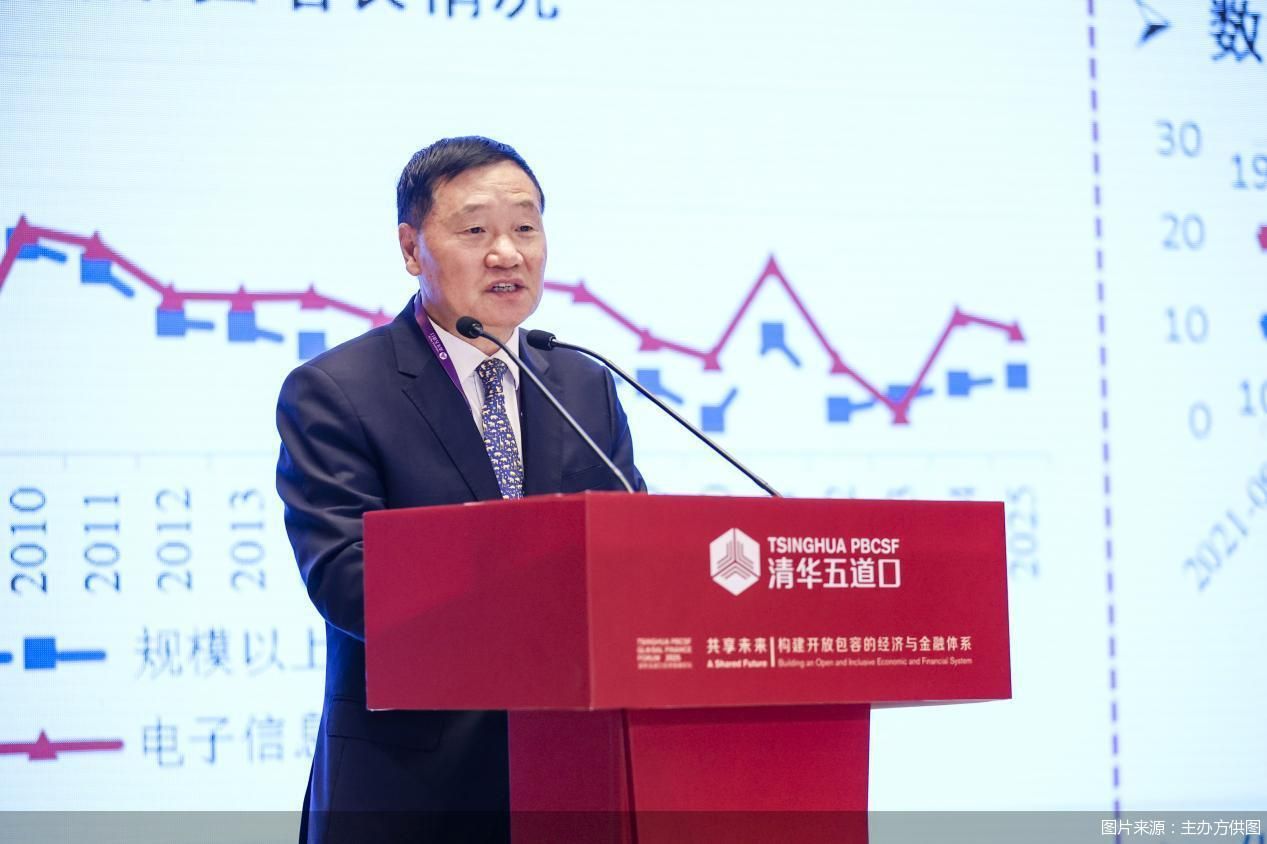
2025五道口金融论坛|肖钢:推动金融行业严格执行AI算法备案制度
Bei Jing Shang Bao· 2025-05-18 10:20
Core Viewpoint - The development of the digital economy and digital finance is progressing positively, with a strong emphasis on the integration of artificial intelligence (AI) in financial applications and the need for governance in this area [1][6][7]. Group 1: Digital Economy Growth - The digital economy showed a strong performance in Q1, with core industries growing over 10%, significantly outpacing GDP growth [3]. - The digital manufacturing sector's value added increased by 11.5%, surpassing the growth rates of the overall industrial and high-tech manufacturing sectors [3]. - Digital services, particularly in information transmission, software, and IT services, achieved double-digit growth, exceeding the overall service sector growth by 5 percentage points [3]. Group 2: Investment Trends - Investment in core digital economy industries surged, driven by policies and recovering market demand, with fixed asset investment growing by 4.2% year-on-year, an increase of 1 percentage point from the previous year [3]. - High-tech industry investment rose by 6.5%, significantly higher than the national fixed asset investment growth rate [5]. - Investment in digital economy core industries also saw double-digit growth, with electronic information manufacturing and information services increasing by 10.1% and 10.5%, respectively [5]. Group 3: Digital Consumption - Digital consumption is on the rise, with online food consumption growing faster than overall consumption, and the "trade-in" model boosting online sales [4]. - The rapid development of digital service consumption is notable, driven by innovations in digital technology and new consumption scenarios created through the internet and AI [4]. Group 4: Financial Institutions' Investment Strategies - Financial institutions are becoming more strategic in their technology investments, focusing on cost-effectiveness and the return on investment [5]. - The banking sector's technology investment growth has slowed, while the securities sector has increased its investment intensity, reflecting a shift in focus towards rational investment [5]. Group 5: Governance of AI in Finance - There is a need to establish a governance framework for generative AI applications in finance, including strict adherence to AI algorithm registration systems [6][7]. - The importance of matching AI models to specific financial scenarios is emphasized, alongside the need to address risks associated with AI misuse [7]. - The construction of a high-quality financial data market is essential, focusing on data ownership, pricing, and circulation [7][8].
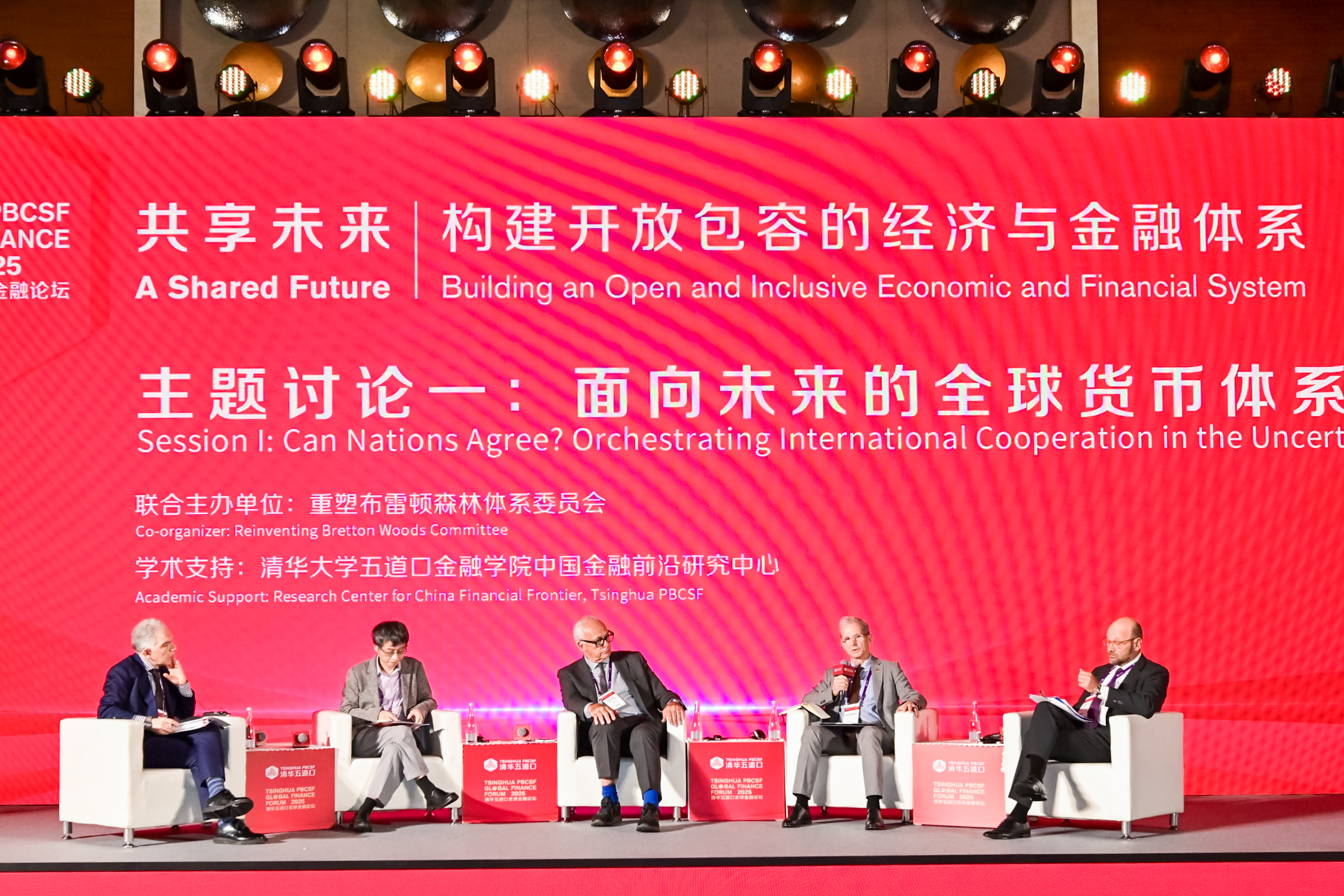
2025清华五道口全球金融论坛主题讨论一丨面向未来的全球货币体系
清华金融评论· 2025-05-18 10:16
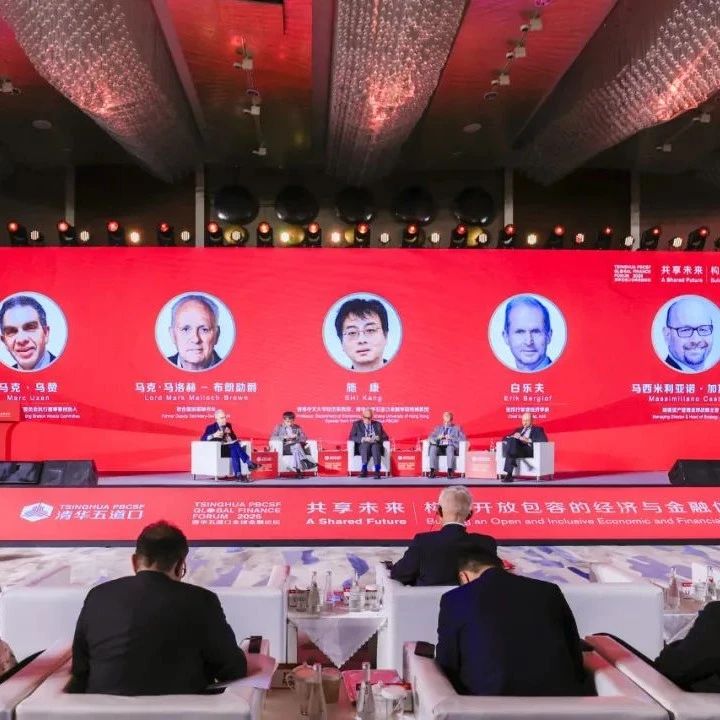
Core Viewpoint - The forum discussed the need for a restructured global financial system in the face of rising geopolitical uncertainties and the importance of multilateralism to address global challenges [5][10][12]. Group 1: Global Financial Cooperation - The forum featured discussions among experts on the importance of multilateralism and the need for a diversified global financial order to address current challenges [3][5]. - Lord Mark Malloch-Brown emphasized the crisis in international order due to unilateral actions by the U.S. and the need for countries like China and Europe to actively promote multilateralism [5]. - Erik Berglof highlighted the necessity for a new multilateralism that reflects the current geopolitical landscape, advocating for cooperation between Europe and developing countries [8]. Group 2: Economic Imbalances and Domestic Demand - Professor Shi Kang pointed out that addressing global economic imbalances requires multilateral coordination and that China should focus on domestic demand rather than relying solely on external markets [10]. - The need for China to stimulate domestic consumption and create demand was emphasized as a key task for 2025, alongside the importance of economic reforms and industry upgrades [10]. Group 3: Currency Dynamics and Financial Stability - Massimiliano Castelli discussed the potential for the euro and renminbi to gain prominence as global reserve currencies, while the dollar remains the primary safe-haven asset [12]. - The discussion included the gradual reduction of dollar asset holdings by global central banks and institutional investors, indicating a shift in currency dynamics [12]. - Marc Uzan stressed the importance of regional cooperation and the establishment of new rules in rebuilding the international financial system [15].
马蔚华:2024年我国科技成果转化率达到了35%,但和发达国家仍差距较大|快讯
Hua Xia Shi Bao· 2025-05-18 10:05
Group 1 - The government guidance fund plays a crucial role in technology innovation by addressing the most critical yet underfunded parts of the technology innovation funding chain [2] - The National Technology Achievement Transformation Guidance Fund aims to accelerate the transformation and application of technological achievements, encouraging social and local government investment [2] - China's technology achievement transformation rate has increased from 25% in 2010 to 35% currently, but there remains a significant gap compared to developed countries [2] Group 2 - The first reason for the existing gap is the disconnection between the innovation chain and the industrial chain, with early-stage VC and angel investment being insufficient for high-tech projects [3] - The second reason is a cognitive deviation, where indirect financing dominates and emphasizes collateral, which does not align with the asset-light nature of high-tech ventures [3] - The third reason involves a misalignment between government goals and market behavior, as metrics for evaluating universities focus on the number of patents rather than their conversion into tangible results [3] Group 3 - Recent central policies, including support for science and technology innovation bonds and the expansion of equity investment pilot programs, have significantly broadened financing channels for high-tech sectors [4] - The government guidance fund is expected to organize and coordinate these funds, establish a mother fund, and play a leading role in mobilizing and directing social resources into technology enterprises [4]

深圳市委金融办常务副主任时卫干:深圳金融近期推进四项重点工作
2 1 Shi Ji Jing Ji Bao Dao· 2025-05-18 08:57
Core Viewpoint - The Greater Bay Area (GBA) is expected to experience strong trends in driven development, participatory development, and collaborative development despite increasing global uncertainties, with Hong Kong's role as a super connector being further strengthened [1] Group 1: Development Trends - The GBA cities are expected to enhance their collaborative development synergy, with Shenzhen and Guangzhou having strong industrial foundations and technological innovation advantages, while Hong Kong and Macau possess unique institutional, financial, international, and talent advantages [1] - The deep integration of industry, technology, and finance will lead to improved city development and future planning within the GBA [1] Group 2: Financial Cooperation - The financial market connectivity has significantly changed the relationship between Shenzhen and Hong Kong, with various initiatives such as Stock Connect, Bond Connect, and others yielding substantial benefits [3] - The Shenzhen Municipal Financial Bureau plans to utilize the Shenzhen-Hong Kong Financial Cooperation Committee mechanism to promote financial cooperation, having established four specialized teams focusing on fintech, supporting enterprises going global, Qianhai, and He Tao [3] Group 3: Future Work Focus - The first focus is to support and encourage outstanding Shenzhen and GBA enterprises to list in Hong Kong, while also encouraging eligible GBA companies listed on Hong Kong's H-shares to return to the Shenzhen Stock Exchange [4] - The second focus is to continue supporting enterprises in their international expansion [4] - The third focus is to strengthen cooperation with Hong Kong's financial regulatory authorities to provide better services and support for market participants, making transactions more convenient and cost-effective [4]

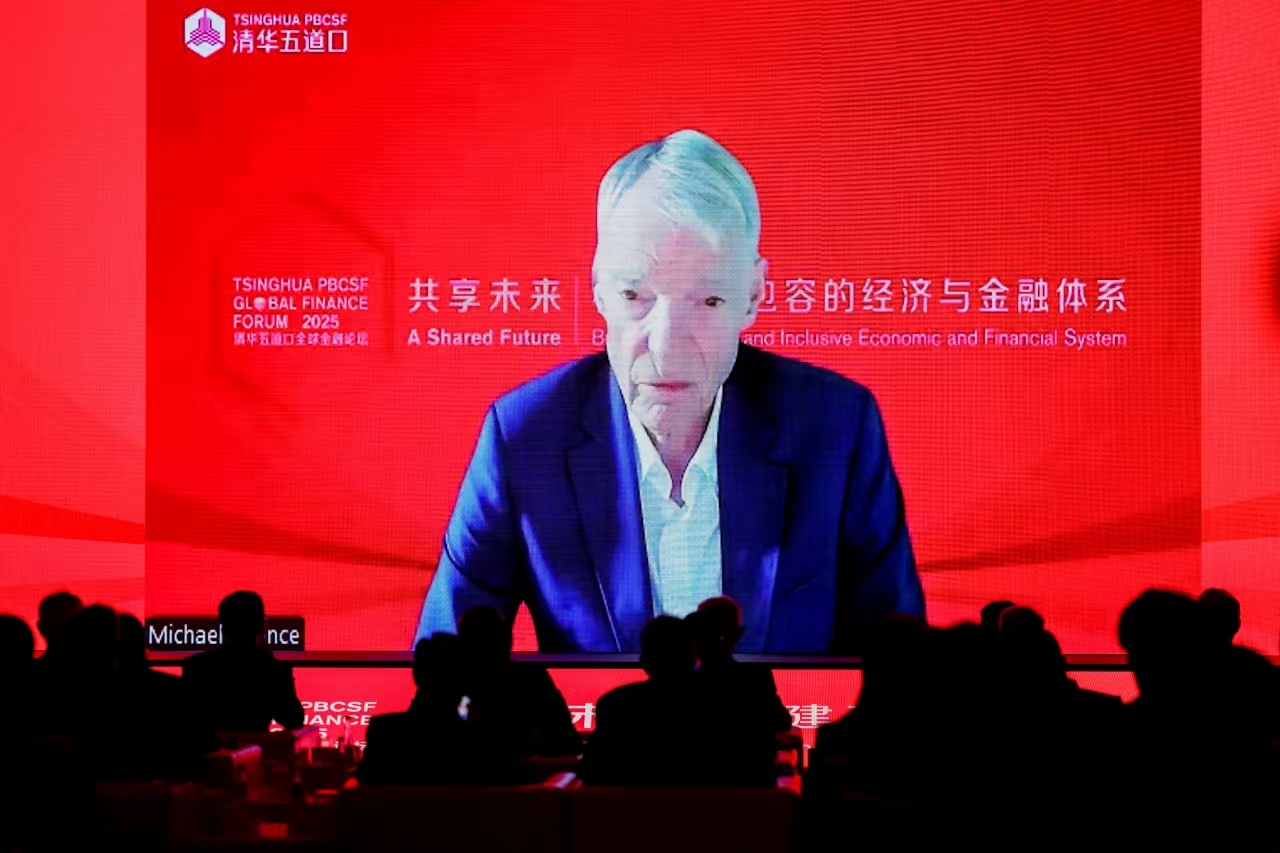
迈克尔·斯宾塞:实行剔除美国之外的全球化体系是可能的
Cai Jing Wang· 2025-05-18 08:06
Group 1 - Michael Spence highlighted that the U.S. withdrawal from the WHO and climate agreements indicates a retreat from sustainable development agendas, leading to three potential scenarios for the future [1] - The most likely scenario is a mixed one, where a multilateral system is supported by Europe, China, and other major emerging markets, as the economic weight of emerging markets is gradually increasing [1] - Spence noted that the trade negotiations are showing positive changes, with the negative effects on consumer confidence in the U.S. economy being a significant concern [3] Group 2 - The uncertainty in the Federal Reserve's monetary policy is emphasized, with current inflationary pressures easing but ongoing tariff policies raising questions about necessary countermeasures [3] - Spence mentioned that the recent developments in AI technology, particularly the rise of open-source AI models, are having a positive impact on the global economy [3] - The report from Stanford indicates that the gap between the U.S. and China in AI technology is rapidly narrowing, with both countries focusing on smaller models that are more cost-effective [3]
全球货币体系走向何方?这场对话给出答案……
Guo Ji Jin Rong Bao· 2025-05-18 08:06
Group 1 - The global financial system is undergoing a transformation due to increasing uncertainty, with discussions on the future of the global monetary system highlighting the need for new multilateralism to reflect the changing global order [1][4][5] - Emerging economies are gaining more influence in the global financial system, with a shift from a US-centric model to a more multipolar structure, necessitating greater choice for developing countries [4][5] - The current economic model in China is transitioning from export-driven to domestic consumption-based, recognizing the importance of a large domestic market [5] Group 2 - The International Monetary Fund (IMF) and World Bank are expected to play a more significant role in managing potential financial crises, emphasizing the need for a restructured international system [7][8] - There is a call for the IMF to expand Special Drawing Rights (SDR) and increase the weight of the Chinese yuan in a diversified reserve system to alleviate pressure on the US dollar [8] - Regional development banks, such as the Asian Infrastructure Investment Bank, are becoming increasingly important in the global financial landscape, providing a more diversified approach to development [7][8]
全球金融论坛|清华大学五道口金融学院副院长田轩:制度性开放与内需提振须“双轮驱动”
Zhong Guo Jing Ying Bao· 2025-05-18 05:56
Group 1 - The core viewpoint emphasizes the importance of maintaining foreign investment confidence and stimulating domestic demand amid ongoing US-China tariff disputes and rising global trade barriers [1] - China is leveraging institutional openness to counter external uncertainties and is implementing a "dual circulation" strategy to address insufficient domestic demand, thereby injecting new momentum into high-quality economic development [1][3] Group 2 - Despite increased pressure on foreign trade enterprises due to US-China tariff frictions, China's market attractiveness remains strong, supported by low corporate valuations, a robust economic foundation, and a large pool of high-quality talent [2] - The government is expected to provide policy support for foreign trade enterprises, such as tax reductions and loan interest cuts, while companies must enhance their resilience through technological innovation and supply chain cost reduction [2] - Companies are encouraged to diversify their markets and reduce reliance on a single market by expanding globally, as trade friction is likely to become a norm [2] Group 3 - The "dual circulation" strategy is seen as forward-looking, particularly in promoting domestic circulation to address current uncertainties, although challenges such as declining investment and consumer willingness persist [3] - Recommendations include building a unified national market to facilitate the flow of resources, dynamically assessing the effectiveness of consumption promotion policies, and continuing support for the private economy [3] - The rapid passage of the "Private Economy Promotion Law" reflects the central government's commitment to boosting confidence among private entrepreneurs, which is crucial for the development of the domestic circulation system [3]
全球金融论坛| 诺贝尔经济学奖得主斯宾塞谈“关税战”:未来全球贸易或形成多边体系
Zhong Guo Jing Ying Bao· 2025-05-18 05:56
Core Viewpoint - The forum highlighted the positive changes in US-China trade negotiations, emphasizing the importance of bilateral talks and the potential for a more stable global economic environment [1][2]. Group 1: US-China Trade Relations - Michael Spence noted that the US accounts for 25% of global GDP, with 13% of its imports coming from China and 15% of China's exports going to the US, indicating significant interdependence [1]. - The ongoing trade war has negatively impacted consumer confidence in the US, which could lead to disastrous effects on the global economy if not addressed [1]. Group 2: Federal Reserve's Role - The Federal Reserve's primary tasks include managing employment and inflation, with current inflation pressures being influenced by supply and demand dynamics rather than just tariff impacts [2]. - Spence pointed out that while capital expenditures and tourism are declining, demand remains relatively stable, which could still contribute to inflationary pressures [2]. Group 3: Future of Global Trade System - Three potential scenarios for the future of the global trade system were discussed: a fragmented approach where countries act independently, a scenario where major powers exert their influence, and the most likely scenario where a multilateral system is supported by Europe, China, and other emerging markets [2]. - Despite the current US government's anti-multilateral stance, Spence believes that a multilateral system could persist and even thrive without the US, with the possibility of the US rejoining in the future [2].
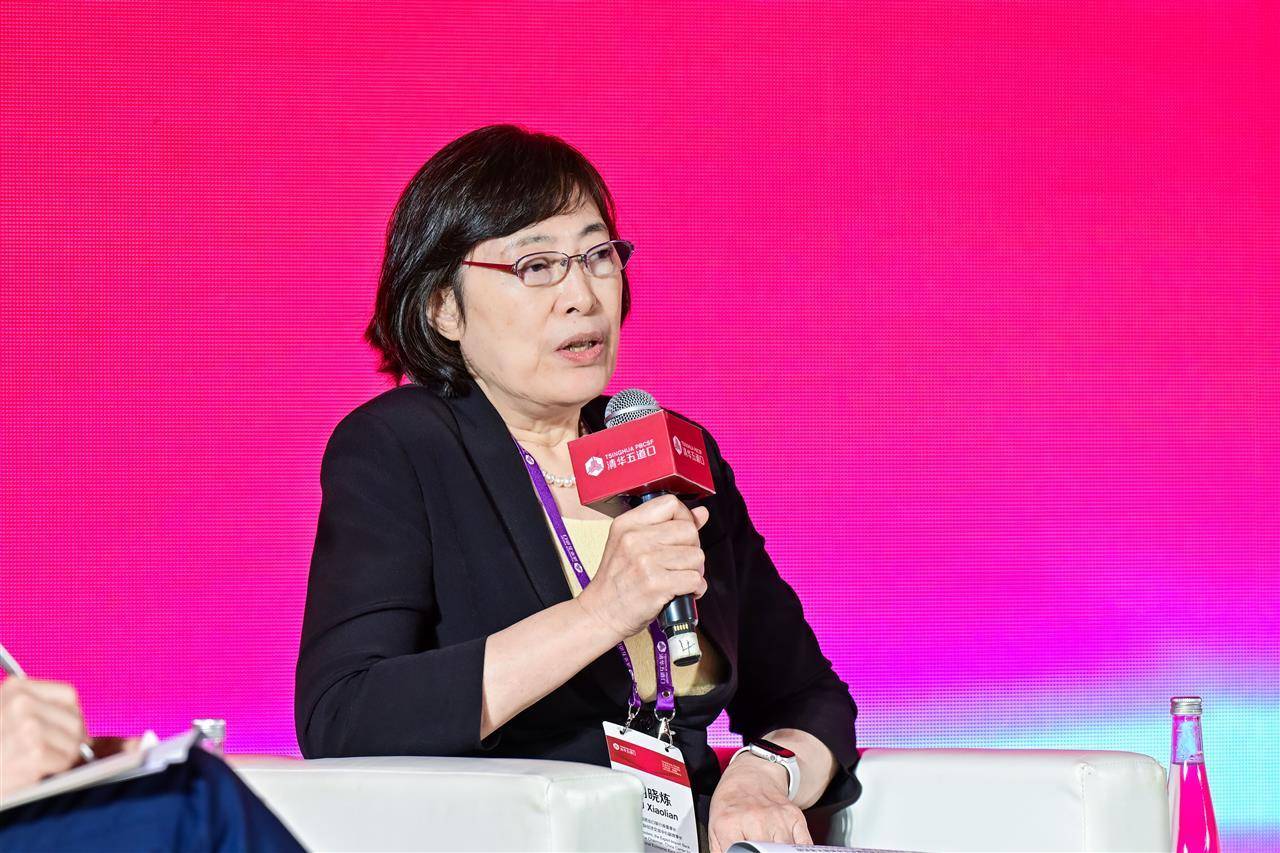
胡晓炼:未来的国际货币体系会更加多元、更加包容
Sou Hu Cai Jing· 2025-05-18 01:53
Core Insights - The most significant event affecting international trade and investment is the tariff issue, with the U.S. government implementing tariff policies aimed at reducing trade deficits, increasing fiscal revenue, and restructuring the international trade and investment system [3] Group 1: Cost-Benefit Rebalancing - The cost-benefit analysis in trade and investment is evolving, incorporating traditional factors like labor, land, and resources, as well as new elements such as innovation, institutional frameworks, and green development [3] - Geopolitical and ideological factors have also become critical considerations, leading to greater uncertainty for entrepreneurs while they still pursue maximum efficiency and effectiveness [3] - This situation presents opportunities for global South and emerging market countries to attract more trade and investment [3] Group 2: Economic Structure Adjustment - The rebalancing of global trade will lead to profound adjustments in the internal economic structures of major economies, addressing the imbalances created by globalization, such as the significant trade deficit in the U.S. and trade surpluses in the EU and China [3] - Historical experience suggests that effective resolution of trade imbalances requires countries to promote internal economic adjustments, ensuring coordination among savings, consumption, imports, exports, and investments [3] Group 3: Currency Rebalancing - Currency rebalancing is expected to guide the world monetary system towards a more diverse and inclusive framework, as the dominance of the U.S. dollar faces challenges from currency weaponization and the "Triffin dilemma" [4] - The international monetary system may evolve in three directions: the inclusion of more currencies, increased exploration of cryptocurrencies in cross-border trade and investment, and enhanced functionality of the International Monetary Fund's Special Drawing Rights (SDR) [4] Group 4: China's Response - China remains confident in navigating the current complex landscape, with its foreign direct investment stock exceeding $3 trillion from 2014 to 2024, tripling over the past two decades [4] - Chinese enterprises are rapidly developing in the international investment arena, characterized by resilient private enterprises, leading technology firms, and the transfer of domestic industrial park experiences to foreign markets [4] - Chinese companies are actively participating in local infrastructure development, contributing to economic growth in host countries while adapting to changes in the international trade and investment landscape [4]