石油

Search documents
资讯早间报:隔夜夜盘市场走势-20260303
Guan Tong Qi Huo· 2026-03-03 02:24
Report Industry Investment Rating - Not provided in the report Core Viewpoints - The escalation of the Middle - East situation, especially the US - Israel joint air strikes on Iran, has significantly impacted the global financial and commodity markets. Geopolitical risks have led to increased volatility in oil, precious metals, and other commodities, while also affecting the stock, bond, and foreign exchange markets [4][32][51] Summary by Directory Overnight Night - Market Trends - International oil prices rose across the board. The US crude oil main contract rose 5.98% to $71.03 per barrel, and Brent crude oil main contract rose 6.82% to $77.85 per barrel. Geopolitical risks led to concerns about shipping safety and supply [4] - International precious metal futures had mixed results. COMEX gold futures rose 1.68% to $5335.90 per ounce, while COMEX silver futures fell 3.95% to $89.61 per ounce. Geopolitical risks and Fed rate - hold expectations boosted gold [4] - Most London base metals declined. LME aluminum rose 1.43% to $3185 per ton, but other metals like lead, zinc, copper, nickel, and tin had different degrees of decline [4] - Domestic futures main contracts mostly rose. Fuel oil rose over 10%, while some products like soybeans and glass declined [6] Important Information Macroeconomic Information - Exchanges like SHFE and Zhengzhou Commodity Exchange reminded investors to prevent risks due to the complex Middle - East situation [8][9] - Germany may join the war with Iran, and Israel launched a new round of "large - scale" air strikes on Tehran [9] Energy and Chemical Futures - In 2026, global natural rubber production is expected to increase by 2.2% to 15.324 million tons, and consumption is expected to increase by 1.4% to around 15.602 million tons [11] - Exports through the Strait of Hormuz have dropped to 4 million barrels per day from the usual 16 million barrels per day [14] - Iran has closed the Strait of Hormuz, which may block one - fifth of global oil transportation and drive up oil prices [14] Metal Futures - Banks issued risk warnings for the precious metal market [16] - A bridge collapse in the Congo disrupted copper exports [16] - Saudi Arabia closed a refinery after an attack, and Thailand banned oil product exports [18] - The Wa State tin mines are gradually resuming production, and the ore output is expected to increase in March [18] Black - Series Futures - Anshan launched a heavy - pollution weather warning, and some steel enterprises implemented production cuts of up to 40% [20] - Iron ore arrivals and shipments in China showed different trends in the relevant period [20] Agricultural Product Futures - Indonesia confiscated 5 million hectares of palm oil plantations [23] - The inventory of domestic soybean oil and palm oil changed, and the price of pork decreased [23] - Malaysia's palm oil production and exports decreased, while India's sugar production increased [23][24][26] - Brazil's soybean production forecast was adjusted downwards, and the corn planting progress was slower [27][28] Financial Market Finance - The Shanghai Stock Exchange Composite Index rose 0.47%, while the Shenzhen Component Index and the ChiNext Index declined. A - share trading volume exceeded 3 trillion yuan [32] - Some crude oil - themed funds had a high premium rate, and some were suspended [32] - A - share resource sectors continued to strengthen, and the resource price - increase theme in March may continue [34] - The Hang Seng Index and related indices declined, but some sectors like gold and oil stocks rose [34] - Science and Technology Innovation Board companies' 2025 performance showed growth [35] - Institutions increased their participation in A - share research and the ETF market continued to develop [35][36] Industry - The tourism association in China took measures to ensure the safety of tourists in the Middle - East [39] - China's fertilizer industry associations called for stabilizing the phosphate fertilizer market [39] - The prices of some consumer products like mobile phones and real estate changed [40][41] Overseas - NATO will not participate in the US - Israel military actions in Iran [45] - Euro - zone traders almost ruled out the possibility of the ECB cutting interest rates in 2026 [46] - Fitch evaluated the impact of the Iran conflict on sovereign ratings [47] - Morgan Stanley adjusted Turkey's economic forecasts [47] - Singapore and South Korea will start FTA upgrade negotiations [47] International Stock Markets - US stock indices had mixed results, and European and most Asian - Pacific stock markets declined [48][49][50] - Toyota increased its acquisition offer for Toyota Industries [51] Commodities - European natural gas prices soared due to an attack on a Qatari facility [51] - International oil prices rose, and domestic gold stores adjusted their product sales strategies [51][53] - London base metals mostly declined [53] Bonds - The Chinese inter - bank bond market was strong, and the US bond yields rose [54][55] - The trading association optimized the issuance process of science and technology innovation bonds [54] Foreign Exchange - The on - shore and offshore RMB against the US dollar declined, and the US dollar index rose [57] - The RMB exchange - rate indices rose last week [57] - The Indonesian central bank intervened in the currency market [58] Upcoming Economic Data and Events - Multiple economic data from different countries will be released, including Japan's unemployment rate and the euro - zone's CPI [60] - There are various important meetings and speeches, such as the press conference of the 4th session of the 14th National Committee of the Chinese People's Political Consultative Conference [62] - The Indian stock exchange will be closed for a holiday [64]
伊朗:不会允许一滴石油流出,任何试图通过霍尔木兹海峡的船只都会被击毁
中国能源报· 2026-03-03 02:11
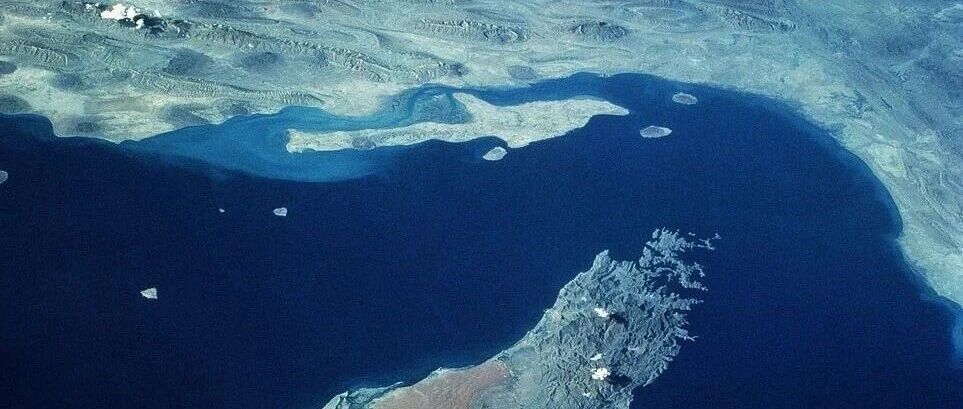
Core Viewpoint - The Iranian Revolutionary Guard Corps has declared that any vessel attempting to pass through the Strait of Hormuz will be destroyed, emphasizing that no oil will be allowed to flow from the region [1]. Group 1: Military Actions and Statements - The commander of the Iranian Revolutionary Guard, Jabari, stated during a live television broadcast that they will not permit any oil to leave the region [1]. - Following military strikes by the U.S. and Israel on February 28, the Iranian Revolutionary Guard announced a ban on all vessels passing through the Strait of Hormuz [1]. - An unauthorized oil tanker was reportedly hit when attempting to pass through the Strait of Hormuz on March 1 [1]. Group 2: Shipping and Oil Transport - Currently, there are no oil tankers passing through the Strait of Hormuz, with 26 tankers lingering nearby and another 27 completely halted, totaling a carrying capacity of 12 million barrels of crude oil [1]. - The Strait of Hormuz is a critical route for oil exports from Middle Eastern countries such as Saudi Arabia, Iraq, Qatar, and the UAE, with approximately one-fifth of global oil transport occurring through this strait [1].

能源化策略日报:地缘局势未?终结,能源化?品种延续?波动-20260303
Zhong Xin Qi Huo· 2026-03-03 01:58
1. Report Industry Investment Rating No information provided. 2. Core View of the Report The report indicates that due to the ongoing geopolitical tensions in the Middle East, energy and chemical products are experiencing high volatility. The closure of the Strait of Hormuz and attacks on energy facilities have led to supply shortages, driving up prices. The future trends of various products depend on the development of the geopolitical situation, with the overall energy and chemical sector expected to maintain a strong and volatile pattern [2]. 3. Summary by Related Catalogs 3.1 Market Outlook - **Crude Oil**: Geopolitical factors dominate oil prices, and the spread between domestic and international markets is widening. The short - term trend is expected to be oscillating upwards. If the conflict eases, oil prices may peak and fall; if the situation persists, there is further upward potential [7]. - **Asphalt**: The geopolitical premium is being released. The absolute price is overvalued, and the medium - to - long - term valuation is expected to decline. The market is currently in a state of supply - demand imbalance, with high inventory pressure [8]. - **High - Sulfur Fuel Oil**: The geopolitical premium has increased significantly. In the long - term, the substitution of fuel oil for power generation will put pressure on prices. The short - term trend depends on the geopolitical situation in the Middle East [8]. - **Low - Sulfur Fuel Oil**: It follows the upward trend of crude oil. Although facing some negative factors, its current low valuation may cause it to fluctuate with crude oil [10]. - **Methanol**: Driven by geopolitical factors, it shows an oscillating upward trend. The Iranian situation is severe, and the market is trading on the geopolitical premium [26]. - **Urea**: Supported by demand and policy guidance, it shows an oscillating pattern. Supply is stable at a high level, and demand is gradually increasing [28]. - **Ethylene Glycol (MEG)**: The price limit was reached, and the short - term price is strong due to the resonance of cost and supply - demand factors. There is an expected reduction in imports, and the de - stocking pattern in the second quarter is expected to strengthen [20]. - **PX**: The price is expected to be oscillating upwards in the short - term, and the mid - term strategy is to go long on dips. The supply is decreasing while the demand is increasing, and the fundamentals are slightly strong [12]. - **PTA**: The market sentiment is affected by the escalation of geopolitical tensions, and the processing fee is significantly compressed. The short - term trend is expected to be oscillating upwards, following the movement of upstream products [14]. - **Short - Fiber**: Cost support is significant, and the spot price adjustment is relatively slow. It is expected to follow the upward trend of upstream products in the short - term, with relatively large price volatility [21]. - **Bottle Chips**: The sharp rise in crude oil and upstream raw materials has driven the recovery of the downstream trading atmosphere. The absolute price follows the raw material price, and the support for the processing fee is increasing [23]. - **Propylene (PL)**: Significantly boosted by the raw material end, it shows an oscillating upward trend in the short - term [33]. - **PP**: Boosted by raw materials such as crude oil, methanol, and propane, it shows an oscillating upward trend in the short - term [32]. - **Plastic (LLDPE)**: Boosted by the raw material end, it shows an oscillating upward trend in the short - term. There is a potential reduction in imports, and the downstream demand is gradually recovering [31]. - **Styrene**: Driven by device maintenance and crude oil fluctuations, it shows an oscillating upward trend. The supply is expected to decrease, and the demand is expected to improve [17]. - **PVC**: Geopolitical disturbances continue, and the market should be viewed with caution. High inventory is a major pressure, and the market is expected to oscillate [35]. - **Caustic Soda**: With low valuation and weak expectations, it is advisable to wait and see for the time being. High inventory and cost factors put pressure on the market, and the trend is expected to be oscillating [37]. 3.2 Variety Data Monitoring 3.2.1 Energy and Chemical Daily Index Monitoring - **Inter - period Spread**: Data on the inter - period spreads of various products such as Brent, Dubai, PX, PTA, MEG, etc. are provided, showing the changes in different periods [39]. - **Basis and Warehouse Receipts**: Information on the basis and warehouse receipts of various products such as asphalt, high - sulfur fuel oil, low - sulfur fuel oil, etc. is presented, along with their changes [40]. - **Inter - variety Spread**: Data on the inter - variety spreads of different products such as PP - 3MA, TA - EG, L - P, etc. are given, indicating the changes in spreads [41]. 3.2.2 Chemical Basis and Spread Monitoring No specific content is summarized as the relevant sections mainly list the product names without detailed data analysis. 3.3 Commodity Index - **Comprehensive Index**: The comprehensive index, specialty index, and industrial product index all show an upward trend, with increases of 1.60%, 1.76%, and 1.48% respectively [282]. - **Sector Index**: The energy index on March 2, 2026, shows a significant increase, with a daily increase of 5.20%, a 5 - day increase of 3.73%, a 1 - month increase of 10.86%, and a year - to - date increase of 14.60% [284].
能源化工日报-20260303
Wu Kuang Qi Huo· 2026-03-03 01:30
Report Industry Investment Rating No relevant information provided. Core Viewpoints of the Report - For crude oil, the current oil price has risen and priced in a high geopolitical premium. In the short term, there is still a supply gap due to Iran's supply disruption. Considering the expected over - production of Venezuela and OPEC's subsequent production recovery, the main operation idea should be mid - term layout, waiting for the end of the geopolitical event to eliminate tail risks [4]. - For methanol, the downward momentum remains, but the negative factors have weakened marginally, so the downward space is limited. The main idea is to go long on dips from a mid - term perspective [7]. - For urea, the current situation of the internal - external price difference has opened the import window. Coupled with the expected recovery of production at the end of January, bearish fundamentals are approaching, so it is recommended to short [9]. - For rubber, it is recommended to trade short - term according to the stronger market, set stop - losses, and enter and exit quickly. For hedging, it is suggested to open new positions or continue to hold positions by buying the NR main contract and shorting RU2609 [15]. - For PVC, the fundamentals are poor. The comprehensive profit of enterprises is at a neutral level, but the supply reduction is small, production is at a historical high, domestic demand has not fully recovered from the off - season, and the export tax rebate cancellation has led to short - term rush exports, which is the only short - term support [18]. - For pure benzene and styrene, the non - integrated profit of styrene is moderately high, and the upward valuation repair space is narrowing. Wait for the profit to fall to a low level before considering long - entry opportunities [21]. - For polyethylene, the futures price has risen. The PE valuation still has downward space, and the pressure on the futures market has been reduced. The supply pressure has eased, and the demand is expected to pick up seasonally [23]. - For polypropylene, the futures price has risen. The supply pressure will ease in the first half of 2026, and the downstream production start - up rate has a stronger seasonal rebound than in previous years. In the short term, geopolitical conflicts dominate the market, and in the long term, the contradiction shifts from cost - driven decline to production - mismatch. It is recommended to go long on the PP5 - 9 spread on dips [26]. - For PX, currently, the PX load remains high, and the downstream PTA has many overhauls. In March, as PX enters the overhaul season and PTA plants restart unexpectedly, PX will gradually enter the de - stocking cycle. It is recommended to follow crude oil and go long on dips from a mid - term perspective [29]. - For PTA, it is difficult to turn into a de - stocking cycle. The processing fee has fallen back, and there is still room for valuation to rise in the medium term. It is recommended to follow PX and crude oil and go long on dips [32]. - For ethylene glycol, the overall load is still high, and the port inventory accumulation pressure is large. There is an expectation of further profit compression and production reduction. However, due to the tense situation in Iran, there is an expectation of significant import shrinkage and de - stocking. It is recommended to pay attention to long - entry opportunities on dips [34]. Summary by Related Catalogs Crude Oil - **Market Information**: The INE main crude oil futures closed up 43.50 yuan/barrel, a rise of 8.98%, at 527.80 yuan/barrel. The related refined oil main futures, high - sulfur fuel oil, closed up 263.00 yuan/ton, a rise of 9.00%, at 3186.00 yuan/ton; low - sulfur fuel oil closed up 310.00 yuan/ton, a rise of 8.99%, at 3757.00 yuan/ton. European ARA weekly data showed gasoline inventory increased by 0.12 million barrels to 11.02 million barrels, a 1.07% increase; diesel inventory increased by 0.66 million barrels to 16.64 million barrels, a 4.15% increase; fuel oil inventory decreased by 1.54 million barrels to 5.46 million barrels, a 21.96% decrease; naphtha inventory decreased by 0.29 million barrels to 5.55 million barrels, a 4.93% decrease; aviation kerosene inventory decreased by 0.95 million barrels to 6.59 million barrels, a 12.55% decrease; the overall refined oil inventory decreased by 1.99 million barrels to 45.27 million barrels, a 4.21% decrease [2][3]. - **Strategy Viewpoint**: The current oil price has risen and priced in a high geopolitical premium. In the short term, there is still a supply gap due to Iran's supply disruption. Considering the expected over - production of Venezuela and OPEC's subsequent production recovery, the main operation idea should be mid - term layout, waiting for the end of the geopolitical event to eliminate tail risks [4]. Methanol - **Market Information**: Regional spot price changes: Jiangsu changed by 126 yuan/ton, Lunan by 60 yuan/ton, Henan by 55 yuan/ton, Hebei by 0 yuan/ton, and Inner Mongolia by 45 yuan/ton. The main futures contract changed by 176.00 yuan/ton, at 2365 yuan/ton, and the MTO profit changed by - 171 yuan [6]. - **Strategy Viewpoint**: The downward momentum remains, but the negative factors have weakened marginally, so the downward space is limited. The main idea is to go long on dips from a mid - term perspective [7]. Urea - **Market Information**: Regional spot price changes: Shandong changed by 0 yuan/ton, Henan by 0 yuan/ton, Hebei by 0 yuan/ton, Hubei by 10 yuan/ton, Jiangsu by 0 yuan/ton, Shanxi by 0 yuan/ton, and Northeast by 0 yuan/ton. The overall basis was reported at 3 yuan/ton. The main futures contract changed by - 30 yuan/ton, at 1817 yuan/ton [8]. - **Strategy Viewpoint**: The current situation of the internal - external price difference has opened the import window. Coupled with the expected recovery of production at the end of January, bearish fundamentals are approaching, so it is recommended to short [9]. Rubber - **Market Information**: Due to the conflict between the US and Iran, crude oil has a driving force to continue rising, and butadiene rubber also has a driving force to follow the rise. Rubber RU and NR are expected to fluctuate strongly. The bulls believe that the current situation of rubber forests in Southeast Asia may limit rubber production increase, the seasonality of rubber usually turns up in the second half of the year, and China's demand is expected to improve. The bears believe that the macro - expectation is uncertain, supply is increasing, and demand is in the seasonal off - season. As of February 26, 2026, the operating load of all - steel tires of Shandong tire enterprises was 32.30%, 18.78 percentage points higher than last week and 36.25 percentage points lower than the same period last year; the operating load of semi - steel tires of domestic tire enterprises was 38.35%, 22.04 percentage points higher than last week and 43.79 percentage points lower than the same period last year. As of February 23, 2026, China's natural rubber social inventory was 136.6 tons, a 7 - ton increase, a 5.4% increase. As of February 24, 2026, the natural rubber inventory in Qingdao area increased by 6.28 tons to 67.21 tons compared with before the festival. Spot prices: Thai standard mixed rubber was 15950 (+100) yuan, STR20 was reported at 2055 (+10) dollars, STR20 mixed was 2055 (+10) dollars, Jiangsu and Zhejiang butadiene was 10400 (+300) yuan, and North China cis - butadiene was 12500 - 12600 (+300) yuan [12][13][14]. - **Strategy Viewpoint**: It is recommended to trade short - term according to the stronger market, set stop - losses, and enter and exit quickly. For hedging, it is suggested to open new positions or continue to hold positions by buying the NR main contract and shorting RU2609 [15]. PVC - **Market Information**: The PVC05 contract rose 76 yuan, at 4868 yuan. The spot price of Changzhou SG - 5 was 4630 (+30) yuan/ton, the basis was - 238 (- 46) yuan/ton, and the 5 - 9 spread was - 132 (+6) yuan/ton. The cost - side calcium carbide price in Wuhai was 2200 (- 50) yuan/ton, the medium - grade semi - coke price was 735 (0) yuan/ton, ethylene was 710 (+5) dollars/ton, and caustic soda spot was 636 (+2) yuan/ton. The overall PVC operating rate was 82.1%, unchanged from the previous period; among them, the calcium carbide method was 81.7%, a 0.3% decrease; the ethylene method was 83.2%, a 0.7% increase. The overall downstream operating rate was 17.1%, a 17.1% increase. The in - factory inventory was 50.4 tons (- 0.1), and the social inventory was 135.3 tons (+1) [17]. - **Strategy Viewpoint**: The fundamentals are poor. The comprehensive profit of enterprises is at a neutral level, but the supply reduction is small, production is at a historical high, domestic demand has not fully recovered from the off - season, and the export tax rebate cancellation has led to short - term rush exports, which is the only short - term support [18]. Pure Benzene and Styrene - **Market Information**: On the fundamental side, the cost - side East China pure benzene was 6265 yuan/ton, a 45 - yuan/ton increase; the pure benzene active contract closing price was 6551 yuan/ton, a 45 - yuan/ton increase; the pure benzene basis was - 286 yuan/ton, a 381 - yuan/ton narrowing; on the spot - futures side, the styrene spot was 8000 yuan/ton, a 350 - yuan/ton increase; the styrene active contract closing price was 7966 yuan/ton, a 442 - yuan/ton increase; the basis was 34 yuan/ton, a 92 - yuan/ton weakening; the BZN spread was 140.37 yuan/ton, a 11.13 - yuan/ton decrease; the EB non - integrated device profit was 20.15 yuan/ton, a 216.95 - yuan/ton increase; the EB continuous 1 - continuous 2 spread was 69 yuan/ton, a 19 - yuan/ton narrowing; the upstream operating rate was 74.24%, a 3.16% increase; the Jiangsu port inventory was 17.56 tons, a 1.75 - ton inventory increase; the demand - side three - S weighted operating rate was 40.79%, a 0.23% increase; the PS operating rate was 55.20%, a 0.40% decrease, the EPS operating rate was 56.24%, a 2.98% increase, and the ABS operating rate was 64.40%, a 1.70% decrease [20]. - **Strategy Viewpoint**: The non - integrated profit of styrene is moderately high, and the upward valuation repair space is narrowing. The cost - side pure benzene operating rate has rebounded from a low level, and the supply is still relatively abundant. The supply - side ethylbenzene dehydrogenation profit has increased, and the styrene operating rate is oscillating at a high level. The styrene port inventory is continuously increasing; the demand - side three - S overall operating rate is oscillating and rising. The pure benzene port inventory is decreasing from a high level, and the styrene port inventory is continuously decreasing. Currently, the non - integrated profit of styrene has been significantly repaired. Wait for it to fall to a low level before considering long - entry opportunities [21]. Polyethylene - **Market Information**: From a fundamental perspective, the main contract closing price was 6991 yuan/ton, a 394 - yuan/ton increase, the spot price was 6800 yuan/ton, a 250 - yuan/ton increase, the basis was - 191 yuan/ton, a 144 - yuan/ton weakening. The upstream operating rate was 86.88%, a 0.76% decrease. In terms of weekly inventory, the production enterprise inventory was 57.97 tons, a 23.60 - ton inventory increase, and the trader inventory was 4.69 tons, a 2.32 - ton inventory increase. The downstream average operating rate was 18.22%, a 1.58% decrease. The LL5 - 9 spread was - 80 yuan/ton, a 5 - yuan/ton narrowing [22]. - **Strategy Viewpoint**: The futures price has risen. The PE valuation still has downward space, and the number of warehouse receipts has decreased from a historical high, reducing the pressure on the futures market. The supply pressure has eased in the first half of 2026, and the coal - based inventory has been significantly reduced, supporting the price. It is a seasonal small peak season, and the raw material inventory of agricultural films on the demand side may reach its peak, and the overall operating rate has bottomed out and rebounded [23]. Polypropylene - **Market Information**: From a fundamental perspective, the main contract closing price was 6998 yuan/ton, a 387 - yuan/ton increase, the spot price was 6815 yuan/ton, a 185 - yuan/ton increase, the basis was - 183 yuan/ton, a 202 - yuan/ton weakening. The upstream operating rate was 74.91%, a 0.26% increase. In terms of weekly inventory, the production enterprise inventory was 73.99 tons, a 34.87 - ton inventory increase, the trader inventory was 24.97 tons, a 7.3 - ton inventory increase, and the port inventory was 8.86 tons, a 1.57 - ton inventory increase. The downstream average operating rate was 36.74%, an 8.49% increase. The LL - PP spread was - 7 yuan/ton, a 7 - yuan/ton widening. The PP5 - 9 spread was - 22 yuan/ton, a 6 - yuan/ton narrowing [24][25]. - **Strategy Viewpoint**: The futures price has risen. The EIA monthly report indicates a moderate production increase in the second quarter, and the supply surplus may be alleviated. There is no production capacity investment plan in the first half of 2026, and the supply pressure has eased; on the demand side, the downstream operating rate has a stronger seasonal rebound than in previous years. In the short term, geopolitical conflicts dominate the market, and in the long term, the contradiction shifts from cost - driven decline to production - mismatch. It is recommended to go long on the PP5 - 9 spread on dips [26]. PX - **Market Information**: The PX05 contract rose 442 yuan, at 7836 yuan, the PX CFR rose 67 dollars, at 999 dollars. Converted according to the RMB central parity rate, the basis was 136 yuan (+94), and the 5 - 7 spread was 34 yuan (+64). In terms of PX load, the Chinese load was 92.4%, a 0.4% increase; the Asian load was 84.9%, a 1.2% increase. In terms of equipment, a 2.5 - million - ton device of Zhejiang Petrochemical was under maintenance, the maintenance plan of Jinling Petrochemical was postponed, and an overseas device in Kuwait was restarted. The PTA load was 76.6%, a 1.8% increase. In terms of equipment, one set of Yisheng New Materials was at 50% load and one set was restarted. In terms of imports, South Korea exported 41.5 tons of PX to China in February, a 0.7 - ton increase year - on - year. In terms of inventory, the inventory at the end of December was 4.65 million tons, a 190,000 - ton inventory increase month - on - month. In terms of valuation and cost, the PXN was 295 dollars (- 4), the South Korean PX - MX was 152 dollars (- 8), and the naphtha crack spread was 100 dollars (- 14) [28]. - **Strategy Viewpoint**: Currently, the PX load remains high, and the downstream PTA has many overhauls. In March, as PX enters the overhaul season and PTA plants restart unexpectedly, PX will gradually enter the de - stocking cycle. At the same time, unexpected events in the Middle East may lead to a reduction in the load of domestic refineries. The current valuation
中东局势动荡,原油系商品继续大涨:申万期货早间评论-20260303
申银万国期货研究· 2026-03-03 01:26
Core Viewpoint - The geopolitical tensions in the Middle East, particularly the closure of the Strait of Hormuz by Iran, have led to significant fluctuations in commodity prices, especially oil and methanol, indicating potential investment opportunities and risks in these sectors [1][2][5]. Group 1: Oil Market - Oil prices surged, with SC night trading up by 10.94%, following military actions between the US, Israel, and Iran, which included Iran's missile strikes on US military bases [2][11]. - The closure of the Strait of Hormuz has resulted in oil tankers' navigation speeds dropping to zero, indicating a halt in shipping activities in the region [2][12]. - Major shipping companies, such as Maersk, have suspended operations through the Strait, further impacting oil supply chains [2][12]. Group 2: Methanol Market - Methanol prices increased by 5.47%, supported by stable operations in domestic coal-to-olefins (CTO) and methanol-to-olefins (MTO) facilities, with an average operating rate of 80.88% [3][13]. - As of February 26, methanol production facilities had an operating load of 78.24%, a slight decrease from the previous period but a 5.13% increase year-on-year [3][13]. - Coastal methanol inventories rose to 1.3987 million tons, reflecting a 0.77% increase from February 12 and a 35.14% increase year-on-year, indicating a stable supply despite geopolitical tensions [3][13]. Group 3: Financial Market Insights - The stock indices showed resilience, with major indices recovering from initial declines due to geopolitical fears, suggesting a shift from expectation-driven to profit-driven market dynamics [9]. - The bond market saw a general increase, with the 10-year treasury yield dropping to 1.79%, influenced by the ongoing geopolitical tensions and a shift towards risk aversion [10]. - The market is expected to focus on high-performing sectors as companies begin to disclose annual and quarterly reports, indicating a potential shift in investment strategies [9]. Group 4: Geopolitical Impact on Commodities - The ongoing conflict in the Middle East is expected to influence various commodities, with potential supply chain disruptions and increased costs for raw materials like iron ore and coal due to heightened geopolitical risks [24][25]. - The situation may lead to increased shipping costs and affect the pricing of commodities, particularly those reliant on Middle Eastern supply routes [24][25]. - The overall sentiment in the commodity markets is likely to remain volatile as geopolitical developments unfold, impacting investment strategies across sectors [31].

建信期货原油日报-20260303
Jian Xin Qi Huo· 2026-03-03 01:25
行业 原油日报 | 表1: | | 行情回顾(美元/桶) | | | | | | | --- | --- | --- | --- | --- | --- | --- | --- | | SC:元/桶 | | 开盘 | 收盘 | 最高 | 最低 | 涨跌幅% | 成交量(万手) | | WTI | 主力 | 65.35 | 67.29 | 67.83 | 64.85 | 3.19 | 40.65 | | Brent | 主力 | 70.78 | 73.21 | 73.54 | 70.42 | 3.35 | 64.81 | | SC | 主力(元/桶) | 498.2 | 527.8 | 527.8 | 495 | 8.98 | 19 | 数据来源:wind,建信期货研究发展部 日期 2026 年 3 月 3 日 021-60635738 lijie@ccb.ccbfutures.com 期货从业资格号:F3031215 021-60635737 renjunchi@ccb.ccbfutures.com 期货从业资格号:F3037892 期货从业资格号:F3065843 021-60635740 pengjing ...
能化:伊朗局势骤紧,对能化品种影响分析
Guo Mao Qi Huo· 2026-03-03 01:02
1. Report Industry Investment Rating - The report does not provide an industry investment rating. 2. Core Viewpoints of the Report - The joint military strike by the US and Israel against Iran has led to a sudden escalation of the situation in the Middle East. Iran's closure of the Strait of Hormuz and large - scale retaliation have significantly affected energy, shipping, and financial markets [1][22]. - In the short - term, market volatility will be rapidly amplified, and a "gold - oil rising together, risk assets under pressure" pattern may emerge. It is recommended to reduce speculation, increase risk awareness, and shift from unilateral strategies to hedging transactions [3][28][29]. 3. Summary by Relevant Catalogs 3.1 Iran's Tense Situation and Strait Closure - On February 28, 2026, the US and Israel launched a large - scale air strike on Iran. Iran retaliated, and the conflict caused casualties and damage. Iran's Supreme Leader Khamenei died, and the Strait of Hormuz was closed [8]. 3.2 Middle East and Iranian Oil Supply - The Middle East is a major oil - producing region, accounting for over 1/3 of global crude oil production. As of January 2026, the daily crude oil production of OPEC member countries in the Middle East was about 2,410 million barrels. Saudi Arabia is the second - largest oil - producing country globally, and Iran is the seventh - largest, with a daily production of 313 million barrels [9]. 3.3 Impact Analysis of Closing the Strait of Hormuz - The Strait of Hormuz is a key waterway connecting the Persian Gulf and the Indian Ocean. It is of great strategic and economic significance, with countries around it having large oil and gas reserves. It is the second - largest global seaborne oil channel, with a daily oil transport volume of 20.3 million barrels, accounting for 27% of global oil maritime trade [11][12][19]. - In 2025, Asian countries were the main destinations for crude oil transported through the Strait of Hormuz. China, India, South Korea, and Japan together accounted for about 69% of the total crude oil transported through the strait [21]. 3.4 Impact Analysis of Iran's Situation on Energy - Chemical Products and Trading Strategies 3.4.1 Impact on Energy - Chemical Products - The situation in Iran has a direct and severe impact on the energy market. The closure of the Strait of Hormuz may lead to a daily supply gap of about 18 million barrels of crude oil globally and interrupt about 100 million tons of LNG trade annually. It also affects the supply of fuel oil, methanol, etc., and strengthens the cost support of downstream chemical products [1][22][25]. - The shipping market will be affected. The closure risk of the Strait of Hormuz will increase shipping costs, and the war - risk premium for oil tankers may rise by over 300%. Container shipping companies may detour or suspend services, pushing up freight rates [2][26]. - The escalation of the situation in Iran will impact global risk appetite. In the short - term, the market may show a pattern of "gold and oil rising together, risk assets under pressure", and gold's safe - haven property will be more prominent [2][26]. 3.4.2 Trading Strategies - In the short - term, market volatility will increase. It is recommended to reduce speculation, increase risk awareness, and wait for the market to develop before taking appropriate actions. It is also suggested to shift from unilateral strategies to hedging transactions, such as long - crude - oil and short - chemical - products operations during the escalation of the situation and the opposite when the situation cools down [3][28][29].
金信期货日刊-20260303
Jin Xin Qi Huo· 2026-03-03 00:47
Report Summary 1. Report Industry Investment Rating - No information provided in the report. 2. Core View - After the US and Israel launched a military attack on Iran on February 28, Iran announced the closure of the Strait of Hormuz, leading to disruptions in oil transportation and potential impacts on energy - related commodity prices. Energy - related commodities are expected to have different levels of price fluctuations, with the order of expected price change being crude oil > fuel oil > low - sulfur fuel oil > LPG > methanol > asphalt > plastic > polyester > propylene > PP. Silver's price volatility is greater than that of gold, but gold has better long - term stability. The European shipping line may have a larger increase and a longer - lasting rise compared to 2025 [3]. 3. Summary by Related Catalogs Hot Focus - After the military attack on Iran, Iran closed the Strait of Hormuz. Dozens of cargo ships are gathered in the waters of Iran, Iraq, Kuwait, and the UAE outside the Strait, and at least 150 oil tankers are anchored in the high - seas of the Middle - East Gulf across the Strait, with at least 100 more near the coasts of the UAE and Oman. Morgan Chase warns that if the Strait is fully closed, the storage capacity of seven Middle - Eastern countries can only support production for "no more than 25 days" before forced production suspension. Financial institutions such as Citigroup and Goldman Sachs predict that oil prices will start from $100 [3][4]. Technical Analysis - **Stock Index Futures**: A top divergence is about to appear, and there is a downward adjustment requirement in the short - term. It is recommended to sell short on rallies during intraday trading [6]. - **Gold**: Affected by the geopolitical factors of the Iran conflict, gold opened significantly higher and trended upwards, and should be treated as a generally bullish and volatile market [11]. - **Iron Ore**: Production resumption may have some positive effects, but the start of terminal demand still takes time. Attention should be paid to policy and sentiment factors. Technically, the trend is unclear, and it should be regarded as a volatile market. The supply from Australia and Brazil is normal, and there is an expectation of a loose supply in the medium - to - long - term due to the mine production capacity release cycle [13][14]. - **Glass**: During the seasonal off - season, the daily melting volume is slightly decreasing, and the factory inventory is accumulating. Attention should be paid to the post - holiday resumption progress of deep - processing enterprises. Technically, the recent trend is unclear, and it should be regarded as a wide - range volatile market [16][17]. - **Methanol**: China imports about 14 million tons of methanol annually, accounting for just over 10% of the total consumption (domestic production is about 92 million tons). About 60% of this imported volume comes from Iran, and the influence weight of Iranian supply on the domestic market pricing is about 50%. Any change in Iran can cause significant fluctuations in the domestic market [18]. - **Pulp**: The trading sentiment in the pulp spot market is average. The inventory at domestic ports continues to accumulate, and it will take time to digest the post - holiday inventory. Downstream paper mills are gradually resuming work, and some paper enterprises have issued price - increase notices. There is a serious price inversion for double - offset paper and coated paper. The futures market is in a range - bound consolidation state [20].
周二开始“分阶段”推出措施,美国称有预案“缓解油价上涨”
美股IPO· 2026-03-03 00:45
Core Viewpoint - The U.S. government is set to announce a special plan to stabilize oil prices in response to market turmoil following military actions against Iran, with measures to be rolled out in phases [2][3][4]. Group 1: Oil Price Stability Plan - U.S. Secretary of State Rubio indicated that the plan will be officially announced by Treasury Secretary Basent and Energy Secretary Chris Wright, aimed at addressing the anticipated rise in oil prices due to geopolitical tensions [4]. - The plan is expected to be implemented in stages, with the government having foreseen the risk of rising oil prices as a variable impacting the market [4]. Group 2: Market Reactions and Geopolitical Tensions - Following the announcement of military strikes against Iran, U.S. crude oil futures saw a significant increase of over 6% in a single day, reflecting market concerns over supply disruptions [4]. - The Iranian Revolutionary Guard's claim of closing the Strait of Hormuz has escalated tensions, leading to fears of supply interruptions in the global oil market [6][8]. - The Strait of Hormuz is a critical chokepoint for global energy transportation, with over 20% of the world's oil and gas passing through this route, making its accessibility a key factor in determining short-term oil price trends [7][9].
英伟达重大宣布!股价上涨
证券时报· 2026-03-03 00:19
当地时间3月2日(周一),美国三大股指收盘涨跌不一,道指跌0.15%,标普500指数涨0.04%,纳指涨0.36%。 中东局势恶化引发油价暴涨、重燃通胀担忧,全球投资者抛售权益资产,股市承压下行。 欧洲市场普遍下跌,德国DAX指数和法国CAC40指数跌幅均超过2%,英国富时100指数跌超1%。 大型科技股多数上涨,英伟达涨近3%,甲骨文涨超2%,微软涨超1%,奈飞、苹果、特斯拉、美光科技、Meta小幅上涨;谷歌跌超1%,英特 尔、亚马逊小幅下跌。 当地时间周一,英伟达在官网宣布,与Lumentum和Coherent达成战略协议,将分别向这两家光学技术公司投资20亿美元。英伟达表示,公司与 Lumentum Holdings Inc.达成多年战略协议,以加速先进光学技术的创新,包括研发,从而实现下一代人工智能(AI)基础设施和系统设计。英 伟达称,与Lumentum的非独家协议包括数十亿美元的采购承诺以及未来先进激光组件的产能使用权。此外,英伟达向后者投资20亿美元,助力 该公司在美国新建晶圆厂。 苹果公司在官网发布了新款入门级智能手机iPhone 17e,以及配备M4芯片的新款iPad Air,拉开了新品发布 ...