
茶饮

Search documents
中枢继续抬升,当前市场怎么看?
2025-07-11 01:13
Summary of Conference Call Records Industry Overview - The market is currently influenced by positive factors such as the 3D benefit resonance, favorable domestic and international macro environments, and improved China-US relations. Investor sentiment is high, leading to a total market turnover of 1.5 trillion [1][2]. Core Insights and Arguments - The market has seen significant gains recently, with a need for correction due to the previous strong performance. Over 80% of stocks are above the 60-week moving average, indicating a warning signal for potential pullbacks [3][4]. - The largest risk identified is the structural issues arising from excessive prior gains, rather than systemic risks. The market outlook remains optimistic, with opportunities for low-position investments during corrections [5][6]. - July's investment opportunities are expected to focus on the upcoming Politburo meeting and mid-year earnings reports. Policies may target issues such as insufficient domestic demand, weak consumption, low prices, and overcapacity [6][7]. Key Sectors and Themes - The "anti-involution" policies are expected to focus on the photovoltaic and lithium battery industries. The approach to these policies may vary, with market-driven solutions posing challenges for the photovoltaic sector, while administrative measures could benefit it [6][7]. - Consumer-related policies, including childcare subsidies, are anticipated to positively impact consumption-related industries [6][7]. - Strong performing sectors in the first half of the year include computing power, gaming, wind power, aquaculture, and innovative pharmaceuticals, which are highlighted as areas of focus [6][7]. - Seasonal themes due to hot summer weather may present investment opportunities in electricity demand, low coal prices, and products like beer and tea [3][7]. Additional Important Points - The market is expected to continue its upward trend, supported by historical weak dollar opportunities, capital market policy support, and liquidity easing [2][3]. - The potential for a short-term rebound in the dollar and ongoing tariff negotiations could exert pressure on the market, but these are not seen as critical risks [3][4].
聚焦服务消费崛起——社服行业2025年度中期投资策略
2025-07-11 01:05
Summary of Conference Call Records Industry Overview - The service consumption sector in China is currently lower than that of developed economies, with a high proportion of survival consumption. Future potential lies in entertainment and tourism services, which are expected to benefit from changing consumer preferences [2][1]. Key Insights and Arguments Tea Beverage Industry - The tea beverage industry is projected to grow well in 2025, with same-store sales growth exceeding 20%, driven by high temperatures and delivery subsidies. Although domestic growth may slow from 20%-30% to 15%-20%, there remains significant growth potential in international and lower-tier markets. Recommended investment targets include Xuewang, which has a high market share and low price point, and Gupin, which has untapped market potential [3][1]. Restaurant Industry - The restaurant industry is expected to exceed expectations in 2025, with moderate single-digit growth but significant internal structural differentiation. Affordable chain restaurants are showing improved operational data, with recommended stocks including Xiaocaiyuan Green Tea and Yum China, which has a robust performance and offers a 9% dividend yield through share buybacks [4][1]. Meituan's Competitive Advantage - Meituan faces competition from JD and Alibaba but maintains strong core competitive barriers, including a robust local life three-sided transaction network and a well-established ecosystem, particularly in lower-tier cities. This positions Meituan favorably in the ongoing instant retail subsidy battle [5][1]. Education Sector - The education market is currently characterized by high demand and a trend towards concentration, with leading companies likely to capture greater market share. Recommended stocks include Xueda, Angli, and Hong Kong-listed Zhuoyue and Sikaole [6][1]. Human Resources Industry - The human resources sector is experiencing weak demand, but companies like Keri and Beijing Renli are leveraging partnerships with major clients like Huawei for structural recovery. Keri's HeFa recruitment platform utilizes AI to connect headhunters and companies, enhancing efficiency [7][1]. Hotel Industry - The hotel sector is currently oversupplied, with RevPAR showing a year-on-year decline, although the rate of decline is narrowing. The summer tourism demand is strong, and there are opportunities for improvement in leading hotel groups. Recommended investment includes Shoulu Group, which is expected to benefit from operational improvements [11][1]. Additional Important Points - The tourism sector is under close policy scrutiny, with potential government subsidies to boost the industry. The domestic tourism market shows a clear seasonal trend, with increasing disparities between peak and off-peak seasons [9][1][10][1]. - The hotel industry is expected to see a recovery in supply-demand dynamics, with leading companies poised to benefit from improved operational metrics and strategic adjustments [11][1].

茶颜悦色以电商形式“出海” 布局北美零售业务
Sou Hu Cai Jing· 2025-07-10 20:52
Core Insights - The company, Cha Yan Yue Se, officially announced its entry into the overseas retail market through e-commerce on July 9, 2023, establishing independent online stores on platforms like Shopify, Amazon, TikTok Shop, Walmart, Weee, and Yami [1][2] Group 1: E-commerce Expansion - The decision to expand into overseas e-commerce was influenced by customer feedback indicating the presence of Cha Yan Yue Se products in international markets, particularly in the United States [2] - As of July 9, 2023, the company has launched its e-commerce stores, marking its first step into the U.S. market [1][2] Group 2: Retail Strategy - Cha Yan Yue Se operates nearly 1,000 offline stores across Hunan, Hubei, Jiangsu, and Chongqing, focusing on high-frequency repurchase categories like tea and snacks [2] - The company has developed a "beverage + retail" model to drive customer traffic to physical stores, creating a brand ecosystem that integrates beverages and retail products [2][3] Group 3: Product Development and Sales Performance - By May 2025, Cha Yan Yue Se plans to launch over 500 SKUs, including tea, snacks, stationery, and daily necessities, supported by a new R&D production base [3] - The company has seen significant growth in its online sales, with its Tmall flagship store ranking among the top three in its category and retail e-commerce sales exceeding 100 million yuan in 2024, a 12-fold increase year-on-year [3][4] Group 4: Consumer Engagement and Brand Positioning - The company has attracted over 2.272 million followers across various e-commerce platforms, with specific snack products achieving monthly sales exceeding one million [4] - Cha Yan Yue Se aims to enhance consumer interaction and convey its brand values through product quality and flavor, positioning itself as a significant player in the overseas market [4][6]

飞书AI硬刚,可否“真落地”
2 1 Shi Ji Jing Ji Bao Dao· 2025-07-10 14:48
Core Insights - Feishu's ambition is to redefine enterprise collaboration through AI, aiming for practical applications rather than mere concepts [2][8][21] - The monthly active users of Feishu's multi-dimensional table are approaching 10 million, marking it as a significant player in enterprise software [2][11][12] - Despite impressive commercialization results, profitability remains a challenge for Feishu, DingTalk, and WeChat Work [3][20] Company Developments - Feishu has launched a suite of AI products, including knowledge Q&A, AI meetings, Aily, and Feishu Miaodai, targeting real enterprise pain points [2][8] - The multi-dimensional table has seen significant updates, including a single table capacity increase to 10 million rows and improved loading speeds [9][10] - Feishu's enterprise-level agent development platform, Aily, allows users to create customized agents for various business needs [14] Market Position - Feishu is competing with DingTalk and WeChat Work, forming a triad in the collaborative software market [17] - In the new energy vehicle sector, 60% of the top 30 brands are using Feishu, showcasing its strong market presence [19] - In the consumer sector, Feishu has captured significant market share, with 5 out of 6 listed tea brands and 7 out of 10 listed domestic beauty brands using its platform [20] Industry Trends - The B-end market is accelerating the commercialization of generative AI, with enterprises expected to invest $4.6 billion in 2024, an increase of nearly 8 times [16] - The competitive landscape for enterprise software is shifting from single-function products to ecosystem building, driven by AI advancements [15]
茶咖日报|喜茶logo“偷偷整容”?网友扒出多处细节变化
Guan Cha Zhe Wang· 2025-07-10 12:04
Group 1: Brand Adjustments and Market Reactions - Heytea has made subtle adjustments to its logo, which has sparked discussions on social media, with users pointing out various changes in details such as the size of the ears and the shape of the face [1][3] - The logo, which features a simplified side profile of a character holding a tea drink, has undergone multiple tweaks since its inception, with previous adjustments noted in September 2022 and March 2023 [3] Group 2: Expansion of Tea Brands - Cha Halo, a tea brand, is set to open its first store in the United States located in Los Angeles, expanding its presence beyond locations in Toronto, Melbourne, Vancouver, Edinburgh, and London [4] Group 3: Coffee Market Insights - Lavazza, an Italian coffee roasting company, claims that retail coffee prices have peaked but remain vulnerable to tariff risks and regulatory changes, with the chairman expressing hope that the worst is over as Brazil's coffee production improves [5] - Coffee prices had previously surged to over $4 per pound due to supply concerns, but have since dropped approximately 30% from February levels, although market conditions remain tense [5] - The European coffee market may face pressure from new EU regulations aimed at curbing global deforestation, which could impact pricing and supply chains [5] Group 4: Investment in Tea Brands - Thai President Beverage Co. has invested 142 million Thai Baht in Chagee, a subsidiary of the tea brand Bawang Chaji, acquiring a 51% stake, indicating a significant entry of capital into the tea market [6][7] - Bawang Chaji has established a presence in Thailand, focusing on health-conscious consumers, and plans to undergo brand restructuring while expanding its store network [7] Group 5: Coffee Brand Financing - Fenglan Coffee has completed a Series A financing round of 50 million yuan, highlighting its commitment to the specialty coffee market and plans for supply chain enhancement and product development [8] - The funds will be used to strengthen direct sourcing partnerships with quality coffee-producing regions and to expand the brand's market reach [8]

“身价暴涨”500%,蜜雪冰城狂卖10亿杯的超级单品,带飞一颗“酸果”
3 6 Ke· 2025-07-10 11:11
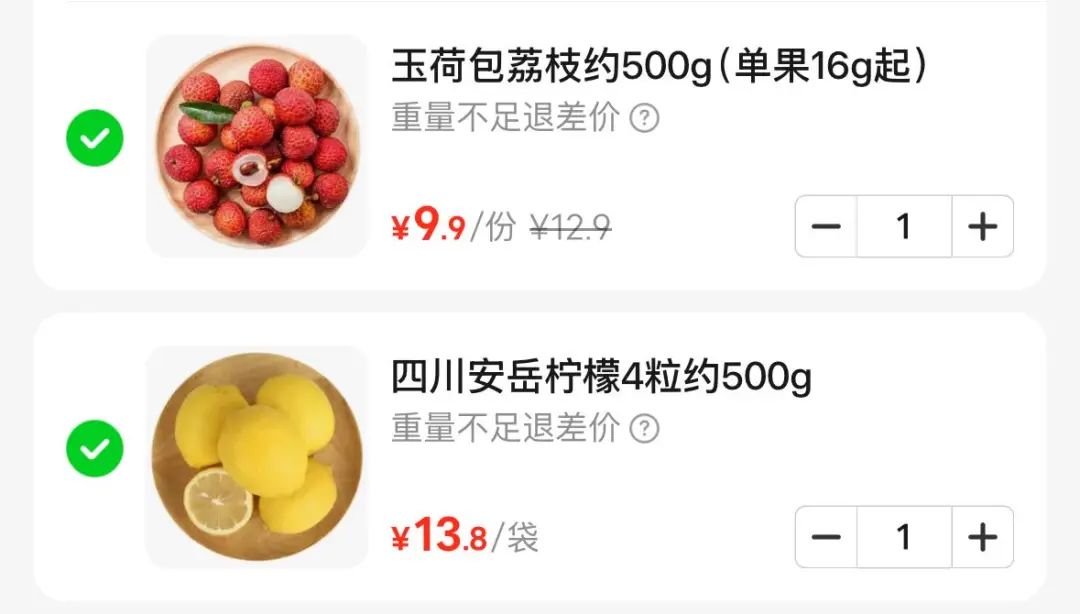
Core Insights - The price of lemons, particularly yellow lemons, has surged significantly this summer, with some varieties increasing by 3 to 5 times compared to the same period last year [1][5] - The wholesale price of lemons in China has consistently risen, reaching 14.47 yuan per kilogram in July 2025, up from 7.76 yuan per kilogram a year earlier, marking an increase of over 80% [1][15] - Yellow lemons have now surpassed lychees in price, with 500g of yellow lemons priced at 13.8 yuan compared to 9.9 yuan for the same amount of lychees [1] Price Trends - The price of yellow lemons has reached an all-time high, while the prices of other types of lemons, such as fragrant lemons, have remained stable [6][12] - The price of fragrant lemons previously surged by 30 times from 2019 to 2022 but has since dropped significantly [3][21] - The current market dynamics indicate that while lemon prices are high, they have not yet severely impacted sales for established brands like Mixue Ice City, which continues to supply lemon drinks at stable prices [6][23] Supply Chain Dynamics - The surge in lemon prices is attributed to a significant drop in supply due to adverse weather conditions affecting major production areas like Sichuan Anyue, which accounts for over 80% of China's lemon production [15][17] - International supply disruptions, such as Turkey's frost and Spain's drought leading to a 25% reduction in lemon production, have exacerbated the situation, creating a supply gap [15][17] - The export volume of Anyue lemons has increased by over 102.5% year-on-year, with self-operated exports reaching 85.86 million yuan in the first five months of the year, indicating a growing international demand [15][23] Market Impact - The rising lemon prices have led to consumer discussions about affordability, with some opting for alternatives like passion fruit due to the high cost of lemons [10][12] - Despite the price increases, major tea brands are still launching new lemon-based products, indicating that demand remains strong [13][21] - The competitive landscape in the beverage industry is shifting towards supply chain capabilities, with companies like Mixue Ice City investing in direct sourcing and production facilities to mitigate price volatility [23][25]

沸腾!美团免单,热搜第一
Zhong Guo Ji Jin Bao· 2025-07-10 10:11
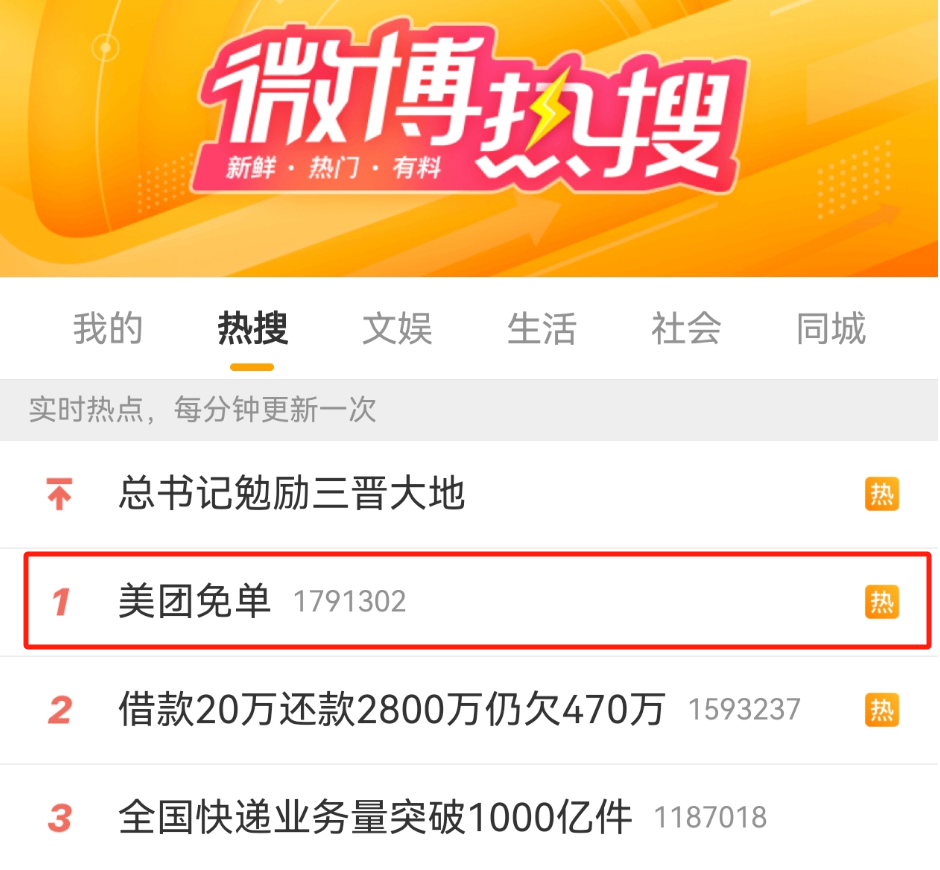
Core Viewpoint - The takeaway from the recent news is that the food delivery giants are engaged in a new round of subsidy wars, with Meituan's "免单" (free order) promotion gaining significant attention on social media, indicating a competitive landscape in the food delivery market [1][3][4]. Group 1: Meituan's Promotion - Meituan's "免单" promotion quickly rose to the top of Weibo's trending topics, with users sharing their experiences and strategies for obtaining free orders [1][4][6]. - The promotion allows users to receive a free order of up to 20 yuan, which will be credited to their Meituan wallet [6][10]. - The promotional period for Meituan's free order campaign is from July 1 to July 31, 2025, with limited daily quotas available [10][12]. Group 2: Competitive Landscape - The summer of 2023 has seen food delivery giants like Meituan and JD.com engage in aggressive subsidy strategies to capture market share, with JD.com announcing a plan to invest over 10 billion yuan in subsidies [13][14]. - As of July 8, JD.com reported that nearly 200 restaurant brands had achieved over 1 million sales on its platform, indicating a growing competitive environment [14]. - The market is evolving into a three-player competition among Meituan, Ele.me, and JD.com, marking a shift from a duopoly to a more competitive landscape [14]. Group 3: Impact on New Tea Beverage Market - The current subsidy campaigns have significantly benefited the new tea beverage sector, with many consumers opting for low-cost items like tea due to the abundance of no-threshold coupons [15][17]. - Data from Nayuki Tea indicates that the number of takeaway orders surged to over 1 million within 48 hours, reflecting a 50% increase compared to previous periods [17]. - The promotional strategies are particularly effective for smaller players in the tea and low-cost fast food segments, as they can quickly gain market share through targeted subsidies [17].

单场GMV破千万,本地生活直播成超级头部达人抖音变现新蓝海
Cai Fu Zai Xian· 2025-07-10 06:42
Core Insights - The influx of top influencers into the local lifestyle sector is creating new opportunities for monetization and reshaping the industry landscape [2][14] Group 1: Influencer Activities - Influencer @FoshanDianHan has successfully entered the local lifestyle market, achieving significant sales through engaging live streams, including a single event generating 6.03 million in sales [6][9] - Collaborations with brands like KFC and Tasting have led to record-breaking sales, with a notable event reaching 10.35 million in sales, marking a milestone for Tasting [6][9] - Influencer @XiaoGuanLiBoss has also transitioned into the local lifestyle space, leveraging humor and magic tricks to drive sales, achieving over 5 million in a single live stream for Luckin Coffee [12][19] Group 2: Market Dynamics - The local lifestyle market is seen as a growing segment with significant potential, as online penetration is expected to rise from 12.7% to 30.8% by 2025, indicating ample room for growth [14] - The connection between online influencers and offline businesses is crucial, as it provides tangible revenue opportunities for local merchants [14][20] - The unique content style of influencers, characterized by a relatable and immersive approach, enhances consumer engagement and drives conversion rates [15][18] Group 3: Brand Collaborations - Influencers are effectively expanding brand reach to younger demographics, with a significant overlap between their followers and the target consumer base of brands [18][19] - The collaboration between influencers and brands is not limited to low-cost items but is also extending to high-ticket, non-essential goods, showcasing the versatility of influencer marketing [12][14] - Successful partnerships are built on understanding consumer preferences and aligning brand offerings with influencer content, ensuring higher engagement and sales [18][19]

奶茶接到外卖大战的泼天富贵:茶饮店爆单,股价飘红但未持续
Nan Fang Du Shi Bao· 2025-07-10 04:32
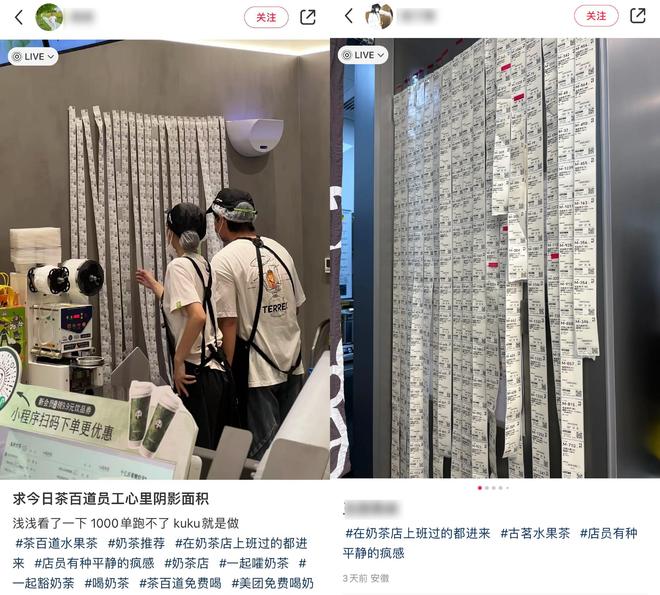
Core Viewpoint - The tea beverage industry experienced a significant surge in sales over the weekend of July 5-6, driven by increased subsidies from delivery platforms, leading to record-breaking order volumes and revenue for many brands [1][12][21]. Group 1: Sales Performance - A tea beverage brand reported total sales exceeding 63 million yuan over the weekend, with individual store daily sales reaching a record of 54,000 yuan [12][14]. - Several brands achieved over 1 million orders within the same two-day period, indicating a substantial increase in consumer demand [12][17]. - The average sales volume for a tea shop increased by approximately 30% to 50% compared to the previous month, with some stores experiencing a staggering 499% increase in sales [8][20]. Group 2: Market Dynamics - The surge in online orders has led to a noticeable decline in in-store customer traffic, as consumers prefer the convenience and lower prices offered by delivery platforms [6][11]. - Major delivery platforms reported a total of over 200 million orders in a single day, reflecting the heightened activity in the food and beverage sector [21][23]. - The competitive landscape intensified with platforms like Taobao launching a substantial subsidy program, resulting in a 190% increase in orders for restaurant brands [21]. Group 3: Stock Market Reaction - Following the sales boom, stock prices for several publicly listed tea companies rose sharply on July 7, although this upward trend was not sustained in the following days [4][21]. - Specific stock price increases included a 5.74% rise for Mixue Ice City and an 11.04% increase for Tea Baidao, although many stocks later experienced declines [24]. Group 4: Operational Challenges - The rapid increase in order volume has put significant pressure on staff and operational capacity, with some stores needing to increase staff numbers to manage the workload [8][11]. - Despite the revenue growth, the reliance on discounts and promotions raises concerns about long-term sustainability and brand loyalty within the industry [25].
中泰国际每日晨讯-20250710
ZHONGTAI INTERNATIONAL SECURITIES· 2025-07-10 01:43
Market Performance - The Hang Seng Index fell by 255 points or 1.1%, closing at 23,892 points[1] - The Hang Seng Tech Index dropped by 1.8%, ending at 5,231 points[1] - Total market turnover reached HKD 233.9 billion, with a net inflow of HKD 9.2 billion through the Stock Connect[1] Sector Highlights - Biopharmaceutical, gaming, engineering machinery, education, and entertainment sectors showed strong performance[1] - Superstar Legend (6683 HK) surged by 94.4%, with a trading volume of HKD 11.49 billion[1] - Hong Kong Travel (308 HK) rose by 19.9%, with a trading volume of HKD 2.64 billion[1] New Listings - Three key new stocks performed well on their debut: Lens Technology (6613 HK) up 9.4%, Geek+ (2590 HK) up 5.4%, and Fortior (1304 HK) up 16.2%[1] - NIO (3750 HK) and Heng Rui Pharmaceutical (1276 HK) both reached new highs, rising by 7.2% and 15.6% respectively[1] Macroeconomic Indicators - China's CPI rose by 0.1% year-on-year in June, marking the first increase in five months[2] - Core CPI increased to 0.7%, the highest since April 2024[2] - PPI fell by 3.6% year-on-year, with production materials down 4.4%[2] Real Estate Market - New home transaction volume in 30 major cities reached 1.89 million square meters, down 1.1% year-on-year, an improvement from the previous week's 23.1% decline[5] - The inventory-to-sales ratio for major cities was 63.1, higher than last year's 59.7 but lower than the previous week's 68.2[7] - Land transaction volume in 100 major cities increased by 15.3% year-on-year, totaling 2.063 million square meters[8]