
零售

Search documents
永辉超市:预期调改店营收和净利较调改前将保持增长,2026年经营业绩进一步下滑风险较低
Cai Jing Wang· 2026-01-22 04:17
Core Viewpoint - The company is undergoing a significant transformation due to continuous revenue decline caused by store closures and operational adjustments, with a strategic shift planned for the second half of 2024 [1][3]. Group 1: Revenue and Financial Performance - The company's revenue has been consistently declining due to store closures and intensified industry competition, which is deemed objective and reasonable [1]. - In the first nine months of 2025, revenue from closed stores decreased by 5.988 billion, and overall sales revenue dropped by 6.379 billion compared to the previous year, primarily due to store closures [2]. - The company incurred a one-time cost of 840 million from store adjustments in 2025, with a total pre-tax profit impact of 1.174 billion from closed stores [4]. Group 2: Store Adjustments and Transformations - In 2025, the company closed 381 stores and completed adjustments on 275 existing stores, with the majority of these activities concentrated in that year [3]. - By the end of 2025, the company had 403 stores, with 315 having completed adjustments, which are expected to contribute positively to revenue and profit in 2026 [3][4]. - The company plans to close approximately 25 stores and adjust around 50 stores in 2026, significantly reducing the negative impact on operational performance compared to 2025 [3]. Group 3: Upgrade and Renovation Strategy - The selection criteria for upgrading stores include the location's alignment with the target demographic, physical conditions of the store, and the operational capabilities of the team [5][6]. - Among the 216 stores selected for renovation, 154 are located in core business districts, and 149 are situated in standardized shopping centers, indicating a strategic focus on high-traffic areas [6]. - The logistics upgrade project will cover 241 stores, representing 60% of the total stores, with expectations of increased sales and improved cold chain logistics efficiency post-renovation [7].

80岁老太带企业冲刺上市!“妻承夫志”的女掌门人,个个都是狠角色
Xin Lang Cai Jing· 2026-01-22 04:16
Group 1 - The article highlights the success of female leaders in business, particularly focusing on Chen Meifang, who took over a billion-dollar company at the age of 79 and is now pushing for a dual listing on the Hong Kong Stock Exchange [1][12] - Chen Meifang's company, Huadian Co., has made significant investments in AI and electric vehicle sectors, demonstrating a strategic pivot towards high-end PCB markets during industry downturns [4][14] - In 2024, Huadian Co. achieved revenues of 13.342 billion yuan and a net profit of 2.566 billion yuan, with a projected revenue increase of nearly 50% in the first three quarters of 2025 [5][14] Group 2 - The article also discusses Zhang Ronghua, who became the "Tianjin Female Richest" after taking over her husband's steel business, demonstrating resilience and innovation in a challenging market [6][15] - Under Zhang Ronghua's leadership, the company underwent significant upgrades and transformations, investing 4 billion yuan in energy-saving and environmental improvements [16][17] - By 2019, Zhang Ronghua not only maintained her husband's legacy but also expanded the business, with her daughter taking over the presidency, indicating a successful transition of leadership [18]
数据显示,日本企业破产数量连续4年增加——日本企业陷入破产“寒潮”(环球热点)
Sou Hu Cai Jing· 2026-01-22 02:54
企业面临内外压力 【观察】 据日媒报道,东京商工调查公司统计的是负债1000万日元以上的破产案例。2025年,日本破产企业的负 债总额为1.5921万亿日元,其中负债额低于1亿日元的7892家小规模破产企业占总数的约八成,为过去 30年最高。 从破产原因看,劳动力短缺导致的企业破产案例比上一年增长36%至397起,创历史新高;物价高企导 致的破产案例达767起,连续3年增加。按行业划分,"服务业及相关行业"破产企业数量最多,达3478 家,同比增长4.4%,创下历史新高;建筑业、制造业排第二、三。 【点评】 李清如:日本企业生存困境加剧是内外部因素叠加的结果,其中抗风险能力薄弱的中小企业成为受冲击 最严重的群体。一方面,外部环境不确定性持续攀升。美国关税政策重创日本出口,日元汇率波动进一 步推高进口成本,严重挤压中小企业的利润空间。另一方面,日本国内通胀与劳动力短缺形成双重挤 压。物价高企推升原材料、能源等成本,中小企业普遍面临"价格转嫁难"的困境,只能被动压缩利润; 少子老龄化导致劳动力供给持续萎缩,人手不足与成本上升成为企业破产的重要诱因,服务业受影响最 为显著。 周永生:核心竞争力缺失是日本企业面临的一 ...
宏观对话行业-科技叙事还能走多远
2026-01-22 02:43
Summary of Key Points from Conference Call Records Industry Overview - **Macro Industry**: The discussion centers around the technology sector, particularly the impact of AI on the macroeconomic landscape in the U.S. and China, as well as investment opportunities in various sub-sectors like commercial aerospace and humanoid robotics [1][3][17][19]. Core Insights and Arguments AI and Economic Growth - AI capital expenditures are projected to drive U.S. economic growth, with major tech companies expected to spend approximately $350 billion to $360 billion by 2025, accounting for about 1% of GDP and growing at a rate of 60%-70% [1][3]. - The contribution of AI to macroeconomic growth is estimated to be around 0.6%-0.7% [1][3]. - By 2026, capital expenditures from the top five U.S. tech companies are expected to reach $500 billion to $510 billion, indicating sustained investment-driven growth, albeit at a potentially slower pace [3][5]. AI's Impact on Various Industries - AI technology is having a comprehensive impact on the semiconductor industry, leading to price increases in mature processes and the rise of domestic computing power [1][12][14]. - The storage sector is also benefiting from AI, with new technologies driving demand for NAND and DRAM [11][12]. - In the commercial aerospace sector, investment opportunities are concentrated in rocket assembly, core aerospace engines, and satellite payloads, with companies like BoLite and Zhenlei Technology highlighted as key players [1][17]. Concerns and Risks - There are growing concerns about a potential bubble in the AI sector, particularly as discussions around the transition from short-term to long-term economic benefits intensify [6][9][13]. - The stability of macroeconomic policies is crucial to ensure a smooth transition and to mitigate risks associated with the AI narrative [5][6]. China's Technological Landscape - China has surpassed Japan in R&D spending, becoming the second-largest globally, and leads in PCT patent applications, indicating significant advancements in technology [8][7]. - However, the impact of these advancements on labor productivity remains limited, primarily reflecting in capital markets rather than the real economy [7][8]. Additional Important Insights - The humanoid robotics industry is transitioning from component manufacturing to key assembly stages, with companies in Tesla's supply chain, such as Sanhua and Topband, being noteworthy [2][20][21]. - Investment opportunities in the commercial aviation sector are expected to rise due to increased domestic production capabilities, particularly in engine manufacturing [18]. - AI applications in retail are opening new growth avenues, with companies leveraging AI tools to enhance operational efficiency and consumer engagement [25]. - The development of AI glasses is anticipated to grow significantly, with a projected increase in global shipments and sales exceeding 50% over the next five years [26]. Conclusion - The overall sentiment is cautiously optimistic regarding the future of AI and its integration into various industries, with a focus on the importance of stable macroeconomic policies and the potential for significant technological advancements to drive productivity and economic growth [15][16].



“1920s vs 2020s”!华尔街教父、欧央行行长与历史学家激辩:“AI、关税和地缘”把世界拖向“1930”?
Hua Er Jie Jian Wen· 2026-01-22 02:22
Group 1 - Global financial leaders warn that government fiscal irresponsibility and geopolitical fragmentation may negate the productivity gains from AI [3][4] - The discussion at the World Economic Forum highlighted the parallels between the current economic climate and the pre-Great Depression era, particularly in terms of technological advancements and political failures [4][7] - Ken Griffin emphasized that the core risk in 2026 is not from private capital markets but from reckless government spending, with U.S. national debt reaching $38 trillion [5][7] Group 2 - Adam Tooze pointed out that the current technological boom, driven by AI, mirrors the 1920s' electrification and mass production, but political failures could lead to economic collapse [4][7] - Christine Lagarde noted that global trade is under unprecedented pressure due to geopolitical fragmentation and tariffs, which could hinder the scale effects needed for AI [4][10] - The average tariff between the U.S. and Europe has surged from 2% to over 12%, with a potential rise to 15%, impacting inflation and economic growth [10][11] Group 3 - Larry Fink stated that AI is not a bubble but will lead to significant failures, creating a "K-shaped" economy where large firms benefit disproportionately [6][8] - The cost of developing cutting-edge AI models is around $1 billion, and U.S. capital expenditure on data centers is projected to reach $600 billion this year [8][10] - Lagarde warned that geopolitical divisions and protectionism could obstruct the data flow necessary for AI efficiency [8][10] Group 4 - The discussion highlighted the importance of central bank independence in managing fiscal policies and avoiding reliance on monetary solutions to address structural imbalances [12][33] - Lagarde emphasized that not all debt is equal, and productive investments will always find funding, while non-productive debt will face challenges [33][42] - The need for cooperation in managing AI's development and its implications for society was underscored, with concerns about energy consumption and social consequences [32][34]



多方协同发力 培育服务消费新增长点
Jing Ji Wang· 2026-01-22 02:16
Core Viewpoint - The State Council's recent meeting emphasizes accelerating the cultivation of new growth points in service consumption, supporting the emergence of new business formats, models, and scenarios to enhance the quality of service supply and meet consumer needs [1][4]. Group 1: New Growth Points in Service Consumption - The shift in consumer behavior from product-centric to a balanced focus on both goods and services is being driven by rising living standards, unlocking the potential for service consumption [1][4]. - The integration of digital technology with the service industry is leading to the emergence of innovative service consumption formats, such as interactive robot stores in Shenzhen and experiential retail spaces in Beijing [2][3]. - Cross-industry integration is becoming a key direction for innovation in service consumption, with models like "agriculture + cultural tourism" and "manufacturing + services" creating new consumption growth points [3]. Group 2: Quality Service Supply - Various regions are innovating in consumption scenarios across cultural, tourism, entertainment, and sports sectors, with projections indicating double-digit growth in retail sales for tourism consulting, transportation, and leisure services by 2025 [4]. - The meeting highlighted the need to enhance the supply of quality services and address issues related to credit, standards, and safety management [4]. - Experts suggest focusing on digital service consumption, cultural tourism integration, silver economy services, green low-carbon services, and international consumption services as potential growth areas [4]. Group 3: Enhancing Consumer Motivation - The cultivation of new growth points in service consumption requires precise policy guidance and support, with the State Council advocating for the implementation of consumption-boosting actions [7]. - Collaborative efforts between central and local governments are leading to targeted policies that enhance service consumption, such as optimizing trade-in services and promoting regional cultural tourism [7]. - Recent policies aim to stimulate consumption in lower-tier markets, with initiatives to support county-level consumption and enhance consumer capacity through loans and subsidies [8].
2025年黑蚁资本消费者趋势研究报告:重返县域:新周期里的理智与情感
黑蚁资本· 2026-01-22 01:30
Investment Rating - The report does not explicitly state an investment rating for the industry Core Insights - The county market shows strong consumer resilience, with spending growth significantly outpacing that of first-tier cities, prompting brands to target lower-tier markets as a strategic choice [8][9] - Consumers in county areas are shifting from a focus on external identity symbols to valuing practical benefits and emotional connections in their purchases, indicating a trend towards more rational consumption [25][36] - The overall satisfaction of county residents remains stable, with a cautious optimism regarding future income and spending, reflecting a balanced approach to financial management [27][34] Summary by Sections Introduction - The report outlines the changing landscape of consumer behavior in county areas, emphasizing the need for brands to adapt their strategies to local market dynamics [23] Consumer Behavior Changes - Life changes include increased work pace and a more cautious approach to spending, with consumers prioritizing practical and emotional value in their purchases [16][27] - Demand for identity-related products has decreased, with a growing emphasis on experiences and emotional connections [25][36] - Spending patterns are diversifying, with a shift from functional optional spending to experiential optional spending [16][25] Market Dynamics - The county market is characterized by a high degree of consumer satisfaction and a dynamic balance of diverse needs, which presents unique opportunities for growth [11][25] - The report highlights the importance of understanding the internal dynamics of county consumers, including their evolving preferences and spending habits [24][28] Future Outlook - The report anticipates that the county market will continue to evolve, with emerging trends in consumer preferences indicating a shift towards higher emotional and experiential value in products and services [25][36] - The potential for growth in the county market is significant, driven by a large consumer base and the emergence of new consumption trends [26][34]
双融日报-20260122
Huaxin Securities· 2026-01-22 01:27
Market Sentiment - The current market sentiment score is 76, indicating a "relatively hot" market condition, which suggests strong investor confidence [2][10][22]. Hot Themes Tracking - **Robotics Theme**: The upcoming Spring Festival Gala will feature robotics, showcasing technological advancements and creativity. Related stocks include Sanhua Intelligent Control (002050) and Wolong Electric Drive (600580) [6]. - **Banking Theme**: Bank stocks offer high dividend yields, with the China Securities Bank Index yielding 6.02%, significantly higher than the 10-year government bond yield. This makes bank stocks attractive for long-term investors during economic slowdowns. Related stocks include Agricultural Bank of China (601288) and Ningbo Bank (002142) [6]. - **Retail Theme**: The National Business Work Conference emphasized boosting consumption and retail innovation for 2026, focusing on initiatives like trade-in programs and digital market development. Related stocks include Yonghui Superstores (601933) and Wangfujing (600859) [6]. Capital Flow Analysis - The top net inflow stocks include China Great Wall (000066) with a net inflow of approximately 142.67 million, followed by Xinyi Technology (300502) and Huatian Technology (002185) [11]. - The top net outflow stocks include Xunwei Communication (300136) with a net outflow of approximately -175.91 million, followed by Shanzhi High-Tech (000981) and Zhongji Xuchuang (300308) [13]. Industry Insights - The banking sector is highlighted for its stability and high dividend yields, making it a key focus for long-term capital allocation amidst economic uncertainty [6]. - The robotics and retail sectors are positioned for growth due to technological integration and government support for consumption initiatives, respectively [6].
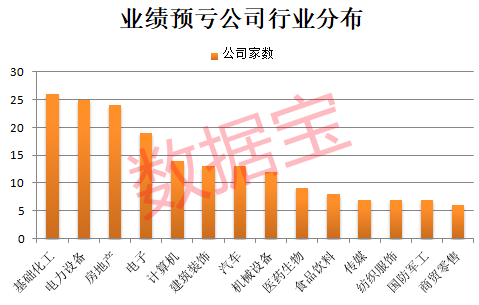
业绩预亏榜出炉,最高亏损逾160亿元(名单)
Zheng Quan Shi Bao Wang· 2026-01-22 01:01
哪些上市公司年报业绩预计大幅亏损? 黄金概念股大涨 1月21日,A股市场维持窄幅震荡,上证指数收盘微涨0.08%。全天A股成交2.62万亿元,降至1月以来次低水平。黄金概念、玻璃基板、锂矿、先 进封装、CPO概念等涨幅居前。 国晟科技遭遇5个跌停 1月21日早盘,国晟科技(603778)开盘跌停,收盘时跌停板封单达94.89万手,约合资金15.5亿元。至此,该股已连续遭遇5个跌停板,相比年内高 点回撤幅度达40.95%。 该股涉及钙钛矿电池、固态电池概念,此前受到市场热炒,近3个月内最大涨幅达到5倍以上。 1月20日晚间,国晟科技发布2025年业绩预告,预计2025年净利润亏损3.25亿元至6.5亿元。报告期内,光伏行业由于结构性产能过剩,供需矛盾仍 然突出,在激烈的行业竞争条件下,组件价格持续处于相对低位,公司主营业务收入和盈利能力下降。基于谨慎性原则,公司计提了存货跌价准 备和长期资产减值准备,对经营业绩造成较大影响。 除国晟科技外,1月20日晚间披露业绩预告大幅亏损的公司还有永辉超市、兴化股份、华锦股份、南威软件、西部建设、航天长峰、燕东微等。 永辉超市预计2025年净利润亏损21.4亿元,按此计算,公 ...


日本观光局:去年12月赴日中国游客同比下降45.3%
Ren Min Ri Bao· 2026-01-22 00:31
Core Viewpoint - The report from the Japan National Tourism Organization indicates a significant decline in the number of visitors from mainland China to Japan, attributed to rising tensions in Sino-Japanese relations following controversial remarks by Japanese Prime Minister Suga Yoshihide [1] Group 1: Visitor Statistics - In December of last year, the number of visitors from mainland China to Japan was 330,400, representing a substantial decrease of 45.3% compared to the same period the previous year [1] - The number of visitors from mainland China dropped from 562,600 in November to 715,700 in October of the same year, indicating a clear downward trend [1] Group 2: Economic Impact - Japanese media and experts have noted that the remarks made by Prime Minister Suga have led to ongoing tensions in Sino-Japanese relations, negatively affecting various sectors in Japan, including retail, accommodation, and dining [1] - Japan's largest travel agency, JTB Corporation, forecasts that due to the uncertain outlook for visitors from mainland China, the number of tourists entering Japan in 2026 may decrease by 3% [1]