茶饮

Search documents
哈萨克斯坦最大城市,满街中国品牌
21世纪经济报道· 2026-01-16 02:25
Core Viewpoint - Chinese brands have established a strong presence in Kazakhstan, becoming integral to the local economy and daily life, with significant growth in trade and investment between China and Central Asia [1][2]. Group 1: Market Growth and Chinese Brand Presence - China has become Central Asia's largest trading partner, with trade volume reaching $60.7 billion from 2017 to 2024, a 1.5 times increase [1]. - By 2024, China's direct investment and loans to Central Asia are expected to exceed $24 billion, with over 9,000 Chinese companies operating in the region [1]. - Kazakhstan is emerging as a key hub for Chinese enterprises' overseas growth, with a young population and high smartphone penetration (95%) [1]. Group 2: Integration of Chinese Brands - Chinese brands, including Haier, BYD, and Xiaomi, are increasingly integrated into the daily lives of Central Asian consumers, with visible presence in various sectors [2][7]. - The automotive sector has seen rapid growth, with Chinese manufacturers' market share in Kazakhstan rising from 2% in 2020 to 38% by 2024 [8]. - In the first nine months of this year, Chinese automotive brands captured 34.5% of the market share, with local production initiated by brands like Changan and Chery [8]. Group 3: Marketing and Consumer Behavior - The shift in perception of Chinese automobiles from low-cost to reliable technology reflects a broader acceptance among Central Asian consumers [9]. - The rapid technological advancements in China provide a competitive edge, as local consumers are open to new experiences and innovations [9]. - The e-commerce market in Central Asia is projected to reach $14.7 billion in 2024, with Kazakhstan's market alone estimated at $6 billion [12]. Group 4: Challenges and Localization - Companies entering the Central Asian market must navigate complex local languages and cultural differences, as each country has unique consumer habits [13]. - The regulatory environment varies significantly across Central Asian countries, necessitating thorough market research and local partnerships to mitigate risks [14][15]. - A dual approach of utilizing mainstream e-commerce platforms and developing direct-to-consumer channels is recommended for effective market penetration [12].


创始人张勇,“重新”掌舵870亿海底捞
Sou Hu Cai Jing· 2026-01-16 01:50
Core Insights - The changing consumer preferences are reflected in the shifts within the dining market, indicating that no single restaurant format can remain dominant indefinitely [1] - The current best solution for the restaurant industry is a focus on supply chain and standardization, which has led to higher valuations for supply chain companies compared to traditional restaurant businesses [1] - The capital market's preference has shifted towards tea beverage companies, which are currently valued higher than traditional dining establishments, a trend unlikely to reverse in the short term [1] Company Analysis - Despite achieving record performance, leading restaurant chain Haidilao has not seen a recovery in its valuation, indicating a disconnect between operational success and market perception [3] - Haidilao's rapid expansion from over 300 stores at its IPO to 1,300 stores by 2022 did not translate into proportional revenue growth, resulting in a net loss of 4.163 billion yuan in 2021 [6] - Under the leadership of Yang Lijuan, Haidilao shifted from aggressive expansion to a more conservative approach, leading to a revenue recovery to 41.453 billion yuan and a net profit of 4.499 billion yuan by 2023 [9] Market Dynamics - The restaurant industry is experiencing accelerated rotation effects, with the tea beverage sector expanding more easily and attracting more capital due to lower investment requirements compared to the hot pot industry [12] - Haidilao's attempts to diversify through the "Red Pomegranate Plan" and the introduction of multiple brands have not yielded the expected results, with revenue and net profit showing only slight increases and subsequent declines [10] - The valuation of tea beverage companies like Mixue Ice City is nearly double that of Haidilao, despite Haidilao's larger revenue scale, highlighting the market's preference for lighter asset models [12] Consumer Behavior - Changes in consumer preferences are causing significant impacts on the restaurant industry, with a noted decline in the performance of previously popular snack brands due to shifting tastes [14] - Haidilao's table turnover rate increased to 4.1 times per day in 2024 but fell to 3.8 times in the first half of 2025, indicating a decrease in customer traffic and average daily sales [14] - The higher price point of hot pot compared to tea beverages makes consumers more sensitive to pricing, contributing to the challenges faced by Haidilao [14]

1.16犀牛财经早报:国内首只千亿级黄金ETF诞生
Xi Niu Cai Jing· 2026-01-16 01:40
Group 1 - The first domestic gold ETF in China has surpassed 100 billion yuan in scale, driven by rising gold prices and continuous investor buying, indicating significant asset allocation value in the current low-interest-rate environment [1] - Domestic power grid investment is expected to exceed 1 trillion yuan per year during the 14th Five-Year Plan, with a projected 40% increase in fixed asset investment by the State Grid Company compared to the previous plan [1] Group 2 - The space photovoltaic concept has gained significant attention in 2026, with multiple companies like JinkoSolar and Trina Solar actively disclosing their development plans, indicating a potential trillion-yuan market [2] - The low-altitude economy is viewed as a long-term endeavor, requiring patience and collaboration across the industry to achieve its full potential [2] Group 3 - China's commercial aerospace industry is growing at over 20% annually, with projections of reaching 7 to 10 trillion yuan by 2030, as various regions compete to establish their presence in this sector [3] - Nickel prices have surged nearly 30% in a month due to supply contraction expectations, with significant implications for the nickel market and its downstream industries [3] Group 4 - The automatic driving industry in China is advancing, with the first L3-level conditional autonomous driving models receiving approval for road testing in designated areas [5] - In 2026, traditional car manufacturers are targeting stable growth rates of 10% to 30%, while new entrants aim for aggressive growth rates of 34% to 67% [5] Group 5 - The electric vehicle sector is witnessing a reshuffle, with companies like Jidu Auto entering restructuring processes, reflecting the competitive landscape of the industry [6] - Star River Power has successfully launched 89 satellites into orbit, marking a significant achievement in the private aerospace sector [6] Group 6 - WuXi Biologics' major shareholder has agreed to sell 150 million shares at a price of 38.52 HKD per share, which will reduce their stake from approximately 12.12% to 8.49% [10] - Kuaishou has issued a total of 6 billion USD in senior notes, with proceeds intended for general corporate purposes [11] Group 7 - Cloud Intelligence plans to place 780,000 new H-shares at a price of 252 HKD per share, indicating ongoing capital-raising efforts [12] - E-Tech's IPO is set to face scrutiny from regulators, highlighting the challenges faced by companies in the automotive electronics sector [13] Group 8 - Luoyang Molybdenum expects a net profit increase of 48% to 54% for 2025, driven by rising product prices and effective cost management [14] - Lio's stock has been suspended for trading due to significant price fluctuations, reflecting the need for regulatory oversight in volatile markets [14] Group 9 - U.S. stock indices rebounded, with significant gains in technology and financial sectors, driven by strong earnings reports from major companies [16] - Commodity prices, including metals and oil, experienced declines after reaching record highs, indicating market volatility [16]
一杯奶茶的全球之旅
Ren Min Ri Bao· 2026-01-15 22:03
Core Viewpoint - The rise of new-style milk tea, originating from China, is not only a beverage trend but also a cultural phenomenon that is reshaping global tea culture and promoting cross-cultural dialogue [1][6]. Group 1: Global Expansion of New-Style Milk Tea - New-style milk tea brands are expanding internationally, with notable entries in markets like North America, Southeast Asia, and Europe, utilizing various strategies such as direct sales, franchising, and joint ventures [2][3]. - The first U.S. store of Mixue Ice City is set to open in Los Angeles by the end of December 2025, sparking a social media buzz around its North American debut [1]. Group 2: Cultural Integration and Local Adaptation - New-style milk tea incorporates local flavors and ingredients, such as lemongrass and coconut sugar in Thailand and Malaysia, creating a fusion that resonates with local tastes and traditions [4]. - In the UK, new-style milk tea has redefined local tea culture by introducing Asian flavors and innovative preparation methods, appealing to a diverse demographic including local consumers and various ethnic groups [3][4]. Group 3: Aesthetic and Marketing Strategies - The visual presentation of new-style milk tea, characterized by colorful layers and creative designs, enhances its appeal on social media, making it a popular choice for young consumers [4][5]. - The branding and marketing language of new-style milk tea reflect traditional Chinese aesthetics, contributing to a positive cultural image and facilitating communication with global audiences [5][6]. Group 4: Cultural Significance - The global journey of milk tea represents a successful case of cultural exchange, showcasing a blend of traditional roots and modern trends, while fostering emotional connections and identity recognition among diverse populations [6].
联名狂热退潮,看元气森林如何通过精选IP与年轻人深度共鸣
Jin Rong Jie Zi Xun· 2026-01-15 11:33
Core Insights - The opening of the "Yuanqi Forest Atlantis" youth music nightlife space in Hefei marks a significant move in Yuanqi Forest's cross-industry collaboration strategy, aligning with local economic initiatives [1] - Yuanqi Forest's approach to cross-industry partnerships has shifted from aggressive collaboration to a more measured and strategic focus on long-term engagement with consumers [10] Group 1: Cross-Industry Collaborations - The new Hefei location is part of Yuanqi Forest's strategy to create unique IPs, such as the Yuanqi Forest livehouse, which emphasizes youth culture and music [1] - In 2025, Yuanqi Forest engaged in various collaborations, including partnerships with music festivals, educational products from recycled materials, and gaming IPs, but the number of collaborations has significantly decreased to single digits [7][9] - The trend of high-frequency collaborations in the beverage industry is declining, with a reported drop of over 50% in collaboration events in the new tea beverage sector from the previous year [9] Group 2: Consumer Engagement and Market Trends - A survey indicated that a significant portion of consumers (23.85%) felt indifferent towards IP collaborations, suggesting a growing fatigue with frequent brand partnerships [10] - Yuanqi Forest's strategy now focuses on building long-term emotional connections with consumers rather than merely leveraging short-term traffic from collaborations [10] - The emphasis on deep interaction and immersive experiences reflects a broader trend among new consumer brands moving towards sustained partnerships rather than one-off collaborations [10]

喜茶人气回归「英红糯糯」,一年连推5款英德红茶产品
Nan Fang Nong Cun Bao· 2026-01-15 10:35
Core Insights - The article discusses the return of the popular product "Yinghong Nuonuo" by Heytea, which combines Yingde black tea with cheese and other ingredients to create a unique beverage experience [2][3][5]. Product Launch and Popularity - "Yinghong Nuonuo" was officially relaunched on January 15, 2023, and is noted for its classic flavor combination that resonates with consumers' memories [2][3]. - Since its initial launch in April 2025, "Yinghong Nuonuo" has achieved remarkable sales, with 800,000 cups sold on its first day, indicating strong consumer demand and positive reception [8][9]. Product Development and Variants - Over the past year, Heytea has introduced five products utilizing Yingde black tea as a base, including collaborations with popular brands and limited edition offerings [12][13][15]. - The company has successfully brought Yingde black tea to international markets, including the United States, Singapore, South Korea, and Australia, enhancing its global presence [15]. Industry Impact and Market Position - Yingde black tea has a brand value of 5.178 billion yuan, ranking first among regional public brands in the black tea category in China [19]. - The tea industry in Yingde has a total tea garden area of 186,500 acres and a dry tea production of 18,000 tons, with the entire industry chain exceeding a value of 10 billion yuan, benefiting approximately 155,000 workers [20][21]. Future Development and Innovation - The local agricultural authority emphasizes the importance of innovative collaborations with companies like Heytea to enhance the market vitality of Yingde black tea [23]. - Future plans include strengthening the agricultural foundation, deepening technological innovation, and expanding both domestic and international markets to promote sustainable growth in the Yingde black tea industry [25][26].

冲刺春节档!古茗、奈雪、1点点都在推这个年味水果
东京烘焙职业人· 2026-01-15 08:33
以下文章来源于咖门 ,作者子淇 咖门 . 聚焦茶饮、咖啡行业,关注饮品新风潮 发现了吗? 临近过年 ,橘子饮品 崭露头角 。 1点点的 " 橘子奶青 " 刷屏,古茗第五年回归"手剥粒粒大橘",奈雪 、百分茶相继推出 "超C小橙瓶"" 清迈大橘茉莉冰茶 ",茉酸奶今日上新 "春见粑粑 柑系列"。 此外, 上海一家橘子饮品专门店月销突破 4万杯,营收近百万元。 继苹果之后, 大众水果 橘子 也要逆袭? 橘子饮品热度渐起 古茗、奈雪、 1点点都在推 最近 ,无论是头部连锁还是区域品牌,扎堆推出 橘饮 新品。 较 早 是 奈雪 的 " 3倍超C小橙瓶 " ,选用泰国蜜桔汁搭配西湖蜜桔果肉,主打 " 高维 C " 概念 ,网友评价: "酸甜适中,口口爆汁"。 古茗于1月8日升级回归已热卖5年(季)的 "手剥粒粒大橘" ,并打出"一杯超半斤粑粑柑"的卖点。 1点点在12月初上线 "橘子奶青" ,选用广西砂糖橘 制成 ,迅速成热销款 ,网友评: "和可可芭蕾并列 1点点 奶茶 TOP1 "。 同期百分茶也在 苏州中心店限 定上新 " 清迈大橘茉莉冰茶 " , 泰国蜜 搭配手作大橘冻 , 清新解腻 ;紧接着 , Tamkok ...
柠檬茶品牌“林里LINLEE”获数千万融资
Xin Lang Cai Jing· 2026-01-15 03:34
Group 1 - The lemon tea brand "Linlee" has completed a tens of millions A-round financing, with Qianhai Ark Fund as the exclusive investor, and the valuation is nearly 1 billion [1][1] - The funds raised in this round will primarily be used for brand building, supply chain upgrades, and organizational upgrades [1][1]
一年卖出27亿,柠檬茶品牌「林里LINLEE 」获数千万融资|36氪独家
3 6 Ke· 2026-01-15 02:25
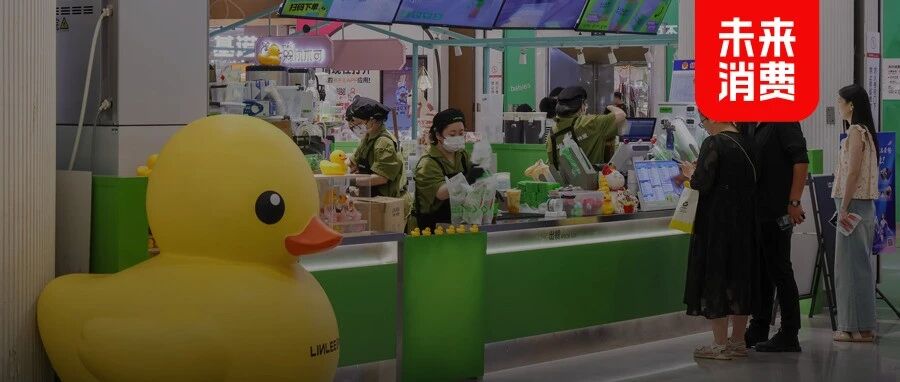
Group 1 - The core point of the article is that the lemon tea brand "LINLEE" has completed a multi-million A round financing, with a valuation close to 1 billion, aimed at brand building, supply chain upgrades, and organizational improvements [1] - "LINLEE" has over 1900 stores across 31 provinces and 200+ cities, with a projected GMV of 2.7 billion by 2025 [2] - The brand's journey began in 2012, facing challenges such as a previous failed tea shop and competition from counterfeit brands, leading to a rebranding in 2021 [3] Group 2 - The focus remains on the domestic market, with the current chain rate for lemon tea at around 10%, indicating significant growth potential compared to the 30%-40% chain rate of the milk tea category [4] - The company has invested heavily in supply chain improvements, including partnerships with lemon orchards covering 30,000 acres and a self-built sorting center with a daily capacity of 40 tons [4] - The brand has established a cold chain distribution network covering over 80 cities, ensuring delivery times of less than 24 hours to core cities [4] Group 3 - "LINLEE" has developed a strong product matrix, with key products achieving annual sales of 20 million cups for signature lemon tea, and 12 million cups each for two other core products [5] - The brand is adapting to consumer trends towards healthier drinks and enhancing marketing efforts for dining and social occasions [5] - The introduction of the "little yellow duck" as a promotional item has significantly contributed to brand growth, with over 110 million units distributed in 2025 [6] Group 4 - The emotional connection with consumers is emphasized, with the "little yellow duck" serving as a symbol of the brand's warmth and relatability [7] - The company is expanding its IP development with a new character "LINLEE Duck," aiming to create a comprehensive "Duck Universe" [7][8] - The strategy includes integrating emotional consumption into the brand's identity, differentiating "LINLEE" in the competitive landscape [8]
一年卖出27亿,柠檬茶品牌「林里LINLEE」获数千万融资|独家
36氪未来消费· 2026-01-15 02:17
Core Viewpoint - The lemon tea brand "LINLEE" has successfully completed a multi-million A round financing, with a valuation nearing 1 billion, primarily aimed at brand building, supply chain upgrades, and organizational improvements [2]. Group 1: Financing and Growth - "LINLEE" has previously secured multi-million angel round investment from 37 Interactive Entertainment in 2021, marking this as its second financing round [3]. - The brand has expanded its store count to over 1900, covering 31 provinces and more than 200 cities, with a projected GMV of 2.7 billion by 2025 [4]. Group 2: Market Position and Strategy - The lemon tea market has seen a resurgence in financing, with competitors focusing on IPOs and international expansion, while "LINLEE" remains focused on the domestic market [9][10]. - The current chain rate for lemon tea is only 10%, compared to 30%-40% for milk tea, indicating significant growth potential before entering a phase of stock competition [10]. Group 3: Supply Chain and Product Development - "LINLEE" has established a robust supply chain, collaborating with a 30,000-acre lemon orchard yielding approximately 20,000 tons annually, and has built a large lemon sorting center with a daily capacity of 40 tons [12]. - The brand's cold chain distribution network covers over 80 cities, ensuring delivery times of less than 24 hours to core cities, which has helped stabilize costs during price fluctuations [13]. Group 4: Product Offerings and Consumer Engagement - "LINLEE" has developed a strong product matrix, with key offerings like hand-crafted lemon tea achieving annual sales of 20 million cups for its signature product [13]. - The brand has successfully tapped into emotional consumption through its mascot, the "little yellow duck," which has become a significant driver of growth, with over 110 million units distributed in 2025 [14]. Group 5: Brand Identity and Future Plans - "LINLEE" is enhancing its brand identity by integrating IP elements, launching a new character "LINLEE Duck" with a dedicated social media presence, aiming to create a comprehensive "duck universe" [17][18]. - The company is focused on differentiating itself in the emotional consumption space by combining tea drinks with IP development [18].