
宠物

Search documents
农林牧渔2025年12月投资策略:养殖大周期反转预计在即,核心推荐港股牛奶养殖标的
Guoxin Securities· 2025-12-08 02:44
Core Insights - The report anticipates a significant reversal in the livestock cycle, particularly recommending Hong Kong-listed dairy farming stocks [1][12] - The monthly recommended portfolio includes YouRan Agriculture, Modern Farming, and Muyuan Foods, which are expected to benefit from the livestock cycle recovery [1][3] - The report highlights the expected upward trend in domestic beef and milk prices, suggesting a strong recovery in the performance of livestock companies [1][14] Livestock Sector - The livestock sector is projected to experience a major turnaround, with a focus on dairy farming stocks such as YouRan Agriculture and Modern Farming [1][14] - The report indicates that the domestic beef and milk markets are likely to see a price rebound, driven by a reduction in production capacity and improved demand dynamics [1][14] - The anticipated "meat-milk resonance" is expected to enhance profitability for dairy farming companies, with significant earnings recovery potential [1][14] Swine Sector - The swine sector is expected to see a gradual recovery in prices, with leading companies like Huazhong and Muyuan Foods positioned to benefit from valuation corrections [1][14] - The report notes that the cash flow of leading swine companies is improving, which may lead to higher dividend payouts in the future [1][15] - The current market conditions suggest that the swine industry is stabilizing, with a focus on maintaining reasonable breeding levels [22] Poultry Sector - The poultry sector is experiencing a slight increase in supply, with expectations for demand recovery to support price stabilization [24] - The report highlights that the white-feathered chicken market is showing signs of recovery, with prices expected to improve as the consumption season approaches [24] - Leading poultry companies are anticipated to maintain strong profitability amid changing supply dynamics [24] Pet Industry - The pet industry is identified as a promising growth area, with domestic brands gaining traction and expected to benefit from rising consumer sentiment [1][16] - The report emphasizes the potential for local pet food brands to capture market share, particularly in the high-end segment [1][16] - The performance of leading pet food companies is projected to remain strong, driven by product upgrades and direct sales strategies [20] Feed Sector - The feed sector is expected to benefit from deeper industrialization in livestock farming, with leading companies leveraging technological and service advantages [1][14] - The report indicates that feed prices are at historical lows, providing a strong cost support for livestock producers [1][14] - The anticipated tightening of supply-demand balance in the feed market is expected to lead to gradual price recovery [1][14] Agricultural Products - The report tracks agricultural product prices, noting that the price of live pigs was 11.25 yuan/kg at the end of November, down 10% month-on-month, while the price of 7kg piglets increased by 18% [2][22] - The report also highlights that corn prices have increased by 4% month-on-month, indicating a potential bottoming out in the market [2][22] - The overall agricultural sector is showing resilience, with the SW Agricultural Index outperforming the broader market [2][22]






财通证券:轻工行业海外供应链重塑 全球新消费掘金
Zhi Tong Cai Jing· 2025-12-08 02:43
Group 1 - The light industry sector's growth in 2024 is expected to come from the expansion of overseas production capacity and the increasing penetration of new consumer categories [1] - After rapid overseas capacity expansion in 2024-2025, certain industries may see operational improvements and a return to revenue and profit growth by 2026 [1] - The domestic industries related to real estate are anticipated to benefit significantly from the recovery of the real estate market, with a notable recovery expected if the market stabilizes next year [1] Group 2 - The pet industry maintains a high level of prosperity, with a focus on alpha opportunities amid changing strategies among companies [2] - The personal care industry is developing steadily in China, with product strength becoming a key factor for success [2] - The export chain is seeing opportunities due to the demand for stable supply chains, leading overseas clients to require production capacity to be established abroad [2] Group 3 - The overseas new consumer categories based on cost-effectiveness and innovation are experiencing rapid growth [3] - The high-end and overseas expansion strategies are expected to be the main growth points for the real estate chain [3] - The paper industry is currently in a phase of capacity digestion, with a potential supply-demand balance expected to be achieved around 2027 [3] Group 4 - Companies to watch include Sun Paper, Bohui Paper, Xianhe Paper, and Yutong Technology in the paper sector [3] - In the home furnishing sector, companies like Oppein Home, Gujia Home, and Iolo Home are highlighted for their growth potential [3] - Other notable companies include Source Pet, Jia Yi, and Hars in the pet industry, as well as Yadea Holdings and Aima Technology in the electric vehicle sector [3]

整个社会都在喊没钱了,为什么这些公司反而年赚百亿?
创业家· 2025-12-07 10:06
Core Viewpoint - The article emphasizes that despite the prevailing narrative of economic hardship, certain industries are thriving and generating significant profits, particularly in the context of Japan's "lost 30 years" and China's evolving consumer behavior [3][4]. Group 1: Economic Trends - The concept of a "low-desire society" does not equate to a lack of opportunities, as consumer demand is shifting towards different sectors [4]. - The article identifies eight key industries that are capitalizing on changing consumer preferences, highlighting the potential for growth in these areas [5]. Group 2: Key Industries - **Second-Hand Economy**: The second-hand luxury market in Japan, exemplified by "Daikokuya," has seen a surge in revenue, mirroring trends in China with platforms like "Hongbulin" and "Panghu" experiencing significant growth [6][7]. - **Pet Economy**: With a decline in birth rates, spending on pets has increased, with brands like "Inaba" in Japan and "Guobao" in China seeing strong stock performance [12][13][14]. - **Adult Care**: The adult diaper market in Japan has surpassed $10 billion, indicating a growing demand driven by an aging population [17][18]. - **Health Food and Beverages**: The rise in health consciousness has led to increased sales of sugar-free beverages and functional drinks, with brands like "Oriental Leaf" and "Dongpeng" gaining traction in China [21]. - **Beauty Economy**: The demand for beauty products remains strong, with high-priced collagen supplements and home beauty devices achieving significant sales [23][25]. - **Outdoor Recreation**: Companies in the outdoor equipment sector, such as "Snow Peak" in Japan, are thriving, reflecting a growing interest in outdoor activities [29][31]. - **Lazy Economy**: The trend towards convenience has boosted the frozen food market and smart home appliances, as consumers seek to save time [39][40]. - **Mental Well-being**: Products that provide emotional comfort, such as low-alcohol beverages and lifestyle brands, are gaining popularity, indicating a shift in consumer spending priorities [34][35]. Group 3: Investment Opportunities - The article suggests that the current economic climate presents unique opportunities for those willing to invest in counter-cyclical sectors, highlighting the importance of recognizing and acting on these trends [44].


农林牧渔行业周报:集团年度计划完成压力或偏小但散户大猪出栏压力偏大,行业能繁去化延续-20251207
KAIYUAN SECURITIES· 2025-12-07 06:44
Investment Rating - The investment rating for the agriculture, forestry, animal husbandry, and fishery industry is "Positive" (maintained) [1] Core Views - The industry is experiencing dual support for pig prices due to supply and demand factors, with expectations for continued pressure on large pig sales from individual farmers [4][13] - The overall trend indicates a reduction in breeding stock, with significant implications for the industry as losses in pig farming accelerate [26] Summary by Sections Weekly Observation - There is significant short-term pressure on large pig sales from individual farmers, while large farming groups face less pressure to meet annual sales targets [4][13] - As of December 5, 2025, the average price of pigs nationwide is 11.19 yuan/kg, showing a week-on-week decrease of 0.08 yuan/kg and a year-on-year decrease of 4.40 yuan/kg [4][13] Weekly Perspective - The pig farming sector is facing losses, leading to an accelerated reduction in breeding stock. The price of pigs continues to decline, creating deeper losses for farmers [26] - Recommendations include companies such as Muyuan Foods, Wens Foodstuff Group, and others [26] Market Performance (December 1-5) - The agricultural sector underperformed the market by 1.86 percentage points, with the Shanghai Composite Index rising by 0.37% while the agricultural index fell by 1.49% [28][32] - Notable stock performances include Haodangjia (+16.15%), Xiwang Food (+10.26%), and Biological Shares (+9.66%) [28][35] Price Tracking (December 1-5) - The average price of pigs on December 5 is 11.20 yuan/kg, with a slight increase from the previous week [38] - The average price of piglets is 19.26 yuan/kg, also showing a week-on-week increase [38] - Other agricultural products such as white feather chicken and beef have seen price increases, with corn futures rising by 2.50% [38][49] Major Meat Import Volumes - In October 2025, pork imports totaled 70,000 tons, a year-on-year decrease of 21.1%, while chicken imports were 7,100 tons, down 72.1% [55][57] Feed Production - In October 2025, the total industrial feed production in China was 29.07 million tons, reflecting a month-on-month decrease of 4.2% [57]




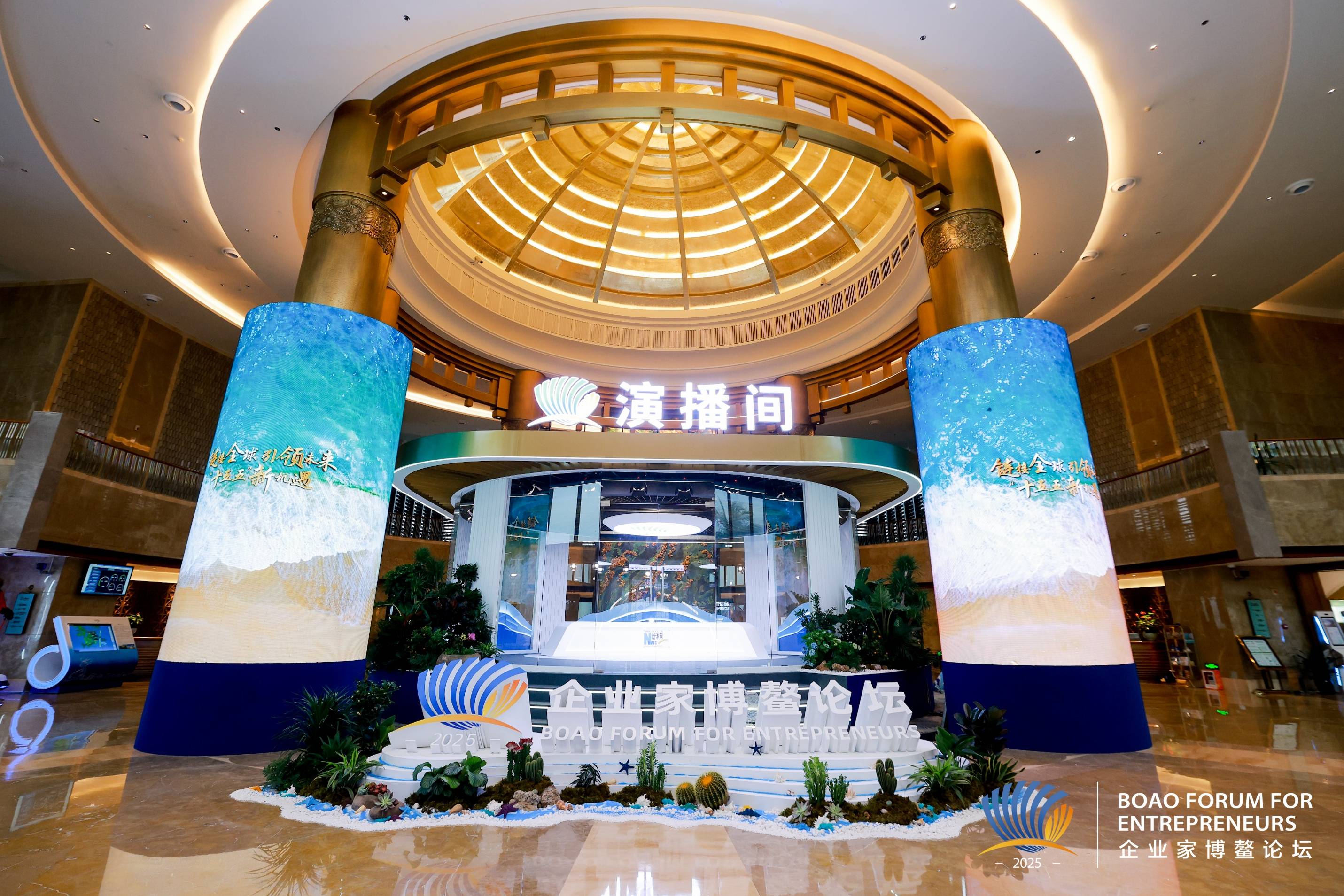
让供给与需求“双向奔赴”——企业家博鳌论坛嘉宾热议消费增长新空间
Sou Hu Cai Jing· 2025-12-04 11:32
Group 1 - A traditional bedding company has transitioned from home products to health services by quantifying sleep quality through sensors, chips, and algorithms, promoting a healthier sleep experience [1] - The Chinese consumer market is undergoing a transformation from "total expansion" to "structural optimization," driven by demand and supply dynamics [4] - The dairy industry is focusing on precision nutrition, with increasing demand for products containing probiotics and whey protein, necessitating more refined processing for higher added value [4] Group 2 - Cheese consumption in China faces challenges in market adaptation, primarily relying on restaurant channels; companies like Yili are innovating to create new growth points by developing crispy cheese snacks for the retail market [4] - The matcha industry is rapidly growing, with domestic production expected to reach around 7,000 tons this year, expanding into various high-value sectors such as baking, beauty, and pharmaceuticals [4] - Consumer demand is becoming increasingly diversified, with emotional value becoming a core demand for many consumers, particularly in the pet industry, which is evolving towards a more humanized and high-end approach [7] Group 3 - The widespread application of artificial intelligence is reshaping consumer market dynamics, with brands like KinuPu utilizing AI to analyze consumer feedback and adapt products to meet differentiated needs [7] - New technologies are enhancing consumer experiences in retail environments, exemplified by Kudi Coffee's use of IoT to standardize coffee preparation across over 18,000 stores [7] - A recent implementation plan by the Ministry of Industry and Information Technology aims to enhance the adaptability of consumer goods supply and demand, encouraging companies to innovate on the supply side to meet diverse consumer trends [8]
国民共“拾”光 2025新消费发展论坛成功举办
Shang Hai Zheng Quan Bao· 2025-12-04 10:26
Group 1 - The forum discussed the transformation of the Chinese consumption market driven by technological innovation, quality upgrades, and cultural confidence, emphasizing the need for companies to adapt and innovate to stay competitive [4] - Health-conscious consumption is becoming a significant force in driving consumption upgrades, with a focus on meeting diverse health needs and fostering related industry development [6] - The tea industry is undergoing a strategic transformation, requiring innovation and integration with tourism and health sectors to enhance cultural value and international competitiveness [8] Group 2 - The food industry in China is transitioning from a phase of rapid growth to a more mature stage, necessitating a shift in growth strategies and product offerings to avoid cyclical pitfalls [10] - A new initiative, the "Food Enterprise Business Network Environment Protection Plan," aims to combat misinformation in the food sector and enhance public awareness of food safety [12] - The launch of the "AI Truth-Seeking Intelligent Agent" represents a significant step in utilizing AI technology to address health and food-related misinformation [14] Group 3 - The "China Alcohol Industry Yearbook (2025)" aims to document the annual development trajectory of the alcohol industry, providing insights into major events, policy changes, and market data [17][20] - The pet industry is evolving from a niche market to a mainstream consumer sector, characterized by emotional, intelligent, and standardized consumption trends [22] - Companies are focusing on product innovation and brand value enhancement to meet the growing demand for specialized and emotional pet products [24] Group 4 - Companies are sharing practices on product innovation and brand building in response to changing consumer preferences, emphasizing health and quality [28][30][32] - The importance of long-term brand building and user-centered approaches is highlighted as essential for navigating market changes [34] - The forum serves as a platform for discussing new opportunities and strategies for businesses in the context of the 14th Five-Year Plan [35]

瑞银:中国消费正在发生结构性变化,关注板块 “阿尔法”投资机会
Xin Hua Cai Jing· 2025-12-03 12:06
Group 1 - The Chinese consumer market is showing significant "differentiation" characteristics, with new consumption sectors like trendy toys, chain tea drinks, high-end gold jewelry, and pet consumption emerging as bright spots despite an overall weak consumption environment [1] - The trendy toy industry has evolved into a "global emotional consumer product" aimed at adults, with Chinese companies facing challenges in leveraging supply chain advantages and localizing products for global markets [1] - The pet economy has maintained double-digit growth in recent years, with a clear trend of consumption upgrading, and despite recent profit pressures from online competition, there remains long-term growth potential for Chinese pet industry companies [1] Group 2 - There is a structural change in Chinese consumption, with some service sectors like high-end tourism and elderly care still facing supply shortages, indicating that consumers are changing their consumption methods rather than reducing consumption [2] - The home appliance sector is one of the fastest-growing areas in consumption, benefiting from subsidy policies implemented since last year, although the effectiveness of these subsidies may be diminishing [2] - The "takeout war" has had a significant impact on the restaurant industry, with leading tea drink companies experiencing substantial order growth in the first half of the year, but the marginal impact of takeout has begun to weaken, leading to some companies facing "increased revenue without increased profit" [2] - Smaller restaurant businesses are more negatively affected by the "takeout war," as they lack bargaining power in negotiations with delivery platforms, resulting in cost pressures that some are unable to sustain [2]
整个社会都在喊没钱了,为什么这些公司反而年赚百亿?
创业家· 2025-12-03 10:19
Core Insights - The article emphasizes that despite the prevailing narrative of economic hardship, certain industries are thriving and generating substantial profits, particularly in the context of Japan's "lost 30 years" and its implications for China [3][4]. Group 1: Economic Trends - The concept of a "low-desire society" does not equate to a lack of opportunities, as consumer behavior is shifting towards different spending patterns [4]. - The article identifies "consumption upgrading" and "demand migration" as significant business opportunities in the current economic landscape [5]. Group 2: Key Industries - The second-hand economy is booming, with examples like Japan's "Daikokuya" and China's "Hongbulin" and "Panghu" seeing significant revenue increases as consumers opt for second-hand luxury goods [6][7]. - The pet economy is on the rise, with brands like "Inaba" in Japan and "Guobao" in China experiencing strong sales growth, reflecting a shift in spending towards pet care products [12][13][14]. - The adult care market is expanding, with Japan's "Unicharm" leading the adult diaper segment, which has surpassed $10 billion in market size [17][18]. - Health food and beverage sectors are thriving due to changing demographics and rising health consciousness, with brands like "Oriental Tree Leaf" and "Jianchun" gaining traction in China [21]. - The beauty economy remains robust, with products like collagen supplements and home beauty devices seeing high sales, indicating a persistent consumer desire for self-improvement [23][24][26]. - Outdoor leisure activities are gaining popularity, with brands like "Kailas" and "Camel" in China experiencing rapid sales growth as consumers seek outdoor experiences [29][31]. - The "lazy economy" is emerging, with increased demand for convenience foods and smart home appliances, as consumers prioritize time-saving solutions over traditional cooking [39][40][42]. Group 3: Market Opportunities - The article suggests that the current economic climate presents opportunities for those willing to invest in counter-cyclical sectors, highlighting the importance of recognizing and seizing these opportunities [44].

大千生态:宠物业务营收占比超三成 控股股东全额认购增发支持公司业务发展
Zheng Quan Shi Bao Wang· 2025-12-03 07:45
Core Viewpoint - The company is actively transforming its business model to expand into the pet services and sales sector, establishing a comprehensive "consumption + service + product" ecosystem to meet diverse pet owner needs [1][2]. Group 1: Business Development - The company has built a full business chain system in the pet sector, covering retail, services, smart hardware, and entertainment, enhancing customer engagement and creating a competitive advantage through resource sharing and cost optimization [1]. - The pet services and sales business generated revenue of 46.30 million yuan, accounting for 30.23% of the company's total revenue for the first nine months of 2025, with a gross profit of 8.28 million yuan and a gross margin of 17.87% [2]. Group 2: Market Outlook - The domestic pet industry is experiencing robust growth, with pet ownership rates increasing from 13% in 2019 to 22% in 2023, and the number of pets rising from 310 million to 430 million, with an annual compound growth rate of 8.2% [2]. - The pet consumption market in China is projected to grow from 170.8 billion yuan in 2018 to 300.2 billion yuan in 2024, with an expected annual growth rate of 7.48%, and is anticipated to exceed 400 billion yuan by 2027 [2]. Group 3: Financial Strategy - The company plans to raise up to 717 million yuan through a private placement of shares, with the funds intended to supplement working capital, demonstrating the controlling shareholder's confidence in the company's future [3]. - The completion of this issuance will strengthen the controlling shareholder's position and provide necessary liquidity for business operations, supporting sustainable growth and enhancing market competitiveness [3].

瑞银最新消费预判:服务消费刺激与旅游结构性变革,谁是2026新引擎?
Mei Ri Jing Ji Xin Wen· 2025-12-02 11:57
Group 1: Consumer Market Trends - The Chinese consumer market is experiencing structural differentiation amid a challenging global consumption environment, with new consumption sectors like trendy toys, high-end jewelry, and pet products showing strong alpha opportunities [1][2] - UBS analysts suggest that while overall consumption growth may continue to slow, the focus of consumption stimulus policies is shifting from home appliance subsidies to service and livelihood sectors [2][3] - The integration of outdoor activities with traditional tourism is creating a complementary effect, enhancing visitor stay duration and stimulating local diverse consumption [1][3] Group 2: Policy and Economic Factors - Macro policies are identified as key variables influencing future consumption, with a potential increase in support for childbirth, welfare for unemployed individuals, and service consumption [2][3] - The upcoming closure of Hainan's free trade port and the expansion of visa-free policies are expected to drive the evolution of China's consumption and tourism market towards higher quality and diversification [1][5] Group 3: Specific Industry Insights - The trendy toy industry is evolving into a global emotional consumer goods market, driven by supply-side innovations and localization capabilities [3] - The pet economy has maintained double-digit growth despite recent online competition pressures, with Chinese pet companies transitioning from OEM to proprietary brands and product innovation [3] - The consolidation of well-known chain restaurants in China is ongoing, with larger companies gaining market share during economic downturns, leading to increased industry concentration [3][4] Group 4: Tourism and Travel Dynamics - The return of Chinese tourists is reshaping the global tourism market, with international visitor flow recovering to pre-pandemic levels, particularly in popular destinations like South Korea [5][6] - The growth of inbound tourism is seen as a new opportunity for the Chinese tourism market, with significant potential for expansion as inbound tourist spending currently represents only 0.5% to 0.8% of China's GDP [7] - Hainan's duty-free industry is poised for development, with recent policy changes leading to a significant increase in sales, particularly among Russian tourists who are contributing to higher margins in high-value goods [6][7]