新茶饮

Search documents
高考季,大家为“好彩头”花了多少钱?
Bei Ke Cai Jing· 2025-06-09 03:31
Core Viewpoint - The high school entrance examination (Gaokao) not only tests students' academic achievements but also serves as a significant marketing opportunity for businesses, with various products and services being tailored to this event [2][3]. Group 1: Marketing Strategies - As the exam approaches, products with homophonic blessings related to success in exams are experiencing a surge in sales, reflecting a cultural trend where consumers seek additional luck [3][5]. - The food and beverage industry is actively participating, with brands like KFC launching "Ding Sheng Cake" (meaning "certain victory") and McDonald's promoting the "Mai Man Fen" meal (homophonic for "full marks") available all day [6][11]. - Apparel brands are also leveraging the exam theme, with Nike and other brands creating products that resonate with exam success, such as T-shirts featuring answer sheet designs and motivational phrases [13][15]. Group 2: Consumer Behavior - Parents are increasingly involved in the exam preparation process, using symbolic clothing and items to express support and alleviate their children's anxiety [25][28]. - The examination period has led to a collective societal effort to support students, with various services like traffic control and discounts for students being implemented [26][28]. - The examination certificate has transformed into a valuable item post-exam, serving as a discount voucher for various services, including entertainment and dining [19][21].


行业首现零农残,喜茶“一根筋”死磕原料上游的背后
Bei Ke Cai Jing· 2025-06-09 01:31
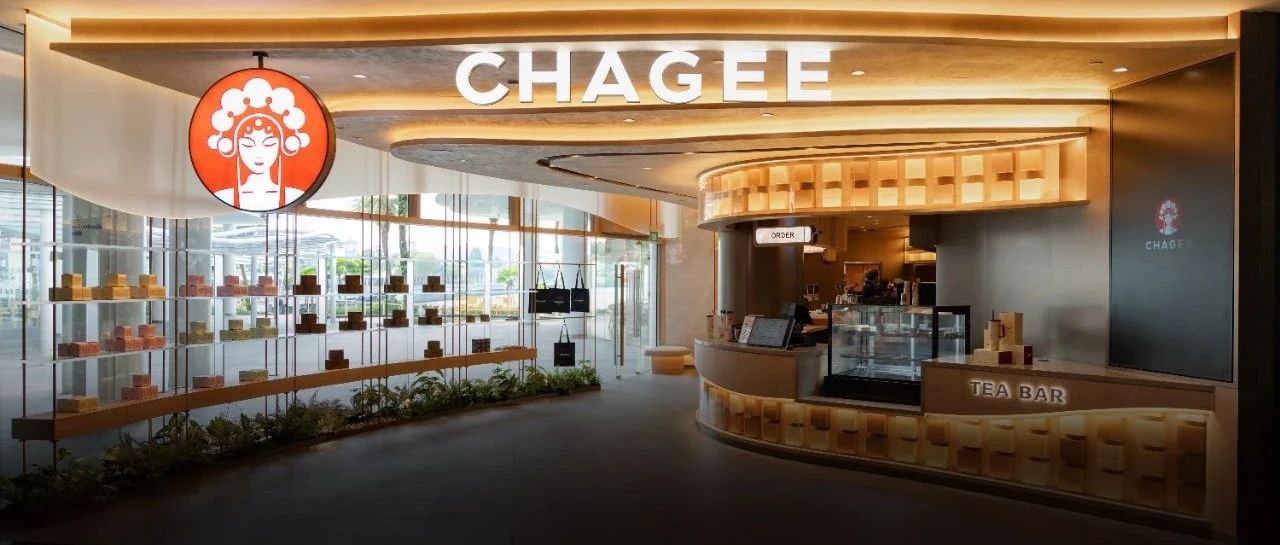
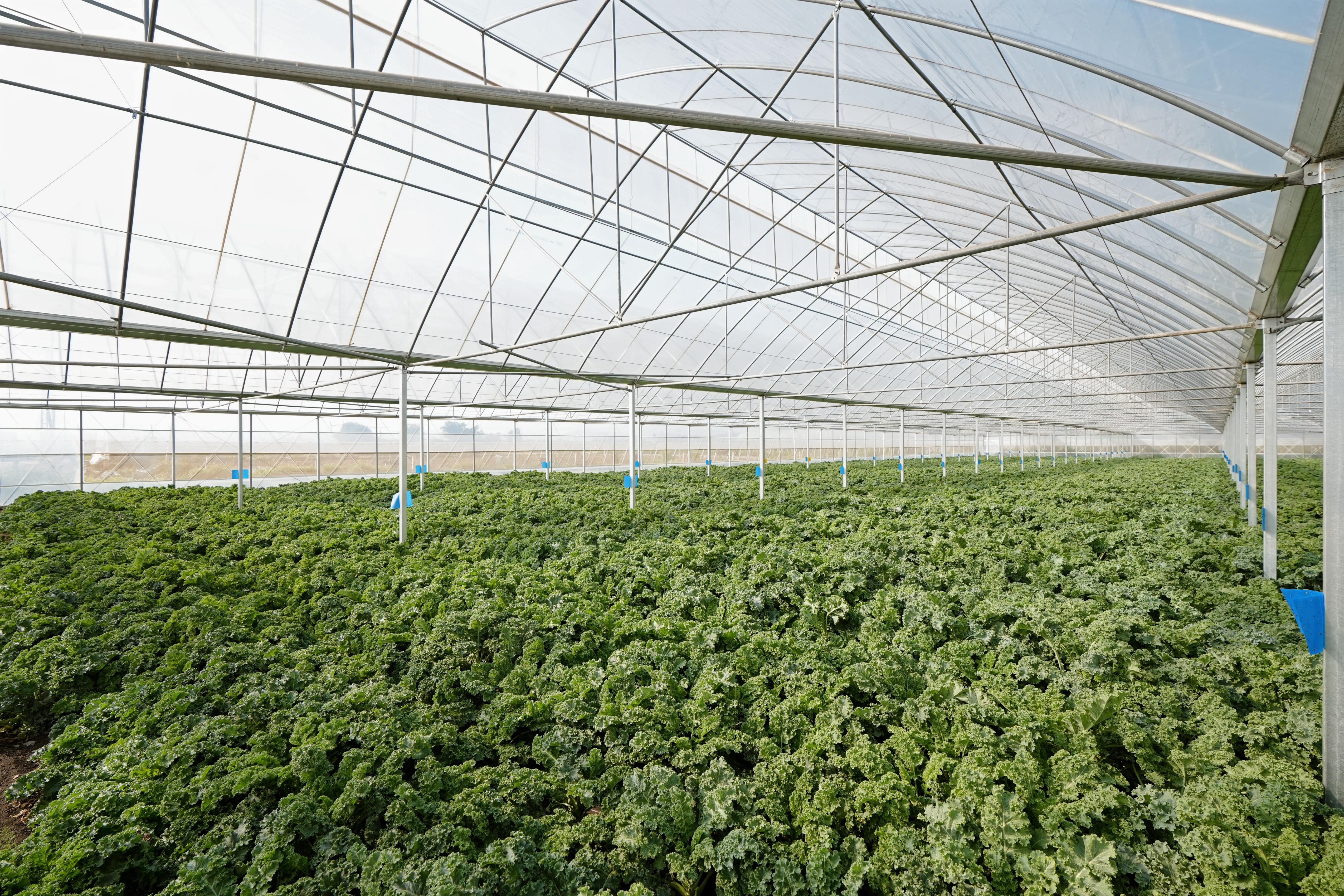
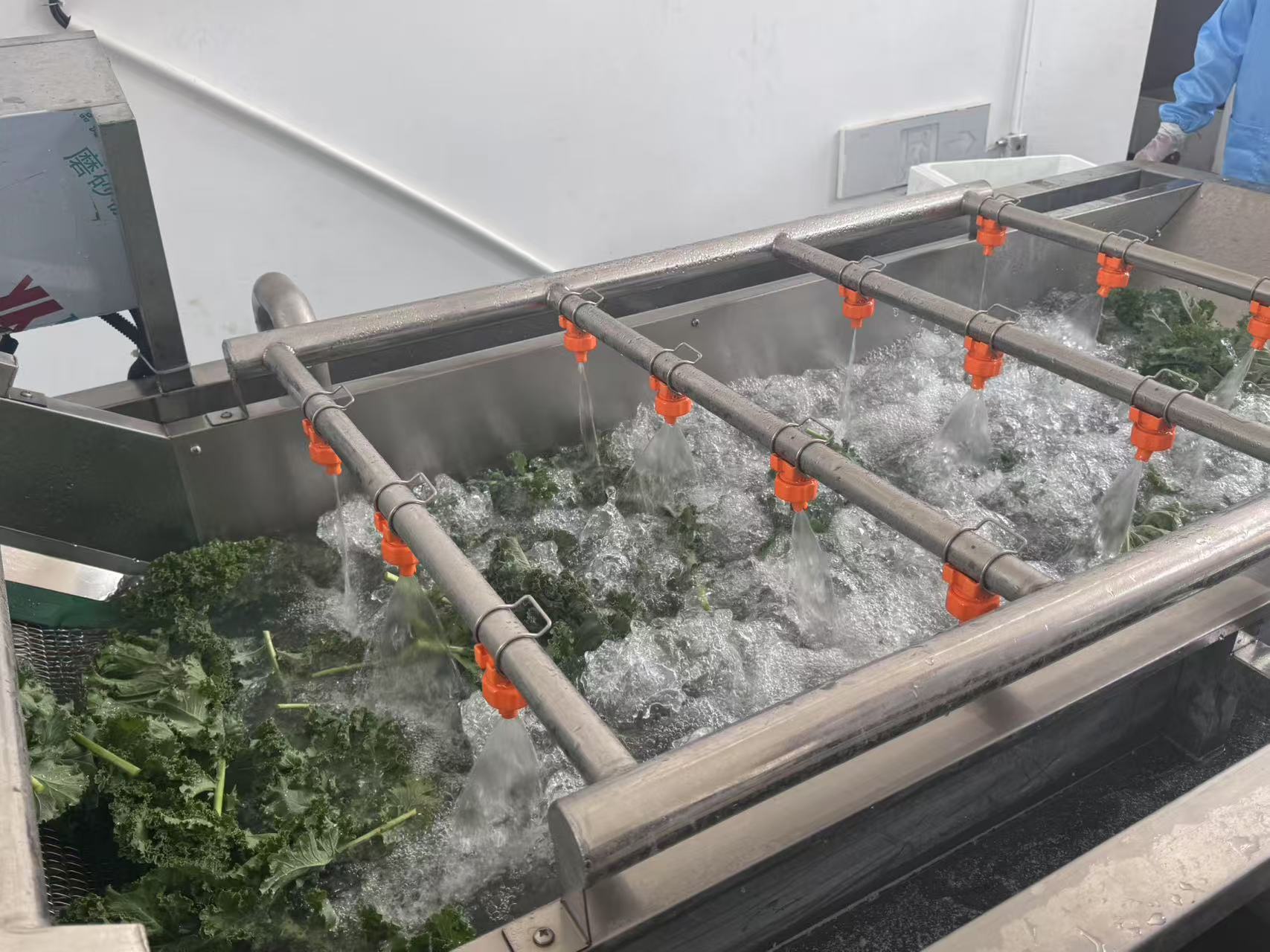
Core Viewpoint - The article highlights how Heytea has successfully implemented a differentiated strategy by focusing on upstream supply chain management to achieve zero pesticide residue in its kale sourcing, thereby enhancing product quality and safety in the competitive new tea beverage industry [1][10][33]. Group 1: Supply Chain Management - Heytea has established a kale planting base in Yunnan Shiping, leveraging the region's unique climate and soil conditions to produce high-quality kale [11][19]. - The company has implemented modern agricultural facilities and biological pest control techniques to ensure zero pesticide residue, including the use of plant-based pesticides and organic fertilizers [11][19]. - Heytea's supply chain strategy includes a shift from standard procurement to customized planting, allowing for better control over raw material quality and traceability [23][25]. Group 2: Product Innovation - The introduction of the "Kale Slimming Bottle," a plant-based tea product featuring kale, has sparked a trend in the new tea beverage industry, leading to significant sales and increased consumer interest [7][10]. - The demand for kale has surged, with prices rising from a few yuan per pound in 2023 to 20-30 yuan per pound, and market share increasing from 5% to 55% [10][14]. - Heytea continues to innovate by incorporating other super plants and regional specialty ingredients into its product offerings, enhancing the brand's health-focused image [30][33]. Group 3: Industry Trends - The new tea beverage industry is evolving from a focus on volume competition to a deeper emphasis on quality, as companies like Heytea seek to differentiate themselves in a saturated market [28][33]. - The trend of "customized planting" is emerging as a key strategy for new tea beverage companies to ensure stable supply and improve product quality [15][25]. - Heytea's commitment to quality and natural ingredients reflects a broader shift in consumer preferences towards healthier and more transparent food options [29][33].
三大指数有所回调,港股市场6月再迎三支新股上市|港股一线
2 1 Shi Ji Jing Ji Bao Dao· 2025-06-09 01:21
Market Overview - The Hong Kong stock market indices experienced an overall increase during the week of June 2-6, with the Hang Seng Index rising over 600 points, closing at 23,792.54, a weekly increase of 2.16% [1] - The Hang Seng Tech Index and the China Enterprises Index also saw gains of 2.25% and 2.34%, respectively [1] Investment Outlook - HSBC's Chief Investment Officer for Asia, Fan Zhuoyun, predicts a target price of 25,830 for the Hang Seng Index this year, indicating further upside potential [1] - There is a notable shift in international investors' attitudes towards Chinese assets, particularly as they seek opportunities outside the U.S. amid policy uncertainties [1] Foreign Investment Trends - HSBC has observed an inflow of foreign capital into the Hong Kong stock market, although the overall scale remains below historical highs, suggesting significant room for growth in foreign investment [1] - The focus of foreign investments is primarily on the artificial intelligence sector and high-yield stocks [1] New IPOs - Three new stocks, Xin Qi An, Rong Da Technology, and Yuan Guang Technology, are set to be listed on the Hong Kong Stock Exchange on June 10 [3] - Yuan Guang Technology's IPO saw a strong market response, with over 300 times oversubscription during the public offering phase [3] - Xin Qi An and Rong Da Technology are also expected to raise over 220 million HKD each through their IPOs [3] Consumer Sector Performance - Several new consumer stocks have seen significant price increases, with Gu Ming, Mao Ge Ping, Mi Xue Group, and Bu Lu Ke reaching historical highs [4][5] - Gu Ming's stock has risen over 165% since its listing, with a reported revenue of 8.791 billion RMB and a net profit increase of 36.2% year-on-year [4] - Mi Xue Group has surpassed 46,000 global stores, becoming the largest chain in the coffee and tea industry, with a stock increase of 136% since its IPO [5] Stablecoin Regulation - The Hong Kong government announced that the Stablecoin Regulation will take effect on August 1, 2025, establishing a licensing system for stablecoin activities [6] - The regulation aims to provide a framework for the sustainable development of the stablecoin and digital asset ecosystem in Hong Kong [6] Stock Market Reactions - Companies involved in stablecoin issuance are expected to benefit directly from the new regulation, with Zhong An Online's stock rising over 86% during a recent period due to its partnership with stablecoin issuers [7]
价格暴涨的羽衣甘蓝背后: 新茶饮企业为何转向定制化种植
Di Yi Cai Jing· 2025-06-07 11:29
Core Insights - Kale has transformed from a niche ingredient in Western cuisine to a popular raw material in the new tea beverage industry in China since the Tokyo Olympics, with over 30 kale-based drinks currently available on the market [1] - The demand for kale has surged, leading to a significant price increase from single-digit prices per pound in 2023 to 20-30 yuan per pound [1] - Companies like Heytea are raising their standards for raw materials, opting for customized, zero-residue kale to meet the quality demands of the new tea beverage sector [1][4] Industry Trends - The expansion of kale cultivation is underway, with a focus on exploring different varieties and quality improvements [1] - Heytea's kale is sourced from a unique growing environment in Yunnan, benefiting from a favorable microclimate and rich soil conditions [3] - The company implements rigorous quality control, including over 800 third-party pesticide residue tests to ensure compliance with national and European standards [4] Supply Chain Dynamics - The shift from standard procurement to customized planting reflects the evolving needs of new tea beverage companies, which require specific fruit characteristics for their products [4][5] - Heytea's procurement strategy now involves deep engagement in the cultivation process, including setting planting standards and managing harvests to ensure optimal quality [4][5] - This trend benefits not only the beverage brands but also local farmers, providing them with stable sales and pricing through long-term contracts with new tea beverage companies [5]
《中国独角兽排行榜2025》出炉 书亦烧仙草实力上榜
Cai Fu Zai Xian· 2025-06-06 05:07
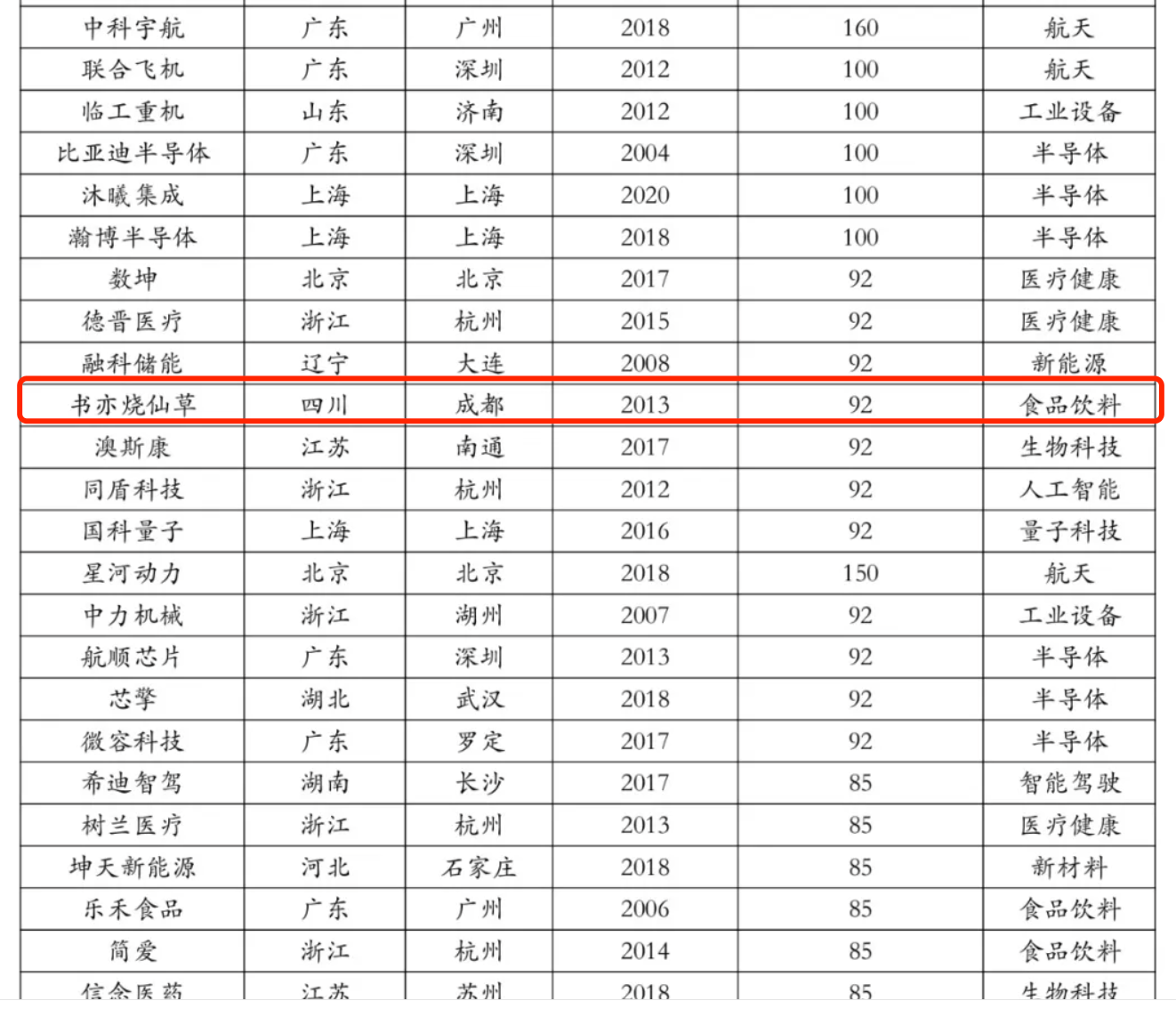
Core Insights - The "China Unicorn List 2025" has been released, showing that the total valuation of Chinese unicorn companies reaches 8.46 trillion yuan, with six companies from Chengdu listed, including Shuyi Burnt Grass [1] Company Overview - Shuyi Burnt Grass, a representative of the new tea beverage industry, is recognized for its innovative business model and product offerings, reflecting the market's optimism towards the new tea beverage sector [1][5] - The company has expanded from its first store in 2007 to over 5,200 stores in 18 years, focusing on a big product category and optimizing its product structure [2] Market Potential - The Chinese ready-to-drink tea market is expected to exceed 368.9 billion yuan by 2025, driven by consumption upgrades and digital empowerment [1] - Shuyi Burnt Grass has established over 30 cooperative planting bases and a nationwide logistics system, ensuring a standardized and traceable supply chain management [3] Product Innovation - The company has launched various health-oriented products, including the "White Moonlight Fruit Tea" series and "Golden Orange Lemonade," which have received positive feedback on social media [3] - Recent product launches, such as the "Orange Mountain Tea Flower" and "Yangmei" series, have achieved significant sales, with the former selling 1 million cups in 40 hours [3] Recognition and Future Outlook - Being listed as a unicorn is a recognition of Shuyi Burnt Grass's 18 years of industry dedication and its future growth potential [5] - The company's success is attributed to the synergy of product strength, supply chain management, and brand development, positioning it for continued innovation in the beverage market [5]
霸王茶姬距离“东方星巴克”有多远?
财富FORTUNE· 2025-06-05 13:02
Core Viewpoint - The financial report of Bawang Chaji, released on May 30, shows a steady performance post-IPO, but growth rates are slowing compared to previous years, indicating potential challenges ahead [1][3]. Group 1: Financial Performance - As of March 31, 2025, Bawang Chaji reported a global store count of 6,681, with 169 overseas locations. The quarterly revenue reached 3.39 billion yuan, a year-on-year increase of 35.4%, while net profit was 677 million yuan, up 13.8% [1]. - The net profit margin has declined compared to the same period last year, suggesting pressures on profitability despite revenue growth [1]. - The revenue figures for the past three years were 492 million yuan in 2022, 4.64 billion yuan in 2023, and 12.41 billion yuan in 2024, highlighting a significant slowdown in growth [1]. Group 2: Strategic Development - Bawang Chaji's growth strategy relies on three pillars: ongoing global expansion, differentiated product innovation, and a healthy user ecosystem. The brand has been expanding internationally since 2019, with significant presence in Southeast Asia [3]. - The overseas market's total GMV reached 178 million yuan, reflecting an 85.3% year-on-year growth, with 13 new overseas stores opened in Q1 2025 [3]. Group 3: Market Position and Challenges - Bawang Chaji became the first new tea brand to list on NASDAQ on April 17, 2025, with an initial market capitalization of 5.954 billion USD. However, the stock has experienced volatility, including a drop of 10.88% on May 13, 2025 [4]. - The company faces challenges due to geopolitical tensions and rising costs, prompting plans for localizing supply chains and establishing a raw material processing center at the US-Mexico border [4][5]. - The brand aims to become the "Eastern Starbucks," requiring adaptation to diverse consumer preferences beyond the Chinese demographic, particularly in the US market [5]. Group 4: Product Development and Innovation - Bawang Chaji is increasing its investment in product development, with administrative expenses rising by 62.1% year-on-year to 352.8 million yuan, primarily for R&D and talent acquisition [5]. - The tea latte series contributed 91% to GMV in 2024, indicating a heavy reliance on a few best-selling products [5]. Group 5: Expansion Goals - The company aims to open 1,000 to 1,500 new stores globally in 2025, indicating a strong commitment to expansion despite the challenges faced [6].

外卖大战持续加码即时零售,顺丰同城端午全场景即配单量高增
Zhong Guo Chan Ye Jing Ji Xin Xi Wang· 2025-06-04 08:33
Group 1 - The consumption market during the Dragon Boat Festival is thriving, with 119 million domestic trips made, a year-on-year increase of 5.7%, and total spending reaching 42.73 billion RMB, up 5.9% [1] - Instant delivery services have effectively met the demand for personalized gifting during the festival, with significant growth in orders for cakes and flowers, particularly through the "one-to-one" delivery model [2][5] - The competition among food delivery platforms continues to intensify, with companies like Taobao, JD, and Meituan offering promotions to expand instant retail consumption scenarios, benefiting third-party delivery services [7] Group 2 - The demand for beverages, fast food, and supermarket goods has surged, with instant delivery services playing a crucial role in supporting holiday consumption [7][8] - Collaboration with major retail brands like Sam's Club and Yonghui Supermarket has led to significant growth in order volumes across various categories, ensuring that essential items are readily available for consumers [8] - The integration of diverse instant delivery services has revitalized traditional holiday experiences, allowing consumers to enjoy both at-home celebrations and immersive cultural activities [8]
电商平台新战事:新需求呼唤新供给
Sou Hu Cai Jing· 2025-06-04 07:14
Group 1: Changing Consumer Landscape - The Chinese consumer landscape is undergoing significant changes, with examples from various sectors indicating that consumers are willing to spend, but only for quality experiences [2] - The rise of new tea beverage brands like Mixue Ice City and Ba Wang Cha Ji illustrates the demand for both affordability and premium offerings, with Mixue selling 9 billion cups at 5 yuan each and Ba Wang selling 600 million cups at 20 yuan each [2] - The film industry also reflects this trend, as evidenced by the performance of "Ne Zha 2," which has grossed over 15.8 billion yuan despite a lackluster performance from other films during the same period [2] Group 2: E-commerce Evolution - E-commerce platforms are focusing on improving the business environment and upgrading supply to meet diverse consumer needs, marking a new era of e-commerce equality [3][4] - The rapid growth of e-commerce in China has transformed economic relationships between urban and rural areas, allowing for greater access to a variety of products [5][6] Group 3: Supply and Demand Equality - E-commerce has democratized consumption opportunities, enabling rural consumers to access a wider range of products and prices, particularly through platforms like Pinduoduo and Douyin [5][6] - The emergence of e-commerce has allowed rural producers to reach national and global markets, significantly reducing information gaps and promoting consumption equality [8] Group 4: Changing Consumer Demands - Consumer demands are becoming increasingly segmented, with varying preferences based on income levels and regional differences, highlighting the need for e-commerce platforms to adapt [9][10] - The rise of diverse consumer needs presents opportunities for e-commerce platforms to innovate and upgrade their offerings [10] Group 5: Supply-Side Upgrades - E-commerce platforms are investing heavily in merchant support to drive supply-side upgrades, with initiatives from Douyin and Pinduoduo aimed at reducing costs for merchants [11] - Pinduoduo's "100 Billion Support" plan aims to invest over 100 billion yuan in the next three years to enhance the quality of the e-commerce ecosystem [11] Group 6: Market Dynamics - The traditional e-commerce model has led to a "Matthew Effect," where larger brands dominate market share, making it difficult for smaller players to compete [12][14] - Small and medium-sized businesses face challenges in advertising and marketing, which can hinder their ability to innovate and compete effectively [14] Group 7: Consumer Perception of Value - There is a misconception that higher prices equate to better quality, but this is not always the case, as demonstrated by various product examples [16] - The focus should be on providing good supply at reasonable prices, rather than solely on brand recognition or high price points [16] Group 8: E-commerce Growth and Challenges - The evolution of China's e-commerce market has been rapid, with online retail sales now surpassing those of the US and UK combined [20] - The current challenge for e-commerce platforms is to adapt to increasingly fragmented and personalized consumer demands, necessitating a rethinking of supply and demand dynamics [23]


多重因素加持 港股打新赚钱效应回升
Zheng Quan Ri Bao· 2025-06-03 16:27
Core Viewpoint - The Hong Kong IPO market has seen a significant revival in 2023, with total fundraising reaching HKD 77.36 billion as of June 3, 2025, driven by strong demand for new listings and favorable market conditions [1] Group 1: IPO Performance - CATL (宁德时代) leads the fundraising with HKD 41 billion, accounting for 53% of the total IPO amount this year [1] - A total of 28 new stocks have been listed this year, with a first-day failure rate of 53.57%, while the median first-day gain is 13.3%, significantly higher than that of Hong Kong Stock Connect companies [1] - The first-day performance of A-share companies listed in Hong Kong has been strong, with CATL rising 16.43%, and other companies like Hengrui Medicine and Jihong shares also showing notable gains [3] Group 2: Subscription Trends - The IPO market has experienced high oversubscription rates, with CATL's public offering seeing over 120 times subscription and Hengrui Medicine achieving 454.85 times [2] - The new tea drink brand Mixue Group achieved an extraordinary subscription rate of 5,324 times, indicating strong investor interest [2] - Ten new stocks have seen first-day gains exceeding 20%, with notable performances from companies like Yingen Biotechnology and Mixue Group [2] Group 3: Market Environment and Regulations - The Hong Kong Stock Exchange has implemented the FINI platform to shorten the time from pricing to trading from five business days to two, enhancing the IPO process [4][5] - The participation of retail investors remains high, but their success rate in winning allocations is generally below 10%, while institutional investors have a higher success rate [5][6] - Recent regulatory changes have shifted the allocation of shares, favoring institutional investors in the pricing process, which may lead to more efficient pricing and reduced volatility post-listing [6][7]


一季度继续领跑,霸王茶姬的「韧性」从何而来?
36氪· 2025-06-03 13:06
Core Viewpoint - The growth story of the company continues, demonstrating resilience in a competitive market despite some performance concerns [2][27]. Financial Performance - In Q1 2025, the company reported total revenue of 3.39 billion RMB, a year-on-year increase of 35.4%, with net profit reaching 680 million RMB, up 13.8% [5][9]. - The total number of stores expanded to 6,681, a 63.6% increase from the previous year, with a significant contribution from franchised stores [2][8]. - The company's gross merchandise volume (GMV) reached 8.23 billion RMB, reflecting a 38.0% year-on-year growth [2][8]. Growth Drivers - The growth is attributed to three main factors: 1. Continued domestic store expansion, increasing from 3,989 to 6,512 stores, leading to a 37.2% GMV growth [6]. 2. A healthy user ecosystem that improved customer repurchase rates, with registered members growing by 109.6% to 192.4 million [6]. 3. Rapid overseas market expansion, with overseas stores increasing from 94 to 169, contributing to an 85.3% increase in overseas GMV [6][22]. Profitability - The company achieved an operating profit of 820 million RMB, a 16.3% increase, with a net profit margin of 20.0% [9][10]. - The gross margin stood at 53.1%, significantly higher than the industry average of around 30% [10]. Challenges - Despite healthy growth, the company faced challenges such as a decline in same-store sales and a drop in net profit margin by 3.7 percentage points [11][12]. - The average monthly GMV per store decreased to 432,000 RMB, indicating a need for strategic adjustments [12]. Market Position and Strategy - The company is focusing on product differentiation and innovation to maintain its competitive edge in a maturing market [16][17]. - Plans include deepening the core product line of "fresh milk tea" and exploring new tea categories to attract a broader consumer base [19][20]. International Expansion - The company has accelerated its overseas expansion, particularly in Southeast Asia, where the market is still growing rapidly [22][24]. - As of Q1 2025, the company had 169 overseas stores, with significant sales performance in new markets like Indonesia and the U.S. [24]. Valuation Perspective - The company is currently undervalued with a price-to-earnings ratio of 15, compared to the industry average of 37, indicating a potential for investment growth [29].