食品饮料

Search documents
分拆计划暂停 卡夫亨氏冲刺盈利性增长
Xin Lang Cai Jing· 2026-02-23 16:32
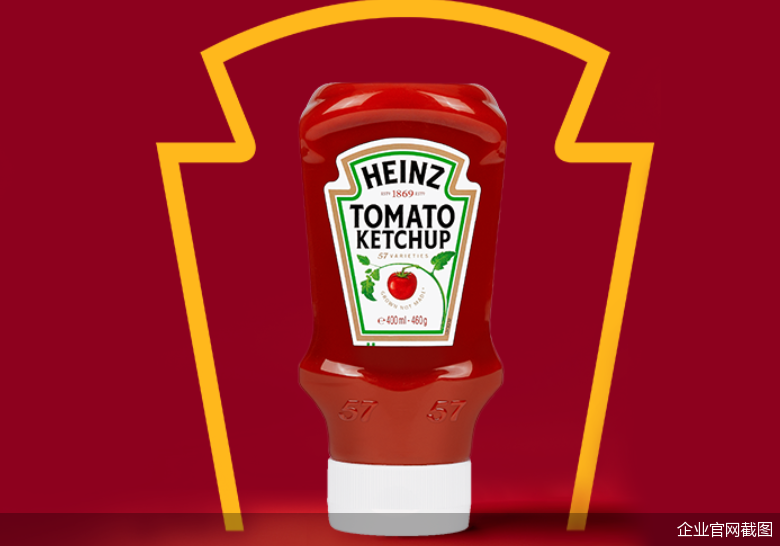
Core Viewpoint - Kraft Heinz has paused its plan to split into two independent companies, reallocating approximately $600 million intended for the split towards marketing, sales capability building, R&D, product quality improvement, and strategic pricing adjustments [1][3]. Group 1: Business Strategy - The original plan aimed to simplify the business structure and enhance brand resource allocation and profitability by splitting into a North American grocery company and a global flavor enhancement company by the second half of 2026 [3]. - New CEO Steve Cahillane emphasized the need to restore profitable growth and stated that pausing the split is a prudent decision given the current unfavorable external environment [3][4]. - The decision to halt the split is seen as a strategic move to stabilize core operations amidst increasing competition in the food industry [4]. Group 2: Management Changes - Nicolas Amaya will take over as the head of North American operations on February 23, 2026, succeeding Pedro Navio [4]. - Amaya has extensive experience in managing brands and markets, which is expected to benefit Kraft Heinz's largest market [4]. Group 3: Financial Performance - Kraft Heinz reported a revenue of $24.9 billion for 2025, a decline of 3.5% year-over-year, with a net loss of $5.8 billion and an organic net sales decrease of 3.4% [5]. - Sales volume dropped by 4.1%, exacerbating the decline compared to the previous year's 3.5% decrease, with North American and international developed markets experiencing declines [5]. Group 4: Future Plans - The company plans to increase R&D investment by approximately 20% in 2026 compared to 2025 and raise marketing investment to about 5.5% of net sales [6]. - The combination of R&D and pricing strategy investments is aligned with industry competition logic, aiming to enhance product superiority and competitive differentiation [6].



春节“不打烊” 成都工业企业按下复工复产“加速键”
Zhong Guo Xin Wen Wang· 2026-02-23 14:55
Core Viewpoint - Chengdu's industrial enterprises are rapidly resuming production after the Spring Festival, aiming for a strong start in the first quarter of the industrial economy [1][6]. Group 1: Industrial Recovery - Key industrial enterprises in Chengdu are leading the recovery efforts, quickly resuming production and releasing capacity to accelerate the overall industrial recovery [3][4]. - Chengdu Bamo Technology Co., Ltd. maintained 24-hour continuous operation during the Spring Festival, fully booking its orders for the first quarter [3]. - COFCO Coca-Cola Sichuan Company resumed operations on the second day of the new year, achieving full production on the first day back, producing 237,000 items, matching regular capacity levels [3]. Group 2: Production Efficiency - Chengdu Tianma Precision Machinery Co., Ltd. resumed operations on the third day of the new year and achieved 70% of normal production capacity in February, significantly improving efficiency compared to previous years [4]. - Various districts and industrial parks in Chengdu are collaborating to enhance the recovery process, showcasing a multi-faceted and accelerated recovery trend [4]. Group 3: Technological Advancements - "Chengdu-made" robots are playing a crucial role in enhancing production efficiency and supporting the recovery process, demonstrating the importance of new productivity in high-quality development [4][5]. - The industrial robots produced by Chengdu Kanopu Robot Technology Co., Ltd. are being exported to over 40 countries, showcasing Chengdu's manufacturing capabilities on a global scale [4]. Group 4: Policy Support - Chengdu's government has implemented various supportive policies to facilitate the recovery and efficiency of industrial enterprises, ensuring a smooth resumption of operations [5][6]. - The Chengdu Economic and Information Commission has actively engaged with enterprises to understand their production needs and challenges, promoting measures to support employees and ensure operational continuity [5].

A股策略周报:节后主线将更加清晰-20260223
SINOLINK SECURITIES· 2026-02-23 13:49
Global Assets: Rebalancing Continues - The current market rebalancing is based on internal and external recovery, with AI trading entering its second phase, leading to a focus on the actual impact of AI on various industries [3][13] - From February 16 to February 20, 2026, global risk assets showed an overall upward trend, but internal performance was mixed, with industrial, financial, and energy sectors gaining favor [3][13] - The focus has shifted from whether AI is a bubble to identifying the real industrial impacts and critical supply-demand issues as AI transitions from a thematic to a macro factor [3][13] Manufacturing Cycle Further Rising - The U.S. GDP data for Q4 2025 showed slower growth primarily due to government spending disruptions, while AI-related investments remained strong [4][25] - Non-AI and residential investment growth is showing signs of bottoming out, indicating a broader recovery in investment activities beyond just AI [4][25] - The February manufacturing PMI data indicated a recovery in global manufacturing, with Europe exceeding expectations and the U.S. maintaining expansion, suggesting a positive trend in manufacturing cycles [4][25][34] Commodities: Transitioning from Financial Overtrading to Industrial Pricing - Recent fluctuations in industrial and precious metals prices are attributed to macro and industrial events, with a return to real supply-demand signals expected [5][44] - Geopolitical risks continue to support industrial metal prices, while demand from tech giants for AI investments remains robust, indicating a potential new support for demand [5][44] - Historical data suggests that current copper and aluminum price ratios are low compared to historical manufacturing PMI levels, indicating potential for price recovery [5][44][45] Focus on Global Physical Assets vs. Chinese Assets - The core of market rebalancing is not about the existence of an AI bubble but rather the macro impacts of AI combined with monetary and major country policy choices [6][56] - The relative smooth path for future U.S. interest rate cuts is expected to support the recovery of the global manufacturing cycle, which may lead to a revaluation of Chinese asset capacity [6][56] - Specific investment recommendations include physical assets like copper, aluminum, and oil, as well as sectors benefiting from capital inflows and consumption recovery in China [6][56]
天南海北新年味|出行热、票房红、“逛吃”忙 从沪市上市公司透视新春消费“马力十足”
Xin Hua Cai Jing· 2026-02-23 13:22
th 7 R t 新华财经上海2月23日电(记者杜康)春节长假临近尾声,今年春节档拥有9天"史上最长假期"的加持,给消费注入十足动力。来自部分沪市公司的数据显 示,今年春节期间出行、票房等数据都释放了积极信号,同时,文旅、白酒、食品等公司也借助"年味"加速文旅融合或强化互动,助力消费"开足马力"。 从机场"热力图"到影院"人气榜" 节日消费数据迎来"开门红" 春节长假期间,机场客流量持续增长。2月20日,上海机场单日客流量达到42.49万人次,其中浦东机场27.57万人次、虹桥机场14.92万人次,同比增长 6.4%,创下历史新高,迎来新年"开门红"。上海机场预计,今年春运期间,上海浦东、虹桥两场的航班量将达到9.6万架次,同比增长1.9%;旅客吞吐量达 到1553万人次,日均38.8万人次,同比增长3.6%。 今年春运,随着我国免签"朋友圈"再扩大,以及北方冰雪游、南方避寒游热度持续走高,上海机场客流量持续增长。快报数据显示,自2月2日春运启动至2 月20日,上海机场共保障进出港航班超4.6万架次,其中浦东机场3.1万架次、虹桥机场1.5万架次,同比增长2.7%;保障进出港旅客743.4万人次,其中浦东 机 ...

转债事件点评:把握春季行情下半场
GUOTAI HAITONG SECURITIES· 2026-02-23 13:08
Core Insights - The report suggests adopting a "steady first, with growth in mind" approach to maintain gains in the second half of the spring market and to reserve space for future positioning [2][15] - The spring market of 2026 began on December 17, 2025, driven by favorable policies and early capital allocation, leading to a strong performance in the A-share market, with the Shanghai Composite Index achieving 17 consecutive days of gains [9][13] - The convertible bond market experienced rapid growth followed by volatility, with median prices and conversion premiums reaching historical highs, indicating a significant reduction in the safety cushion of bonds [9][10] Market Trends - Historical data from 2017 to 2025 indicates that the market typically experiences a "rise then fall" pattern from the Spring Festival to the National People's Congress (NPC) [13][14] - The report highlights that during the period from the Spring Festival to the NPC, the market is likely to see a "spring surge," with small-cap growth stocks outperforming, particularly in TMT and high-end manufacturing sectors [13][14] - As the NPC approaches, the market may shift towards defensive sectors like pharmaceuticals and utilities, with high valuations in convertible bonds facing potential compression due to stock adjustments [13][14] Investment Strategy - The report recommends a balanced investment strategy, transitioning from aggressive profit-seeking to balancing returns and risks as the market moves into the NPC and Q1 earnings preview phase [15] - It emphasizes the importance of selecting convertible bonds with solid performance and reasonable pricing, while also considering high-quality, high-priced convertible bonds with clear growth prospects [15] - The report identifies sectors such as AI computing, semiconductors, non-ferrous metals, and post-cycle industries like consumption and real estate as favorable for convertible bonds due to improving supply-demand dynamics and favorable policy catalysts [15]
购买力持续下降 日元实际有效汇率指数创53年来新低
Bei Jing Shang Bao· 2026-02-23 12:25
Group 1 - The actual effective exchange rate index of the Japanese yen has reached a 53-year low, indicating a continuous decline in the purchasing power of the yen [1][6] - The index fell to 67.73 in January 2023, the lowest level since Japan adopted a floating exchange rate system in 1973 [1] - The persistent decline in the yen's purchasing power is attributed to structural issues in the Japanese economy and passive macroeconomic policy adaptations [4][6] Group 2 - Japan's economic growth momentum is insufficient, leading to stagnant productivity and industrial upgrades, which fail to support the actual value of the currency [4] - The long-term maintenance of extremely low interest rates aimed at stimulating the economy has compressed the returns on holding yen, reducing international capital's willingness to hold yen [4] - A survey indicated that from January to April 2026, 3,593 food items in Japan are expected to increase in price, with an average increase of 14% [4] Group 3 - In 2025, Japan's average monthly real wages decreased by 1.3% after adjusting for inflation, marking the fourth consecutive year of decline [5] - The nominal cash wages increased by 2.3% in 2025, but the consumer price inflation rate of 3.7% outpaced wage growth, leading to a continued decline in real income [5] - Japan's manufacturing sector is facing challenges due to the relocation of production, resulting in decreased export competitiveness and a normalized trade deficit [5][6] Group 4 - Japan's GDP experienced a decline of 1.8% in Q3 2025, marking the first negative growth in six quarters, influenced by external demand and minimal growth in personal consumption [5][6] - The aging population and labor shortages are contributing to rising business costs and further shrinking the consumer market, weakening the internal growth dynamics of the economy [6] - The yen's decline reflects not just market fluctuations but also exposes deep-rooted structural issues within the Japanese economy, including crises in currency credibility, industrial competitiveness, and institutional vitality [6]

分拆计划暂停,卡夫亨氏冲刺盈利性增长
Bei Jing Shang Bao· 2026-02-23 12:18
Core Viewpoint - Kraft Heinz has paused its plan to split into two independent companies, reallocating approximately $600 million intended for the split towards marketing, sales capability building, R&D, product quality improvement, and strategic pricing adjustments [2][3]. Group 1: Business Strategy - The original plan aimed to simplify the business structure and enhance brand resource allocation and profitability by splitting into a North American grocery company and a global flavor enhancement company by the second half of 2026 [2]. - New CEO Steve Cahillane emphasized the need to focus all resources on operational plans to restore profitable growth, indicating that the current external environment is not conducive to proceeding with the split [2][3]. - The decision to pause the split is seen as a prudent strategy to minimize costs associated with the separation, which could include legal, tax, and system separation expenses [3]. Group 2: Management Changes - Nicolas Amaya will take over as the head of North American operations on February 23, 2026, succeeding Pedro Navio, reflecting a shift in management to stabilize the core business [3]. Group 3: Financial Performance - Kraft Heinz reported a revenue of $24.9 billion for 2025, a decline of 3.5% year-over-year, with a net loss of $5.8 billion and an organic net sales decrease of 3.4% [4]. - Sales volume fell by 4.1%, exacerbating the decline compared to the previous year's 3.5% drop, with declines in both North America and developed international markets, partially offset by growth in emerging markets [4]. - The company plans to increase R&D investment by approximately 20% and marketing investment to about 5.5% of net sales in 2026, aiming to enhance product quality and pricing strategies [4].
产品创新+场景深耕 深市消费类上市公司发力春节消费市场
Zheng Quan Ri Bao Wang· 2026-02-23 10:59
Group 1 - The core viewpoint of the articles highlights the robust performance of consumer companies listed on the Shenzhen Stock Exchange during the 2026 Spring Festival, driven by product innovation, diverse marketing strategies, and global expansion efforts [1][6] - The consumer market experienced a significant boost, with a notable increase in sales of smart wearable devices by 130%, smart blood pressure monitors and blood glucose meters by over 60%, and organic food by 52% during the festival [2] - Companies like Sanquan Foods and Yanjing Beer leveraged product innovation and extensive advertising to enhance brand recognition and meet consumer demands for quality and health during the festive season [3][4] Group 2 - Sanquan Foods introduced a low-fat dumpling product with a calorie count of 350 kcal per package, aligning with health-conscious consumer trends [2] - Yanjing Beer emphasized multi-dimensional advertising strategies to strengthen brand influence and prepare for market expansion in the new year [3] - Home appliance companies such as Hisense and TCL capitalized on the "replace old with new" policy, launching innovative products and promotional campaigns to stimulate consumer demand for home appliances [4][5]





新春消费“马”力全开,深市消费龙头活力迸发
Bei Jing Ri Bao Ke Hu Duan· 2026-02-23 09:57
Group 1: Consumer Market Dynamics - The domestic consumption market showed robust vitality during the 2026 Spring Festival, driven by various promotional activities and favorable policies, injecting strong momentum into the annual economic development [1] - Consumer enterprises are expected to achieve a continuous performance recovery this year, supported by a strong start during the Spring Festival consumption peak [1] Group 2: Advertising and Brand Promotion - Yanjing Beer significantly expanded its advertising channels during the Spring Festival, enhancing brand awareness and laying a solid foundation for market expansion in the new year [2] - The company utilized outdoor LED advertisements in nine cities and lightbox ads in 22 high-speed rail stations, effectively reaching target audiences [2] Group 3: Product Innovation and Supply Chain Efficiency - Sanquan Foods actively enhanced production efficiency through the upgrade of intelligent and automated production lines, ensuring stable supply of festive products [3] - The company launched creative festive products targeting young consumers, such as low-fat dumplings, which received positive feedback for meeting health-conscious demands [3] Group 4: Consumer Electronics and Home Appliances - TCL launched a "New Home" marketing campaign during the Spring Festival, offering dual discounts under the new recycling subsidy policy to stimulate demand for home appliances [4] - The company is focusing on its core home appliance business while executing a global and AI smart appliance strategy, aiming to enhance product quality and operational efficiency [4] Group 5: Research and Development Investments - A company reported a research and development investment of 517 million yuan in the first three quarters of 2025, accounting for 3.61% of its revenue, reflecting a year-on-year growth of 4.86% [5] - The company holds various proprietary technologies in preservation and washing machine innovations, with over 1,000 R&D personnel and more than 2,000 authorized patents as of September 2025 [5]
经济越来越差,这八大行业越赚爆!
创业家· 2026-02-23 09:33
Core Insights - The article emphasizes that despite the prevailing narrative of economic hardship, certain industries are thriving and generating substantial profits, particularly in the context of Japan's "lost 30 years" and its implications for various sectors [3]. Group 1: Economic Trends and Opportunities - The concept of a "low-desire society" does not equate to a lack of opportunities, as there are still significant business prospects available [4]. - The article identifies "consumption stratification" and "demand migration" as the largest commercial opportunities in the current market [5]. - As consumers shift away from purchasing homes and luxury goods, money is flowing into alternative markets, such as the second-hand economy, which has seen significant growth in both Japan and China [6][7]. Group 2: Emerging Industries - The second-hand luxury market is booming, with brands like "大黑屋" in Japan and "红布林" in China experiencing substantial revenue increases [6][7]. - The pet economy is thriving, with young consumers spending on high-quality pet products despite having fewer children, indicating a shift in spending priorities [11][12][15]. - The adult care market is expanding, particularly in Japan, where the adult diaper market has surpassed $10 billion, suggesting a similar potential in China [16][17][18]. - Health food and beverage sectors are growing due to changing demographics and rising health consciousness, with products like sugar-free tea and functional drinks gaining popularity [21]. Group 3: Consumer Behavior and Preferences - The "beauty economy" is on the rise, with consumers investing in beauty products and treatments, even if they cannot afford high-end cosmetic procedures [23]. - Outdoor leisure activities are gaining traction, with brands in China seeing rapid sales growth in camping and outdoor equipment [25][26]. - The "emotional economy" is emerging, where consumers are willing to spend on products that provide emotional comfort, such as low-alcohol beverages [28][29]. - The "lazy economy" reflects a trend where younger generations prefer convenience, leading to increased demand for frozen foods and smart home appliances that save time [33][35][36]. Group 4: Market Outlook - The article posits that the current economic climate, often viewed as a "winter," presents opportunities for those willing to invest in counter-cyclical sectors [39].