
铁矿

Search documents
国投期货综合晨报-20251125
Guo Tou Qi Huo· 2025-11-25 05:17
Group 1: Energy and Metals Crude Oil - Overnight international oil prices rebounded, with the Brent 01 contract rising 1.41%. The Russia-Ukraine geopolitical risk is entangled between sanctions and peace talks. Supply and demand face greater inventory accumulation expectations in Q4 and Q1 next year, and the downward drive for oil prices remains. Focus on the progress of the Russia-Ukraine peace plan negotiation and the Venezuelan geopolitical risk [1] Precious Metals - Overnight precious metals rose. As several Fed officials advocated a December rate cut, the implied rate cut probability in the interest rate market rose to 80%. The market is uncertain, and precious metals are oscillating at high levels waiting for a directional breakthrough [2] Copper - Overnight copper prices oscillated. LME copper rose with precious metals at the end of the session. The domestic spot market has a certain bullish sentiment, and the SMM social inventory decreased by 1.39 million tons to 18.06 million tons [3] Aluminum - Overnight SHFE aluminum fluctuated narrowly. The social inventory of aluminum ingots and bars decreased by 0.8 million tons on Monday. The aluminum price may continue to adjust, with support around 21,100 yuan [4] Alumina - Alumina's operating capacity is at a historical high, and the supply surplus pattern remains unchanged. It will operate weakly before large-scale production cuts [5] Cast Aluminum Alloy - The spot price of Baotai ADC12 remained at 20,700 yuan. The supply of scrap aluminum is tight, and it will continue to follow the aluminum price, with the possibility of a narrowing spread with AL [6] Zinc - Domestic and overseas mine TC continued to decline. SHFE zinc oscillated in the range of 22,200 - 23,000 yuan/ton. The external demand supports zinc consumption, but the domestic demand is expected to weaken [7] Lead - SHFE lead oscillated in the range of 17,000 - 17,500 yuan/ton. The export of lead-acid batteries is expected to remain under pressure [8] Nickel and Stainless Steel - SHFE nickel rebounded, and stainless steel inventory decreased. However, the short-term contradiction lies in the macro level, and it is advisable to short on rebounds [9] Tin - LME tin closed higher, and SHFE tin oscillated at high levels. It is still advisable to short, and at the same time, match with out-of-the-money call options to hedge risks [10] Lithium Carbonate - The futures price of lithium carbonate opened low and moved lower. The market is highly divergent, and risk control should be prioritized [11] Polysilicon - The fundamentals of polysilicon are weak. The futures price will maintain an oscillating pattern [12] Industrial Silicon - The industrial silicon futures closed slightly lower. It will maintain an oscillating pattern in the short term [13] Iron Ore - The iron ore futures oscillated strongly overnight. The fundamentals are marginally looser, and the price is expected to oscillate [15] Coke - The coke price oscillated. It may oscillate weakly [16] Coking Coal - The coking coal price oscillated weakly. It may oscillate weakly [17] Manganese Silicon - The manganese silicon price oscillated. The bottom support is expected to move down [18] Silicon Ferrosilicon - The silicon ferrosilicon price oscillated. The bottom support will be tested [19] Fuel Oil and Low-Sulfur Fuel Oil - Both high-sulfur and low-sulfur fuel oils face pressure from abundant supply and weak demand [21] Asphalt - The asphalt price is expected to oscillate weakly under pressure [22] Group 2: Chemicals Urea - Urea supply remains sufficient. The market may return to a stalemate [23] Methanol - The methanol futures rose sharply. It is advisable to try to go long on the 5 - 9 spread at low prices [24] Pure Benzene - It is advisable to continue the idea of shorting on rebounds and consider option allocation [25] Styrene - The supply and demand of styrene are in a tight balance, but the support from the cost and demand sides is questionable [26] Polypropylene, Plastic, and Propylene - The market lacks guidance. Polyethylene supply pressure increases, and polypropylene supply is expected to increase slightly [27] PVC and Caustic Soda - PVC may follow the cost. Caustic soda will operate weakly [28] PX and PTA - PX is still strong before new capacity is put into production. PTA is driven by cost [29] Ethylene Glycol - The ethylene glycol price has a short-term rebound expectation, but the rebound space is limited [30] Short Fiber and Bottle Chip - Short fiber prices fluctuate with raw materials. Bottle chip is cost-driven [31] Group 3: Agricultural Products Soybean and Soybean Meal - The soybean meal futures rebounded. Pay attention to the impact of La Niña on South American soybean production [35] Soybean Oil and Palm Oil - Soybean oil and palm oil will oscillate in the short term. Palm oil is weaker [36] Rapeseed Meal and Rapeseed Oil - The rapeseed market focuses on Australian seeds. It is advisable to wait and see in the short term [37] Domestic Soybeans - Domestic soybeans rebounded strongly. Pay attention to the spot market and policy guidance [38] Corn - The corn futures oscillated at a high level. Pay attention to the sales progress of new corn in the Northeast [39] Live Hogs - The far-month hog futures rose, and the near-month is weak. The price may form a double bottom [40] Eggs - The number of newly laid hens is expected to decrease in December. Pay attention to the spot price [41] Cotton - The cotton futures may oscillate in the short term. It is advisable to wait and see [42] Sugar - The international sugar supply is sufficient. Pay attention to the production in India, Thailand, and Guangxi [43] Apples - The apple futures oscillated at a high level. Pay attention to the inventory removal [44] Wood - The wood futures oscillated. It is advisable to wait and see [45] Pulp - The pulp futures fell slightly. It is advisable to wait and see [46] Group 4: Financial Futures Stock Index Futures - A-shares rose in a shrinking volume. The short-term macro liquidity is uncertain. It is advisable to wait and see [47] Treasury Bond Futures - The treasury bond futures oscillated upward. The yield curve may flatten slightly [48] Group 5: Shipping Container Freight Index (European Line) - The SCFIS European route index rose sharply. The 02 contract may maintain a discount [20]
银河期货每日早盘观察-20251121
Yin He Qi Huo· 2025-11-21 01:37
1. Report Industry Investment Rating No relevant content provided. 2. Core Views of the Report - The A - share market is under pressure, with major stock indexes generally falling, and the market may experience an oversold rebound due to shrinking trading volume [19][20]. - The bond market shows a differentiated performance under the influence of various news, and is expected to continue to fluctuate in the short - term [23]. - In the agricultural products market, most varieties face supply - demand pressures and price fluctuations, such as protein meal under pressure and sugar prices showing a range - bound pattern [27][31]. - The black metal market has steel prices in a range - bound pattern, with potential for iron water reduction, and double - coking and iron ore prices showing weakness [54][57][60]. - The non - ferrous metal market has precious metals, copper, and other varieties in a state of shock, with different influencing factors for each [65][70]. - The energy and chemical market has products such as crude oil and asphalt in a state of shock, with different supply - demand situations for each [16]. 3. Summary by Relevant Catalogs 3.1 Financial Derivatives 3.1.1 Stock Index Futures - The A - share market is under test, with major indexes and stock index futures falling. The market may have an oversold rebound, and trading strategies include going short first and then long, conducting IM\IC futures - spot arbitrage, and using a double - buy option strategy [19][20][21]. 3.1.2 Treasury Bond Futures - Treasury bond futures closed with mixed results. The bond market is affected by multiple factors and is expected to continue to fluctuate in the short - term. Trading strategies suggest waiting and trying to go long on the T - contract quarterly - next - quarter inter - period spread [22][23][24]. 3.2 Agricultural Products 3.2.1 Protein Meal - The international soybean market has a clear pattern of abundant production, and domestic bean meal has a large supply pressure. Strategies include short - selling far - month contracts of rapeseed meal and using a short - straddle option strategy [26][27]. 3.2.2 Sugar - International sugar prices are in a state of shock, and domestic sugar prices are expected to be range - bound. Strategies include going long on domestic sugar at low prices and selling put options at low levels [30][31]. 3.2.3 Oilseeds and Oils - The palm oil market is in a state of shock, with limited upside potential. Soybean oil follows the overall trend, and rapeseed oil is expected to continue to reduce inventory. Strategies include short - term long - short operations [34]. 3.2.4 Corn/Corn Starch - The external market of corn is expected to be strong in the short - term, and the domestic corn market has different trends in different regions. Strategies include short - term long - short operations and narrowing the spread between 01 corn and starch [37]. 3.2.5 Livestock (Pigs) - The supply pressure of pigs still exists, and strategies include waiting and selling a wide - straddle option strategy [39]. 3.2.6 Peanuts - Peanut prices are at the bottom and fluctuating. Strategies include short - selling 01 peanuts at high prices and conducting a 15 - peanut reverse spread [42]. 3.2.7 Eggs - Egg demand is average, and prices are stable with a slight decline. Strategies suggest waiting [47]. 3.2.8 Apples - Apple production has decreased, and the effective inventory is expected to be low. However, due to large price fluctuations, strategies suggest leaving the market and waiting [48][49]. 3.2.9 Cotton - Cotton Yarn - The cotton market has few fundamental contradictions and is in a state of shock. Strategies suggest waiting [52]. 3.3 Black Metals 3.3.1 Steel - Steel prices are in a range - bound pattern, and there is still room for reducing iron water. Strategies include maintaining a shock strategy and going long on the coil - screw spread [54][55]. 3.3.2 Double - Coking - The spot price of double - coking has回调, and the market is expected to be weak in the short - term. Strategies include gradually closing short positions and waiting to go long at low prices [57][58]. 3.3.3 Iron Ore - Iron ore is treated with a bearish mindset. Strategies include short - term short - selling and conducting a 1/5 inter - period reverse spread [60]. 3.3.4 Ferroalloys - Ferroalloys have weak supply and demand, with cost support. Strategies include bottom - bound shock operations and selling out - of - the - money straddle option combinations [61][62]. 3.4 Non - Ferrous Metals 3.4.1 Precious Metals - Precious metals continue to fluctuate due to mixed signals from the US non - farm data. Strategies include holding long positions cautiously near the support level [65][68]. 3.4.2 Copper - Copper prices are under pressure from the strong US dollar. Strategies include trying to go long at low prices and focusing on the support level [70]. 3.4.3 Alumina - Alumina has not seen substantial production cuts, and prices are expected to be weak in the short - term. Strategies suggest waiting [74][76]. 3.4.4 Electrolytic Aluminum - The Fed's interest - rate decision is uncertain, and aluminum prices follow the sector. Strategies include short - term waiting and focusing on the spread between East China and the Central Plains [77]. 3.4.5 Cast Aluminum Alloys - Cast aluminum alloys follow the aluminum price. Strategies include short - term waiting [81]. 3.4.6 Zinc - Zinc prices fluctuate widely. Strategies include setting stop - profit points for long positions and being vigilant about macro - factors [85]. 3.4.7 Lead - Lead prices are range - bound. Strategies suggest waiting [87]. 3.4.8 Nickel - Nickel prices are in a downward trend, approaching the cost. Strategies suggest waiting for a turnaround in the inventory situation [88]. 3.4.9 Stainless Steel - Stainless steel has weak supply and demand, and prices are weak. Strategies include short - selling on rebounds and selling out - of - the - money call options [92][94]. 3.4.10 Industrial Silicon - Industrial silicon may have a short - term correction, and strategies include buying at low prices after a full correction [95].
上海大陆期货多晶硅
大陆期货· 2025-11-18 07:12
Group 1: Polysilicon Report Industry Investment Rating Not provided Core Viewpoints - Polysilicon prices are expected to maintain a short - term oscillating pattern. The market is influenced by emotions, and the main 01 contract should be treated with a high - level oscillation mindset, with a key support at 51,200 [3][4] Summary by Relevant Catalogs Net Short - Position Dragon and Tiger List - Top 10 futures companies in net short positions include Yong'an Futures (net short volume: 4,620, increase: 1,726), Minshang Futures (net short volume: 2,974, increase: 247), etc [3] Market Trends - On November 12, the China Photovoltaic Industry Association and Jinko Solar issued statements to refute rumors. The average transaction price of polysilicon remained flat this week, and the spot price is likely to oscillate between 48,000 - 50,000 yuan/ton. The inventory is at a high level, and the supply - demand pattern is weak on both sides [3] Market Sentiment - After the industry association refuted rumors, the market sentiment was repaired. The polysilicon market showed a V - shaped rebound. The demand side provides support, and the fundamentals have no obvious contradictory changes [4] Group 2: Industrial Silicon Report Industry Investment Rating Not provided Core Viewpoints - The price of industrial silicon has a chance to reverse under the support of cost and reduced supply. The main 01 contract should adopt a low - buying strategy, with a key support at 8,950 [7][8] Summary by Relevant Catalogs Net Short - Position Dragon and Tiger List - Top 10 futures companies in net short positions include Guotai Junan Futures (net short volume: 18,072, increase: 4,156), Ban Yu Jing Tan (net short volume: 16,232, increase: 373), etc [7] Market Trends - In November, the supply of industrial silicon decreased, and the demand is expected to improve marginally. The "anti - involution" policy and energy - consumption new rules are conducive to the price increase of industrial silicon, but the decline in downstream demand may restrict the increase range. The market is waiting for the progress of industry conferences [7] Market Sentiment - The price of industrial silicon is under the pressure of high inventory and supported by cost. If the policy can continue to exert force, the price is expected to rise [8] Group 3: Iron Ore Report Industry Investment Rating Not provided Core Viewpoints - After the adjustment, iron ore still has the will to rise. The main 01 contract should be treated with a long - position mindset after stabilizing, with a key support at 760 [11][12] Summary by Relevant Catalogs Market Trends - On November 11, the trading volume of iron ore decreased. The iron - water output increased slightly. The Simandou iron ore project was put into production, which may affect the global iron - ore market. Some regions launched heavy - pollution weather emergency responses. Traditional off - season steel - mill production cuts may relieve inventory pressure [11][12] Market Sentiment - The main 01 contract of iron ore has stabilized at a low level after repeatedly verifying the key support of 760. The supply - demand pattern is expected to return to a tight balance, and the price has the potential to rise [12]
腰杆硬了!非洲44亿吨铁矿投产,中国握56%实权,再不用看人脸色
Sou Hu Cai Jing· 2025-11-16 12:27
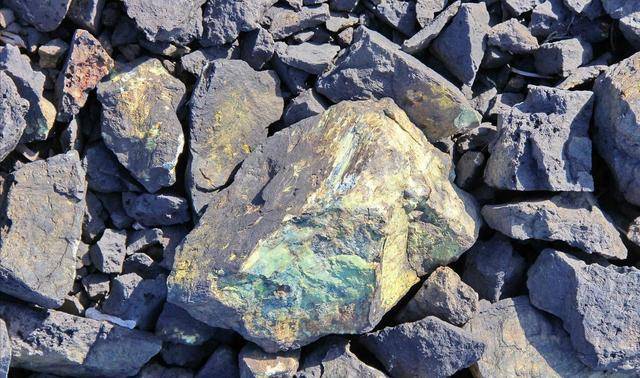
Core Insights - The Simandou iron ore project in Guinea has officially commenced production, with a total reserve of 4.4 billion tons, making it the largest and highest-grade iron ore deposit globally, significantly reducing China's reliance on Australian and Brazilian iron ore imports [1][4][14] - The project faced nearly 30 years of challenges, including political instability and logistical difficulties, but has now established a robust transportation system, including a 552 km main railway and a port with a capacity of 120 million tons [3][5][14] - Chinese companies hold a significant stake in the project, with a 56% share in the northern zone, enhancing their bargaining power in the global iron ore market [7][8][14] Industry Impact - The production of Simandou iron ore is expected to alter global iron ore trade dynamics, with most of the output directed towards China, thereby changing the flow of iron ore globally [9][14] - The high iron content of Simandou ore (over 65%) aligns with the global shift towards low-carbon steel production, providing a competitive edge in reducing carbon emissions during steelmaking [11][12][14] - The project not only addresses current cost issues but also positions the steel industry to meet future low-carbon transition requirements, making it a critical resource for the industry's evolution [11][14][16] Strategic Importance - The successful launch of the Simandou project represents a significant milestone for China, as it gains more control over iron ore pricing and supply, reducing dependency on foreign sources [8][14][16] - The project exemplifies the importance of holding core resources and leveraging technological expertise to maximize value in the global mining sector [14][15][16] - The competition in the global mining industry is shifting towards who has the most influence and can adapt to green transitions, with Simandou serving as a key player in this evolving landscape [16]

中信期货晨报:国内商品期货涨多跌少,沪银领涨期市-20251113
Zhong Xin Qi Huo· 2025-11-13 07:59
1. Report Industry Investment Rating No relevant content provided. 2. Core Viewpoints of the Report - The global macro situation this week focuses on changes in US dollar liquidity. Although there is short - term tightness, it won't have a significant impact on major asset prices. There are two factors for improvement: marginal easing of monetary policy and normal release of funds in the TGA account when the US government resumes work [7]. - In October, China's export growth was weaker than expected, but there were more positive signs in inflation data, and consumer data may slightly exceed expectations [7]. - In November, the macro environment enters a vacuum period, and major assets may enter a short - term shock period. However, the overall allocation idea in the fourth quarter remains unchanged, and the macro environment is still favorable for risk assets. It is recommended to allocate major assets evenly in the fourth quarter, hold long positions in stock indices, non - ferrous metals (copper, lithium carbonate, aluminum, tin), and precious metals, and increase positions appropriately if there is a correction [7]. 3. Summary by Directory 3.1 Macro Highlights - **Overseas Macro**: The short - term tightness of US dollar liquidity won't have a large impact on major asset prices. Monetary policy is marginally easing, and the release of TGA account funds after the US government resumes work can relieve the short - term pressure [7]. - **Domestic Macro**: October's export growth was weaker than expected, but there were positive signs in inflation data, and consumer data may slightly exceed expectations [7]. - **Asset Views**: In November, major assets may enter a shock period. The overall allocation idea in the fourth quarter remains unchanged, and it is recommended to evenly allocate major assets, hold long positions in stock indices, non - ferrous metals, and precious metals, and increase positions if there is a correction [7]. 3.2 Viewpoint Highlights 3.2.1 Financial Sector - **Stock Index Futures**: Catalyzed by technology events, the growth style is active. There is a risk of overcrowding in small - cap funds, and the short - term trend is expected to be a volatile upward [8]. - **Stock Index Options**: The overall trading volume has slightly declined, and the short - term trend is expected to be volatile [8]. - **Treasury Bond Futures**: The bond market continues to be weak. The short - term trend is expected to be volatile, affected by policy, fundamental repair, and tariff factors [8]. 3.2.2 Precious Metals - **Gold/Silver**: Due to the easing of geopolitical and economic and trade situations, precious metals are in a phased adjustment. The short - term trend is expected to be volatile, affected by the US fundamentals, Fed's monetary policy, and global equity market trends [8]. 3.2.3 Shipping - **Container Shipping to Europe**: The peak season in the third quarter has passed, and there is a lack of upward momentum. The short - term trend is expected to be volatile, and attention should be paid to the rate of freight decline in September [8]. 3.2.4 Steel and Iron Ore - **Steel**: In the off - season, the fundamentals are under pressure, and the short - term trend is expected to be volatile, affected by the issuance of special bonds, steel exports, and iron - water production [8]. - **Iron Ore**: The short - term fundamentals are stable, and the short - term trend is expected to be volatile, affected by overseas mine production and shipment, domestic iron - water production, weather, port inventory, and policy [8]. 3.2.5 Black Building Materials - **Coke**: The game between coking and steel enterprises continues, and the short - term trend is expected to be volatile, affected by steel mill production, coking costs, and macro sentiment [8]. - **Coking Coal**: The market sentiment is weak, but the spot price is rising. The short - term trend is expected to be volatile, affected by steel mill production, coal mine safety inspections, and macro sentiment [8]. - **Silicon Iron**: The supply - demand driving force is limited, and it follows the valuation fluctuations of coal. The short - term trend is expected to be volatile, affected by raw material costs and steel procurement [8]. - **Manganese Silicon**: After the first - round steel procurement inquiry is announced, the price follows the decline of coking coal. The short - term trend is expected to be volatile, affected by cost prices and overseas quotes [8]. - **Glass**: Prices have been lowered in various regions, and downstream purchasing sentiment is weak. The short - term trend is expected to be volatile, affected by spot sales [8]. - **Soda Ash**: Supply exceeds demand, and cost - driven upward movement is limited. The short - term trend is expected to be volatile, affected by soda ash inventory [8]. - **Aluminum Oxide**: The fundamentals are still in an oversupply situation, and the price is under pressure. The short - term trend is expected to be volatile, affected by ore复产 and electrolytic aluminum复产 [8]. - **Aluminum**: The stock - futures linkage leads to an upward - volatile price. The short - term trend is expected to be a volatile upward, affected by macro risks, supply disruptions, and demand [8]. - **Zinc**: The export window is open, and the price is fluctuating at a high level. The short - term trend is expected to be volatile, affected by macro risks and zinc ore supply [8]. - **Lead**: Social inventory is slightly increasing, and the price is fluctuating. The short - term trend is expected to be volatile, affected by supply disruptions and battery exports [8]. - **Nickel**: Market sentiment is improving, and the price is fluctuating. The short - term trend is expected to be volatile, affected by macro and geopolitical changes, and Indonesian policies [8]. - **Stainless Steel**: Warehouse receipts are decreasing, and the price is fluctuating. The short - term trend is expected to be volatile, affected by Indonesian policies and demand growth [8]. - **Tin**: The inventory of Shanghai tin continues to decrease, and the price is fluctuating. The short - term trend is expected to be volatile, affected by the resumption of production in Wa State and demand improvement [8]. - **Industrial Silicon**: The supply in the southwest is rapidly decreasing, and the price is fluctuating. The short - term trend is expected to be volatile, affected by supply - side production cuts and photovoltaic installations [8]. - **Lithium Carbonate**: The resumption of production expectation is fluctuating, and the price may fluctuate significantly. The short - term trend is expected to be volatile, affected by demand, supply disruptions, and technological breakthroughs [8]. 3.2.6 Energy and Chemicals - **Crude Oil**: There is a lack of short - term driving forces, and the price is expected to be volatile, affected by OPEC+ production policies and the Middle East geopolitical situation [10]. - **LPG**: Refinery output has decreased, and import costs are under pressure. The short - term trend is expected to be volatile, affected by cost factors such as crude oil and overseas propane [10]. - **Asphalt**: The spot price in Shandong has stabilized, and the futures price is expected to be volatile, affected by sanctions and supply disruptions [10]. - **High - Sulfur Fuel Oil**: The futures price is volatile, and attention should be paid to the Russia - Ukraine conflict. The short - term trend is expected to be volatile, affected by geopolitics and crude oil prices [10]. - **Low - Sulfur Fuel Oil**: The refined oil market is strong, and the price may be on a volatile upward trend, affected by crude oil prices [10]. - **Methanol**: High inventory suppresses the price, and overseas disturbances are not significant. The short - term trend is expected to be volatile, affected by the macro - energy situation and overseas developments [10]. - **Urea**: Export information boosts the spot market, and the futures price is expected to be volatile in the short term, affected by export quotas and coal prices [10]. - **Ethylene Glycol**: The spot market is loose, and there is little hope of reversing the downward trend in the short term. The short - term trend is expected to be a volatile downward, affected by coal and oil prices, port inventory, and Sino - US trade friction [10]. - **PX**: The market sentiment is rational, and the processing fee is strongly supported by strong supply and demand. The short - term trend is expected to be volatile, affected by crude oil fluctuations and macro changes [10]. - **PTA**: The market sentiment is flat, and the basis is under pressure. The short - term trend is expected to be volatile, affected by crude oil fluctuations and macro changes [10]. - **Short - Fiber**: Consumers tend to buy on dips, and attention should be paid to the off - peak and peak season conversion. The short - term trend is expected to be volatile, affected by downstream yarn mill purchasing and peak - season demand [10]. - **Bottle Chips**: The market performance is flat, and it follows the cost passively. The short - term trend is expected to be volatile, affected by bottle - chip enterprise production cuts and new device commissioning [10]. - **Propylene**: Inventory needs time to be digested, and the price is expected to be on a volatile downward trend, affected by oil prices and the domestic macro situation [10]. - **PP**: Maintenance support is limited, and the price is expected to be on a volatile downward trend, affected by oil prices and domestic and overseas macro situations [10]. - **Plastic**: Downstream transactions have increased, but maintenance support is limited. The price is expected to be on a volatile downward trend, affected by oil prices and domestic and overseas macro situations [10]. - **Styrene**: There are still concerns about over - inventory, and the price is expected to be on a volatile downward trend, affected by oil prices, macro policies, and device operations [10]. - **PVC**: The weak reality suppresses the price, and it is expected to be volatile, affected by expectations, costs, and supply [10]. - **Caustic Soda**: With low valuation and weak expectations, the price is expected to be volatile, affected by market sentiment, production, and demand [10]. 3.2.7 Agriculture - **Oils and Fats**: Rapeseed oil is relatively strong, and attention should be paid to the effectiveness of upper - level technical resistance. The short - term trend is expected to be a volatile upward, affected by US soybean weather and Malaysian palm oil production and demand data [10]. - **Protein Meal**: US soybeans are testing the upper - level resistance, and it is recommended to hold reverse spreads on Dalian soybean meal. The short - term trend is expected to be volatile, affected by weather, domestic demand, macro factors, and Sino - US and Sino - Canadian trade wars [10]. - **Corn/Starch**: The market is in a short - term tight situation, and the price is expected to be volatile at a high level, affected by demand, macro factors, and weather [10]. - **Pigs**: Supply and demand are loose, and the price is weak. The short - term trend is expected to be a volatile downward, affected by breeding sentiment, epidemics, and policies [10]. - **Natural Rubber**: With the approaching expiration of the November contract, there may be a pulse - like upward movement. The short - term trend is expected to be volatile, affected by production - area weather, raw material prices, and macro changes [10]. - **Synthetic Rubber**: The short - term trend is expected to be volatile, affected by crude oil fluctuations [10]. - **Cotton**: The price has slightly declined, and the short - term trend is expected to be volatile, affected by demand and inventory [10]. - **Sugar**: The price is fluctuating within a narrow range, and the short - term trend is expected to be a volatile downward, affected by imports and Brazilian production [10]. - **Pulp**: The market is dominated by funds, and the long - position advantage remains. The short - term trend is expected to be volatile, affected by macro - economic changes and US dollar - denominated quotes [10]. - **Double - Glued Paper**: In the tendering peak season, the price is expected to stabilize in November and be volatile, affected by production and sales, education policies, and paper - mill operations [10]. - **Logs**: In the de - inventory cycle, the price is expected to be volatile, affected by special port fees, shipment volume, and dispatch volume [10].
辽宁大连海关:政策创新围着企业需求转
Ke Ji Ri Bao· 2025-11-13 04:36
Core Insights - The establishment of the Liaoning Free Trade Zone in 2017 has led to significant innovations by Dalian Customs, enhancing operational efficiency and reducing costs for businesses [1][2] - Dalian Customs has implemented over 50 innovative measures, with several being recognized at the national level, contributing to a substantial increase in the region's foreign trade [1][2] Group 1: Innovations and Efficiency - The "cloud series" innovations by Dalian Customs have improved customs clearance efficiency by over 60%, allowing for a fully paperless process [2] - The electronic certification platform has issued over 400,000 certificates, covering 23 categories of products and accounting for over 90% of export certification business [2] - The introduction of electronic import food inspection and quarantine certificates has reduced clearance time by 50% [2] Group 2: Industry-Specific Initiatives - Dalian Customs has pioneered the "bulk commodity + reform" initiative, facilitating the import and export of key commodities like iron ore and liquefied natural gas [3] - The "zero delay" supervision in the semiconductor industry allows for 24-hour rapid flow of high-precision raw materials [3] - The AI-driven vehicle identification system at the Dalian Free Trade Zone has enabled a "second-level registration" process for exported vehicles, significantly streamlining operations [3] Group 3: Cost Savings and Long-term Growth - The new regulatory model for lithium battery packaging has saved companies approximately 130 million yuan by allowing for the reuse of packaging without the need for re-inspection [4] - Customized clothing export growth has been supported by intelligent regulatory models and preferential tax matching under free trade agreements [5] - Dalian Customs aims to continue focusing on strategic enhancements within the free trade zone to drive high-quality foreign trade development in Liaoning [5]
黑色金属日报-20251111
Guo Tou Qi Huo· 2025-11-11 11:32
Report Industry Investment Ratings - **Thread Steel**: ★★★ [1] - **Hot Rolled Coil**: ★★★ [1] - **Iron Ore**: ★★★ [1] - **Coke**: ★★★ [1] - **Coking Coal**: ★★★ [1] - **Silicon Manganese**: ★★★ [1] - **Silicon Iron**: ★★★ [1] Core Views - The overall demand for steel is weak, with the cost center shifting down due to the decline of furnace materials, and the steel plate is under pressure, mainly in a weak shock in the short term [2]. - The iron ore market is expected to be volatile, with the supply side showing some fluctuations and the demand side weakening due to reduced steel demand [3]. - The coke and coking coal markets are facing pressure from reduced downstream demand and abundant carbon element supply, with prices expected to be relatively strong in a shock [4][6]. - The silicon manganese and silicon iron markets are affected by the decline in iron - water production, with different supply - demand situations and price trends [7][8]. Summary by Related Catalogs Steel - In the off - season, the apparent demand and production of thread steel and hot - rolled coil both decline, and the inventory situation varies. Iron - water production falls from a high level, and the negative feedback pressure in the industrial chain needs to be alleviated. The overall domestic demand is weak, and exports have declined from a high level. The demand expectation is pessimistic, and the plate is under pressure [2]. Iron Ore - On the supply side, global shipments have declined month - on - month, and domestic arrivals have dropped significantly but are still at a high level, with port inventories continuing to increase. On the demand side, steel demand in the off - season has decreased, and iron - water production has continued to decrease. The market is trading the reality of a marginally looser iron ore supply, and the trend is expected to be volatile [3]. Coke - The price has declined during the day. The downstream acceptance of the fourth - round price adjustment is poor. Coking profits are average, and daily production has decreased slightly. The inventory has decreased slightly, and the overall supply of carbon elements is abundant, with downstream demand for raw materials decreasing [4]. Coking Coal - The price has declined during the day. Mongolian coal imports have increased, and the production of coking coal mines has decreased slightly. The total inventory has increased slightly, and the market is affected by factors such as safety inspections in coal - producing areas and reduced downstream demand [6]. Silicon Manganese - The price is weakly volatile. The demand has decreased due to the decline in iron - water production. The weekly production has decreased slightly but is still at a high level, and the inventory is slowly increasing. The price of manganese ore has shown some fluctuations [7]. Silicon Iron - The price is weakly volatile. The demand from iron - water production has decreased, but the export demand has increased marginally, and the secondary demand has also increased. The supply is at a high level, and the inventory has decreased. Cost factors may lead to a price rebound [8].
黑色金属日报-20251107
Guo Tou Qi Huo· 2025-11-07 11:56
Report Industry Investment Ratings - **Thread Steel**: ★★★ (implied by the context as more positive) [1] - **Hot Rolled Coil**: ★★★ (implied by the context as more positive) [1] - **Iron Ore**: ★☆☆ [1] - **Coke**: ★☆☆ [1] - **Coking Coal**: ★☆☆ [1] - **Silicon Manganese**: ★☆☆ [1] - **Silicon Iron**: ★☆★ [1] Core Viewpoints - The overall steel market is under pressure due to weak demand expectations and declining exports, with the disk remaining under pressure. The iron ore market is expected to be in a weak and volatile state, while the coke and coking coal markets may be in a relatively strong and volatile state. The silicon manganese and silicon iron markets have strong price support at the bottom [1][2][3][5][6][7] Summary by Category Steel - The disk showed a weak and volatile trend. The demand and production of thread steel and hot rolled coil both declined, with inventory changes varying. Iron - water production continued to fall, and the negative feedback pressure in the industrial chain remained to be alleviated. The overall domestic demand was weak, and steel exports declined from the high level. The disk was under pressure, and attention should be paid to the support at the lower edge of the shock range and marginal demand changes [1] Iron Ore - The disk declined. The global iron ore shipment was at a high level, and the domestic arrival volume increased significantly. The port inventory was accumulating. The terminal demand entered the off - season, and the iron - water production continued to decrease. The supply - demand relationship was gradually loosening, and there was still a risk of negative feedback in the off - season industrial chain. It was expected to be in a weak and volatile state [2] Coke - The price fluctuated downward. After the third round of price increase was quickly implemented, there was an expectation of a fourth round. The coking profit was average, and the daily production and inventory decreased slightly. The downstream demand was weak, and the steel mills had a strong desire to lower the price. The disk price was at a premium, and it was expected to be in a relatively strong and volatile state [3] Coking Coal - The price fluctuated downward. The Mongolian coal import volume was high, and the coking coal production decreased slightly. The total inventory increased slightly, and attention should be paid to the impact of safety inspections. The downstream demand was weak, and the steel mills had a strong desire to lower the price. The disk price was at a discount to Mongolian coal, and it was expected to be in a relatively strong and volatile state [5] Silicon Manganese - The price fluctuated. The iron - water production continued to decline, while the weekly production of silicon manganese increased slightly, and the inventory was slowly accumulating. The manganese ore inventory decreased slightly, and the price had strong support at the bottom [6] Silicon Iron - The price fluctuated. The iron - water production continued to decline, but the export demand increased to about 40,000 tons, and the secondary demand increased marginally. The supply remained at a high level, and the inventory decreased. The price had strong support at the bottom [7]
中信期货晨报:国内商品期货多数上涨,黑色系涨幅居前-20251107
Zhong Xin Qi Huo· 2025-11-07 00:54
1. Report Industry Investment Rating No relevant content provided. 2. Core Views of the Report - Overseas macro: The Fed cut interest rates by 25 basis points to 3.75%–4.00% in October and announced to end balance - sheet reduction and fully renew Treasury bonds and agency MBS from December, transitioning the liquidity environment from contraction to stability. - Domestic macro: Domestic policy support has been strengthened, and economic resilience has been maintained. The manufacturing industry slowed down in October, but the construction and service industries remained in expansion. Policy - based financial instruments and special bonds are being implemented faster, and investment recovery is accelerating. - Asset views: With the Fed's actions, Sino - US summit results, and policy announcements, market sentiment has improved. It is recommended to maintain a balanced allocation strategy. Non - ferrous metals perform relatively well, black commodities have rebound opportunities, bonds are in a slightly stronger oscillation pattern, and precious metals have medium - to - long - term allocation value [6]. 3. Summary by Relevant Catalogs 3.1 Macro Highlights - Overseas: The Fed's actions aim to manage risks during the economic data vacuum period, balancing growth and liquidity stability. - Domestic: Policy emphasis on "science and technology self - reliance, anti - involution, and expanding domestic demand" has strengthened the focus on economic construction. The economy continues to stabilize. - Asset Allocation: Adopt a "balanced allocation, structural offensive" strategy, with different asset classes having different performance characteristics and investment opportunities [6]. 3.2 View Highlights 3.2.1 Financial - Stock index futures: Driven by technology events, the growth style is active, but there is a risk of overcrowding in small - cap stocks. Expected to oscillate and rise. - Stock index options: Market turnover has slightly declined, and the option market liquidity may be lower than expected. Expected to oscillate. - Treasury bond futures: The bond market remains weak, affected by policy, fundamental, and tariff factors. Expected to oscillate [7]. 3.2.2 Precious Metals - Gold/silver: Due to the easing of geopolitical and trade tensions, precious metals are in a phased adjustment. Expected to oscillate, affected by US fundamentals, Fed policy, and global equity market trends [7]. 3.2.3 Shipping - Container shipping to Europe: The peak season in the third quarter has passed, and there is a lack of upward momentum. Expected to oscillate, with attention on the rate of freight decline in September [7]. 3.2.4 Black Building Materials - Steel products: The market is weak, and attention should be paid to cost support. Expected to oscillate, affected by special bond issuance, steel exports, and iron - water production. - Iron ore: Market sentiment is weak, and attention should be paid to demand changes. Expected to oscillate, affected by overseas mine production, domestic iron - water production, and other factors. - Other products in this sector, such as coke, coking coal, etc., are also expected to oscillate, each affected by different factors [7]. 3.2.5 Non - ferrous Metals and New Materials - Most non - ferrous metals are expected to oscillate, with different influencing factors for each metal. For example, copper is affected by trade frictions, and aluminum is affected by inventory changes [7]. 3.2.6 Energy and Chemicals - Most products in this sector are in a situation of weak supply - demand and are expected to oscillate. Some products, such as ethylene glycol and styrene, are expected to oscillate and decline, affected by factors such as supply - demand, cost, and trade [9]. 3.2.7 Agriculture - The agricultural sector shows a differentiated trend. Some products, such as protein meal, are expected to oscillate and rise, while others, such as natural rubber and sugar, are expected to oscillate and decline, affected by factors such as weather, supply - demand, and policies [9].
广发期货日评-20251031
Guang Fa Qi Huo· 2025-10-31 05:33
Report Summary 1. Investment Ratings The report does not explicitly provide an overall industry investment rating. However, it offers specific trading suggestions for different sectors and varieties: - **Financial Sector** - **Equity Index Futures**: Try to lightly sell put options at the support level or construct a bull call spread for follow - up upside potential [3]. - **Treasury Bond Futures**: Go long on pullbacks for the unilateral strategy and pay attention to the positive arbitrage strategy for the cash - futures strategy [3]. - **Precious Metals**: For gold, there is pressure for a further decline; for silver, it is in a volatile consolidation. Trading suggestions are based on price trends [3]. - **Black Metals Sector** - **Steel**: Reduce long positions appropriately and hold the long - coking coal and short - hot - rolled coil arbitrage [3]. - **Iron Ore**: Close long positions and observe, and consider the 1 - 5 positive arbitrage [3]. - **Coking Coal and Coke**: Go long on pullbacks and hold the long - coking coal and short - coke arbitrage [3]. - **Non - ferrous Metals Sector** - **Copper**: Pay attention to the support around 87,000 [3]. - **Tin**: Adopt a low - buying strategy on pullbacks [3]. - **Energy and Chemical Sector** - **Crude Oil**: Go short in the short term [3]. - **Urea, PX, PTA, etc.**: Adopt different strategies such as reducing long positions, short - selling on rallies, and spread trading according to different varieties [3]. - **Agricultural Products Sector** - **Soybeans**: Hold long positions in the 2601 contract [3]. - **Palm Oil**: The main contract may test the support at 8,800 yuan [3]. - **Sugar**: It is in a bottom - oscillating state around 5,400 [3]. - **Cotton**: It is in a range - bound and upward - trending state, paying attention to the pressure around 13,800 [3]. - **Special and New Energy Sectors** - **Glass**: Look for short - term long opportunities based on the spot market [3]. - **Carbonate Lithium**: It is in a relatively strong state, with the main contract reference range of 83,000 - 87,000 [3]. 2. Core Views - **Market Environment**: Key factors such as the meeting between Chinese and US leaders, the release of the 15th Five - Year Plan draft, and the clarification of bond - fund redemption fees have an impact on the market. Risk - preference - enhancing factors are gradually materializing, and uncertainties in the market are decreasing [3]. - **Sector - specific Views** - **Financial Sector**: Stock index futures are affected by market sentiment and policy expectations; treasury bond futures are on an upward trend as negative factors are gradually digested; precious metals are affected by geopolitical and trade factors [3]. - **Black Metals Sector**: Supply and demand factors such as production, transportation, and inventory levels affect the price trends of steel, iron ore, coking coal, and coke [3]. - **Non - ferrous Metals Sector**: Prices are affected by factors such as macro - environment, supply - demand relationship, and technical levels [3]. - **Energy and Chemical Sector**: Supply - demand expectations, cost support, and inventory levels are the main factors affecting prices [3]. - **Agricultural Products Sector**: Factors such as procurement, supply pressure, and seasonal characteristics affect the price trends of various agricultural products [3]. - **Special and New Energy Sectors**: Macro - events and fundamental factors affect the price trends of glass, rubber, and new - energy products [3]. 3. Summary by Related Catalogs - **Financial Sector** - **Equity Index Futures**: After the meeting between Chinese and US leaders and the release of the 15th Five - Year Plan draft, the market has a short - term pullback after reaching a high. It is recommended to try light - selling put options or constructing a bull call spread [3]. - **Treasury Bond Futures**: As negative factors such as bond - fund redemption fees and central - bank bond - buying uncertainties are gradually digested, the bond market sentiment is improving. It is recommended to go long on pullbacks and consider the positive arbitrage strategy [3]. - **Precious Metals**: Gold is under pressure to decline due to factors such as the meeting between Chinese and US leaders and geopolitical concerns; silver is in a volatile consolidation [3]. - **Black Metals Sector** - **Steel**: The increase in apparent demand and the alleviation of inventory pressure lead to suggestions of reducing long positions and holding arbitrage positions [3]. - **Iron Ore**: The decline in shipping and arrivals, the increase in port inventory, and the sharp drop in molten - iron production lead to suggestions of closing long positions and considering arbitrage [3]. - **Coking Coal and Coke**: The strength of coking - coal prices and the cost support provided by coking coal lead to suggestions of going long on pullbacks and holding arbitrage positions [3]. - **Non - ferrous Metals Sector** - **Copper**: After the realization of positive expectations, the price is in a high - level oscillation. Pay attention to the support level [3]. - **Tin**: Affected by the Fed's interest - rate outlook, it is recommended to buy on pullbacks [3]. - **Energy and Chemical Sector** - **Crude Oil**: Although the macro - sentiment has eased and inventory has decreased, the increase in OPEC production limits the rebound height. It is recommended to go short in the short term [3]. - **Urea, PX, PTA, etc.**: Due to weak supply - demand expectations and limited cost support, different trading strategies are recommended for different varieties [3]. - **Agricultural Products Sector** - **Soybeans**: Supported by China's increased confidence in purchasing US soybeans, hold long positions [3]. - **Palm Oil**: The main contract may test the support level [3]. - **Sugar**: It is in a bottom - oscillating state due to abundant overseas supply [3]. - **Cotton**: With the solidification of new - cotton costs, it is in a range - bound and upward - trending state [3]. - **Special and New Energy Sectors** - **Glass**: Affected by macro - events, pay attention to short - term long opportunities based on the spot market [3]. - **Carbonate Lithium**: With the upward shift of the price center and the realization of demand benefits, it is in a relatively strong state [3].