零食

Search documents
乐事品牌更新Logo与包装,启动去除人工成分计划
Jing Ji Guan Cha Bao· 2025-10-12 10:10
Core Insights - Lay's, a classic brand under PepsiCo, has announced its largest brand overhaul in nearly a century, focusing on both visual identity and product formulation to align with consumer health trends [1][6] Brand Image Upgrade - The new visual identity features a modern logo inspired by sunlight, symbolizing the natural growth of potatoes, and emphasizes the brand's commitment to natural ingredients [2] - The updated packaging design highlights the golden color and crispy texture of the chips, using a refined color palette to enhance visual appeal and convey a sense of naturalness and health [2] - The use of matte materials and custom fonts in packaging creates a modern and simplistic aesthetic, contributing to a unique market presence for Lay's [2] Formula Reform: Moving Towards Healthier Snacks - By the end of 2025, Lay's plans to eliminate artificial flavors and colors from all products, opting for natural ingredients instead [3] - For instance, Lay's baked chips will use olive oil instead of corn oil, reducing fat content by 50%, while the classic sea salt flavor will use avocado oil with 40% less fat [3] - This initiative aligns with the "Make America Healthy Again" campaign and responds to the growing consumer demand for healthier, more natural food options [3] Comprehensive Brand Overhaul - Industry experts view this brand transformation as a historic change, marking the largest brand update in a decade, with significant efforts in packaging design and formula improvement [4] - Lay's commitment to removing artificial ingredients enhances brand credibility and reflects a dedication to health and transparency [4] - The brand's new packaging and focus on farm-sourced potatoes create a compelling visual narrative that distinguishes Lay's in the market [4] Industry Context - Lay's reform is part of a broader trend among PepsiCo's brands, with Tostitos also planning to eliminate artificial colors by 2025, and SunChips already achieving a goal of no artificial additives [5] - These changes demonstrate PepsiCo's proactive response to the health food trend, offering consumers more healthy snack options [5] Future Implications - Lay's brand overhaul signifies a significant shift in the food industry, reflecting rising consumer health awareness [6] - By updating its visual identity and optimizing formulations, Lay's is carving out new growth opportunities in a competitive market [6] - The strategic shift towards health and transparency is expected to enhance Lay's reliability and authority among modern consumers, paving the way for a brighter future [6]
AI重塑零售业
Jing Ji Guan Cha Wang· 2025-10-11 10:44
Core Insights - The retail industry is increasingly adopting AI technologies to enhance operational efficiency and customer satisfaction, with companies like Haidilao and Li Shang Huang leading the way in implementing AI-driven solutions [3][4][9]. Group 1: AI Implementation in Retail - Haidilao is utilizing AI to optimize its supply chain, enabling real-time inventory management and predictive analytics to handle surges in customer demand during holidays and promotions [3][4][6]. - The integration of AI allows for a shift from reactive to proactive inventory management, significantly reducing response times from days to minutes [3][4]. - Li Shang Huang has also adopted AI technologies to manage high volumes of orders, with daily transactions reaching up to 1 million during promotional events [3][4]. Group 2: Challenges and Solutions - The retail sector faces challenges such as data latency, fragmented systems, and resource redundancy, which hinder real-time decision-making and AI innovation [4][8]. - Companies are focusing on building a stable and efficient data infrastructure to support AI applications, which is deemed crucial for success in the evolving retail landscape [4][8]. - Haidilao is addressing the complexity and cost of digital transformation by consolidating its data systems and leveraging AI for better operational efficiency [8][12]. Group 3: Customer-Centric Strategies - The shift towards a customer-centric approach is evident, with over 90% of retail enterprises believing that generative AI will enhance productivity [4][10]. - Haidilao aims to provide personalized recommendations through its membership system, striving for a "one-to-one" service model [6][9]. - The focus on customer satisfaction is reflected in the evaluation of AI's return on investment, with metrics such as customer satisfaction and labor cost savings being prioritized [11][12]. Group 4: Future Directions - The retail industry is expected to continue evolving with AI at its core, as companies seek to harness data for real-time decision-making and operational improvements [4][10]. - There is a growing interest in developing proprietary AI models to encapsulate business knowledge and enhance employee training and efficiency [12][13]. - The collaboration with third-party AI technology platforms is seen as a viable strategy for companies to implement advanced AI capabilities without incurring excessive costs [12].



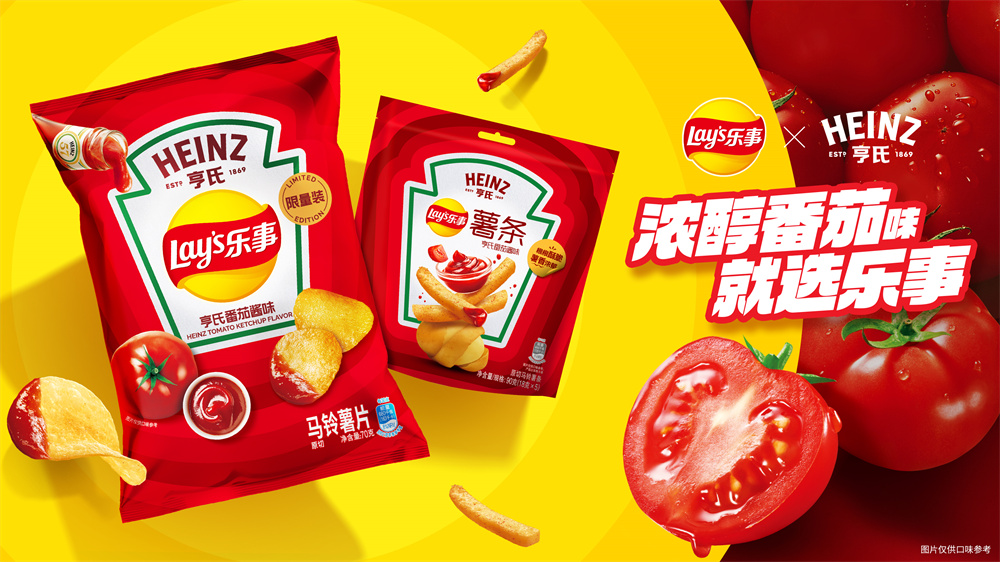
“土豆+番茄”的经典王炸组合:乐事如何用联名玩转零食新体验?
Zhong Guo Shi Pin Wang· 2025-10-11 10:26
Core Insights - The collaboration between Lays and Heinz has resulted in the launch of limited-edition Lays Heinz Tomato Ketchup-flavored chips and fries, which combines classic flavors that resonate with consumers' taste memories [1][3][6] - The marketing strategy focuses on engaging younger consumers through relatable language and social media integration, enhancing brand appeal and consumer connection [3][10] Product Innovation - The new product features a blend of Heinz's rich tomato flavor and Lays' signature potato crispiness, creating a unique taste experience that balances acidity and sweetness [5][6][8] - Market data indicates a 37% increase in new tomato-flavored food and beverage products, highlighting the strong consumer demand for this flavor profile [3] Consumer Engagement - Lays has effectively captured consumer preferences by integrating popular culture and social elements into its branding, making the product more relatable and shareable [11][16] - The collaboration is seen as a strategic move to create a memorable snacking experience that goes beyond mere flavor replication, establishing a strong emotional connection with consumers [8][16] Market Trends - The tomato processing industry in China is growing at an annual rate of 10%-15%, indicating a robust market for tomato-flavored products [3] - Lays continues to innovate with new flavors that resonate with current consumer trends, such as spicy flavors that appeal to younger demographics seeking excitement and emotional release [13][15]

这届零食,越贵越高端?
投中网· 2025-10-11 09:08
Core Viewpoint - The article discusses the paradox of rising snack prices in China, where snacks that were once affordable are now perceived as luxury items, leading to a loss of "snack freedom" for consumers [5][10]. Group 1: Historical Context of Snack Consumption - In the past, consumers chose snacks based on taste and price, with little brand loyalty, often mixing various brands in their purchases [6]. - The rise of major snack brands like Liangpinpuzi and Three Squirrels around 2010 shifted consumer behavior towards brand recognition and loyalty, leading to a more concentrated market [6][7]. - Early competition among snack brands involved aggressive pricing strategies, including significant discounts and promotions to attract consumers [7]. Group 2: Shift to Premium Pricing - By 2019, Liangpinpuzi adopted a "high-end snack" positioning, linking product quality directly to pricing, which has led to significant price increases for similar products over the years [8]. - The change in pricing units from larger to smaller measurements has obscured consumers' perception of price increases, contributing to the feeling that snacks have become unaffordable [8][9]. - The emergence of high-priced snacks has resulted in a loss of the previously enjoyed "snack freedom," as consumers now feel priced out of the market [8][10]. Group 3: Market Response and New Trends - The rise of "white-label" snack stores offering high value for money has disrupted traditional snack brands, with the market for these stores growing from 211 billion yuan in 2019 to 809 billion yuan in 2023, reflecting a 40% compound annual growth rate [10]. - Traditional snack brands like Three Squirrels and Liangpinpuzi have faced declining revenues, with Three Squirrels' revenue dropping from over 10 billion yuan in 2019 to 7.1 billion yuan in 2023 [10][11]. - In response to market pressures, brands have attempted to lower prices, but these efforts have had limited success due to established negative perceptions of high pricing [11]. Group 4: Consumer Sentiment and Future Outlook - The article highlights a growing consumer sentiment against high prices that lack corresponding value, indicating a shift towards seeking better price-to-value ratios [14][15]. - Brands that fail to justify their high prices with tangible quality improvements risk losing consumer trust and market share [15][16]. - The future of the snack industry may depend on balancing premium offerings with consumer expectations for affordability and value, as the market moves away from a singular focus on high pricing [16].


百事第三季度营收超1700亿元,CEO大赞“全球韧性”,中国市场却成了“隐痛”?
3 6 Ke· 2025-10-10 09:56
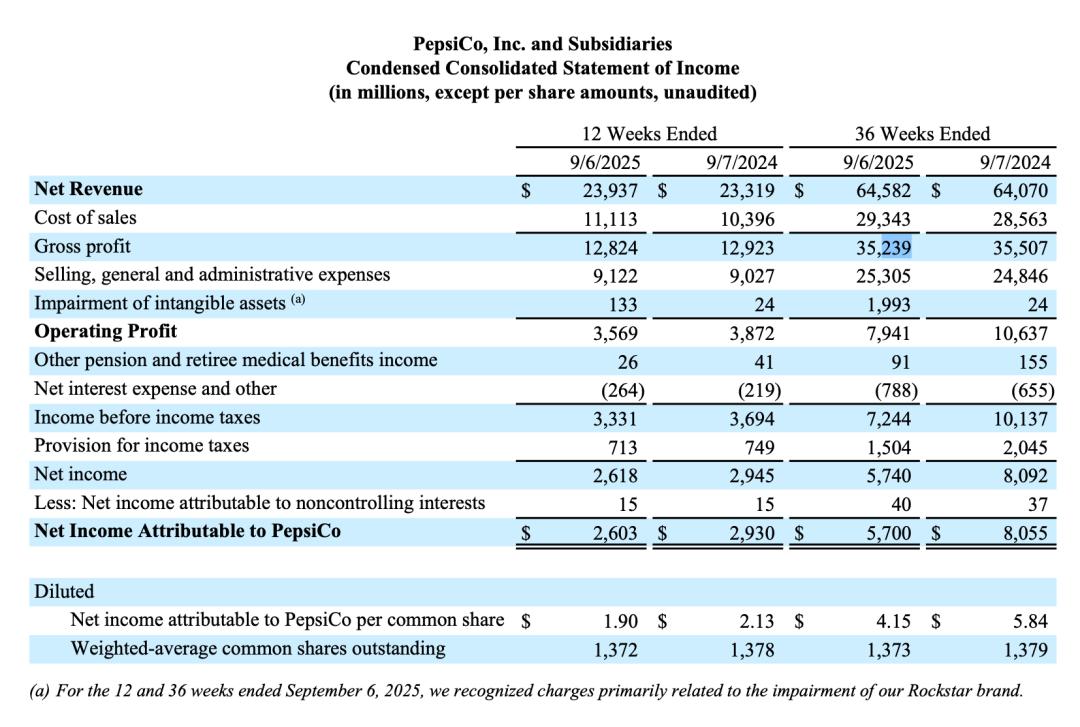
Core Viewpoint - PepsiCo's Q3 performance exceeded expectations, with strong global market results, particularly in international markets, but the performance in China raises concerns [1][2] Financial Performance - For Q3 2025, PepsiCo reported a revenue increase of 2.6% year-over-year to $23.94 billion (approximately ¥1746.42 billion), surpassing Wall Street expectations [2] - North American snack and beverage sales declined, while sales in Latin America and Asia increased [2] - Net income attributable to PepsiCo was $2.60 billion, down from $2.93 billion in the previous year [4] Market Performance - The Chinese market was not highlighted in the earnings report, indicating a lack of growth, with beverage sales showing a low single-digit decline [5][7] - In contrast, Coca-Cola has regained market share in China, with its flagship products performing well [5] Strategic Challenges - PepsiCo's cautious language regarding its beverage business in China suggests underlying issues, with a focus on snack performance instead [7] - Despite efforts to localize products and marketing, such as launching region-specific flavors and partnering with local brands, these initiatives have not yielded significant sales improvements [8][10] Competitive Landscape - PepsiCo's slower innovation pace in the beverage sector has allowed competitors like Coca-Cola to capture market share, particularly with health-oriented products [10][12] - The company's distribution strategy has faced challenges, with a fragmented channel network limiting its market penetration compared to Coca-Cola's established system [12][14] - Increased competition from local brands and new beverage categories has further complicated PepsiCo's position in the Chinese market [14]
最近想上市的公司里,“私域”几乎都是重点项
3 6 Ke· 2025-10-10 08:47
Core Insights - The concept of "private domain" has evolved from a mere operational model to a strategic "growth engine" for companies, as evidenced by its frequent mention in IPO prospectuses [2][3] - Companies are increasingly highlighting user assets as a crucial component of brand valuation, indicating that effective user management will lead to greater growth potential in the capital markets [3] Summary by Sections Private Domain in IPO Prospectuses - Multiple consumer brands preparing for IPOs emphasize "private domain" and related membership operations, showcasing the strategic importance of private domain strategies [5] - Snack brand "Hao Xiang Lai" reported that its members contributed approximately 78% of GMV in the first eight months of 2025, highlighting the significant impact of private domain user assets on revenue growth [2][5] - The mother-and-baby brand "Bu Tong Group" defined "private domain" in its prospectus and demonstrated rapid growth in private domain sales, with revenue increasing from 8.8 million yuan in 2022 to 56.3 million yuan in the first half of 2025 [5][6] Development Stages of Private Domain - The development of private domain can be categorized into three stages: 1. **Official Definition Stage (around 2020)**: The concept of private domain traffic emerged as brands began to establish their own traffic pools [9] 2. **High Growth Stage (2021-2023)**: Brands started to mention "private domain" or "membership operations" in their financial reports, leading to significant performance improvements [10] 3. **Mature Stage (2024-present)**: Private domain strategies are now frequently included in IPO prospectuses, becoming a core growth model for companies [10] Future Trends Reflected in Private Domain Layouts - **Trend 1: Full-domain Operations and Online-Offline Integration**: Brands are increasingly emphasizing the integration of online and offline channels to create a seamless user experience [11][12] - **Trend 2: Organizational and Mechanism Reform**: Companies are adjusting their internal structures to support private domain and full-domain operations, leading to more agile and responsive organizations [13] - **Trend 3: Layered Membership Management**: The future will see a more refined approach to membership management, focusing on clear tier structures and differentiated benefits [14][15] - **Trend 4: Full-link Digital Empowerment**: A comprehensive digital infrastructure is essential for the effective implementation of private domain strategies, enabling real-time collaboration across various business functions [16][18] Conclusion - The emphasis on "private domain operations" is shifting from a marketing tactic to a central theme in corporate growth strategies, with a clear trend towards user-centric, data-driven operations [18]


招商证券:双节期间餐饮链环比改善 继续推荐高景气赛道
智通财经网· 2025-10-10 03:45
Core Insights - Overall demand for consumer goods remained relatively weak in July and August, with the seasoning sector affected by the slow recovery in dining demand. However, September showed signs of improvement as dining demand rebounded, leading to a more stable consumption and travel environment during the holiday period [1][2] Group 1: Holiday Performance - During the recent holiday period, key retail and dining enterprises saw a 3.3% year-on-year increase in sales, with an average daily flow of 304 million people, up 6.2% year-on-year, slightly better than previous expectations [2] - The performance of various sectors during the holiday showed differentiation, with snacks leading in overall vitality, followed by beverages, dining chains (seasoning, beer, frozen foods), dairy products, and finally, liquor [2][3] Group 2: Sector Analysis - **Liquor**: Sales during the holiday met expectations, particularly for high-end liquor and banquet scenarios. Post-holiday feedback indicated a 20% year-on-year decline in overall liquor sales, consistent with pre-holiday expectations [3] - **Seasoning**: After a weak performance in July and August, the seasoning sector saw improved sales in September due to the gradual recovery in dining. The holiday period showed a year-on-year increase in sales, driven by the recovery in dining demand [3] - **Dairy Products**: The demand for liquid milk remained weak, with a low single-digit decline expected for major brands. Sales during the holiday were under pressure, with inventory levels remaining relatively healthy [3] - **Beverages**: The beverage sector is entering a slow season, but leading brands continue to perform well. Brands like Nongfu Spring and sugar-free tea maintained good growth, while packaged water continued to gain market share [4] - **Beer**: The beer sector experienced weak downstream demand, particularly in on-premise and dining channels. Companies are increasing investments in instant retail channels to capture new opportunities [4] - **Snacks**: The snack sector continues to show high vitality, benefiting from holiday gifting scenarios. Traditional retail channels saw stable growth in September, with good customer traffic during the holiday [4] - **Frozen Foods**: The frozen food sector saw slight improvements in sales during the holiday, although the overall improvement was limited. Demand for certain products like hot pot ingredients showed some recovery [5]

Meltwater融文:2025年零食行业消费者洞察报告
Sou Hu Cai Jing· 2025-10-09 12:47
Core Insights - The Meltwater 2025 Snack Industry Consumer Insights Report analyzes consumer motivations, regional market characteristics, and marketing directions based on global social media data from the first half of 2025, providing valuable references for brand strategy formulation [1] Group 1: Social Media Discussion Trends - In the first half of 2025, global discussions related to snacks increased by 50% compared to the second half of 2024, reaching 27.7 million mentions, although interaction volume decreased by 2% to 128 million [1][23] - China and Japan are the leading markets in terms of discussion volume, with China seeing a 110% increase to 244,000 mentions and Japan a 170% increase to 13.7 million mentions [1][23] - The U.S. and U.K. experienced declines in discussion volume by 8% and 13%, respectively, while India saw a 2% decrease in volume but a 62% increase in interaction, indicating significant regional disparities in engagement [1][23] Group 2: Consumer Motivations for Snack Consumption - Consumer motivations for snack consumption can be categorized into three main types: 1. **For Physical and Mental Satisfaction**: Consumers prioritize convenience and emotional connection, with a 31% increase in mentions of store-brand snacks, reflecting a rise in "value replacement culture" [2][12] 2. **For Exploration and Experimentation**: Taste and texture are the primary focus, accounting for 33.8% of discussions, with limited edition and regional snacks gaining popularity, such as Dubai-flavored chocolate, which saw a 105% increase in mentions and a 341% increase in interactions [2][12] 3. **For Health Maintenance**: Discussions around health and nutrition are prominent, with specific nutrients like protein and iron seeing increases of 15% and 69%, respectively, indicating a market opportunity for high-end health snacks [2][12] Group 3: Marketing Recommendations - Brands should align their strategies with their positioning and regional market characteristics, leveraging influencer marketing to expand their reach and focusing on trending online community topics to effectively communicate product value [3][10]

盐津铺子欲借联名补短板
Bei Jing Shang Bao· 2025-10-09 11:43
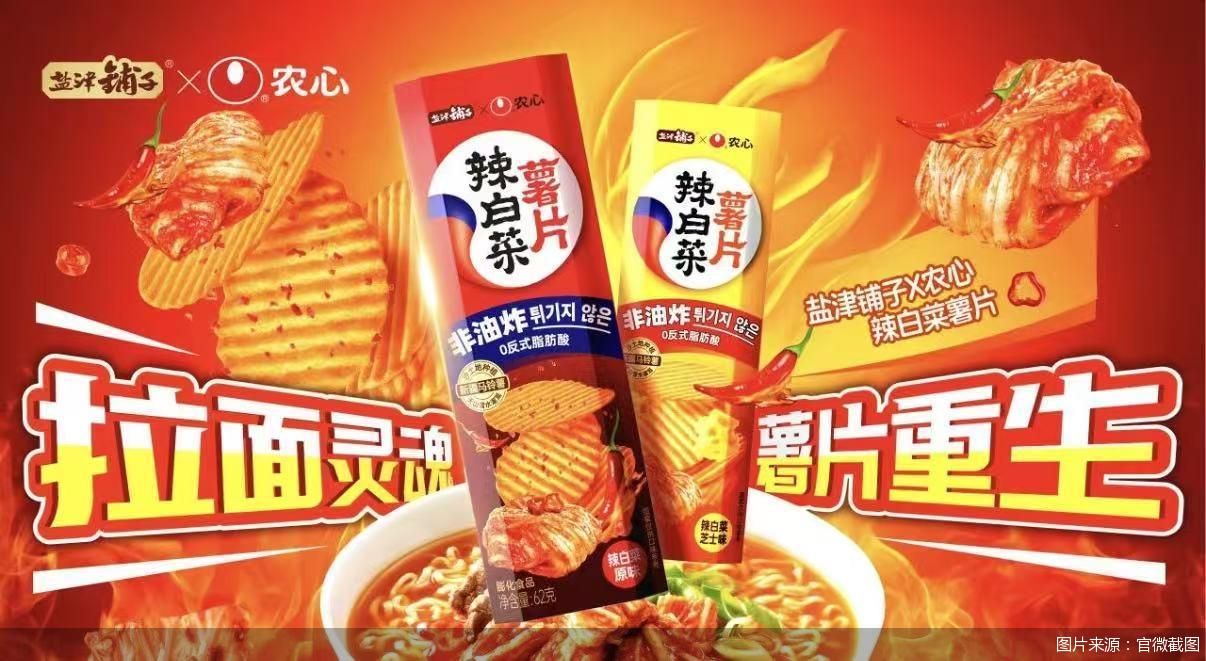
盐津铺子创建于2005年,目前主要聚焦辣卤零食、烘焙薯类、深海零食、蛋类零食、果干坚果以及蒟蒻果冻布丁等品类,在主品牌"盐津铺子"外,公司已形 成魔芋素毛肚品牌"大魔王"、鹌鹑蛋品牌"蛋皇"、深海零食品牌"31°鲜"、休闲烘焙品牌"憨豆爸爸"、蒟蒻果冻品牌"蒟蒻满分"、薯类零食品牌"薯惑"等子品 牌。 继与六必居、三养食品、周黑鸭、妙可蓝多等风味品牌成功联名后,盐津铺子再度打出"联名牌"。10月8日,盐津铺子宣布与韩国食品巨头农心联名推出辣 白菜薯片。农心旗下拥有辣白菜拉面、辛拉面等经典产品,是不少消费者心目中韩式风味的代表,本次联名合作由农心将其对辣白菜发酵风味的研究成果融 入薯片调味,盐津铺子则以精湛的焙烤工艺将辣白菜风味融入薯片。业内人士认为,盐津铺子选择将烘焙薯类作为联名合作的载体,是希望借助联名的品牌 影响力与风味优势,为这一品类注入新活力,进一步补齐品类短板。 就与农心联名等相关问题,北京商报记者向盐津铺子方面发去采访函,但截至发稿未收到回复。 近期发布的半年报显示,2025年上半年,盐津铺子实现营收29.41亿元,同比增长19.58%;归母净利润3.73亿元,同比增长16.7%。从品类表现来看, ...
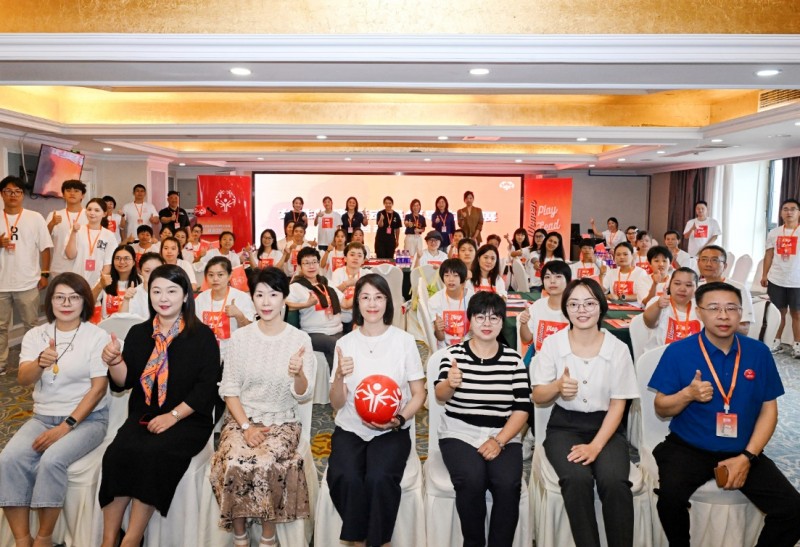
好丽友携手特奥助力女性特奥运动员领导力发展
Zhong Guo Shi Pin Wang· 2025-10-09 07:17
Core Insights - The leadership development event for female Special Olympics athletes was successfully held in Chengdu at the end of September, with participation from over 30 guests from various organizations and more than 50 female athletes, mentors, and parents [1] Group 1: Event Overview - The event served as a valuable platform for learning and exchange among female Special Olympics athletes [5] - Experts and scholars from different fields shared practical experiences on gender equality, inclusive education, inclusive health, and integrated employment [5] Group 2: Corporate Involvement - Orion, a long-term partner of the Special Olympics, participated for the seventh time, engaging in discussions on cross-sector collaboration to support the development of women with intellectual disabilities [3] - Orion provided seasonal snacks, including salted egg yolk lava pies and chocolate berry Q cakes, for the three-day event [3] Group 3: Commitment to Social Causes - Orion is committed to collaborating with various sectors to contribute to a future that is equal and inclusive, continuing to support the growth of Special Olympics athletes through diverse activities [5]