
农业

Search documents
全国首批美丽乡村先行区发布 山东一地入选
Da Zhong Ri Bao· 2026-01-22 01:18
Group 1 - The Ministry of Ecology and Environment has released the first batch of beautiful rural pilot areas, with 23 counties (cities, districts) selected, including Laoshan District in Qingdao as the only representative from Shandong [2][3] - Laoshan District focuses on ecological foundations, implementing scientific land planning and high-standard rural revitalization demonstration areas, with a total financial investment of 1.46 billion yuan from 2019 to 2025 for rural living environment improvement [2] - The district has constructed over 1,600 kilometers of sewage pipelines and 42 sewage treatment plants, achieving comprehensive governance of rural domestic sewage [2] Group 2 - The first batch of beautiful rural pilot areas adheres to the "Ten Thousand Projects" experience, meeting basic conditions such as clean and tidy villages, effective sewage and waste management, and the elimination of black and odorous water bodies [3] - By 2027, the country aims to support around 100 counties (cities, districts) in building beautiful rural pilot areas, with a goal of achieving a 40% completion rate for beautiful rural areas [3] - Laoshan District is also promoting the transformation of ecological value through projects that enhance rural appearance and protect traditional village styles, while integrating industries to boost agricultural branding and value [2][3]
广发早知道:汇总版-20260122
Guang Fa Qi Huo· 2026-01-22 01:18
1. Report Industry Investment Rating There is no information about the industry investment rating in the provided reports. 2. Core Views of the Report - The overall market is influenced by multiple factors including macro - policies, supply - demand dynamics, and geopolitical events. Different sectors show various trends. Some sectors are expected to be volatile, while others may have specific upward or downward trends based on their unique fundamentals [2][4][5] - In the commodities market, factors such as raw material supply, inventory levels, and downstream demand play crucial roles in determining price movements. For example, in the metals market, the supply of raw materials like nickel and copper, and the demand from industries such as stainless - steel production and electronics, affect prices [20][23][40] - In the financial market, stock index futures and bond futures are affected by domestic and international news, economic data, and policy orientations. For instance, A - share market sentiment is influenced by domestic economic development and overseas trade policies [7][8][9] 3. Summary by Directory 3.1 Daily Selections - **Stainless Steel**: Affected by approaching delivery, the price rose at the end of the session. The cost is supported by raw material news, but supply is abundant and demand is weak. It is expected to be strongly volatile in the short - term, with the main contract reference range of 14,200 - 15,000 [2][46] - **Caustic Soda**: The supply - demand imbalance persists, and the spot price is under pressure. The industry operating rate has slightly increased, with high inventory and weak demand [3][111] - **Coking Coal**: The price of coal in Shanxi has mostly risen, while Mongolian coal has fallen from its high. The market has over - anticipated the rise. It is expected to be bearish and volatile, with the reference range of 1,000 - 1,200 [4][64] - **Palm Oil**: It leads the rise in the oil and fat sector, with the potential to break through the 9,000 mark. The production in Malaysia has decreased seasonally, and exports have increased [5][87] - **Gold**: Driven by geopolitical conflicts, the safe - haven sentiment boosts the gold price. It is recommended to buy on dips above the 20 - day moving average and sell out - of - the - money call options [6][17] 3.2 Financial Derivatives 3.2.1 Financial Futures - **Stock Index Futures**: The A - share market had a weak rebound with reduced trading volume. The semiconductor sector was hot. It is expected to enter a volatile trend, and investors are advised to control risks and reduce long positions [7][8][9] - **Bond Futures**: The money market is relatively loose, and long - term bond futures have strengthened. It is recommended to wait and see in the short - term and not to chase high prices [10][11][13] 3.2.2 Precious Metals - The prices of precious metals were affected by Trump's tariff suspension. Gold closed higher, while silver, platinum, and palladium had different trends. In the future, gold is expected to be strongly volatile, silver may be volatile at a high level, and platinum and palladium will follow gold and be volatile with a narrowing range [14][17][18] 3.3 Commodity Futures 3.3.1 Non - ferrous Metals - **Copper**: The price oscillated and adjusted, and the inventory continued to accumulate. The market speculation sentiment has eased, and the price may gradually return to fundamental pricing [19][23] - **Alumina**: The spot market is in surplus, and the price is expected to oscillate widely around the cash cost line, with the reference range of 2,600 - 2,900 [24][26] - **Aluminum**: The market is in a high - level volatile pattern. The macro and policy expectations are strong, but the fundamentals are under pressure. It is expected to be volatile at a high level, with the reference range of 23,000 - 25,000 [27][29] - **Zinc**: The price oscillated and adjusted. The shortage of zinc ore supports the price, but the demand is suppressed. It is expected to be volatile, and investors can hold long positions at low prices in the long - term [32][36] - **Tin**: The price fluctuated widely. The supply has increased, and the demand from the welding industry is under pressure. It is recommended to be cautious in the short - term and hold a long - term low - buying attitude [36][40] - **Nickel**: The impact of news has been digested, and the price oscillated and adjusted. It is expected to be widely volatile, with the reference range of 138,000 - 148,000 [40][43] - **Stainless Steel**: Similar to the daily selection, it is affected by delivery and cost - demand game, and is expected to be strongly volatile in the short - term [43][46] - **Lithium Carbonate**: The supply - side disturbance expectation has risen again, and the price is expected to be strong. It is recommended to wait and see in the short - term and buy on dips in the medium - term [47][50] - **Polysilicon**: The spot price has fallen, and the futures price is weakly volatile. It is recommended to wait and see [51][53] - **Industrial Silicon**: The spot price is stable, and the futures price oscillated. It is expected to be volatile, and investors should pay attention to the implementation of production cuts [54][56] 3.3.2 Ferrous Metals - **Steel**: The supply and demand are both weak, and the steel price is expected to oscillate within a range. The reference ranges for rebar and hot - rolled coil are 3,050 - 3,250 and 3,200 - 3,350 respectively [57][59] - **Iron Ore**: The supply is in the off - season, and the port inventory is accumulating. The price is under pressure, and investors can short at around 800 [60][61] - **Coking Coal**: Similar to the daily selection, the spot is strong before the Spring Festival, but the market has over - anticipated the rise. It is expected to be bearish and volatile [62][64] - **Coke**: The mainstream coke enterprises have started to raise prices, but the market has over - anticipated. It is expected to be bearish and volatile, with the reference range of 1,600 - 1,800 [65][67] - **Silicon Iron**: The supply - demand situation has marginally improved. It is expected to be widely volatile, with the reference range of 5,300 - 5,800 [68][69] - **Manganese Silicon**: The manganese ore supports the cost, and the supply - demand situation has improved. It is expected to be widely volatile, with the reference range of 5,600 - 6,000 [70][72] 3.3.3 Agricultural Products - **Meal**: The U.S. soybean market is volatile, and the bottom of soybean meal is strongly supported. The domestic supply is loose, but the downside space is limited. It is expected to be volatile [73][75] - **Live Pigs**: The slaughter pressure has increased, and it is difficult for the white - strip pork price to rise. The market is expected to oscillate at the bottom [76][77] - **Corn**: There are both support and pressure, and the price is expected to oscillate within a range. It is necessary to pay attention to the farmers' selling mentality and policy release [78][79] - **Sugar**: The raw sugar is oscillating, and the domestic sugar market is in the late stage of stockpiling. The sugar price is expected to be weakly volatile at a low level [80] - **Cotton**: The U.S. cotton is stable, and the domestic cotton price is adjusting. It is expected to continue to adjust, and attention should be paid to the support at around 14,400 - 14,500 [82][83] - **Eggs**: The egg price is stable, and the market is moving normally. The futures price is expected to oscillate within a range [85] - **Oils and Fats**: Palm oil leads the rise, with the potential to break through 9,000. Soybean oil may have a callback, and rapeseed oil is expected to be narrowly volatile [86][88] - **Jujubes**: The consumption drive is weak, and the futures price has rebounded at a low level. The market is expected to run at a low level [89][90] - **Apples**: Supported by low inventory, the price has stopped falling and stabilized. It is necessary to pay attention to the inventory situation after the Spring Festival [91][92] 3.3.4 Energy and Chemicals - **PX**: The short - term supply is high, and the demand is weak. It is expected to be volatile at a high level in the short - term and may be tight in the second quarter. It is recommended to buy on dips [93] - **PTA**: There is a seasonal inventory accumulation expectation, and the driving force before the Spring Festival is limited. It is expected to follow the raw material price and oscillate within the range of 4,900 - 5,300 [94][95] - **Short - fiber**: The supply - demand situation is weak, and it is expected to follow the raw material price and oscillate. The processing fee can be shorted at a high level [97] - **Bottle - grade PET**: Multiple devices are under maintenance, and the factory is reducing inventory. The price and processing fee are expected to follow the cost. It is recommended to take the same strategy as PTA [98][99] - **Ethylene Glycol**: There is a seasonal inventory accumulation, and the price is under pressure. It is recommended to short the 5 - 9 spread and sell call options [100][101] - **Pure Benzene**: The supply - demand situation has improved, but the high inventory restricts the driving force. It is recommended to short the BZ03 contract and narrow the EB - BZ spread [102][103] - **Styrene**: The supply - demand is temporarily tight, but the high valuation limits the rebound space. It is recommended to short the EB03 contract and narrow the processing fee [104][106] - **LLDPE**: The upstream has reduced the price to sell, and the transaction has improved. It is recommended to wait and see [107] - **PP**: The supply and demand are both weak, and the price is weakly volatile. It is recommended to hold the PDH profit expansion position [107][108] - **Methanol**: The basis has strengthened, and the price is narrowly volatile. It is recommended to wait and see [108] - **Caustic Soda**: Similar to the daily selection, the supply - demand imbalance persists, and the price is under pressure [109][111] - **PVC**: The demand is weak, and the price is under pressure. It is expected to be weakly volatile in the short - term, but the downside space is limited [112][113] - **Urea**: The inventory has fallen below one million tons, and the demand has recovered. The price is expected to be widely volatile, and the main contract reference range is 1,740 - 1,790 [114][115] - **Soda Ash**: The supply is high, and the demand is weak. It is expected to be weakly volatile in the short - term, and short positions can be held [116][119] - **Glass**: The supply and demand are both weak in the off - season. It is expected to be weakly volatile, and short positions can be held [116][120] - **Natural Rubber**: Thailand is entering the production - reduction period, and the raw material price has rebounded. The price is expected to oscillate within the range of 15,500 - 16,500. It is recommended to wait and see [120][122] - **Synthetic Rubber**: The cost is strong, and the BR is expected to oscillate in the short - term. It is recommended to pay attention to the spread expansion opportunity between BR2603 and NR2603 [124][125][126]
铜冠金源期货商品日报-20260122
Tong Guan Jin Yuan Qi Huo· 2026-01-22 01:17
Report Industry Investment Rating No relevant content provided. Core Viewpoints of the Report - Overseas, Trump's speech in Davos and agreements on Greenland and NATO, along with the US Supreme Court's decision, led to the resurgence of the "TACO trade," affecting the dollar, gold, silver, US bonds, stocks, and commodities [2]. - Domestically, the 2025 economic data was better than expected, with A - shares showing a positive mid - term trend despite short - term adjustments [3]. - Different commodities have different trends. For example, precious metals' gold - silver ratio is expected to rise, copper prices will adjust in the short term, aluminum prices will fluctuate at high levels, etc. [4][6][8] Summary by Related Catalogs Macroeconomic Situation - Overseas: Trump defined Greenland as a US core security interest, reached a "future agreement framework" with NATO on Greenland and Arctic security, postponed the February 1 tariff measures, and the US Supreme Court maintained the ban on immediately dismissing Fed Governor Cook. The "TACO trade" reappeared, with the dollar index rebounding to 98.8, gold and silver retreating, the 10 - year US Treasury yield falling to 4.24%, and US stocks rising over 1% after sharp fluctuations [2]. - Domestic: The 2025 economic data was better than expected, with export resilience exceeding expectations, consumption falling as expected, and investment being a short - term drag. Fiscal and monetary policies will moderately support the economy in Q1. A - shares rose on Wednesday, with the Sci - tech Innovation 50 leading the gain by over 3%, and the market entering a stage of volume - shrinking and differentiation [3]. Precious Metals - On Wednesday, COMEX gold futures rose 1.48% to $4836.20 per ounce, and COMEX silver futures fell 1.78% to $92.95 per ounce. LBMA predicted that the average silver price in 2026 would reach $79.57 per ounce. However, after the explosive growth in 2025, the market is over - inflated. The gold - silver ratio is at a 50 - year low and is expected to rise, with gold outperforming silver in the short term [4][5]. Copper - On Wednesday, Shanghai copper's main contract weakened, and LME copper sought support at $12,700. Trump's agreement with NATO on Greenland reduced market risk - aversion, causing copper prices to adjust downward. High copper prices dragged down domestic demand, and the global visible inventory increased. In the short term, copper prices will adjust, but the adjustment range may be limited [6][7]. Aluminum - On Wednesday, Shanghai aluminum's main contract closed at 24,155 yuan/ton, up 0.56%. The easing of geopolitical tensions and the increase in downstream purchases during price adjustments limited the decline of aluminum prices. The position in the Shanghai aluminum market rebounded, and aluminum prices are expected to fluctuate at high levels [8][9]. Alumina - On Wednesday, the main alumina futures contract closed at 2,672 yuan/ton, down 0.71%. A Henan alumina plant's maintenance had limited impact on production. The import window remained open, inventory continued to accumulate, and alumina supply remained in surplus, continuing its weak trend [10]. Cast Aluminum - On Wednesday, the main cast aluminum alloy futures contract closed at 22,895 yuan/ton, up 0.42%. The cost of scrap aluminum did not decline further, and there was a game between supply and demand in the market. Cast aluminum prices will remain volatile [11]. Zinc - Trump's agreement on Greenland reduced risk - aversion, and the dollar rebounded, putting pressure on zinc prices. Teck's downward adjustment of the production guidance for the Antamina mine in 2026 and supply disruptions from the Iran situation tightened the supply of zinc ore. However, it is currently the consumption off - season, and high - priced raw materials suppress demand. Zinc prices will remain volatile [12][13][14]. Lead - Downstream battery enterprises' weak purchasing sentiment and high inventory suppressed lead prices. However, some smelters plan to increase production cuts, which will ease the decline in lead prices. Lead prices are expected to maintain a weak and volatile trend [15]. Tin - Trump's agreement on Greenland reduced market risk - aversion, and the dollar rebounded, causing tin prices to give back some gains. High - level inventories decreased, but downstream demand for high - priced raw materials was weak. Tin prices are expected to fluctuate widely at high levels, with macro - sentiment leading the price movement [16]. Steel (Screw and Coil) - On Wednesday, steel futures fluctuated. Affected by seasonal demand, market transactions weakened. The steel market is in a situation of weak supply and demand, and steel prices are expected to fluctuate [17]. Iron Ore - On Wednesday, iron ore futures fluctuated. Supply remained high, and port inventory increased. Demand was weak in the off - season. Although there was an expectation of pre - holiday inventory replenishment, the overall supply was stronger than demand, and iron ore prices are expected to fluctuate [18]. Coking Coal and Coke (Double Coking) - On Wednesday, double coking futures fluctuated and adjusted. The supply of coking coal and coke was loose due to coal mine resumption, while downstream demand was weak. The supply - demand contradiction was prominent, and prices are expected to fluctuate weakly [19]. Soybean and Rapeseed Meal - On Wednesday, the soybean meal 05 contract fell 0.04%, and the rapeseed meal 05 contract rose 0.36%. Argentina's soybean - producing areas may turn dry, which may affect yields. Domestic pre - holiday inventory replenishment and oil mills' price - holding intentions support the market. Soybean meal prices are expected to fluctuate at low levels [20]. Palm Oil - On Wednesday, the palm oil 05 contract rose 1.28%. From January 1 - 20, 2026, Malaysia's palm oil production decreased by 16.06% month - on - month. Supply contraction and inventory reduction are expected to support palm oil prices, which are expected to fluctuate strongly in the short term [21][22].
五矿期货文字早评-20260122
Wu Kuang Qi Huo· 2026-01-22 00:59
Report Industry Investment Rating No relevant content provided. Core Views of the Report - For the stock index, in the long - term, policies support the capital market, and the strategy is to buy on dips [4]. - For treasury bonds, in the context of weak domestic demand recovery, there is still room for reserve requirement ratio and interest rate cuts, and the bond market is expected to fluctuate [6]. - For precious metals, in the medium - term, there is a buying opportunity after the price correction [8]. - For non - ferrous metals, in the double - wide cycle, the bullish sentiment of commodities continues, with the main focus on precious metals and non - ferrous metals, and other sectors are affected by the spill - over of market sentiment [41]. - For black building materials, the prices of black series continue to oscillate in the bottom range, and attention should be paid to the inventory reduction progress of hot - rolled coils and relevant policies [30]. - For energy and chemicals, different varieties have different trends, such as rubber is expected to decline after consolidation, and some varieties have opportunities for long - term investment [51]. - For agricultural products, different products have different outlooks, such as short - term support for the near - month contracts of live pigs and eggs, but medium - term pressure on some products [78][80]. Summary by Relevant Catalogs Stock Index - **Market Information**: Policies include solving abnormal low - price problems in government procurement, supporting the real estate market, and promoting cross - border payment systems [2]. - **Basis Ratio**: The basis ratios of IF, IC, IM, and IH for different periods are provided [3]. - **Strategy**: Adopt a long - on - dips strategy in the long - term, and pay attention to the market rhythm in the short - term [4]. Treasury Bonds - **Market Information**: The prices of TL, T, TF, and TS contracts changed on Wednesday. Policies focus on urban renewal and real estate system construction. The central bank conducted reverse repurchase operations with a net investment of 1227 billion yuan [5]. - **Strategy**: In the context of weak domestic demand recovery, there is room for reserve requirement ratio and interest rate cuts, and the bond market is expected to fluctuate, mainly affected by the stock - bond seesaw [6]. Precious Metals - **Market Information**: The prices of gold and silver in domestic and foreign markets changed. The conflict over Greenland was alleviated, and the inventory of COMEX silver decreased [7]. - **Strategy**: In the medium - term, there is a buying opportunity after the price correction, with reference price ranges for Shanghai gold and silver contracts [8]. Non - Ferrous Metals Copper - **Market Information**: The price of copper followed the trend of gold and fell. LME copper inventory increased, and the domestic spot was at a discount [10]. - **Strategy**: The copper price is expected to oscillate and adjust in the short - term, with reference price ranges for Shanghai copper and LME copper [11]. Aluminum - **Market Information**: The price of aluminum fell slightly. The inventory of LME aluminum increased, and the domestic downstream procurement sentiment improved [12]. - **Strategy**: The decline of aluminum price is limited, and it is still supported in the short - term, with reference price ranges for Shanghai aluminum and LME aluminum [13]. Zinc - **Market Information**: The price of zinc fell. The inventory of zinc ingots increased, and the LME announced restrictions on some zinc brands [14]. - **Strategy**: Zinc has room for price increase compared with copper and aluminum, and follow - up attention should be paid to the leading varieties in the sector and the Shanghai - London ratio [15]. Lead - **Market Information**: The price of lead fell. The inventory of lead ingots increased, and the LME announced restrictions on some lead brands [16]. - **Strategy**: The lead price may oscillate and adjust, and follow - up attention should be paid to the leading varieties in the sector and the Shanghai - London ratio [17]. Nickel - **Market Information**: The price of nickel fluctuated slightly. The prices of nickel ore and nickel iron changed [18]. - **Strategy**: The Shanghai nickel is expected to oscillate widely in the short - term, and it is recommended to wait and see, with reference price ranges for Shanghai nickel and LME nickel [19]. Tin - **Market Information**: The price of tin rebounded. The smelting start - up rates in Yunnan and Jiangxi were stable, and the inventory increased [20][21]. - **Strategy**: The supply - demand of tin has improved marginally, and the price is expected to oscillate. It is recommended to wait and see, with reference price ranges for domestic and overseas tin contracts [22]. Carbonate Lithium - **Market Information**: The price of carbonate lithium rebounded. The spot index and futures contract price increased [23]. - **Strategy**: The supply contraction expectation has not been falsified, but there is a callback risk. It is recommended to wait and see or try with a light position, with a reference price range for the futures contract [23]. Alumina - **Market Information**: The price of alumina increased slightly. The inventory increased, and the overseas price decreased [24]. - **Strategy**: The ore price is expected to decline, and the over - capacity of alumina smelting is difficult to change in the short - term. It is recommended to wait and see, with a reference price range for the domestic contract [25]. Stainless Steel - **Market Information**: The price of stainless steel increased. The inventory decreased, and the raw material prices changed [26]. - **Strategy**: In the short - term, the market is expected to be strong, and the price may oscillate at a high level, with a reference price range for the main contract [26]. Casting Aluminum Alloy - **Market Information**: The price of casting aluminum alloy oscillated. The inventory decreased, and the trading volume increased [27]. - **Strategy**: The price is expected to oscillate and consolidate, with strong cost support and general demand [28]. Black Building Materials Steel - **Market Information**: The prices of rebar and hot - rolled coils changed. The inventory and production of hot - rolled coils and rebar changed [30]. - **Strategy**: The prices of steel products continue to oscillate in the bottom range. Attention should be paid to the inventory reduction progress of hot - rolled coils and relevant policies [30]. Iron Ore - **Market Information**: The price of iron ore fell. The inventory increased, and the supply and demand changed [31]. - **Strategy**: The supply pressure eases marginally, and the price is supported in the short - term. Attention should be paid to the steel mill's restocking and iron - water production rhythm [32]. Coking Coal and Coke - **Market Information**: The prices of coking coal and coke changed. The technical forms and supply - demand structures are analyzed [33][34]. - **Strategy**: The prices of coking coal and coke are expected to oscillate strongly, and attention should be paid to market sentiment fluctuations [36]. Glass and Soda Ash - **Glass** - **Market Information**: The price of glass fell. The inventory decreased, and the trading volume changed [37]. - **Strategy**: The glass market is in a loose balance, and the price is expected to oscillate widely, with a reference price range for the main contract [38]. - **Soda Ash** - **Market Information**: The price of soda ash fell. The inventory increased slightly, and the trading volume changed [39]. - **Strategy**: The soda ash market is in a weak - oscillating pattern, and the price is expected to continue to be weak, with a reference price range for the main contract [39]. Manganese Silicon and Ferrosilicon - **Market Information**: The prices of manganese silicon and ferrosilicon changed. The technical forms and supply - demand structures are analyzed [40]. - **Strategy**: The supply - demand of manganese silicon is not ideal, and that of ferrosilicon is basically balanced. Attention should be paid to market sentiment and relevant factors, and there are opportunities for long - term investment [43]. Industrial Silicon and Polysilicon - **Industrial Silicon** - **Market Information**: The price of industrial silicon increased slightly. The supply and demand changed [44]. - **Strategy**: The price of industrial silicon is expected to oscillate due to news disturbances, and attention should be paid to the implementation of production cuts by large factories [45]. - **Polysilicon** - **Market Information**: The price of polysilicon fell. The supply pressure is expected to ease [46]. - **Strategy**: The market is in a wait - and - see state, and the price is expected to fluctuate in the short - term. Attention should be paid to spot transactions and exchange risk - control measures [47]. Energy and Chemicals Rubber - **Market Information**: The price of rubber oscillated and rebounded. The supply and demand, inventory, and spot prices changed [49][50]. - **Strategy**: Rubber is expected to decline after consolidation, and a short - on - rebound strategy is recommended [51]. Crude Oil - **Market Information**: The price of crude oil increased. The inventory of refined oil products in ports changed [52]. - **Strategy**: Take profit on heavy - oil spreads and go long on crude oil at the shale - oil break - even cost range [53]. Methanol - **Market Information**: The regional spot and futures prices of methanol changed [54]. - **Strategy**: The valuation is low, and there is room for long - term investment due to geopolitical expectations [55]. Urea - **Market Information**: The regional spot and futures prices of urea changed [56]. - **Strategy**: The import window is open, and it is recommended to take profit on rallies [57]. Pure Benzene and Styrene - **Market Information**: The prices of pure benzene and styrene changed. The supply, demand, and inventory are analyzed [60]. - **Strategy**: There is room for upward valuation repair of styrene non - integrated profit, and it is recommended to go long on non - integrated profit before the first quarter [61]. PVC - **Market Information**: The price of PVC fell. The supply, demand, and inventory changed [62]. - **Strategy**: The domestic supply is strong and demand is weak. In the short - term, there is support from electricity prices and export rush, and in the medium - term, a short - on - rallies strategy is recommended [63]. Ethylene Glycol - **Market Information**: The price of ethylene glycol increased. The supply, demand, and inventory changed [64][65]. - **Strategy**: The supply - demand pattern needs to be improved by increasing production cuts. There is a risk of rebound in the short - term, and valuation compression is expected in the medium - term [66]. PTA - **Market Information**: The price of PTA increased. The supply, demand, and inventory changed [67]. - **Strategy**: PTA is expected to enter the Spring Festival inventory - accumulation period. There is room for valuation increase after the Spring Festival, and attention should be paid to long - term investment opportunities [68]. p - Xylene - **Market Information**: The price of p - xylene fell. The supply, demand, and inventory changed [69]. - **Strategy**: PX is expected to maintain an inventory - accumulation pattern before the maintenance season. There are long - term investment opportunities following crude oil after the Spring Festival [71]. Polyethylene (PE) - **Market Information**: The price of PE increased. The supply, demand, and inventory changed [72]. - **Strategy**: The price of crude oil may have bottomed out. The supply pressure is reduced, and the price is supported by inventory reduction [73]. Polypropylene (PP) - **Market Information**: The price of PP increased. The supply, demand, and inventory changed [74]. - **Strategy**: The supply - demand is weak, and the inventory pressure is high. There is no prominent short - term contradiction. There are opportunities for long - term investment in the PP5 - 9 spread [75]. Agricultural Products Live Pigs - **Market Information**: The price of live pigs mainly declined. The consumption and supply situation is analyzed [77]. - **Strategy**: The short - term near - month contracts are supported, but the medium - term supply pressure is high [78]. Eggs - **Market Information**: The price of eggs was mostly stable. The supply, demand, and inventory are analyzed [79]. - **Strategy**: The near - month contracts are strong in the short - term, but the overall supply is sufficient, and the long - term outlook for the far - end contracts is uncertain [80]. Soybean and Rapeseed Meal - **Market Information**: The prices of soybean and rapeseed meal futures changed. The supply and demand situation is affected by policies and imports [81]. - **Strategy**: The prices of protein meals have fallen to the previous low, with many negative news. It is recommended to wait and see in the short - term [82]. Oils - **Market Information**: The prices of oils futures changed. The supply and demand situation is affected by production, consumption, and policies [83][84]. - **Strategy**: The current fundamentals are weak, but the long - term outlook is optimistic. It is recommended to wait and see in the short - term [85]. Sugar - **Market Information**: The price of sugar fell. The supply and demand situation is affected by imports and production in different countries [86][88]. - **Strategy**: After the negative impact of production increase is realized, there may be a rebound in international sugar prices. It is recommended to wait and see in the short - term [89]. Cotton - **Market Information**: The price of cotton oscillated. The supply and demand situation is affected by imports, production, and consumption [90][91]. - **Strategy**: In the long - term, there is room for the cotton price to rise. It is recommended to wait for a correction and then go long [92].
金塔县:通村达户促振兴
Xin Lang Cai Jing· 2026-01-22 00:44
道路通,百业兴。金塔县以道路建设为纽带,一条条沥青路串联起各个产业示范带,促进农业、旅游业 等产业融合发展,让交通红利成为家家户户抬脚可及的"民生礼包"。 早年修建的道路坑坑洼洼,每到下雨天,泥泞的路面给村民出行造成不便。这样的道路,悄悄困住了村 民的脚步,成了制约乡村发展的堵点。 民有所呼,必有所应。去年以来,金塔县持续扩大路网覆盖、提升路网质量,累计实施公路工程7项, 完成投资9725.1万元,新改建及养护维修农村公路168.75公里,实施安全生命防护工程47公里,改造危 桥1座,整治提升交叉路口544个,让农村公路真正成为支撑乡村振兴的"幸福路"。 一条条宽阔平整的农村公路纵横延展,带着村民们的希望驶向更美好的生活。 金塔县:通村达户促振兴 "现在出门就是柏油路!"金塔县金塔镇胜利村村民对崭新的道路很是喜欢。 在金塔县各个生态及地质灾害避险搬迁集中安置点,交通条件的改善为居民生活带来了显著变化。 道路建设是基础,长期管护才是关键。为保障农村公路长期畅通、持续发挥效益,金塔县还建立了"建 管养运"一体化机制,配备专职人员负责日常巡查与维护,及时清理道路沿线杂物、修复边坡、补植绿 化,实现"发现即处置",全 ...
2026 凝心聚力绘新卷 砥砺奋进开新局
Xin Lang Cai Jing· 2026-01-21 22:36
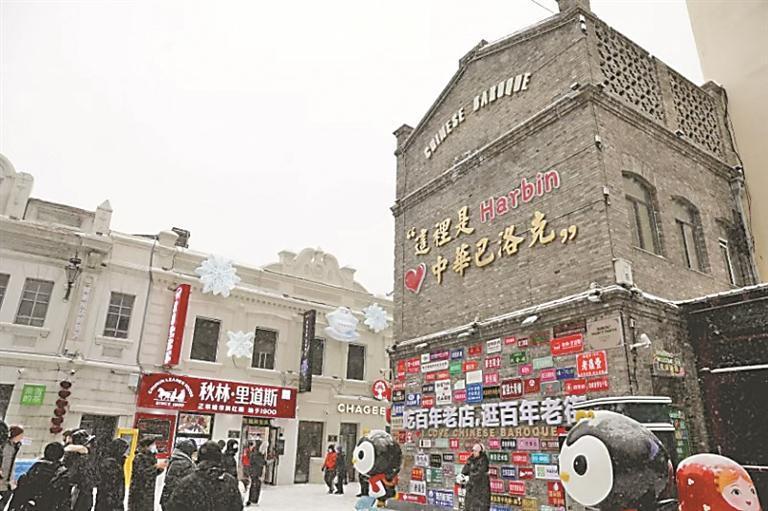
Core Viewpoint - Harbin aims to achieve a balanced economic growth with a GDP increase of 5% and a focus on enhancing production capacity and quality across various sectors, while ensuring social stability and environmental sustainability [11]. Economic Development Goals - The expected economic growth targets for Harbin include: - GDP growth of 5% - Agricultural output growth of 3.5% - Industrial value-added growth of 5.5% - Fixed asset investment growth of 7% - Retail sales growth of approximately 4.5% - Public budget revenue growth of 6% - Synchronization of urban and rural residents' income growth with economic growth - A reduction of carbon emissions per unit GDP by about 3.8% [11]. Consumer and Investment Expansion - Strategies to boost consumption include: - Developing new consumption formats and enhancing service supply - Implementing policies for replacing old consumer goods to stimulate urban and rural consumption - Expanding service consumption and promoting traditional brands [12]. - Investment strategies focus on: - Targeting key sectors for long-term investment support - Attracting foreign strategic investors and expanding industrial investments with over 700 projects and investments exceeding 60 billion yuan [12]. Industry Development - Emphasis on fostering new and future industries such as: - Digital economy and biotechnology - High-end equipment, aerospace, and renewable energy sectors - Upgrading traditional industries like manufacturing and food production through technological improvements [13]. - The goal is to create competitive advantages by strengthening supply chains in emerging sectors [13]. Tourism and Cultural Development - Plans to enhance tourism include: - Upgrading key scenic areas and promoting winter sports tourism - Integrating cultural, sports, and commercial activities to boost tourism appeal [14]. - Development of high-quality tourist attractions and services to improve visitor experience [14]. Agricultural and Rural Development - Agricultural initiatives aim to: - Enhance production capacity and quality through technology and sustainable practices - Maintain grain planting areas above 30 million mu and grain production above 25 billion jin [15]. - Focus on rural revitalization and improving living conditions through infrastructure development [16]. Reform and Open Economy - Efforts to improve the business environment include: - Streamlining administrative processes and enhancing digital government services - Strengthening legal protections for market participants [17]. - Expansion of high-level open cooperation, particularly in cross-border trade and logistics [17]. Urban Development and Infrastructure - Urban planning will focus on: - High-standard implementation of urban construction projects, including heating and transportation infrastructure [18]. - Initiatives for urban renewal and environmental improvements, including waste management and pollution control [19]. Social Welfare and Employment - Employment strategies include: - Expanding job opportunities for youth and vulnerable groups, targeting over 87,000 new urban jobs [20]. - Enhancements in social security and healthcare services to improve overall community well-being [20].

推进农业农村现代化的苏州实践
Xin Lang Cai Jing· 2026-01-21 21:34
Core Viewpoint - The article emphasizes the importance of modernizing agriculture and rural areas in Suzhou as part of China's overall modernization strategy, highlighting the need for innovative agricultural productivity to drive rural revitalization [1] Group 1: Technological Innovation - Suzhou prioritizes technological innovation to shift agricultural development from traditional factor-driven to technology-driven [1] - The city is advancing new infrastructure construction, including smart agricultural industrial parks and agricultural technology innovation centers, supported by IoT and 5G networks [1] - Annual global announcements of "challenge lists" aim to address core agricultural technology issues, facilitating the transformation of scientific achievements into productive forces [1] - Digital empowerment is promoted to accelerate the digital transformation of the entire agricultural industry chain, integrating new information technologies with agriculture [1] Group 2: Industrial Innovation - Suzhou is breaking traditional agricultural thinking by expanding the multifunctionality of agriculture to enhance rural value [2] - Traditional industries are being upgraded through new concepts and technologies, exemplified by the transformation of local specialties like Dongting Mountain Biluochun tea [2] - Cultural empowerment is utilized for branding agricultural products, focusing on local specialties such as Suzhou rice and Yangcheng Lake crabs [2] - Future agricultural industry initiatives are being developed to establish a nationally influential agricultural technology innovation hub [2] Group 3: Green Development - Suzhou integrates green development principles throughout the agricultural modernization process, promoting organic and ecological agriculture [2] - The city is implementing ecological circular agriculture models to achieve sustainable farming practices [2] - A strict monitoring and evaluation system for agricultural pollution is being established, alongside increased subsidies for green and organic certified products [2] Group 4: Talent Development - Suzhou is addressing agricultural labor challenges by enhancing talent development mechanisms [2] - A high-quality farmer training program is being implemented to transition traditional farmers into modern agricultural professionals [2] - The city has introduced a plan to cultivate innovative agricultural talents, focusing on various fields such as agricultural technology and rural governance [2] - A comprehensive talent support system is being established to facilitate the recruitment and development of agricultural professionals [2]
专家学者共话“十五五”加快农业农村现代化发展路径
Xin Lang Cai Jing· 2026-01-21 20:32
Core Insights - The forum at Tsinghua University focused on the theme of accelerating agricultural and rural modernization during the "14th Five-Year Plan" period, discussing tasks and development paths for this initiative [1][2] - The report released by Tsinghua University’s China Rural Research Institute evaluated the livability and workability of rural areas, assessing the construction levels of beautiful rural areas across 1,470 counties in China [2] Group 1: Agricultural Modernization Goals - Chen Xiwens, the chairman of the Agricultural and Rural Committee of the National People's Congress, emphasized the adaptability and vitality of China's dual management system based on family contracting, advocating for innovation in rural basic management systems and agricultural social services to achieve the goal of a strong agricultural nation with Chinese characteristics [1] - Du Ying, former deputy director of the National Development and Reform Commission, highlighted the need to focus on the overall goal of agricultural and rural modernization during the "14th Five-Year Plan" period, with an emphasis on increasing effective supply of agricultural products and farmers' income [1] Group 2: Key Tasks for Agricultural Modernization - Pan Wenbo, chief agronomist of the Ministry of Agriculture and Rural Affairs, outlined key tasks for accelerating agricultural modernization, including enhancing comprehensive production capacity and quality, consolidating poverty alleviation achievements, promoting the construction of livable and workable beautiful villages, broadening income channels for farmers, and improving the effectiveness of policies benefiting agriculture [1] - Hu Angang, a senior professor at Tsinghua University, stressed the strategic significance of modernizing agriculture, rural areas, and farmers for solidifying the foundation of Chinese-style modernization, proposing paths such as technological empowerment and industrial integration [2] Group 3: Rural Economic Development - Ye Xingqing, former director of the Rural Economy Research Department of the State Council Development Research Center, emphasized the goal of transforming agriculture into a modern large industry, focusing on land protection and agricultural technology innovation [2] - Wei Houkai, a member of the Chinese Academy of Social Sciences, pointed out that rural operation is crucial for comprehensive rural revitalization, advocating for the professional and market-oriented operation of rural collective economies and a shift from single-village to regional operations [2]
简阳春节放大招!吃喝玩乐购太“有范”!
Sou Hu Cai Jing· 2026-01-21 17:07
Core Insights - The article discusses strategies to boost consumer spending and economic activity during the Spring Festival in Jianyang, aiming to create a vibrant consumption environment and achieve significant economic milestones [1][9]. Group 1: Consumer Activation Strategies - Various departments are collaborating to implement targeted measures under six themes to meet diverse consumer needs and stimulate spending [2][8]. - The Municipal Bureau of Commerce is focusing on three key consumer groups: transit passengers, returning residents, and local residents, by creating diverse consumption scenarios [4][9]. - Specific initiatives include introducing international dining experiences, themed immersive performances, and promotional activities such as "One Ticket Super Jianyang" to enhance consumer engagement [4][6]. Group 2: Cultural and Recreational Integration - The Municipal Bureau of Culture, Sports, and Tourism is organizing over 30 events to enrich the cultural experience of consumers during the Spring Festival [6]. - Themed routes will be developed to cater to various interests, including urban sightseeing, traditional crafts, and family-friendly activities, enhancing the overall appeal of the festival [6][8]. Group 3: Agricultural Product Promotion - The Agricultural and Rural Affairs Bureau is focusing on connecting local agricultural products with holiday consumption, promoting 25 types of "Jianyang Quality Products" through various sales channels [7]. - The initiative aims to increase brand recognition and support local farmers while providing consumers with authentic local flavors [7]. Group 4: Safety and Consumer Confidence - Emphasis is placed on ensuring safety as a prerequisite for consumer confidence, with strict adherence to safety protocols across various sectors [9]. - Departments are tasked with monitoring safety measures, addressing consumer complaints, and ensuring a smooth shopping experience during the festive period [9]. Group 5: Overall Economic Development - The Spring Festival consumer promotion is viewed as a critical driver for economic growth and a showcase of Jianyang's urban charm [8][9]. - The city aims to leverage this opportunity for investment attraction and resource integration, fostering a collaborative consumption landscape [9].

四川泸州公布2025经济“成绩单”:同比增长6.4% 回升向好趋势明显
Sou Hu Cai Jing· 2026-01-21 15:56
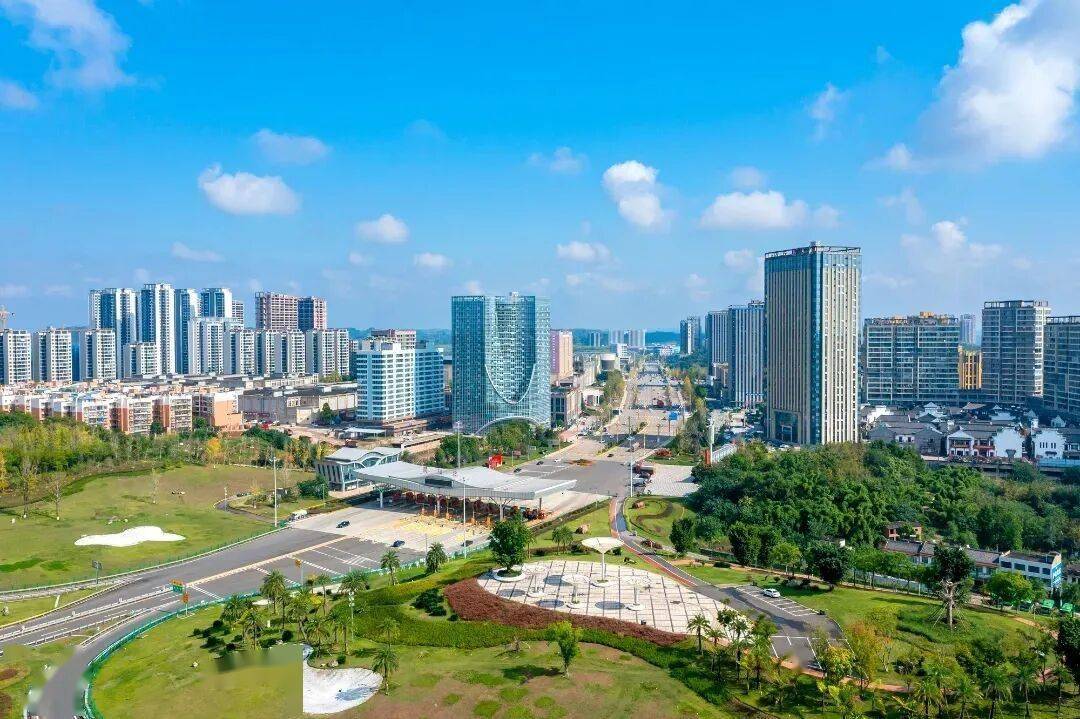
封面新闻记者 徐庆 1月21日晚,泸州市统计局公布2025年泸州市经济运行情况:根据市(州)地区生产总值统一核算结 果,全年全市地区生产总值为3004.29亿元,比上年增长6.4%。全市经济运行呈现加速回升向好态势, 高质量发展取得新成效。 其中,第一产业增加值265.88亿元,比上年增长3.9%;第二产业增加值1399.93亿元,增长6.5%;第三 产业增加值1338.48亿元,增长6.9%。 农业形势稳中向好 全年全市农林牧渔业总产值474.5亿元,比上年增长3.7%。其中,农业产值266.5亿元,比上年增长 3.6%;林业产值33.9亿元,增长11.2%;牧业产值138.0亿元,增长1.7%;渔业产值23.8亿元,增长 7.0%。 全市农林牧渔业增加值273.45亿元,比上年增长3.9%。 工业经济运行平稳 全年全市规模以上工业增加值比上年增长5.7%。 按经营单位所在地分,城镇消费品零售额1320.9亿元,比上年增长7.0%;乡村消费品零售额312.7亿 元,增长7.1%。 分经济类型看,国有控股企业增加值比上年增长18.0%,股份制企业增长8.2%,外商及港澳台商投资企 业增长0.7%,私营企业下降 ...