家电

Search documents
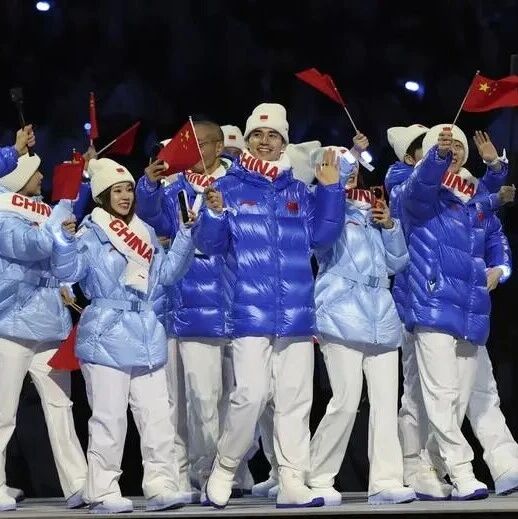
中国科技产品在米兰冬奥批量出圈
第一财经· 2026-02-08 14:09
Core Viewpoint - The 2026 Winter Olympics in Milan is showcasing the increasing influence of Chinese technology and brands, positioning it as a "golden window" for Chinese manufacturing to demonstrate its technological prowess on a global stage [3]. Group 1: Chinese Technology Empowering the Olympics - Chinese companies like TCL are enhancing the Winter Olympics experience through technology, with TCL providing various products and technical support across venues [6][7]. - TCL's "Olympic Screen Universe" initiative includes the deployment of hundreds of large-screen TVs and digital signage to improve broadcasting and audience engagement [7]. - The integration of AI technology, such as Alibaba's AI model, is making this Winter Olympics the "smartest" in history, improving operational efficiency for participating countries [8][9]. Group 2: Marketing and Sponsorship by Chinese Brands - TCL has signed prominent athletes like Gu Ailing as global brand ambassadors, leveraging the Olympics to enhance its market presence [11]. - Following the success of the Beijing Winter Olympics, brands like Changhong are increasing their involvement in winter sports, partnering with international events to boost brand visibility [12]. - Various Chinese apparel brands are gaining international exposure through their sponsorship of national teams at the Winter Olympics, showcasing the potential of Chinese brands in global markets [13]. Group 3: Athlete Endorsements and Brand Strategy - Sports stars are becoming popular choices for brand endorsements, with athletes like Gu Ailing and Su Yiming representing multiple brands, enhancing their marketability [14]. - The article emphasizes the need for Chinese brands to enhance creativity in their marketing strategies, particularly in leveraging the personal stories of athletes for deeper engagement [14].


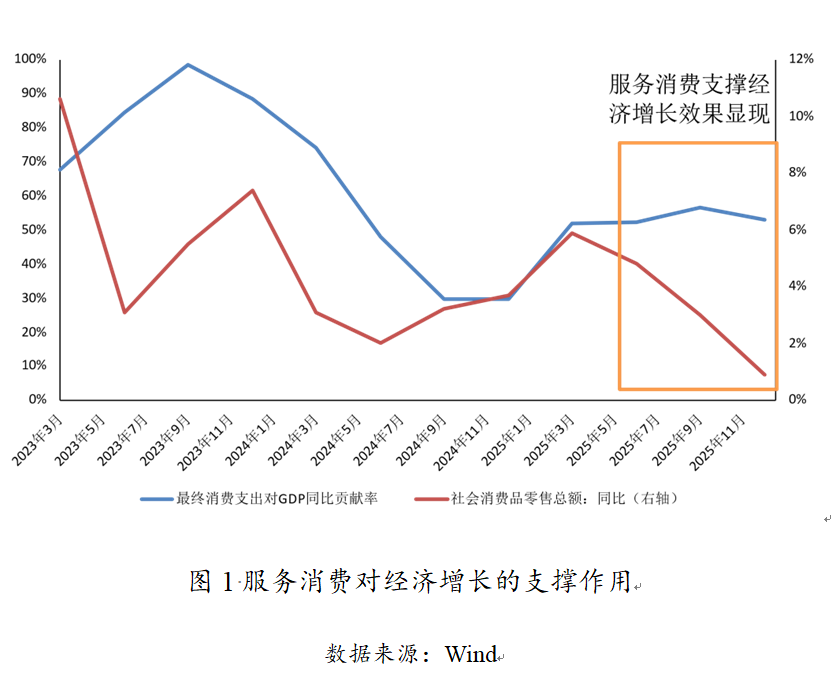
提振居民消费:从政策驱动到内生动力的转型之路
Di Yi Cai Jing· 2026-02-08 13:25
Core Viewpoint - The current stage of China's consumer market exhibits a distinct characteristic of structural upgrading alongside weak driving forces, with a focus on enhancing resident consumption and releasing consumption potential as core policy directions for the next five years [1][13]. Group 1: Consumer Market Dynamics - The consumer rate is determined by two core dimensions: the average consumption propensity and the proportion of disposable income to GDP, which are interrelated and essential for targeted policy measures [2]. - There is a clear trend of consumption upgrading in China, with service consumption, quality consumption, and green consumption emerging as new hotspots, while the marginal effects of traditional policy-driven consumption are diminishing [2][4]. Group 2: Consumption Structure and Growth - China's final consumption expenditure accounted for approximately 54.4% of nominal GDP as of 2024, significantly lower than developed economies in East Asia and the West, indicating untapped growth potential [3]. - The proportion of service consumption in China's total consumption remains stable at 46%-47%, which is notably lower than the over 56% seen in developed economies, highlighting a core shortcoming in consumption upgrading [4]. Group 3: Service Consumption Growth - Service consumption has become the core engine of growth in the consumer market, with spending projected to reach nearly 19.1 trillion yuan by the end of 2025, reflecting a growth rate exceeding 60% since 2020 [5]. - The share of service consumption in total resident consumption has shown a steady increase from 40.31% in 2014 to 46.11% in 2025, indicating a shift towards a more balanced consumption structure [5]. Group 4: Policy Impact on Consumption - The government has allocated 300 billion yuan in special funds for the "old-for-new" subsidy policy for home appliances and automobiles, which has shown diminishing returns as the policy nears its conclusion [7][12]. - The "old-for-new" policy has driven sales of related goods exceeding 2.5 trillion yuan, benefiting over 360 million people, but the effectiveness of such policies is declining as consumer behavior adapts [8]. Group 5: Challenges to Consumption Growth - The consumer market faces significant challenges due to income distribution imbalance, high precautionary savings, and pressure on household balance sheets, leading to a reluctance to spend [14][20]. - Household debt levels have risen sharply, with debt-to-GDP ratios stabilizing around 62%, which constrains disposable income and limits consumer spending capacity [20]. Group 6: Strategic Recommendations for Consumption Growth - To stimulate consumption, it is essential to focus on five dimensions: solidifying income foundations, unlocking service consumption potential, repairing household balance sheets, enhancing consumer quality and capacity, and transforming policy support systems [22][23]. - Optimizing initial income distribution and enhancing disposable income are critical to overcoming the core constraints of consumer spending [22].
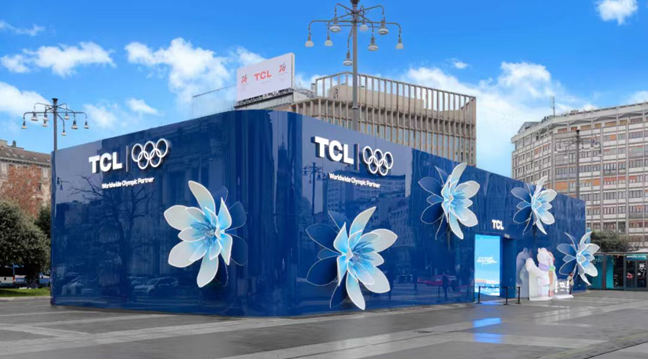
“中国屏”“中国AI” 在米兰冬奥批量出圈,冰雪体育营销加码
Di Yi Cai Jing· 2026-02-08 13:15
Core Insights - The 2026 Winter Olympics in Milan and Cortina is showcasing an increasing presence of Chinese technology products, positioning it as a "golden window" for Chinese manufacturing to demonstrate its technological strength globally [1] - Chinese brands, including TCL, Alibaba, and Anta, are actively participating as sponsors, reflecting their competitive strength and aggressive marketing strategies in the global market [1] Group 1: Chinese Technology Empowerment - TCL has joined the ranks of global partners for the Winter Olympics, integrating its technology and products into the event's operations and user experience [3] - The "Snow Velvet Wonderland" exhibition by TCL at Milan's central train station features innovative products like TVs, air conditioners, and AR/AI glasses, showcasing future technology [3][4] - TCL's "Olympic Screen Universe" initiative includes providing hundreds of large-screen TVs and digital signage for broadcasting, enhancing the viewing experience for athletes and spectators [4] Group 2: AI and Smart Solutions - The Winter Olympics is noted as the "smartest" in history, with Alibaba's AI model enhancing operational efficiency for national Olympic committees across 11 countries [5] - AI technology is also being utilized for high-precision reconstruction of snowy scenes during broadcasts, improving the clarity of fast-paced sports action [5] Group 3: Sports Marketing and Brand Promotion - TCL has signed Chinese freestyle skier Gu Ailing as its global brand ambassador and is sponsoring top athletes, leveraging the Olympics to promote its brand [6] - Other Chinese brands, such as Changhong and Midea, are also increasing their presence in winter sports marketing, with Changhong partnering with the International Ski Federation [7] - Chinese apparel brands are gaining visibility, with teams from various countries wearing outfits from brands like Li Ning and Anta during the opening ceremony [8] Group 4: Athlete Endorsements - Sports stars are becoming popular choices for brand endorsements, with Gu Ailing securing numerous deals post-2022 Beijing Olympics, highlighting the effectiveness of athlete endorsements over entertainment figures [9] - The marketing strategies of Chinese brands are evolving, with a need for more creativity and storytelling in their campaigns to enhance global appeal [9]
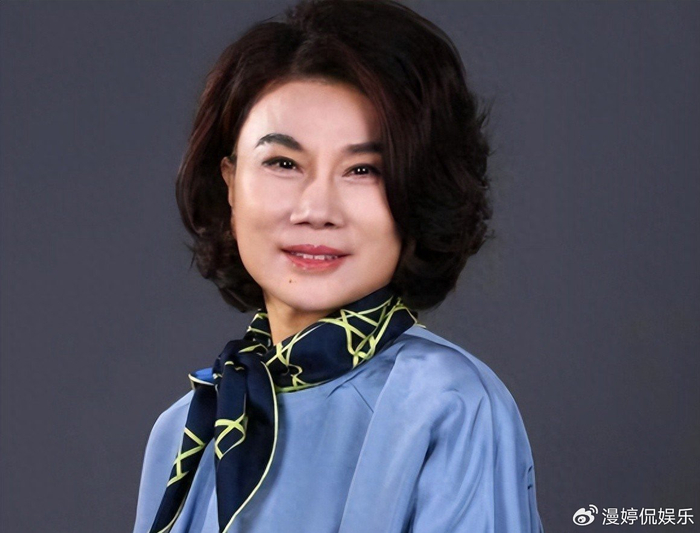
人民日报一篇专访,揭开了71岁董明珠“真实处境”,王自如说对了
Xin Lang Cai Jing· 2026-02-08 12:26
Group 1 - The core viewpoint of the article highlights the dedication and hands-on approach of Dong Mingzhu, the CEO of Gree Electric Appliances, emphasizing her active involvement in the company's operations and decision-making processes [1][3][5] - Dong Mingzhu, at 71 years old, continues to oversee critical aspects of Gree's production, including the adaptation of parameters and production lines for domestic substitutes in components like chips and motors, demonstrating her commitment to quality and reliability [1][3] - The company has faced challenges such as rising copper prices, prompting Dong to invest 20 billion yuan in machine tools to ensure production stability, reflecting her proactive management style [1][3] Group 2 - Gree has implemented measures to improve installation quality, such as providing high-temperature subsidies to 40,000 installation workers, which resulted in a 0.03% reduction in air conditioner return rates, showcasing the importance of employee welfare in operational efficiency [5][3] - Dong Mingzhu's reluctance to step down is evident, as she remains concerned about potential disruptions in the supply chain and the need for a reliable successor, indicating the company's ongoing dependency on her leadership [7][5] - The article portrays Dong as a leader who balances strict adherence to company rules with a deep understanding of operational nuances, as seen in her refusal to grant favors to family members to maintain organizational integrity [5][3]

中银量化大类资产跟踪:贵金属巨震,宽松流动性持续利好微盘风格
Bank of China Securities· 2026-02-08 11:26
- The report does not contain any specific quantitative models or factors, nor their construction, evaluation, or backtesting results. The content primarily focuses on market performance, style indices, valuation, and other financial metrics without detailing any quantitative models or factors[1][2][3]

港股市场策略展望:春节前后,港股如何反应?
GF SECURITIES· 2026-02-08 11:12
[Table_Page] 投资策略|专题报告 2026 年 2 月 8 日 证券研究报告 [Table_Summary [Table_Title] ] 春节前后,港股如何反应? ——港股市场策略展望 报告摘要: (4)港股天量 IPO 对市场影响不大,影响主要在于 IPO 过后 6 个月 的解禁高峰。典型的例如 11 年年中、15 年下半年、19 年 3 月、21 年 二季度、22 年年中,解禁潮都与港股下跌出现在相似时间段。26 年 3 月主要是有色金属(紫金黄金国际、南山铝业国际)+茶饮(蜜雪冰城) 的解禁潮,中大型规模公司的解禁规模 872 亿港元,高于去年年末的 解禁小高峰。由于港股通账户并不能够参与打新,享受稀缺性公司的 上市红利,却需要承受限售股解禁带来的风险,这可能确实是南向资 金对于 2026 年港股的主要担忧之一。 | [分析师: Table_Author]刘晨明 | | | --- | --- | | | SAC 执证号:S0260524020001 | | | SFC CE No. BVH021 | | | 010-59136616 | | | liuchenming@gf.com.cn ...




每经热评|提振内需的新路 在更绚烂的人间烟火
Sou Hu Cai Jing· 2026-02-08 11:10
Group 1 - The core viewpoint emphasizes that boosting domestic demand is not just a slogan but a necessary action for the Chinese economy, with a focus on building a strong domestic market as a key task for 2026 [1] - Consumer spending has become a critical support for stable economic operation, contributing 2.6 percentage points to GDP growth in 2025, despite the overall consumption rate being low at 52% and personal consumption rate below 40% [2] - The existence of a gap in consumption rates presents an opportunity for boosting consumption and driving domestic demand, with the need to shift focus from cold transaction data to vibrant, specific life experiences [2] Group 2 - The empowerment of the "life economy" through the internet and big data allows for the discovery of nuanced consumer demands, as seen in platforms like Xiaohongshu, which facilitate the expression of individual needs [3] - The emergence of emotional value demands, such as those seen in the popularity of products like "crying horse" and the success of live-streaming sales, indicates a shift towards consumers seeking products that express emotions rather than just material possessions [3][4] - New lifestyle trends among urban youth, such as cycling and camping, are creating diverse experiential demands, leading to a full industry chain around these activities, which reflects a shift away from price wars towards quality differentiation [4] Group 3 - Consumers are increasingly willing to pay for cultural values, aesthetic resonance, and identity recognition, as demonstrated by the rise of cultural phenomena like "Su Chao" and "Village BA," which transform consumption into emotional connections [5] - The underlying logic of the life economy is to recognize individual needs and achieve precise supply-demand matching, with small, diverse, and novel demands becoming new growth points for consumption [5] - Focusing on specific human needs and respecting diverse aesthetics allows producers and brands to invest in people, leading to a cycle where new demands drive new supply and vice versa, thus paving a new path for boosting domestic demand [5]
经济新方位|“新国补”落地首月,消费市场热气腾腾
Ren Min Ri Bao· 2026-02-08 04:37
Core Insights - The new "old-for-new" policy is driving consumer demand and revitalizing the retail market, particularly in home appliances and electric vehicles as consumers take advantage of subsidies and services [1][2][3] Group 1: Policy Impact - The 2026 "old-for-new" policy has been optimized to include a unified subsidy standard for key appliances and vehicles, providing stability and encouraging consumer spending [3][5] - The policy has expanded to include new smart devices, such as smart glasses, and focuses on high-efficiency products, enhancing the overall quality of consumer goods [3][4] Group 2: Market Performance - Sales data indicates a significant increase in consumer activity, with over 15 million units sold in January across six categories of home appliances and digital products, generating nearly 59 billion yuan in sales [2][4] - Retailers like Suning have reported a dramatic increase in sales, with some stores experiencing an over 800% increase in sales compared to the previous month, driven by the new policy [2] Group 3: Consumer Trends - The policy is influencing consumer preferences, with a notable shift towards high-end and energy-efficient products, as evidenced by a 35.7% increase in sales of high-efficiency water heaters and a 28.9% increase in televisions [4] - A significant portion of consumers are opting for new energy vehicles when trading in older models, indicating a trend towards greener choices in the automotive sector [3]
科技周报|苹果CEO库克谈退休、马云现身阿里千问春节项目组
第一财经网· 2026-02-08 03:36
Group 1 - Apple CEO Tim Cook discussed retirement and succession planning, emphasizing the importance of leadership in preparing for the future [2] - Cook's comments come amid speculation about his retirement as he turns 65, with the company needing a leader who can innovate or manage effectively [2] - The competition among Tencent, Alibaba, and Baidu has intensified with a combined investment of over 4.5 billion yuan in AI-driven red envelope campaigns for the upcoming Spring Festival [2][3] Group 2 - Panasonic announced potential layoffs of up to 12,000 employees as part of a structural reform, with a significant drop in sales and net profit reported [5] - The company aims to restructure its organization and focus on customer value creation while transitioning to a sustainable business model [5] Group 3 - Meituan completed the acquisition of Dingdong Maicai for approximately 7.17 billion yuan, reinforcing its commitment to the grocery retail sector [8] - This acquisition is part of Meituan's strategy to enhance its presence in the instant retail market, competing against Alibaba and JD.com [8] Group 4 - Amazon reported a net sales increase of 24% for its AWS segment, with a projected capital expenditure of $200 billion for 2026, driven by strong demand and opportunities in AI and other advanced technologies [9] - The company anticipates robust long-term investment returns from this significant capital allocation [9] Group 5 - Alibaba's founder Jack Ma was seen at the company's Spring Festival project team, indicating the high stakes of the ongoing AI competition [10] - Alibaba's investment of 3 billion yuan in its Spring Festival campaign marks the largest in its history, highlighting its commitment to leveraging AI as a key entry point [10] Group 6 - MiHoYo issued a new anti-fraud notice, revealing multiple internal cases and a blacklist of suppliers, reflecting a growing trend of transparency in the gaming industry [14] - The company has previously reported similar cases, indicating a focus on addressing corruption within its supply chain and marketing operations [14] Group 7 - Haier Group reported a global revenue of 426.8 billion yuan for 2025, with a focus on AI applications and the establishment of various ecological platforms [15] - The company is prioritizing new business areas such as robotics, renewable energy, and automotive ecosystems alongside its traditional smart home and health sectors [15]



追觅CEO称每天研发投入4000万;泡泡玛特王宁:LABUBU去年全球销量超1亿只;OpenAI首款硬件命名曝光丨邦早报
创业邦· 2026-02-08 01:08
Group 1 - OpenAI's first hardware product is named Dime, resembling Apple's AirPods, and is expected to be released this year. The company has shifted its strategy from developing a high-end device to focusing on a simpler AI audio headset due to high hardware costs and component price increases caused by a shortage of storage chips [2] - Bubble Mart's founder Wang Ning announced that LABUBU's global sales exceeded 100 million units last year, with plans for the company to have over 10,000 employees and 100 million registered members by 2025 [3] - Tesla plans to increase investments in AI hardware and software, as well as energy sectors in China, with a projected capital expenditure exceeding $20 billion globally in 2026 [8] Group 2 - Amazon will change its policy on sharing reviews among product variants starting February 12, 2026, to improve customer trust and reduce return rates [8] - The German industrial output declined by 1.1% in 2025, marking the fourth consecutive year of decline, primarily due to weak automotive production [14] - The second-hand car market in China is projected to see a cumulative transaction volume of 20.11 million units in 2025, with a year-on-year increase of 2.5% [14]