
运动户外

Search documents
4家消费品公司拿到新钱;辛巴自创卫生巾品牌回应被检出致癌物;TikTok2024年收入230亿美元|创投大视野
36氪未来消费· 2025-07-26 13:48
Group 1 - Zhengzhou fried chicken brand "Zhang Duntun Kaiflower Chicken Leg" successfully completed angel round financing of tens of millions RMB, with funds focused on optimizing franchise support and market expansion [3] - Professional outdoor brand "SURPINE Songyoupai" completed tens of millions RMB Pre-A financing, aimed at product R&D innovation, user experience enhancement, team building, and multi-channel expansion [4][5] - "Nezha Xianyin" completed 10 million RMB angel round financing, with funds primarily for product R&D upgrades and nationwide store network expansion [7] Group 2 - "M password" sanitary napkins were reported to contain high levels of carcinogens, with specific products showing sulfur content as high as 16653.4679μg/g, although the company claims all products meet national standards [8][9] - Sam's Club acknowledged a decline in the quality of organic soybeans, with the current product being rated as grade 3, while the previous product was grade 1 [10][11] - TikTok's revenue for 2024 is projected to reach $23 billion, a 42.8% year-on-year increase, making it the fourth largest social app globally [11] Group 3 - The price of gold jewelry has dropped, with various brands reporting a decrease in price per gram, such as Chow Sang Sang at 1015 RMB, down 14 RMB from the previous day [17] - The AI eyewear market has seen explosive growth, with transaction volume increasing tenfold year-on-year in the first half of the year, and average prices dropping from over 2000 RMB to around 1500 RMB [18] - In the first half of 2025, non-bank sectors in China experienced a net inflow of $127.3 billion in cross-border funds, continuing the trend of net inflows since the second half of last year [19]


新消费概念股多数上涨,港股消费板块走势强劲,港股消费ETF(513230)现涨近2.5%
Mei Ri Jing Ji Xin Wen· 2025-07-16 02:15
Group 1 - The Hong Kong stock market opened higher on July 16, with the Hang Seng Index rising by 0.46%, the Hang Seng China Enterprises Index increasing by 0.56%, and the Hang Seng Tech Index up by 0.89% [1] - Major technology stocks and biopharmaceutical stocks saw a broad increase, with innovative drug concept stocks active and rare earth concept stocks rising [1] - The retail sales of consumer goods in June reached 4.2 trillion yuan, showing a year-on-year growth of 4.8%, while the total for the first half of the year was 24.5 trillion yuan, up by 5.0% year-on-year [1] Group 2 - The National Bureau of Statistics indicated that China is in a critical phase of consumption structure upgrading, with per capita GDP stabilizing above 13,000 USD for two consecutive years, highlighting significant growth potential in cultural tourism, healthcare, and elderly care consumption [1] - Ping An Securities' research report emphasizes the importance of focusing on niche markets related to spiritual needs in the second half of the year, suggesting that understanding consumer sentiment fluctuations could present opportunities for consumer goods companies [1] - The report specifically highlights optimism for industries related to outdoor sports, gold and jewelry, and cultural creative IP [1] Group 3 - Relevant popular ETFs include the Tourism ETF (562510), which may benefit from the ongoing summer holiday, the Food and Beverage ETF (515170) for core assets in the food and drink sector, the Consumption 30 ETF (510630) covering various segments like liquor, food, beauty care, and biotechnology, and the Hong Kong Consumption ETF (513230) that aggregates leading new consumption stocks in Hong Kong [2]
中金:解码新消费
中金点睛· 2025-07-13 23:50
Core Viewpoint - The article discusses the evolution and current state of "new consumption" in China, emphasizing the need for innovation and adaptation to changing consumer demands in a rapidly evolving market [3][4]. Group 1: Definition and Characteristics of New Consumption - New consumption represents a deepening evolution of consumption upgrade trends and an upgrade in the operational philosophy of the large consumption industry [4]. - Key characteristics of new consumption include product and service innovation, new operational models, and a focus on consumer experience [5]. - The emergence of new consumption brands is primarily driven by diverse consumer demands, with significant growth observed in sectors like IP toys, jewelry, outdoor sports, and beauty products [4][5]. Group 2: Market Dynamics and Consumer Behavior - The Chinese consumption market is transitioning from an incremental to a stock market, with retail sales growth stabilizing at a compound annual growth rate of 3.6% from 2019 to 2024 [9]. - Consumer confidence is gradually recovering, supported by improved housing price-to-income ratios and policies encouraging consumption [12]. - Different consumer groups exhibit varied spending behaviors, with younger generations (Z and Alpha) showing a strong inclination towards personalized and experiential consumption [20][24]. Group 3: Supply-Side Strategies for Growth - Companies should focus on innovation, optimizing channels, expanding product categories, and enhancing brand positioning to maintain consumer loyalty and achieve sustainable growth [7][74]. - The importance of transitioning from a focus on traffic acquisition to long-term brand loyalty is emphasized, particularly for traditional consumption companies [7][74]. Group 4: Infrastructure and Technological Support - The rise of new consumption is supported by improved infrastructure, including the development of mobile internet, logistics, and digital payment systems, which enhance consumer experience [31][34]. - The increasing strength of intellectual property protection is fostering a more vibrant environment for new consumption creators [31]. Group 5: Consumer Demand Trends - The demand for practical value (cost-performance ratio, functionality) and emotional value (cultural identity, companionship) is driving the success of new consumption brands [44][47]. - Consumers are increasingly seeking products that offer both practical benefits and emotional satisfaction, reflecting a shift from material needs to emotional fulfillment [46][49]. Group 6: Challenges and Market Competition - New consumption categories face inevitable iterations and challenges, including intensified competition and the need for continuous innovation to avoid market obsolescence [66]. - The article highlights the dual-edged nature of social media and secondary market speculation, which can both enhance and undermine brand value [68]. Group 7: Future Outlook - The article concludes that the future of new consumption in China is promising, driven by government policies and the evolving landscape of consumer preferences [4][6].

轻工纺服行业周报:老铺新加坡客流稳健,持续关注黄金和潮玩板块-20250710
Shanghai Securities· 2025-07-10 09:47
Investment Rating - The industry investment rating is maintained as "Overweight" [4] Core Viewpoints - The light industry sector is experiencing rapid growth in demand for trendy toys, driven by Generation Z, with products like blind boxes tapping into deep emotional values. The integration of AI technologies is expected to enhance the light manufacturing sector, supported by policies aimed at stabilizing the real estate market and boosting domestic demand [2][3] - The export chain for light industry products such as thermos cups and office furniture is showing stable overseas demand, with tariff impacts expected to be gradually absorbed. Companies with overseas production capacity and supply chain resilience are recommended for attention [3] - The home goods sector is set to benefit from an additional 150 billion yuan in special government bonds for consumer upgrades, which is expected to stimulate demand and support economic growth [4] Summary by Sections Light Industry - The trendy toy sector is witnessing significant growth, with a sixfold increase in bookings for the Bubble Mart city park in June compared to the previous year, surpassing other entertainment venues in Beijing [2] - Companies to watch include Bubble Mart, Blokus, and Miniso [2] Export Chain - The light industry export chain is expected to recover as tariff policies become clearer, with a focus on companies like Jiangxin Home, Ninebot, and Jia Yi [3] Home Goods - The third batch of consumer upgrade funds will be released in July, with manufacturing PMI showing signs of improvement, indicating a potential recovery in home goods consumption [4][7] Textile and Apparel Industry - The demand for gold is projected to grow, with domestic jewelry companies expected to see sales and performance improvements in 2025. The outdoor economy is also boosting sales in sports apparel [8][9] - Companies to focus on include Anta, Li Ning, and Bosideng, which are expanding their market presence [10][11] Manufacturing - The textile manufacturing sector is expected to grow due to increased overseas production and enhanced core competitiveness, with companies like Huali Group and Weixing Co. recommended for investment [12][13]
盯上水上运动、攀岩…运动户外品牌越卷越细了
Xin Lang Cai Jing· 2025-07-08 11:04
Core Insights - The ISPO SHANGHAI 2023 showcased over 600 brands from nearly 30 countries, attracting more than 30,000 professional buyers and sports enthusiasts, indicating a robust interest in the outdoor sports sector [1][2] - The event highlighted shifting consumer trends in outdoor activities, with a decline in popularity for camping and frisbee, while activities like creek hiking, rock climbing, trail running, and fishing gained traction [1][2] Industry Trends - The outdoor sports market is rapidly evolving, with a notable increase in the presence of new brands and product categories, particularly in water sports and climbing [2][4] - The water sports segment is projected to exceed 6 billion yuan by 2027, with a compound annual growth rate of around 10% [4] - Experience zones have expanded significantly, allowing consumers to engage with products in real-world settings, which is crucial for niche and emerging sports [5][7] Consumer Behavior - Young consumers are increasingly divided in their purchasing behavior, favoring both high-value and high-end products, which reflects a blend of price sensitivity and a willingness to pay for premium experiences [9] - The presence of both budget-friendly and high-end brands at the event indicates a strategic response to diverse consumer preferences [9]



AI重塑消费全流程,兴趣经济来临……终于有报告讲透了
Nan Fang Du Shi Bao· 2025-07-07 12:26
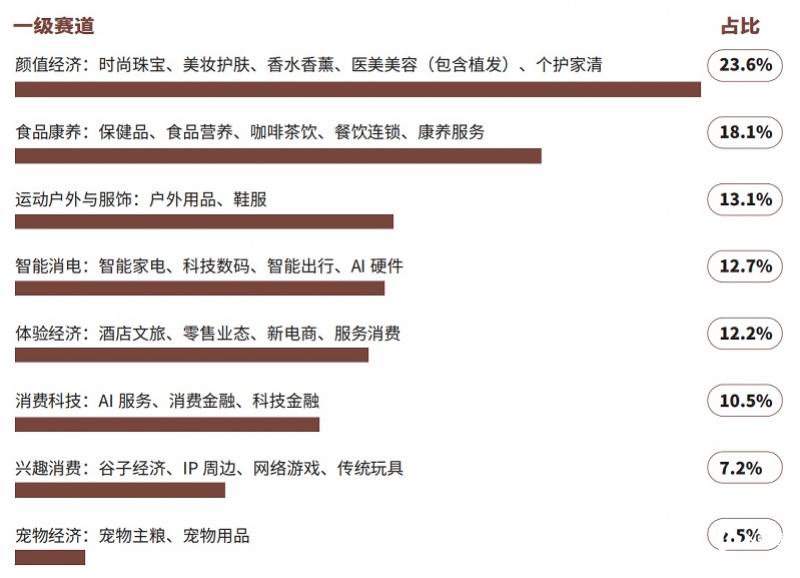
Core Insights - The "2025 High-Quality Consumer Brand TOP100 Innovation Ecological Conference" will be held in Shanghai, focusing on brand influence, innovation, social responsibility, and company scale [1] - A report titled "2025 High-Quality Consumer Brand TOP100 Trend Insight" will be released, highlighting four major trends in high-quality consumer brands [1] Group 1: Trends in High-Quality Consumer Brands - The rise of health consciousness is driving the growth of wellness and sports consumption, with outdoor sports and health products seeing the highest brand representation [5][6] - AI technology is enhancing product and service upgrades across various sectors, becoming a core competitive advantage in high-end home appliances [5][36] - Novel experiences are igniting consumer enthusiasm, particularly in the experience economy, where immersive and interest-based consumption is gaining traction [6][25] - Emotional value is unlocking new consumption scenarios, especially among younger consumers who prioritize emotional connections in their purchases [6][27] Group 2: Brand Distribution and Characteristics - Nearly 300 brands are competing across nine major sectors, with the largest representation in the beauty economy (23.6%) and health food sector (18.1%) [2][3] - Over 70% of the candidate brands are "post-00s brands," indicating a trend towards newer companies [7][8] - The geographical distribution of brands shows a concentration in major cities like Shanghai, Beijing, and Guangzhou, with Shanghai being favored by foreign brands [11][12][14] Group 3: Consumer Behavior and Market Dynamics - The beauty and personal care market is experiencing a shift towards efficacy-driven products, with a notable increase in consumer awareness regarding product effectiveness [16][18] - The outdoor sports market is becoming increasingly segmented, with traditional apparel brands entering the space to capture the growing demand for specialized outdoor gear [19][20] - The health and wellness industry is projected to reach a total revenue of 9 trillion yuan by 2024, driven by a growing awareness of health among consumers [22][23] Group 4: AI and Technology Integration - AI is reshaping the consumer experience across various sectors, with applications in personalized recommendations, smart home devices, and immersive entertainment experiences [35][38] - A significant majority of surveyed companies (87%) believe that AI technology will bring substantial changes to the consumer sector, with many planning to increase AI integration [40][43] - The integration of AI in consumer products is becoming a key trend, with companies focusing on enhancing user experience through intelligent features [36][37]
山姆和LV,突击同一个战场
36氪· 2025-07-06 23:58
Core Viewpoint - The rise of brand-owned podcasts reflects a shift in marketing strategies, emphasizing content creation over traditional advertising methods, allowing brands to build trust and engage with consumers on a deeper level [3][21][40]. Group 1: Growth of Podcasts - The Chinese podcast market saw significant growth, with the number of podcasts increasing from 11,000 in June 2020 to 42,000 by June 2024 [3][5]. - Over 30 brands have ventured into creating their own podcasts in the past five years, including luxury brands like GIADA and LV, as well as tech companies like Feishu and retail brands like Sam's Club [11][20]. Group 2: Popularity of Brand Podcasts - The most popular brand podcasts often fall into two categories: those providing practical value, primarily in tech and finance, and those focusing on the "spiritual world" of contemporary individuals [14][16]. - Notable examples include GIADA's "岩中花述" with 121,000 subscribers and Feishu's "组织进化论" with 27,000 subscribers [11][14]. Group 3: Reasons for Brand Podcasting - Brands are increasingly opting for self-produced podcasts to create content that feels less like advertising and more like genuine engagement, fostering trust with consumers [21][40]. - The podcast format allows for deeper storytelling and connection, appealing to a younger, educated audience that values both information and emotional engagement [25][28]. Group 4: Podcast Production Insights - Successful podcasts often rely on the charisma of hosts and the expertise of guests, with a focus on creating valuable content that resonates with listeners [31][39]. - Brands are encouraged to balance professional insights with relatable content to lower barriers for understanding complex topics, especially in finance [40][41]. Group 5: Challenges and Opportunities - Despite the potential for engagement, brands face challenges in reaching wider audiences, as emotional connections are often more effective than functional value in attracting listeners [40][41]. - High-quality content and genuine emotional resonance are key to building a brand's trust asset through podcasts [39][42].

轻工纺服行业周报:泡泡玛特popop珠宝品牌开业,持续关注板块催化-20250701
Shanghai Securities· 2025-07-01 11:18
Investment Rating - The industry investment rating is "Increase" (maintained) [4] Core Viewpoints - The light industry sector is experiencing rapid growth driven by the demand for trendy toys, with the Z generation leading new consumption trends. Products like blind boxes tap into deep emotional values. The integration of AI technologies with light manufacturing is expected to stabilize domestic demand and facilitate valuation recovery [2][3] - The recent opening of the first jewelry store by Pop Mart underlines its strategic expansion into the jewelry sector, enhancing its brand image and market presence [11] - The home appliance sector is set to benefit from government policies aimed at boosting consumption, with a focus on the "old for new" initiative, which is expected to stimulate demand further [9] Summary by Sections Market Review - During the week of June 23-27, 2025, the A-share SW textile and apparel industry index rose by 3.92%, while the light manufacturing industry increased by 3.64%. In comparison, the Shanghai Composite Index rose by 1.91% [1] Trendy Toy Sector - Pop Mart was recognized as one of the "100 Most Influential Companies" by Time magazine in 2025, marking a significant achievement for a Chinese trendy toy company. The opening of a flagship store in Hefei is expected to enhance its brand image and attract consumers [3][11] Export Chain - The demand for light industry exports, such as thermos cups and office furniture, remains stable, with expectations that tariff impacts will gradually diminish. Companies with proactive overseas capacity planning are recommended for investment [4][10] Home Appliance Sector - The government is set to release additional funds for the "old for new" consumption initiative in July 2025, which is expected to further stimulate home appliance demand [9] Sports and Outdoor Sector - The sports industry is becoming a significant driver of economic growth, with sustained consumer interest in outdoor apparel. Nike's recent financial performance indicates a recovery trend, particularly in the Chinese market [12][13] Textile Manufacturing - The textile and apparel sector has shown steady growth in both domestic and export markets, with a cumulative export of $116.67 billion from January to May 2025, reflecting a 1% year-on-year increase [14]
寻找下一个始祖鸟,安踏需要狼爪
3 6 Ke· 2025-06-28 03:20
Core Insights - Anta Sports is strategically positioning Jack Wolfskin as a key player in its outdoor brand portfolio, aiming to replicate the success of Arc'teryx and Salomon in the Chinese market [1][4][14] - The acquisition of Jack Wolfskin is seen as a move to activate an underperforming asset in Anta's portfolio, with the brand expected to fill a gap in the mid-range outdoor market [3][10][13] Group 1: Acquisition and Strategic Positioning - Anta has announced the acquisition of Jack Wolfskin, appointing Yao Jian as the new head of the brand, signaling a renewed focus on this historically significant outdoor brand [1][4] - Jack Wolfskin, with over 500 stores in Europe, is recognized as a reliable and practical outdoor brand, but has been relatively quiet in the Chinese market [3][6] - The brand is positioned to target consumers interested in light outdoor activities, such as urban hiking and family camping, which are rapidly growing segments in China [9][10] Group 2: Market Dynamics and Growth Potential - The light outdoor category in China is experiencing faster growth compared to extreme outdoor segments, making Jack Wolfskin's positioning timely [10][12] - Anta's strategy involves leveraging Jack Wolfskin's established European presence and technology, such as the Texapore waterproof fabric, to enhance its market appeal in China [6][10] - The acquisition is part of a broader strategy to create a comprehensive brand matrix that spans from high-end to mass-market offerings, similar to the LVMH model in the sports sector [14][16] Group 3: Future Challenges and Opportunities - The challenge for Anta will be to effectively integrate Jack Wolfskin into its brand narrative and resonate with younger consumers in China [18] - Anta aims to utilize Jack Wolfskin as a bridge to connect urban consumers with functional outdoor products, enhancing its overall market reach [16][18] - The success of this acquisition will depend on Anta's ability to revitalize Jack Wolfskin's brand presence and engage with the target demographic [18]

中国消费市场向世界展示开放姿态(国际论坛)
Ren Min Ri Bao· 2025-06-27 21:47
Group 1 - China is the world's second-largest consumer market with the largest middle-income group, indicating significant investment and consumption potential [1] - The "Global Brand China Online 500" list, based on consumption data from China's largest e-commerce platform, reflects the preferences of nearly 1 billion Chinese consumers, featuring 156 international brands from 17 countries [1][2] - The presence of 57 American brands, 53 European brands, and 28 Japanese brands on the list demonstrates China's attractiveness to major global economies [1][2] Group 2 - International and domestic brands are showing a trend of collaborative development and mutual benefits, particularly in sectors like beauty and sports, where international brands dominate due to their technological advantages [2] - Domestic brands are innovating based on local market needs, moving up the value chain, and gaining popularity both domestically and internationally [2] - The digital economy platform facilitates the deep integration of international and domestic brands in China, enhancing interaction with consumers and accelerating localization [2] Group 3 - International brands that seize opportunities in China's vast market can share in the economic development benefits, as seen with Adidas empowering its local team for product design and manufacturing [3] - Embracing the Chinese market is essential for international brands to gain a competitive edge globally, as the market offers significant consumer power with over 400 million middle-income individuals [3] - China's commitment to high-level openness and consumption upgrades is crucial for both its economic quality and global economic recovery [3]