
机械

Search documents
【质量强国】中国消费者报——加强全面质量管理 促进质量强国建设
Sou Hu Cai Jing· 2025-10-14 05:38
Core Points - The articles emphasize the importance of quality management in enhancing the entire industrial chain and promoting economic development, with various regions implementing initiatives to strengthen quality awareness and management [2][3][6][8][15]. Group 1: Quality Awareness and Management Initiatives - Beijing is focusing on enhancing quality awareness through over a hundred activities, integrating online and offline methods to promote quality education and support traditional industries in digital transformation [3][4]. - Shanghai is conducting quality awareness campaigns and has published a quality status report, promoting quality craftsmanship and organizing various quality improvement activities [6][7]. - Guangxi is launching six major actions to support high-quality economic development, focusing on standardization and quality management across key industries [8][9]. Group 2: Quality Safety and Consumer Protection - Guangxi is enhancing quality safety measures by implementing strict regulations on industrial products and consumer goods, ensuring consumer rights protection through various initiatives [9][12]. - Jiangxi is focusing on quality regulatory governance, conducting special actions to ensure product safety and consumer protection, while promoting quality awareness through public engagement activities [11][12]. Group 3: Regional Quality Improvement Activities - Fujian is implementing targeted quality services to enhance industrial quality, including certification initiatives and industry-specific training programs [13][14]. - Hunan is organizing a series of quality improvement activities across various sectors, emphasizing government support and community involvement in quality enhancement [15][16][17].


国家发改委发布通知!
中国能源报· 2025-10-14 03:08
Core Viewpoint - The article discusses the implementation of the "Central Budget Investment Management Measures for Energy Conservation and Carbon Reduction," which aims to support key industries in energy conservation and carbon reduction projects, focusing on sectors such as electricity, steel, non-ferrous metals, building materials, petrochemicals, chemicals, and machinery [1][3][4]. Group 1: Investment Focus Areas - The measures support energy conservation and carbon reduction projects in key industries, including electricity, steel, non-ferrous metals, building materials, petrochemicals, chemicals, and machinery [10][11]. - Projects for clean replacement of coal consumption are supported, including low-carbon transformation of coal power units and coal chemical projects, as well as clean energy alternatives for coal-fired boilers in various industries [10][11]. - The initiative promotes circular economy projects, including the construction and transformation of resource recycling bases and the utilization of agricultural and forestry waste [11][12]. Group 2: Support Standards and Funding - The support ratio for energy conservation and carbon reduction projects in key industries, clean coal consumption replacement projects, and circular economy projects is set at 20% of the approved total investment [12]. - For local government investment projects focused on carbon peak and carbon neutrality capacity building, the support ratios vary by region, with eastern, central, western, and northeastern regions receiving 60%, 70%, 80%, and 80% respectively [12]. Group 3: Project Application and Management - Provincial development and reform departments are responsible for project application and must establish a dynamic project reserve mechanism to ensure quality and compliance with national standards [14][15]. - The application for investment funds must include detailed project information, including basic conditions, construction scale, total investment, and expected economic and social benefits [16][17]. - Projects must adhere to strict management and reporting requirements, including performance evaluation and compliance with national laws and regulations [18][19].

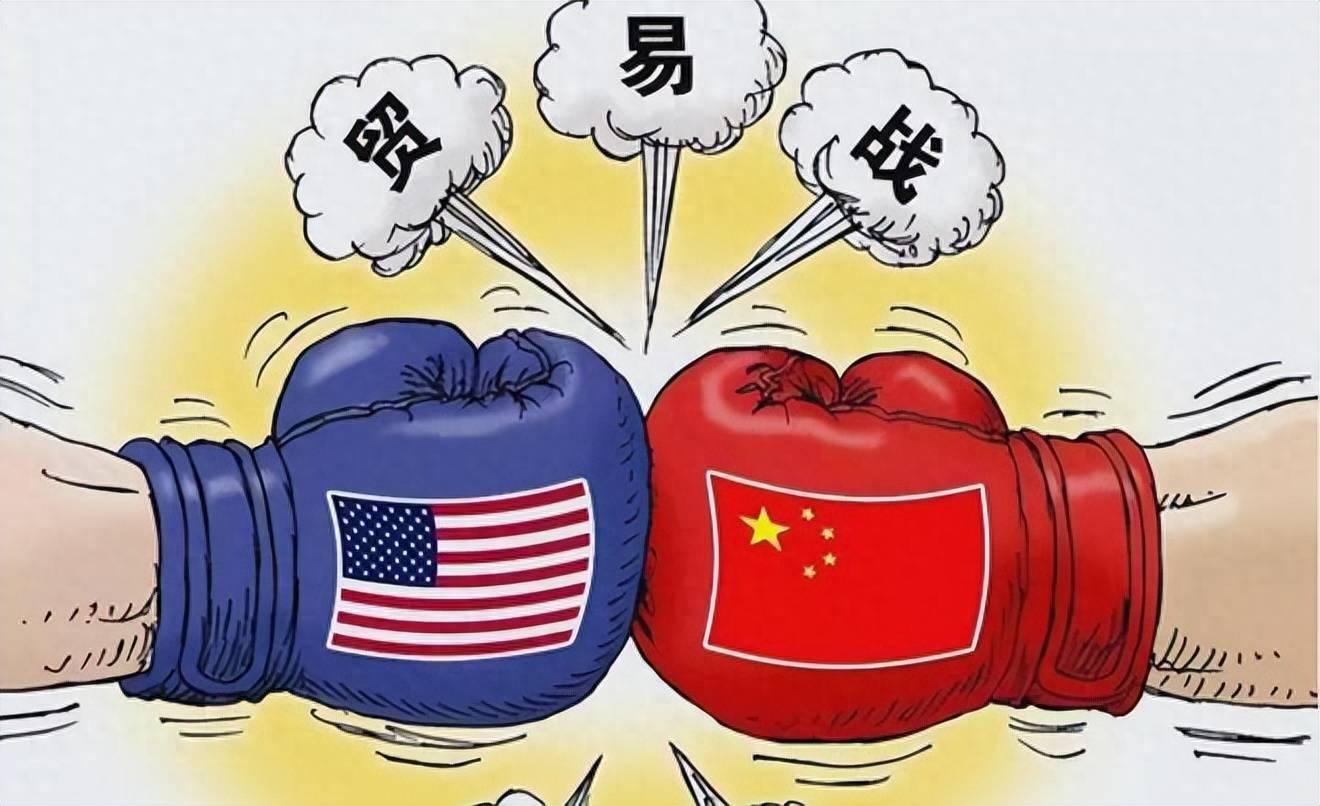
中美经贸上完全脱钩,我们还能继续繁荣吗?美元地位能动摇吗?
Sou Hu Cai Jing· 2025-10-13 10:20
Group 1: Trade Dynamics - The total value of goods imported by the U.S. from China in the first six months of this year was approximately $13.2 billion, while exports to China were about $11.4 billion, showing a significant decline compared to the same period last year [2] - The trade volume between China and the U.S. for the first seven months was $337.2 billion, a year-on-year decrease of 12%, indicating a reduction in trade scale due to escalating tensions [2] - China's exports to the U.S. are projected to drop from nearly $440 billion in 2024 to $177.4 billion in the first five months of this year, reflecting a year-on-year decline of 9.7% [2] Group 2: Economic Impact and Adaptation - Concerns are rising about the potential collapse of foreign trade enterprises in the Yangtze River Delta and Pearl River Delta, which heavily rely on exports to the U.S., particularly in electronics, machinery, and textiles [4] - In response to declining exports, China has shifted focus to emerging markets, with exports to the EU and Southeast Asia increasing significantly, demonstrating the effectiveness of diversifying export destinations [4] - The Chinese government is implementing stimulus policies to boost domestic demand, including infrastructure investments and promotional activities to enhance consumer spending [5] Group 3: Foreign Investment and Supply Chain Adjustments - A survey indicated that only 48% of U.S. companies plan to invest in China this year, down from 80% last year, suggesting a withdrawal of foreign capital [5] - Chinese companies are adapting by adjusting supply chains, sourcing materials from countries like Vietnam and India, or establishing local production facilities [5] - The International Monetary Fund (IMF) anticipates that despite the challenges posed by U.S.-China tensions, China is expected to maintain stable growth, with total trade projected to exceed 6.5 trillion by 2025 [5] Group 4: Currency and Financial Implications - The U.S. dollar's status as a global reserve currency, currently at 62%, is being challenged by high tariffs and potential shifts in trade dynamics [7] - Research indicates that if average tariffs in the U.S. rise to 26%, the dollar's position as a key currency could weaken, leading to a reduction in U.S. Treasury bond purchases by China [7] - The trend of de-dollarization is gaining momentum, with countries exploring alternatives to the dollar for trade, as evidenced by recent contracts being negotiated in euros or renminbi [7][9]
电力设备行业资金流出榜:宁德时代、阳光电源等净流出资金居前
Zheng Quan Shi Bao Wang· 2025-10-13 09:09
Market Overview - The Shanghai Composite Index fell by 0.19% on October 13, with six industries experiencing gains, led by non-ferrous metals and environmental protection, which rose by 3.35% and 1.65% respectively [1] - The automotive and home appliance sectors saw the largest declines, with decreases of 2.33% and 1.7% respectively [1] Capital Flow Analysis - The net outflow of capital from the two markets reached 38.169 billion yuan, with nine industries experiencing net inflows [1] - The steel industry had the highest net inflow of capital, amounting to 1.351 billion yuan, and saw a rise of 1.49% [1] - A total of 22 industries experienced net capital outflows, with the power equipment sector leading with an outflow of 7.198 billion yuan, followed closely by the electronics sector with an outflow of 7.140 billion yuan [1] Sector Performance - The power equipment sector declined by 0.68%, with a total of 363 stocks in the sector; 112 stocks rose, and three stocks hit the daily limit up, while 246 stocks fell [1] - The capital flow data indicates significant outflows from the power equipment sector [1]

家用电器行业资金流出榜:三花智控等5股净流出资金超5000万元
Zheng Quan Shi Bao Wang· 2025-10-13 09:06
Core Viewpoint - The Shanghai Composite Index fell by 0.19% on October 13, with six industries experiencing gains, notably non-ferrous metals and environmental protection, which rose by 3.35% and 1.65% respectively. Conversely, the automotive and home appliance sectors saw declines of 2.33% and 1.7% respectively [1] Industry Performance - Among the industries, the steel sector led in net inflow of funds, with a total of 1.49% increase and a net inflow of 1.351 billion yuan. Non-ferrous metals also saw significant inflow [1] - A total of 22 industries experienced net outflows, with the power equipment sector leading with a net outflow of 7.198 billion yuan, followed closely by the electronics sector with a net outflow of 7.140 billion yuan [1] Home Appliance Sector Analysis - The home appliance industry declined by 1.74%, with a net outflow of 607 million yuan. Out of 94 stocks in this sector, 13 rose, including one that hit the daily limit, while 80 stocks fell [1]

汽车行业资金流出榜:比亚迪、赛力斯等净流出资金居前
Zheng Quan Shi Bao Wang· 2025-10-13 09:06
Market Overview - The Shanghai Composite Index fell by 0.19% on October 13, with six industries experiencing gains, led by non-ferrous metals and environmental protection, which rose by 3.35% and 1.65% respectively [1] - The automotive and home appliance sectors saw the largest declines, with decreases of 2.33% and 1.7% respectively [1] Capital Flow Analysis - The net outflow of capital from the two markets reached 38.169 billion yuan, with nine industries experiencing net inflows [1] - The steel industry had the highest net inflow of capital, amounting to 1.351 billion yuan, and saw a price increase of 1.49% [1] - The non-ferrous metals sector also attracted significant capital inflow [1] Industry-Specific Insights - A total of 22 industries experienced net capital outflows, with the power equipment sector leading with an outflow of 7.198 billion yuan, followed closely by the electronics sector with an outflow of 7.140 billion yuan [1] - The automotive industry faced a decline of 2.33%, with a net capital outflow of 6.024 billion yuan, where out of 280 stocks, 34 rose and one hit the daily limit up, while 244 fell [1]

脱钩完成?中国被“取代”,降为美国第三大进口国,前两名是谁?
Sou Hu Cai Jing· 2025-10-13 08:45
Core Insights - The U.S. imports from China have significantly declined, with China dropping to the third position in U.S. imports, behind Mexico and Canada, due to ongoing trade tensions and tariffs [2][4][11] - The trade war initiated in 2018 has led to a 17.9% decrease in Chinese exports to the U.S., with the share of Chinese imports in total U.S. imports falling from 22% in 2017 to 16% in 2024 [4][11] - Mexico's imports to the U.S. have increased, driven by automotive parts and electronics, with a 6% rise in 2024, while Canadian imports remain stable, primarily in energy and raw materials [5][9] U.S. Import Dynamics - In 2024, the U.S. imported $50.585 billion from Mexico and $42.121 billion from Canada, while imports from China totaled $46.262 billion [2] - The first half of 2024 saw China’s imports lagging behind Mexico and Canada, with figures of $168.6 billion for China compared to $195 billion for Mexico and $176 billion for Canada [2] Trade War Impact - The trade war has resulted in a significant shift in supply chains, with U.S. companies seeking alternatives to Chinese suppliers, leading to a rise in imports from neighboring countries [4][11] - The "China +1" strategy has emerged, where U.S. companies source components from Mexico, effectively bypassing tariffs on Chinese goods [7] Sector-Specific Trends - Mexico's rise in U.S. imports is attributed to U.S. automakers relocating production to Mexico, with a notable increase in Chinese exports to Mexico by over 20% in 2024 [7] - Canada remains a stable trade partner, supplying 63% of U.S. imported crude oil, with total trade exceeding $80 billion [9] China's Export Challenges - China's exports to the U.S. fell by 8.3% in the first half of 2024, with a more severe drop of 12.4% in dollar terms, reflecting broader economic challenges and reduced demand from developed countries [11][13] - The overall export growth rate for China has slowed to around 5%, significantly below expectations, as U.S. companies prefer sourcing from countries like Vietnam and India [11][17] Strategic Shifts - In response to declining exports, China is diversifying its trade relationships, with record trade volumes with Russia and increased exports to Brazil and African nations [13][17] - High-tech exports from China are on the rise, with a focus on electric vehicles and self-developed technologies, indicating a shift from low-end manufacturing to innovation [17] Long-term Implications - The changes in trade dynamics present a mixed outlook for the U.S., with increased supply chain resilience but higher costs leading to inflationary pressures [15] - For China, the trade challenges are prompting a strategic pivot towards high-value exports and technological advancement, moving away from reliance on low-end manufacturing [17]
继续看多黄金和AI产业链
2025-10-13 01:00
Summary of Key Points from Conference Call Industry or Company Involved - Focus on the gold market and AI industry chain [1][10] - A-share market outlook and sentiment analysis [2][12] - Performance of A-share and Hong Kong stock markets [7][15] Core Insights and Arguments - **A-share Market Outlook**: The expected rise of the Wind All A Index to 7,200 points and the Shanghai Composite Index to approximately 4,500 points by Q4 2025 indicates a positive outlook for the A-share market [1][5] - **Economic Conditions**: The GDP of the US and Japan has entered a downward cycle, while the Eurozone GDP peaked in Q3. Predictions suggest a weakening of the yen against the dollar and a decrease in the euro's strength against the dollar [1][6] - **Investment Strategy**: A bullish stance on the CSI All Share Index and a bearish view on the Hong Kong Hang Seng Index, with a focus on sectors such as machinery, electric equipment, new energy, defense, retail, and telecommunications for relative gains in October [1][7] - **Economic Cycle Analysis**: Currently in a depression phase of the Kondratiev wave cycle, with AI expected to lead the next recovery phase. The negative impact of population decline is anticipated from 2018 to 2030 [1][8] - **Gold Market Dynamics**: Gold prices are expected to rise due to a negative correlation with real interest rates, with increased demand from ETFs and central banks. A recommendation to accumulate gold on dips is provided [1][10] - **Silver Market Insights**: Silver's performance is driven more by industrial demand than by the gold-silver ratio. Caution is advised for short-term speculative investments in silver [11] Other Important but Possibly Overlooked Content - **A-share Sentiment Index**: Indicates that the number of stocks reaching new highs is increasing while those reaching new lows is decreasing, suggesting a potential entry point for investors [12][13] - **Options Market Volatility**: Implied volatility for put options is higher than for call options, indicating a slightly pessimistic outlook for short-term stock movements [14] - **Hong Kong Market Sentiment**: The sentiment index shows a bearish outlook, with declining trading volume and turnover rates, despite a rise in price-to-earnings ratios [15] - **Performance of Risk Combinations**: Low-risk and medium-high risk asset allocation strategies have shown positive returns, with the low-risk combination achieving a 2.57% absolute return year-to-date [17] - **Industry and Style Rotation**: The computer industry shows the highest growth rate, closely related to AI, while sectors like defense, retail, and non-bank financials are gaining institutional attention [18][19]
宏观周报:科学看待当前经济发展态势-20251012
KAIYUAN SECURITIES· 2025-10-12 13:42
Domestic Macro Policy - The central government is focusing on the formulation of the 15th Five-Year Plan, emphasizing long-term strategic adjustments to macroeconomic policies rather than short-term gains[4] - The National Development and Reform Commission (NDRC) announced a new policy financial tool worth CNY 500 billion to support effective investment[5] - The People's Bank of China (PBOC) is shifting its monetary policy focus from "implementation" to "execution," aiming for a moderately loose monetary policy[8] Infrastructure and Industry - Policies are being introduced to stabilize growth in key industries such as steel, petrochemicals, and machinery, with an emphasis on capacity reduction[6] - The steel industry aims for an average annual growth of around 4% in value added over the next two years[7] Real Estate Policy - Cities like Guangzhou and Wuhan are implementing measures to optimize land use and stimulate demand, including interest subsidies for home loans[9] - The focus is on utilizing existing urban land effectively as China enters a "stock era" in urban development[9] Trade Relations - The U.S.-China trade conflict is escalating, with the U.S. imposing a 100% tariff on Chinese products starting November 1, 2025[12] - China has responded with export controls on rare earth technologies, affecting various critical sectors[11] Overseas Macro Policy - The U.S. government is facing a shutdown due to funding issues, impacting federal employees and public services[15] - The Federal Reserve's future interest rate decisions remain uncertain, with discussions around potential rate cuts to address labor market concerns[16] Market Trends - In the first week of October, major overseas stock indices, including the S&P 500 and Nasdaq, experienced declines of approximately 2.43% and 2.53%, respectively[18] - Gold prices continued to rise, with COMEX gold reaching USD 3,986.20 per ounce, reflecting a 2.68% increase[19] Risk Factors - There is a risk of divergence in domestic and international monetary policies, with domestic policy execution potentially falling short of expectations[20]
市场形态周报(20251009-20251010):本周指数普遍下跌-20251012
Huachuang Securities· 2025-10-12 08:45
- The report utilizes the **Heston model** to calculate the implied volatility of near-month at-the-money options, which serves as the market's fear index. Implied volatility reflects market participants' expectations of future volatility[7] - The **broad-based timing strategy** signals indicate a "bullish" outlook for indices such as the ChiNext Index, SSE 50, CSI 800, Wind Microcap Index, CSI 500, CSI 300, Hang Seng Financials, Hang Seng Hong Kong 35, Hang Seng Sustainable Development Enterprises Index, Hang Seng Equal Weight Index, Hang Seng Index, and Hang Seng China Enterprises Index. Other broad-based indices are marked as "neutral"[12][13] - The **industry timing strategy** is constructed based on the scissors difference ratio of long and short signals for industry index constituent stocks. If no bullish or bearish signals are present on a given day, the respective count is set to zero. If both counts are zero, the scissors difference and its ratio are also zero. This forms the basis for the industry timing strategy. Backtesting results show that the timing model outperforms respective industry indices in all cases, demonstrating excellent historical performance[14] - The **industry timing strategy signals** indicate a "bullish" outlook for sectors such as home appliances, comprehensive finance, comprehensive, power equipment and new energy, basic chemicals, national defense and military, construction, textiles and apparel, non-ferrous metals, electric utilities, steel, transportation, and coal. Other sectors are marked as "neutral"[16]