宠物

Search documents
李佳琦直播间618宠物消费观察:科学喂养成主流
Sou Hu Cai Jing· 2025-06-19 05:20
Core Insights - The pet consumption sector has shown strong growth during the 618 shopping festival, with significant contributions from live streaming platforms, particularly Li Jiaqi's channel, where pet product sales increased by 73% year-on-year [1][4]. Group 1: Pet Consumption Trends - There is a noticeable shift in pet consumption from basic needs to quality-oriented purchases, driven by the popularization of scientific pet care concepts [4]. - Li Jiaqi's live streaming has become a key driver in this transition, with a significant portion of pet product sales, specifically 87%, consisting of pet food [4][5]. - Consumers are increasingly focused on the quality of ingredients, production processes, and suitability for different pet types and sizes, which influences product selection in Li Jiaqi's live streams [4]. Group 2: Product Offerings and Consumer Preferences - During the 618 shopping festival, Li Jiaqi's channel offered a diverse range of pet food options, emphasizing both formulation and production quality to meet health needs [5]. - Domestic brands have gained particular favor among consumers in the pet category, reflecting a trend towards high-quality, cost-effective local products [5]. - The success of Li Jiaqi's live streaming platform highlights the rise of domestic brands and their appeal to consumers seeking value and quality [5]. Group 3: Future Outlook - As consumer demand for pet health and quality living continues to rise, Li Jiaqi's live streaming channel is expected to maintain its influential role in providing high-quality pet products [5].


农林牧渔行业2025年中期投资策略:关注养殖周期底部回升,看景气赛道成长性变化
Dongguan Securities· 2025-06-17 09:20
Group 1 - The SW Agricultural, Forestry, Animal Husbandry and Fishery industry rose by 5.02% from January to May 2025, outperforming the CSI 300 index by approximately 7.43 percentage points [13][14] - Most sub-sectors recorded positive returns, with only planting and fishery sectors showing negative returns of -1.58% and -0.07% respectively [14] - Approximately 70% of stocks in the industry achieved positive returns, with three stocks increasing over 100%, the highest being Yizhi Magic Yam at 209.66% [15] Group 2 - The overall PB of the SW Agricultural, Forestry, Animal Husbandry and Fishery industry increased from a low of 2.31 times at the beginning of the year to 2.68 times, with a current PB of approximately 2.66 times as of June 13, 2025, reflecting a 15% recovery from the low [20] - The pig breeding sector is expected to see a gradual recovery in supply, with the number of breeding sows reaching 40.38 million heads by the end of April 2025, slightly above the normal holding capacity [21][23] - The average price of pigs as of June 13, 2025, was 14.04 yuan/kg, down 10.8% from the beginning of the year and 26.1% year-on-year, with expectations for a price rebound in Q4 2025 [27] Group 3 - The total feed production in China is expected to rebound in 2025 after a decline in 2024, with a total production of 49.2 million tons in the first two months of 2025, a year-on-year increase of 9.6% [54] - The average price of corn in China rose from approximately 2,122 yuan/ton at the beginning of the year to over 2,400 yuan/ton, reflecting a 13.3% increase [56] - The pet health market is anticipated to grow rapidly, with significant expansion potential in the domestic market for pet food and supplies, benefiting quality domestic leaders [5][6]




“毛孩子”撬动大市场
Jing Ji Ri Bao· 2025-06-16 22:04
近日,深圳市南山区首家宠物陪伴酒店开门迎客,这家酒店以数十位"毛孩子"作为特色"员工",吸引了 广泛关注。一段时间以来,宠物经济在国内迅速崛起,市场规模持续扩大,头部企业凭借产品和品牌优 势实现了量价齐升,展现出强劲的发展势头。 宠物经济的快速发展并非偶然。随着人们生活水平提高,宠物逐渐从传统的看家护院角色转变为家庭的 一分子,情感陪伴需求成为宠物消费的重要驱动力。宠物主题的影视作品、宠物社交活动、宠物友好型 社区等也不断涌现,宠物文化更是逐渐深入人心。 放眼世界,美国作为全球最大的宠物市场,其宠物消费以高端化、个性化为特点,宠物服务和宠物医疗 高度发达。日本则在宠物用品的精细化和宠物食品的健康化方面走在前列。 相比之下,中国宠物市场虽然起步较晚,但潜力巨大。近年来,国产品牌在技术创新、产品品质和品牌 建设等方面取得了显著进步,逐渐在中高端市场占据一席之地。一方面,国内企业加大研发投入,不断 提升产品质量和功能性,以满足消费者日益多样化和精细化的需求;另一方面,通过精准的市场定位和 营销策略,国产品牌成功塑造了更具亲和力和性价比的形象,赢得了消费者的信任和认可。 从上游的原材料供应,到中游的生产制造,再到下游 ...
国泰海通 · 晨报0617|金工、美护
国泰海通证券研究· 2025-06-16 14:53
Group 1: Market Overview - A-shares have been in a rebound trend since mid-April, with a significant drop on June 13 due to geopolitical factors, but the overall adjustment is expected to be limited [1] - As of June 13, 2025, the best-performing sectors include pharmaceuticals and banking, while food and beverage and real estate sectors show weaker performance [1] - The financing balance in the market has not significantly increased during this rebound, indicating that the implied risk in major A-share indices is not at a high level [1] Group 2: Investment Style and Trends - The differentiation between large-cap value and small-cap growth styles is at a central level compared to the past two years, with no clear mean reversion opportunity currently [1] - The high basis level of stock index futures is influenced by the seasonal increase in dividend distributions from listed companies during May and June, alongside increased hedging demand from cautious investors [1] Group 3: New Consumption Trends in Cosmetics - The new consumption era in the cosmetics industry is characterized by product innovation and emotional value consumption, moving away from the previous traffic-driven growth [3] - The emergence of new channels and media is accelerating product innovation and market penetration, with platforms like Douyin playing a crucial role in product testing and promotion [4] - Traditional industries such as personal care, health products, and cosmetics are experiencing significant product renewal opportunities, driven by structural changes in consumer demand and channel dynamics [5]

2025中国时尚产业盛典投资峰会举办
Huan Qiu Wang· 2025-06-16 09:14
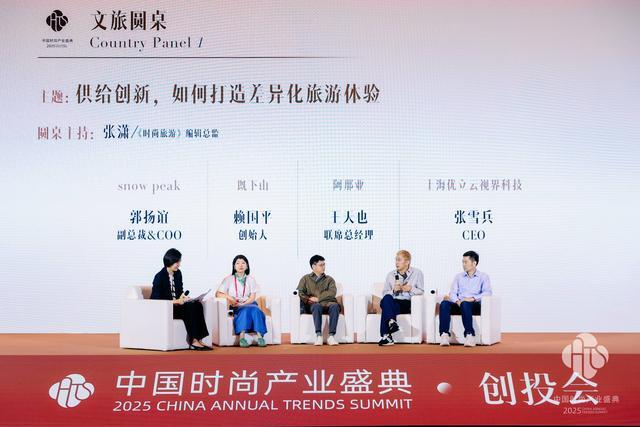
Core Insights - The China Fashion Industry Summit Investment Conference successfully took place in Shanghai, featuring 9 keynote speeches, 36 industry leaders, and nearly 200 professional investors, with total fund scale exceeding 100 billion [1] - The definition of "Chinese fashion" is forming a consensus, rooted in traditional culture and national sentiment, embodying China's spiritual philosophy and cultural essence [1] - The Chinese fashion industry is in a golden development period, with the integration of traditional aesthetics and digital technology injecting new momentum into the sector [13] Group 1: Keynote Presentations - Bain & Company released the "China Fashion Consumption Development Report," highlighting eight key trends in Chinese fashion consumption [1] - 毛戈平, founder of 毛戈平美妆, shared insights on the brand's journey and emphasized the importance of promoting domestic brands to the global stage [4] - 张晓冬, CEO of a fashion group, discussed the rise of domestic IPs and innovative practices in creating trendy art IPs [8] Group 2: Roundtable Discussions - A roundtable on "Supply Innovation: How to Create Differentiated Tourism Experiences" featured discussions on enhancing tourism through scene experiences and storytelling [2] - A forum on "How to Empower Chinese Designer Brands" included insights from various designers on integrating Chinese cultural elements into their designs [6] - A discussion on "Opportunities in the Pet Industry" explored trends in pet food and the impact of smart pet care [10] Group 3: Industry Trends and Opportunities - The conference highlighted the importance of capital focusing on Chinese design and brand IP incubation, indicating a shift towards cultural confidence and industrial innovation [13] - The event showcased 14 innovative projects and over 20 investment intention matches, indicating strong interest in the fashion and cultural tourism sectors [1] - The rise of the M-shaped society consumer upgrade trend was discussed, emphasizing the growth potential in the mother and baby sector [10]
宠物经济爆火:“毛孩子”催热千亿赛道,多只概念股创新高,年轻人养猫一年花费5000元
Sou Hu Cai Jing· 2025-06-16 08:09
Group 1 - The core viewpoint of the article highlights the booming pet economy in China, driven by emotional connections between pet owners and their pets, with a market size expected to exceed 300 billion yuan in 2024 [13][12]. - The pet economy is characterized as a "emotional economy," where young individuals and the elderly are becoming the main consumers, reflecting a shift in spending priorities towards pets rather than traditional family structures [13][4]. - The report indicates that the pet food segment dominates the market, projected to reach 158.5 billion yuan in 2024, with domestic brands gaining traction [14][12]. Group 2 - The pet medical sector is facing high costs, with the market expected to reach 84.1 billion yuan in 2024, accounting for 28% of the total pet consumption market [17][12]. - Many pet owners are experiencing financial burdens due to expensive medical treatments, with some reporting costs as high as 20,000 yuan for serious conditions [17][12]. - The industry is witnessing a rapid increase in the number of pet hospitals, projected to exceed 30,000 by the end of 2024, but still faces challenges such as a shortage of qualified veterinarians and inconsistent treatment standards [25][12]. Group 3 - The emotional value associated with pets is leading to increased spending on pet care, with many owners willing to invest in their pets' health and well-being [26][12]. - The pet funeral service market is also expanding, with a projected growth rate of over 30%, indicating a shift towards more emotional and personalized services for pets [25][12]. - Analysts suggest that the pet economy is still in a phase of rapid growth but lacks innovation, indicating potential for new service offerings and market expansion [26][12].

消费还是得靠00后
3 6 Ke· 2025-06-16 03:52
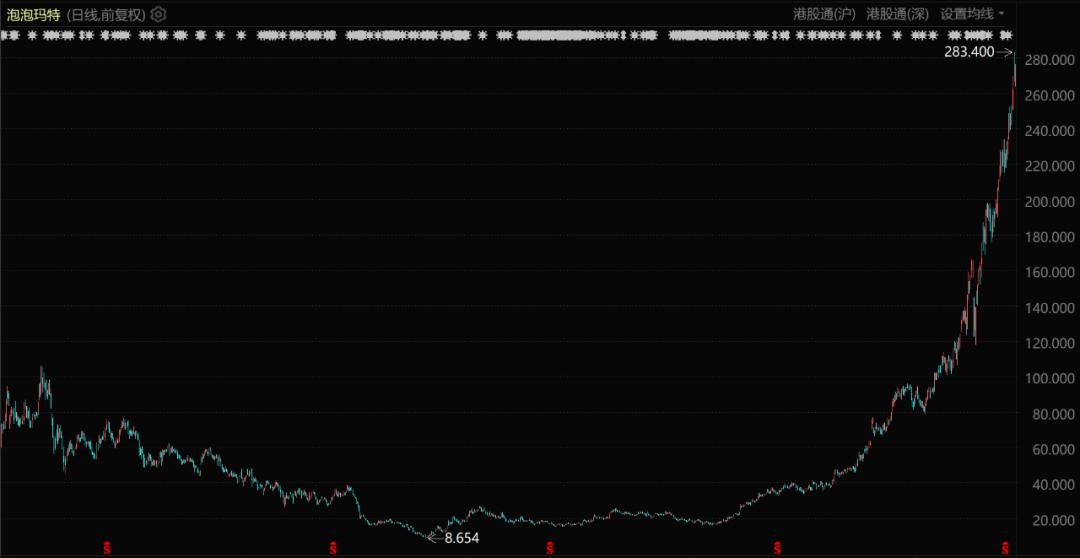
Group 1 - The core viewpoint of the articles highlights the significant growth of Pop Mart, particularly its The Monsters series, which achieved sales exceeding 3.04 billion yuan in 2024, marking a year-on-year increase of 726.6% and surpassing the MOLLY series to become the most profitable IP for the company [1][5][19] - The recent surge in new consumption trends is attributed to the Z generation (born between 1995 and 2009), who represent 19% of China's population but account for 40% of total consumption power, indicating a strong willingness to spend on non-essential items like collectibles [5][19] - The consumption behavior of the Z generation reflects a shift towards emotional and social value, prioritizing identity and belonging over traditional material needs, which has led to a rise in products that cater to these desires, such as blind boxes and trendy toys [4][9][10] Group 2 - The Z generation's average disposable income reached 3,501 yuan in 2020, significantly higher than the national average of 2,682 yuan, enabling them to spend more on personal interests and emotional fulfillment [5][6] - The articles discuss the emergence of a "circle culture" among the Z generation, where purchasing items like blind boxes serves as a ticket to join specific social groups, enhancing their sense of belonging and identity [11][19] - Pop Mart's high gross margin of 63.9% in mainland China, along with the popularity of its products in the second-hand market, demonstrates the brand's ability to create high-value items that resonate with consumers' emotional and social needs [15][19]

新消费板块再梳理
2025-06-15 16:03
Summary of Key Points from Conference Call Records Industry Overview - **New Consumption Sector**: The new consumption sector is expected to show strong growth in 2025, contrasting with the sluggish performance of traditional consumption. Key drivers include product innovation, marketing transformation, and policy support. Investors should focus on companies with sustainable innovation capabilities and stable high growth [1][2][3]. Key Insights and Arguments - **Home Appliance Industry**: The home appliance sector is affected by adjustments in national subsidy policies, but overall subsidies will not cease. Offline consumption guidance policies will impact the competitive landscape, favoring companies with offline sales networks. Leading white goods companies like Midea are seen as good investment opportunities after valuation adjustments [1][4][5]. - **Small Home Appliances**: Competition in the small appliance sector is easing, leading to improved profit margins. Companies like Beiding are gaining attention due to governance improvements and channel expansion, aligning with the trend of aesthetic economy [1][9]. - **Light Industry**: The new consumption landscape includes promising areas such as e-cigarettes, AR glasses, trendy blind boxes, and personal care products. Leading companies like Pop Mart are performing well, and domestic brands are rapidly increasing market share through new channels like Douyin [1][10]. - **Pet Industry**: The pet sector showed strong performance during the 618 shopping festival, with domestic brands like Guibao Pet and Zhongchong Co. gaining attention. Companies like Ruipubio and Petty Co. are also noteworthy, while the pig farming sector may face profit declines due to falling pig prices and slowing production capacity [1][15][16]. Additional Important Content - **Investment Directions**: Future investment directions focus on companies with continuous changes, stable high growth, and those that can tell new stories to gain market recognition. Recommended companies include Ru Yuchen and Jinbo Biological in the personal care sector, and emerging beverage and snack companies like Yanjin, Weilong, and Bailong Chuangyuan, which are expected to maintain around 40% growth in 2025 [2][3]. - **Subsidy Policy Impact**: The subsidy policy will continue in the second half of the year, although some regions may temporarily pause it due to rapid progress. The aim is to stimulate the economy rather than directly increase profits for platforms or companies. New subsidy policies may emerge to guide offline consumption [5][6]. - **High Tariffs on Exports**: The U.S. tariffs on imported steel and aluminum negatively impact white goods that rely heavily on these materials. Leading white goods companies may face pressure in the second half of the year, but if valuations adjust to around 10 to 12 times, companies like Midea could present good investment opportunities [7][8]. - **E-cigarette Market**: The e-cigarette market is a rapidly growing sector globally, with harm-reduction products gradually replacing traditional cigarettes. Companies like British American Tobacco and their contract manufacturers are expected to perform well [11]. - **AR Glasses**: AR glasses are seen as a significant product in the new consumption field, with several new products being launched. Companies like Inpax and Mingyue are recommended for investment [12]. - **Retail Sector Recommendations**: The retail sector's investment focus is on new consumption areas like gold jewelry and tea drinks, with leading companies like Laopu Gold showing strong performance. The education sector, particularly private high schools and training institutions, is also highlighted for potential growth [17]. Catalysts and Events - **Upcoming Catalysts**: Notable upcoming events include the launch of new products in the AI glasses industry and other AI products, which could create investment opportunities. Companies like Kangnait Optical are expected to perform well due to their competitive advantages [18][19].

可选消费W24周度趋势解析:宠物和黄金珠宝板块表现最优,各板块表现分化加剧-20250615
Haitong Securities International· 2025-06-15 14:56
Investment Rating - The report assigns an "Outperform" rating to multiple companies including Nike, Midea Group, JD Group, Gree Electric, Anta Sports, and Haier Smart Home among others [1]. Core Insights - The pet and gold jewelry sectors have shown the best performance, with significant growth driven by online sales and geopolitical factors affecting gold prices [4][5]. - The report highlights a divergence in sector performance, with luxury goods and pet sectors outperforming MSCI China, while other sectors like cosmetics and sportswear are experiencing negative growth [4][10]. Sector Performance Summary - **Pet Sector**: Increased by 4.2% this week, benefiting from high online sales growth, with brands like MaiFuDi and FrieGat showing year-on-year growth of 26% and 147% respectively [5][14]. - **Luxury Goods**: Continued strong performance in gold jewelry due to rising gold prices influenced by geopolitical risks and expectations of interest rate cuts in the US [5][14]. - **Snacks**: Experienced a slight pullback after previous gains, but companies show resilience with increasing production capacity and new product placements [5][14]. - **Sportswear**: Mixed performance with local brands experiencing a downturn, while international brands like Lululemon face challenges after lowering earnings guidance [5][14]. - **Cosmetics**: Continued decline over four weeks, impacted by discussions around collagen restructuring and pressure on domestic brands [5][14]. - **US Hotels and Credit Cards**: Both sectors declined due to risk-averse market sentiment [5][14]. Valuation Analysis - Most sectors are valued below their historical averages, with expected PE ratios for 2025 indicating potential undervaluation: - Sportswear: 14.5x (72% of 5-year average) - Luxury Goods: 23.1x (65% of 5-year average) - Gambling: 14.6x (24% of 5-year average) - Cosmetics: 33.9x (84% of 5-year average) - Pet Sector: 52.6x (54% of 5-year average) - Snacks: 25.3x (39% of 5-year average) - US Hotels: 28.0x (17% of 5-year average) - Credit Cards: 31.2x (60% of 5-year average) [6][15].
从户外运动、宠物经济到酒类贸易,日企挖掘中国“悦己消费”新机遇
Di Yi Cai Jing· 2025-06-13 05:15
Core Insights - The emerging trend of "self-indulgent consumption" in the Chinese market is attracting attention from Japanese companies [1][5] - The second "Japan Sake Month" event in Shanghai showcased over 1,000 Japanese alcoholic products, indicating a growing interest in Japanese beverages among Chinese consumers [1][3] Industry Developments - The event featured 81 exhibitors and was organized by the Japan External Trade Organization (JETRO), highlighting the importance of trade relations between Japan and China [1][3] - The event is now the largest Japanese sake trade fair in China, reflecting the increasing demand for Japanese alcoholic beverages [3] Market Opportunities - Japanese sake exports are projected to reach approximately 43.47 billion yen (around 2.09 billion RMB) in 2024, with a year-on-year increase of 6.37% in export value [4] - China remains the largest market for Japanese sake exports, with an expected export value of about 11.68 billion yen in 2024 [4] Consumer Trends - Young Chinese consumers are increasingly willing to spend on emotional or experiential purchases, driving growth in sectors like pet economy and outdoor activities [5] - The trend of "self-indulgent consumption" is noted as a significant factor influencing purchasing decisions among young consumers [5] Strategic Initiatives - Japanese companies are adapting their products for the Chinese market by incorporating local elements and targeting younger demographics [4][5] - Shanghai Takashimaya has committed 100 million RMB to enhance its offerings in the Shanghai market, reflecting confidence in the local business environment [5] Bilateral Economic Relations - The interdependence between Japan and China in terms of product consumption and imports is emphasized, indicating potential for further economic cooperation [6]