Zhong Guo Jing Ying Bao

Search documents
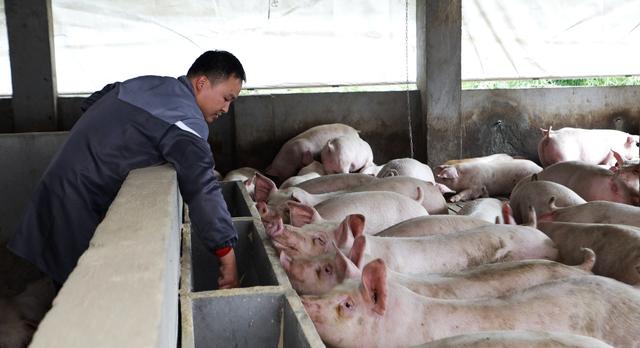
养猪业供需失衡 全产业链布局成关键
Zhong Guo Jing Ying Bao· 2026-01-09 20:14
Core Viewpoint - The pig farming industry in China is experiencing a prolonged period of low prices and losses due to supply-demand imbalances, with a shift towards fine-tuned operations expected in the future [2][6]. Supply and Demand Imbalance - The industry is currently facing losses primarily due to high production capacity, with the number of breeding sows remaining elevated at 39.9 million as of October 2025, which is 102.3% of the normal level [4]. - The average price of live pigs was reported at 12.25 yuan/kg as of December 28, 2025, still below the breakeven cost of 14 yuan/kg [2]. Price Trends and Profitability - The average price of live pigs for the entire year of 2025 is projected to be between 13.9 and 14 yuan/kg, with significant price drops observed from August onwards [3]. - By December 26, 2025, the losses for self-breeding and purchased pig farming were reported at -130 yuan/head and -163 yuan/head, respectively [3]. Production Capacity and Adjustments - The number of breeding sows has decreased by approximately 400,000 from a peak of 4.39 million in December 2022, but the current level remains high [4]. - Despite efforts to reduce production capacity, the pace of adjustment has been slow, with major companies like Wens Foodstuffs and Zhengbang Technology already meeting their annual output targets by November 2025 [5]. Cost Reduction and Efficiency - Companies are focusing on cost reduction and efficiency improvements, with some achieving significant reductions in production costs, such as Muyuan Foods at 11.3 yuan/kg and Wens Foodstuffs at 12.2-12.4 yuan/kg [8]. - The industry consensus indicates that relying solely on scale is no longer sufficient for profit growth, leading to a transition towards a micro-profit era [9]. Industry Trends and Future Outlook - The industry is expected to undergo a transformation towards sustainable development, emphasizing collaboration across the supply chain, including feed production, breeding, and processing [10]. - The involvement of large agricultural groups and cross-industry capital is anticipated to intensify competition and capacity expansion in the short term, while promoting modernization and stability in the long term [10].


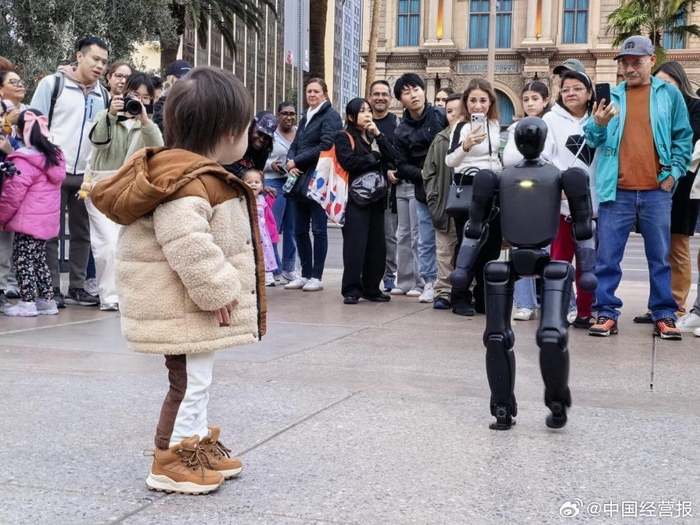
传统车企分化、新势力加速洗牌 打响生态战 2025车企生存启示录
Zhong Guo Jing Ying Bao· 2026-01-09 20:03
Core Insights - The Chinese automotive market in 2025 shows a stable total volume with a differentiated structure, indicating a new competitive norm where traditional automakers maintain dominance while new players face varied growth trajectories [3][4][5] Traditional Automakers - SAIC Group sold 4.507 million vehicles in 2025, a 12.3% increase year-on-year, with a retail volume of 4.67 million, maintaining its industry leadership [3] - Geely Automobile achieved sales of over 3.02 million vehicles in 2025, exceeding its targets and setting a 2026 goal of 3.45 million vehicles, reflecting strong growth momentum [4] - Chery Group sold 2.806 million vehicles, including 1.344 million exports, leading in Chinese passenger car exports for 23 consecutive years, with its new energy segment growing by 54.9% year-on-year [4] New Energy Vehicle Players - Leap Motor emerged as a significant player with 596,600 deliveries in 2025, marking a 103% year-on-year increase and becoming the top seller among new forces [2][4] - NIO is gradually recovering from a downturn, with a milestone of producing its one-millionth vehicle expected in early 2026, despite reporting a cumulative loss of nearly 15.7 billion yuan in the first three quarters of 2025 [2][5] - The competitive landscape for new energy vehicles is marked by a stark contrast, with some players struggling while others, like Lantu and Avita, show steady growth backed by traditional automakers [4][5] Strategic Shifts - The industry is shifting from product-centric competition to a focus on ecosystem collaboration and technological innovation, as companies aim to build resilient and innovative ecosystems [5][7] - SAIC Group emphasizes a dual strategy of technological innovation and ecosystem cooperation, launching over 20 competitive new products and collaborating with partners like Huawei and OPPO [6][8] - Companies are setting ambitious goals for 2026, with a focus on advanced technologies such as solid-state batteries, AI, and global expansion, indicating a move towards a more integrated and strategic approach to competition [8][9]




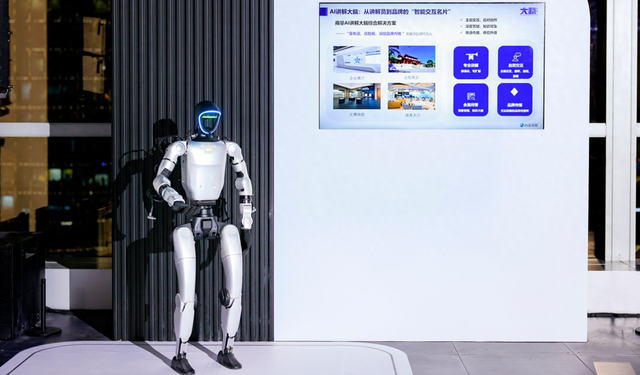
抢滩万亿具身智能蓝海 泛汽车企业“卡位”人形机器人赛道
Zhong Guo Jing Ying Bao· 2026-01-09 19:58
Core Viewpoint - The automotive industry is increasingly entering the humanoid robot sector, viewing it as a "third growth curve" alongside traditional automotive business lines, with significant investments and product developments underway [3][4][5]. Group 1: Investment and Development - Chery Group announced it is accelerating the incubation of its humanoid robot, Moja, with a recent investment of 35 million yuan from Wuhu Bertli Automotive Safety Systems [3]. - The humanoid robot market is projected to reach a size of $5 trillion by 2050, with an estimated deployment of 1 billion units, indicating a vast market opportunity for automotive companies [7]. - Dongfeng Group is also developing humanoid robots for tasks such as customer reception and material handling in factories, showcasing the diverse applications of these robots [5]. Group 2: Technological Synergy - Automotive companies possess inherent advantages in technology and manufacturing processes, which can be leveraged in the development of humanoid robots [7][10]. - The overlap in supply chains between smart vehicles and humanoid robots is as high as 60%, providing a natural pathway for cost reduction [10]. - Chery's approach to humanoid robots is seen as a natural extension of its existing automotive technology and manufacturing capabilities [8]. Group 3: Market Entry and Competition - New players, including companies like SenseTime and Black Sesame Intelligence, are entering the humanoid robot market, indicating a competitive landscape [4][6]. - SenseTime's recent product launches and partnerships in the humanoid robot space highlight the industry's focus on collaboration and ecosystem development [4]. - The entry of automotive companies into the humanoid robot sector is seen as a strategic move to capture future technological opportunities and enhance their market positions [7][11]. Group 4: Challenges and Future Outlook - The humanoid robot industry is still in its early stages, facing challenges such as the lack of industry standards and safety regulations [9]. - Key technological breakthroughs are needed in areas like AI chips, battery technology, and sensor systems to enable large-scale deployment of humanoid robots [10]. - The development of commercial models, such as robot leasing platforms, is emerging as a potential avenue for revenue generation in the humanoid robot sector [11].

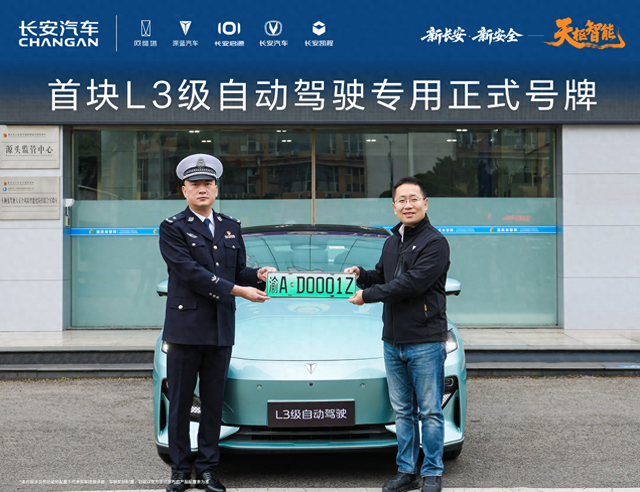
长安汽车L3级车型落地 重庆打造智能网联汽车第一城
Zhong Guo Jing Ying Bao· 2026-01-09 19:51
Core Viewpoint - The launch of L3 conditional autonomous driving vehicles by Changan Automobile in Chongqing marks a significant step towards the commercialization of smart connected vehicles in China, with the first dedicated license plate "渝AD0001Z" issued for such vehicles [2][3][4]. Group 1: Autonomous Driving Development - Changan Automobile has received approval for its L3 level conditional autonomous driving vehicles, becoming one of the first companies to do so in China [2][4]. - The first dedicated license plate for L3 autonomous driving was issued in Chongqing, allowing these vehicles to operate on specific urban roads known for complex traffic conditions [3][4]. - The current pilot program is limited to designated routes and vehicles, with the aim of gathering data to improve technology and regulatory frameworks before broader consumer access [4][5]. Group 2: Safety and Responsibility - The responsibility for driving remains with the driver, even with the introduction of L3 autonomous vehicles, as the system is only active under specific conditions [5][6]. - The transition from L2 to L3 involves a shift in responsibility, where the vehicle's control system assumes primary responsibility under defined conditions, but the driver must be ready to take over when prompted [6][7]. - Legal frameworks are being developed to clarify the responsibilities of manufacturers and drivers, ensuring safety while promoting the adoption of autonomous driving technologies [6][9]. Group 3: Industry and Policy Implications - Chongqing is positioning itself as a leader in the smart connected vehicle industry, supported by government policies aimed at fostering innovation and collaboration within the automotive sector [7][8]. - The development of smart connected vehicles is seen as a major technological breakthrough that will transform automotive usage and urban traffic management [9]. - The pilot program in Chongqing is expected to provide practical insights that will inform future legislative changes regarding autonomous driving, enhancing the legal framework to support industry growth [9].

太湖畔打造“钢铁侠”训练营 无锡以“人工智能+”赋能产业升级
Zhong Guo Jing Ying Bao· 2026-01-09 18:53
Core Insights - Wuxi is emerging as a new hub for artificial intelligence and humanoid robots, with multiple training centers and initiatives aimed at enhancing productivity and innovation in the manufacturing sector [1][2][5] Group 1: Industry Development - Wuxi's action plan for 2025-2027 aims to enhance AI innovation capabilities and promote full-scene applications of AI, establishing a robust ecosystem for AI development [1][5] - The integration of AI with advanced manufacturing is seen as a strategic move to meet the demands of industrial upgrades, particularly in areas like industrial assembly and urban governance [2][6] Group 2: Infrastructure and Training - The Jiangsu Industrial Data Collection and Training Center in Wuxi spans nearly 7,000 square meters and features seven functional training areas, supporting the development of humanoid robots through a "data factory + training base + innovation engine" model [3][4] - Companies like Tianqi Co. and Kailong High-Tech are establishing training facilities that enhance the efficiency of robot training and application across various sectors, including automotive and renewable energy [4][5] Group 3: Policy and Support - Wuxi has introduced policies to attract talent and support AI development, including financial incentives and partnerships with institutions like Hong Kong Polytechnic University [6][8] - The city aims to create 100 AI-enabled industrialization application cases and promote 300 "AI + advanced manufacturing" scenarios by 2027, with a target for the AI industry scale to exceed 300 billion yuan [5][8] Group 4: Future Outlook - Wuxi's AI industry is projected to grow significantly, with a focus on core technology development and ecosystem cultivation, aiming for a complete industrial chain by 2027 [8][10] - The establishment of the OPC community in Wuxi represents a new entrepreneurial model supported by AI technology, enhancing innovation and commercialization opportunities [9][10]

数字人民币启动计息 银行加速场景生态布局
Zhong Guo Jing Ying Bao· 2026-01-09 18:33
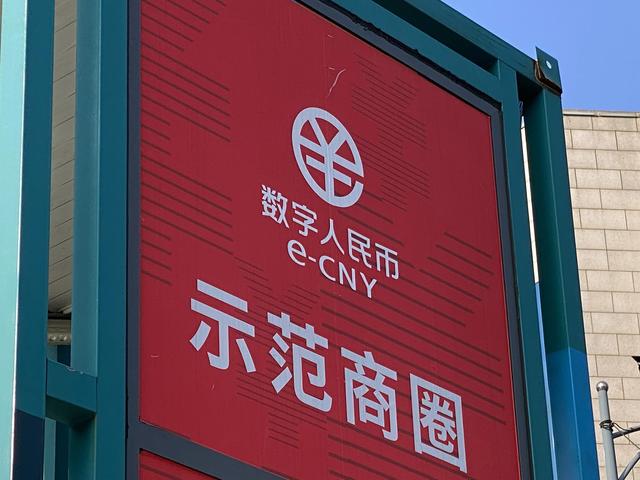
Core Viewpoint - The introduction of interest on the balance of real-name digital RMB wallets by major Chinese banks marks a significant shift from digital currency to digital deposits, enhancing the attractiveness of digital RMB as a store of value and promoting its active use [2][3][4][5]. Group 1: Interest Payment on Digital RMB Wallets - Starting January 1, 2026, major banks in China will pay interest on the balances of real-name digital RMB wallets at the same rate as their demand deposit rates, currently set at 0.05% [2][5]. - Interest will be calculated and credited on specific dates throughout the year, and only real-name wallets will be eligible for interest, excluding anonymous wallets due to regulatory compliance [2][3]. Group 2: Transition to Digital Deposits - The People's Bank of China has initiated a transition from digital cash to digital deposit currency, with a new framework and management system set to launch in 2026 [3][5]. - This transition allows users to enjoy both payment convenience and interest income, integrating digital RMB into the banking system and enhancing wealth management opportunities [3][4]. Group 3: Impact on Commercial Banks - The shift to interest-bearing digital RMB balances will convert these funds into stable liabilities for banks, improving their lending capacity and profitability [4][5]. - The digital RMB will now be treated as a direct liability of commercial banks, allowing them to manage these balances within their asset-liability frameworks [4][5]. Group 4: Expansion of Digital RMB Applications - The digital RMB is expected to expand its application beyond simple payments to include savings, loans, and investments, enhancing its role in the financial ecosystem [4][6]. - Banks are encouraged to develop comprehensive financial products around interest-bearing wallets, targeting various sectors such as supply chain finance and cross-border payments [8]. Group 5: Internationalization of the RMB - The current global trend towards "de-dollarization" presents a unique opportunity for the internationalization of the RMB, with digital RMB facilitating innovative cross-border payment solutions [9]. - Enhancing user willingness to hold and use digital RMB, along with encouraging banks to promote its adoption, is crucial for its success in international markets [9][10].






多晶硅巨头“约谈”风波:未来光伏如何“反内卷”?
Zhong Guo Jing Ying Bao· 2026-01-09 16:40
Core Viewpoint - The recent meeting minutes reveal that the Chinese regulatory authority has raised concerns about potential monopolistic practices in the polysilicon industry, leading to a significant market reaction and stock price declines for major companies in the sector [1][2]. Group 1: Regulatory Actions - On January 6, 2026, the State Administration for Market Regulation held discussions with key players in the polysilicon industry, including Tongwei Co., GCL-Poly Energy, Daqo New Energy, and others, to address reported monopolistic risks and suggested corrective measures [1][2]. - The meeting minutes indicated that since July 2025, there have been allegations of companies colluding to raise polysilicon prices under the guise of self-regulation, which included signing commitment letters and forming a platform company for capacity integration [2]. Group 2: Market Impact - Following the regulatory discussions, stock prices for major polysilicon companies fell significantly, with declines of 3.83% for Tongwei, 7.89% for GCL-Poly, 6.1% for Daqo, and 7.81% for Xinte Energy as of January 9 [1]. - Analysts suggest that the recent price increases in polysilicon, which had risen to over 60,000 yuan per ton, may not be sustainable due to the regulatory scrutiny and potential dismantling of price-fixing agreements among companies [5]. Group 3: Industry Perspectives - Industry experts emphasize the need for a legal and market-driven approach to combat "involution" and monopolistic practices, highlighting that the recent regulatory actions are a response to industry reports and not a rejection of the efforts made towards self-regulation [2][4]. - The establishment of the Beijing Guanghe Qiancheng Technology Co., viewed as a platform for capacity integration, has been criticized, with some industry insiders suggesting that its objectives may no longer be necessary [3][4]. Group 4: Future Outlook - The polysilicon market is expected to experience further price adjustments, with predictions that prices may eventually trend towards 40,000 yuan per ton as market competition intensifies and supply-demand dynamics remain loose [5]. - The ongoing discussions about "anti-involution" and regulatory compliance will likely shape the future strategies of companies within the polysilicon sector, as they navigate the balance between competitive pricing and regulatory frameworks [4][5].


2025年如期偿还58.55亿公开债 新城控股保持“零违约”纪录
Zhong Guo Jing Ying Bao· 2026-01-09 16:39
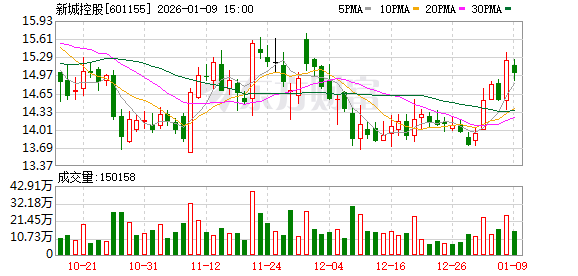
Group 1 - The core viewpoint of the article highlights the stable and positive performance of New城控股 in 2025, with a total sales amount of 19.27 billion and a sales area of approximately 2.5358 million square meters [2] - The commercial sector of New城控股 has shown continuous improvement, with total annual commercial operating revenue increasing by 10% to 14.09 billion [2] - New城控股 has maintained a high level of credit management, ensuring a safe and stable debt structure, with a total repayment of 5.855 billion in domestic and foreign public market bonds for the year [2] Group 2 - In November 2025, New城控股 successfully issued a real estate asset-backed security (ABS) with a scale of 616 million, marking it as the first consumer-type holding real estate ABS in the country and the first issued by a private enterprise listed on A-shares [3] - The issuance of this holding-type ABS is seen as a significant step in New城控股's strategic shift from "real estate development and sales" to "asset operation," providing a practical model for private real estate companies [3] - Throughout 2025, New城控股 has actively engaged in both domestic and foreign markets, successfully issuing various bonds and notes, including a 300 million senior unsecured bond and multiple medium-term notes with low interest rates [3]

以确定性转型破局 中国重塑全球气候治理新生态
Zhong Guo Jing Ying Bao· 2026-01-09 15:46
Core Viewpoint - The implementation of the EU Carbon Border Adjustment Mechanism (CBAM) on January 1, 2026, complicates the global climate governance landscape, necessitating China's transition from an "important participant" to an "active leader" in global climate governance [1][2]. Group 1: China's Role in Global Climate Governance - China aims to respond to international climate rules' uncertainties through a systematic transformation towards a green and low-carbon economy, turning external pressures into high-quality development drivers [1]. - The country is positioned as a significant supplier of green production capacity, leveraging its full industrial chain technology advantages in solar, wind, and energy storage sectors [1]. - Projects like the Al Dhafra Solar Power Plant in the UAE, with a capacity of 2.1 GW, exemplify China's commitment to reducing carbon emissions by 2.4 million tons annually and supporting local employment [1]. Group 2: Renewable Energy Cooperation - Through South-South cooperation, China has initiated renewable energy technology transfer projects with countries like Ghana and Zambia, providing clean energy solutions and creating numerous job opportunities [2]. - The De Aar Wind Power Project in South Africa, developed by China National Energy Group, delivers 770 million kWh of clean electricity annually, benefiting 300,000 households and training over 110 local technicians [2]. Group 3: Strategic Responses to CBAM - To address the challenges posed by CBAM, China needs to implement a systematic strategy that includes accelerating the national carbon market's development and establishing a transparent carbon accounting system [3]. - The focus should be on integrating affected industries like steel, aluminum, and cement into carbon market rules and exploring carbon pricing mechanisms to avoid double payments [3]. Group 4: Industry Decarbonization and Competitiveness - The "carbon barrier" represents a competition in green competitiveness, and industries must deeply decarbonize to gain a competitive edge [4]. - Companies like Baosteel and Taiyuan Iron and Steel are leading the way in reducing carbon footprints through innovative processes and clean energy adoption, setting benchmarks for high-energy-consuming industries [4]. - The overall goal is to create a new advantage in green supply chains, making low-carbon practices central to high-quality industrial development [4].
稚晖君携上纬启元Q1亮相CES 2026,全球首款小尺寸人形机器人面世
Zhong Guo Jing Ying Bao· 2026-01-09 14:41
Core Viewpoint - The article highlights the debut of the world's first fully actuated small humanoid robot, Qiyuan Q1, by the company Shangwei Qiyuan at CES 2026, marking a significant advancement in personal robotics [1] Group 1: Product Innovation - Qiyuan Q1 is designed to be a continuously learning and deeply customizable intelligent terminal, aimed at individual users, thus democratizing access to humanoid robots [1] - The company has innovated by compressing traditional full-size robot joints (QDD) to a size smaller than an egg while maintaining performance and dynamic response [1] - The robot supports open SDK/HDK interfaces and customizable 3D-printed components, positioning it as a versatile tool for researchers, children, and creative enthusiasts [1] Group 2: Market Positioning - Shangwei New Materials announced its entry into the personal robotics market under the brand "Shangwei Qiyuan" on December 31, 2025, with the launch of Qiyuan Q1 [1] - The company is led by Peng Zhihui, known as "Zhi Hui Jun," who is recognized for his contributions to robotics and has taken on the role of chairman at Shangwei New Materials [1]