
Qi Huo Ri Bao Wang

Search documents
“反内卷”:在秩序重构中激活高质量发展动能
Qi Huo Ri Bao Wang· 2025-07-10 18:35
Core Viewpoint - The "anti-involution" movement is a significant transformation aimed at promoting high-quality development in major industries by restructuring competition rules and breaking path dependence, shifting competition from "low-level internal consumption" to "high-quality co-creation" [1][2][4] Group 1: Industry Context - The "anti-involution" movement is not merely a cooling of industries but a necessary step to address the detrimental effects of "involution-style" competition, which has trapped companies in a cycle of low prices and low quality [2][3] - Historical competition in China was characterized by scale expansion and price competition, which has now become outdated and counterproductive in the current economic environment [1][2] Group 2: Governance Changes - The governance logic is shifting from "administrative dominance" to "rule of law," with the revision of the Anti-Unfair Competition Law targeting practices like "forced low-price sales" and "platform choice," thereby protecting normal pricing rights while curbing malicious competition [3] - The focus of governance is moving from merely monitoring production capacity to facilitating the free flow of resources across the national market, allowing companies to collaborate with leading technology partners rather than being restricted by local procurement policies [3] Group 3: Long-term Goals - The objective of the "anti-involution" movement is to foster long-term growth by encouraging innovation and providing tax incentives for R&D investments, steering resources towards technological advancements rather than price wars [3][4] - This approach aims to guide companies to compete based on quality and innovation rather than price, promoting a rational competitive environment where collaboration and technological upgrades are prioritized [3][4]
“保险+期货”入选夏季达沃斯白皮书推介案例
Qi Huo Ri Bao Wang· 2025-07-10 18:35
Core Viewpoint - The "insurance + futures" model has been highlighted as a successful case in agricultural risk management, showcasing China's innovative financial practices in the World Economic Forum's white paper on food and water resource innovation in Asia and the Middle East [1][4]. Group 1: Project Overview - The project initiated by Cargill in collaboration with the World Food Programme and local government aims to enhance agricultural productivity and farmer income while promoting sustainable food security [2]. - Over three years, the "insurance + futures" model has provided over 1.5 million yuan in compensation to local farmers, significantly exceeding traditional agricultural insurance coverage [2][3]. Group 2: Agricultural Innovations - The implementation of the water and fertilizer integration technology has led to a 10.8% increase in crop yield in 2023 and a 7.96% increase in 2024, with water savings of up to 30.7% and a reduction in fertilizer usage by over 20% [3]. - The project not only provides technical and financial support but also instills a risk management and sustainable development mindset among farmers [3]. Group 3: Financial Model Impact - The "insurance + futures" model, established in 2015, has provided over 200 billion yuan in risk protection for more than 7 million farming households, demonstrating its effectiveness in transforming agricultural risk management and supporting rural financial services [4]. - The model is evolving into a standardized operation with the introduction of the first industry normative document by the China Futures Association, promoting a comprehensive financial support system for agriculture [4]. Group 4: Global Recognition - The "insurance + futures" model has gained attention beyond China, evolving from a nascent concept to a widely recognized financial practice that offers a replicable model for global agricultural risk management [5].
政企联动 共探期现结合新路径
Qi Huo Ri Bao Wang· 2025-07-10 18:22
Group 1 - The core viewpoint emphasizes the importance of futures markets in supporting the high-quality development of the real economy, particularly through the integration of futures and spot markets [2][3][6] - The Dalian Commodity Exchange (DCE) and local authorities are actively promoting the use of futures tools to help enterprises manage risks associated with price fluctuations in key industries such as equipment manufacturing and petrochemicals [2][4] - The DCE aims to position Dalian as a leading hub for innovative services in bulk commodities within Northeast Asia, leveraging its existing logistics and trade networks [5][7] Group 2 - The training session highlighted the significant role of futures markets in stabilizing enterprise operations and enhancing regional economic development, with over 60 representatives from government and financial institutions participating [1][7] - The DCE's iron ore futures have become a crucial pricing reference for the global steel industry, indicating the growing influence of Dalian's futures market on international negotiations [3][4] - Successful case studies from Zhejiang province demonstrate the effectiveness of integrating futures and spot trading, which Dalian aims to replicate to enhance its competitive edge [4][6]
三十而励 未来可期|深耕产业研究,赋能投研决策——恒银期货全力打造一站式产业服务体系
Qi Huo Ri Bao Wang· 2025-07-10 02:24
Core Viewpoint - Hengyin Futures Co., Ltd. is a key enterprise under Hebei Construction Investment Group, focusing on providing comprehensive risk management solutions for the real economy through a digital transformation strategy and a strong research foundation [1] Group 1: Research Team and Analytical Capabilities - The research institute has a professional team of over 30 members, with core analysts possessing more than 10 years of experience in futures and industry research, ensuring high-quality and forward-looking research outcomes [2] - The institute has established a robust information collection network, enabling it to capture macroeconomic trends, policy changes, supply-demand dynamics, and market sentiment effectively [2] Group 2: Industry Focus and National Service - The research institute is headquartered in Shijiazhuang, Hebei, leveraging the province's industrial base, particularly in steel, coal, chemicals, glass, urea, eggs, and industrial silicon [3] - The institute emphasizes research on futures products related to Hebei's advantageous industries, creating a unique research system [3] Group 3: Empowering Investment Decisions and Service Ecosystem - The core value of the research institute lies in providing professional and timely research support, aiding investors in making informed decisions through various reports and strategic recommendations [4] - The company has developed multiple service brands, such as "Qi Hui Qi" and "Heng Hui Qi," focusing on empowering industries and rural revitalization [4] - The institute collaborates with industry associations, local governments, and other organizations to build a cooperative and efficient service ecosystem for the real economy [4] Group 4: Technological Empowerment and Compliance - The company is investing in innovative resources to develop an intelligent research platform that covers the entire research process from data collection to strategy formulation [5] - The research process is standardized and regulated through technological means, enhancing research efficiency and product consistency [6] - A rigorous compliance review mechanism is embedded in the research process, ensuring transparency and traceability of research outcomes [6]
6月国内CPI同比由降转涨
Qi Huo Ri Bao Wang· 2025-07-10 01:55
Group 1: Consumer Price Index (CPI) - In June, the Consumer Price Index (CPI) increased by 0.1% year-on-year, marking a shift from a decline over the previous four months [1] - The rise in CPI was primarily influenced by a recovery in industrial consumer goods prices, with the year-on-year decline narrowing from 1.0% to 0.5% [1] - The core CPI rose by 0.7% year-on-year, the highest increase in nearly 14 months, indicating stronger underlying inflation pressures [1] Group 2: Producer Price Index (PPI) - The Producer Price Index (PPI) saw a month-on-month decline of 0.4%, consistent with the previous month, while some industry prices showed signs of stabilization [2] - The decline in PPI was attributed to seasonal decreases in domestic raw material manufacturing prices and a drop in energy prices due to increased green electricity [2] - Prices for automobiles, photovoltaics, and durable consumer goods experienced a narrowing year-on-year decline, supported by policies aimed at promoting consumption [2]
强作风树新风 推动学习教育见行见效
Qi Huo Ri Bao Wang· 2025-07-10 01:43
Core Viewpoint - The company emphasizes the importance of implementing the spirit of the Central Eight Regulations as a key task for its Party building work, aiming to enhance its operational integrity and drive transformation and development [1][5]. Group 1: Learning and Education Initiatives - The company has organized multiple study sessions to deeply understand the Central Eight Regulations and related materials, involving various levels of Party members to ensure comprehensive learning [2][3]. - A total of 20 key tasks have been outlined in the work plan for implementing the Central Eight Regulations, with specific timelines and responsibilities assigned [1][4]. Group 2: Cultural and Ethical Development - The company integrates learning education with the cultivation of a clean culture, organizing visits to educational bases and viewing warning films to raise awareness of financial crimes [3][4]. - All Party members are required to sign a "Clean Operation Commitment" to reinforce ethical standards within the organization [3]. Group 3: Evaluation and Improvement - The company has initiated a feedback mechanism to evaluate the implementation of the Central Eight Regulations, creating a problem list and a centralized rectification ledger [4]. - Regular assessments and discussions are held to ensure that the learning and improvement processes are effective and impactful [4]. Group 4: Integration with Business Goals - The company aligns its learning initiatives with its annual integration and transformation tasks, establishing action plans to encourage proactive engagement from Party members in achieving high-quality development [5]. - From January to April 2025, the company reported a significant increase in business performance, with a 10.6% rise in revenue and a 31% increase in net profit [5].
“反内卷”之路已然开启
Qi Huo Ri Bao Wang· 2025-07-10 00:40
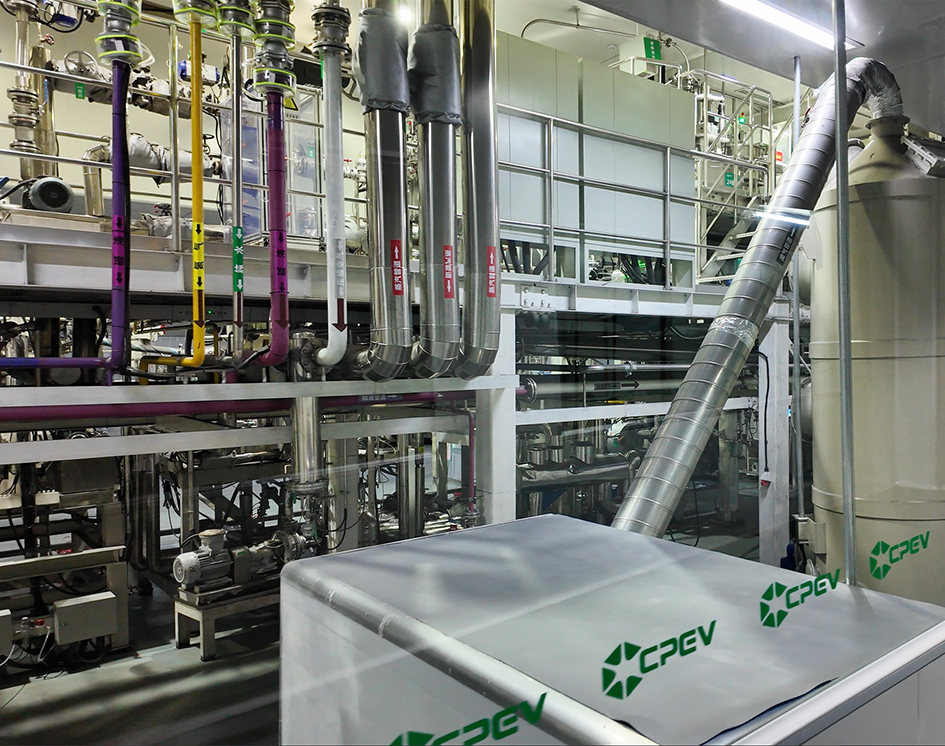
2022年以来,锂电产业链经历了一场剧烈的价格洗礼。碳酸锂现货价格从峰值时的60万元/吨跌至6万元/吨,跌幅超过90%。这一严峻 现实不仅是市场供需关系调整的结果,更是行业内部长期"内卷式"竞争激化的体现。 锂电产业链当前面临的阵痛,是产业从爆发式增长迈向成熟期的必经考验。碳酸锂价格的理性回归有其必然性,但无序"内卷"带来的 破坏性竞争绝不可持续。从车企缩短账期的务实之举,到全行业对技术创新与深度协作的共识,锂电产业的"反内卷"之路已然开启。 这不仅是企业生存发展的需要,更是保障国家新能源战略安全、实现产业链自主可控与高质量发展的关键。唯有全产业链摒弃零和博 弈思维,以长期主义眼光,共同构建技术驱动、风险可控、协同共赢的健康生态,中国锂电产业才能真正穿越迷雾周期,在全球能源 转型的大潮中行稳致远。 1111 0- 0 TS . 2 ATES x . ENNET and and and 7 the state FC a = 1 e | | - Tall I 112 2 :: E 在经济高速增长时期,其负面影响或被掩盖,但当经济转向高质量发展阶段,"内卷"对效率的侵蚀、对创新的抑制便愈发凸显,成为 制约产业升级的 ...

破解碳酸锂企业生存困局:深挖降本空间 创新商业模式
Qi Huo Ri Bao Wang· 2025-07-10 00:34
Core Viewpoint - The lithium carbonate market is experiencing a significant downturn, with prices dropping over 90% from a peak of 600,000 yuan/ton to approximately 60,000 yuan/ton since 2022, indicating a phase of challenges in the supply-demand structure adjustment within the industry [2][3] Supply and Demand Imbalance - The fundamental driver behind the sharp decline in lithium carbonate prices is the supply-demand imbalance, with supply growth averaging 31% and demand growth at 27% since 2022, leading to significant inventory accumulation [3] - The "involution" competition in the lithium industry stems from short-sighted corporate strategies, herd mentality in investments, and lack of innovation, exacerbated by the inability of leading companies to effectively guide industry self-discipline [3] Industry Challenges - Price wars and profit squeezes are evident, with upstream lithium mining companies facing losses due to falling prices, while downstream battery manufacturers maintain marginal profits through technological iterations and scale production [4] - The industry is characterized by homogenization and inefficient capacity, with some lithium extraction costs exceeding 85,000 yuan/ton, forcing companies to cut production [4] - High inventory levels are pressuring cash flow, with global lithium carbonate inventory expected to reach 360,000 tons by 2025, and domestic inventory at 130,000 tons, suppressing price rebounds [4] Structural Issues in Recycling Lithium - The recycling lithium industry faces core challenges related to structural contradictions in raw materials and capacity, with a persistent supply shortage of battery black powder and excess capacity in wet metallurgy [5] - Improvement in the situation requires a dual-driven approach: waiting for a large-scale retirement of lithium batteries to expand raw material supply and stabilizing lithium carbonate market prices to restore industry profit balance [5] Pricing Dynamics - The traditional "cost support" logic is failing, with the market shifting to "marginal cost pricing" and "cash flow consumption capacity" as key competitive factors [6] - The current price levels are a severe test for many producers, with significant impacts on non-mining and recycling enterprises leading to production cuts and market exits [6][7] Future Supply and Demand Outlook - The mining exploration and production cycle is lengthy, making it difficult for mines to reduce output despite low prices, as higher production dilutes unit operating costs [7] - A true capacity clearing in the market will require observing cash flow interruptions and mine closures, with expectations of reduced new projects after 2026 [8] Emerging Demand in New Fields - Despite current micro-profit or loss situations, the long-term outlook for the lithium industry remains optimistic due to the vast potential for green energy to replace fossil fuels [9] - The energy storage sector is anticipated to be a significant driver of future lithium demand, with a notable increase in production of energy storage cells [10] Cost Reduction and Efficiency Improvement - "Cost reduction and efficiency improvement" have become the main themes across the lithium industry, with companies focusing on integrated production and technological advancements to lower costs [12] - The adoption of futures hedging tools is increasingly important for managing price risks and stabilizing profits in the lithium carbonate industry [13][14] Strategies Against Involution - To combat the "involution" trend, recycling lithium companies are focusing on deep cost exploration through technological upgrades and innovative business models, including the use of financial tools to manage price risks [15]

将促进商品指数场外衍生品发展
Qi Huo Ri Bao Wang· 2025-07-09 17:39
Core Viewpoint - The launch of the China Securities Energy and Chemical Industry Index series fills a gap in the domestic authoritative commodity index system and promotes the development of off-exchange derivatives in the commodity sector [1][4]. Group 1: Index Characteristics - The index series includes the China Securities Energy and Chemical Industry Futures Index, the China Securities Energy Chemical Finished Product Futures Index, and the China Securities Organic Chemical Product Futures Index, designed to meet diverse needs [2]. - The indices focus on different segments: the finished product index targets downstream products like fuel oil and polypropylene, the industry index covers the entire supply chain including crude oil and thermal coal, and the organic chemical index emphasizes high-value organic chemicals [2][3]. Group 2: Economic Impact and Usage - The index series is closely linked to macroeconomic factors and is highly correlated with the Producer Price Index (PPI), serving as a "barometer" for economic trends [3]. - Manufacturing companies can use the index to anticipate changes in raw material costs and adjust procurement and pricing strategies accordingly [3]. Group 3: Investment Opportunities - The index series provides a foundation for developing specialized energy and chemical-themed ETFs, enhancing the diversity of commodity index fund products in China [3][4]. - Financial institutions can create various products linked to the index, such as commodity futures index ETFs, structured deposits, and public fund of funds (FOF) to meet diverse investor needs [4].


“十四五”时期我国经济增量预计超过35万亿元
Qi Huo Ri Bao Wang· 2025-07-09 17:34
国务院新闻办公室9日举行"高质量完成'十四五'规划"首场新闻发布会。国家发展改革委有关负责人介 绍"十四五"时期经济社会发展成就,并回答记者提问。 据介绍,"十四五"时期,我国经济总量连续跨越110万亿元、120万亿元、130万亿元,今年预计可以达 到140万亿元;增量预计超过35万亿元,相当于广东、江苏、山东经济总量的总和,也超过了世界排名 第三国家的经济总量,对世界经济增长的贡献率保持在30%左右。前4年,我国经济增速平均在5.5%。 "十四五"以来,我国的粮食、能源、产业、国防等安全基础也进一步夯实。粮食方面,"十四五"支持新 建和改造提升高标准农田4.6亿亩,目前累计已建成超过10亿亩高标准农田,相当于粮食产量排名前两 位的黑龙江、河南两省面积的总和,中国人的饭碗牢牢端在自己手中。能源方面,建成了全球规模最大 的电力基础设施体系,发电装机容量占全球三分之一。产业基础方面,我国拥有全球规模最大、门类最 齐全、体系最完整的制造体系,产业链供应链韧性和安全水平不断提升,应对各类风险挑战的底气更 足。 此外,中国以实际行动引领全球绿色发展,坚定履行"双碳"承诺,单位GDP能耗4年累计降低11.6%,相 当于减 ...