
Zhong Guo Huan Jing Bao

Search documents
推动生态警务机制建设,浙江有这些实践经验可供参考
Zhong Guo Huan Jing Bao· 2026-01-06 05:47
Core Viewpoint - The article discusses the implementation of an ecological policing mechanism in Zhejiang Province, emphasizing the collaboration between various governmental departments to enhance ecological law enforcement and management, serving as a model for other regions [1][2][3]. Group 1: Strengthening Law Enforcement - Zhejiang Province's police are enhancing their capabilities in ecological law enforcement, maintaining a strict stance against environmental crimes, as evidenced by operations like the "Nankxi River Basin Illegal Sand Mining Case" [1]. - A collaborative initiative called "Ecological Zhejiang" has been launched, involving 15 administrative departments to facilitate joint law enforcement and streamline case processing through a green channel for inspections and appraisals [1]. Group 2: Proactive Prevention Mechanisms - The police are shifting their focus towards proactive prevention by establishing a risk detection mechanism based on a grid system, supported by 8,079 "ecological police chiefs" and various operational centers [2]. - The integration of community involvement through initiatives like "ecological volunteer" teams and the "Ecological Green Whistle" app has expanded the monitoring network, enhancing responsiveness to ecological risks [2]. Group 3: Comprehensive Governance and Judicial Efficiency - The introduction of the "Legal Protection of Green Water and Green Mountains" model aims to create a comprehensive ecological judicial protection system that includes prevention, enforcement, restoration, and construction [2]. - The province is implementing a dual approach of enforcement and restoration, utilizing a model that combines injunctions with multi-faceted restoration efforts, thereby improving both ecological and judicial outcomes [2]. Group 4: Realizing Ecological Value - Zhejiang's ecological policing practices are integrated into broader economic and social development, establishing a directory of over 20,000 "Green Water and Green Mountain Enterprises" to provide targeted protection for key ecological product producers [3]. - The police have developed the "Safe Camping" app to enhance management services for the rapidly growing camping economy, while also promoting a marine ecological policing model to support sustainable marine economic development [3]. - The long-term vision for ecological policing is to modernize ecological governance capabilities, combining institutional advantages, local wisdom, and public expectations to create a unique path for collaborative ecological governance in China [3].
共建美丽中国先行区,提升成渝双城经济圈发展能级
Zhong Guo Huan Jing Bao· 2026-01-06 03:19
Core Viewpoint - The construction of beautiful China pilot areas is a crucial approach to advancing the overall initiative of building a beautiful China, emphasizing regional coordinated development and ecological safety [1] Group 1: Beautiful China Pilot Area Construction - The "14th Five-Year Plan" period is a key transitional phase for building a beautiful China, with various documents outlining strategies for regional development and pilot area construction [1] - The Sichuan-Chongqing region is tasked with significant national missions, including western development and ecological safety, making the joint construction of beautiful China pilot areas a practical application of national strategies [1] Group 2: Green Growth and Low-Carbon Development - The focus is on establishing carbon peak targets and low-carbon industrial parks, such as the Chongqing High-tech Zone and Chengdu Carbon Neutrality Industrial Ecosystem [2] - Collaborative efforts include the development of the "Chengyu Hydrogen Corridor" and green industry clusters in photovoltaics, batteries, and energy-saving sectors [2] Group 3: Environmental Governance and Pollution Control - A joint mechanism for air pollution control is being established, with specific goals for quality improvement and emission reduction [3] - Emphasis on collaborative water quality monitoring and pollution source management in key river basins like the Yangtze and Jialing rivers [3] Group 4: Ecological Protection and Resilience - Strengthening the protection of key ecological areas and promoting integrated management of natural resources [3] - Initiatives include the establishment of monitoring networks for rare species and the creation of ecological reserves for unique fish species in the upper Yangtze River [3] Group 5: Smart Collaboration and Market Mechanisms - The development of a market-oriented approach to resource and environmental rights, including the establishment of trading platforms for emissions and carbon credits [4] - Implementation of a diversified ecological compensation mechanism that incorporates water ecological indicators into assessments [4] Group 6: Urban and Rural Development - Modernization of governance in major cities like Chongqing and Chengdu, with a focus on creating resilient urban spaces and enhancing green infrastructure [4] - Promotion of rural revitalization through the development of specialized agricultural and ecological tourism areas [4]
从“生态佳”到“生态+”“汉口之心”绘就高质量发展绿色画卷
Zhong Guo Huan Jing Bao· 2026-01-06 01:05
Core Viewpoint - The Jiang'an District of Wuhan has been awarded the title of "Ecological Civilization Construction Demonstration Zone" by the Ministry of Ecology and Environment, highlighting its commitment to green transformation and systematic governance in ecological development [2][3]. Environmental Quality Improvement - The district has implemented a comprehensive governance chain to enhance environmental quality, focusing on pollution reduction, carbon reduction, and collaborative efficiency [3]. - The air quality improvement is a core objective, with over 60 projects planned during the 14th Five-Year Plan period, exceeding pollution reduction targets [4]. - Water quality has been prioritized, with the district achieving 100% compliance in water quality standards for lakes and drinking water sources [5]. Soil and Waste Management - Jiang'an District has initiated a "waste-free city" project, maintaining a 100% rate for harmless treatment of household waste and safe utilization of key construction land [6]. - The Huangxia River comprehensive governance project has received international recognition for its innovative approach to integrating ecological education and public engagement [6]. Law Enforcement and Regulatory Framework - The district has established a modern environmental supervision system, enhancing law enforcement efficiency and regulatory compliance [9][10]. - A collaborative mechanism among various departments has been implemented to streamline inspections and reduce the burden on enterprises [10]. Community Engagement and Education - The district promotes ecological education through over 80 green schools, integrating ecological concepts into curricula and community activities [15]. - Volunteer services have become a significant force in environmental protection, with various community initiatives enhancing public participation [15]. Green Infrastructure and Biodiversity - Jiang'an District has developed extensive green spaces, including parks and ecological corridors, contributing to urban biodiversity and enhancing residents' quality of life [16][17]. - The district has recorded a diverse range of species, indicating a stable and rich ecosystem [17]. Economic Integration of Ecological Development - The ecological and environmental industry has become a regional specialty, contributing 19% to tax revenue, with significant investments from major enterprises [18]. - The district is fostering green finance initiatives, attracting financial institutions and innovative funding solutions for ecological projects [19]. Future Outlook - Jiang'an District aims to continue its strategic focus on ecological civilization, integrating various sectors such as finance, tourism, and energy into its development model [20].

赤峰市敖汉旗委书记孙广通:持之以恒防沙治沙筑牢生态安全屏障
Zhong Guo Huan Jing Bao· 2026-01-06 00:31
Core Insights - Aohan Banner has made significant progress in ecological restoration and desertification control, transforming from a severely degraded environment to a model for ecological governance in arid and semi-arid regions [1][2][4] Group 1: Ecological Restoration Efforts - Since the 1970s, Aohan Banner has implemented extensive afforestation and grass planting initiatives, reducing desertified land from 2.59 million acres in 1975 to 1.1062 million acres [1][2] - The area of forest reached 5.02 million acres by 2002, with an average annual increase of 160,000 acres since the launch of the Three-North Shelter Forest Program [2] - The "Ecological Flag" strategy was introduced in the late 1990s, focusing on large-scale coordinated efforts for ecological restoration [2] Group 2: Economic and Social Benefits - The development of economic forests has led to an annual production of 117,000 tons of various forest products, increasing per capita income for farmers and herders by over 1,000 yuan [3] - Aohan Banner has stabilized grain production at over 2 billion jin and livestock numbers at over 3.5 million, creating a positive cycle of agricultural productivity [3] - The region has seen a 57.4% local processing rate for agricultural products, with the establishment of several leading enterprises in the industry [3] Group 3: Environmental Protection Measures - Aohan Banner has implemented strict regulations to protect ecological achievements, including a ban on polluting projects and a focus on sustainable development [4] - The "Forest Chief + Prosecutor" system has been introduced, resulting in 16,000 inspections and the resolution of 676 issues related to resource protection [4] - Significant reductions in emissions have been achieved, including a decrease of 443.7 tons of sulfur dioxide and 34 tons of nitrogen oxides [4]
环境规划院王波:以科技赋能“十五五”新污染物治理
Zhong Guo Huan Jing Bao· 2026-01-05 23:31
党的二十届四中全会提出,加强环境风险防控,深入推进新污染物治理。2026年是"十五五"开局之年, 中央经济工作会议将"强化新污染物治理"作为今年经济工作中坚持"双碳"引领,推动全面绿色转型重点 任务的重要内容之一,这与"十五五"规划建议的部署一脉相承,体现了党中央对新污染物治理工作的一 贯重视,是保障生态环境安全和人民健康的行动指南和根本遵循,关乎美丽中国和健康中国两大战略的 顺利实施。 当前,国内外广泛关注的新污染物主要包括持久性有机污染物、内分泌干扰物、抗生素、微塑料四大 类。新污染物通常具有生物毒性、环境持久性、生物累积性和风险隐蔽性等特征,来源分布广泛,迁移 转化过程复杂,常规污染物治理手段无法实现对新污染物的全过程环境风险管控,对生态环境安全和人 身健康构成了潜在威胁。 近年来,随着我国工业化、城镇化的快速推进,新污染物的种类和数量不断增加,环境风险日益凸显。 新污染物主要来源于有毒有害化学物质的生产和使用。我国是世界上主要的化工产品生产消费国和化工 原料供应国之一,在产在用的化学物质超过5万种。一些研究表明,我国部分地区大气、水、土壤中相 继监测出一定含量的环境内分泌干扰物、抗生素、微塑料等新污染 ...
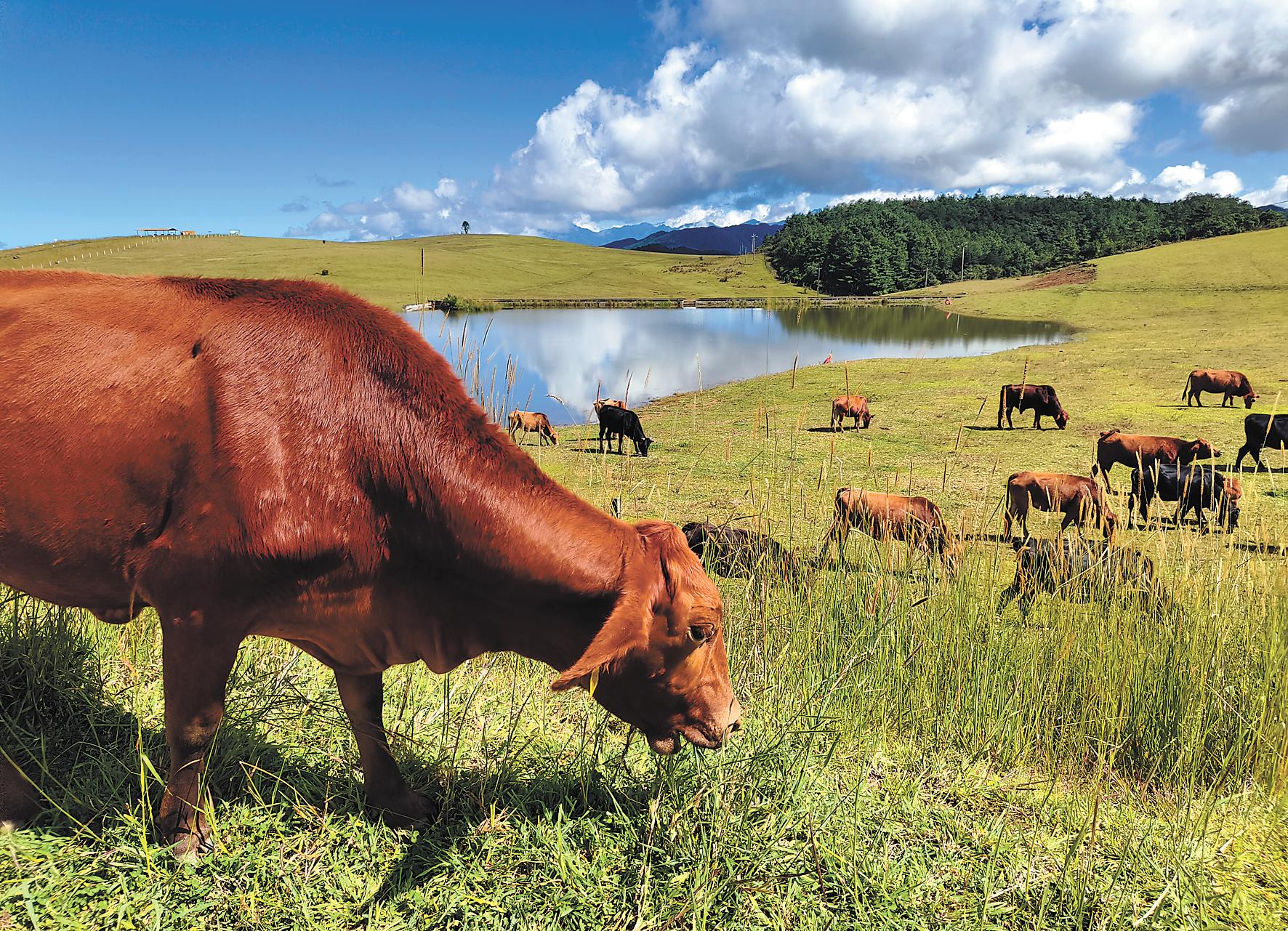
读图丨腾冲修复草场生态推动产业融合发展
Zhong Guo Huan Jing Bao· 2026-01-05 14:10
为解决牧场草地流失、生态功能下降、草地利用率低等问题,近年来,云南省腾冲市开展人工种草、草种繁育、水土保持、生态修复监测管理平台建设等工 作,以东山草场丰富优质的牧草资源为基础,发展肉牛养殖,推动相关产业融合发展,助力乡村振兴。 ...
包头以系统思维从“治水”到“治城”
Zhong Guo Huan Jing Bao· 2026-01-05 01:43
Core Viewpoint - The ecological protection and high-quality development of the Yellow River Basin are crucial for the rejuvenation and sustainable development of the Chinese nation, with Baotou City in Inner Mongolia playing a significant role in this initiative [1] Group 1: Water Resource Management - Baotou City has initiated a comprehensive reform focused on "water resources, water environment, and water ecology" to address the pollution of the Erdaosha River, which was previously a major conduit for urban wastewater [1] - The city has implemented a "source control and pollution interception" strategy, targeting major industries such as steel, electricity, and coal chemical sectors to enhance wastewater treatment and promote technological innovation [2] - The overall urban sewage treatment rate has increased to 96.38%, reflecting significant improvements in wastewater management [2] Group 2: Water Resource Utilization - Baotou City has transformed wastewater into a "second water source," encouraging internal water recycling within enterprises to minimize new water intake and wastewater discharge [3] - The city has established a regional recycled water utilization system, which has reduced the annual discharge of tailwater into the Yellow River by 20 million cubic meters, achieving a recycled water utilization rate exceeding 50% [3] Group 3: Ecological Restoration - The governance of the Erdaosha River has expanded from merely cleaning to enhancing the landscape, including river dredging and ecological bank construction, which has improved the river's self-purification capacity and biodiversity [3] - The transformation of the river from a "city scar" to an "ecological living room" for citizens has led to simultaneous improvements in ecological, social, and urban quality [3] Group 4: Systematic Governance and Collaboration - Baotou City aims to become a model for black and odorous water body governance and has actively explored multi-party investment mechanisms to support water resource conservation and pollution control [4] - The city has strengthened inter-departmental collaboration and regional coordination, creating a governance framework that integrates water resources, environment, and ecology [4] Group 5: Lessons Learned - The governance of the Erdaosha River provides a systematic methodology for resource-based cities and watershed management, emphasizing the importance of viewing the watershed as an organic whole [5] - The experience demonstrates that strict environmental standards can drive industrial transformation and innovation, highlighting the economic potential of a good ecological environment [5] - Continuous efforts and institutional reforms are essential for enhancing environmental governance effectiveness, with a focus on long-term strategies and public engagement [6]
新年致辞|山东省生态环境厅党组书记、厅长 侯翠荣
Zhong Guo Huan Jing Bao· 2026-01-05 01:28
Core Viewpoint - The Shandong Province is making significant progress in ecological protection and green development, aiming to enhance environmental quality and achieve high-quality growth as part of the "14th Five-Year Plan" and preparing for the "15th Five-Year Plan" [1][2][3] Group 1: Achievements in Ecological Protection - Shandong Province has prioritized the construction of a beautiful environment, implementing the major national strategy for ecological protection and high-quality development in the Yellow River basin [1] - The province has achieved a historic average PM2.5 concentration that meets the national air quality secondary standard, with the proportion of good surface water quality at national monitoring points reaching a record high [2] - The province has established 36 national ecological civilization construction demonstration zones and 14 "Green Water and Green Mountains are Gold and Silver Mountains" innovation practice bases [2] Group 2: Future Plans and Goals - In 2026, Shandong Province will focus on ecological priority and green development, continuing to advance pollution prevention and ecological system optimization [3] - The province aims to contribute to the construction of a beautiful China by enhancing its role as a pioneer in ecological protection and sustainable development [3]
长三角区域生态环境分区管控有何特点?如何借鉴?
Zhong Guo Huan Jing Bao· 2026-01-05 00:30
Core Viewpoint - The article discusses the advancements and challenges in ecological environment zoning and control in the Yangtze River Delta region, emphasizing the need for coordinated management and innovative practices to enhance ecological protection and sustainable development [1][4]. Achievements - The Yangtze River Delta region has established a collaborative platform for ecological and green development, creating an ecological environment access list and exploring unified ecological control systems for key cross-border water bodies [2]. - Shanghai has optimized environmental impact assessments for projects that meet ecological management requirements, promoting the orderly retreat of traditional industries and the concentration of high-end services [2]. - Jiangsu has significantly increased the number of control units per unit area, developing differentiated ecological environment access lists and embedding zoning control into the entire chain of project assessments and regulatory processes [2]. - Zhejiang has achieved full coverage of ecological environment zoning control plans at provincial, municipal, and county levels, incorporating new factors such as groundwater and carbon sink capacity into control objectives [3]. - Anhui has innovatively established a four-level control list system that reflects regional characteristics and requirements, enhancing the specificity and applicability of environmental management [3]. Existing Issues - There is a need to improve the diversified and refined management capabilities for ecological environment zoning control, as current assessments of new pollutants and biodiversity are insufficient [4]. - The lack of strong coordination policies for cross-border ecological environment zoning control has led to inconsistencies in management goals and ecological protection measures across different jurisdictions [5]. - The application scenarios and models for zoning control results are limited, with insufficient integration into other departmental planning and policies [6]. Recommendations - Strengthen overall coordination across various fields to achieve refined management, integrating new environmental factors into a comprehensive technical standard system for ecological environment zoning control [7]. - Enhance regional coordination to optimize development layouts, focusing on prominent ecological issues and developing integrated zoning control strategies [8]. - Innovate application scenarios by establishing cross-departmental coordination mechanisms and expanding the use of zoning control results in urban planning and industrial development [8].
“十五五”如何推进经济社会发展全面绿色转型?
Zhong Guo Huan Jing Bao· 2026-01-04 23:50
党的二十届四中全会对"加快经济社会发展全面绿色转型,建设美丽中国"作出系统部署,为"十五五"时 期推动绿色发展,促进人与自然和谐共生指明了方向。必须深刻领悟党中央作出这一重大安排的战略考 量,深入研判当前的工作基础和形势挑战,谋划推进经济社会发展全面绿色转型的战略举措,推动美丽 中国建设取得新的重大进展。 深刻理解加快经济社会发展全面绿色转型的战略考量 推动经济社会发展绿色化、低碳化是实现高质量发展的关键环节。加快经济社会发展全面绿色转型,不 是摆在发展面前的"选择题",而是我们自己要走的路和必须做好的事,是推进中国式现代化的"必答 题"。 推动高质量发展高水平安全的重要抓手。党的二十届四中全会强调,绿色发展是中国式现代化的鲜明底 色。据测算,要实现2035年基本实现社会主义现代化、人均国内生产总值(GDP)达到中等发达国家水 平的目标,未来十年我国GDP年均增速需达到4.5%以上。加快经济社会发展全面绿色转型,以约束性 机制倒逼存量升级、以新兴产业未来产业引领增量崛起,将有力推动产业深度转型升级,实现新质生产 力跃升发展,以绿色低碳的新动能、新优势为保持未来经济增速、增强我国发展潜力和后劲注入稳定性 与确定 ...