3 6 Ke

Search documents
2026 CRM终局之战:生态定胜负,AI决输赢
3 6 Ke· 2026-02-09 02:30
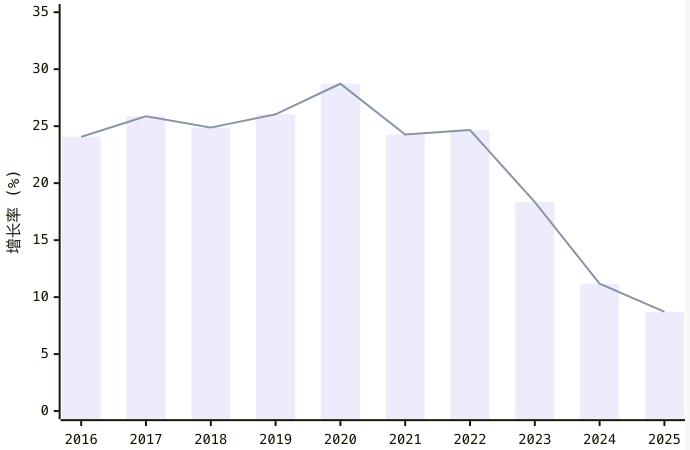
Core Insights - The core argument of the articles is that the CRM software industry is undergoing a significant transformation driven by AI, with a shift towards an ecosystem competition rather than just product competition. This change is particularly evident in both the US and Chinese markets, where AI capabilities are becoming essential for CRM solutions [1][2]. Group 1: Market Trends - The CRM industry is experiencing a structural transformation driven by AI, characterized by five major trends: restructured growth logic, native AI implementation, upgraded outbound strategies, mainstream mergers and acquisitions, and AI as a core driver for domestic substitution [2]. - By the end of 2025, the US CRM market is expected to see a slowdown in growth, with Salesforce's revenue growth rate dropping to approximately 8.7% due to the maturity of traditional subscription models [3][5]. - In contrast, the Chinese CRM market is projected to reach a scale of about 65 billion yuan (approximately 9.5 billion USD) in 2025, with a growth rate of around 15%, primarily driven by domestic substitution [5]. Group 2: AI Integration and Ecosystem Development - AI has become the most critical variable in the CRM market, with significant adoption in SaaS applications. The competition is shifting from isolated functionalities to the overall system reconstruction and the speed of implementation [7][8]. - The integration of AI into existing CRM processes is essential for achieving reliable and scalable solutions. Companies are recognizing the importance of embedding AI deeply into their operational frameworks rather than relying solely on AI's probabilistic nature [7][8]. - The competition for AI CRM is expected to intensify in 2026, with nearly 80% of enterprises listing AI capabilities as a mandatory criterion for CRM procurement [8]. Group 3: Outbound Strategies and Global Expansion - Approximately 86% of surveyed enterprise software companies plan to include outbound strategies as a core part of their business, although most are still in the early stages of internationalization [10]. - The nature of outbound strategies is evolving from simple functional exports to the export of technical capabilities, industry experience, and AI capabilities, with AI becoming a significant growth engine in overseas markets [10][12]. - Companies are increasingly adopting a "follow strategy," prioritizing service for internationalizing Chinese clients, which helps mitigate market risks and facilitates product internationalization [12]. Group 4: Mergers and Acquisitions - Mergers and acquisitions have become the primary path for expansion and exit in the global B2B software market, with nearly 70% of transactions occurring in the second half of the year [13][14]. - The focus of acquisitions is shifting towards technology support, data assets, and enterprise security, highlighting the necessity of building a compliant and reliable operational foundation in the context of AI [13][14]. - The competitive landscape is evolving into an ecosystem battle, where companies lacking systemic support for their technologies are at risk of being overshadowed by those with robust ecosystems [13][14]. Group 5: Domestic Substitution and AI as a Driver - AI is becoming a core driver for domestic substitution in the Chinese enterprise software market, with predictions indicating that the domestic CRM replacement rate will exceed 65% by the end of 2025 [15][17]. - The demand for AI capabilities is rapidly increasing as companies seek to integrate AI into their operations, particularly in light of limitations on the use of foreign AI models in China [17][18]. - The integration of AI into domestic CRM solutions is enhancing their usability and effectiveness, with significant improvements in data management and operational efficiency being reported [18][19].


当硅逼近极限,这家初创企业抢滩原子级芯片新赛道
3 6 Ke· 2026-02-09 02:24
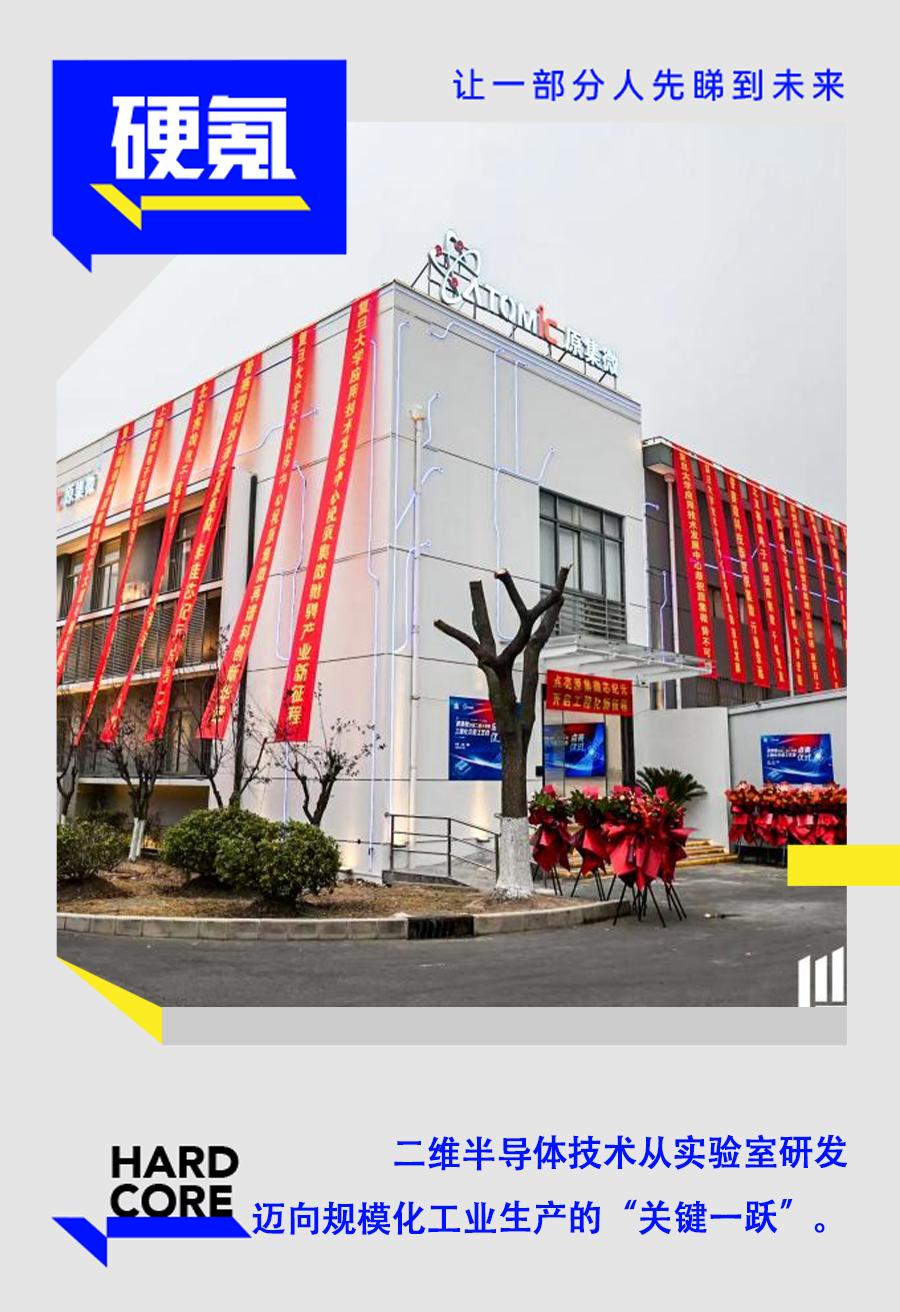
"'无极'芯片只是用学术研究的范式达到的天花板,我们接下来要做的,是用工程化思维研发二维半导体材料,推动其真正的产业化。"复旦大学微电 子学院研究员、原集微科技(上海)有限公司创始人包文中接受采访时表示,"无极"更多是一块验证技术可行性的起点,真正的挑战在于,如何将二 维半导体从几千个晶体管的科研样机,推向百万门级乃至更高复杂度的CMOS芯片,如何在良率、成本、工艺稳定性上跨过工业界的门槛。 上世纪六十年代,英特尔的创始人之一戈登摩尔在一篇观察评论报道中提出,在成本基本不变的情况下,芯片上的晶体管数量大约每18–24个月翻一 倍,计算能力随之指数级提升。 半导体产业半个世纪以来的快速发展,也在不断验证这条"摩尔定律"。人们的普遍感受是,手机更快了、电脑更强了,而且越用越便宜。 但事实上,随着芯片零件越做越小,越做越密,"摩尔定律"的传统演进逻辑正逐渐"失效"。 尤其当制程推进至3纳米及以下节点后,硅基材料在纳米尺度下已逼近物理极限,单纯依靠结构创新实现性能提升的空间愈发有限,摩尔定律的核心 逻辑正面临根本性挑战。 在这一背景下,全球半导体产业正在同时推进两条路径,一条是"延续摩尔",通过结构创新,在硅体系内继 ...
又抄苹果作业?iPhone 17带火的「方形前置」,安卓阵营连夜跟上
3 6 Ke· 2026-02-09 02:21
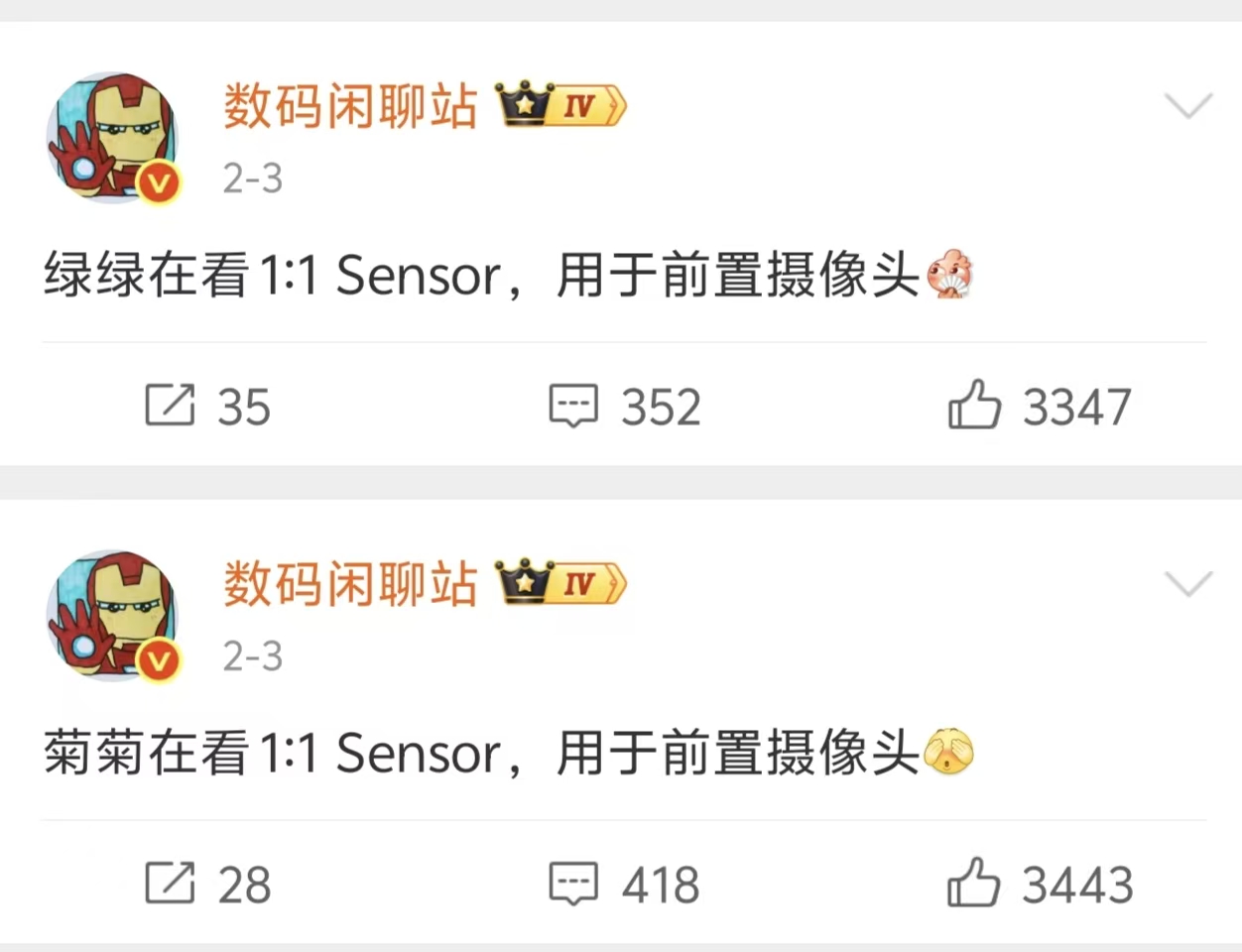
Core Viewpoint - Apple is upgrading the front camera of the iPhone 17 series and iPhone Air from 12 million pixels to 18 million pixels, introducing a square image sensor with a 1:1 aspect ratio, which enhances creative possibilities for users [1][4]. Group 1: Front Camera Upgrade - The front camera has historically been an overlooked component in mobile imaging, but it is now becoming a focal point for manufacturers [3][4]. - Apple’s use of a square sensor allows for a more versatile shooting experience, accommodating both vertical and horizontal video recording without significant quality loss [4][6]. - The square sensor provides balanced cropping space, enabling better stabilization and automatic framing, which is crucial for video content creation [6][8]. Group 2: Industry Trends - The shift towards video-centric features in flagship smartphones is evident, with manufacturers emphasizing high frame rates, HDR capabilities, and professional-grade video options [9][12]. - Android manufacturers like Vivo and Xiaomi are rapidly closing the gap with Apple in video capabilities, indicating a competitive landscape in mobile imaging [10][12]. - The introduction of square sensors is expected to become a trend among manufacturers, as it addresses the limitations of traditional sensors and enhances user experience in video creation [18][19]. Group 3: Market Demand - The demand for short video content is growing, with a significant user base engaging in video creation, highlighting the need for improved front camera capabilities [15]. - The front camera's role in mobile imaging is becoming increasingly important as it serves as a primary tool for capturing spontaneous moments, which cannot be easily replicated [15][19]. - Manufacturers like Huawei and OPPO are already exploring square sensor technology, indicating a clear direction for future mobile imaging advancements [19].

欣旺达暗中启动基石遴选,港股IPO即将“撞线”?
3 6 Ke· 2026-02-09 02:18
近日,有物流业人士向超聚焦表示,正在加速推进H股上市的欣旺达,希望其所在的物流龙头企业可以 在其赴港上市时认购股份(或作为基石投资人),增长市场信心,同时深化两者在电动重卡领域的合 作。 就在向市场释放引资信号的同时,为了扫清上市路上的最大障碍,欣旺达也刚刚付出了一笔不菲的"买 路钱"。 2月6日,欣旺达发布公告称,欣旺达的子公司欣旺达动力与威睿动力在一审阶段达成和解,后者将在 《和解协议》生效后撤回起诉。双方约定,对于更换动力电池包产生的实际成本费用按比例分担,欣旺 达动力承担剩余应付金额6.08亿元,分5年支付。 此前,威睿电动曾提起诉讼,以欣旺达动力交付的电芯存在质量缺陷、导致自身产生高额维修、电池包 更换及品牌损失为由,索赔金额高达23.14亿元,接近欣旺达2023年与2024年两年归属净利润之和,也 成为了近年国内新能源汽车供应链领域规模最大的索赔案件之一。 这一举动,也被市场视作欣旺达为确保H股发行窗口期、加速上市进程而不得不进行的"断臂求生"。 毕竟,对于正处于港股冲刺关键期的欣旺达而言,一桩悬而未决、且索赔金额高达近年来净利润总和 的"天价诉讼",无异于悬在IPO大门上的达摩克利斯之剑。若不及 ...

乡村年夜饭火了,杀猪宴、流水席,撑起春节餐饮半边天?
3 6 Ke· 2026-02-09 02:12
"逃离城市流水线,今年年夜饭来点"野"的! "去乡亲们家里吃年夜饭,杀猪宴、流水席,还有烟花、年俗集市等着你" "田边开席,农场家宴"! …… 今年过年,乡村年夜饭"异军突起"成新宠。 家乡土菜配上年味活动,还融合住宿餐饮旅游一条龙,开创了年夜饭新风潮。 到底乡村年夜饭是怎样的新模式? 是否能能靠着"文旅+餐饮"闯出一条差异化的新赛道,让餐企在春节旺季分一杯羹? 1 乡村年夜饭成新顶流, 吃、住、玩一站配齐 年夜饭一直是餐饮人到春节必争的"战场"。 但之前大多还停留在主打包厢的餐厅,或者大厨菜配送到家。 像是杭州市萧山区进化镇大汤坞新村的杭州天域开元观堂酒店陈经理接受记者采访时表示:"6个包厢已经全部预订满员,只剩下大厅还有空位,有不少来 自江苏和上海远道而来的客人,他们大多选择住宿、吃饭的搭配套餐"。 2、菜品围绕"乡土本味",溜达鸡、水库鱼、自家手作腊味 除了乡村风景吸引顾客,最吸引城里人的,还是村里的山野美食。 菜品上,主打一个 "土" 字,全是村里的特色。 今年不同于以往,乡村年夜饭成为顾客新宠。 1、本地近郊游+跨省度假,乡村年夜饭成团圆新主场 以往过年,无论是城里还是村里,大家都是在自己家里过年。 ...

软件没有死,但“通用软件”已死
3 6 Ke· 2026-02-09 01:58
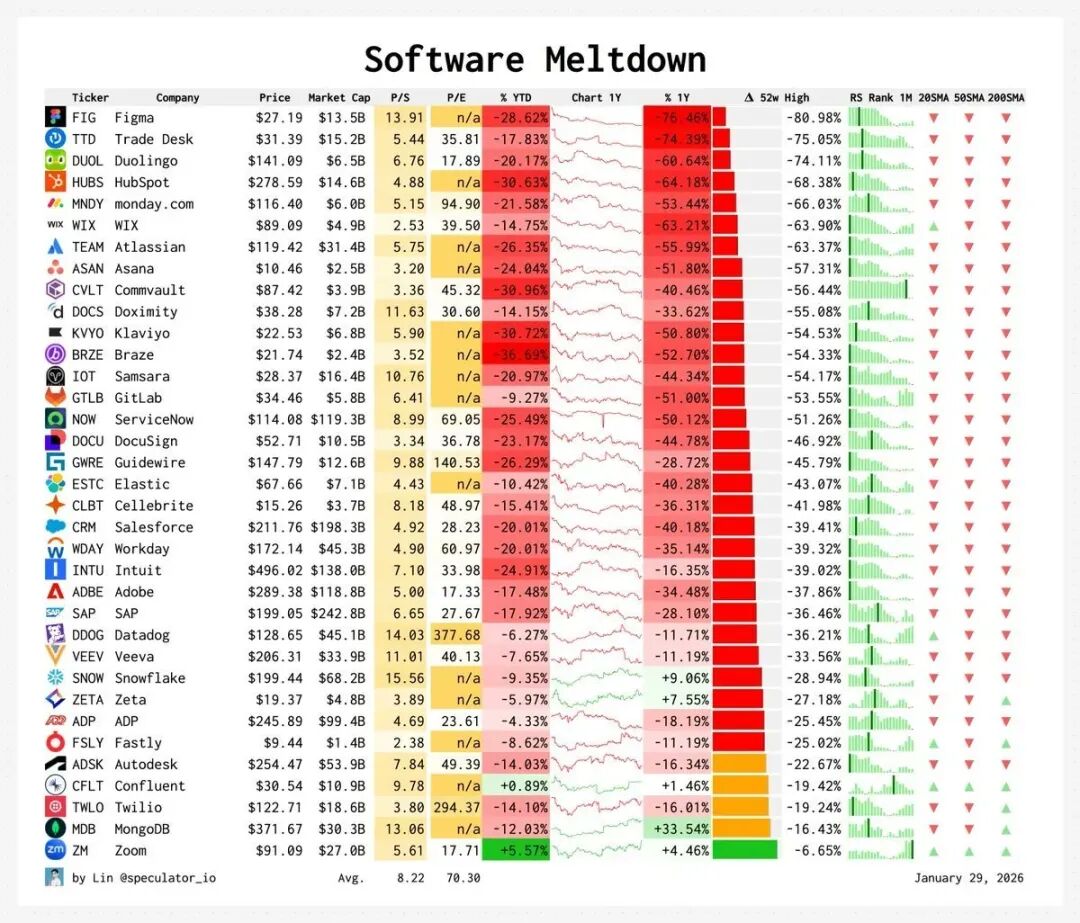
Core Insights - The software sector is experiencing a significant downturn, characterized by a broad sell-off rather than a tactical adjustment, indicating a potential capitulation phase across various software companies [1][4] - The current market sentiment reflects a loss of confidence in the business models of software companies, leading investors to simplify their holdings and view software stocks as a single trading entity rather than a diverse collection of business models [5] Market Performance - A detailed analysis of several software companies reveals substantial declines in stock prices, with many experiencing over 60% drops from their recent highs, indicating severe market distress [2] - Companies like Figma, Trade Desk, and Duolingo have seen year-to-date declines of 80.98%, 75.05%, and 60.64% respectively, highlighting the widespread impact of the downturn [2] Industry Dynamics - The competitive boundaries within the software industry are shifting, with companies like Robinhood expanding their service offerings beyond traditional brokerage functions to include comprehensive financial services [6][8] - The integration of software with financial and professional services is blurring traditional lines, prompting investors to focus on where disruptions may occur and their potential impact on existing profit pools [8] Disruption Framework - A framework for assessing software companies' vulnerability to disruption has been proposed, focusing on five key dimensions: record systems vs. surface tools, seat-based pricing vs. data-based economics, timeless data vs. ephemeral information, deep workflows vs. shallow automation, and durable structural advantages vs. shallow ones [47] - This framework encourages a nuanced understanding of software companies, moving beyond the assumption that all software stocks are equally at risk to a more detailed analysis of their underlying value structures [43][58] Strategic Considerations - Companies with core systems that are deeply embedded in client operations face higher switching costs and risks, while those that are merely supplementary tools may be more easily replaced [45] - The pricing model of a software company can indicate its resilience; those tied to human labor are at greater risk of being undermined by AI advancements, while those linked to long-term data or critical processes may be more secure [24][29] - The longevity of data value is crucial; companies that generate data with a long half-life are better positioned against disruption compared to those with rapidly depreciating data [30][31] Conclusion - The current sell-off in the software sector is not irrational but reflects a rational reassessment of the risks posed by AI and changing market dynamics [47][56] - Understanding the structural vulnerabilities and strengths of software companies is essential for investors navigating this turbulent landscape, as some companies are inherently more resilient than others due to their foundational business models and data assets [58][59]

涨涨涨,60 系显卡又跳票,2026 只有涨价没有升级
3 6 Ke· 2026-02-09 01:52
Core Viewpoint - The hardware industry is facing significant challenges in 2025 and 2026, with major delays in the release of the RTX 60 series graphics cards, as NVIDIA shifts its focus to AI products, leaving the gaming market in a state of stagnation [1][3]. Group 1: Graphics Card Market - NVIDIA has postponed the release of the RTX 60 series graphics cards to the end of 2027, prioritizing AI products over gaming hardware [1]. - The graphics card market is expected to experience a substantial update void over the next two years due to this shift [3]. - NVIDIA's introduction of DLSS 4 and 4.5 updates aims to extend the lifespan of older graphics cards, but this is seen as a temporary fix rather than a genuine hardware upgrade [4][7]. Group 2: Memory Market Dynamics - Intel CEO Lip-Bu Tan predicts that the current memory price increase cycle will last until at least 2028, with no signs of relief in sight [10]. - The demand for high-bandwidth memory (HBM) driven by AI applications is causing a significant increase in costs for consumer electronics, leading to a "stagflation" scenario where prices rise while performance declines [12][14]. - Major memory manufacturers are reallocating resources to HBM production, which is squeezing the supply of consumer-grade DDR4/5 and LPDDR memory, further escalating costs for manufacturers [14][16]. Group 3: Semiconductor Manufacturing Challenges - The semiconductor industry is facing limitations in process technology, with TSMC's N2 process showing minimal performance improvements compared to the more established 3nm process, leading to higher costs for marginal gains [17]. - Manufacturers are likely to adopt conservative strategies, focusing on refining existing 3nm products rather than pursuing new advancements, resulting in a stagnation of technological progress [19][21]. - The industry is expected to see more products that are merely name upgrades with downgraded specifications, reflecting a broader trend of stagnation in consumer electronics [21][23]. Group 4: Consumer Electronics Outlook - The consumer electronics market is entering a phase of technological stagnation, where new products may not represent significant performance improvements, but rather increased prices for minimal enhancements [23][25]. - Consumers are advised to adjust their expectations regarding technological advancements, recognizing that the current environment is characterized by rising costs and stagnant performance [28][31].


硅谷不相信忠诚,AI行业玩成NBA,科学家爽拿“转会费”
3 6 Ke· 2026-02-09 01:48
Core Insights - The loyalty of employees in Silicon Valley has diminished, with significant talent poaching events occurring among major tech companies, particularly in the AI sector [1][2] - The trend of "acqui-hire," where companies acquire others primarily for their talent rather than products, has become a common strategy among tech giants [24][27] Group 1: Talent Poaching Events - Major talent poaching incidents include Meta's $14.3 billion investment in Scale AI to acquire co-founder Alexandr Wang in June 2025, Google's $2.4 billion acquisition of Windsurf's technology and team in July 2025, and NVIDIA's $20 billion deal with Groq in December 2025 [1][2][11] - OpenAI has also been active in recruiting talent, bringing back researchers from Thinking Machines Lab and attracting former Google DeepMind employees [1][2] Group 2: Motivations for Job Changes - Employees are motivated to switch jobs for various reasons, including high salaries, access to cutting-edge resources, and the pursuit of more promising technologies and products [2][32] - The phenomenon of "active" and "passive" job changes is noted, with many researchers leaving for better opportunities or being relocated due to company acquisitions [2] Group 3: Acqui-hire Strategy - Acqui-hire has become a popular method for tech giants to quickly acquire skilled teams without facing antitrust scrutiny, allowing them to maintain a competitive edge in AI [24][27] - The case of Google's acquisition of Windsurf illustrates the potential fallout for remaining employees, who may feel abandoned when key talent is poached [27][28] Group 4: Employee Sentiment and Loyalty - Despite high salaries offered by companies like Meta, employee loyalty remains elusive, with some researchers returning to their previous employers shortly after being hired [18][20] - The culture in the tech industry is shifting, with employees increasingly concerned about long-term commitments to a single company, leading to a more fluid job market [32][35] Group 5: Domestic Talent Competition - The talent war is not limited to Silicon Valley, as domestic companies are also aggressively recruiting AI talent from top labs, indicating a global trend in talent mobility [37][39] - High salaries and rapid job changes are characteristic of the AI industry, where top talent is viewed as a strategic asset [40]





中国下载网事:那些年,我们在深夜等一个“叮”
3 6 Ke· 2026-02-09 01:40
Core Insights - The article reflects on the evolution of Xunlei (Thunder) as it celebrates its 23rd anniversary, highlighting its journey from a download tool to a broader service provider in the digital content landscape [1][2][28] Group 1: Historical Context - Xunlei was launched in 2003, addressing the significant pain point of slow download speeds in an era when internet usage was primarily about downloading files to local storage [3][4][5] - The introduction of P2SP technology allowed Xunlei to enhance download speeds by utilizing both server and peer-to-peer resources, revolutionizing the downloading experience for users [8][9] - By 2006, Xunlei had surpassed 100 million users, becoming the most popular download software in China, alongside other applications like QQ and Baofeng Video [9] Group 2: Market Dynamics - The period from 2005 to 2007 marked Xunlei's golden age, as the rapid expansion of broadband users transformed download tools into essential infrastructure for home computers [10][11] - Xunlei became a major content distribution channel during a time when copyright regulations were still developing, allowing for widespread sharing of digital content [11][12] - The introduction of premium services in 2009, such as membership-based high-speed downloads, provided Xunlei with a stable revenue stream and redefined user engagement [12][13] Group 3: Industry Challenges - The rise of 4G technology and streaming services around 2014 significantly altered user behavior, leading to a decline in the necessity for traditional downloading tools [16][17][18] - Many once-popular download tools, including Xunlei's competitors, began to fade from the market as users shifted towards streaming and cloud services [19][20] - Regulatory actions aimed at copyright protection further diminished the viability of traditional downloading methods, marking the end of an era for free content sharing [20] Group 4: Transformation and Future Outlook - In response to industry changes, Xunlei began diversifying its offerings in 2015, venturing into cloud computing and CDN services, thus transitioning from a download tool to a comprehensive service provider [22][23] - The company has expanded its product matrix to include cloud storage, media players, and game accelerators, maintaining a user base of over 7 million members [24] - Despite the shift in content consumption methods, the concept of downloading has been redefined, becoming more integrated into cloud services, reflecting a broader change in user expectations and behaviors [24][25]


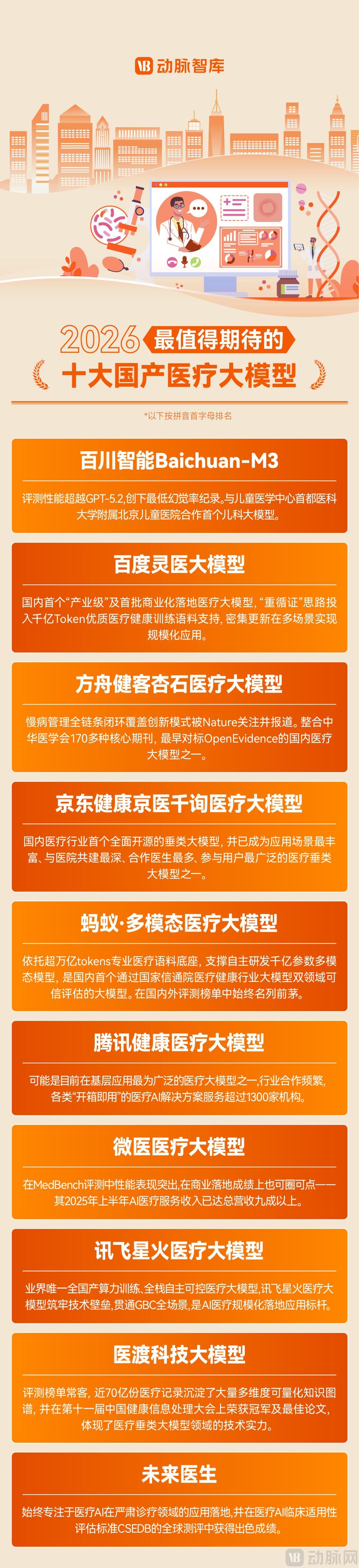
无惧OpenAI,2026年国内最值得期待的十个医疗大模型
3 6 Ke· 2026-02-09 01:31
Core Insights - The medical large model sector is experiencing significant advancements, particularly with the recent launches from OpenAI, Anthropic, and Google, indicating a competitive landscape in healthcare AI [1][3][4] - Domestic companies in China, such as Baichuan Intelligence and Ant Group, are making substantial progress, showcasing their capabilities and innovations in the medical AI field [5][6][10] Group 1: OpenAI's Developments - OpenAI launched ChatGPT Health and OpenAI for Healthcare, which comply with HIPAA regulations and aim to enhance patient care services [2] - ChatGPT Health integrates a new module based on the latest GPT-5 model, allowing users to connect personal health data while ensuring data privacy [2] - OpenAI for Healthcare targets medical institutions, offering enterprise-level solutions for clinical environments, including automated documentation [2] Group 2: Competitors' Responses - Anthropic released Claude for Healthcare, directly competing with OpenAI's offerings, highlighting its commitment to the healthcare sector [3] - Google updated its open-source medical large model, MedGemma 1.5, improving its capabilities in text, medical records, and medical imaging [3] Group 3: Domestic Innovations - Baichuan Intelligence launched Baichuan-M3, surpassing GPT-5.2 in benchmark tests, with a hallucination rate of only 3.5%, which was later improved to 2.6% [4][5] - Ant Group's medical model has gained significant traction, achieving 30 million monthly active users and doubling daily inquiries within a month [5] - JD Health and other domestic firms are also releasing new models and solutions, contributing to a vibrant competitive landscape in China's medical AI sector [5][10] Group 4: Benchmarking and Performance - HealthBench and MedBench are the primary benchmarking systems for evaluating medical large models, assessing safety, clinical applicability, and professional reasoning [7][8] - The performance of medical large models is crucial, with ongoing iterations and resource investments being necessary for advancements [8] Group 5: Industry Trends and Future Outlook - The medical large model sector is expected to grow significantly, with various domestic models emerging as strong contenders in 2026 [6][10] - The integration of local clinical guidelines and data security measures positions domestic models as more suitable for the Chinese market [6] - The increasing support from the government and the focus on localized solutions are likely to enhance the competitiveness of domestic models [6]