汽车商业评论

Search documents
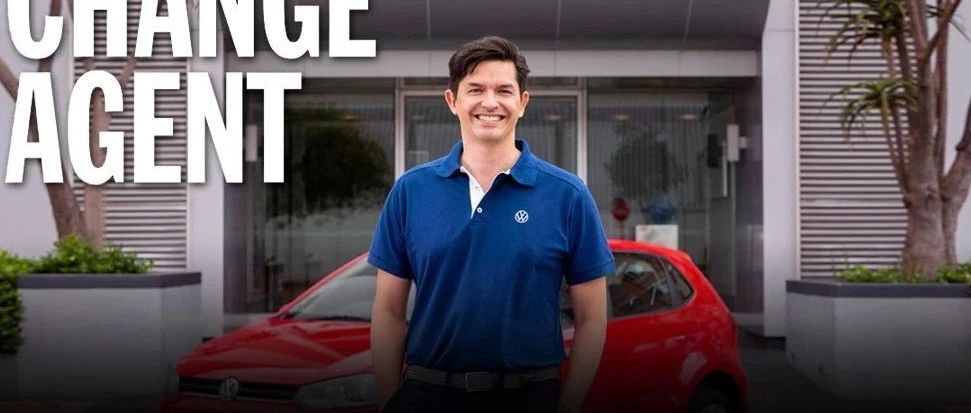
大众起飞前夜的第一场人事任命
汽车商业评论· 2025-06-19 23:06
Core Viewpoint - The appointment of Robert Cisek as the new CEO of Volkswagen Brand China marks a strategic shift towards a more technically focused leadership, emphasizing product strategy and manufacturing efficiency in the face of upcoming challenges in the electric vehicle market [4][18]. Group 1: Leadership Transition - Robert Cisek will officially take over as CEO of Volkswagen Brand China on July 1, succeeding Stefan Mecha [4]. - Cisek has a strong technical background, holding a PhD in Mechanical Engineering from RWTH Aachen University, and has extensive experience in production strategy and efficiency optimization [9][10][16]. - His previous roles include managing production strategy at Volkswagen and serving as Managing Director in South Africa, where he successfully navigated challenges during the pandemic [12][14]. Group 2: Upcoming Product Launches - In 2026, Volkswagen China plans to launch at least six new electric models, with four based on the CMP platform and CEA architecture, targeting a price point around €20,000 [23][24]. - The new models will include compact SUVs and sedans, with specific models already showcased at the Shanghai Auto Show [25][26]. - The collaboration between FAW-Volkswagen, SAIC Volkswagen, and Volkswagen Anhui will be crucial for the successful rollout of these new products [21]. Group 3: Strategic Focus on Electric Vehicles - From 2026 to 2030, Volkswagen China aims to significantly increase its offerings of new energy vehicles, including pure electric, range-extended, and plug-in hybrid models, all utilizing the CEA architecture [27]. - The CEA architecture is expected to extend beyond A-class vehicles, potentially being applied to a wider range of models [28]. - There is ongoing internal evaluation regarding the integration of CEA into Audi platforms, with plans for a new vehicle featuring CEA to be launched in the second half of this year [29]. Group 4: Autonomous Driving Plans - Volkswagen China has outlined a phased approach to advancing its driver assistance technologies, starting with L2+ capabilities by the end of 2023 and aiming for L3 capabilities by 2027 [32][33]. - The collaboration between VCTC and CARIAD is central to the development of the CEA architecture, with significant investments being made to learn from existing frameworks [34][38]. Group 5: Organizational Structure and Concerns - There are rumors regarding the potential merger of VCTC and CARIAD, driven by concerns over the future of CARIAD's software development business as the lifecycle of existing platforms nears its end [31][39]. - Despite these concerns, Volkswagen China has stated that CARIAD will continue to operate independently for the time being, with multiple ongoing projects [40].

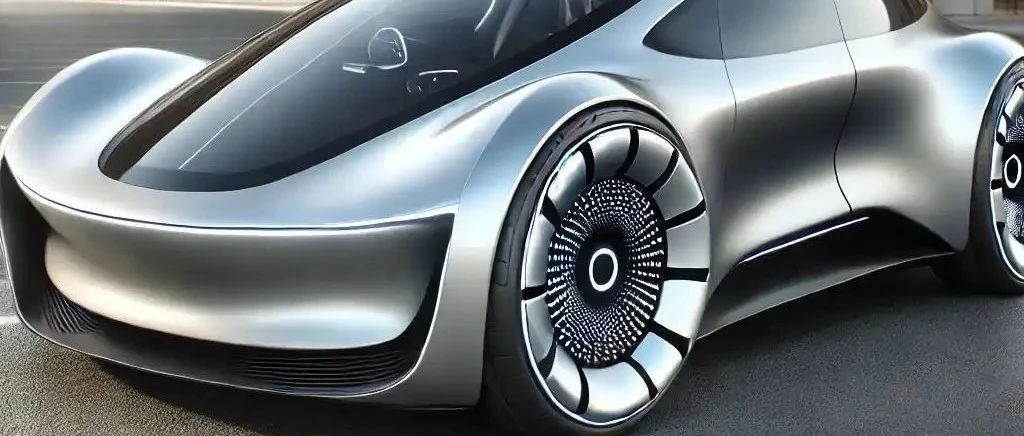
轮毂电机或带来电动汽车变革性创新,但为何尚未普及?
汽车商业评论· 2025-06-19 23:06
Core Viewpoint - The article discusses the potential and challenges of hub motors in electric vehicles, highlighting their advantages in design flexibility, efficiency, and performance, while also addressing the technical and practical issues that have hindered their widespread adoption [4][6][40]. Group 1: Advantages of Hub Motors - Hub motors can directly transmit power to the road, promising more efficient power transfer and design flexibility [6][16]. - Installing motors in the wheels can increase interior space for larger batteries or more passenger/cargo space [11]. - Hub motors simplify electric vehicle platform design, allowing for easier modifications to produce different drive configurations [12]. - They significantly reduce transmission losses compared to traditional internal combustion vehicles, enhancing overall efficiency [14][16]. - Hub motors enable precise torque control and distribution, improving traction and performance [17]. Group 2: Challenges of Hub Motors - Increased total mass at the wheels can negatively impact vehicle comfort, grip, and handling precision [20]. - Durability issues arise due to the severe impacts hub motors face compared to motors housed within the vehicle [22]. - Heat dissipation is a potential challenge, as effective cooling solutions must be developed to prevent overheating [23]. - Safety concerns exist regarding high-voltage cables in the event of accidents, which could pose electrocution risks [25]. Group 3: Current Developments and Future Prospects - Companies like Dongfeng and Renault are actively working on integrating hub motors into production vehicles, with notable models already introduced [29][31]. - Modern automotive manufacturers, including Hyundai, are exploring hub motor technology for various vehicle types [33]. - Innovative companies like DeepDrive are developing new hub motor technologies that promise improved efficiency and reduced costs, with plans for integration into mass production by 2028 [38]. - External hub motors offer advantages in mechanical stress handling and design flexibility, potentially enhancing traction and acceleration [39]. - Despite not being mainstream yet, hub motors hold significant potential for revolutionizing vehicle design and functionality in urban and hybrid applications [40].

需求疲软,法拉利第二款电动车型发布推迟至2028年
汽车商业评论· 2025-06-18 12:13
Core Viewpoint - Ferrari is transitioning towards electric vehicles, with a significant portion of its sales now coming from hybrid models, but faces challenges in the high-performance electric vehicle market due to weak demand and technical limitations [4][8][11]. Group 1: Electric Vehicle Strategy - Ferrari began selling hybrid models in 2019, with hybrids accounting for 51% of its sales last year [4]. - The company plans to unveil its first electric vehicle in three phases starting in October this year, with global launch expected in spring next year and first customer deliveries set for October 2026 [7]. - The second electric vehicle, initially planned for 2026, has been postponed to at least 2028 due to insufficient demand for high-performance electric vehicles [8][11]. Group 2: Market Challenges - The lack of engine noise in electric vehicles is a significant drawback for wealthy buyers, and manufacturers struggle with issues like heavy batteries and insufficient sustained power, limiting the appeal of electric vehicles in the high-performance segment [9]. - Internal sources indicate that the second electric vehicle is seen as a pivotal point in Ferrari's electric strategy, while the first model is viewed more as a symbolic milestone [12]. Group 3: Long-term Goals - Ferrari previously announced a long-term plan to launch 15 new models over five years, aiming for electric and hybrid vehicles to make up 80% of total sales by 2030 [20]. - The CEO stated that pure electric vehicles are expected to account for 5% of sales by 2025 and 40% by 2030, while hybrid sales are projected to rise from 20% in 2021 to 55% by 2025 before declining to 40% by 2030 [20]. Group 4: Industry Context - Other luxury car manufacturers are also delaying or scaling back their electric strategies due to low consumer interest, with Lamborghini and Porsche making similar adjustments to their electric vehicle timelines [23][24].

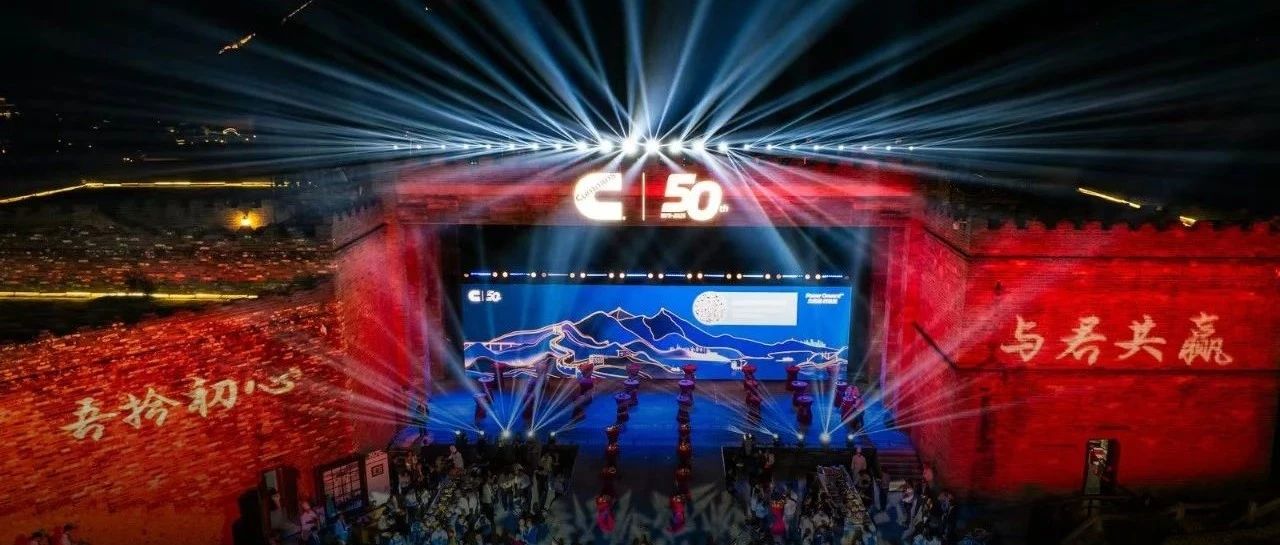
在华50年的康明斯为何越来越强
汽车商业评论· 2025-06-18 12:13
撰 文 / 牛 一龙 设 计 / s h e l l y 1975年初,中国重型机械进出口公司进口一批美国制造的重型矿用卡车,用于辽宁鞍钢下属的本溪 铁矿,这些矿卡配备了康明斯大马力柴油机。 康明斯和国内主要主机厂合作"朋友圈"还在不断扩展。汪开军透露,和长城商用车合作属于起步阶 段,我们正携手共同打造定制化产品,满足长城在产品定制化方面的全系列需求。 在康明斯工作20年的康明斯副总裁、康明斯中国首席技术官赛俊峰(Stephen Saxby)依然充满了热 情:"对于我们来讲没有躺平,我们总是去迎接挑战,勇于创新,不断探索前行。我们有一个非常 强大的技术团队,而且我们的研发中心实力也非常雄厚,推动我们'在中国为中国'的开发策略,并 且积极助力我们的合作伙伴,尤其是整车厂商在海外市场业务拓展。 谈及这50周年成功经验,石内森没有谈到什么原则、长期主义,而是坦言成功源于"远见与运气"。 他提到,当中国向世界敞开大门之际,康明斯即预见到中国市场的巨大潜力。的确,时代的机遇为 康明斯在华发展提供了肥沃的土壤。 这一年的6月,时任康明斯董事长埃尔文·米勒(Irwin Miller)专程访问北京,与中方伙伴签署售后 服务协 ...

独家丨谷俊丽与奇瑞的800天
汽车商业评论· 2025-06-17 14:23
Core Viewpoint - The dissolution of Chery Group's subsidiary, Dazhuo Intelligent Technology, signifies a shift in Chery's strategy from a technology-driven approach to a market-driven one, reflecting the challenges faced by traditional automakers in the wave of smart vehicle transformation [4][32][46]. Group 1: Background and Strategic Context - Dazhuo Intelligent was established in February 2023 with an 80% stake by Chery, aiming to spearhead Chery's smart driving initiatives, backed by a commitment of 20 billion yuan over five years [7][8]. - The initial ambitious goals included achieving a domestic and international installation of 1 million vehicles each by 2025, positioning Dazhuo as a focal point in Chery's smart transformation [8][10]. - The dual technical route of developing both L2+ and L4 technologies was intended to balance short-term gains with long-term innovation, but ultimately led to resource allocation issues [10][12]. Group 2: Challenges Faced by Dazhuo Intelligent - Dazhuo faced significant challenges in its L4 development, with insufficient funding and a lack of profitability projections, leading to a strategic retreat from ambitious projects [12][13]. - The reliance on third-party suppliers for core technologies resulted in a "hollowing out" of Dazhuo's capabilities, undermining its goal of being a fully integrated technology provider [15][16]. - Internal conflicts arose from a misalignment between Dazhuo's technological aspirations and Chery's focus on cost control and short-term profitability [18][19]. Group 3: Organizational and Cultural Issues - Dazhuo's organizational structure suffered from a lack of clear responsibilities, leading to inefficiencies and conflicts between technical and production teams [24][25]. - High employee turnover, particularly among core algorithm teams, hindered project progress and led to delays in product launches [26][27]. - Cultural clashes between Dazhuo's innovative management style and Chery's traditional corporate culture created barriers to effective decision-making and collaboration [22][23]. Group 4: Strategic Shift and Future Directions - The formation of the new Chery Intelligent Center marks a strategic pivot towards practical applications of technology, focusing on L2++ level smart driving systems and abandoning the L4 Robotaxi ambitions [32][33]. - The new center aims to enhance cross-departmental collaboration and resource sharing, addressing previous inefficiencies [34][35]. - A stricter budgetary approach emphasizes return on investment (ROI) and requires clear commercialization timelines for projects, reflecting a shift towards accountability and financial discipline [36][37]. Group 5: Industry Implications - Dazhuo's experience highlights a broader trend among traditional automakers facing similar challenges in balancing technological innovation with market demands [39][40]. - The ongoing debate about self-research versus collaboration in the automotive industry underscores the complexities of developing autonomous driving technologies [41][42]. - The case of Dazhuo serves as a cautionary tale for other traditional automakers, emphasizing the need for a balanced approach to innovation and operational efficiency [43][45].
欧美转向电动汽车的购买意愿正在消退
汽车商业评论· 2025-06-17 14:23
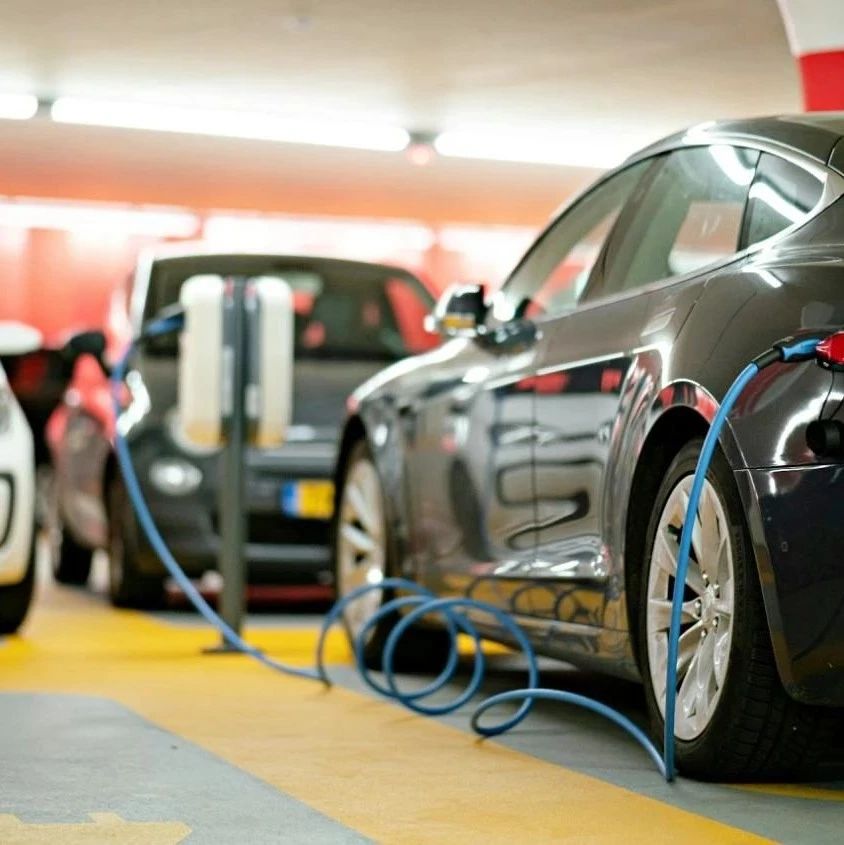
Core Insights - A survey by Shell reveals a growing reluctance among drivers to switch from fuel vehicles to electric vehicles (EVs), with this trend being more pronounced in Europe than in the US [4] - Current EV drivers report increased confidence and satisfaction, while interest among fuel vehicle drivers is stagnating or declining [4][5] - The survey indicates that 91% of current EV drivers are considering purchasing another EV as their next vehicle [7] Summary by Sections Survey Findings - 61% of global EV drivers feel less concerned about running out of charge compared to a year ago, and 72% believe the availability of public charging stations has improved [4] - Interest in EVs among fuel vehicle drivers has decreased, with US interest dropping from 34% in 2024 to 31% in 2025, and European interest declining from 48% to 41% in the same period [4] Cost Concerns - Cost remains the primary barrier to EV adoption, with 43% of non-EV drivers in Europe citing price as their main concern [5] - High vehicle prices in Europe, despite decreasing battery costs, along with rising energy costs and broader economic pressures, are affecting consumer purchasing intentions [5] Policy Support - 46% of gasoline and diesel vehicle drivers in the US support policies encouraging the phase-out of fuel vehicles, while the support in Europe is at 44% [9] - Support for such policies is contingent on EV pricing and charging infrastructure improvements [9] Charging Experience - Only 51% of European drivers reported improved reliability of public charging stations in the past year, compared to 74% in China and 80% in the US [13] - 78% of EVs driven in Europe are new, down from 82% the previous year, indicating growth in the used car market which may attract more consumers [14] Research Methodology - The survey involved over 15,000 drivers across nine markets, including key markets in Europe, the US, and China, conducted in March 2025 [18][19][20]

丰田章男说1辆纯电车污染=3辆插混,他是对的吗?
汽车商业评论· 2025-06-16 11:52
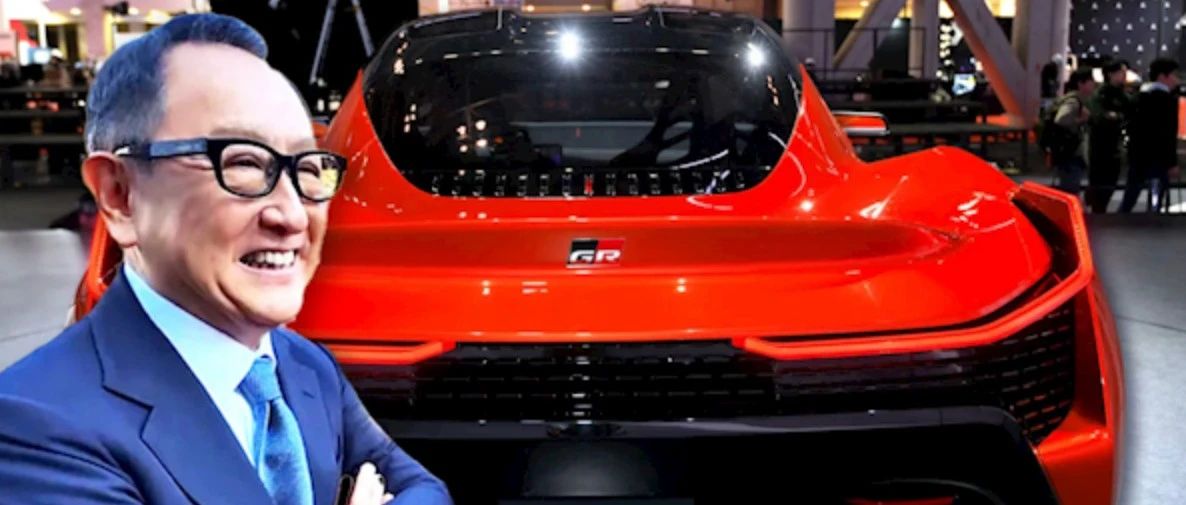
Core Viewpoint - The article discusses the environmental impact of electric vehicles (EVs) compared to internal combustion engine (ICE) vehicles, concluding that EVs are generally more beneficial for the environment despite some criticisms regarding their production emissions [4][41]. Group 1: Emissions and Environmental Impact - In cities with high EV adoption, air pollution has significantly decreased [5]. - Toyota's chairman, Akio Toyoda, claimed that 9 million EVs have the same emissions impact as 27 million hybrid vehicles, suggesting that one EV's pollution is equivalent to three hybrids [7][8]. - The production of EVs incurs a higher "carbon debt," with emissions of 11-14 tons of CO2 before they are delivered, compared to 6-9 tons for ICE and hybrid vehicles [16][21]. - EVs begin to repay this carbon debt once they are on the road, leading to lower overall emissions over time [17][18]. Group 2: Lifecycle Emissions Comparison - A study found that an EV needs to drive approximately 19,500 miles to offset its manufacturing emissions, which can typically be achieved within two years for an average American driver [21]. - Another study indicated that the break-even point for carbon reduction could be around 28,000 miles [22]. - The emissions from hybrids and ICE vehicles tend to increase over time, while EVs become cleaner as they are used [18][41]. Group 3: Regional Variations and Energy Sources - The energy mix in different regions significantly affects the emissions associated with EVs. For instance, states like West Virginia and Kentucky rely heavily on coal, while California and Texas lead in renewable energy [25][26]. - Even in less clean energy regions, EVs generally produce lower emissions than hybrids. For example, a Tesla Model Y in West Virginia emits 149 grams of CO2 per mile, compared to 177 grams for a Toyota Prius plug-in hybrid [29]. - In California, the Model Y's emissions drop to about 80 grams per mile, showcasing the benefits of cleaner energy sources [32]. Group 4: Future of Electric Vehicles - The article emphasizes the increasing share of renewable energy in the U.S. energy mix, projected to reach 43% by the end of 2024, which will further enhance the environmental benefits of EVs [25]. - Advances in battery technology, such as lithium iron phosphate (LFP) and manganese-rich lithium (LMR), are expected to reduce the carbon footprint of EV production [39]. - The potential for battery recycling could lead to a circular economy, minimizing the need for raw material extraction and further reducing emissions [37][40].


这位CEO把企业救活后,决定转行去时尚圈卖奢侈品
汽车商业评论· 2025-06-16 11:52
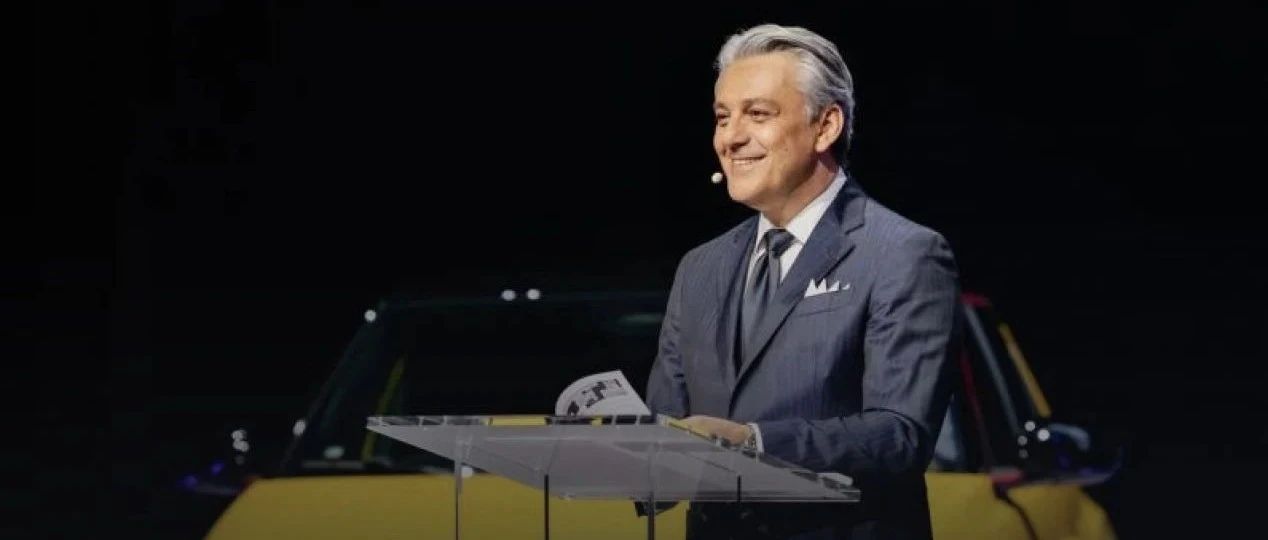
Core Viewpoint - Luca de Meo, the CEO of Renault, is transitioning to become the CEO of Kering, a luxury goods giant, marking a significant crossover between the automotive and fashion industries [5][8]. Group 1: Renault's Performance and Strategy - Renault's 2024 performance shows an upward trend, with total vehicle deliveries reaching 2.2648 million, a growth of approximately 1.3% compared to 2023 [10][11]. - The company's revenue for the year reached €56.23 billion, reflecting a year-on-year increase of 7.4%, with a real growth rate of 9% after excluding currency effects [11]. - Operating profit hit a record high of €4.3 billion, accounting for 7.6% of revenue, surpassing the 2024 target of 7.5% [12][13]. - Net profit was impacted by one-time financial issues, dropping to €752 million, but adjusted net profit still showed a slight increase to €3.078 billion [15][16]. - Free cash flow reached €3 billion, up nearly €90 million from the previous year, allowing for strategic flexibility and long-term investments in electric and software sectors [17]. Group 2: Luca de Meo's Leadership and Impact - De Meo is recognized as a versatile leader with a marketing background, having previously worked with Fiat and Volkswagen before joining Renault [19][20][25]. - He introduced the "Renaulution" strategy, focusing on cost reduction, brand positioning, and transitioning to electric vehicles [27][28]. - Under his leadership, Renault's brand matrix was restructured, with a focus on high-value models and the establishment of new brands like Ampere for electric vehicles [30][32]. - De Meo's pragmatic approach improved Renault's relationship with Nissan, moving from control-based alliances to project-driven collaboration [34][35]. - His tenure saw Renault recover from a €8 billion loss in 2020 to achieving profitability for three consecutive years, with a doubling of market value [39][40]. Group 3: Renault's Strategy in China - Renault's strategy in China has evolved from traditional manufacturing to a focus on electric vehicle development and partnerships [45][52]. - The establishment of the Renault China Innovation Center in 2024 aims to enhance product development and market analysis for electric vehicles [53]. - Renault continues to collaborate with local companies, such as the joint venture with Geely for powertrain systems, and the launch of the high-end electric brand BeyonCa [55][56]. Group 4: Kering's Challenges and Future - Kering, known for its luxury brands, faces challenges with Gucci's stagnating growth, prompting a need for brand revitalization [61][62]. - De Meo's appointment comes at a time when Kering is restructuring and seeking to enhance brand synergy through acquisitions and investments [63].
台风中的第3天,33人谈
汽车商业评论· 2025-06-15 16:43
撰 文 / A B R 编 辑 部 设计 / 赵昊然 6月15日,父亲节,在今年第一号台风"蝴蝶"的陪伴下,第十七届轩辕汽车蓝皮书论坛"决断"来到 第三天。这天的话题围绕营销、AI、场景,嘉宾发言涉及飞行汽车、车路网云、智能辅助驾驶、人 形机器人、Robotaxi、价格战、合资反击、行业内卷等行业现象与课题。 以下是当天上台嘉宾的分享精华摘录。 有时遇到大事,要当机立断,但也会因自己能力不够或智慧不够,导致决断不了 或者做不了决断,那时会通过长时间的重视来掩盖,是用战术上的勤奋来掩盖战 略上的懒惰。现在我们很大程度上是删除力不够。删除力不够的原因,要么理解 力不够,要么就是有各种利益的牵挂,导致没法决断 。 贾可 轩辕汽车蓝皮书论坛主席 轩辕同学校长 世界新汽车技术合作生态协会理事长 盯着对手竞争就是一种红海竞争,竞争对手是不能告诉你答案的,只有消费者才 能告诉你,靠你非常细致的洞察力、感受力。乔布斯说最好的市场调查就是站在 镜子面前看看自己,你要什么,而不是友商又在生产什么了。友商常用一种你没 有意识到的方式把你往坑里带,虽然他自己也到坑里去了,我们整个行业现在最 怕就是大家在用一种特殊的互害模式,互相误导 ...


真的需要这么多车型吗?第十七届轩辕汽车蓝皮书论坛第二天金句
汽车商业评论· 2025-06-15 00:16
Core Viewpoint - The 17th Xuanyuan Automotive Blue Book Forum emphasizes the need for innovation and differentiation in the automotive industry, particularly in the context of design and market strategies [2][5][6]. Group 1: Forum Highlights - The forum featured discussions on the "Ten Decisions" for the Chinese automotive industry, which sparked deep conversations about the future direction of the sector [3]. - The importance of design was highlighted, noting a historical shift from imitation to innovation and back to imitation, questioning whether this cycle represents true progress [4]. - The concept of "scenarios" in automotive product planning was introduced, emphasizing the need to integrate energy and drive systems into product design [4]. Group 2: Market Dynamics - The phenomenon of "involution" in the automotive market was discussed, with examples from leading companies like Geely and BYD, showcasing the challenge of product differentiation despite a large number of models [6][53]. - The competitive landscape is characterized by significant price reductions, particularly in the electric vehicle segment, with the need for companies to balance cost-cutting with maintaining product quality [14]. Group 3: Strategic Insights - The necessity for joint ventures to adapt to changing market conditions was emphasized, as they transition from a technology-for-market exchange to seeking new missions and goals [20][25]. - The role of design as a strategic tool for creating emotional connections with consumers was underscored, with a focus on how design can translate technology into meaningful user experiences [29][32]. Group 4: Future Trends - The discussion included the evolution of vehicles into "emotional companions," highlighting the importance of emotional value alongside functional value in product offerings [29][43]. - The potential for hydrogen energy and solid-state batteries was explored, indicating a shift towards diverse energy solutions in the automotive sector [63][67].