汽车商业评论

Search documents
零部件巨头拆分,一站式供应商宣告死亡
汽车商业评论· 2025-06-27 00:15
Core Viewpoint - Continental Group announced the decision to sell its ContiTech division in 2026, marking a strategic shift towards becoming a pure tire manufacturer focused on value creation, profitability, and cash flow [4][5][10]. Company Strategy - The decision to split is a result of extensive analysis and evaluation by the executive board, indicating a fundamental change in the business model to adapt to a complex market environment [5][12]. - The shift from a diversified business model to a focus on core tire manufacturing is seen as essential for enhancing operational efficiency and profitability [12][21]. - The company aims to concentrate resources on the tire business, which is expected to drive growth and improve market competitiveness [14][21]. Financial Performance - The overall sales forecast for the group is adjusted to €19.5 billion - €22 billion, with an adjusted EBIT margin of 12.0% - 14.5% [9]. - The tire division is projected to have a higher profit margin of 13.0% - 16.0%, reflecting a deep reflection and re-planning of the business profitability model [9][21]. - Since the announcement of the split, the stock price has surged approximately 46%, indicating strong market approval of the strategic shift [10][23]. Market Impact - The restructuring is expected to optimize resource allocation, allowing Continental to focus on its strengths in the tire market, thereby enhancing its resilience and sustainable development capabilities [23][28]. - The shift from diversification to specialization may serve as a model for other companies in the industry, encouraging them to reassess their business models and strategies [26][28]. - The transformation of Continental Group is likely to trigger a chain reaction in the industry, promoting further consolidation and a shift towards more specialized and efficient operations [28][29].


中国之外,豪华电动车“彻底失败”?
汽车商业评论· 2025-06-25 16:46
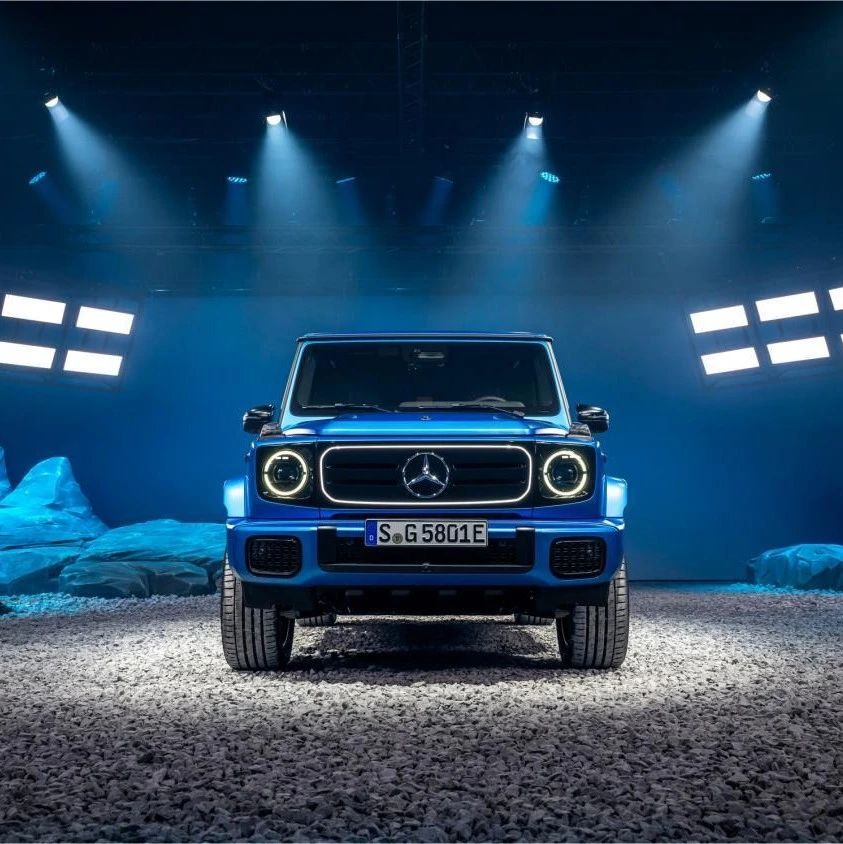
Core Viewpoint - The electric luxury vehicle market is facing significant challenges, with major brands like Mercedes, Ferrari, and Porsche experiencing disappointing sales and production cuts despite a general increase in global electric vehicle sales [4][5][6][7]. Group 1: Sales Performance - Mercedes' electric G-Class SUV has seen poor sales, with only 1,450 units sold in Europe by April, compared to 9,700 units of the gasoline version [11]. - Ferrari has delayed the launch of its second electric vehicle to at least 2028 due to weak demand [5]. - Porsche has reduced production plans for its electric models, including the Taycan, which has seen a 49% drop in sales [20]. Group 2: Market Dynamics - The global electric vehicle market is booming, with a projected 20 million units sold by 2025, accounting for over 25% of total vehicle sales [18]. - The International Energy Agency (IEA) forecasts that by 2030, electric vehicles will make up over 40% of the market, driven by smaller and more affordable models [19]. - China dominates global electric vehicle production, accounting for over 70% of output, and has exported nearly 1.25 million electric vehicles [19]. Group 3: Consumer Preferences - Consumers are gravitating towards lower-priced gasoline models rather than expensive electric versions, as seen with the G-Class where buyers prefer the gasoline variant for its better value [14][21]. - The electric G-Class has a significantly lower range (239 miles) compared to its gasoline counterpart (500 miles), which is a critical factor for consumers [15]. - The trend indicates a shift away from high-end electric vehicles towards more affordable entry-level models, as traditional luxury strategies are becoming less effective [21][23]. Group 4: Strategic Shifts - Luxury brands are reassessing their electric vehicle strategies, with companies like Bentley and Lamborghini delaying electric vehicle launches and extending the timeline for phasing out gasoline engines [20]. - The automotive industry is encouraged to adopt a strategy similar to Ford's Model T, focusing on affordable, mass-produced electric vehicles rather than high-end models [23].
马斯克把Robotaxi捧上天,这里是不看好的5大理由
汽车商业评论· 2025-06-24 23:29
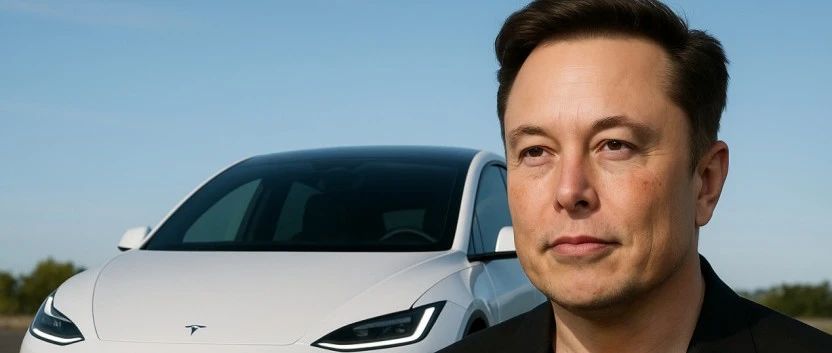
Core Viewpoint - The article discusses the mixed opinions surrounding Tesla's Robotaxi initiative, highlighting both skepticism from experts and enthusiasm from the market, indicating a significant divide in perceptions about its potential success and valuation [4][26]. Group 1: Expert Opinions on Robotaxi - Michael Smitka, an economics professor, expresses skepticism about the Robotaxi business model, citing high operational costs and limited market size as major concerns [5]. - Horizon founder Yu Kai also downplays the significance of Robotaxi, suggesting that true personalization in transportation is the larger trend [5]. - In contrast, there is considerable excitement in the market following Tesla's entry into the Robotaxi space, with many stakeholders eager to participate [6]. Group 2: Tesla's Robotaxi Trial - Tesla launched a trial of its Robotaxi service in Austin, Texas, with 10-20 vehicles, although reports suggest up to 35 were deployed [8]. - The service operates on an invitation-only basis, utilizing the Tesla App for ride requests and is available in a designated area from 6 AM to midnight [10]. - The fare is set at a flat rate of $4.20 per ride, with plans for dynamic pricing in the future based on various factors [12]. Group 3: Performance and Challenges - User feedback on the trial has been generally positive, though some issues such as slow navigation and route misjudgments have been reported, prompting an investigation by the NHTSA [14]. - Tesla's Full Self-Driving (FSD) system relies on a vision-based approach without Lidar, which the company claims enhances scalability and cost efficiency [15]. - Elon Musk aims to deploy 1,000 Robotaxis within months and expand to 25 cities by the end of 2025, competing directly with Waymo [16]. Group 4: Market Valuation and Expectations - Following the trial launch, Tesla's stock surged over 8%, with analysts raising price targets significantly, suggesting a potential market cap of $2 trillion [21]. - Some analysts predict that the Robotaxi business could be valued at nearly $1 trillion by 2029, emphasizing a shift from one-time vehicle sales to a recurring revenue model [21]. - Morgan Stanley estimates that the potential valuation of Tesla's FSD and Robotaxi business could account for nearly half of the company's current valuation [22]. Group 5: Regulatory Environment - The regulatory landscape for Robotaxi operations is inconsistent, with Texas being one of the few states allowing Level 4 autonomous driving trials [30]. - California has a more stringent regulatory framework, requiring multiple permits for testing and commercial operations, which Tesla has yet to secure [33]. - The article highlights the potential risks associated with regulatory changes and the need for Tesla to enhance transparency and communication with regulators [38]. Group 6: Cleaning Technology for Robotaxi - Tesla is developing an automated cleaning system for its Robotaxi fleet to ensure maintenance without human intervention [41]. - The cleaning system includes features for automatic camera cleaning and a robotic cleaning system at operational hubs [45]. - This approach aims to address the challenges of maintaining cleanliness in a fully autonomous vehicle environment [48].

中国车企,将收购玛莎拉蒂?
汽车商业评论· 2025-06-24 23:29
Core Viewpoint - Stellantis is considering various options for its struggling luxury brand Maserati, including a potential sale, as part of a broader strategy to streamline its extensive portfolio of 14 brands [4][10][12]. Group 1: Company Strategy and Brand Management - Discussions regarding Maserati's future began before the appointment of the new CEO, Antonio Filosa, indicating ongoing concerns about the viability of Stellantis's numerous brands [5][6]. - Stellantis has engaged McKinsey to analyze the impact of U.S. tariffs on Maserati and Alfa Romeo, while also evaluating future strategies for these brands [6][10]. - The company recognizes that having too many brands complicates resource allocation, necessitating a prioritization of its brand portfolio [10][12]. - Internal opinions within Stellantis's board are divided on Maserati's future, with some members advocating for a sale due to insufficient resources to revitalize the brand, while others believe it still holds significant value [12][13]. Group 2: Market Challenges and Performance - Maserati is facing significant challenges, including competition from affordable Chinese brands and high U.S. import tariffs that disproportionately affect luxury brands reliant on imports [15][16]. - The brand's performance has been poor, with a projected sales drop of over 50% in 2024, resulting in an adjusted operating loss of €260 million [21][22]. - Maserati's product lineup is weak, with no new models planned for release, and previous investments of €1.5 billion have been written off, leading to the cancellation of certain projects [22][24]. - The brand's current offerings, including the Gran Turismo and MC20, lack broad appeal and are insufficient to sustain the brand's viability [26]. Group 3: Industry Insights - The situation at Stellantis reflects broader industry challenges related to brand management and market dynamics, suggesting that maintaining 14 independent brands is no longer sustainable [29][30]. - Analysts believe that streamlining the brand portfolio could enhance Stellantis's profitability by allowing for more focused investment in core brands [29]. - The fragmentation of brand influence by region complicates traditional global branding strategies, necessitating a shift towards localized strategies that leverage regional brand assets [30][31]. - The future success of automotive companies will depend on operational excellence and the ability to adapt to the rapidly changing landscape of electrification and smart technology [31].

2025全球汽车零部件供应商百强榜公布,宁德时代挺进前五
汽车商业评论· 2025-06-23 15:00
Core Insights - The 2025 Global Automotive Parts Supplier Top 100 list highlights the competitive landscape influenced by electrification, intelligence, and regional market changes [6] - Traditional giants maintain dominance through strategic adjustments, while Chinese suppliers excel in the electric vehicle sector [7][11] Group 1: Traditional Giants - Bosch remains the largest global supplier with automotive revenue of $54.372 billion in 2024, a nearly 3% decline, reflecting challenges in traditional internal combustion systems [9] - Denso ranks second with $47.9 billion in sales, followed by Magna at $42.836 billion and ZF at $37.318 billion [10] Group 2: Chinese Suppliers - CATL ranks fifth with $35.249 billion in revenue, remaining the only Chinese company in the top five despite a drop in ranking [13] - BYD Electronics and Desay SV are reshaping the infotainment and electric vehicle components sectors, with Desay SV leading in global in-car entertainment sales and BYD's vertical integration strategy boosting its market share by 47% [14] Group 3: Regional Dynamics - China continues to be a growth engine with the highest operating profit margin of 5.7% in 2024, benefiting from policy support and export demand [15] - European suppliers face significant challenges with a profit margin of only 3.6% in 2024, leading to restructuring efforts by companies like Continental and Mahle [17] - North American parts companies see stagnant production due to labor shortages, which counterbalances operational improvements [18] Group 4: Mergers and Strategic Alliances - Motherson's potential acquisition of Marelli could alter the top 20 rankings, positioning Motherson as a leading global player [21] - Denso expands its footprint in China through new electric vehicle thermal management plants and blockchain-based battery recycling systems [22] Group 5: Emerging Trends - Electrification dominates with over 60% growth in electric vehicle components, as manufacturers like Tesla and BYD produce over 50% of their battery packs in-house [23] - Software-defined vehicles are on the rise, with companies like Harman and Panasonic developing centralized computing platforms for smart cabins and autonomous driving [25] - Localization strategies are being accelerated by multinational companies like Bosch and ZF to meet the demand for cost-effective and advanced solutions in China [26] Group 6: Risks and Challenges - Global production growth stagnation poses a long-term challenge, with excess capacity projected to exceed 100 million units from 2020 to 2030 [27] - The slowdown in pure electric vehicle adoption is influenced by the withdrawal of government subsidies and hesitance in transitioning from combustion engines [28] - Increased competition in the Chinese market is reshaping the landscape for both local and foreign parts suppliers [29] - The shift towards software-defined vehicles is accelerating, with rising software costs and value becoming a focal point for the industry [30] - Technological disruptions from solid-state batteries and AI-based advanced driver-assistance systems threaten traditional suppliers [31] Group 7: Geopolitical Dynamics - Geopolitical changes are significantly impacting the global automotive industry, with rising tariff barriers affecting trade in parts and vehicles across regions [32] - The industry is undergoing a transformation, with Chinese suppliers challenging traditional giants in electric vehicles and smart mobility, while European and North American firms adapt through collaboration and localization [34]

无人驾驶的“东风”,正在“解放”卡车
汽车商业评论· 2025-06-23 15:00
Core Viewpoint - The article discusses the rapid advancement and application of autonomous driving technology in commercial vehicles, particularly in mining and port operations, highlighting the shift from traditional methods to intelligent, automated solutions that enhance efficiency and reduce costs [4][5][9]. Group 1: Autonomous Driving in Mining - The introduction of autonomous trucks in the Yimin open-pit coal mine has transformed traditional transportation methods, reducing the need for human drivers significantly [4][12]. - Autonomous mining trucks can operate without drivers, utilizing advanced technologies to navigate and perform tasks, which has led to a reduction in labor costs by 35% and a decrease in safety incidents [17]. - Companies like Taga Zhixing have pioneered the development of autonomous mining vehicles, achieving operational efficiencies that match or exceed human-driven vehicles [19]. Group 2: Autonomous Driving in Ports - The deployment of autonomous container trucks at ports, such as the Yangluo Port, is becoming a critical component of smart port construction, enhancing operational efficiency [7][26]. - These autonomous trucks are equipped with multiple sensors and utilize 5G technology for real-time communication, allowing for precise navigation and task execution [8][32]. - The successful implementation of autonomous vehicles in ports is expected to lead to a nationwide rollout, with plans to replicate the model across 50 ports in the next three years [32]. Group 3: Technological Innovations - Companies are developing customized technologies, such as "balanced compaction," to enhance the operational efficiency of autonomous vehicles in challenging environments like mining [14]. - The integration of AI and advanced sensor technologies enables autonomous vehicles to make real-time decisions, improving safety and operational efficiency [30][34]. - The use of electric and hybrid models in commercial vehicles is on the rise, aligning with the trend towards sustainable energy solutions in the industry [15]. Group 4: Market Trends and Future Outlook - The market for autonomous commercial vehicles is expected to grow significantly, with projections indicating a penetration rate of 10% in mining by 2026-2027 [43]. - The article emphasizes the importance of regulatory support and technological advancements in facilitating the widespread adoption of autonomous driving in both closed and open environments [46][50]. - The future of commercial vehicle automation is promising, with expectations for large-scale commercial applications that will transform transportation and logistics [50].



丰田即将涨价,美国不打价格战
汽车商业评论· 2025-06-22 21:45
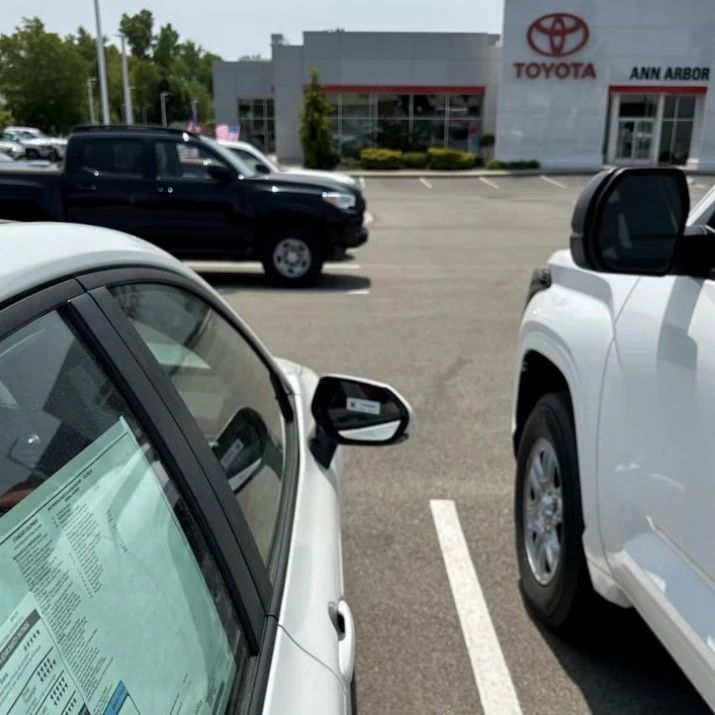
Core Viewpoint - Toyota is set to increase prices for certain models in the U.S. market starting July 2025, with an average increase of approximately $270 for Toyota brand vehicles and $208 for Lexus models, reflecting a response to rising costs and market conditions [2][4][23] Price Adjustment Details - The price adjustment is described by Toyota as a "routine price review" and is not directly linked to the recent 25% tariffs imposed by the U.S. government on imported vehicles and parts [3][5] - This marks the second significant price increase by Toyota in the U.S. within two years, following a 3% to 5% increase in 2023 due to rising logistics costs, high raw material prices, and increased labor costs in North America [4][23] Cost Pressures - The new tariffs are expected to add approximately $1.25 billion in additional costs for Toyota in the fiscal year 2025 [8] - Despite a gradual decrease in U.S. inflation, the overall operating costs in the automotive industry remain high, with raw materials, energy prices, and logistics costs not returning to pre-pandemic levels [9] Consumer Impact - The average price increase of $270 may not seem significant, but it could influence purchasing decisions for mainstream family models like RAV4, Camry, and Corolla [12][13] - For example, the base model RAV4's suggested retail price may rise from approximately $29,250 to nearly $29,500, potentially increasing total costs by $500 to $800 when considering state taxes and financing rates [14] Financial Implications - The price increase is expected to help alleviate profit pressures in the short term, as Toyota anticipates a more than 30% decline in net profit year-over-year for the first quarter of fiscal 2025 due to new tariffs, rising raw material costs, and currency exchange losses [16][15] - Analysts suggest that without price adjustments, Toyota's profitability in the North American market could continue to be under pressure, affecting future R&D investments and dealer channel health [17] Dealer Network Effects - The price increase may have indirect effects on the U.S. dealership system, allowing dealers of popular models with low inventory to maintain or improve their bargaining power, while potentially causing consumers in slower sales regions to hesitate or switch to the used car market [18] Strategic Adjustments - Toyota is accelerating its strategic transformation in response to the complex U.S. market environment, including increasing production of hybrid models domestically and investing in new battery and power system factories in North Carolina and Mississippi [19] - The CFO of Toyota stated the company will continue to focus on the North American market while ensuring profitability, although market acceptance of price increases remains to be seen [20] Market Context - The average price of new cars has risen from $35,000 to nearly $47,000 over the past two years, creating multiple consumer challenges due to high prices, tightening loan policies, and uncertain economic forecasts [21][22] - Overall, Toyota's price increase reflects a passive response to the challenges of tariffs, rising manufacturing costs, and declining profits, showcasing its cautious global business approach [23]

迈凯伦CCO:电动车是外卖,迈凯伦是高档餐厅
汽车商业评论· 2025-06-22 21:45
撰 文 / 刘宝华 设 计 / 琚 佳 世事无常。 上周最大的行业新闻应该是奥迪全球CEO高德诺公开宣布奥迪撤回原定于2033年停止研发和销售内 燃机汽车的计划,不再设定明确终止时间表。 奥迪之前,奔驰、宝马、沃尔沃、福特已经先后调整了全面电动化计划,改为燃油车与电动化双线 并行。 对电动化最保守的丰田成了最大赢家。丰田截至2025年3月31日的2025财年净利润合人民币2364亿 元,相当于比亚迪、上汽集团、长安汽车、广汽集团、吉利汽车、长城汽车、北京汽车7大上市车 企利润总和的3倍。 搞电动车的越搞越穷,不搞电动车的富得流油。 最能赚钱的车企也开始摇摆。也是上周的消息,法拉利原计划2026年推出的第二款纯电动车型被推 迟到最早2028年推出。这已经是这款车第二次推迟时间表。接近法拉利的消息源称"目前高性能电 动车的需求为0"。 这句话有些残酷,但或许揭示了电动车的市场规律——从品牌、车型、价格、性能各个维度,电动 车都在中低端更容易成功,越高端对电动车来说越困难。 以特斯拉为例,中低端车型 Model Y、 Model 3占总销量超过95%,中高端车型 Model X、 Model S 占比不足5%, 当 ...

贾可:致敬那些支持和参加蓝皮书论坛的朋友们!
汽车商业评论· 2025-06-21 17:33
Core Viewpoint - The automotive industry is currently facing intense competition, likened to a sprint rather than a marathon, necessitating decisive actions and strategic planning to navigate challenges and opportunities [5][7][9]. Group 1: Industry Events and Trends - The 17th Xuanyuan Automotive Blue Book Forum was held in Guangzhou, coinciding with Typhoon "Butterfly," which affected attendance but highlighted the importance of the event [5][16]. - The theme of the forum was "Decisions," emphasizing the need for the automotive industry to make clear and effective choices amidst rapid changes [5][9]. - The forum aims to create a ripple effect in the automotive industry, with discussions and debates serving as motivation for industry professionals [10][14]. Group 2: Media and Publications - The company is launching various media platforms, including "Automotive Business Review" and "Xuanyuan Business Review," aimed at becoming opinion leaders in the automotive sector and exploring new technologies [12][14]. - "Xuanyuan Business Review" is positioned as an upgraded version of "Automotive Business Review," focusing on fashion and new technologies beyond traditional automotive boundaries [12]. Group 3: Awards and Recognition - The forum introduced three major awards: the Xuanyuan Award for annual contributions to the automotive industry, the Lingxuan Award for contributions in automotive parts, and the Golden Xuanyuan Award for automotive marketing [13]. - The 10th Lingxuan Award evaluation ceremony was launched during the forum, encouraging participation from automotive supply chain companies [13]. Group 4: Educational Initiatives - The "Xuanyuan Classmates" initiative aims to foster learning and innovation within the automotive industry, emphasizing collaboration and shared growth among industry professionals [13][14]. - The program has evolved over the years but remains focused on empowering individuals in the new automotive landscape [13].

新车下线前,这家工厂先生产了100斤蜂蜜
汽车商业评论· 2025-06-20 14:40
Core Viewpoint - The newly established Audi FAW New Energy Company in Changchun emphasizes environmental sustainability and advanced manufacturing technology, aiming to set a benchmark for luxury electric vehicle production in China [4][15]. Group 1: Environmental Sustainability - The factory covers 154 hectares, with 640,000 square meters of green vegetation and a 72,000 square meter wetland park, showcasing a commitment to ecological balance [4]. - The facility operates on 100% green energy, recycles 100% of production waste, and achieves 100% recycling of wastewater, resulting in zero carbon emissions [8]. - The installation of approximately 320,000 square meters of solar panels generates over 30 million kilowatt-hours annually, covering at least 25% of the factory's annual electricity needs [9]. - The factory has a rainwater collection and treatment system that saves over 5,000 cubic meters of water annually [12]. - Emissions of volatile organic compounds (VOCs) are significantly below national standards, with a discharge of less than 10 mg/Nm³ compared to the national limit of 60 mg/Nm³ [14]. Group 2: Advanced Manufacturing Technology - The factory is designed to produce 150,000 vehicles annually, starting with the Audi Q6L e-tron series, marking a significant step in Audi's electrification strategy in the world's largest electric vehicle market [15]. - The stamping workshop utilizes high-precision molds imported from Germany, achieving a dimensional accuracy of ±0.3 mm [18]. - The welding workshop is equipped with 824 robots, achieving a welding automation rate of 100%, ensuring consistent high-quality production without human intervention [20]. - The battery workshop boasts an automation rate of 86%, surpassing industry standards, with critical processes performed by robots to minimize human error [21]. - The factory employs a 14-axis synchronous tightening system for assembly, which is faster and more precise than traditional methods, reducing production costs significantly [24][25]. Group 3: Digitalization and Intelligence - The factory integrates digital twin technology and Building Information Modeling (BIM) for real-time monitoring and maintenance of production processes [28]. - Automated systems in the welding workshop achieve detection precision of less than 0.02 mm, allowing for immediate identification and correction of anomalies [30]. - All logistics within the factory utilize automated transport modes, enhancing efficiency by 90% while ensuring the integrity of components [32].