凤凰网财经

Search documents
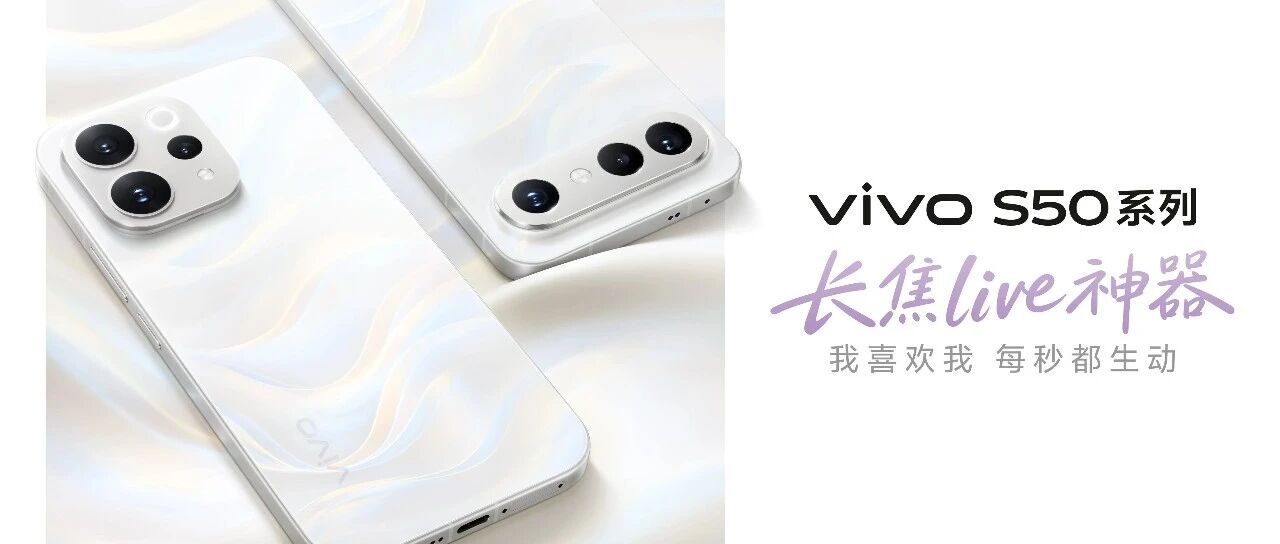
杀疯了!「战斗天使」vivo S50 把旗舰体验打下来
凤凰网财经· 2025-12-15 14:11
Core Viewpoint - The essence of the article is that in the increasingly competitive smartphone industry, the true moat for brands lies not in technical specifications but in understanding and connecting with the emotional needs of users [2] Group 1: Vivo S Series Success - The Vivo S series stands out in a saturated mid-to-high-end smartphone market by focusing on emotional connection rather than just hardware specifications [3][4] - The series has successfully tapped into the core demands of the digital age, transforming smartphones from mere efficiency tools into essential social instruments that carry emotional weight [5][6][7] - Vivo S series products are designed to transcend industrial products, becoming cultural symbols that resonate with users [10][11] - The evolution of the imaging system in the S series reflects a shift from merely capturing images to conveying emotions and stories, enhancing user social expression [12][13][14] - The brand has built a strong trust relationship with users through interactive and co-creative experiences, fostering loyalty based on emotional recognition rather than short-term marketing tactics [15][16][17] Group 2: Technological Advancements - The recent S50 series exemplifies Vivo's ambition to democratize flagship experiences, breaking down barriers between price and performance in the mid-to-high-end market [22][23] - The S50 series features flagship-level specifications, including a 50MP Sony periscope lens and advanced imaging capabilities, setting a new benchmark for mid-range smartphones [25][28] - The introduction of user-friendly features like "natural portrait blur" and "emotional filters" caters to the current demand for authenticity and aesthetic appeal among young users [30][31] - The S50 series is powered by the Qualcomm Snapdragon 8 series flagship chip, establishing a new standard for performance in mid-range devices [37] - Vivo's commitment to user experience is evident in the implementation of advanced features like "wet hand ultrasonic fingerprint 2.0," addressing common user pain points [39][40] Group 3: Long-term Strategy - Vivo S series prioritizes long-term relationships with users over quick profits, aiming to be a growth partner for young consumers rather than just a smartphone seller [45][46] - The brand's iterative approach is driven by understanding and responding to the evolving needs of young users, ensuring that products remain relevant and valuable [49][50][51] - The S series has transformed from a mere brand into a companion for young people's growth, fostering organic word-of-mouth marketing through genuine user engagement [55][56] - As the Z generation continues to grow, the S series is expected to evolve alongside them, focusing on innovation and emotional connection rather than just hardware specifications [57][58]

1500万月活,它杀出了通用大模型的包围圈
凤凰网财经· 2025-12-15 08:27
Core Viewpoint - The article discusses the transformation of Ant Group's AI health application from a simple tool to a comprehensive health companion named "Ant Fu," which has gained significant user traction and market presence in the health management sector [3][6][13]. User Growth and Market Position - Ant Fu has achieved over 15 million monthly active users, making it the leading AI health management application in China and ranking sixth in the App Store download chart [3][5]. - The rapid increase in users reflects a growing reliance on AI health applications, indicating a shift towards proactive health management [4]. Product Features and Innovations - Ant Fu offers three main functionalities: health companionship, health Q&A, and health services, creating an all-encompassing AI health partner [7]. - The application integrates with various smart devices to track health metrics and provides personalized health plans through features like "small diary," "small goals," and "small reminders" [7]. - Ant Fu supports multiple inquiry methods, including text, voice, and image recognition, achieving over 95% accuracy in interpreting health-related queries [10][11]. Strategic Positioning and Market Demand - The application aligns with the increasing demand for health management solutions as China faces an aging population and a shift towards proactive health care [13]. - Ant Fu benefits from favorable policies, such as the "Healthy China 2030" initiative, which emphasizes accessible health resources for all citizens [13]. Competitive Advantage and Team Expertise - Ant Group's extensive experience in the health sector, including a user base of over 800 million from its "medical insurance code" service, provides a strong foundation for trust and reliability in health services [13][14]. - The team behind Ant Fu consists of 60% professionals with medical backgrounds, ensuring compliance and expertise in product development [14]. Societal Impact and Future Directions - Ant Fu's model demonstrates a shift in AI industry competition from general capabilities to addressing specific health challenges, integrating into public health services [16]. - The application serves as a valuable resource in underserved areas, providing 24/7 health support through smartphones, thus enhancing accessibility to medical advice [15][16].

武志红:体验先于思维,感受高于评判
凤凰网财经· 2025-12-14 12:51
Core Viewpoint - The article discusses the internal conflict many individuals face, characterized by self-criticism and the struggle for self-acceptance, particularly in the context of societal pressures and personal expectations [1][4]. Group 1: Self-Criticism and Internal Conflict - The relationship between the mind and body is likened to a "tyrant and slave," where the mind harshly criticizes the body for perceived failures, leading to shame and pain [5]. - This internal struggle often stems from a mindset of "omnipotent narcissism," where only results matter, neglecting the body's feelings and experiences [5]. - Acknowledging that reality does not conform to one's idealized self-image is the first step towards self-acceptance and reconciliation with oneself [8]. Group 2: Societal Pressures and Individual Choices - The article highlights the dichotomy between striving for success ("卷") and opting for a laid-back lifestyle ("躺平"), suggesting that both stem from societal expectations of a singular way of living [8]. - It emphasizes the importance of finding a personal way of living that allows for authenticity and responsibility towards one's life [8]. - The common familial dynamic where children feel pressured to meet parental expectations can lead to a loss of self, and breaking free from this cycle requires courage and self-assertion [10]. Group 3: Mindfulness and Presence - In a fast-paced world, the article advocates for a philosophy of focusing on the present and forming deep connections with current experiences [12]. - A personal anecdote illustrates that respecting one's own feelings and prioritizing well-being can lead to better outcomes than succumbing to external pressures [12]. - The concept of "flow," where one is fully immersed in an experience, is presented as a more valuable pursuit than external achievements [12]. Group 4: Self-Acceptance and Growth - True growth involves the courage to maintain independence in relationships while being true to oneself [11]. - The article suggests starting with small, everyday decisions to assert one's identity without hostility, fostering both self-loyalty and long-term relational responsibility [11]. - Understanding oneself is framed as a crucial skill for navigating the complexities of modern life, emphasizing a holistic approach to existence [15].

印尼货轮弃马六甲直奔中国,新加坡的“过路费”收不动了?
凤凰网财经· 2025-12-14 12:51
Core Viewpoint - The emergence of direct shipping routes from Indonesia to China's Yangpu Port signifies a significant restructuring of the Southeast Asian shipping landscape, driven by cost efficiency and reduced logistics time [1][2]. Group 1: Economic Benefits of Direct Shipping - The core reason for the shift in shipping routes is financial, as businesses seek to minimize costs associated with traditional shipping methods that involve transiting through the Singapore Strait [2]. - Direct shipping has drastically reduced transportation time from 20 days to just 6 days for coconuts, leading to lower spoilage rates and improved raw material quality, thus enhancing profit margins for businesses [7]. - For palm oil, the cost savings can reach up to $280 per ton, with additional reductions in port fees and transit times [8]. Group 2: Yangpu Port's Competitive Advantages - As of November, Yangpu Port's registered shipping capacity reached 6.6939 million tons, making it the leading port in China's free trade zones [10]. - The port has implemented advanced technologies, including semi-automated operations and smart logistics systems, which have significantly increased operational efficiency and reduced transportation costs [12][21]. - The port's rapid customs clearance process has been highlighted, with a recent case showing a vessel completing all procedures in just 3 hours and 45 minutes, compared to over 5 hours previously [15][19]. Group 3: Challenges Compared to Singapore - Despite Yangpu Port's advancements, it still faces significant challenges in competing with Singapore, which handled 41.12 million TEUs in 2024, while Yangpu only surpassed 2 million [25]. - Singapore's geographical advantage and established infrastructure, including the ongoing expansion of the Tuas Port, provide it with a competitive edge that is difficult for Yangpu to overcome [26][28]. - The operational efficiency of Singapore's port systems, such as the TradeNet system that streamlines customs processes, remains superior to Yangpu's current capabilities [31]. Group 4: Future Collaboration - The relationship between Yangpu and Singapore is evolving, with both ports working together to enhance shipping routes and create a more resilient regional supply chain [32][34].

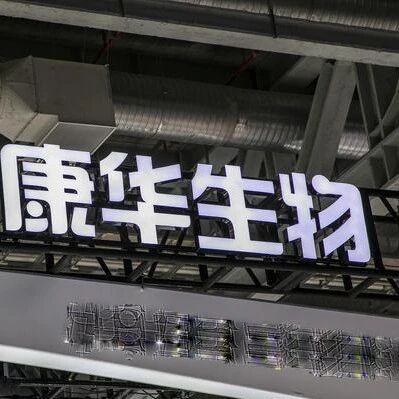
康华生物控制权变更三重考:股东减持、业绩滑坡、对赌压顶
凤凰网财经· 2025-12-14 12:51
Core Viewpoint - The article discusses the significant changes in the governance and operational challenges faced by Kanghua Biological (300841.SZ) following its change of control, highlighting a sharp decline in its core product's market performance and the pressures from performance commitments [2][4][10]. Group 1: Change of Control and Shareholder Actions - Kanghua Biological has undergone a change of control with major shareholders reducing their stakes during the transition period, leading to the company entering a state without a controlling shareholder [3][4]. - The fourth largest shareholder, Sichuan Development Securities Investment Fund Management Co., Ltd., reduced its stake from 6.22% to 5.91%, cashing out approximately 32.66 million yuan [3]. - The transfer of control involved the original controlling shareholder, Wang Zhentao, transferring 21.91% of shares to Wanke Xin Biological for a total consideration of 1.851 billion yuan [4]. Group 2: Board Restructuring and Management Changes - Following the change of control, Kanghua Biological completed a full overhaul of its board and executive team, with the new board consisting of 11 members, including 7 non-independent and 4 independent directors [5][7]. - Liu Dawei was elected as the new chairman, while Wang Zhentao became the vice chairman and legal representative [5][6]. Group 3: Financial Performance and Challenges - Kanghua Biological reported a significant decline in financial performance for the first three quarters of 2025, with revenue dropping by 20.78% to 840 million yuan and net profit decreasing by 53.41% to 189 million yuan [8]. - The company's core product, the freeze-dried human rabies vaccine, saw a drastic reduction in batch issuance by over 40%, primarily due to increased competition in the market [9]. - The company faces a performance commitment to achieve a net profit of at least 728 million yuan over 2025 and 2026, alongside a minimum of 260 million yuan in R&D expenses, which poses a significant challenge given its current performance pressures [10][11].
专柜品牌!绵羊毛冲锋外套,1998吊牌价直接砍到百来块
凤凰网财经· 2025-12-14 12:51
强烈建议! 点开这篇文章就别轻易划走!! 因为! 我们今天真的薅到了 英国老牌赛艇俱乐部 REGATTA CLUB的 大!羊!毛! 赛艇 绵羊毛冲锋外套 吊牌价1998元 现在到手——159! 不到1折! 而且这件不是电商阉割版!不是清库存!是—— 实体线下店款,同批次,同品质! 一 件 它 ≈ 冲 锋 衣 + 羽 绒 服 + 羊 毛 大 衣 + 雨 衣!比 任 何 一 件 衣 服 都 值! 抗风、挡雨、耐磨 →和*鸟冲锋衣一样能打; 上身秒暖,锁温升温 →保暖力直逼羽绒服; 板正利落,不臃肿 →冬天穿也体面帅气! 你根本不用叠穿三五层, 1件赛艇绵羊毛冲锋外套就能从冷风里杀出来。 男女同款,有7款颜色,90–220斤都能穿 ,防风防雨,遮肉显瘦,不挑身材! | 尺码 | 衣长 | 肩宽 | 胸围 | 袖长 | | 建议身高 (CM) 建议体重(F) | | --- | --- | --- | --- | --- | --- | --- | | ഗ | 67 | 45.8 | 54.5 | 59.5 | 155-160 | 90-105 | | M | 69 | 47 | 56.5 | 61 | 160-16 ...

避孕药免税取消在即,解读来了
凤凰网财经· 2025-12-14 12:51
Core Viewpoint - The article discusses the potential price increase of contraceptive pills due to the adjustment of the VAT policy in China, effective from January 1, 2026, which will no longer exempt contraceptive products from VAT [2][4]. Group 1: VAT Policy Changes - The exemption from VAT for contraceptive drugs and devices has been in place since the 1990s, aimed at supporting family planning policies. The new VAT law will end this exemption, reflecting the government's shift towards encouraging childbirth and optimizing population structure [4]. - The removal of the VAT exemption will impact companies by increasing their cost structure, as they will no longer be able to deduct input VAT on raw materials and production equipment, leading to potential price increases for consumers [4][5]. Group 2: Market Impact and Pricing Strategies - Experts suggest that the increased tax burden may lead to a price hike in contraceptive products, but companies must balance consumer acceptance with their business goals. A differentiated pricing strategy is recommended, where products with high repurchase rates may see a controlled price increase of 3%-5% [6]. - The competitive landscape in the reproductive health industry is expected to intensify, with larger companies benefiting from economies of scale and better cost management, while smaller firms may struggle to maintain profitability [9]. Group 3: Market Trends and Projections - The contraceptive market is projected to reach 8.5 billion yuan by 2025, with a compound annual growth rate of 11.3%. The cancellation of the VAT exemption is anticipated to reshape market dynamics, favoring larger firms with scale advantages [9]. - The article highlights that the sales of the emergency contraceptive "Levonorgestrel" have seen a decline, with sales in physical pharmacies reaching 72 million yuan in the first half of 2025, a year-on-year decrease of 17.08% [7].

2026年最佳投资机遇在哪里?全球亿万富豪加码押注:中国和西欧
凤凰网财经· 2025-12-14 12:51
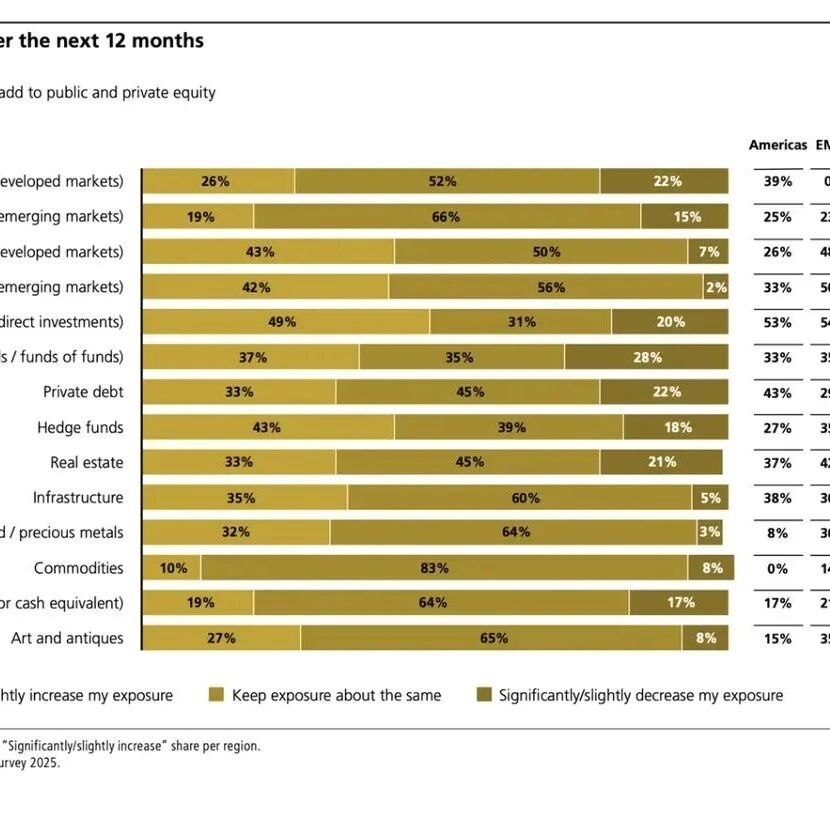
Group 1 - The global stock market has shown strong performance in 2025, driven by the AI investment boom and loose monetary policies, with many indices, including the US stock market, reaching historical highs [1] - Billionaires are optimistic about investment opportunities in China and Western Europe, with 40% of respondents favoring Western Europe for the next 12 months, up from 18% in 2024, and 34% favoring the Greater China market, significantly higher than 11% last year [5] - Over a five-year outlook, the percentage of respondents optimistic about the Greater China market rose from 31% in 2024 to 48% in 2025 [6] Group 2 - There has been a significant decline in optimism regarding the North American market, with only 63% of billionaires favoring it in 2025, down from 80% in 2024, primarily due to concerns over multiple risk factors, particularly tariffs [9] - 66% of respondents identified tariffs as the most likely negative factor affecting the market environment in the next 12 months, followed by geopolitical conflicts (63%), policy uncertainty (59%), and higher inflation (44%) [9] - Billionaires plan to increase investments in private equity, hedge funds, developed market equities, and emerging market equities, with 49% intending to increase exposure to private equity in the next 12 months, followed by hedge funds (43%), developed market equities (43%), and emerging market equities (42%) [11]

11月国内乘用车销量同比下滑,一汽大众重回第三
凤凰网财经· 2025-12-13 13:05
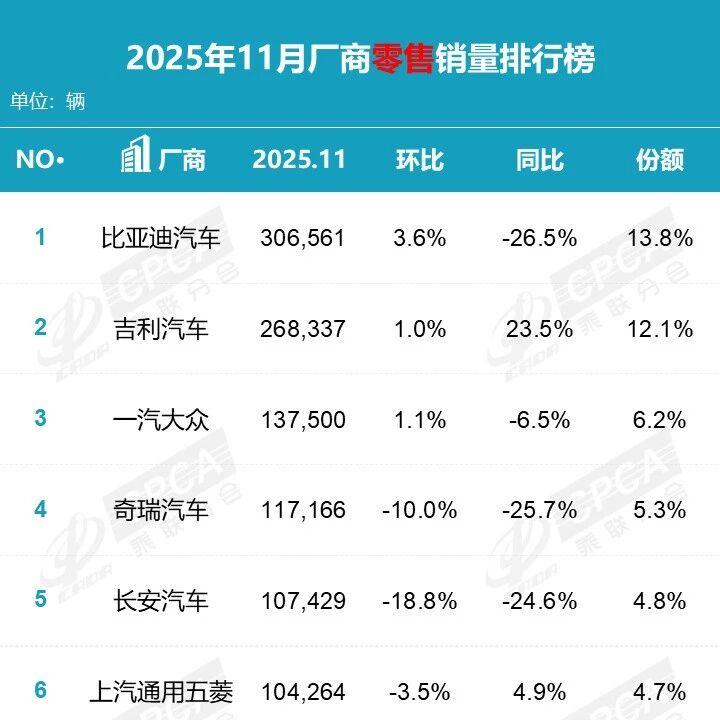
Core Viewpoint - The domestic passenger car sales in China experienced a decline in November, with a year-on-year decrease of 6.5%, indicating a slowdown in the market during a critical sales period [2][3]. Group 1: Sales Performance - In November, the domestic passenger car sales reached 2.414 million units, showing a month-on-month increase of 1% but a year-on-year decline of 6.5% [2]. - The retail sales in the narrow passenger car market were 2.225 million units, reflecting a year-on-year decrease of 8.1% and a month-on-month decrease of 1.1% [3]. - The overall sales decline is attributed to factors such as policy withdrawal, reduced stimulus effects, and increased comparison bases [4]. Group 2: Manufacturer Rankings - BYD maintained the top position in retail sales with 306,600 units in November, a month-on-month increase of 3.6% but a year-on-year decline of 26.5% [5]. - Geely Automotive ranked second with sales of 268,300 units, showing a year-on-year increase of 23.5% and a month-on-month increase of 1% [5]. - FAW-Volkswagen returned to the top three with sales of 137,500 units, surpassing Chery [7]. Group 3: Export Growth - November marked a historic milestone with total automobile exports exceeding 700,000 units, reaching 728,000 units, a month-on-month increase of 9.3% and a year-on-year increase of 48.5% [9]. - Passenger car exports were 624,000 units, with a year-on-year growth of 48.7%, indicating a strong performance in overseas markets [9]. - The export of new energy vehicles reached 300,000 units, representing a year-on-year increase of 2.6 times, highlighting the growing acceptance of Chinese electric vehicles in international markets [10]. Group 4: Future Outlook - The automotive industry anticipates challenges in 2026 due to the upcoming reduction of new energy vehicle purchase tax, which may pressure market growth [11]. - Despite short-term caution regarding domestic demand and price competition, long-term growth is expected to be driven by continuous technological innovation and global expansion [11].


什么情况?延期交付的网红车,被国家敲打了
凤凰网财经· 2025-12-13 13:05
"月底购车直降3万!""限时补贴,福利倒计时!"走进一家汽车销售门店,迎面而来的往往是五花八门的促销标语,和销售人员热情却略带含糊的报 价。 买车套路深,曾是不少消费者的心头痛。 来源|凤凰网财经《公司研究院》 01 新规给谁念"紧箍咒"? 汽车销售领域的定价问题,早已不是新鲜话题。 "一车一价"的现象,既增加了消费者的比价成本,也为各种"价格套路"提供了温床。 意见稿第十四条提到,汽车销售企业销售商品或者提供服务 , 应按规定进行明码标价。有可选配件的,要标明可选配件的名称、价格、规格、产地 等内容。 图片来源:意见稿截图 这种场景即将迎来改变, 12月12日,国家市场监督管理总局就《汽车行业价格行为合规指南(征求意见稿)》(下称"意见稿")公开征求意见,为 汽车行业的定价和销售行为划下清晰红线。 监管还表示,用虚假或者引人误解的价格手段诱骗消费者的行为,存在较大法律风险。比如使用欺骗性、误导性的语言、文字、数字、图片或者视频 等标示价格以及其他价格信息,使用虚假的 "市场价""厂商指导价""市场参考价"等被比较价格进行宣传,虚假标示"限时降价""清仓价"等,以及"以 贷款购车、购买保险等作为交易附加条件的 ...