半导体芯闻

Search documents
超40%的代理AI项目,将被取消
半导体芯闻· 2025-06-27 10:21
Core Insights - Gartner predicts that by the end of 2027, over 40% of agent AI projects will be canceled due to rising costs, unclear business value, or lack of effective risk control [1] - Currently, most agent AI projects are in early experimental or proof-of-concept stages, often driven by hype, leading companies to overlook the true costs and complexities of deploying large-scale AI agents [1] Investment Trends - A survey by Gartner in January 2025 revealed that 19% of participants reported significant investments in autonomous AI, while 42% adopted conservative investments, and 31% were either uncertain or in a wait-and-see mode [1] Market Dynamics - The phenomenon of "agent washing" is prevalent, where existing products are rebranded as autonomous AI without possessing true agent capabilities. Gartner estimates that out of thousands of vendors claiming to offer agent AI solutions, only about 130 have real technical capabilities [2] - Many so-called agent AI projects lack actual business value or return on investment (ROI), as current AI models are not mature enough to autonomously complete complex business objectives [2] Future Potential - Despite initial challenges, the development of agent AI is viewed as a significant leap in AI capabilities and market opportunities. By 2028, it is predicted that at least 15% of daily work decisions will be made by agent AI, a notable increase from 0% in 2024 [2] - Additionally, 33% of enterprise software applications are expected to integrate agent AI by 2028, compared to less than 1% in 2024 [2] Implementation Challenges - Integrating AI agents into traditional systems presents high technical complexity and can disrupt existing workflows, often requiring expensive system modifications [3] - A more ideal approach is to reconstruct workflows from scratch to accommodate agent AI, which can enhance overall productivity rather than just focusing on individual task improvements [4]


龙芯发布服务器CPU,,杀进GPGPU赛道
半导体芯闻· 2025-06-27 10:21
Core Viewpoint - The article emphasizes the importance of developing a self-controlled and secure information technology system in China, highlighting the need for domestic CPU development to reduce reliance on Western architectures like X86 and ARM [1][3]. Group 1: Company Vision and Strategy - The chairman of Loongson Technology, Hu Weiwu, reiterated the company's mission to create a self-sufficient and secure information technology ecosystem, focusing on the "three autonomies": autonomous instruction systems, autonomous IP cores, and production based on self-developed processes [3][4]. - Loongson is the only CPU company in China adhering to the "three autonomies" approach, having developed various IP cores including CPU, GPU, and other interfaces [3][4]. Group 2: Product Development and Performance - Loongson has significantly improved CPU performance through microarchitecture and process upgrades, resulting in three main CPU series: Loongson 3 for desktop and server applications, Loongson 2 for industrial control and terminal applications, and Loongson 1 for embedded applications [6][8]. - The newly launched 3C6000 series server CPU features a 16-core, 32-thread design and can scale up to 60/64 cores and 120/128 threads using the self-developed "Dragon Link" technology, which enhances interconnectivity and bandwidth [8][10]. Group 3: Competitive Positioning - The 3C6000 series has achieved performance levels comparable to Intel's mainstream products, with single and multi-core performance metrics that meet or exceed those of Intel's 16-core and 32-core Xeon processors [12][13]. - The introduction of the 3C6000 series is expected to shift the focus from autonomy to cost-effectiveness as the primary reason for partners to choose Loongson in the server market [13]. Group 4: Future Developments in AI and GPU - Loongson is adopting a GPGPU approach for AI development, focusing on integrating graphics and AI processing capabilities, with plans for future GPU products that enhance performance and compatibility [17][19]. - The upcoming 9A1000 GPU is designed to improve graphics rendering and AI capabilities, with significant advancements in performance and efficiency compared to previous models [23][24]. Group 5: Market Applications and Collaborations - The launch of the 3C6000 and 3B6000M CPUs has enabled Loongson to provide a complete product line for various applications, including general-purpose servers, industrial control, and terminal products, with a focus on high performance and reliability [15][29]. - Numerous companies have announced products based on Loongson processors, indicating a broad market application across critical sectors such as government, defense, finance, and energy [28][29]. Group 6: Commitment to Self-Reliance - Loongson aims to achieve lower costs, higher performance, and better ecosystem development through self-reliance, emphasizing the importance of building a robust information technology industry in China [31].

AI点燃晶圆代工新周期
半导体芯闻· 2025-06-26 10:13
Core Viewpoint - The global semiconductor foundry 2.0 market revenue is projected to grow by 13% year-on-year in Q1 2025, reaching $72.29 billion, driven by the surge in demand for AI and high-performance computing (HPC) chips [1][4]. Group 1: Market Dynamics - The traditional semiconductor foundry model (foundry 1.0) is evolving into a technology integration platform, emphasizing vertical coordination and faster innovation, influenced by AI trends and system-level optimization [1]. - TSMC leads the market with a share of 35.3% in Q1 2025, achieving approximately 30% year-on-year revenue growth, followed by Intel and Samsung [4][6]. Group 2: OSAT and Advanced Packaging - OSAT suppliers are becoming a critical segment in the foundry 2.0 supply chain, with a nearly 7% year-on-year growth in Q1 2025, benefiting from TSMC's excess demand for AI-related CoWoS [4][5]. - Advanced packaging demand is increasing, with key players like ASE, SPIL, and Amkor enhancing their capacities [4]. Group 3: Non-Memory IDM and Light Mask Suppliers - Non-memory IDMs such as NXP, Infineon, and Renesas are experiencing a decline in revenue by 3% in Q1 2025, particularly in the automotive and industrial sectors, with recovery expected to be delayed until the second half of 2025 [5]. - Light mask suppliers are benefiting from the adoption of 2nm EUV technology and the increasing complexity of AI/Chiplet designs [5]. Group 4: Future Outlook - The foundry 2.0 ecosystem is expected to transition from a linear manufacturing model to a seamlessly integrated value chain, enhancing collaboration between design, manufacturing, and advanced packaging [8].

Chiplet封装,新革命
半导体芯闻· 2025-06-26 10:13
Core Insights - The transition from SoC to multi-chip integration requires more intelligent controllers within the packaging to ensure optimal performance and signal integrity [1] - The complexity of managing interactions between chiplets necessitates a focus on performance enhancement and power savings while ensuring design reusability [1][9] - Real-time self-tuning capabilities are essential for systems to maintain operational efficiency post-deployment [2] Group 1: Challenges in Multi-Chip Design - The increasing transistor density and higher utilization of computing units lead to significant thermal management challenges [3] - Testing and anomaly detection can be improved by shifting testing to the wafer stage, reducing the risk of scrapping entire packages due to faults [4] - The lack of standardized placement for intelligent control units complicates the design process, with external and internal monitoring approaches being explored [5] Group 2: Technological Innovations - The introduction of built-in self-test (BiST) technology can provide valuable data, although it poses area constraints in SoC designs [6] - The need for robust interconnect structures is critical for transitioning from aerospace-grade designs to broader applications, benefiting data center chip designs [7] - Intelligent "switch" systems are necessary to monitor and redirect traffic, increasing the demand for real-time monitoring capabilities [8] Group 3: Advantages of Multi-Chip Packaging - Multi-chip packaging offers significant advantages over traditional SoCs, allowing for higher performance and lower power consumption by utilizing advanced packaging techniques [9] - The heterogeneous computing structure necessitates enhanced real-time monitoring and management to ensure stable performance and reliability over the chip's lifecycle [9]
美光,HBM销售额大涨
半导体芯闻· 2025-06-26 10:13
如果您希望可以时常见面,欢迎标星收藏哦~ 来源:内容来自 Trendforce 。 受2025财年第三季度HBM销售额飙升近50%的推动,美光科技的营收创下历史新高,目前正着眼 于再创佳绩。据ZDNet报道,这家美国内存巨头的目标是到2025年底将其HBM市场份额提升至 23%至24%。 值得注意的是,美光公司在其新闻稿中表示,目前正向四家 GPU 和 ASIC 平台的客户大批量交付 HBM。因此,该公司预计到 2025 年下半年,其 HBM 市场份额将与整体 DRAM 市场份额持平。 据路透社报道,美光强劲的业绩反映了NVIDIA和AMD等公司对AI芯片需求的激增。这家美国内 存巨头已经为AMD的MI350和NVIDIA的Blackwell平台提供其HBM3E 12位高密度解决方案。 据美光公司称,其 HBM3E 12 高良率和生产爬坡进展顺利,预计第四财季出货量将实现交叉。 美光还重申了其 HBM4 路线图,并指出已向多个客户发送样品,并计划于 2026 年开始批量生 产,与客户时间表同步。 预计第四季度销售额将突破100亿美元,创历史新高 据彭博社报道,除了追逐蓬勃发展的人工智能收入外,美光公司还关注电 ...

2025 Q1手机芯片厂商排名出炉
半导体芯闻· 2025-06-26 10:13
Group 1 - The core viewpoint of the article highlights the stable market share rankings of global smartphone application processors for Q1 2025, with MediaTek leading at 36% market share, followed by Qualcomm at 28%, and Apple at 17% [1][2] Group 2 - MediaTek's growth in Q1 2025 is driven by increased demand in the entry-level and mainstream markets, despite a decline in the high-end segment. The launch of the Dimensity 8400 chip has strengthened its position in the mid-to-high-end market [1] - Qualcomm's performance remains stable with a market share of 28%, primarily supported by its strong presence in the high-end smartphone processor sector [1] - Apple's market share stands at 17%, with year-over-year growth attributed to the release of the iPhone 16e series featuring the A18 chip, although seasonal factors led to a quarterly decline in shipments [1] - Unisoc ranks fourth, experiencing a seasonal decline in shipments due to reduced LTE chip shipments, but continues to grow its market share in the low-price segment (under $99) [1] - Samsung's Exynos chips saw shipment growth in Q1 2025, with a market share of 5%, driven by new models like Galaxy A56 and Galaxy A16 5G [2] - Huawei's HiSilicon chip shipments increased due to the launch of the nova 13 series and Mate 70 series, with its market share just 1% less than Samsung's [2]


芯片,最新路线图
半导体芯闻· 2025-06-26 10:13
Core Viewpoint - IMEC's semiconductor roadmap predicts the evolution of chip manufacturing processes and technologies until 2039, highlighting significant advancements and challenges in the semiconductor industry [1][3]. Group 1: Chip Process Node Naming and Evolution - Current chip process nodes like 7nm, 5nm, and 3nm have become mainstream, but these numbers no longer correspond to physical dimensions, evolving into a conventional naming convention [6][9]. - The transition from planar transistors to FinFET architecture has shifted the focus from size reduction to architectural innovation and density optimization for performance improvements [7][10]. - The roadmap indicates a shift from FinFET to NanoSheet architecture as the industry moves towards the N2 process node, with NanoSheet offering better control over leakage currents and improved performance [20][21]. Group 2: Advanced Technologies and Innovations - High NA EUV lithography technology is transitioning from 0.33 NA to 0.55 NA, enabling the production of chips with smaller feature sizes and supporting the NanoSheet architecture [27][29]. - Back-side power technology is introduced to reduce crosstalk and improve data integrity, expected to enhance performance by reducing power consumption by 30% while increasing computational speed by 20% at the A10 node [34][35]. - ForkSheet transistors are emerging as a strong candidate for 1nm technology nodes, allowing for higher integration density and improved performance through a unique gate structure [36][40]. Group 3: Future Directions and Challenges - CFET technology is anticipated to dominate the semiconductor landscape, with its introduction expected around the A7 node, promising significant density and performance improvements [41][43]. - Hyper NA EUV technology is being developed to meet the extreme precision requirements of CFET manufacturing, pushing the limits of semiconductor fabrication [46][48]. - 2DFET technology, utilizing two-dimensional materials, is projected to replace CFET by 2039, offering simplified manufacturing processes and enhanced performance [52][54].

芯片公司,估值有望达到6万亿美元
半导体芯闻· 2025-06-26 10:13
在最近的一篇文章中指出,NVIDIA 似乎已经消除了几乎所有的近期看跌催化剂,这促使一些驻 波士顿的对冲基金经理提出了一个反问:是什么阻碍了该股的突破? 现在,Loop Capital 分析师 Ananda Baruah 也加入了这一看涨行列,将 NVIDIA 股票的目标价 定为250 美元,这意味着其市值将达到 6 万亿美元! Baruah随后引用了"确实有效"的数学公式来证明他对英伟达的无限热情。根据 Loop Capital 供应 链分析师约翰·多诺万 (John Donovan) 的说法,到 2028 年,GPU 的支出可能会攀升至 2 万亿美 元,相当于总安装计算能力的 50% 到 60%。相比之下,目前 GPU 仅占全球计算能力的 15%。 这 与 NVIDIA 在 其 2026 年 第 一 季 度 财 报 电 话 会 议 上 的 声 明 相 符 , NVIDIA 当 时 宣 称 其 已 经 预 见 到"数十吉瓦"的AI基础设施项目。需要注意的是,NVIDIA已经披露,每建设一个吉瓦的AI基础 设施,其收入将在400亿至500亿美元之间。瑞银(UBS)表示,假设保守的订单量为20吉瓦,那么 这将为 ...


英伟达进军云计算,科技巨头慌了
半导体芯闻· 2025-06-26 10:13
Core Viewpoint - The rise of AI cloud service providers poses a significant threat to traditional cloud service giants like Amazon, Microsoft, and Google, which have relied on cloud computing as a major profit engine [1][5]. Group 1: AI Cloud Service Providers - Nvidia launched its cloud computing service, DGX Cloud, two years ago and has invested in emerging companies like CoreWeave and Lambda to compete with major cloud providers [2]. - DGX Cloud is projected to grow into a business generating over $10 billion in annual revenue, while CoreWeave is expected to reach approximately $5 billion in revenue this year [2]. - Despite the smaller scale of these AI cloud service providers compared to Amazon's $107 billion cloud revenue last year, their emergence is causing concern among established cloud giants [5]. Group 2: Impact on Traditional Cloud Giants - Amazon's cloud division contributed 29% of its revenue in the latest quarter, generating over 60% of its operating profit, highlighting its critical importance [6]. - Microsoft and Google also face significant risks; a shift in the cloud computing market could result in lost market share and strategic influence [6]. - All major cloud service providers are currently offering AI chip rental services, with Nvidia holding an estimated 80% market share in this area [6]. Group 3: Nvidia's Strategy - Nvidia's DGX Cloud operates on a unique "reverse cooperation" model, where cloud providers purchase and manage hardware, which Nvidia then rents back to them for client use [7]. - This model places traditional cloud giants in a difficult position, as they profit from Nvidia's services while also supporting a potential competitor [8]. - Nvidia has signed long-term cloud service agreements totaling $10.9 billion, a significant increase from $3.5 billion the previous year, indicating the growing scale of DGX Cloud [8]. Group 4: Future Considerations - Nvidia claims that the launch of DGX Cloud is not intended to overshadow cloud computing giants, but rather to connect customers with AI computing power and Nvidia's expertise [12]. - However, as Nvidia encroaches on the territory of cloud giants, these companies are also developing their own custom AI chips, which could threaten Nvidia's revenue [12].

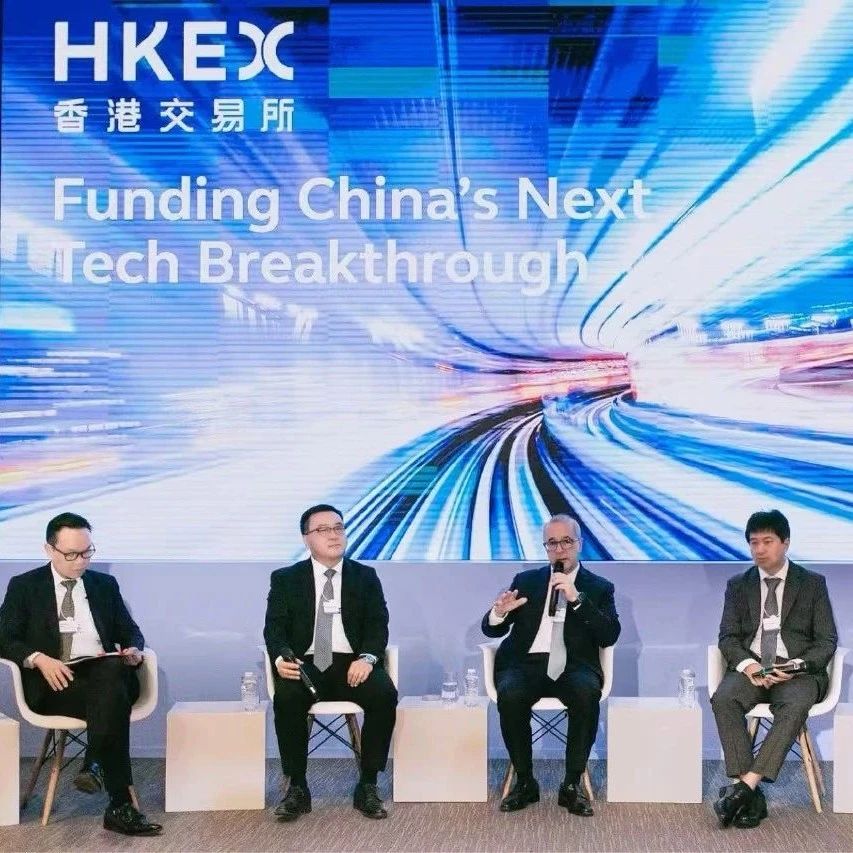
安谋科技CEO陈锋受邀出席夏季达沃斯,分享产业升级与全球协作新思考
半导体芯闻· 2025-06-26 10:13
Core Viewpoint - The article highlights the participation of Arm Technology (China) CEO Chen Feng at the 16th Annual Meeting of the New Champions, emphasizing the importance of technological innovation and globalization in the development of the Chinese tech industry [1][2]. Group 1: Event Overview - The Summer Davos Forum, established in 2007, serves as a platform for dialogue among global growth enterprises and industry leaders, focusing on emerging market trends [2]. - This year's forum gathered over 1,800 leaders from politics, business, and academia from more than 90 countries, discussing how entrepreneurial spirit and technological innovation can drive global economic growth [2]. Group 2: Key Insights from Chen Feng - Chen Feng stated that the global AI industry has shifted from a technological competition phase to a critical stage of practical application [3]. - He identified "physical AI" as a significant development direction, integrating intelligent algorithms with physical hardware to create new pathways in robotics and embodied intelligence [3]. - Chen highlighted brain-machine interface technology as a potentially disruptive breakthrough, detailing its key dimensions: silicon-based intelligence layer, carbon-based life layer, and neural interaction interface [3]. Group 3: Globalization and Local Innovation - Chen emphasized the complementary nature of globalization and local innovation, advocating for companies to integrate into the global ecosystem while deeply exploring local customer needs [4]. - Arm Technology adheres to the principle of "global standards, local innovation," connecting with the global Arm ecosystem while focusing on domestic market demands [4]. - The company has over 430 authorized customers in China, with cumulative chip shipments exceeding 37 billion units, and self-developed product shipments surpassing 900 million units [4]. Group 4: Forum Themes and Future Directions - The forum addressed five core themes: "Interpreting the Global Economy," "China Outlook," "Industries in Transformation," "Investing in Humanity and the Planet," and "New Energy and Materials," providing multidimensional insights into technological innovation [4]. - As a key player in the semiconductor industry, Arm Technology aims to continue leading in technology and fostering collaborative innovation across the industry chain [5].