半导体行业观察

Search documents
华卓精科激光退火装备成功出货第100台
半导体行业观察· 2025-11-25 01:20
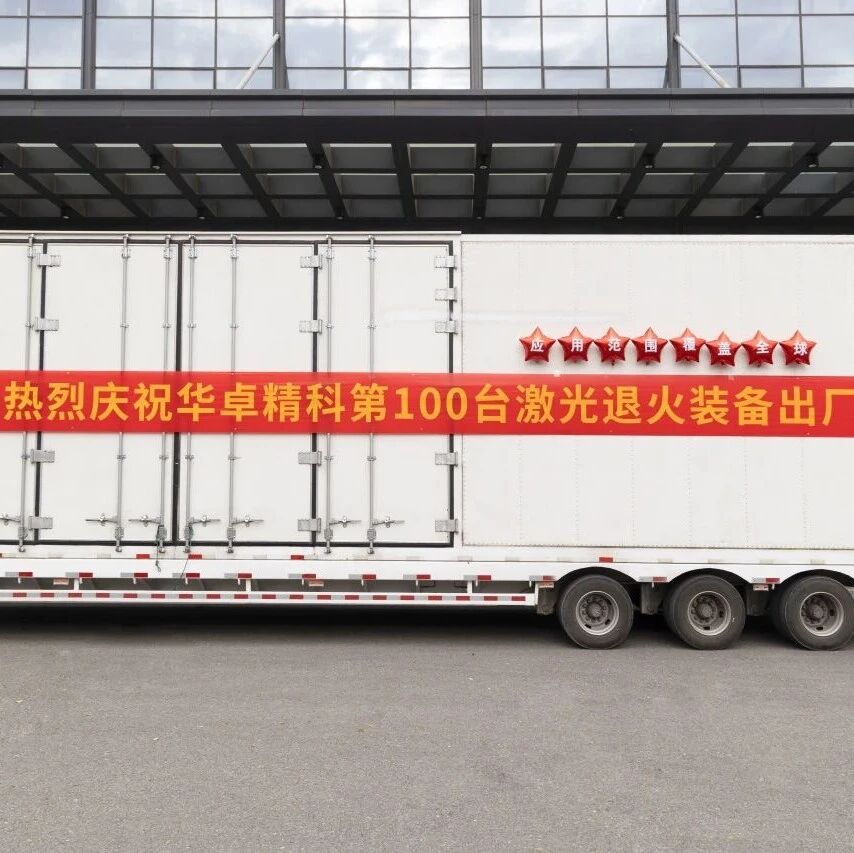
近日,北京华卓精科科技股份有限公司(简称"华卓精科")第100台激光退火装备完成检 测、包装,正式发往客户现场。这标志着公司激光退火装备研发、制造、销售、交付和服务 全链条能力均已获得市场高度认可,成功迈入新的规模化应用阶段。 从零到百的跨越,感谢客户朋友的信任与支持。专业的沟通、精准的需求反馈、严苛的标准让每一 台装备在实战中淬炼出硬实力。感恩供应商伙伴的同心同行,上下游共同坚守"追求卓越"初心,用 稳定可靠的供应链,支撑装备的生产与应用。 华卓精科激光退火装备始终聚焦集成电路高端装备制造领域先进工艺需求,依托深厚的技术积淀自 主研发高精密激光光学系统与超高精度运动平台;凭借丰富的先进制程工艺经验,为客户生产线连 续、稳定运行提供了坚实保障;目前,该系列装备已在多家客户端顺利通过验证,凭借出色的综合 性能赢得客户高度肯定,百台订单的获取正是产品实力与市场信心的有力证明。 "百台"是新的高度,更是新的起点。华卓精科将持续深耕技术研发、加速产品迭代,凭借强大的研 发实力与前瞻的市场布局,以更卓越的稳定性、更先进的技术性能和更可靠的售后服务,为集成电 路装备制造业提供更先进的定制化解决方案,为打造自主可控的产业链 ...


谷歌对外销售芯片:博通大涨,英伟达AMD应声下跌
半导体行业观察· 2025-11-25 01:20
Core Viewpoint - Google is intensifying competition with Nvidia by selling its Tensor Processing Units (TPUs) to clients for use in their own data centers, marking a significant shift in its business strategy [2][3]. Group 1: Market Dynamics - Google is negotiating with companies like Meta Platforms to utilize its Tensor AI chips, which could threaten Nvidia's market dominance [2]. - Meta is considering purchasing Google TPUs worth billions starting in 2027 and renting TPU capacity from Google Cloud as early as 2026 [2]. - Following the news, Google's stock rose over 2% in after-hours trading, while Nvidia and AMD saw declines [3]. Group 2: Technological Advancements - Google's latest TPU v7 accelerator shows significant performance improvements, with each Ironwood TPU providing 4.6 petaFLOPS of dense FP8 performance, slightly surpassing Nvidia's B200 [5][6]. - The Ironwood architecture allows for the connection of up to 9216 individual chips, enabling a total bandwidth of 9.6 Tbps, which is crucial for large-scale computing [7][8]. - The system's reliability is highlighted by a reported uptime of approximately 99.999% since 2020, equating to less than six minutes of downtime annually [8]. Group 3: Competitive Landscape - Google’s TPU pods can scale significantly, with the latest generation capable of supporting up to 9216 chips, which is a substantial increase from previous models [15]. - The competition is intensifying as companies like Anthropic plan to utilize up to one million TPUs for their next-generation models, indicating a shift in the AI model training landscape [15][16]. - Analysts are increasingly questioning the impact of AI-specific ASICs on Nvidia's GPU dominance, as companies like Google and Amazon enhance their hardware capabilities [16].
20年来最缺,有钱也买不到存储芯片了
半导体行业观察· 2025-11-25 01:20
Core Viewpoint - The memory module industry is experiencing the most severe shortage in 20 years due to surging AI demand, with customers receiving only 30% of their orders, leading to significant price increases expected to last for at least two to three quarters [1][2]. Group 1: Memory Shortage Insights - The current memory shortage is not driven by economic cycles but by strong demand from AI, cloud data centers, and high-performance computing, compounded by production adjustments favoring DRAM over NAND Flash [1][2]. - Major electronic brands are elevating procurement discussions to the highest levels, with company leaders personally negotiating for memory supplies, yet availability remains extremely limited [1][2]. - DDR4 and DDR5 memory supplies are tight, with DDR3 prices having doubled from their lows, and DDR5 prices expected to rise more than DDR4 starting this quarter [2]. Group 2: Lenovo's Strategy - Lenovo is stockpiling memory components, increasing its inventory by approximately 50% compared to normal levels, to mitigate the impact of rising memory prices [3][4]. - This strategy positions Lenovo to maintain competitive pricing for its OEM PC and laptop products through 2026, potentially giving it an advantage over competitors who have not stockpiled [3][4]. - The surge in demand for DRAM chips, particularly from AI companies, has led to skyrocketing prices, with some memory kits exceeding the cost of a PS5 console [4]. Group 3: Market Dynamics - Memory manufacturers are prioritizing supply to AI firms like NVIDIA, resulting in limited availability for other markets, and production increases are not anticipated to address the current shortages [4]. - Analysts suggest that the current price surge in memory could persist for up to ten years, with the market expected to remain volatile until at least the end of 2026 [4].

印度半导体:计划十年内追上中国
半导体行业观察· 2025-11-24 01:34
Core Insights - India's ambition is to compete with global semiconductor leaders like the US and China within the next decade, supported by a $10 billion incentive plan aimed at enhancing manufacturing, assembly, and design capabilities [1][2][3] - The Indian government has approved 10 strategic projects in the semiconductor sector, with a goal to position India among the top five semiconductor nations by 2032 [3][5] - The semiconductor market in India is projected to reach $100 billion to $110 billion by 2030, indicating strong growth potential [5] Group 1 - The Indian government is rapidly advancing its semiconductor plans, with significant progress noted in the last three years, leading to a complete semiconductor ecosystem [1][2] - Three semiconductor factories in India are expected to begin commercial production by early next year, marking a significant milestone in the country's semiconductor journey [2][5] - The Indian semiconductor strategy emphasizes enhancing domestic capabilities without undermining other countries' strengths, aligning with the global shift towards digital sovereignty [2][4] Group 2 - The Indian government has committed approximately ₹629 billion (around $7.17 billion) to its semiconductor initiative, which is 97% of the total ₹650 billion (approximately $7.41 billion) allocated for semiconductor production incentives [3] - The approved budget includes ₹100 billion (about $1.14 billion) for chip production and ₹10 billion (approximately $114 million) for modernizing semiconductor laboratories [3] - Increased foreign investment is expected to boost local semiconductor manufacturing and R&D capabilities, leading to accelerated growth and technological advancements in the sector [4]
联发科开辟芯片新赛道
半导体行业观察· 2025-11-24 01:34
Core Insights - Major international companies are investing heavily in AI self-developed chips, creating new business opportunities. MediaTek is leveraging its years of R&D strength to enter the ASIC design service market, targeting high-end orders and expanding into the AI sector within cloud data centers [1][2]. Group 1: Market Potential and Growth - MediaTek has revised its total addressable market (TAM) for data center ASICs from $40 billion to $50 billion, driven by increased capital expenditures from cloud service providers [2][3]. - The company aims to capture a market share of approximately 10% to 15% within the next two years, with expectations of steady growth even if its market share remains stable [2][3]. Group 2: Project Developments - MediaTek's first ASIC project is expected to contribute several billion dollars in revenue starting in 2027, with a second project anticipated to begin generating revenue in 2028 [2][3]. - The company is actively engaging with a second large-scale data center operator to discuss new ASIC projects, indicating strong confidence in future business growth [1][2]. Group 3: Technological Advancements - MediaTek is investing in key areas such as high-speed interconnects and silicon photonics, alongside advancing 2nm process technology and 3.5D packaging to build a comprehensive high-performance computing platform [3]. - The company emphasizes its long-term technological foundation and R&D investments as key advantages in the ASIC field, enhancing its capabilities in design and supply chain management [2][3]. Group 4: Competitive Landscape - The AI ASIC market is projected to grow significantly, with estimates suggesting it will increase from $12 billion in 2024 to $30 billion by 2027, reflecting a compound annual growth rate of 34% [5]. - Major tech companies, including Google, Tesla, and Amazon, are heavily investing in ASIC chip development, indicating a competitive and rapidly evolving market landscape [5][6].
两大芯片巨头预测:DRAM价格将大幅上涨
半导体行业观察· 2025-11-24 01:34
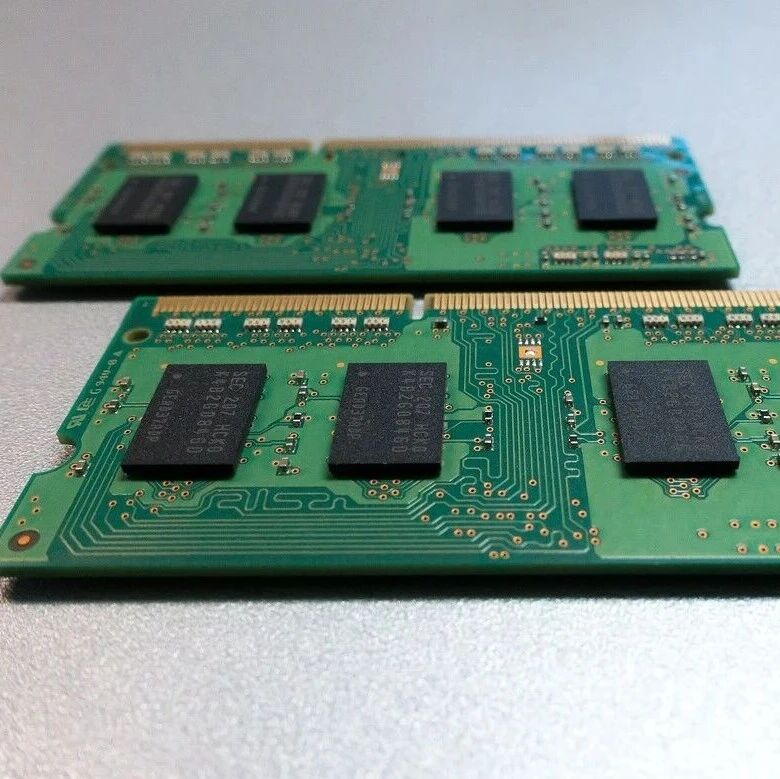
Core Viewpoint - The DRAM market is experiencing a "Super Cycle" driven by strong demand from the AI industry, benefiting major South Korean memory manufacturers Samsung Electronics and SK Hynix, with expectations of significant increases in average selling prices (ASP) for DRAM products in Q4 2025 [2][3]. Group 1: Market Demand and Pricing - The demand for DRAM is surging, particularly for high-value products like server DRAM and high bandwidth memory (HBM), leading to a substantial increase in ASP, which is expected to exceed initial forecasts [2][3]. - Samsung Electronics anticipates a double-digit percentage increase in DRAM ASP for Q4 compared to the previous quarter, while SK Hynix expects a high single-digit percentage increase [3][4]. - General-purpose DRAM for PCs and smartphones is also facing severe supply shortages, primarily due to manufacturers prioritizing HBM production and reducing supply of older DDR4 products, resulting in significant price hikes [3][4]. Group 2: Supply Chain Strategies - Major IT companies are adopting aggressive strategies to secure memory supply, with Chinese tech giants like Xiaomi and Alibaba accepting price increases of over 50% compared to the previous quarter [4]. - Lenovo has signed long-term contracts to ensure memory supply through 2026, reflecting the urgency in securing DRAM amidst tight supply conditions [4]. - Samsung is reportedly taking a more aggressive pricing strategy compared to competitors in the general-purpose DRAM market, indicating strong demand and a favorable pricing environment for suppliers [4]. Group 3: Market Dynamics and Future Outlook - Morgan Stanley has addressed concerns regarding potential overproduction of DDR4, asserting that major manufacturers are focusing resources on HBM and will not significantly increase DDR4 supply due to high costs and time requirements [6][7]. - The demand for older generation DRAM remains robust, driven by system compatibility and stability concerns, with expectations of further price increases for DDR4 due to structural supply shortages [7][8]. - The current storage cycle is characterized by a longer duration and increased intensity, driven by AI demand, contrasting with previous cycles that were heavily influenced by consumer markets [10][11]. Group 4: Technological Implications - The shift towards AI applications is expected to extend the demand for storage solutions beyond traditional consumer markets, impacting various sectors including enterprises and government [11][12]. - The potential adoption of LPDDR storage in next-generation AI servers by companies like NVIDIA could exacerbate supply shortages, as LPDDR and HBM require more resources and have higher production complexities compared to DDR [12].
魏哲家:先进制程不够用,还是不够
半导体行业观察· 2025-11-24 01:34
Core Viewpoint - TSMC's leadership, including Chairman Wei Zhejia and former Chairman Liu Dedin, received the Robert N. Noyce Award, highlighting the company's pivotal role in the semiconductor industry and its advancements in manufacturing technology, particularly in response to the growing demand for AI capabilities [1][3][4]. Group 1: Award Recognition - TSMC's Wei Zhejia and Liu Dedin were honored with the Robert N. Noyce Award, the highest accolade in the semiconductor industry, during a ceremony in San Jose, California [3][4]. - This award is a recognition of TSMC's long-term contributions to advanced processes, packaging, and manufacturing ecosystems, marking a significant achievement for the company [1][5]. - The award ceremony featured notable figures from the semiconductor and AI industries, symbolizing the core strength of the AI chip supply chain [1][2]. Group 2: Industry Impact and Demand - Wei Zhejia emphasized that the current production capacity of TSMC is insufficient, stating that it is approximately three times below the expected demand from major clients [2]. - The demand for advanced processes is driven by AI, with Wei's remarks indicating a strong and growing need for semiconductor manufacturing capabilities [2][3]. - TSMC's advancements from 7nm to the upcoming 2nm process nodes illustrate its commitment to innovation and its foundational role in the AI era [1][5].

CXL 4.0发布:带宽提高100%
半导体行业观察· 2025-11-24 01:34
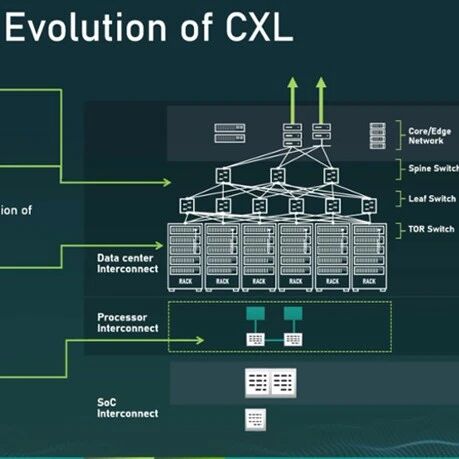
Core Viewpoint - The article emphasizes the significance of the latest CXL 4.0 specification in enhancing memory connectivity and performance for high-performance computing, particularly in artificial intelligence applications [2][13]. Group 1: CXL 4.0 Specification Features - CXL 4.0 doubles the bandwidth to 128GTs without additional latency, enhancing data transfer speeds between connected devices [4][11]. - It supports high-speed data transfer between CXL devices, improving overall system performance [7]. - The specification retains full backward compatibility with CXL 3.x, 2.0, 1.1, and 1.0 versions, ensuring a smoother transition for existing deployments [12]. Group 2: Importance of CXL for AI - CXL addresses memory bottlenecks in AI workloads by enabling memory pooling, allowing all processors to access a unified shared memory space, thus improving memory utilization [15][17]. - It facilitates large-scale inference by providing quick access to large datasets without the need for memory duplication across GPUs [18]. - CXL is designed to meet the growing performance and scalability demands of modern workloads, particularly in AI and high-performance computing [19]. Group 3: Future Implications of CXL - The introduction of CXL is seen as a fundamental shift from static, isolated architectures to flexible, network-based computing, paving the way for next-generation AI and data-intensive systems [20]. - CXL enables a unified, flexible AI architecture across server racks, crucial for training large language models efficiently [21]. - Major industry players, including Intel, AMD, and Samsung, are beginning to pilot CXL deployments, indicating its growing importance in the semiconductor landscape [21].
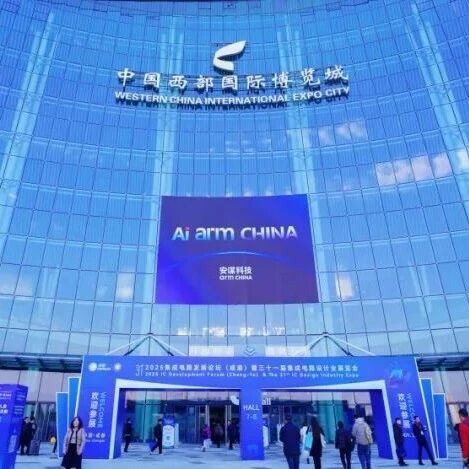
安谋科技发布“AI Arm China”战略发展方向,携手产业共创AI未来
半导体行业观察· 2025-11-24 01:34
Core Viewpoint - The article emphasizes the strategic direction of "AI Arm CHINA" announced by Arm Technology, focusing on AI development and integration within the Chinese market, aiming to enhance the AI computing ecosystem in China [3][5][14]. Group 1: AI Strategy and Market Positioning - Arm Technology is committed to investing fully in AI, connecting closely with the global Arm ecosystem, and fostering local innovation in China [3][6]. - The company aims to leverage AI to reshape various industries, including semiconductors, by adopting an AI+ mindset [6][10]. - Arm's computing platform is positioned as the only solution capable of meeting the diverse AI computing needs, from milliwatt to megawatt levels [10][12]. Group 2: Technological Advancements and Collaborations - Arm's architecture offers a performance efficiency improvement of up to 40% compared to other platforms, particularly in cloud services [12]. - The company has established partnerships with major players like Meta, Microsoft, and NVIDIA to expand its data center chip offerings, with expectations that nearly 50% of the computing power for large-scale cloud service providers will be based on Arm architecture by 2025 [12]. - Arm Technology has shipped over 325 billion chips globally and has a developer ecosystem of over 22 million, facilitating the deployment of AI solutions across various sectors [12][14]. Group 3: Product Development and Innovations - The company has launched several self-developed IP product lines, including "Zhouyi" NPU, "Xingchen" CPU, "Shanhai" SPU, and "Linglong" multimedia series, reflecting its commitment to the Chinese market [14]. - Recent product highlights include the Zhouyi X3 NPU IP, designed for large models, and the Xingchen MC3 CPU, which offers enhanced AI capabilities and lower power consumption [16][18]. - The company is also focusing on establishing an international R&D center in Hong Kong and revitalizing its Shanghai office to foster collaboration within the AI industry cluster [19].
EUV光刻机“秘史”!
半导体行业观察· 2025-11-24 01:34
Core Viewpoint - The article discusses the evolution and commercialization of Extreme Ultraviolet (EUV) lithography technology, highlighting the geopolitical implications and the significant contributions from various research institutions, particularly in the U.S. and the eventual dominance of ASML in the market [1][22][23]. Group 1: Semiconductor Lithography Technology - Moore's Law indicates that the number of transistors on integrated circuits doubles approximately every two years, largely due to advancements in lithography technology [1]. - The latest advancement in lithography is EUV technology, which uses light with a wavelength of 13.5 nanometers to create patterns on chips [1][22]. - The development of EUV technology involved significant investment and research from U.S. institutions like DARPA, Bell Labs, and IBM, amounting to hundreds of millions of dollars over decades [1][22]. Group 2: Historical Context of Lithography Techniques - Early semiconductor lithography used mercury lamps emitting light at 436 nanometers, but diffraction limited the ability to create smaller features [2][4]. - Alternative methods like electron beam lithography and X-ray lithography were explored, but they faced challenges such as slow processing speeds and the complexity of X-ray sources [4][5][6]. - Optical lithography continued to evolve through techniques like immersion lithography and phase-shifting masks, delaying the need to transition to new technologies [6][8]. Group 3: Development of EUV Technology - The transition to EUV technology began in the 1990s, with significant contributions from various research labs and companies, including NTT and Bell Labs [9][16]. - The technology faced skepticism initially, but advancements in multilayer mirrors capable of reflecting X-rays led to successful demonstrations of soft X-ray lithography [10][12]. - The name "Extreme Ultraviolet Lithography" was adopted in 1993 to distinguish it from earlier X-ray techniques [15]. Group 4: Commercialization and Market Dynamics - Despite initial funding cuts in 1996, Intel continued to invest in EUV technology, forming the EUV-LLC alliance to support research and development [18][19]. - ASML emerged as a key player in the EUV market, gaining access to technology and support from major semiconductor companies like Intel, TSMC, and Samsung [19][23]. - By 2013, ASML delivered its first production EUV equipment, marking a significant milestone in the commercialization of this technology [23].