半导体行业观察

Search documents
芯片设备,销量大增
半导体行业观察· 2026-02-18 01:13
Core Viewpoint - The global chip tool manufacturers are expected to achieve double-digit revenue growth for the first time in three quarters, driven by increasing demand for AI computing capabilities [2]. Group 1: Revenue Growth Expectations - Nine major chip tool suppliers based in Japan, the US, and Europe are projected to see a 16% year-over-year increase in quarterly revenue, surpassing the previous quarter's growth of 8% [2]. - The expected net profit for the quarter is anticipated to grow by 20%, marking the eighth consecutive quarter of double-digit profit growth, following a 26% increase in the prior three months [2]. Group 2: Market Dynamics - The primary driver of this growth is the capacity expansion by chip manufacturers, with TSMC announcing plans to increase capital investment to a historical high by 2026, and SK Hynix and Samsung also planning to boost investments this year [2]. - ASML expects a revenue increase of approximately 10% for the January to March quarter, with a notable improvement in market outlook as stated by CEO Christoph Hock [3]. Group 3: Regional Sales and Market Trends - Tokyo Electron has raised its six-month new equipment sales forecast in response to accelerated delivery demands, with many clients opting to retrofit existing equipment to maintain operations [4]. - The global market for front-end equipment is expected to grow by 15% to 20% this year, with DRAM chip tools being a significant growth driver [4]. - Despite ongoing US-China tensions, sales of chip manufacturing tools to China have increased, with total revenue from eight companies in the Chinese market rising by 8% to $10.2 billion, accounting for over 30% of total sales [4]. Group 4: Challenges and Regulatory Environment - ASML's sales to China have grown by about 60%, primarily due to the sale of older generation lithography equipment not subject to export restrictions [5]. - The Chinese market's share in ASML's revenue is expected to decline from 33% in 2025 to around 20% [5]. - The US government has raised concerns regarding chip tool manufacturers profiting from sales to China, leading to legal actions such as Applied Materials agreeing to pay a $252 million fine for illegal exports [5].


锚定产业趋势,共筑协同生态——《从器件到网络的协同创新论坛》2026年3月上海重磅启幕
半导体行业观察· 2026-02-18 01:13
Core Viewpoint - The semiconductor industry is undergoing significant structural changes driven by AI, with a global market size expected to reach $975 billion, emphasizing the importance of collaboration across the entire semiconductor value chain to overcome technological bottlenecks and seize structural growth opportunities [1] Part 01: Addressing Industry Changes and Collaboration Challenges - The semiconductor industry is experiencing multiple structural transformations, including rapid iteration of silicon photonics technology from 800G to 1.6T, with a projected penetration rate of over 20% for 1.6T optical modules by 2026 [2] - Domestic computing chips are entering a critical phase of large-scale application, with companies like Haiguang Information and Cambricon achieving multi-scenario deployment [2] - Advanced packaging is becoming a core pathway for performance enhancement in the post-Moore era, with CoWoS capacity continuously expanding [2] - The forum aims to gather 200 key industry players and create a dual-line ecosystem for technology matching and trend dissemination [2] Part 02: Decoding Technological Breakthroughs - The forum's agenda integrates cutting-edge industry trends, featuring insights from academia and industry leaders on the evolution of core semiconductor sectors [3] - Key topics include the integration of optoelectronic chips for information and communication systems, silicon photonics enabling high-speed AI optical connections, and the advantages of silicon capacitors in AI applications [4][5] Part 03: Connecting Trends and Supporting Domestic Initiatives - The forum serves as a platform for technology exchange and a window for industry trends and corporate practices, inviting participants to decode industry trends and build a collaborative ecosystem [8] - Key opportunities include the scaling of 800G/1.6T optical modules and the implementation of CPO technology, with TSMC predicting a 30%-50% cost reduction for CPO by 2026 [8] - The forum will address challenges in domestic supply chain collaboration, particularly in overcoming bottlenecks in SOI wafers and EDA tools [8] Trend Insights and Collaborative Value - Insights from WSTS global semiconductor growth data and Yole's CPO market forecast indicate a potential market size of $8.1 billion by 2030, with a CAGR of 137% [9] - The forum aims to promote collaboration among design, manufacturing, and testing companies to accelerate standardization in silicon photonics packaging, which currently accounts for 60%-70% of industry costs [9] - The event will also focus on the commercialization of domestic computing chips and the entry of RISC-V into data centers, establishing channels for domestic technology validation and resource matching [9]

芯聚赋能•展领未来——半导体行业观察解锁产业新机遇
半导体行业观察· 2026-02-18 01:13
Core Viewpoint - The global semiconductor industry is undergoing a significant adjustment period, with domestic substitution accelerating in key areas such as wafer manufacturing, packaging and testing, equipment materials, and EDA tools, making industry chain collaborative innovation the core to breaking through [1] Group 1: Major Vertical Exhibitions - The three major vertical exhibitions, including the Munich Shanghai Optical Expo, PCIM Asia, and WAIC, serve as essential platforms for global industry resources and cutting-edge technologies, establishing themselves as the top tier in industry significance [2][3] - These exhibitions are recognized as the leading indicators of industry trends, showcasing the highest level of authority and resource aggregation capabilities [3] Group 2: Munich Shanghai Optical Expo - Scheduled for March 18-20, 2026, at the Shanghai New International Expo Center, this expo is the largest and most prestigious in the global optoelectronics field, featuring over 1,400 top domestic and international companies [4] - The event covers the entire industry chain from materials to optical chips and devices, showcasing key technologies such as silicon-based photonic integration and quantum dot lasers [4] Group 3: PCIM Asia - Taking place from August 26-28, 2026, at the Shenzhen International Convention and Exhibition Center, PCIM Asia focuses on the power electronics industry, gathering over 800 leading companies [5][6] - The exhibition highlights third-generation semiconductors and serves as a platform for product launches and technical exchanges in the power electronics sector [6] Group 4: WAIC (World Artificial Intelligence Conference) - The main exhibition in Shanghai is set for July 5-7, 2026, with a focus on AI integration with semiconductors, featuring a display area of 77,000 square meters and attracting over 1,000 top companies [7] - The event emphasizes core areas such as GPU/DPU/NPU heterogeneous computing chips and edge computing semiconductors, showcasing the deep integration of semiconductors and AI [7] Group 5: Bay Area Strategic Hub - The Bay Area is positioned as a critical platform for domestic substitution, linking global resources and activating new industrial dynamics [9][10] - It houses over 70% of China's semiconductor design companies and 60% of packaging and testing firms, creating a complete industrial ecosystem [10] Group 6: Market Demand and Opportunities - The semiconductor industry in the Bay Area is projected to exceed one trillion in procurement for equipment, materials, and EDA tools over the next decade, indicating significant opportunities for domestic manufacturers [11][12] - The exhibition serves as a core window for domestic companies to connect with essential orders and projects [12] Group 7: Focus on Core Areas - The exhibition targets critical segments of the semiconductor industry, including wafer manufacturing equipment and advanced packaging technologies, fostering innovation and collaboration [13] - It invites top experts to address industry challenges and provide insights into technology breakthroughs [13] Group 8: Regional and Global Linkage - The exhibition acts as a gateway to the South China market, facilitating connections between domestic and international resources [14] - It supports a dual circulation model, promoting both domestic and international market interactions [14] Group 9: Strategic Matrix of Four Major Exhibitions - The four major exhibitions form a strategic matrix that combines leading segments with ecological collaboration, creating a resource aggregation platform for the semiconductor industry [16]

全球半导体,最新展望
半导体行业观察· 2026-02-18 01:13
Core Insights - The semiconductor industry is projected to reach a record sales figure of $975 billion by 2026, driven primarily by the growth of artificial intelligence infrastructure [3] - The industry faces a paradox where strong demand from AI is pushing revenues to unprecedented heights, but there are significant risks associated with over-reliance on AI [2] - By 2026, AI chips are expected to contribute nearly 50% of total industry revenue, yet their production volume remains low, accounting for only 0.2% of total chip sales [6][7] Market Conditions - The semiconductor industry's growth rate is expected to accelerate from 22% in 2025 to 26% in 2026, with long-term projections indicating sales could reach $2 trillion by 2036 [6] - The total market capitalization of the top ten semiconductor companies reached $9.5 trillion by December 2025, a 46% increase from the previous year [6] - The revenue from generative AI chips is forecasted to approach $500 billion by 2026, representing a significant portion of global chip sales [6] Supply and Demand Dynamics - The average selling price of chips is projected to be $0.74, with total chip sales expected to reach 1.05 trillion units by 2025 [7] - Memory revenue is anticipated to reach approximately $200 billion in 2026, constituting 25% of total semiconductor revenue [7] - The semiconductor industry is experiencing a supply-demand imbalance, particularly in memory components, leading to significant price increases [8][26] Strategic Considerations - Companies must consider how to maintain high cash levels and low debt while fulfilling capital expenditure commitments in the face of potential demand slowdowns for AI chips [11] - The industry is urged to explore alternative markets if demand for AI chips declines, as well as to reassess the allocation of advanced memory and logic manufacturing capabilities [12] - The rise of vertical integration among AI, semiconductor, and cloud infrastructure providers indicates a new cycle of capital investment in AI computing [21] Geopolitical and Economic Factors - Geopolitical tensions are influencing semiconductor investments, with governments seeking to enhance local manufacturing capabilities for national security and supply chain resilience [22] - The global economic outlook remains strong, with growth rates of 3.2% in 2025 and 3.1% in 2026, yet capacity constraints in semiconductor manufacturing could overshadow technological advancements [25] - The semiconductor industry is facing challenges related to material shortages and production capacity, which could hinder growth despite strong demand for AI-related products [28][27]

最严重低估的AI芯片新贵
半导体行业观察· 2026-02-18 01:13
Core Viewpoint - TOTO, traditionally known for its heated smart toilets, is now being recognized for its advanced ceramic business, which is seen as undervalued in the context of AI infrastructure and semiconductor supply chains [2][3]. Group 1: TOTO's Business Transformation - TOTO has been manufacturing precision ceramic components for semiconductor manufacturing, which are essential for processes like etching and deposition [2]. - The advanced ceramic business contributes approximately 40% to TOTO's operating revenue, highlighting its significance beyond the company's traditional product lines [3]. Group 2: Market Dynamics and Investor Sentiment - Palliser Capital, a UK-based activist investor, has urged TOTO to better communicate its business segments and strategically utilize its net cash of approximately 76 billion yen (around 496 million USD) to expand its ceramic business [3]. - TOTO's stock has surged nearly 40% this year, driven by increased analyst attention and the influence of activist investors, indicating a shift in market perception towards its revenue and profit potential [3]. Group 3: Industry Context and Future Outlook - The demand for semiconductor manufacturing tools and components has risen due to the ongoing memory shortage, which has affected memory prices and wafer fab utilization rates [3]. - The narrative surrounding TOTO's growth potential is optimistic but may not be fully substantiated by independent data, as major memory manufacturers are hesitant to commit to large-scale expansions due to market volatility concerns [4]. - The transformation of TOTO from a toilet manufacturer to a player in the semiconductor materials space reflects a broader trend where traditional manufacturers are being re-evaluated in light of AI advancements [4].

GaN大厂,新动态
半导体行业观察· 2026-02-16 01:58
Core Insights - Renesas Electronics is expanding its GaN power device business by signing a comprehensive licensing agreement with EPC, a US-based manufacturer specializing in GaN technology, which will enhance its opportunities in high-volume markets like AI power architectures [2][3] - The agreement allows Renesas to leverage EPC's low-voltage GaN technology and supply chain ecosystem, aiming to establish production capabilities for collaborative R&D products within a year [2][3] - Renesas plans to supply some already mass-produced GaN devices to EPC as a second source, strengthening the supply chain for customers [3] Group 1: Renesas Electronics and GaN Technology - Renesas Electronics aims to provide a comprehensive GaN power product portfolio covering a wide voltage range, accelerating the widespread adoption of GaN technology [3] - The acquisition of Transphorm, which specializes in 650V products, marks Renesas's full entry into the GaN market, with proprietary "SuperGaN" technology that combines high-voltage GaN and low-voltage Si MOSFETs [3][4] - Renesas plans to start production at Polar Semiconductor's 8-inch wafer fab in 2027, enhancing its manufacturing capabilities for GaN products [4] Group 2: Industry Dynamics and Competitors - Infineon Technologies is phasing out GaN components acquired from GaN Systems, transitioning to its own GaN products due to TSMC's announcement to close its GaN foundry business by July 2027 [5][6] - Infineon is working on automotive-grade GaN devices, with expectations of revenue generation from GaN technology in the automotive sector within the next 12 to 18 months as projects move into mass production [6] - TSMC's 650V and 80V GaN-on-silicon processes have been licensed to GlobalFoundries to ensure continued supply, but this requires extensive re-certification for existing automotive devices, potentially delaying production [6][7]


联发科分红,人均95万
半导体行业观察· 2026-02-16 01:58
Core Viewpoint - Media reports indicate that MediaTek's employee bonuses for the second half of 2025 are expected to be distributed by the end of February this year, with a total estimated amount of approximately 11.4 billion yuan, reflecting a 15.7% decrease compared to the bonuses distributed for the first half of 2025 [2][5]. Group 1: Employee Bonus Details - The total amount for the employee bonuses is estimated at around 11.4 billion yuan, with about 12,000 employees eligible to receive them, resulting in an average of over 951,000 yuan per person [2][5]. - The actual amount each employee receives will vary based on factors such as department, position, and performance evaluations [2][5]. - Reports suggest significant disparities in bonus amounts among employees, with some engineers in the E7 position receiving bonuses equivalent to half a month's salary, while others may receive up to six months' salary, and E9-level supervisors potentially receiving over one million yuan [2][5]. Group 2: Financial Performance and Bonus Calculation - MediaTek's employee bonuses are linked to the company's pre-tax earnings, with an estimated allocation ratio of around 20% [5]. - The pre-tax earnings for the second half of last year were approximately 57.1 billion yuan, a decrease of 15.7% from the 67.8 billion yuan reported in the first half of the year [5]. - The average annual salary for non-managerial full-time employees at MediaTek is reported to be 4.31 million yuan, with a median salary of 3.438 million yuan, reflecting an increase compared to 2023 [5].

AI芯片加速,三星斩获代工大单
半导体行业观察· 2026-02-16 01:58
Core Viewpoint - Tesla is accelerating its in-house chip development, focusing on the production of next-generation AI5 and AI6 chips, aiming to surpass the current global AI chip output [2][6]. Group 1: Recruitment Strategy - Tesla's recruitment for AI chip design engineers emphasizes practical experience over formal education, asking candidates to describe three challenging technical problems they have solved [3]. - The choice to recruit in South Korea is strategic, leveraging the advanced manufacturing capabilities of companies like Samsung and SK Hynix, which are key suppliers of High Bandwidth Memory (HBM) technology [3]. Group 2: Chip Specifications and Production Strategy - Tesla's chip production strategy involves a dual-foundry approach, utilizing different wafer foundry partners to enhance flexibility and reduce single-source risks [4][8]. - The specifications for AI4, AI5, and AI6 chips show significant improvements: AI6 is expected to integrate multiple functions into a single SoC, enhancing efficiency and reducing power consumption [6][10]. Group 3: Manufacturing Locations and Partnerships - AI4 is manufactured by Samsung in South Korea, while AI5 is being developed with TSMC in Taiwan and the U.S. Arizona, and AI6 will be produced at Samsung's facility in Taylor, Texas [7]. - The decision to produce AI6 at Samsung's Texas facility is influenced by supply chain risk management, policy incentives, and cost structures, particularly in light of the U.S. CHIPS Act [9]. Group 4: Implications for Autonomous Driving and Robotics - AI6 is positioned as a core component for Tesla's advancements in embodied AI, supporting both autonomous driving and humanoid robots, with a significant increase in demand expected as production scales up [10]. - Advanced packaging technologies are anticipated to be utilized for AI6 to meet high bandwidth and computational requirements, supporting large neural network models [10]. Group 5: Semiconductor Supply Chain Dynamics - TSMC currently holds major orders for AI5, but Tesla's expansion in South Korea and push for localized advanced manufacturing indicate a shift in global supply chain dynamics [11]. - The success of Taiwan's semiconductor supply chain will depend on maintaining technological advantages in advanced packaging and integration technologies [14].


美国和亚洲芯片市场飙升,欧洲滞后
半导体行业观察· 2026-02-16 01:58
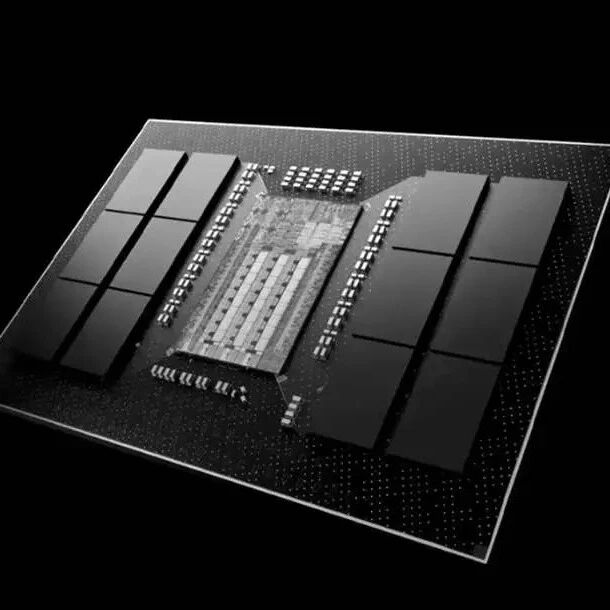
今年全球半导体销售额将增长18.8%,其中数据中心芯片的增长尤为显著,主要由美国(+6.7%) 和远东地区(+12.7%)推动。受投资前景疲软、美国补贴限制以及远东地区地理优势等因素拖 累,欧盟和英国的电子产品产量预计仅增长1.5%。 Atradius去年1月发布的报告预测,全球电子/ICT产品产量将在2026年增长10.3%, 2027年增长 6.5%,2025年则增长10.1%。今年半导体销售额预计将增长18.8%,2025年则增长22.8%,其中人 工智能数据中心芯片的销售增长将起到带动作用。 美国和远东地区的投资热潮 技术投资的强劲势头在美国(+6.7%)和远东地区(+12.7%) 尤为明显。 随着制造业产能转向尖端人工智能芯片,传统存储元件的产能正在下降。短缺和相关的价格上涨正 在影响智能手机、个人电脑、消费电子产品、电机和汽车制造商等传统买家。制造商或许仍能以更 高的价格采购存储芯片,但他们将不得不与投资人工智能的大型科技公司竞争,而这些公司通常拥 有更雄厚的财力。因此,他们要么将成本转嫁给消费者,导致需求下降,要么就不得不降低利润 率。 此外,还存在潜在的下行风险。对人工智能未来收益信心的急剧下 ...

特斯拉为何不用激光雷达?
半导体行业观察· 2026-02-16 01:58
Core Viewpoint - The article discusses the philosophical and technical divide in the autonomous driving industry, highlighting the contrasting approaches of Tesla and other companies regarding sensor fusion and reliance on camera-based systems [2][10]. Group 1: Sensor Fusion Concept - Sensor fusion combines different types of sensors to create a robust model of the vehicle's environment, leveraging the strengths of each sensor type [2]. - Cameras provide high-resolution data and can interpret complex visual environments but are affected by poor weather and low light [2]. - Radar excels in measuring distance and speed, functioning well in adverse weather, but has lower resolution and cannot identify object types effectively [3]. - LiDAR creates precise 3D maps of the environment but is costly and also struggles in poor weather conditions [3]. Group 2: Tesla's Historical Approach - Initially, Tesla employed a multi-sensor approach, using both cameras and radar for its autonomous driving systems, which was the industry standard [5]. - The shift began in the summer of 2021 when Tesla announced the removal of radar from its Model 3 and Model Y, opting for a camera-only system called Tesla Vision [7]. Group 3: Reasons for Abandoning Radar - Elon Musk argues that conflicting data from different sensors poses risks, leading to potential decision-making paralysis in vehicles [8]. - Tesla's engineers have pointed out fundamental flaws in radar, such as its inability to accurately identify stationary or low-reflectivity objects, which has caused issues like "phantom braking" [9]. - Tesla believes that solving visual perception is key to achieving fully autonomous driving, relying solely on its camera system to create a 3D representation of the world [10]. Group 4: Implications of Tesla's Strategy - Tesla's decision to abandon sensor fusion distinguishes its approach from competitors, representing a high-stakes gamble that has so far yielded positive results [10]. - If successful, Tesla's vision-based system could be cheaper and more scalable than competitors' sensor-heavy vehicles, but failure could lead to performance limitations that only additional sensors could overcome [10].