李迅雷金融与投资

Search documents
结构性繁荣
李迅雷金融与投资· 2025-09-13 10:07
Group 1 - The term "structural" has gained popularity since 2016, particularly in the context of supply-side structural reforms, leading to a "structural bull market" where investment opportunities are concentrated in a few sectors [1] - The real estate market has also experienced a structural shift, with a growing number of cities showing price declines rather than uniform increases, indicating a divergence in market performance [1] - Shanghai's luxury real estate market is thriving, with high-end properties seeing significant price increases, contrasting with the overall downward trend in the national housing market [2][3] Group 2 - Shanghai's luxury market is characterized by strong demand, with high-value properties consistently selling out, indicating a robust appetite for premium real estate despite broader market challenges [3][7] - The price of new luxury apartments in Shanghai has risen sharply, with some projects experiencing price increases of over 16% within a year, highlighting the resilience of high-end real estate [3][4] - The disparity in real estate performance between Shanghai and other cities can be attributed to factors such as urbanization trends, income inequality, and a scarcity of high-quality assets in the market [8][11] Group 3 - The current economic environment in China is marked by an "asset shortage," where low interest rates and declining returns on traditional investments drive wealthy individuals towards luxury real estate as a means of asset appreciation [11][14] - The overall real estate market in China remains sluggish, with a decline in sales volume and prices, yet the luxury segment in major cities like Shanghai continues to perform well [11][12] - The comparison with Japan's real estate market suggests that while Shanghai's luxury prices are increasing, they are doing so at a slower rate than Tokyo's historical declines, indicating a different market dynamic [2][4] Group 4 - The structural bull market in the stock market is driven by technological advancements, particularly in AI and semiconductor sectors, which are experiencing significant growth despite broader economic challenges [26][30] - The A-share market shows a preference for smaller companies, contrasting with the U.S. market where larger firms dominate, indicating different investment behaviors and market structures [29][30] - The ongoing transformation of China's economy is evident, with emerging industries gaining market share, suggesting a shift in investment focus towards technology and innovation [25][34]


失温时为何会感受到“热”
李迅雷金融与投资· 2025-08-31 07:05
Core Viewpoint - The article draws a parallel between human hypothermia and economic stagnation, suggesting that just as individuals can misinterpret their physical sensations in extreme cold, markets can also misinterpret economic signals, leading to false perceptions of economic health [1][2]. Economic Data vs. Perception - Economic data often lags behind real-time events, leading to discrepancies between actual economic conditions and public perception [2]. - The case of Japan's "lost 30 years" illustrates how prolonged economic stagnation can occur despite seemingly positive data, as evidenced by Japan's CPI growth from 1991 to 2021 being only 7.5% [2][5]. Japan's Economic Stagnation - Japan's per capita GDP in 1991 was $28,666, peaking at $38,467 in 1994, but by 2024, it is projected to be only $32,420, indicating a significant decline when adjusted for inflation [5][7]. - The Nikkei 225 index peaked at 38,900 points in 1989 but fell to around 8,700 points by 2012, reflecting a long-term economic decline [7][10]. Policy Misjudgments - Japanese authorities underestimated the impact of the real estate bubble burst, leading to ineffective policy responses that failed to stimulate recovery [10][11]. - The Bank of Japan's delayed shift from tight to loose monetary policy contributed to prolonged deflation, with interest rates remaining high until 1995 [11]. Ineffective Fiscal Policies - Japan's fiscal policies oscillated between expansion and contraction, lacking coherence and effectiveness, which hindered economic recovery [11][12]. - Public works spending increased significantly in the 1990s, but much of it was directed towards low-impact projects in declining regions, resulting in wasted resources [12][14]. Lessons from Japan's Experience - Japan's experience highlights the importance of targeted investment in sectors that can drive growth, rather than indiscriminate infrastructure spending [23][27]. - The need for a coherent industrial policy to foster new industries is critical, as Japan has struggled to innovate in emerging sectors like technology and renewable energy [17][23]. Conclusion - The article emphasizes that while increasing public investment can stabilize growth, it must be strategically directed to avoid economic imbalances and ensure effective use of resources [27][28].

大国债务:经济增长的代价
李迅雷金融与投资· 2025-08-15 05:46
Group 1 - The core viewpoint of the article is that the rising macro leverage ratio in China, which has exceeded 300%, reflects the cost of economic growth, and this trend is analyzed in comparison with the leverage ratios of the US, Japan, and Germany [1][2][38] - The macro leverage ratio in China has increased significantly from 239.5% in 2019 to 286.5% in 2024, indicating a faster growth in debt compared to nominal GDP growth [2][34] - The article highlights that the increase in leverage is primarily driven by government departments and state-owned enterprises, with the government leverage ratio rising from 59.6% in 2019 to 88.4% in 2024 [15][29] Group 2 - The article breaks down the macro leverage ratio into three components: household, non-financial enterprises, and government, showing that the leverage ratio of non-financial enterprises in China has risen significantly since 2022, primarily due to state-owned enterprises [9][12] - The leverage ratio of households in China has remained relatively stable, with minor fluctuations, while the leverage ratios of non-financial enterprises and government have shown more pronounced changes [6][15] - The article notes that the increase in government leverage in China is not solely linked to international economic crises, suggesting a potential weakening of the effectiveness of counter-cyclical policies [26][29] Group 3 - The article discusses the impact of nominal GDP growth on leverage ratios, indicating that despite higher real GDP growth in China compared to the US, the nominal GDP growth has been slower, contributing to the rising leverage ratio [39][40] - It emphasizes the importance of improving the efficiency of debt resource utilization to lower the macro leverage ratio, suggesting that enhancing labor productivity and technological advancement are crucial [46][49] - The article concludes that China faces a situation of "debt before wealth," where the macro leverage ratio is high relative to per capita GDP, indicating a need for structural reforms to address the underlying economic issues [46][47]

以旧换新:换什么乘数效应更大
李迅雷金融与投资· 2025-08-05 13:20
Core Viewpoint - The article discusses the implementation of a "trade-in for new" policy starting in 2024, supported by special government bonds, aimed at boosting consumer spending in various sectors, including automobiles and home appliances [1][2]. Group 1: Policy Implementation and Financial Support - The "trade-in for new" policy will begin in 2024 with a funding of 150 billion yuan, increasing to 300 billion yuan in 2025, with an expanded range of supported consumer goods [1][3]. - The policy is expected to drive sales exceeding 1.3 trillion yuan in sectors such as automobiles, home appliances, and electric bicycles [1][6]. Group 2: Subsidy Details and Categories - The 2025 policy will cover five major categories, including the scrapping of high-emission vehicles and the purchase of new digital products [3][4]. - Subsidy standards vary by category, with electric vehicles receiving up to 20,000 yuan per unit, while home appliances can receive up to 20% of the sales price as a subsidy [4][5]. Group 3: Sales Impact and Estimates - In the first half of 2023, central subsidies of 162 billion yuan led to sales exceeding 1.6 trillion yuan, indicating a strong multiplier effect from the subsidies [6][13]. - The estimated net increase in sales due to the trade-in policy for various categories shows that lower-priced items, such as home appliances and electric bicycles, have a more significant impact on sales growth [20][22]. Group 4: Recommendations for Policy Optimization - Suggestions include expanding the subsidy scale to maintain consumer spending growth and adjusting policies to ensure broader access to benefits, particularly for lower-income groups [23][24]. - The article emphasizes the need for a systemic approach to the trade-in policy, highlighting its indirect benefits on overall consumption beyond the targeted categories [25].

政治局会议将如何影响你所关心的“价格”
李迅雷金融与投资· 2025-07-30 15:50
Economic Policy and Market Outlook - The Politburo meeting on July 30 provided a framework for economic development over the next five years and set the stage for the second half of 2023's economic policies [1] - The absence of explicit mentions of "real estate" in the recent meeting indicates a shift in focus, although the need to stabilize the housing market remains critical [3] - The meeting emphasized maintaining liquidity and promoting a decline in comprehensive financing costs, suggesting a potential for interest rate cuts in the future [2] Stock Market Dynamics - The Shanghai Composite Index has rebounded over 30% since last year, indicating a positive trend in the stock market, which the meeting aims to consolidate [4][5] - The effectiveness of measures taken by the Central Huijin Investment Ltd. and other entities in stabilizing the stock market has been acknowledged, but further support from fundamental economic conditions is necessary for continued growth [5] Commodity Prices and Supply Chain Management - Recent rebounds in commodity prices are contingent on supply-demand dynamics, with the government focusing on regulating excessive competition rather than merely raising prices [6][7] - The meeting highlighted the need for capacity management in key industries, including photovoltaic, cement, and automotive sectors, to ensure sustainable growth [6] Macro Policy Adjustments - The macroeconomic policy has shifted towards increased investment in consumer spending and improving living standards, with a notable rise in government leverage [8] - The government's ability to implement counter-cyclical policies is crucial for boosting confidence and stimulating demand in the face of economic contraction [8]

下半年:还将出台哪些新政策?
李迅雷金融与投资· 2025-07-22 13:30
Core Viewpoint - The article discusses the economic performance in the first half of the year, highlighting a GDP growth of 5.3% and the need for continued policy support to achieve the annual growth target of 5% in the second half of the year. It anticipates the introduction of new policies to stimulate the economy in response to various challenges [1][2]. Economic Performance - The actual GDP growth in the first half of the year was 5.3%, with the first quarter at 5.4% and the second quarter at 5.2%, exceeding the 5% annual target. However, the GDP deflator index fell by 1.2% in the second quarter, marking nine consecutive quarters of negative growth in the index, indicating a supply-demand imbalance [2][3]. - The growth in the first half was primarily driven by proactive policies and early consumer demand stimulation, particularly through the "trade-in" policy, which significantly boosted consumption [3][4]. Consumption and Investment - Social retail sales increased by 5% year-on-year, with notable growth in categories related to the "trade-in" policy, such as home appliances and communication equipment, which saw retail sales growth of 30.7%, 25.4%, 24.1%, and 22.9% respectively [3][4]. - Fixed asset investment grew by only 2.8% year-on-year, with infrastructure investment up by 4.6% and manufacturing investment by 7.5%. However, real estate investment declined by 11.2%. Equipment investment surged by 17.3%, contributing 86% to total investment growth [6][7]. Trade and Export - Exports showed resilience, with a 5.9% year-on-year increase in dollar terms, despite a 10.9% decline in exports to the U.S. The diversification of exports helped mitigate the impact of reduced U.S. demand [9][10]. Economic Concerns - Despite positive data, there are concerns about potential weaknesses in the economy, particularly in consumer spending, manufacturing investment, and real estate. The article notes that the base effect from last year's policies may lead to weaker economic data in the second half [12][14]. - Real estate sales and prices have shown signs of decline, with new housing sales down by 3.5% and sales revenue down by 5.5% year-on-year in the first half [17][18]. Policy Outlook - The article anticipates that the government will focus on targeted policies rather than large-scale stimulus, with an emphasis on optimizing existing budgets and addressing specific economic challenges [20][21]. - Consumption policies may be refined to benefit lower-income groups and stimulate demand, while investment strategies will likely shift towards infrastructure projects to counteract declining manufacturing and real estate investments [22][25]. Monetary Policy - The monetary policy is expected to remain supportive, with potential for minor adjustments such as a small reduction in reserve requirements or interest rates, particularly in response to global economic conditions [26][27]. Structural Issues - The article emphasizes that the main issues facing the Chinese economy are structural rather than total output, suggesting that a focus on domestic and international circulation and supply-demand relationships is crucial for understanding economic pressures [18][29].

从“资产荒”角度看“内卷”的深层原因
李迅雷金融与投资· 2025-07-19 06:51
Group 1 - The article discusses the concept of "anti-involution" and its significance in the context of supply-side structural reforms, emphasizing the need to analyze the root causes of involution to effectively address it [1] - The capital market is experiencing two main trends: a decline in risk appetite and a decrease in risk-free investment returns, leading to an "asset shortage" phenomenon [1][2] - The yield on China's 10-year government bonds dropped to a record low of 1.55% in April, indicating a persistent "asset shortage" that affects both capital markets and the real economy [1] Group 2 - The profit margins of large-scale manufacturing enterprises have been declining, with profit rates falling from 5.35% in 2021 to 4.25% in the first five months of 2024 [2][5] - The revenue generated per 100 yuan of assets for large-scale manufacturing enterprises has decreased from 107 yuan in 2022 to 85.2 yuan in the first five months of 2024 [2][5] - The phenomenon of "involution" in competition is characterized by price wars among enterprises, leading to increased volume without corresponding revenue or profit growth [5] Group 3 - The export price index for China's goods has dropped by 15% from January 2023 to September 2024, indicating a significant decline compared to other emerging economies [8] - The average accounts receivable period for large-scale manufacturing enterprises has increased from 54 days in 2022 to 71.7 days in the first five months of 2024, reflecting financial pressures [11] - The capacity utilization rate for large-scale manufacturing enterprises has decreased from 75.8% in 2022 to 74.2% in the first half of 2024, highlighting the oversupply situation [12] Group 4 - The increase in manufacturing investment has outpaced overall investment growth since 2021, with manufacturing investment growth rates exceeding overall rates by 8.6 to 6 percentage points from 2021 to 2024 [15] - Local governments are incentivized to boost manufacturing investment to meet GDP targets, leading to potential overcapacity in certain sectors [21][23] - The manufacturing sector has seen significant investment in new industries, with production in solar batteries, lithium batteries, and electric vehicles exceeding global demand [26] Group 5 - Consumer spending is closely tied to income expectations, with urban non-private unit average wage growth slowing from 6.7% in 2022 to 2.8% in 2024 [29][30] - The high savings rate in China, at 42.49% in 2023, reflects a preference for low-risk assets over riskier investments, contributing to the "asset shortage" [39][40] - The income distribution disparity, where the top 20% of households account for 45.5% of disposable income, hampers overall consumption growth [35][46] Group 6 - The article draws parallels between the current "anti-involution" movement and the supply-side structural reforms of a decade ago, highlighting the need for a shift in focus from supply-side measures to stimulating consumer demand [56][62] - The current economic environment differs significantly from that of ten years ago, with reduced potential in real estate demand and a more cautious consumer sentiment [57][58] - The strategies for "anti-involution" should include reducing excess capacity, minimizing ineffective investments, and increasing household income to stimulate consumption [62]

人民币可否尝试惊险一跃
李迅雷金融与投资· 2025-07-01 10:40
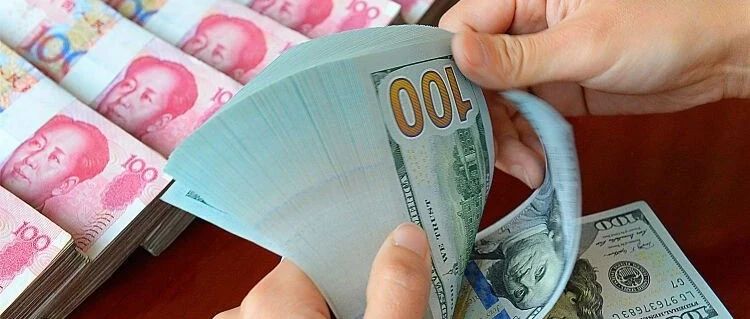
Core Viewpoint - The article discusses the slow progress of RMB internationalization compared to China's growing global economic status, exploring the feasibility and implications of accelerating this process from the perspective of "liquidity premium" [1]. Group 1: Current State of RMB Internationalization - The current level of RMB internationalization is not commensurate with China's economic scale, with RMB's share in foreign exchange trading, international payments, trade financing, and reserve currency significantly lower than its GDP share [4][5]. - RMB's share in global payments is estimated to be around 8%, with a significant portion of international payments occurring in Hong Kong [4][11]. - Historical data shows that accelerating RMB internationalization does not necessarily lead to depreciation; for instance, after the 2005 exchange rate reform, the RMB appreciated against the USD for nine consecutive years [4][27]. Group 2: Factors Influencing RMB Internationalization - The RMB market exchange rate is undervalued compared to its purchasing power parity (PPP) rate, indicating a high liquidity premium due to insufficient global liquidity [4][28]. - The current excessive liquidity of the USD, which constitutes 48.46% of global payment currency and 57.8% of reserve currency, creates a situation where the USD is overvalued [47][48]. - The external environment, including the declining USD index and rising US debt pressure, presents a favorable opportunity for RMB internationalization [40][41]. Group 3: Recommendations for Accelerating RMB Internationalization - Suggestions include further opening the capital account, providing exchange convenience for enterprises and residents, and studying the legislation of RMB stablecoins to enhance RMB's international payment and settlement roles [56][62]. - The article emphasizes the need for the central bank to gradually reduce its holdings of USD assets and increase gold reserves, which would enhance RMB's credibility [63][67]. Group 4: Economic Implications of RMB Internationalization - Accelerating RMB internationalization is expected to facilitate China's economic transformation, allowing for a potential reduction in GDP growth targets as the RMB appreciates [68][69]. - The internationalization of the RMB can help Chinese enterprises grow stronger by attracting foreign investment into the A-share market and supporting overseas mergers and acquisitions [10][73].
中国人口往何处去(2025年简洁版)
李迅雷金融与投资· 2025-06-21 01:18
Group 1: Economic Impact of Population Changes - The core argument is that population changes significantly influence economic dynamics, particularly through the dependency ratio, which affects labor supply and economic contributions [1][2][3] - The dependency ratio in China has shifted from 7 dependents per 10 working-age individuals in 1980-2010 to 4.8 dependents per 10 currently, with projections indicating further increases in dependency ratios by 2050 [2][3] - The historical context shows that the population boom from 1962-1974 led to a substantial economic growth period, with GDP growth averaging around 10% during 1980-2010, contrasting with the slower growth in the U.S. [1][2] Group 2: Birth Rate and Population Forecasts - The birth rate in China is projected to decline significantly, with new births expected to drop below 900 million by 2025 and potentially fall below 700 million by 2035 [5][8] - The adjustment of birth rate models reflects a more pessimistic outlook, with 2024's new births estimated at 9.54 million, lower than previous optimistic forecasts [4][5] - Factors contributing to the declining birth rate include delayed marriages and changing societal attitudes towards family and child-rearing [11][12] Group 3: Migration Trends and Urbanization - Urbanization rates are slowing, with a notable decrease in the number of migrant workers and a trend of population returning to smaller provinces [12][13] - Major urban centers continue to attract population inflows, particularly in economically vibrant regions like Zhejiang and Shanghai, despite overall population declines in many provinces [14][15] - The movement of people is characterized by a shift from rural to urban areas, with a concentration in major metropolitan areas, enhancing productivity and service delivery [12][15] Group 4: Employment Trends in Manufacturing and Services - The manufacturing sector is experiencing a decline in employment, with a shift towards service industries, which are expected to absorb more labor in the future [16][17] - The service sector's contribution to GDP is increasing, with significant potential for job creation, contrasting with the stagnation in manufacturing employment [16][17] - High-tech manufacturing and service sector growth are critical for attracting population inflows, as seen in cities like Chengdu and Hefei [17]

再论:中国人口往何处去?
李迅雷金融与投资· 2025-06-19 11:50
Group 1: Population Changes and Trends - The total population of China has been decreasing since its peak in 2021, with projections indicating it will fall below 1.4 billion by 2027 and below 1.3 billion by 2039 [2][7] - The number of newborns in 2024 is expected to be 9.54 million, lower than previous predictions, with further declines anticipated in subsequent years, potentially dropping below 9 million in 2025 and 8 million in 2028 [5][6] - China entered a deep aging society in 2021, with expectations to reach super-aged status by 2032, and projections suggest it will match Japan's aging level by 2048 [8][11] Group 2: Fertility Rates and Marriage Trends - Fertility rates among women aged 15-29 are higher than those in Japan and the UK, but rates for women aged 30-49 are significantly lower, indicating a need for policies that encourage childbirth among older women [2][16] - The declining marriage rate is attributed to gender imbalance and educational disparities, with a notable surplus of males in younger age groups and a higher number of educated women than men in higher education [25][30] - The average marriage age in China is lower than in several developed countries, yet the overall fertility rate remains low, suggesting that early marriage does not necessarily lead to higher birth rates [16][17] Group 3: Urbanization and Migration Trends - Urbanization rates are slowing, with the annual growth rate dropping from 1.4 percentage points to approximately 0.8 percentage points post-2021, while the urbanization rate is projected to reach 67% by 2024 [32][36] - The proportion of migrant workers moving across provinces is decreasing, with an increasing average age of migrant workers, indicating a trend towards local employment rather than migration [39][40] - Major urban areas continue to attract population inflows, with cities like Suzhou, Nanjing, Shenzhen, and Guangzhou experiencing significant net population increases, reflecting ongoing urbanization trends [46][51] Group 4: Economic Implications of Population Changes - The share of the secondary industry in GDP is declining, while the tertiary sector is expected to grow, with projections indicating that the tertiary sector will account for 63% of GDP by 2024 [57][59] - Employment in the secondary industry has been decreasing since 2012, with a notable drop in industrial employment numbers expected to continue [59][64] - The aging population and rising dependency ratios will increase demand for services, suggesting a need for policies that support the growth of the service sector [65][70]