盐财经

Search documents
寒武纪,新股王
盐财经· 2025-08-28 09:56
Core Viewpoint - The rise of Cambrian's stock price, surpassing Kweichow Moutai, signifies a shift in market valuation towards technology stocks, reflecting increased investor focus on growth potential in the tech sector [5][7]. Group 1: Cambrian's Performance - Cambrian's stock price closed at 1587.91 yuan, with a daily increase of 15.73%, surpassing Kweichow Moutai's 1446.10 yuan [3]. - Cambrian reported a revenue of 2.881 billion yuan for the first half of 2025, a staggering year-on-year growth of 4347.82%, and a net profit of 1.038 billion yuan, reversing a previous loss of approximately 530 million yuan [4]. - The company has mastered key technologies for complex chip physical design at advanced processes like 7nm, successfully applying them to several chip designs [4]. Group 2: Market Context - Nvidia's Q2 revenue reached $46.7 billion, a 56% year-on-year increase, but its stock fell post-earnings due to lower-than-expected guidance, contrasting with Cambrian's strong performance [3]. - The semiconductor sector, particularly domestic computing power and self-controllable technologies, is expected to be a long-term trend, with domestic chip suppliers likely to benefit from increased procurement by local enterprises [4]. - The stock market has seen Kweichow Moutai decline over 3% this year, while Cambrian has surged over 120%, indicating a significant shift in investor sentiment towards tech stocks [6].




房东税来了?全国房东都急了
盐财经· 2025-08-28 09:56
Core Viewpoint - The article discusses the upcoming implementation of the "Housing Rental Regulations" and the public's concern regarding the so-called "landlord tax," which many believe will ultimately be passed on to tenants [3][5][18]. Summary by Sections Housing Rental Regulations - The "Housing Rental Regulations" will take effect on September 15, emphasizing the necessity for landlords and tenants to register rental contracts with local property management departments [5][20]. - The regulations establish a framework for information sharing between property management and tax departments, leading to public speculation that contract registration equates to tax collection [5][20]. Tenant Concerns - Tenants like Shen Lin express worries that any tax obligations will be transferred to them by landlords, especially in cases where landlords have a history of poor communication and management [6][14]. - The article highlights that the concept of tax obligations related to rental contracts is not new, as tax responsibilities have existed prior to the new regulations [11][17]. Legal and Tax Implications - Legal experts clarify that while the regulations mandate registration, the tax obligations for rental income have always been present, and landlords are typically responsible for these taxes [15][20]. - The article notes that the complexity of the rental market often leads to disputes over who is responsible for tax payments, with landlords frequently assuming that tenants will cover these costs [15][18]. Market Dynamics - The article discusses how the supply and demand dynamics in the rental market influence whether landlords can pass tax burdens onto tenants, with many tenants lacking bargaining power [15][18]. - The regulations aim to stabilize the rental market and protect tenant rights, addressing issues of instability and short rental periods [24][26]. Conclusion - The article concludes that while the focus is currently on tax obligations, the true impact of the regulations will be better understood once they are implemented, shifting the discussion towards tenant rights and protections [34][35].

拼多多创业第10年:短期净利让利于商,藏大局观
盐财经· 2025-08-27 09:39
Core Viewpoint - Pinduoduo, celebrating its tenth anniversary, has transitioned from a disruptor to a builder in the e-commerce landscape, focusing on long-term value creation rather than short-term gains [2][22]. Group 1: Business Strategy - Pinduoduo has adopted a "counter-cyclical" approach by not engaging in the current fierce competition for traffic, instead launching a "100 billion support plan" and a "trillion-level" support strategy for merchants [4][8]. - The company's Q2 2025 financial report showed a revenue of 1,040 billion yuan, a 7% year-on-year increase, while net profit decreased by 4%, indicating a strategic choice to prioritize long-term growth over immediate profits [4][5]. - Pinduoduo's cash and short-term investments reached 387.1 billion yuan, a 16.4% increase from the end of 2024, reflecting a robust financial position [4][5]. Group 2: Merchant Support - The "100 billion support plan" has significantly reduced operational costs for millions of merchants, with promotional service fee refunds exceeding 10 billion yuan, allowing many merchants to save millions annually [5][8]. - The "trillion-level" support initiative extends beyond small and medium-sized businesses to include new and brand merchants, addressing industry pain points through reduced commissions and enhanced resource allocation [8][10]. - Pinduoduo emphasizes long-term partnerships with merchants, focusing on their stability and growth rather than short-term sales spikes [5][12]. Group 3: Agricultural Focus - Pinduoduo's commitment to agriculture is evident, with a 47% year-on-year increase in agricultural product sales, supported by initiatives like "Duoduo Good Special Products" [10][12]. - The platform has facilitated the transformation of agricultural practices, such as standardizing rice production in Hubei, leading to improved quality and efficiency [14][15]. - Pinduoduo's agricultural technology competitions aim to bridge the gap between research and practical application, enhancing productivity for farmers [12][14]. Group 4: Long-term Vision - Pinduoduo's management prioritizes the health and sustainability of its platform ecosystem, willing to sacrifice short-term profits for long-term development [19][21]. - The company is focused on enhancing supply chain efficiency and reducing logistics costs, which benefits both merchants and consumers [17][19]. - By fostering a resilient ecosystem, Pinduoduo aims to redefine the e-commerce landscape, moving away from price wars to sustainable growth strategies [21][22].


老铺黄金,“一觉醒来涨5000元”
盐财经· 2025-08-27 09:39
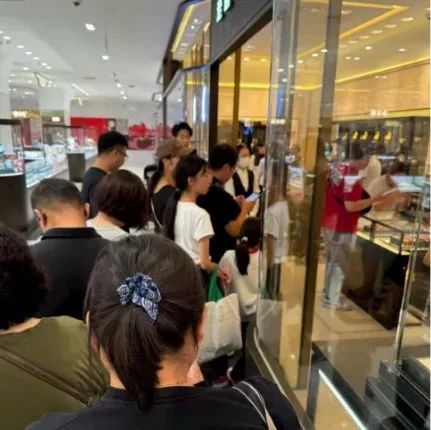
Core Viewpoint - The price of Laopu Gold has increased significantly, with most products seeing a price rise of 5% to 20% due to the substantial increase in gold prices this year [5][24]. Price Increase Details - On August 25, Laopu Gold's products on major e-commerce platforms like JD and Tmall saw price increases ranging from 1,000 to 3,000 yuan, with an average increase of 5% to 13% [2][5]. - A specific example includes a rose window pendant with red diamonds, which increased from approximately 22,000 yuan to 24,000 yuan, a rise of about 2,000 yuan (less than 10%) [5]. - Another popular item, the small-sized Vajra necklace, rose from 10,750 yuan to 13,000 yuan, marking a 20% increase [5]. Consumer Behavior - Prior to the price increase, many customers rushed to purchase items, leading to long queues at Laopu Gold stores [6][12]. - Reports indicated that customers in cities like Shanghai and Beijing faced wait times of one to two hours to enter stores [8][13][16]. Brand Positioning and Market Strategy - Laopu Gold, established in 2009, is known for promoting traditional Chinese gold craftsmanship and has positioned itself as a luxury brand, often referred to as the "Hermès of gold" [23]. - The company employs a "one-price" sales strategy, moving away from traditional pricing based on weight, with some products priced over 1,400 yuan per gram [23]. Second-Hand Market Dynamics - In the second-hand market, Laopu Gold products are now being valued based on weight rather than a fixed price, with buyback prices ranging from 760 to 770 yuan per gram [24]. - This shift indicates potential challenges for Laopu Gold, as it may lead to a decline in brand value and consumer loyalty in the long term [24]. Stock Market Performance - Laopu Gold's stock price reached a peak of over 1,000 HKD per share on July 7 but has since declined, with a current price of 748 HKD per share, resulting in a market capitalization loss of over 60 billion HKD [24].
余承东官宣“华为系最便宜”新车
盐财经· 2025-08-26 10:07
Core Viewpoint - The launch of the Shangjie H5, a collaboration between SAIC and Huawei, marks a significant step in the integration of smart technology in the automotive industry, aiming to penetrate the mainstream market with competitive pricing and advanced features [5][9]. Group 1: Product Launch and Features - The Shangjie H5, the first model from the SAIC-Huawei HarmonyOS collaboration, was unveiled before the Chengdu Auto Show, with a starting pre-sale price of 169,800 yuan and over 25,000 orders within the first hour of its announcement [5][6]. - The vehicle features Huawei's ADS 4 intelligent driving assistance system, with a range of 1,360 km for the range-extended version and up to 655 km for the pure electric version [6]. Group 2: Market Strategy and Competition - The strategy of HarmonyOS is to leverage smart technology to capture market share in a rapidly growing segment of new energy vehicles, facing competition from models like BYD Song PLUS DM-i and Leap C10 [9]. - Huawei's high costs for smart technology pose challenges in pricing models, with the goal of producing vehicles under 200,000 yuan being particularly difficult [9]. Group 3: Collaboration and Future Goals - The partnership between Huawei and SAIC aims to combine Huawei's technological capabilities with SAIC's manufacturing and supply chain strengths, facilitating a more effective entry into the mainstream market [9][10]. - The Shangjie brand is backed by a significant investment of 6 billion yuan and aims to establish a dedicated team of over 5,000 people, with a focus on achieving a sales target of one million units for HarmonyOS by the end of the year [10].


这座一线城市,正在疯狂建大学
盐财经· 2025-08-26 10:05
Core Viewpoint - Shenzhen has rapidly transformed its higher education landscape over the past 45 years, achieving significant advancements in university rankings and educational quality, which challenges traditional perceptions of educational development timelines [2][3][4]. Group 1: Historical Context and Development - Shenzhen's first university, Shenzhen University, was established in just eight months in 1983, showcasing the city's commitment to rapid educational development [6][8]. - The city recognized that to compete with established universities in Beijing and Shanghai, it needed to adopt unconventional strategies, such as forming partnerships with prestigious institutions [7][11]. - By 2000, Shenzhen had already begun to establish graduate schools in collaboration with top universities, indicating a proactive approach to enhancing its educational offerings [8][12]. Group 2: Financial Investment in Education - In 2024, Shenzhen allocated 102.06 billion yuan to education, with over 20% of its fiscal budget dedicated to this sector, highlighting the city's prioritization of higher education [13]. - The budget for higher education in 2025 is set at 179.3 billion yuan, accounting for nearly 46% of the total education expenditure, underscoring the importance placed on this area [13][14]. - Shenzhen University leads the budget allocation with 7.51 billion yuan, followed by Southern University of Science and Technology with 5.36 billion yuan, indicating a strong financial commitment to these institutions [14]. Group 3: Educational Ecosystem and Innovation - Shenzhen's higher education ecosystem includes a variety of institutions, from comprehensive universities to specialized research universities, all contributing to a diverse educational landscape [15]. - The city emphasizes "practicality" in education, aligning academic programs with industry needs, which is evident in the establishment of specialized programs at Shenzhen Technology University [19][22]. - The integration of education and industry, termed "deep integration of production and education," is a key strategy for aligning educational outcomes with the demands of the local economy [20][22]. Group 4: Challenges and Future Directions - Despite rapid growth, there is an acknowledgment that cultural and educational depth takes time to develop, and institutions are beginning to address this need [26]. - The balance between practical skills and a broader educational foundation is crucial, as highlighted by the emphasis on humanities and interdisciplinary studies at various universities [26][27]. - As the higher education landscape evolves, the focus on producing strategic scientists capable of addressing complex challenges remains a long-term goal for Shenzhen's educational institutions [36].

董宇辉分手暴富,俞敏洪还在煎熬
盐财经· 2025-08-25 09:41
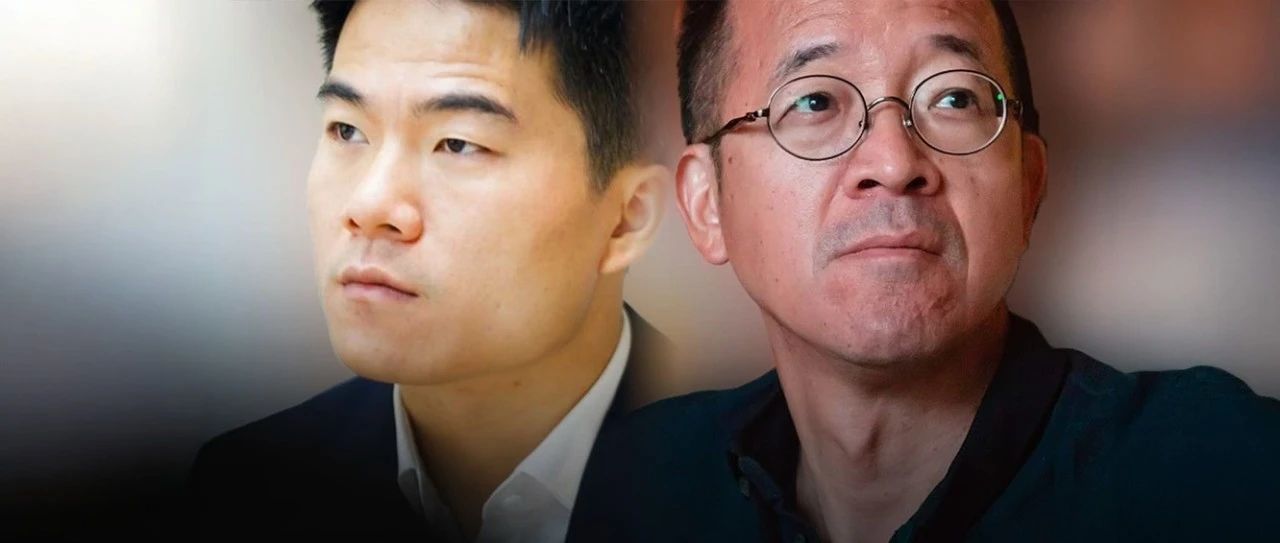
Core Viewpoint - The article discusses the recent turmoil surrounding Dong Yuhui's departure from Dongfang Zhenxuan and its impact on the company's stock price and financial performance, highlighting the challenges and strategic shifts the company faces in the live e-commerce industry [2][4][6]. Financial Performance - Dongfang Zhenxuan's revenue for the fiscal year 2025 was 4.4 billion RMB, down 32.7% from 6.5 billion RMB in the previous year [5][8]. - The company's total GMV decreased from 143 billion RMB to 87 billion RMB, with paid orders on Douyin dropping from 1.81 billion to 916 million [9][8]. - Despite a net profit of only 6.2 million RMB, the company showed signs of recovery by turning a profit in the second half of the year after a loss of 96.5 million RMB in the first half [8][10]. Strategic Shifts - The company is increasing its focus on self-operated products, with self-operated GMV accounting for 43.8% of total sales, up 3.8 percentage points from the previous year [9][10]. - Dongfang Zhenxuan launched 732 self-operated products, a nearly 50% increase from 488 the previous year, expanding its product categories [9][10]. - The company aims to reduce its reliance on Douyin, with 60-70% of sales currently dependent on the platform, and is investing in its own app to enhance membership and customer engagement [28][29]. Market Reactions and Challenges - The stock price of Dongfang Zhenxuan experienced significant volatility, with fluctuations exceeding 40% in a short period due to market rumors and uncertainties surrounding management changes [4][13]. - The departure of key figures like Dong Yuhui has raised questions about the company's ability to maintain its competitive edge in a market heavily reliant on individual influencers [21][36]. - The administrative expenses increased by 22.5% to 484.8 million RMB, partly due to profit distribution related to Dong Yuhui's exit [12][13]. Industry Context - The article positions Dongfang Zhenxuan's struggles as reflective of broader challenges in the live e-commerce sector, where the relationship between influencers and companies is increasingly complex [25][36]. - The company is attempting to transition from a reliance on live streaming to a more sustainable business model focused on product quality and supply chain management [26][28]. - The success of competing platforms like "Yuhui's Journey" demonstrates the potential for personal brands to thrive independently, posing a challenge for Dongfang Zhenxuan to redefine its strategy [30][34].
华为拿下红旗
盐财经· 2025-08-25 09:41
Core Viewpoint - The collaboration between Hongqi and Huawei is expected to enhance Hongqi's market position and product offerings, particularly in the high-end vehicle segment, leveraging Huawei's technology solutions [4][10][20]. Group 1: Collaboration Details - Hongqi and Huawei will launch a new model in 2024 that incorporates Huawei's full-stack solutions, including advanced driving and smart cabin technologies [4][6]. - The first model from this collaboration is the "Hongqi 9 Series," although the specific type (sedan, SUV, or MPV) remains unclear [6]. - This partnership is seen as a strategic move for Hongqi to improve its market presence, especially given its current reliance on lower-priced models [10][12]. Group 2: Market Position and Challenges - Despite being positioned as a high-end brand, Hongqi's main sales come from lower-priced models, indicating a disconnect between brand perception and market performance [10][12]. - In 2024, Hongqi's electric vehicle sales accounted for only 28% of total sales, highlighting challenges in its transition to electric mobility [12]. - The reliance on the ride-hailing market for sales has limited Hongqi's brand premium, suggesting that without its historical significance, it might struggle to differentiate itself from competitors [15][16][17]. Group 3: Industry Trends - All eight major state-owned car manufacturers in China have adopted Huawei's intelligent vehicle solutions, indicating a growing trend towards collaboration with Huawei in the automotive sector [25][26]. - The competitive landscape among domestic car manufacturers is intensifying as they all seek to leverage Huawei's technology to gain market advantages [41][42]. - There are indications that more car manufacturers are considering partnerships with Huawei, reflecting a shift in the industry dynamics [42][43].
雅诗兰黛净利大跌390%
盐财经· 2025-08-24 09:04
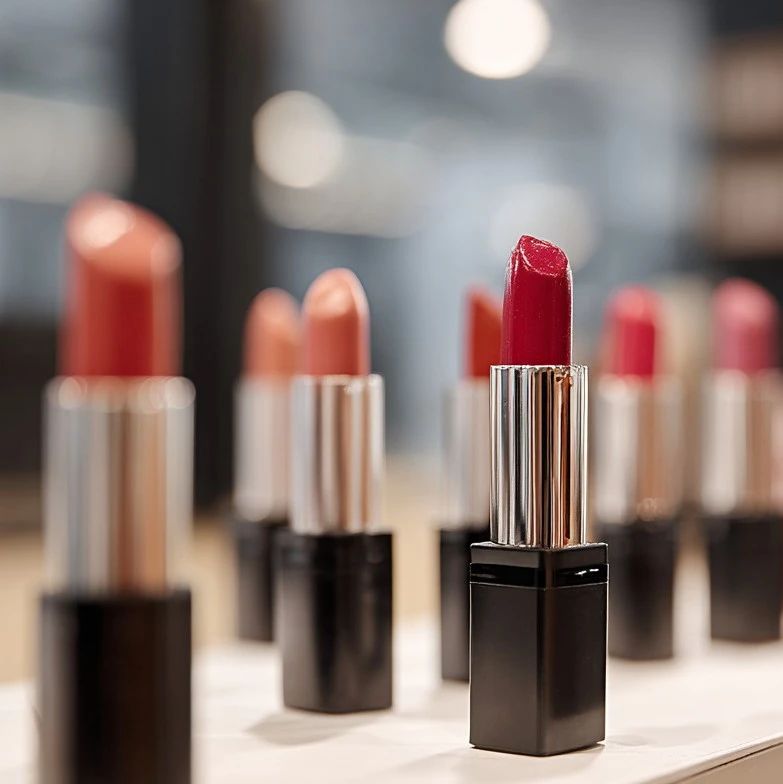
Core Viewpoint - Estée Lauder has reported its largest loss in two decades, with a net sales decline of 8% to $14.326 billion and a staggering 390% drop in net profit, resulting in a loss of $1.133 billion for the fiscal year 2025 [4][6]. Financial Performance - For fiscal year 2025, Estée Lauder's net sales were $14.326 billion, down 8% year-over-year, and net profit plummeted from $390 million to a loss of $1.133 billion [4][6]. - The stock price fell nearly 15% following the earnings report, closing at $91.23, down from $374.2 at the beginning of 2022 [4][6]. - Morgan Stanley maintains a "neutral" bearish rating on Estée Lauder, predicting a potential decline of over 20% in the stock price over the next 12 months [6]. Product Category Performance - The majority of Estée Lauder's main product categories saw significant declines, with skincare and scalp care down 12% and 10% respectively, and makeup down 6% [9]. - The only category that showed growth was the fragrance segment, which remained stable, with brands like Le Labo contributing to double-digit growth [13][14]. - The decline in makeup sales was attributed to poor performance from the M·A·C brand and a $159 million expense related to a talc lawsuit settlement [9]. Market Trends and Consumer Behavior - There is a noticeable shift in consumer preferences towards cost-effective and ingredient-safe products, impacting Estée Lauder's high-end positioning [10]. - From 2021 to 2024, the compound annual growth rate for high-end beauty in China is expected to decline by 3%, with the market size shrinking from 257.8 billion yuan to 236.4 billion yuan [10]. - The fragrance market in China is still in its infancy, with a penetration rate of only 5%, compared to 40% in Western markets, indicating significant growth potential [13]. Strategic Changes and Future Outlook - Estée Lauder's management is optimistic about achieving organic sales growth in fiscal year 2026 and aims to restore operational profitability [6][11]. - The company plans to restructure its regional framework, with China being reported as an independent region starting from Q1 of fiscal year 2026 [7]. - The CEO has initiated significant operational changes, including a global layoff target of approximately 7,000 positions, with over 3,200 already cut [11]. Challenges Ahead - Despite the current performance of the fragrance segment, there are concerns about sustaining growth due to increasing competition from established luxury brands [15]. - The overall beauty market is becoming more competitive, and Estée Lauder must adapt to rapidly changing consumer preferences to remain relevant [16].
医美行业,风向变了
盐财经· 2025-08-24 09:04
Core Viewpoint - The medical beauty industry in China faces a significant trust crisis, with a high number of illegal practitioners and a growing demand for personalized aesthetic treatments. Companies like Meituan are stepping in to bridge the trust gap between consumers and medical institutions through initiatives like the "North Star Medical Beauty List" [3][4][5]. Group 1: Industry Challenges - The number of illegal practitioners in China's medical beauty industry is nine times that of compliant practitioners, and the number of black clinics is six times that of regular clinics [3]. - There is a growing consumer demand for medical beauty services, particularly among younger demographics aged 20-34, who are increasingly seeking personalized aesthetic solutions [3][4]. Group 2: Meituan's Initiatives - Meituan aims to be a "third party" to resolve trust issues between users and institutions by launching the "North Star Medical Beauty List," which evaluates medical institutions and doctors based on strict criteria [4][7]. - The evaluation process for the North Star List includes input from ten leading industry professors, over 927 assessment points, and more than 364 million real user reviews [7][15]. Group 3: Consumer Behavior - Consumers are increasingly willing to invest rationally in beauty treatments, with a significant portion of demand focused on maintenance and anti-aging projects, showing a year-on-year growth rate exceeding 30% for non-invasive treatments [9][10]. - Safety concerns regarding the quality of drugs, compliance of institutions, and qualifications of doctors remain the primary worries for consumers in the medical beauty sector [10][12]. Group 4: Data-Driven Solutions - Meituan has developed a dual-track evaluation system that combines medical professionalism and user reputation to enhance consumer decision-making efficiency and service experience [13][15]. - The platform has introduced a "Rest Assured Beauty" service that collaborates with regulatory bodies to ensure the traceability of medical products, aiming to standardize non-standardized services in the medical beauty industry [23][38]. Group 5: Market Expansion - The North Star List reflects the ongoing expansion and prosperity of the offline medical beauty ecosystem, with more institutions in lower-tier cities gaining visibility and brand recognition [40][41]. - The list has also included institutions from Hong Kong, indicating a merging of the medical beauty markets between Hong Kong and mainland China [41]. Group 6: Future Directions - Meituan plans to introduce AI-driven tools to support marketing, consulting, and operations for medical institutions, aiming to embed itself deeper into the industry's value chain [44][45]. - The company is committed to building credibility and enhancing its product capabilities while innovating supply chain models to support the transformation of medical beauty institutions [45].