东京烘焙职业人

Search documents
【书籍专题 · 亚洲咖啡西点 】你真的了解黄油吗?一篇文章带你成为黄油专家!
东京烘焙职业人· 2025-07-04 02:06
Core Viewpoint - Butter, also known as cream or white oil, is derived from milk and is a rich source of fat, vitamins A and D, but contains high levels of saturated fatty acids and cholesterol, making it less nutritious than whole milk [3][4]. Summary by Sections What is Butter - Butter is extracted from milk through a process involving centrifugation and vigorous agitation, leading to the separation of fat from water, resulting in a pale yellow substance [3]. - It is a good source of fat-soluble nutrients, including vitamins A, D, and small amounts of vitamin K and carotene, but has lower calcium and protein content compared to whole milk [3]. Uses of Butter - **Increase Satiety**: Butter is rich in fat, which helps maintain body temperature, protects internal organs, provides essential fatty acids, and promotes the absorption of fat-soluble vitamins [7]. - **Promote Body Development**: Contains essential trace elements like copper, which significantly impact blood and central nervous system functions [8][9]. - **Improve Anemia**: Natural butter can alleviate anemia symptoms caused by unsaturated fatty acids or margarine [10]. Types of Butter - **Salted and Unsalted Butter**: Salted butter has a slightly salty taste, ideal for spreading on bread and making sandwiches, while unsalted butter retains its original flavor, suitable for cooking and baking [10][11]. - **Sweet and Raw Butter**: Sweet butter is made from pasteurized cream, while raw butter is made from fresh or cultured cream without pasteurization, offering a purer butter flavor [14][15]. - **Anhydrous and Acidic Butter**: Anhydrous butter contains about 99.9% fat and is easy to handle in baking, while acidic butter retains a unique milk aroma and flavor [16][17]. Butter Preparation - For baking cakes and cookies, butter should be softened to a paste-like consistency without becoming oily, which is crucial for proper whipping [20]. - When making buttercream, egg whites, sugar, and water are combined, and then softened butter is gradually added until a smooth consistency is achieved [21]. Comparison with Cream - The main difference between butter and cream is the fat content, with butter having a higher fat percentage. Cream is derived from the separation of whole milk, containing 20%-30% fat, and is often used in coffee and desserts [24][26].

甜面包&硬面包,烘烤前究竟该喷几次水?| 面包实验室
东京烘焙职业人· 2025-07-03 05:43
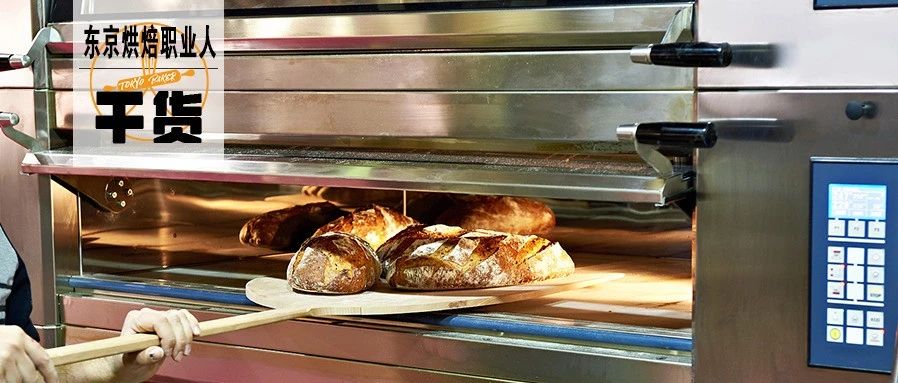
Core Viewpoint - The article discusses the importance of spraying water on dough before baking, highlighting its effects on the texture and appearance of different types of bread, specifically sweet and hard bread [1][3][45]. Group 1: Effects of Water Spraying - Spraying water on dough helps to expand the crust during baking, resulting in a crispier texture [3][8]. - The method of injecting steam into the oven originated from French bread baking techniques in the mid-19th century [5][6]. - The optimal temperature for baking bread is typically above 204 degrees Celsius, where steam injection allows the bread to expand before the crust hardens [8]. Group 2: Experimental Comparisons - An experiment was conducted comparing sweet and hard bread with varying amounts of water spray (0, 3, and 10 sprays) [10][28]. - For sweet bread, the best results were observed with 3 sprays, which provided a good balance of moisture and texture [26][27]. - For hard bread, 3 sprays also yielded the best appearance and texture, while excessive moisture led to a denser and harder product [43][44]. Group 3: Observations on Appearance and Texture - Sweet bread with no spray had a less appealing shape and texture, while 3 sprays resulted in a shiny surface and good internal structure [20][21][24]. - Hard bread without spray showed cracks and uneven baking, while 3 sprays produced a well-shaped loaf with good internal organization [36][37][40]. - The texture of sweet bread improved with moisture, while hard bread became lighter and airier with the right amount of spray [44].
【书籍专题 · 面包大全 】法式芥末香肠面包
东京烘焙职业人· 2025-07-03 05:43
Group 1 - The opening of Haidilao's bakery has been noted, with a focus on its cost-effectiveness and potential to attract more customers through the "friendly bread" concept [25] - A significant trend is observed with foreign tourists flocking to China, particularly favoring a specific type of bread [25] - An exclusive interview highlights a bakery in Suzhou that has gained recognition in the baking community through a unique product [25] Group 2 - The closure of 100,000 bakeries has raised questions about what successful shops are doing right to remain profitable [25] - The competition regarding ingredient labels is intensifying following the discontinuation of sodium dehydroacetate [25] - A comprehensive analysis of the overnight refrigeration method reveals its pros and cons, providing bakers with insights for better time management [25] Group 3 - Mastering frozen baking techniques can significantly enhance efficiency and revenue, with valuable insights shared in a recent article [25] - The use of yogurt in bread-making is highlighted, showcasing its ability to keep bread soft for extended periods [25] - A unique method for maintaining the softness of toast for four days has been shared by a renowned baking expert [25] Group 4 - A feature on a phenomenon-level bakery in Japan introduces a talented chef who is pioneering a new path in baking [25]

哈根达斯怎么把自己干成“9块9”了
东京烘焙职业人· 2025-07-03 05:43
Core Viewpoint - Häagen-Dazs, once regarded as the "Hermès of ice cream," is facing unprecedented challenges in the Chinese market, including store closures and declining sales [8][12]. Group 1: Company Performance - Häagen-Dazs' parent company, General Mills, is reportedly considering selling its ice cream stores in China for several hundred million dollars, although negotiations are still in the early stages [9][10]. - As of June 2025, Häagen-Dazs has reduced its store count in mainland China to around 250, nearly halving from over 400 at its peak [12]. - In the third quarter of fiscal year 2025, General Mills reported net sales of $4.842 billion, a 5% year-over-year decline, with a 3% drop in the Chinese market [13][15]. Group 2: Market Dynamics - The Chinese ice cream market has seen a significant shift, with local brands gaining popularity due to better alignment with consumer tastes and competitive pricing [22][24]. - DQ, a competitor, has rapidly expanded its presence in China, increasing its store count by nearly 800 since 2020, reaching 1,721 stores by April 2025 [21]. - The overall ice cream market in China is projected to reach a scale of 1,835 billion yuan by 2024, with Gelato brands experiencing particularly strong growth [24]. Group 3: Consumer Sentiment and Brand Positioning - Consumers have expressed dissatisfaction with Häagen-Dazs' pricing strategy, noting significant price differences between domestic and international markets, which has diminished its premium brand image [46][52]. - The brand has attempted to innovate by introducing new flavors and products, but it struggles to keep pace with the rapid innovation of domestic competitors [49]. - Social media discussions reflect a shift in consumer preferences, with many opting for local brands that offer better value for money [12][40].
什么是天然香料?天然橙味香料是如何制成的?
东京烘焙职业人· 2025-07-02 08:32
Core Viewpoint - The article discusses the differences between artificial and natural flavors, emphasizing the chemical processes involved in creating artificial flavors and the implications for the food industry [2][11]. Group 1: Production of Artificial Flavors - Artificial flavors are created in laboratories through chemical analysis and experimentation, primarily using esters and their derivatives as sources [3][4]. - Technicians identify the natural compounds responsible for the flavor in fruits and replicate them in the lab, such as synthesizing lemon flavor from lemon aldehyde [5][6]. - The choice of raw materials for producing these compounds often depends on profitability, with options including petroleum or pulp [7]. Group 2: Characteristics of Flavors - Natural aromas are typically subtle and pleasant, contrasting with the more volatile synthetic mixtures that activate both smell and taste [8][9]. - Artificial flavors aim to closely mimic the taste and aroma of real fruits, often compensating for the lack of authenticity [10]. Group 3: Economic Considerations - The production of artificial flavors is primarily driven by cost, as these chemical substitutes are significantly cheaper than natural flavors [11][12]. - Food manufacturers focus on providing similar or superior taste and aroma at the lowest possible cost, often disregarding the authenticity of the ingredients [12].
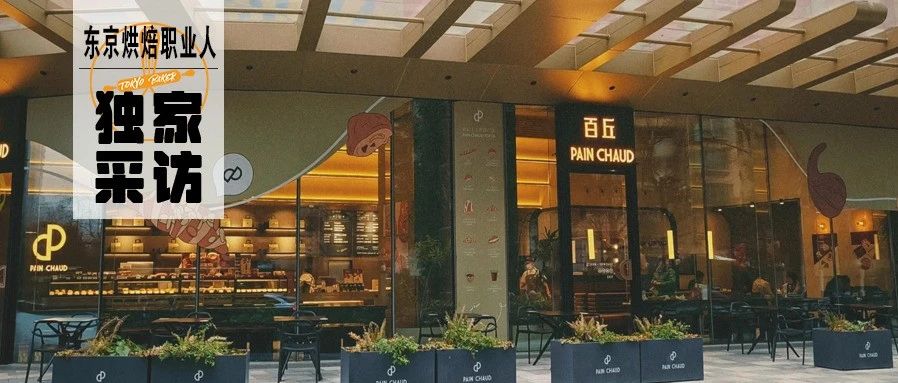
【独家专访】上海必探烘焙店!爆火12年的百丘,到底在凭什么圈粉?!
东京烘焙职业人· 2025-07-02 08:32
Core Viewpoint - The article highlights the journey and philosophy of Pain Chaud, a French bakery in Shanghai, emphasizing its unique approach to blending traditional French baking techniques with local flavors to cater to a diverse customer base [3][5][60]. Group 1: Company Background - Pain Chaud started in 2013 with its first store on Yongkang Road and has since expanded to 9 locations, becoming a benchmark for French bread in Shanghai [9][5]. - The bakery initially attracted a predominantly foreign clientele, with 70% of customers being foreigners at its inception [13]. Group 2: Founder’s Journey - The co-founder, Master Yu, has over 20 years of experience in baking, having trained under renowned French chefs, which laid the foundation for his expertise in French bread and pastries [8][6]. - The decision to open a French bakery was driven by a market gap in Shanghai, where demand for French bread was high but competition was low at the time [8][14]. Group 3: Product Philosophy - Pain Chaud focuses on using high-quality ingredients, including self-cultivated sourdough and imported French flour, to maintain authenticity in its products [14][47]. - The bakery has adapted its product line to include local flavors while preserving traditional French techniques, creating a unique blend that appeals to both local and foreign customers [18][27]. Group 4: Market Adaptation - The COVID-19 pandemic shifted customer demographics and preferences, prompting Pain Chaud to consider localizing some of its offerings while maintaining its French roots [17][21]. - The bakery aims to find a balance between traditional French baking and local tastes, incorporating ingredients like Yunnan mushrooms and pumpkin into its products [27][54]. Group 5: Future Plans - Pain Chaud plans to explore smaller, more refined store models to reduce operational pressures while maintaining product quality [50][51]. - The company is committed to developing a unique "Chinese bread language" by utilizing local ingredients and flavors in its offerings [55].
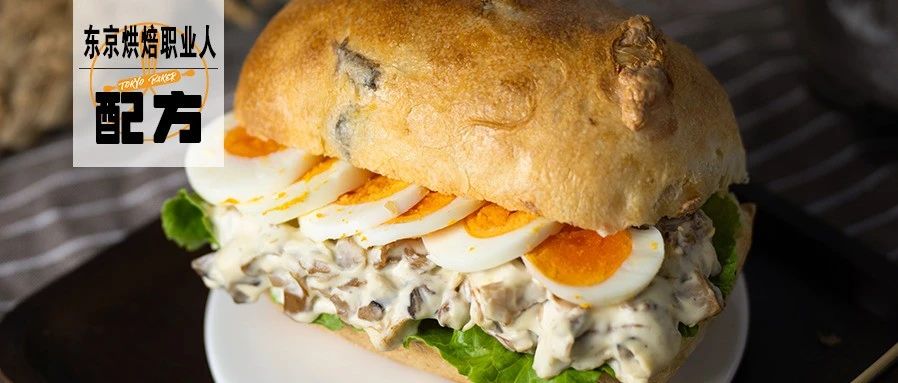
【书籍专题 · 面包大全 】咖喱牛肉面包
东京烘焙职业人· 2025-07-02 08:32
Core Viewpoint - The article discusses the evolving landscape of the baking industry, highlighting innovative techniques and successful business strategies that have emerged amidst challenges faced by many bakeries. Group 1: Industry Trends - The article mentions a significant trend of bakery closures, with 100,000 bakeries shutting down, while some continue to thrive by adopting effective business practices [22]. - It highlights the popularity of certain types of bread among international tourists in China, indicating a shift in consumer preferences [22]. - The article emphasizes the importance of ingredient transparency and competition in the baking sector following the discontinuation of "sodium dehydroacetate" [22]. Group 2: Techniques and Innovations - The article discusses the overnight refrigeration method, which bakers find both beneficial and challenging, providing insights into achieving time efficiency [22]. - It introduces the concept of frozen baking technology, which can significantly enhance efficiency and revenue for bakeries [22]. - The use of yogurt in bread-making is highlighted, showcasing its ability to maintain softness in bread for extended periods, which is a secret favored by bakers [22].

质疑恰巴塔→爱上恰巴塔,这个“丑面包”正在成为新一代烘焙届“顶流”!文末附高含水量恰巴塔食谱
东京烘焙职业人· 2025-07-01 05:07
Core Viewpoint - Ciabatta has emerged as a top favorite among young consumers, ranking among the top three bread types alongside bagels and king cakes, despite its unconventional appearance and texture [1][4]. Group 1: Market Position and Consumer Preferences - Ciabatta represents a successful case of "dislocated competition," having been created in 1982 by Italian bakers to counter the dominance of baguettes in Italy [6]. - The bread's simple ingredients—flour, yeast, water, salt, and 3% to 5% olive oil—allow it to appeal to health-conscious consumers, aligning with the trend towards minimalist diets [7]. - Its high moisture content results in a soft, chewy texture that contrasts with traditional European breads, making it more appealing to Asian palates [9][10]. Group 2: Trends in Bread Consumption - The trend of bread transitioning from a "snack" to a "staple" food is evident, with ciabatta fitting perfectly into this shift due to its convenience for eating and versatility in various culinary applications [12]. - Ciabatta's unique structure makes it ideal for holding fillings, enhancing its suitability for sandwiches and other meal formats [12][13]. - The bread's low flavor interference allows it to pair well with a variety of ingredients, making it a versatile choice for both high-end dining and street food [14]. Group 3: Production and Quality - The production process of ciabatta is friendly to both artisanal and industrial methods, allowing for longer shelf life and ease of transport [13]. - The choice of flour is critical, with CDC flour having a protein content of 11.3%, which provides the necessary gluten structure to support the high hydration levels typical of ciabatta [19]. - The quality of the flour significantly influences the final product's flavor, with CDC flour offering a clean wheat aroma and rich taste, essential for this minimalist bread [21]. Group 4: Innovation and Market Evolution - Ciabatta is driving a wave of innovation in the Chinese baking market, with creative combinations such as sour soup beef ciabatta and spicy beef ciabatta emerging [38]. - The introduction of frozen ciabatta dough and pre-baked retail options is expanding its availability, making it a more everyday product [40]. - As a result, ciabatta is becoming a signature product for many mid-to-high-end baking brands, emphasizing ingredient quality and brand differentiation [42].
【书籍专题 · 面包大全 】咖喱牛肉面包
东京烘焙职业人· 2025-07-01 05:07
Group 1 - The opening of Haidilao's bakery is expected to attract a new wave of customers with its competitive pricing strategy [24] - A significant trend is observed with foreign tourists favoring a specific type of bread during their 144-hour stay in China [24] - An exclusive interview reveals how a bakery in Suzhou gained popularity through a unique product, the "rye little bird" [24] Group 2 - The closure of 100,000 bakeries has raised questions about what successful shops are doing right to remain profitable [24] - The competition regarding ingredient labels is intensifying following the discontinuation of sodium dehydroacetate [24] - A comprehensive analysis of the overnight refrigeration method highlights its advantages for bakers seeking time efficiency [24] Group 3 - Mastering frozen baking techniques can significantly enhance efficiency and revenue for bakeries [24] - The secret behind the softness of yogurt toast after three days is revealed, showcasing why bakers prefer using yogurt [24] - Insights from Lin Yuwei on maintaining the softness of toast for four days provide valuable tips for bakers [24] Group 4 - A report on the phenomenon of the Japanese bakery AMAM Dacotan introduces a genius "culinary artist" who is pioneering a new baking path [24]

山姆与盒马,谁才是下沉市场的“王”?
东京烘焙职业人· 2025-07-01 05:07
Core Viewpoint - The competition between Sam's Club and Hema is characterized by a dual strategy of "high-end confrontation + down-market harvesting," reshaping the retail landscape in China through innovative business models focused on consumer needs and behaviors [3][4]. Group 1: Down-Market as a New Battleground - The down-market refers to the market in third-tier cities, counties, and rural areas, which constitutes the largest part of China's consumer market. The "billion-county" phenomenon is expanding, indicating strong consumer demand for high-quality products [5][6]. - Sam's Club has successfully entered the down-market, with its first store in a county-level city achieving record sales on opening day, demonstrating the strong purchasing power of consumers in these areas [5]. - Hema has also made significant strides, with 30% of its new stores in 2024 located in third-tier and county-level cities, achieving impressive sales figures that surpass some first-tier city stores [6][8]. Group 2: Motivations for Down-Market Expansion - The retreat of traditional retailers has created a market vacuum that new giants like Hema and Sam's Club are eager to fill, as evidenced by the closure of over 200 stores by Yonghui Supermarket in 2024 [8]. - Consumer upgrading trends are evident in down-markets, with Hema's new store in Xuzhou achieving sales of 45 million yuan in its first month, challenging the notion that down-market consumers lack purchasing power [8]. - Both companies are driven by internal growth needs, with Hema finally achieving profitability in 2024 and Sam's Club aiming to maintain growth momentum after surpassing 100 billion yuan in sales [8][9]. Group 3: Similarities and Differences in Strategies - Both Sam's Club and Hema emphasize product quality, leveraging their respective supply chains to offer high-quality goods to consumers [12]. - Sam's Club relies on a strong global procurement network, while Hema focuses on local supply chains and digital operations to meet local market demands [9][10]. - Hema employs a multi-format strategy, with Hema Fresh targeting high-consumption groups and Hema NB discount stores catering to price-sensitive consumers [11][12]. Group 4: Insights for the Industry - Retailers should conduct thorough market research to accurately identify target consumer groups in down-markets, tailoring their offerings accordingly [14]. - Optimizing supply chains is crucial, with lessons to be learned from Hema's local supply chain strategies and Sam's global sourcing practices [14][15]. - Emphasizing digital operations can enhance inventory management and improve consumer experience, as demonstrated by Hema's success in this area [15].