点拾投资

Search documents
安信基金李君:“固收+”的资产配置理念
点拾投资· 2025-11-03 11:00
Core Viewpoint - The article discusses the asset allocation philosophy of "Fixed Income Plus" (固收+), emphasizing its growing importance in the context of high volatility in the A-share market and the evolution of mixed investment products since 2017 [3][4][6]. Group 1: Historical Context - The "Fixed Income Plus" strategy gained popularity around 2019, with the total market size of related products expanding significantly, now exceeding ten times the size from that year [4]. - The development of "Fixed Income Plus" products has been marked by increased sophistication and risk management capabilities among fund managers, leading to a more diversified product range [3][4]. Group 2: Market Characteristics - The A-share market exhibits high volatility, with returns and volatility often positively correlated, contrasting with the U.S. market where they are negatively correlated [5][6]. - The article highlights that during bull markets, A-shares can experience rapid price increases, leading to potential bubbles that require extended periods to digest [5]. Group 3: Value of "Fixed Income Plus" - "Fixed Income Plus" products serve to help investors with asset allocation in a volatile environment, aiming to optimize risk-return profiles [6][8]. - The strategy is designed to manage both conventional volatility and tail risks, with a focus on maintaining lower drawdowns while seeking returns [15][19]. Group 4: Investment Philosophy - The investment approach for "Fixed Income Plus" differs from traditional equity funds, focusing on dual parameters: optimizing returns while minimizing drawdowns [8][11]. - The strategy emphasizes a preference for assets with favorable risk-reward ratios, often favoring lower volatility assets over high-return but high-risk options [10][12]. Group 5: Risk Management - Effective risk management involves distinguishing between regular volatility and tail risks, with a structured approach to handle unexpected market events [15][16]. - The article stresses the importance of systemic error tolerance in investment strategies, aiming for long-term stability over short-term gains [19][20].


杨岳斌:什么是“德才兼备”管理层的“才”
点拾投资· 2025-11-02 11:00
前言: 作者简介: CFA,金融MBA,多年基金从业经历。2007-2017年就职兴全基金,任趋势基金经 理。2017-2024年就职浦银安盛基金,任价值投资部总经理。2024-2025年,就职国联安基金价 值投资负责人。 在《什么是价值投资者应有的气质Temperament》一文中,巴菲特论述了伯克希尔未来的接班人 需要具备一种独特的气质,"独立思考,情绪稳定,对于那些与人类和机构的行为特征相关的知识 有着极为透彻地认知"。其中 "对于那些与人类和机构的行为特征相关的知识有着极为透彻地认 知" 部分,实际上论述的是,在公司治理中,因实控人缺位而容易引发的"代理人冲突"。这同时 也是,四个过滤器理论中的第三个过滤器——"德才兼备的管理层"中论述的"德"的问题。 根据巴菲特1998年佛罗里达大学发表的演讲(以及他在不同年代的多个场合,都不厌其烦地反复 强调),在投资当中,气质(Temperament)比智商更重要。他表示,很多超高智商的人(甚至 包括诺贝尔奖得主),因为缺乏这种气质(上述三种具体表现形式),在投资中犯下了致命的愚 蠢错误。有一年股东大会上,当巴菲特先生再次强调了,在投资中,气质的重要性超过了智商 ...
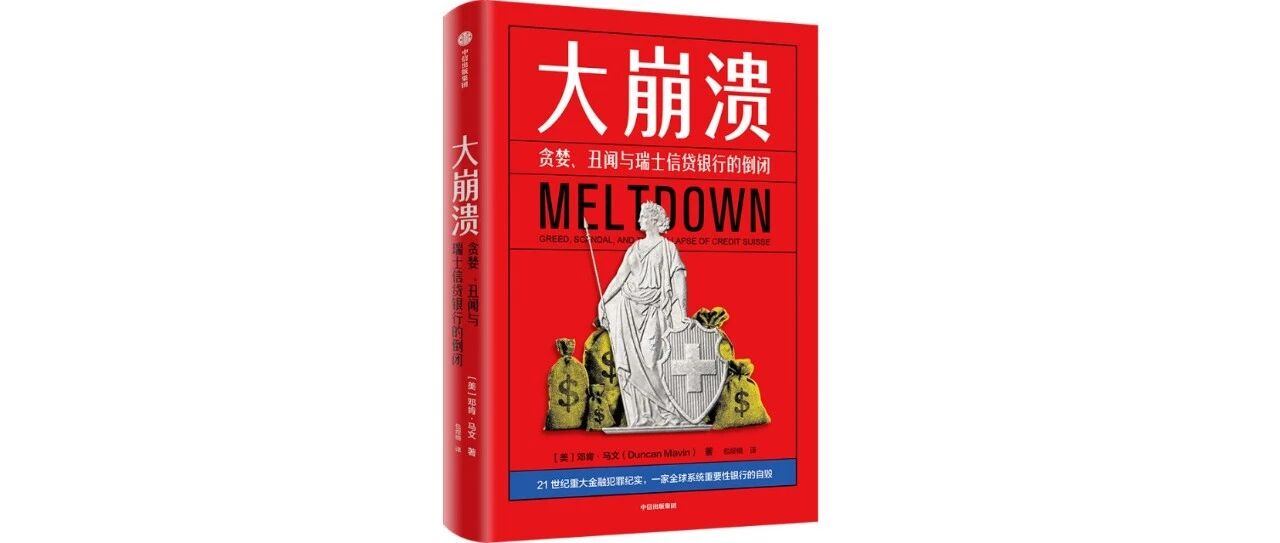
好书推荐 | 百年瑞士信贷银行:为纳粹藏钱,为特朗普贷款,却死于一条推特
点拾投资· 2025-11-01 11:00
谎言,野心不断侵蚀着每一条监管规则。 2025年10月15日,美国锡安银行和西部联盟银行分别披露两起因信贷风控漏洞遭欺诈案,两组借款人 通过伪造抵押文件、虚假陈述等手段共计骗贷超 1.6 亿美元,暴露其信贷审批尽调不足、对底层资产 核查松懈的问题。事件导致锡安银行股价单日暴跌 13%,西部联盟银行股价跌近 11%,74 家美国大 型银行总市值单日蒸发超过 1000 亿美元。 而2025年以来,国内多家银行则现高管腐败漏洞,工行、农行等机构原高管通过违规放贷、与中介勾 结、给关联方放 "空壳贷" 等牟利,涉案金额动辄数千万甚至数亿,凸显内部权力监督与风险管控的失 效。 个体的腐败与欺诈并非孤例,它折射出系统性的溃败。正如最著名且惊人的瑞士信贷银行倒塌所揭示 的: 当贪婪成为常态,为罪犯洗钱、欺诈客户成为选项,再庞大的金融帝国也会从内部崩溃。 瑞士信贷银行曾是世界最大银行之一, 成立于1856年,并被列为30家"全球系统重要性银行"之一,其 倒闭可能危及全球金融体系。该银行客户涵盖富豪、跨国公司及政府,例如 美国总统特朗普也曾是其 重要客户。 可以说, 瑞信曾是"大到不能倒"的银行。 然而它还是倒塌了。 导致其崩 ...
现在,我们怎么买指数基金赚稳稳的钱?
点拾投资· 2025-10-31 07:32
Core Viewpoint - The article emphasizes the importance of index investing for ordinary investors, particularly in the context of the Chinese A-share market, which is more volatile compared to the S&P 500. It suggests that a well-structured index fund strategy can help mitigate risks and achieve stable returns [3][4]. ETF Product Introduction - Warren Buffett recommends investing in the S&P 500 index fund for its cost-effectiveness and simplicity, cautioning against trying to time the market or select specific stocks [3]. - The article highlights the challenges faced by domestic investors in finding a suitable broad-based index similar to the S&P 500 due to the volatility of the A-share market [3]. Investment Strategy - The company has developed an all-weather index fund portfolio that adapts to the domestic market, allowing for easy one-click investment, currently available on JD Finance [4]. - The portfolio aims to achieve absolute returns through global asset allocation, focusing on high-quality assets while diversifying to smooth out volatility [6]. Portfolio Composition - The portfolio includes a mix of bonds, stocks, and currencies, with a focus on maintaining a controlled risk profile [7][9]. - The current holdings feature a significant allocation to bond assets, complemented by equity and commodity investments, ensuring diversification across different asset classes [14][16]. Performance Metrics - The portfolio has shown stable performance despite market fluctuations, achieving an absolute return since inception, with a recent one-month increase of 1.48% and a year-to-date increase of 6.79% [11][12]. - The strategy employs a quantitative approach to asset selection, aiming for risk parity across different asset classes, which helps in maintaining stability [10]. Future Outlook - The company remains optimistic about dividend-paying stocks and has allocated funds to both value and growth indices, including technology-focused investments [16]. - Gold is included in the portfolio as a hedge against inflation, reflecting its low correlation with other asset classes and its safe-haven characteristics [17]. Investment Accessibility - The portfolio is exclusively available on JD Finance, allowing investors to participate with a minimum investment of 200 yuan, and the company has committed to investing 2 million yuan in the fund within the year [19][20].

对谈景顺长城新生代基金经理:如何掘金新时代?
点拾投资· 2025-10-30 00:04
Core Viewpoint - The article discusses the insights and investment philosophies of four emerging fund managers from Invesco Great Wall Fund, highlighting their unique styles and approaches to identifying investment opportunities in various industries [1][25]. Group 1: Investment Philosophies of Fund Managers - Zeng Yingjie focuses on identifying high-quality companies by analyzing industry trends and competitive advantages, particularly in the automotive and new energy sectors [4][6]. - Wang Kaiduan employs a cyclical and balanced investment approach, emphasizing independent thinking and avoiding industry rotation and timing bets [9][10]. - Liu Lisi prioritizes deep research and concentrated holdings, believing that thorough understanding leads to better investment decisions and long-term gains [14][16]. - Zhang Feipeng, an expert in the internet sector, emphasizes the importance of differentiation in business models and focuses on a limited number of high-quality companies [19][21]. Group 2: Zeng Yingjie's Investment Strategy - Zeng categorizes industry trends into four phases based on penetration rates, identifying optimal investment windows during the acceleration of growth [6]. - He emphasizes the importance of product quality, management capability, and the ability to evolve as key factors in assessing high-quality companies [7]. - Zeng is optimistic about new technologies in the new energy sector, storage demand, and the growth of intelligent driving [6][7]. Group 3: Wang Kaiduan's Investment Framework - Wang's investment framework is influenced by his background in machinery, focusing on macro and micro cycles to identify investment opportunities [9][10]. - He divides the industry lifecycle into six stages, from demand introduction to recovery, and tailors his investment strategy accordingly [10][11]. - Wang uses a "black and white list" approach to filter companies, concentrating on those with strong competitive advantages and sound financials [12][13]. Group 4: Liu Lisi's Research-Driven Approach - Liu believes that deep research is essential for generating excess returns, focusing on companies where he has pricing power and a long-term investment horizon [15][16]. - He emphasizes the importance of tracking and validating investment opportunities through extensive research [17][18]. - Liu's investment style is characterized by a diversified portfolio across technology, manufacturing, and cyclical sectors, while maintaining a focus on high-quality companies [18]. Group 5: Zhang Feipeng's Focus on Internet Sector - Zhang's investment strategy is shaped by his extensive experience in the internet industry, where he identifies companies with strong differentiation capabilities [19][21]. - He employs a systematic process for evaluating potential investments, ensuring a high level of understanding before committing capital [22]. - Zhang is particularly interested in the impact of AI on traditional internet businesses and seeks companies that can leverage these innovations for growth [23].

是时候配置均衡风格的主动权益基金了
点拾投资· 2025-10-29 03:58
Core Viewpoint - The article discusses the resurgence of active equity funds, highlighting their recent outperformance compared to the CSI 300 index, particularly in a structural market environment that favors growth opportunities [1][2]. Group 1: Active Equity Fund Performance - Over the past three years, active equity funds have underperformed the CSI 300 index, leading to skepticism about their ability to generate excess returns [1]. - As of October 24, the Wind偏股基金指数 recorded a return of 32.39%, significantly outperforming the CSI 300 index's 14.68% during the same period [1]. - Historically, active equity funds have outperformed the CSI 300 index during growth structural opportunities in years such as 2010, 2015, and 2019 to 2021 [1]. Group 2: Recommended Balanced Funds - The article identifies three balanced fund products from Southern Fund that are suitable for investors lacking specific sector or style selection capabilities: 1. 南方智信混合 (managed by Zhang Yanmin) 2. 南方智弘混合 (managed by Jin Lanfeng) 3. 南方港股通优势企业 (managed by Luo Shuai) [2][3]. - These funds are characterized by their ability to control drawdowns in bear markets while capturing gains in bull markets, making them ideal for investors who prefer a hands-off approach [2]. Group 3: Fund Manager Insights - Zhang Yanmin's 南方智信混合 achieved a return of 54.80%, outperforming its benchmark by 30.87% since inception [5]. - Jin Lanfeng's 南方智弘混合 recorded a return of 48.25%, surpassing its benchmark by 20.29% within its first year [12]. - Luo Shuai's 南方港股通优势企业 achieved a total return of 28.87%, outperforming its benchmark by 18 percentage points over more than four years [20]. Group 4: Investment Strategies - Zhang Yanmin emphasizes a diversified investment approach, focusing on both the probability of success and the price at which assets are acquired, adapting to market style rotations [7][9]. - Jin Lanfeng employs a cyclical investment framework, making tactical adjustments based on market conditions and focusing on less crowded investment opportunities [15][16]. - Luo Shuai's strategy involves maintaining a balanced portfolio of high-quality companies, adapting to market conditions while seeking growth opportunities in the Hong Kong market [22][23]. Group 5: Conclusion on Balanced Products - The three identified balanced funds are suitable for ordinary investors seeking stable returns, with a focus on minimizing maximum drawdowns and enhancing adaptability in various market environments [27].

拆解鹏华基金闫思倩,在极致产业趋势捕获阿尔法
点拾投资· 2025-10-28 11:01
Core Viewpoint - The article discusses the investment philosophy of Yan Siqian, a fund manager at Penghua Fund, emphasizing her focus on high-growth sectors such as new energy vehicles and artificial intelligence, and her ability to capture industry opportunities despite market volatility [1][4][28]. Group 1: Investment Performance - Yan Siqian's managed products have shown an average return of 83.94% over the past year, significantly outperforming the CSI 300 index during the same period [1]. - The performance metrics of her funds indicate a maximum drawdown of 26.39% and an annualized volatility of 36.13% [1]. - All products managed by Yan Siqian have achieved positive returns since their inception, showcasing her effective management strategy [3]. Group 2: Investment Philosophy - Yan Siqian's investment philosophy is heavily influenced by her early focus on Tesla, which she views as a model of non-linear growth and innovation [6][10]. - She believes that enduring volatility is essential to realize significant returns, as evidenced by Tesla's stock performance over the years [10][26]. - The acceleration of technological development is a key theme in her investment approach, where she emphasizes the importance of surviving the initial phases of innovation to benefit from subsequent growth [11][12]. Group 3: Sector Focus - Yan Siqian has concentrated her investments in sectors with high growth potential, particularly in the electric vehicle and AI industries, which she believes are transformative [28]. - Her investment strategy has evolved to include smart vehicles and robotics, aligning with Tesla's innovations in these areas [12][17]. - The focus on disruptive technologies is a hallmark of her investment style, as she seeks to identify companies that can lead in these rapidly changing sectors [18][29]. Group 4: Characteristics of Investment Strategy - Yan Siqian's investment strategy is characterized by a strong focus on product strength and entrepreneurial spirit, which she considers crucial for identifying successful companies [18]. - She emphasizes the importance of understanding the underlying technology and market dynamics, which allows her to make informed investment decisions [22][25]. - The article highlights her optimistic outlook and proactive approach to identifying opportunities, even during market downturns [25][30].


专访汇添富韩贤旺:“选股专家”的“指能添富”之路
点拾投资· 2025-10-26 23:33
Core Viewpoint - The article discusses the significant shift towards index investing in the asset management industry over the past decade, highlighting how companies like Huatai Fund have adapted their strategies to thrive in this environment, positioning themselves as "active selectors" in the index investment space [1][2]. Group 1: Strategic Insights - Huatai Fund's strategy is driven by product development and strategic services, leveraging strong research capabilities to create forward-looking product systems that meet client needs [7]. - The firm emphasizes the importance of rule-based investment, where the lines between active and passive investing are increasingly blurred, necessitating a structured approach to investment [6][8]. - The "Zhineng Tianfu" brand represents Huatai's commitment to enhancing index investment through active research methodologies, aiming to provide long-term value to investors [7][8]. Group 2: Market Trends and Adaptation - The firm identifies three major shifts in ETF user demand: retail investors transitioning to index funds, increased institutional allocation to equity assets, and the rise of third-party platforms as key distribution channels [15]. - Huatai Fund has observed that the market's volatility and structural changes have made it more challenging to achieve excess returns through traditional active strategies, prompting a strategic pivot towards index products [4][5]. Group 3: Product Development and Innovation - The design and operation of ETF products are crucial, with Huatai Fund focusing on innovative product design and efficient operations to enhance investor experience and drive organic growth [11][12]. - The firm has successfully launched targeted ETFs, such as the Hong Kong Stock Connect Technology 30 ETF, which strategically excludes certain sectors to better meet investor needs [11][12]. - Continuous innovation in index products is a priority, with plans to explore new ETF types that align with domestic market trends and investor preferences [16]. Group 4: Client Engagement and Service - Huatai Fund emphasizes the importance of understanding client needs and providing tailored asset allocation solutions, ensuring high-quality service and engagement [9][15]. - The firm actively educates investors and maintains communication during market fluctuations to build confidence and support informed decision-making [18]. - A comprehensive approach to product lifecycle management is adopted, focusing on pre-launch precision, post-launch support, and maintaining product liquidity and efficiency [17].

投资大家谈 | 长城基金“科技+”:科技成长仍是热点,AI依然是其中主线
点拾投资· 2025-10-25 11:00
Core Viewpoints - The current market is experiencing fluctuations due to a combination of cautious sentiment and external catalysts, particularly affecting the technology sector, but this may be a process of "chip digestion and accumulation" rather than a fundamental downturn [1] - The North American technology investment continues to increase, and domestic advancements in computing power are progressing rapidly, indicating a solid foundation for future growth in the tech industry [1] Group 1: Market Outlook - The domestic economy is stable, with key variables such as fiscal policy, investment, and consumption being monitored closely, while external factors like US-China trade tensions may cause fluctuations [2] - The upcoming "14th Five-Year Plan" is expected to provide important guidance for future investment directions [2] - The market is likely to experience a style switch in the fourth quarter, particularly in November, with potential shifts from large-cap growth stocks to other sectors [5][6] Group 2: Investment Opportunities - There are structural investment opportunities driven by AI in various sub-sectors, with a focus on industries experiencing rapid demand growth and favorable pricing [3] - The AI hardware sector is highlighted as a key area for investment, particularly in chip design, computing infrastructure, and consumer electronics [4] - The technology growth sector, including AI applications, semiconductors, and domestic computing power, is expected to remain a hot direction for investment [7] Group 3: Sector-Specific Insights - The focus on AI applications and autonomous control in sectors like semiconductor materials and military semiconductors is emphasized, with expectations for significant growth in these areas [12] - Emerging consumer sectors, including cultural consumption forms, are also seen as having substantial growth potential, particularly with successful domestic IP products gaining international traction [8] Group 4: Performance Expectations - The fourth quarter will see a focus on companies with strong third-quarter earnings forecasts, particularly in growth sectors like AI and domestic computing power [11] - The overall sentiment remains positive towards equity markets, driven by supportive policies and a favorable macroeconomic environment [13]

交银施罗德刘迪:用多资产配置追求稳稳的幸福
点拾投资· 2025-10-24 02:07
Core Viewpoint - The market's preference for low-volatility products remains unchanged even after a year since 924, with investors shifting between various asset classes. The CSI 300 index saw a decline after two consecutive years of over 25% gains, while the China Bond Index achieved an 8.83% return in 2024, the best since 2018. Investors are seeking low-volatility, stable products amidst high volatility in equity assets and low yields in bonds [1][3]. Multi-Asset FOF Fund Highlights - The recent launch of the multi-asset fund by Jiao Yin Schroder focuses on low-volatility products, aiming to provide a stable holding experience through diversified asset allocation [3][4]. - The multi-asset team at Jiao Yin Schroder emphasizes a user-centric approach to portfolio construction, aiming to reduce volatility and improve long-term holding experiences for investors [5][6]. Differentiation of the Multi-Asset Team - The Jiao Yin Schroder multi-asset team distinguishes itself by focusing on risk-return stability rather than chasing high returns, prioritizing the reduction of portfolio volatility [5][6]. - The team employs a quantitative framework for product management, ensuring consistent quality control across different market conditions [6][20]. User Experience Enhancement - The increasing macroeconomic volatility has shifted investor demand towards diversified financial products, as traditional stock and bond mixes struggle to provide stable returns [9][11]. - The Jiao Yin Schroder multi-asset fund incorporates a range of asset classes, including domestic bonds, equities, gold, and overseas equities, to achieve true diversification and mitigate risks [9][11]. Benefits of Multi-Asset Allocation - Multi-asset allocation is viewed as a "free lunch" in investing, as adding low-correlated assets can significantly reduce portfolio volatility without sacrificing returns [11][24]. - The fund aims for a smoother return distribution over time, allowing investors to achieve consistent returns regardless of market timing [24][25]. Strategic Asset Allocation - The fund's core asset allocation includes domestic bonds and equities, with additional allocations to gold and overseas assets to optimize risk-return characteristics [26][28]. - The maximum allocation to risk assets is capped at 25%, ensuring a balanced approach to diversification and risk management [29]. Risk Management Framework - A comprehensive risk management system is in place, involving pre-emptive management, real-time monitoring, and post-event adjustments to maintain the fund's risk budget [19][43]. - The team emphasizes disciplined investment practices, with a structured approach to adjusting asset allocations based on market conditions and risk assessments [20][44]. Team Collaboration and Expertise - The multi-asset team benefits from a collaborative environment, leveraging quantitative analysis and in-depth research to enhance investment decisions [46][47]. - The team's established systems for assessing asset volatility and product performance contribute to their competitive advantage in the multi-asset space [47][48].