BYD(01211)

Search documents
“自主一哥”易主?
Hua Er Jie Jian Wen· 2026-02-04 09:39
Core Viewpoint - The automotive industry is experiencing a significant shift as sales decline across most brands, with Geely surpassing BYD in January sales, marking a pivotal moment in the market dynamics [1][2]. Group 1: Sales Performance - Geely's January sales reached 270,200 units, reflecting a 1% year-on-year growth and a 14% month-on-month increase [4]. - BYD's sales for January were reported at 210,000 units, indicating a competitive landscape where Geely has reclaimed its position as the leading domestic brand [1][4]. - Geely's sales structure showed a notable increase in its China Star series, which sold 134,448 units, up 86% month-on-month, and the high-end series surged by 160% [4]. Group 2: Market Dynamics - The automotive market is at a critical turning point after five years of rapid electrification, with the competition between new energy vehicles (NEVs) and fuel vehicles becoming more pronounced due to policy changes [1][9]. - The reduction of purchase tax incentives has led to a significant drop in the retail penetration rate of NEVs, falling from nearly 60% in December 2025 to approximately 44.4% in January 2026 [5][6]. - The new purchase tax policy, which shifted from full exemption to a 50% reduction, has increased the cost of NEVs, making them less competitive against fuel vehicles [6][9]. Group 3: Strategic Implications - Geely's success in January is attributed to its dual strategy of maintaining both fuel and electric vehicle offerings, allowing for greater flexibility in the current market environment [3][4]. - The market is transitioning from a policy-driven growth model to one focused on value, where companies must enhance efficiency and innovation to survive [9][11]. - Industry experts predict a slowdown in NEV growth to around 8% for the year, down from 30% in the previous year, indicating a challenging environment ahead [11].


奇瑞与比亚迪开始启动加拿大业务筹备工作
Zhong Guo Qi Che Bao Wang· 2026-02-04 09:32
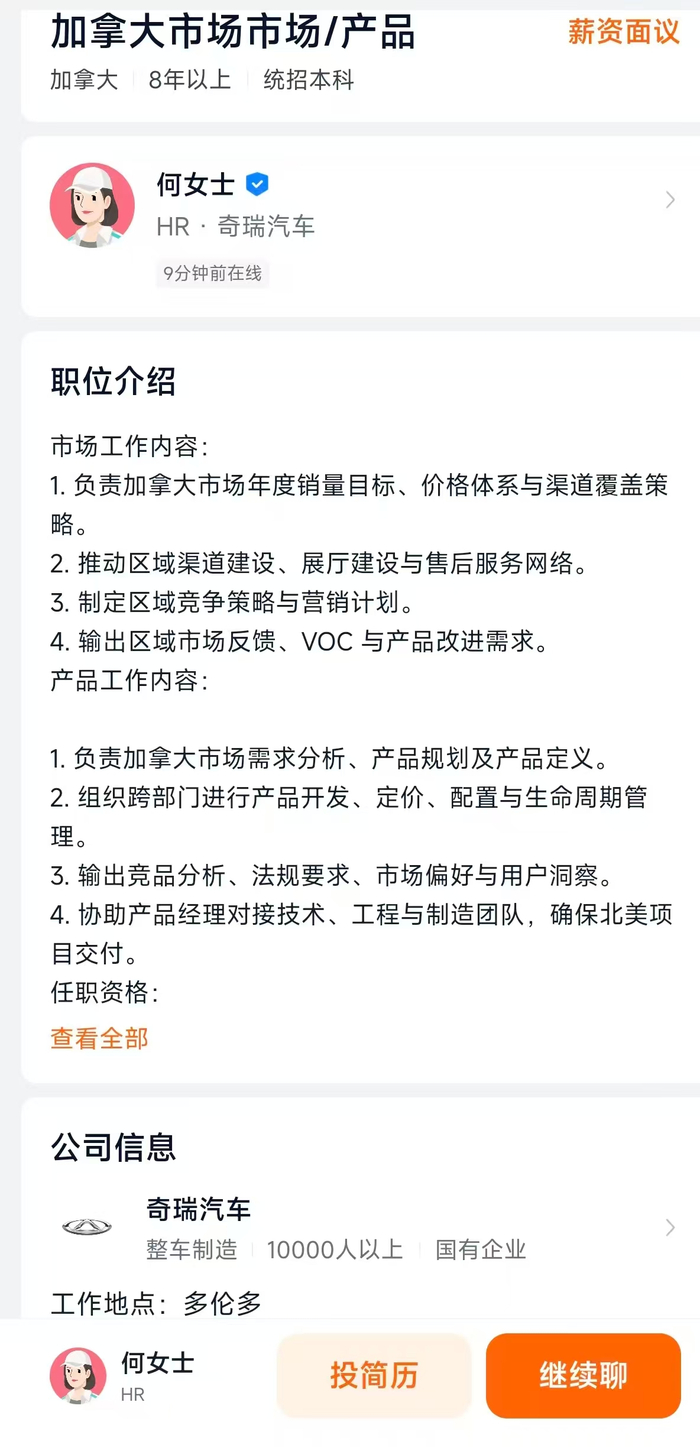
在加拿大针对中国电动车的关税政策持续调整之际,中国汽车公司在该国市场释放出试水信号。新 闻注意到,奇瑞正通过系统化招聘,为整车进入加拿大市场推进前期筹备。上个月,加拿大总理马克· 卡尼访华期间宣布,对中国产电动汽车给予每年4.9万辆的配额,配额内适用6.1%的最惠国关税。有媒 体报道称,该配额在未来五年内有望上调。此外,他还表示,超过一半中国产电动汽车将低于3.5万加 元(约18.2万元人民币左右)。 ...
2025年狂卖460.2万辆!比亚迪首次跻身全球车企集团销量前五【附新能源汽车行业市场分析】
Qian Zhan Wang· 2026-02-04 09:24
Core Insights - BYD has achieved a significant milestone by entering the top five global automotive groups in 2025, with total sales of 4.602 million vehicles, surpassing traditional giants like General Motors, Ford, Honda, and Nissan [2] - The company's rapid ascent can be characterized as a "three-year leap," moving from ninth place in 2023 to sixth in 2024, and finally to fifth in 2025 [2] - BYD's strategy of focusing solely on electric vehicles (EVs) has positioned it as a leader in the global EV market, having sold 1.8635 million units in 2022, maintaining its status as the world's top seller of new energy vehicles [2] Domestic Market Performance - In the domestic market, BYD remains unchallenged, leading the Chinese automotive market in 2025 and achieving a milestone of producing its 15 millionth new energy vehicle [4] - The company's sales in the Chinese market have solidified its position at the top of the sales rankings [4] International Expansion - BYD's explosive growth in overseas markets has been a key driver for its success, with cumulative sales of passenger cars and pickups reaching 1.0496 million units in 2025, a 145% increase year-on-year [4] - The company has expanded its presence to 119 countries and regions, achieving record sales in core markets such as Brazil, Germany, and the UK [4] - In Europe, BYD has surpassed Tesla in sales, with new car registrations in Germany exceeding Tesla's by more than double, and sales in the UK also surpassing Tesla's figures [4] Technological Advancements - BYD's competitive edge stems from its robust technological foundation and comprehensive supply chain, including innovations like blade batteries, DM-i super hybrid technology, and the e-platform 3.0 [5] - The company's vertically integrated supply chain ensures cost control and rapid iteration capabilities [5] Leadership and Vision - BYD's chairman, Wang Chuanfu, emphasizes the company's technological leadership in the Chinese EV sector, claiming a 3-5 year lead in product and industry chain innovation [8] - The company has transformed from a traditional automaker to a strong player in the manufacturing sector, reflecting the evolution of Chinese manufacturing from "large but weak" to "large and strong" [8]

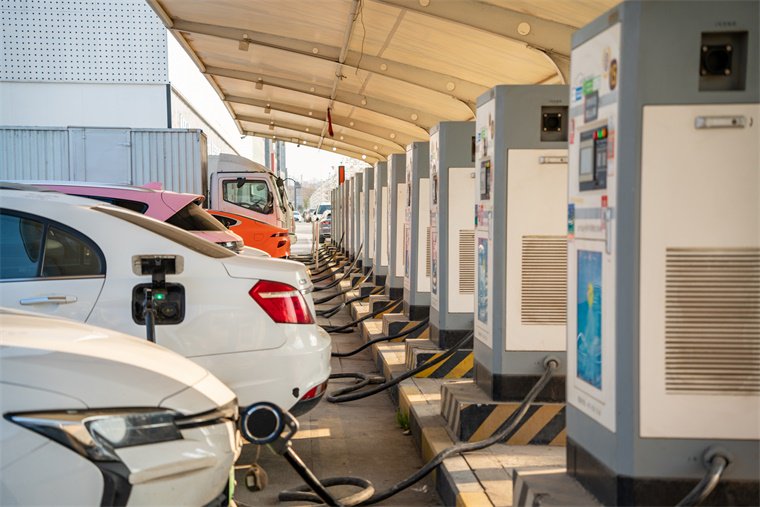
告别退税红利 动力电池出海硬仗开打
Zhong Guo Qi Che Bao Wang· 2026-02-04 09:23
Core Insights - The recent policy adjustment regarding export tax rebates for battery products marks a significant shift in China's battery industry, transitioning from a phase of government support to one driven by market forces [2][3][4] Policy Changes - The Ministry of Finance and the State Taxation Administration announced a phased reduction of the export VAT rebate for battery products, decreasing from 9% to 6% starting April 1, 2026, and eliminating it entirely by January 1, 2027 [2] - This follows a previous reduction from 13% to 9% in November 2024, indicating a tightening of policies as the industry matures [2][4] Industry Maturity - The adjustment reflects the industry's evolution, where leading companies like CATL and BYD have established significant market shares and technological advantages, reducing reliance on export rebates [3][4] - By 2025, the cumulative installed capacity of domestic power batteries is projected to reach 769.7 GWh, a year-on-year increase of 40.4% [3] Competitive Landscape - The removal of export tax rebates is expected to eliminate low-price competition that has been detrimental to industry profitability, pushing companies towards rational competition [4][11] - The current market share of Chinese power batteries stands at 60%, with energy storage batteries at 80%, indicating a transition to a market-driven phase [4] Export Strategies - Companies are responding to the impending cost increases by accelerating production and securing orders before the policy changes take effect [6][7] - The adjustment is prompting a surge in exports as firms seek to mitigate profit pressures and explore new markets [5][8] Long-term Implications - The industry is expected to shift from price competition to value competition, emphasizing technological upgrades and product performance [10][11] - Companies are encouraged to optimize supply chains and explore global production capacities to maintain competitiveness [10][11]

【出海头条】奇瑞与比亚迪开始启动加拿大业务筹备工作
Xin Lang Cai Jing· 2026-02-04 08:45
Core Viewpoint - Canadian government is adjusting tariffs on Chinese electric vehicles, creating opportunities for Chinese automotive companies like Chery to enter the Canadian market [1][6] Group 1: Market Entry and Strategy - Chery is actively recruiting for approximately 10 positions in North America, focusing on vehicle engineering, safety, electronic architecture, intelligent driving, and regulatory certification [1][6] - The Canadian government has announced a quota of 49,000 Chinese electric vehicles per year, with a favorable tariff rate of 6.1% for vehicles within this quota [1][6] - Chery's recruitment strategy indicates a dual-location approach, with product and market roles based in both Wuhu, China, and Toronto, Canada, suggesting a centralized decision-making process [6][11] Group 2: Industry Context and Competitors - Chery has been a leader in China's automotive exports, with a reported export volume of 1.344 million vehicles in 2025, marking a 17.4% year-on-year increase [6][8] - The Canadian automotive market is projected to sell 1.9 million vehicles in 2025, with major brands like GM, Ford, Toyota, and Hyundai-Kia holding over half of the market share [9] - Compared to Chery, BYD has already registered its vehicles for potential export to Canada, indicating a more advanced stage in market entry preparation [10][11] Group 3: Challenges and Opportunities - Chery's expansion into Canada is seen as a strategic move to establish a presence in a market that is less politically sensitive than the U.S., while still being closely linked to the North American supply chain [9][11] - The Canadian market presents challenges such as high competition and consumer sensitivity to brand quality and after-sales service [9] - Analysts suggest that Chery's current efforts are more about positioning for future opportunities rather than immediate sales, allowing for the accumulation of experience in mature markets [11][12]
车主称压缩机故障频发要求退款退车遇阻,澎湃介入后已解决
Xin Lang Cai Jing· 2026-02-04 08:13
Core Viewpoint - A consumer reported multiple failures of the air conditioning compressor in a BYD Song L EV, leading to a request for a refund, which was complicated by the vehicle's mileage and warranty conditions [1][3][4]. Group 1: Consumer Experience - The consumer purchased the BYD Song L EV for approximately 208,000 yuan and initially experienced no issues until January 2025, when the air conditioning compressor began to malfunction [2]. - After the first repair, the compressor failed again in May 2025, and a friend who purchased the same model also faced similar issues, raising concerns about product quality [2][3]. - By December 2025, the compressor failed for a third time, resulting in additional damage to the air conditioning system and the high-voltage battery pack, necessitating further replacements [2][3]. Group 2: Dealership Response - The dealership claimed that the vehicle did not meet the conditions for a refund due to the mileage exceeding 80,000 kilometers, which is beyond the statutory warranty limit of 50,000 kilometers within two years [4]. - The dealership offered a compensation plan and a low-priced purchase option for a test drive vehicle, asserting that the consumer's vehicle did not have quality control issues [4][5]. - After negotiations, the consumer agreed to a refund of 134,000 yuan, deducting 90,000 yuan for usage fees, and successfully transferred ownership of a test drive vehicle for 149,000 yuan [4][5].
里昂:预计2月内地汽车销售维持低迷 首季行业整体业绩疲弱
智通财经网· 2026-02-04 08:08
该行预计今年首季行业整体业绩将疲弱,因此4月或是重新审视行业的较好时机。该行表示,随着国内 市场仍在适应近期的变化,对比亚迪恢复增长势头保持信心。同时依然认为出口将是今年的主要增长动 力,有助提升平均售价及利润率。预期在海外尤其是欧洲等地拥有强劲车型规划的公司,盈利韧性将更 强。 智通财经APP获悉,里昂发布研报称,内地1月汽车销售数据出现前所未有的下跌,行业平均环比下跌 约30%,消费者因补贴及折扣减少而持观望态度。考虑到今年农历新年的时间,该行预期2月销售仍将 保持低迷。不过,相信农历新年后车企将有一系列新车型重新吸引消费者,而比亚迪(01211)更特别瞄 准了消费者愿意付费购买的新功能。首选比亚迪及吉利汽车(00175),基于其2026年出口规模及单车盈 利较高,目标价分别为130港元及23港元,均予"高度确信跑赢大市"评级。 ...
重仓新能源的车厂们
投中网· 2026-02-04 07:13
Core Viewpoint - The Chinese automotive market in January 2026 is characterized by a stark contrast, with most automakers experiencing negative growth, particularly in the new energy vehicle (NEV) sector, highlighting the importance of having a diversified product lineup that includes both fuel and electric vehicles [5][6][7]. Sales Performance Summary - In January, the retail sales of passenger cars are expected to reach 1.8 million units, a month-on-month decline of 20.4%, with NEV sales around 800,000 units, marking a penetration rate drop to 44.4%, nearly 10 percentage points lower than the peak at the end of 2025 [6][7]. - Traditional automakers like SAIC, Geely, and GAC Toyota reported stable sales due to their dual strategy of offering both fuel and NEVs, with SAIC's total sales reaching 327,400 units, a year-on-year increase of 23.94% [10][11]. - Geely's total sales were 270,167 units, with fuel vehicles contributing significantly to its performance, while BYD faced a 30.11% decline in NEV sales, indicating the challenges faced by companies heavily reliant on NEVs [12][15]. Market Dynamics - The differentiation in sales performance among automakers is attributed to their strategic choices, particularly the presence of a fuel vehicle base, which enhances resilience against market fluctuations [9][19]. - The demand for fuel vehicles surged during the pre-Spring Festival period, as consumers preferred mature technology and the convenience of fuel vehicles for long-distance travel, further supported by the limited impact of policy changes on fuel vehicles [19][20]. Export Growth - Exports have become a crucial support for many leading automakers, with companies like Chery and SAIC reporting significant increases in overseas sales, indicating a dual strategy of maintaining domestic stability while expanding globally [17][18]. Future Outlook - The current market conditions signal a shift from policy-driven growth to market-driven dynamics, emphasizing the need for automakers to maintain a balanced portfolio of fuel and NEVs to navigate future uncertainties [22]. - Companies that can effectively manage their fuel vehicle base while rapidly advancing in the NEV sector are likely to emerge as market leaders, while those focusing solely on NEVs may face greater risks during market fluctuations [21][22].




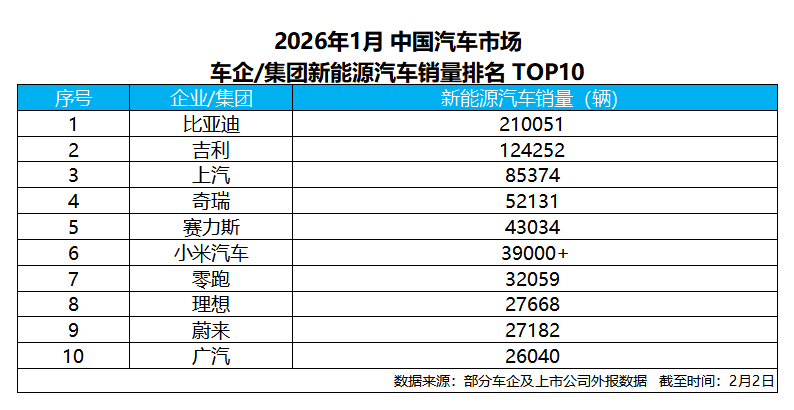
比亚迪稳夺1月新能源汽车销冠,头部格局进一步分化
Xin Lang Cai Jing· 2026-02-04 06:54
| 序 | 企业/集团 | 新能源汽车销量(辆) | | --- | --- | --- | | 1 | 比亚迪 | 210051 | | 2 | 吉利 | 124252 | | 3 | 上汽 | 85374 | | ব | 奇瑞 | 52131 | | 5 | 塞力斯 | 43034 | | e | 小米汽车 | 39000+ | | 1 | 零跑 | 32059 | | 8 | 理想 | 27668 | | 9 | 蔚来 | 27182 | | 10 | 广汽 | 26040 | | | | 数据来源:部分车企及上市公司外报数据 截至时间:2月2日 | 新年伊始,中国新能源汽车市场的竞争轮廓迅速显现,头部车企之间的差距在1月销量榜单中被进一步拉开。截 至2月2日,根据部分车企及上市公司对外披露的数据,比亚迪以超21万辆的新能源汽车销量位居行业首位,展现 出强大的市场竞争力,继续稳居中国新能源市场头部位置,并在主要车企中拉开明显差距。(深圳新闻网) ...
2025年度中国汽车产业盘点——销量篇 车企竞争进入深水区
Zhong Guo Zhi Liang Xin Wen Wang· 2026-02-04 06:51
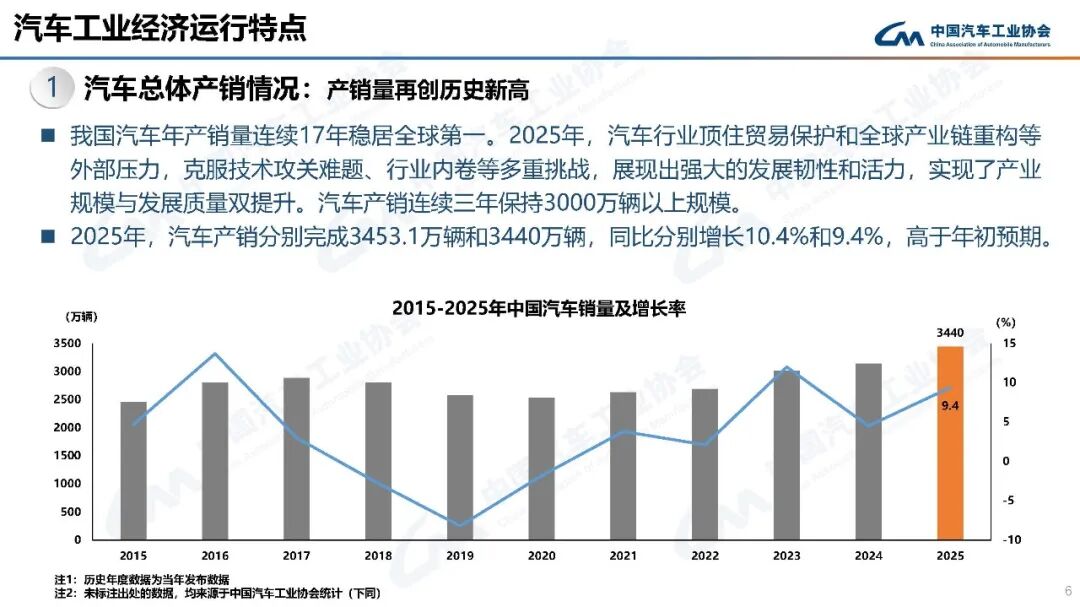
Overall Market - In 2025, China's automotive industry achieved record production and sales, with 34.53 million vehicles produced and 34.40 million sold, marking year-on-year growth of 10.4% and 9.4% respectively, driven by policy support and market dynamics [1][5] - The market demonstrated strong resilience against global trade protectionism, supply chain restructuring, and intensified competition [1] Market Dynamics - The "Two New" policy expanded consumer goods categories and support for equipment upgrades, stimulating vehicle replacement demand, particularly in lower-tier cities [5] - The transition to electric vehicles (EVs) was facilitated by stable tax policies and improved charging infrastructure, lowering barriers for potential EV buyers [5] - Consumer preferences are shifting towards intelligent features and green travel, pushing the market towards higher quality development [5] Segmented Market - In 2025, new energy vehicles (NEVs) became the dominant growth segment, with production and sales reaching 16.63 million and 16.49 million respectively, reflecting year-on-year growth of 29% and 28.2% [6] - NEVs accounted for 47.9% of total new vehicle sales, a 7 percentage point increase from the previous year [6] - The traditional fuel vehicle market is undergoing structural adjustments, with demand for high-displacement, high-fuel-consumption models declining, while smaller, hybrid models remain popular [10] Market Structure - Domestic brands solidified their leading position, with their market share exceeding 60% for the first time, driven by strong performances from companies like BYD, Geely, and Changan [13][15] - BYD led the market with over 4.6 million units sold, benefiting from its technological advancements in NEVs [15] - Joint venture brands faced significant pressure, with declining market shares due to slow adaptation to the NEV market and product homogenization [16] Export Market - In 2025, China's automotive exports exceeded 7 million units, achieving a year-on-year growth of 21.1%, maintaining its position as the world's largest automotive exporter for three consecutive years [18] - Emerging markets in Southeast Asia, the Middle East, and South America remain key destinations for Chinese automotive exports, with NEVs becoming a significant export category [18] Sales Rankings - The top ten automotive brands in 2025 showcased a strong performance from domestic brands, with five spots occupied by them, and a combined market share of 37.3% [21] - BYD, Geely, and Changan maintained their positions through a dual strategy of fuel and NEV offerings [21] - Traditional joint venture brands like FAW-Volkswagen and SAIC Volkswagen continued to experience declines, unable to offset losses from fuel vehicle sales with NEV growth [21] Emerging Brands - New entrants like Leap Motor and Hongmeng Zhixing showed remarkable growth, with Leap Motor doubling its sales through self-developed technology and competitive pricing [23] - Traditional automakers' NEV sub-brands also performed well, rapidly capturing market share through targeted strategies [23] Consumer Trends - Successful models in 2025 aligned with market trends, focusing on price adaptability, user needs, and technological highlights [24] - Family and young consumers emerged as core target groups, with vehicles designed for spaciousness and smart features gaining popularity [26] - The integration of new energy and intelligent technologies became essential for popular models, addressing consumer concerns about range and charging [26] Future Outlook - The strong rise of NEVs indicates China's automotive industry is positioned advantageously in the global transformation of the sector [28] - Continued policy support for NEVs and smart vehicles is expected, alongside growing consumer demand for high-quality, intelligent products [28] - The industry is likely to see further integration across the supply chain, enhancing competitiveness [28]