LI AUTO-W(02015)

Search documents
湛逸飞将出任理想人形机器人业务负责人
Xin Lang Cai Jing· 2026-02-13 07:52
Group 1 - The core point of the article is that Li Auto has appointed Zhan Yifei, a senior algorithm expert in autonomous driving, as the head of its humanoid robot department, which reports to the head of the smart vehicle group, Ma Donghui [1] - The humanoid robot department was newly established two weeks ago, with the former senior vice president of autonomous driving R&D, Lang Xianpeng, as its head [1] - Zhan Yifei has transitioned from the autonomous driving department to the new robot department, indicating a strategic shift in the company's focus towards robotics [1] Group 2 - The robot team at Li Auto has begun to establish its hardware and software technology [1] - Since the formation of the new team in January, Lang Xianpeng and Zhan Yifei have been frequently traveling to understand the dynamics of the robotics industry [1]


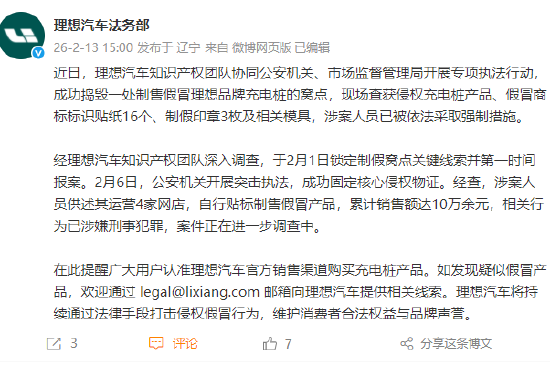
理想汽车法务部:成功捣毁一处制售假冒理想品牌充电桩的窝点
Xin Lang Cai Jing· 2026-02-13 07:50
Core Viewpoint - Li Auto's intellectual property team, in collaboration with law enforcement and market supervision authorities, successfully dismantled a counterfeit charging pile production and sales operation, highlighting the company's commitment to protecting its brand and consumer rights [1][2]. Group 1: Enforcement Action - A special enforcement action led to the discovery of a counterfeit charging pile production site, where infringing products, 16 counterfeit trademark stickers, 3 counterfeit seals, and related molds were seized [1][2]. - The operation was initiated after the intellectual property team identified key leads on February 1 and reported them immediately, leading to a police raid on February 6 that secured core evidence of infringement [1][2]. Group 2: Criminal Activity and Sales - The involved parties admitted to operating four online stores where they produced and sold counterfeit products, with total sales exceeding 100,000 yuan, indicating significant illegal activity [1][2]. - The actions of the involved individuals have been classified as criminal offenses, and the case is currently under further investigation [1][2]. Group 3: Consumer Advisory - Li Auto advises consumers to purchase charging pile products only through official sales channels and encourages reporting any suspected counterfeit products via a designated email [1][2]. - The company emphasizes its ongoing commitment to using legal measures to combat infringement and protect consumer rights and brand reputation [1][2].

提前17个月成功判断理想创造移动的家这个使命有可能变
理想TOP2· 2026-02-13 04:55
Core Viewpoint - The new mission of Li Auto is "Be Proactive, Change the World," with a vision to become a global leader in embodied intelligence [1] Group 1: Company Evolution - Li Auto's previous mission focused on creating a mobile home and happiness, which has now shifted towards a broader technological ambition [1] - The company is evolving from being perceived solely as an automotive manufacturer to being recognized as an AI company, emphasizing the integration of AI with physical products [2][10] - The leadership of Li Auto, particularly CEO Li Xiang, is characterized by a commitment to continuous growth and learning from past experiences [3][4] Group 2: Leadership Insights - Li Xiang's personal growth journey includes learning the importance of communication and focusing on user needs rather than competitors [5][8] - Significant past experiences, such as challenges during the automotive industry and previous ventures, have shaped Li Xiang's approach to leadership and decision-making [6][7] - The transition to focusing on AI and embodied intelligence reflects a strategic pivot based on industry trends and personal insights gained over time [11][12] Group 3: AI Integration - By December 2024, Li Xiang recognized the critical role of foundational models in AI, understanding that they serve as a key entry point for various products and services [12] - The company is actively engaging in AI research and development, with a focus on integrating AI capabilities into its automotive offerings [13][14] - Li Auto is preparing to address the challenges of robotics and AI, indicating a proactive stance in seizing market opportunities in these emerging fields [15][16]
最长7年,「超长期低息车贷」来了,年轻人有点慌
36氪· 2026-02-13 00:10
Core Viewpoint - The article discusses the changing landscape of car loans in China, highlighting how the increasing accessibility of car ownership for young people is accompanied by longer repayment periods, which significantly impacts personal financial decisions [3][4][6]. Group 1: Car Loan Trends - Since the beginning of 2026, companies like Tesla and domestic brands such as Xiaomi, Li Auto, and Xpeng have introduced extended car loan terms of up to seven years, making it easier for consumers to afford vehicles [5][6]. - The trend of extending repayment periods from three to five and now seven years has become a standard practice in the electric vehicle market, lowering monthly payments and attracting more buyers [6][8]. Group 2: Consumer Perspectives - Many consumers perceive long-term loans as a cost-effective solution, believing that lower monthly payments allow them to invest or save the difference, potentially outpacing inflation [6][8]. - However, there is a growing concern among consumers that long-term loans may lead to financial strain, as they commit to fixed monthly payments that could affect their quality of life and spending decisions [6][8]. Group 3: Personal Experiences with Car Loans - The article shares personal stories of individuals who have taken out car loans, illustrating the complexities and challenges they faced, such as high-interest rates and unexpected total costs [12][18]. - One individual, after a poor initial experience with a high-interest loan, became more informed and cautious in subsequent purchases, emphasizing the importance of understanding loan terms and conditions [14][29]. Group 4: Financial Implications - The article highlights the financial burden of car ownership, including not just loan repayments but also insurance, maintenance, and operational costs, which can add significant pressure on young consumers [8][24]. - The phenomenon of "high interest, high return" in car financing is discussed, where dealerships and banks collaborate to offer attractive loan terms, often leading to consumers believing that loans are cheaper than outright purchases [23][24]. Group 5: Changing Consumer Behavior - The shift towards car loans has altered consumer behavior, with many individuals feeling pressured to reduce discretionary spending to meet monthly loan obligations, impacting their lifestyle choices [20][21]. - The article concludes that while car ownership can enhance convenience, the financial implications of long-term loans require careful consideration and planning [26][31].




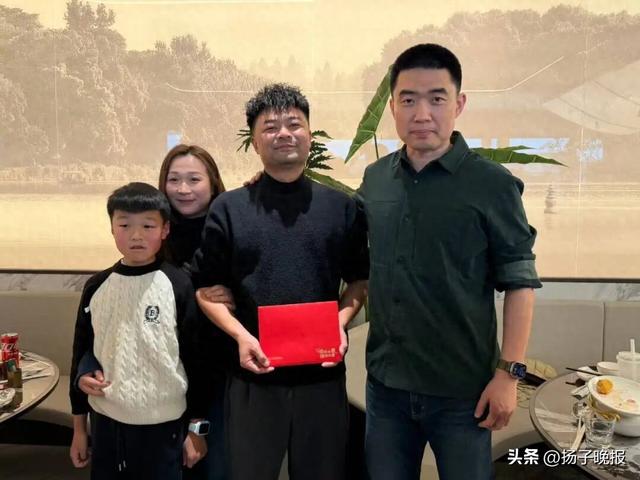
理想车主桥上停车飞奔救人,李想请他吃饭:感谢你为车主带来的形象提升,3年内可免费置换任意一款理想在售车型
Xin Lang Cai Jing· 2026-02-12 23:44
Group 1 - The core event involves Li Xiang, CEO of Li Auto, inviting a heroic car owner, Yao Dongquan, to dinner after he saved a woman from attempting suicide [1][3] - The incident occurred on January 27, when Yao, driving a Li Auto vehicle, stopped to rescue a woman on a bridge, which gained significant media attention [1][3] - Li Xiang expressed gratitude towards Yao for enhancing the image of Li Auto and announced that Yao would be eligible for a free vehicle exchange for any model sold by Li Auto from February 12, 2026, to February 11, 2029 [3] Group 2 - Yao Dongquan, the car owner, works as a maintenance manager at China Telecom and received the "Bridge Guardian" honor from local police for his actions [3] - The dinner was a personal gesture from Li Xiang, who traveled from Beijing to Zhejiang Haiyan specifically for this occasion, highlighting the company's commitment to community and social responsibility [3]
苹果大跌5%
财联社· 2026-02-12 23:41
Core Viewpoint - Concerns over the disruptive potential of artificial intelligence (AI) have led to a decline in major stock indices, with the Nasdaq falling by 2% and the S&P 500 and Dow Jones also experiencing significant drops [1][4]. Group 1: Market Performance - The Dow Jones index closed down 1.34% at 49,451.98 points, the S&P 500 index fell 1.57% to 6,832.76 points, and the Nasdaq index dropped 2.03% to 22,597.15 points [4]. - Major technology stocks saw declines, with Apple down 5%, erasing its gains for the year, and Nvidia down 1.64% [9]. Group 2: Sector Impact - The introduction of AI tools has negatively impacted various sectors, including software companies, publishers, and financial services, raising concerns about potential business model replication and profit margin erosion [5]. - Financial stocks, such as Morgan Stanley, faced pressure due to fears that AI could disrupt wealth management services [5]. - Trucking and logistics companies, like C.H. Robinson, saw a 14% drop in stock price as AI is expected to optimize freight operations, potentially reducing revenue sources [5]. Group 3: Real Estate and Defensive Sectors - The real estate sector is also affected, with concerns that higher unemployment rates will reduce demand for office space, leading to declines in stocks like CBRE and SL Green Realty [6]. - Investors are shifting towards more defensive sectors, with Walmart and Coca-Cola seeing stock price increases of 3.8% and 0.5%, respectively [7]. - In the S&P 500, the consumer staples and utilities sectors outperformed, both rising over 1%, with the consumer staples sector reaching a historical closing high [8].



盛大科技与理想汽车合作推广在线保险试点项目
Jing Ji Guan Cha Wang· 2026-02-12 21:04
Core Insights - Shengda Technology (SDA.US) has achieved profitability in Q3 2025, attracting market attention towards its future business dynamics [1] Business Progress - The company plans to launch a nationwide online insurance pilot project in 2026 in collaboration with Li Auto to expand market coverage [2] - The HIMA project deployment with Huawei has completed internal testing and HarmonyOS application adaptation, moving towards full commercial deployment, which may enhance technical integration efficiency [2] - The company is deepening collaborations with leading firms such as Tesla, NIO, and Xpeng in the new energy vehicle ecosystem while continuously investing in AI technology applications to strengthen business synergy [2]

Li Auto Inc. Sponsored ADR (LI) Is a Trending Stock: Facts to Know Before Betting on It
ZACKS· 2026-02-12 15:01
Core Viewpoint - Li Auto Inc. has shown a significant stock performance with an 18.4% return over the past month, contrasting with the S&P 500's -0.3% change, indicating potential investor interest and market dynamics affecting the stock's future performance [1] Earnings Estimates - Li Auto is expected to report earnings of $0.05 per share for the current quarter, reflecting a year-over-year decline of 90.4% [4] - The consensus earnings estimate for the current fiscal year stands at $0.14, indicating a decrease of 89.9% from the previous year, with no changes in estimates over the last 30 days [4] - For the next fiscal year, the consensus earnings estimate is $0.51, suggesting a substantial increase of 267.1% compared to the prior year, with estimates remaining unchanged [5] Revenue Projections - The consensus sales estimate for the current quarter is $4.24 billion, representing a year-over-year decline of 30.2% [10] - For the current fiscal year, the revenue estimates are $16.2 billion, indicating a decrease of 19.4%, while the next fiscal year's estimate of $19.57 billion reflects an increase of 20.8% [10] Recent Performance and Surprises - In the last reported quarter, Li Auto generated revenues of $3.84 billion, down 37.1% year-over-year, with an EPS of -$0.09 compared to $0.52 a year ago [11] - The reported revenues exceeded the Zacks Consensus Estimate of $3.76 billion by 2.32%, while the EPS fell short by 325% [11] - Over the last four quarters, Li Auto has surpassed consensus EPS estimates three times and revenue estimates twice [12] Valuation Metrics - Li Auto's valuation is assessed using various multiples, including price-to-earnings (P/E), price-to-sales (P/S), and price-to-cash flow (P/CF), to determine if the stock is fairly valued [13][14] - The Zacks Value Style Score for Li Auto is graded as C, indicating that the stock is trading at par with its peers [16] Conclusion - The current analysis suggests that while there is market buzz around Li Auto, the Zacks Rank of 4 indicates potential underperformance relative to the broader market in the near term [17]
非农提振昙花一现,美股三大指数集体收跌,中国金龙指数跌0.65%
Feng Huang Wang· 2026-02-11 22:18
Economic Data - The U.S. added 130,000 jobs in January, significantly exceeding the market expectation of 55,000 [1] - The unemployment rate stands at 4.3%, slightly below the economists' forecast of 4.4% [1] - Job growth is primarily concentrated in the healthcare sector, which added 124,000 jobs, double the normal growth rate for 2025 [1] - There is a persistent downward revision in the labor market data, with the average monthly job addition for last year adjusted to only 15,000 [1] Company News - Apple is reportedly facing setbacks in the development of an upgraded version of Siri, which may delay the release of several anticipated AI features [3] - Meta has begun construction on a new data center in Lebanon, Indiana, with an investment exceeding $10 billion, aimed at enhancing its AI infrastructure [5] - Google is integrating AI shopping features into its search engine and Gemini chatbot, allowing consumers to purchase products directly through AI-driven answers [7] - T-Mobile anticipates service revenue to reach approximately $77 billion by 2026, with plans to achieve 18 to 19 million broadband users by 2030 [8] - Ancora Capital has increased its stake in Warner Bros. Discovery and plans to oppose the company's deal with Netflix regarding its production and streaming assets [9] - Kraft Heinz has paused its planned spin-off, focusing instead on improving company performance under the new CEO Steve Cahillane [10]


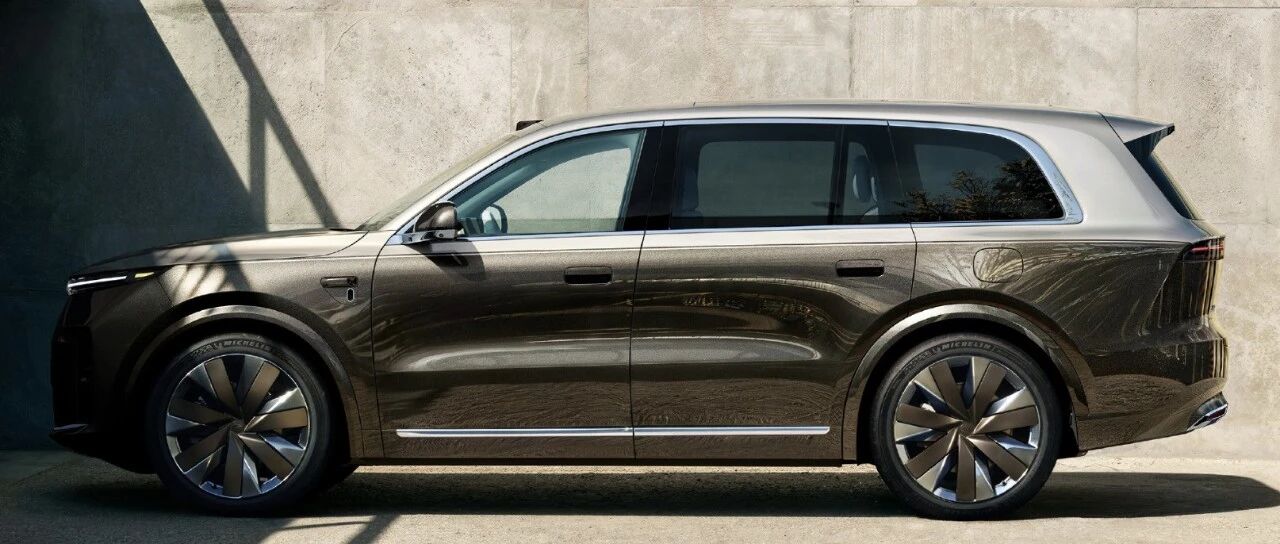
26款理想L9是非主流双色工艺, 每辆要经过4名工匠花8小时纯手工打磨
理想TOP2· 2026-02-11 13:48
Core Viewpoint - The article emphasizes the advanced painting process of the Li Auto L9 Livis, highlighting its unique three-coat spray technique that enhances both aesthetic and protective qualities compared to conventional methods [1][2]. Group 1: Painting Process - The standard single-color body spray requires one coat with an 8-layer paint structure, while luxury brands typically use a two-coat process resulting in a 13-layer structure. Li Auto L9 Livis goes further by adding a third coat, making it a semi-finished product that addresses the thickness difference at color junctions [1]. - After the initial two coats, a team of four skilled craftsmen spends 8 hours hand-polishing the entire exterior to eliminate any minor imperfections, particularly at the waistline, before applying a third coat of high-quality clear lacquer [1]. Group 2: Quality and Performance - The three-coat process results in a total of 15 layers of paint, with a thickness of 130-200 micrometers, significantly exceeding the typical 90-120 micrometers of standard paint. This additional thickness provides 2-3 times the protection of conventional clear coats, ensuring the paint remains vibrant over time [2]. - The Li Auto L9 Livis achieves a mirror index of 95+, surpassing the industry standard of 92+, and a surface smoothness rating of 10, compared to the standard 8. This results in a clear and sharp reflection, exemplifying luxury [2].