GWMOTOR(601633)

Search documents
拒不付款!奔驰拖欠供应商尾款超两年,涉AMG项目逾148万元;俞敏洪敲定东方甄选接班人;优必选拟11.6亿控股一家A股企业
雷峰网· 2025-12-25 00:54
Group 1 - Mercedes-Benz (China) has delayed payments to suppliers for over two years, with outstanding amounts related to the AMG project exceeding 1.482 million yuan [3][4] - The total payable amount confirmed by Ernst & Young for the AMG project is 6.994 million yuan, but the payment process has been stalled due to various excuses from Mercedes-Benz [3][4] - The new regulations effective from June 2025 require large enterprises to pay within 60 days after delivery, but many suppliers report difficulties in enforcing this policy [4][5] Group 2 - Doubao's daily active users have surpassed 100 million, making it one of the lowest-cost products among ByteDance's billion-level apps [7][9] - Doubao's marketing expenses are reported to be the lowest for any product achieving over 100 million DAU, indicating effective cost management [7][9] - The Seed team at ByteDance is seen as a core strategic business, focusing on large model foundational research and application [9] Group 3 - Shopee is set to launch a zero-commission policy for new stores starting January 1, 2026, aimed at reducing barriers for sellers entering overseas markets [12] - This initiative will allow sellers in specific Southeast Asian markets to operate their first store without commission for the first three months, with a cap of 500 orders per month [12] Group 4 - Yuan Minghong has appointed Sun Jin as the new CEO of Dongfang Zhenxuan, confirming leadership changes within the company [13][14] - Sun Jin has extensive experience within New Oriental, having joined in 2006 and held various leadership roles [13][14] Group 5 - Cloud Deep Technology, part of the "Hangzhou Six Little Dragons," has initiated IPO counseling, focusing on intelligent robotics [16][17] - The company recently completed over 500 million yuan in Series C financing, indicating strong investor interest and growth potential [17] Group 6 - UBTECH plans to acquire a controlling stake in A-share company Fenglong Co., with a total transaction value of approximately 1.161 billion yuan [22] - The acquisition will give UBTECH a 29.99% stake in Fenglong, changing the controlling shareholder to UBTECH [22] Group 7 - The new brand "Qijing" from Huawei and GAC has unveiled its first model, a hunting-style coupe, which is set to compete in the high-end electric vehicle market [30][31] - The vehicle will feature advanced technologies, including L3-level autonomous driving capabilities, and is expected to launch in June 2026 [30][31] Group 8 - The chairman of Lantu Motors discussed the "involution" in the new energy vehicle sector, emphasizing the need for genuine innovation rather than imitation [33][34] - He highlighted that true innovation should address user needs and improve product value, rather than merely competing on superficial features [34] Group 9 - NVIDIA plans to deliver H200 chips to Chinese customers before the Lunar New Year, with a unit price of 1.4 million yuan [36][37] - The expected shipment volume is between 5,000 to 10,000 modules, translating to approximately 40,000 to 80,000 H200 chips [36][37]






8点1氪:官方回应吸毒记录封存相关问题;强生爽身粉致癌案判赔女子约110亿元;俞敏洪敲定东方甄选接班人
36氪· 2025-12-25 00:26
Group 1 - The revised Public Security Administration Punishment Law will take effect on January 1, 2026, and has garnered significant attention from media and the public regarding Article 136 [4][5] - The law's revision process included public consultations during its initial and second readings in August 2023 and June 2024, respectively, with specific provisions for sealing records of minor offenders [5][6] Group 2 - The law's provisions for sealing public security violation records apply to minors, covering various types of violations [5] - The law aims to address public concerns and clarify the implications of sealing records for individuals involved in minor offenses [4][5] Group 3 - The law's revisions reflect a broader trend in legal reforms aimed at balancing public safety with the rehabilitation of young offenders [5][6] - The law's implementation is expected to influence public perception and legal practices surrounding juvenile offenses in China [4][5]




“中国还没有严格意义上的高端品牌”
汽车商业评论· 2025-12-24 23:05
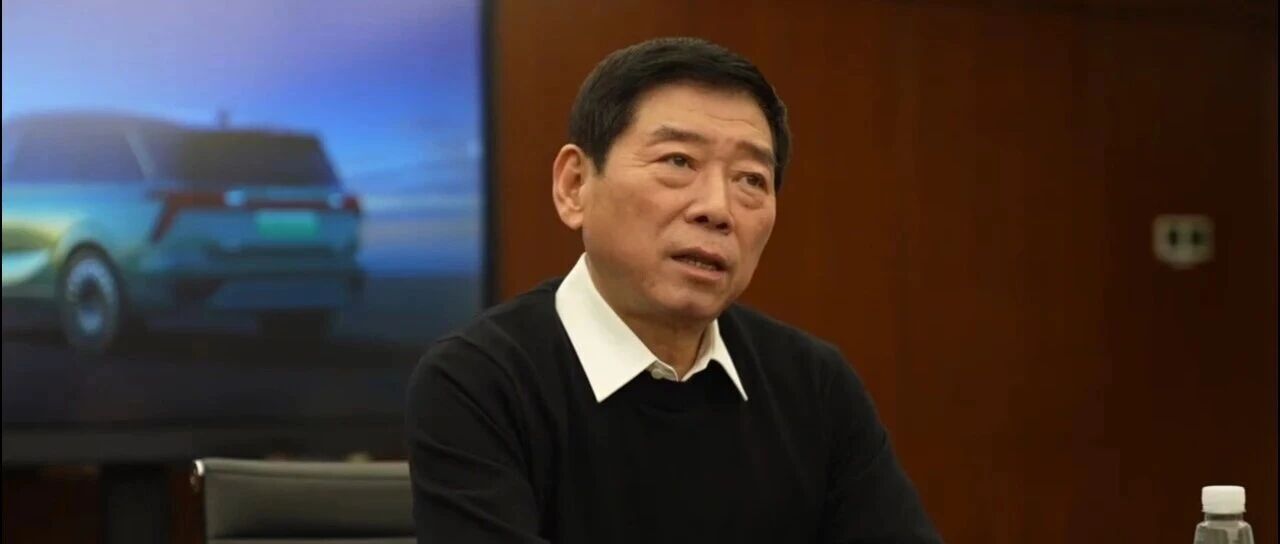
Core Viewpoint - The article discusses the challenges and strategies of WEY brand under Great Wall Motors, emphasizing the need for a strong brand identity and value proposition in the competitive high-end automotive market [4][10]. Group 1: Brand Positioning and Market Challenges - Great Wall Motors' chairman, Wei Jianjun, asserts that there are no truly high-end brands in China, indicating a saturated market where all products are labeled as high-end regardless of their actual positioning [4]. - The WEY brand, launched in 2016, has not yet met the high expectations set by its founder, highlighting the difficulties in establishing a premium brand in a competitive landscape [6]. - The automotive market is increasingly focused on safety and technology, with WEY maintaining its commitment to safety as a core value, despite the challenges posed by market trends [7][9]. Group 2: Product Innovations - The newly launched WEY Blue Mountain Intelligent Advanced Edition is positioned as the first six-seat plug-in hybrid SUV, featuring advanced technologies like the VLA large model for intelligent driving and Hi4 intelligent four-wheel drive [7][9]. - The integration of Hi4 and VLA systems aims to enhance safety and driving experience, showcasing WEY's commitment to innovation in smart and electric vehicles [9]. Group 3: Leadership and Future Directions - The new CEO, Zhao Yongpo, emphasizes the importance of establishing a brand's value proposition and societal impact as a means to create a competitive edge [10][12]. - Zhao's background in technology and engineering positions him well to lead WEY in a market that requires both innovation and a strong brand identity [12]. - Wei Jianjun's philosophy suggests that building a high-end brand is a long-term endeavor, requiring consistent effort and commitment to brand values [14].
今日新闻丨零跑十周年内部信曝光!魏牌蓝山智能进阶版上市,限时售价27.58-30.28万元!
电动车公社· 2025-12-24 16:05
Core Viewpoint - The article highlights the significant achievements of Leap Motor in its ten years of operation, emphasizing its ambitious goal of reaching annual sales of one million vehicles by 2026 and the importance of continuous innovation, quality, and global market expansion [6][9][13]. Group 1: Leap Motor's Achievements - Leap Motor celebrated its tenth anniversary, achieving nearly 600,000 vehicle sales in the past year and is expected to achieve annual profitability [6][8]. - The company has successfully implemented core technologies such as LEAP3.5 central domain control and 800V high-voltage platform, demonstrating its capability for rapid mass production [6][8]. - Leap Motor's B10, B01, Lafa5, and updated models C16, C11, and C10 have seen significant sales success, with the C10 reaching a monthly sales peak of 20,000 units [6][8]. Group 2: Global Expansion - Leap Motor has accelerated its global expansion, entering 35 overseas markets and establishing over 800 overseas stores, with annual overseas deliveries expected to exceed 60,000 units [7][8]. - The collaboration with Stellantis Group is yielding synergistic effects, positioning Leap Motor as a competitive player in the global market [7][8]. Group 3: Future Goals and Strategies - The company aims to enhance its capabilities in technology innovation, product quality, overseas market expansion, and organizational efficiency to meet its sales target of one million vehicles by 2026 [9][10]. - Leap Motor emphasizes the need for continuous innovation and maintaining high product quality to become a benchmark in the industry [9][10]. - The company recognizes the importance of adapting to global markets and enhancing user experience to build a strong reputation [9][10].

为啥九年八换 CEO?魏建军的回应金句频出!
Sou Hu Cai Jing· 2025-12-24 11:00
Core Viewpoint - The frequent changes in leadership at Great Wall Motors, with eight CEOs in nine years, raise questions about management stability and strategic continuity, as the company navigates its high-end market ambitions [1][3]. Group 1: CEO Changes and Management Strategy - Great Wall Motors has experienced a high turnover of CEOs, with an average tenure of less than one year for most, and the shortest being only four months [3][5]. - The company has shifted from foreign executives to internal candidates for leadership roles, indicating a preference for individuals familiar with the company's culture and operations [5][11]. - Each new CEO brings potential changes in brand positioning, marketing strategies, and technical direction, leading to a sense of inconsistency in the company's strategic approach [5][7]. Group 2: Challenges and Future Direction - The frequent leadership changes have impacted the strategic continuity of the brand, causing periodic disruptions in development [7]. - The chairman acknowledges the learning curve associated with these changes, emphasizing that while the path to high-end market success may involve setbacks, the direction must remain correct [7][9]. - There is a need for Great Wall Motors to establish a clear brand identity and stable strategic direction, as the current perception among consumers is not well-defined [9]. Group 3: Internal Culture and Decision-Making - The chairman has expressed skepticism towards external professional managers, citing cultural conflicts and a lack of practical experience compared to internally developed talent [11]. - Important decisions within the company ultimately require the chairman's approval, which contrasts with modern corporate practices that emphasize delegation and empowerment [11].
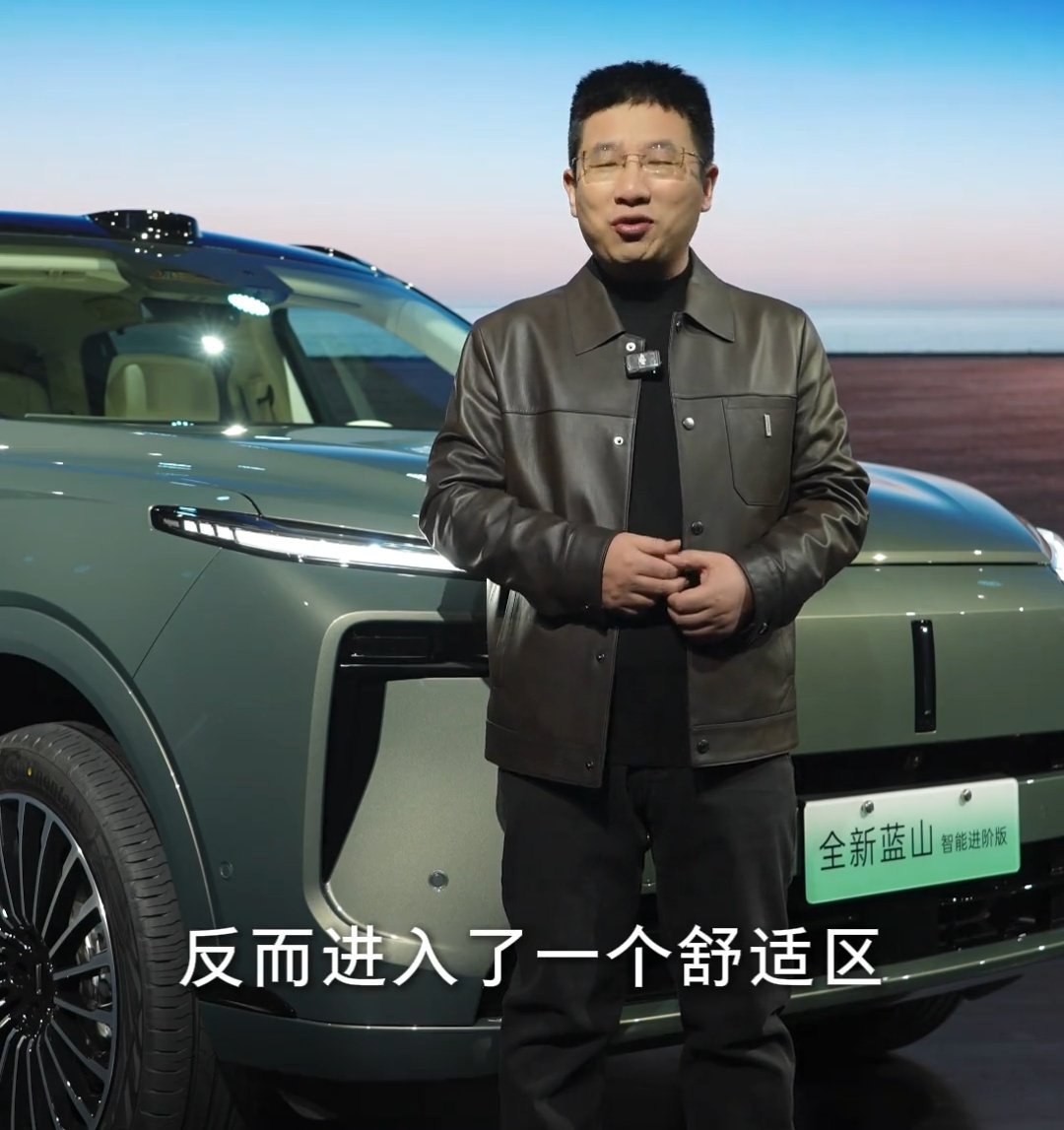
魏牌新任CEO赵永坡:来到魏牌反而进入了一个舒适区,好像找到了自己的老本行
Xin Lang Cai Jing· 2025-12-24 09:40
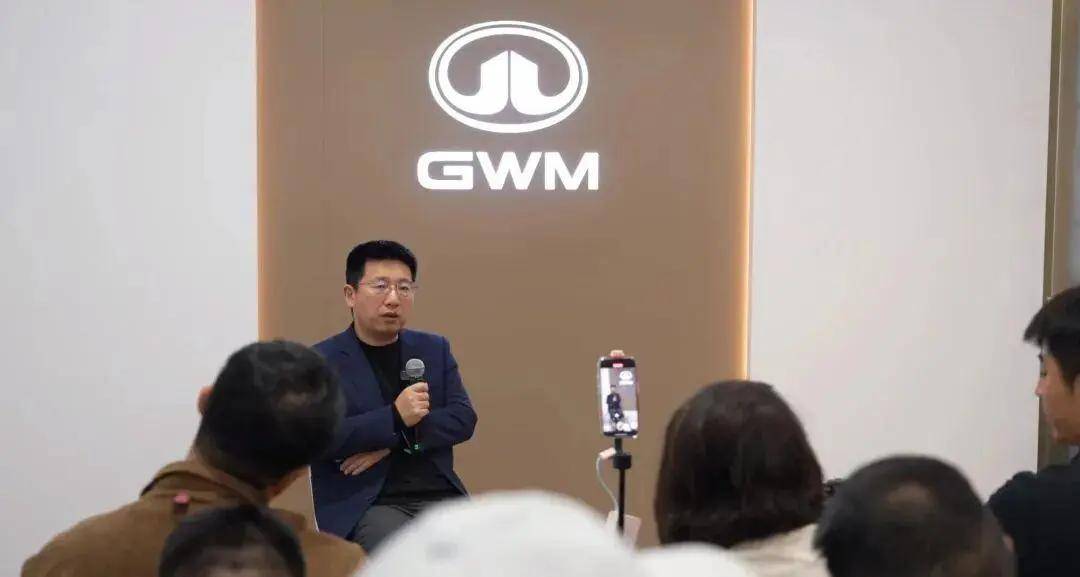
Core Viewpoint - The new CEO of Wei brand, Zhao Yongpo, expressed that joining Wei brand has provided him with a comfortable environment, despite the pressure associated with the role transition from Haval [1][3]. Group 1: CEO Transition and Company Strategy - Zhao Yongpo highlighted that Wei brand possesses the best and most advanced technology from Great Wall Motors, indicating a strong technical foundation for the company [3][5]. - He emphasized that the change in position is not merely a job switch but rather a focused task, suggesting a strategic direction for the company [3][5]. - Zhao announced that Wei brand will introduce a new platform and flagship product in 2026, indicating future growth plans [3][5]. Group 2: Company Performance and Market Position - Longhua Automobile Chairman Wei Jianjun commented on the CEO change, clarifying that it was not a dismissal but rather a response to the significant pressure felt by the previous leadership [3][5]. - Wei brand is still in the exploration phase of high-end market positioning, with no Chinese automotive brand having successfully established a strong presence in this segment yet [3][5]. - According to public data, Wei brand's cumulative sales reached 89,000 units in the first 11 months of 2025, marking a 93% year-on-year increase. However, the brand experienced a decline in sales after an initial surge, with sales dropping to 100,000 units in 2019 and continuing to decrease from 2020 to 2022 [3][5].
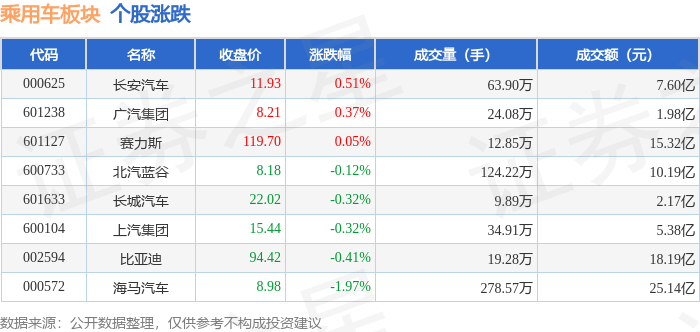
乘用车板块12月24日跌0.18%,海马汽车领跌,主力资金净流出7.87亿元
Zheng Xing Xing Ye Ri Bao· 2025-12-24 09:03
Core Viewpoint - The passenger car sector experienced a slight decline of 0.18% on December 24, with Haima Automobile leading the drop, while the overall stock market indices showed positive movements, with the Shanghai Composite Index rising by 0.53% and the Shenzhen Component Index increasing by 0.88% [1] Group 1: Market Performance - The Shanghai Composite Index closed at 3940.95, up 0.53% [1] - The Shenzhen Component Index closed at 13486.42, up 0.88% [1] - The passenger car sector saw a net outflow of 7.87 billion yuan from main funds, while retail investors contributed a net inflow of 6.13 billion yuan [1] Group 2: Individual Stock Performance - Changan Automobile (000625) closed at 11.93, with a slight increase of 0.51% and a trading volume of 639,000 shares, amounting to 760 million yuan [1] - GAC Group (601238) closed at 8.21, up 0.37%, with a trading volume of 240,800 shares, totaling 198 million yuan [1] - BYD (002594) closed at 94.42, down 0.41%, with a trading volume of 192,800 shares, amounting to 1.819 billion yuan [1] - Haima Automobile (000572) led the decline with a drop of 1.97%, closing at 8.98, with a trading volume of 2.7857 million shares, totaling 2.514 billion yuan [1] Group 3: Fund Flow Analysis - GAC Group saw a main fund net outflow of 2.9128 million yuan, with retail investors contributing a net inflow of 996.65 million yuan [2] - Great Wall Motors (601633) experienced a main fund net outflow of 14.755 million yuan, while retail investors had a net inflow of 1.91547 million yuan [2] - BYD faced a significant main fund net outflow of 199 million yuan, but retail investors contributed a net inflow of 82.7275 million yuan [2]





中国汽车市场一周行业信息快报——2025年12月第4期
Zhong Guo Zhi Liang Xin Wen Wang· 2025-12-24 06:15
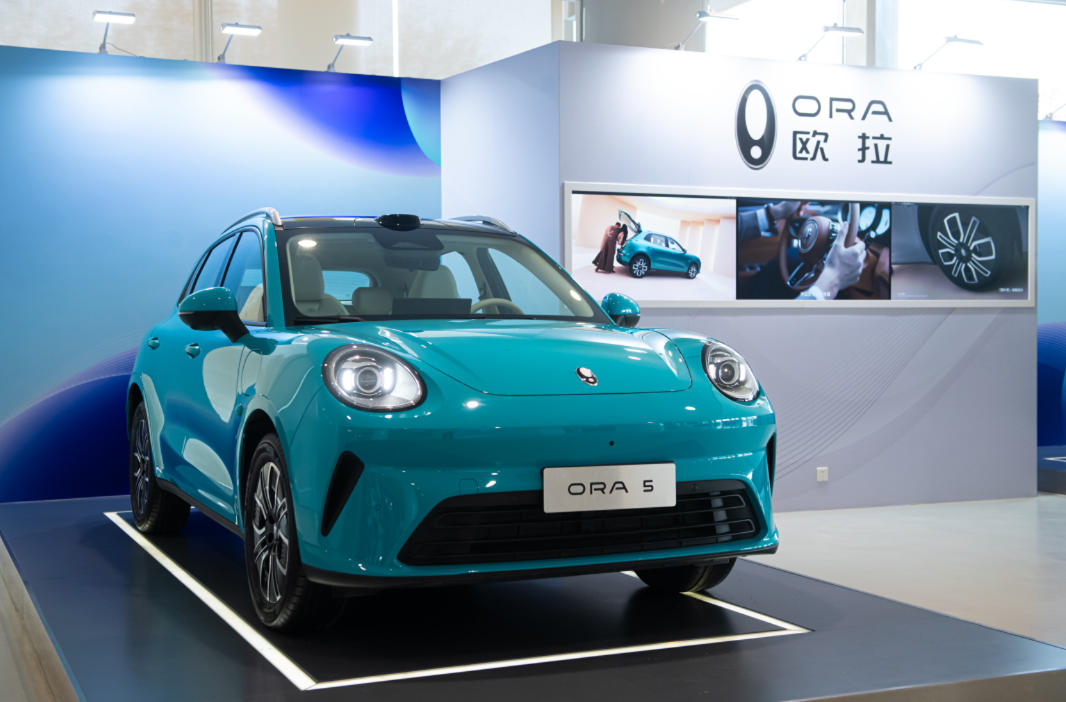
Group 1: Industry Developments - The Chinese automotive market is at a critical intersection of policy opportunities and year-end push as December 2025 approaches [1] - The Ministry of Industry and Information Technology (MIIT) has granted road access licenses for two L3 level autonomous driving vehicles from Changan Automobile and BAIC Group [2] - The MIIT is proposing seven mandatory national standards for automobiles, including safety requirements for door handles [6] Group 2: New Product Launches - Great Wall Motors has launched the Ora 5 SUV with a limited-time price starting at 91,800 yuan, featuring two battery options and advanced AI integration [3][5] - The Ora 5 is equipped with the Coffee OS 3 system and a third-generation driver assistance system, offering features like city NOA and memory parking [5] Group 3: Strategic Partnerships - CATL and Lantu have signed a ten-year deepening cooperation agreement focusing on technology application, product supply, and global market collaboration [7][9] Group 4: Corporate Actions - Zotye Auto plans to dispose of up to 3% of its shares to repay historical debts, with a maximum of 151 million shares to be sold [10] - GAC Group has initiated a Business Unit reform to enhance internal resource integration and operational efficiency, focusing on two brands, Haobo and Aion [11][13] - Hozon Auto is progressing with its bankruptcy restructuring, having selected a management trustee to oversee the process [14][16] Group 5: Regulatory Changes - The State Administration for Market Regulation and the Ministry of Ecology and Environment have issued new guidelines for the evaluation of vehicle inspection institutions to enhance regulatory standards [17]

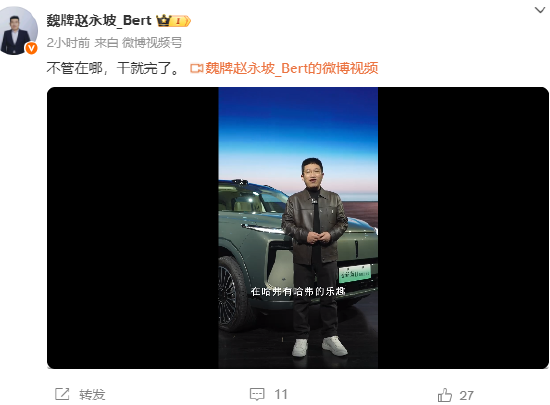
从哈弗品牌来到魏牌压力大吗?魏牌新任CEO赵永坡回应
Xin Lang Cai Jing· 2025-12-24 05:33
Core Viewpoint - The new CEO of Wei brand, Zhao Yongpo, expresses confidence in transitioning from Haval to Wei, viewing it as a comfortable zone rather than a pressure-filled environment [1][7]. Group 1: Leadership Transition - Zhao Yongpo officially took over as CEO of Wei brand on December 21, following his role as general manager of Haval [3][9]. - Wei brand has experienced multiple leadership changes in its less than 10 years of existence, with the shortest tenure being 4 months and the longest 1 year and 6 months [5][11]. Group 2: Company Strategy and Challenges - Zhao emphasizes the importance of leveraging the best and most advanced technologies from Great Wall Motors to enhance user experience in Wei brand products [3][9]. - Great Wall Motors' chairman, Wei Jianjun, acknowledges the challenges of building a successful brand in the Chinese automotive industry, which has historically focused more on sales than brand management [6][11].
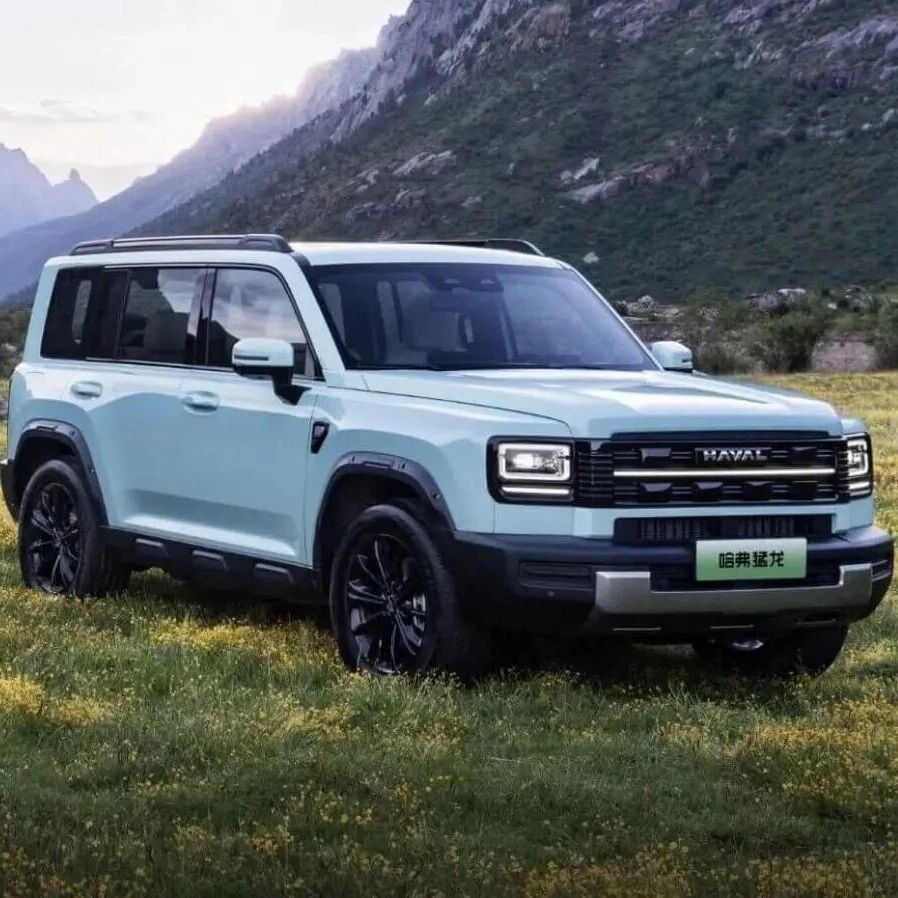
独家丨长城哈弗将采用Momenta智驾方案,新车计划明年初上市
雷峰网· 2025-12-23 14:30
Core Viewpoint - Momenta has secured contracts with Great Wall Motors for two new models, including the Haval Menglong, which will feature an L2+ level of assisted driving capabilities and is expected to launch in early next year [2]. Group 1: New Model Features - The new models will utilize Momenta's latest end-to-end solution, based on the R6 flywheel large model, similar to that used in the Buick Zhijing L7, and will be developed on the Qualcomm Snapdragon 8620 chip with an effective computing power of 156 TOPS [2]. - The assisted driving capabilities will include features such as highway NOA (Navigation on Autopilot) and parking assistance, but will not support urban NOA initially [2]. Group 2: Future Developments - Momenta plans to shift its mass production solutions entirely to end-to-end models, incorporating large models based on reinforcement learning [5]. - The R6 flywheel large model, which utilizes reinforcement learning, was first mass-produced in the Buick Zhijing L7, providing urban NOA capabilities [5]. Group 3: Collaboration with Great Wall Motors - Momenta has established a dedicated demo testing team for assisted driving at Great Wall's headquarters in Baoding, with CEO Cao Xudong actively overseeing the project and providing technical demonstrations [7]. - Great Wall Motors also collaborates with Yuanrong Qixing for its assisted driving solutions, with plans for the Wuling Blue Mountain model to launch in August 2024 featuring Yuanrong's urban NOA solution [7].