
LZLJ(000568)

Search documents
坚定推进战略转型创新,泸州老窖尽显发展韧性
Sou Hu Cai Jing· 2025-09-04 00:55
Core Viewpoint - The liquor industry is entering a new adjustment cycle in 2025, characterized by a trend of "reduced quantity and improved quality," transitioning from "stock competition" to "value creation" [1] Group 1: Company Performance - In the first half of 2025, Luzhou Laojiao achieved an operating income of 16.454 billion yuan and a net profit attributable to shareholders of 7.663 billion yuan [1] - The company plans to continue product innovation in response to the demand for lower alcohol content, health-oriented, and diversified products, with the launch of a 28-degree Guojiao 1573 [6][7] Group 2: Market Trends - The liquor industry is undergoing a transformation in consumer structure, with younger generations becoming the main consumer group, preferring personalized, lower-alcohol, and aesthetically pleasing products [4] - The low-alcohol market is projected to exceed 74 billion yuan by 2025, with a compound annual growth rate of 25% [6] Group 3: Digital Transformation - Luzhou Laojiao is advancing its "Smart Luzhou Laojiao" initiative, establishing a digital ecosystem that enhances management, production, and marketing capabilities [9] - The company has implemented a "five-in-one" intelligent management system for comprehensive digital management from production to consumption, improving inventory management through big data analysis [10] Group 4: Cost Management - The application of digital marketing has led to a reduction in sales expenses, with a decrease of approximately 11% in 2024 and a 6.86% decrease in the first half of 2025 [11]


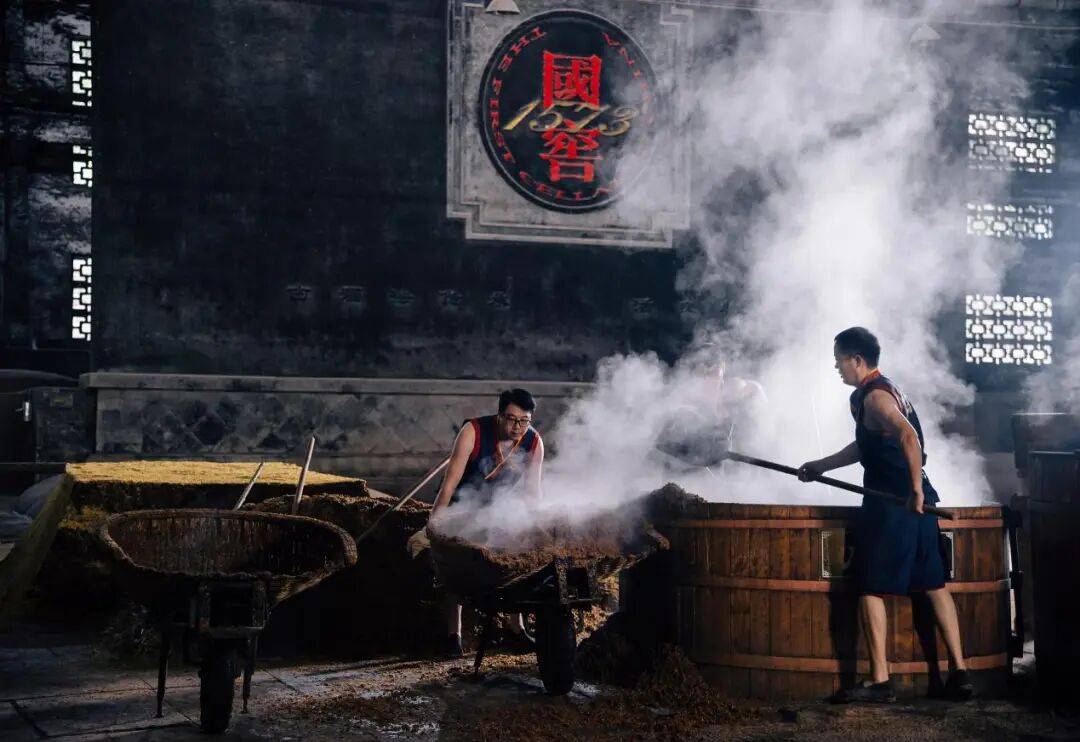
行业“深水区”:除了控量稳价,酒企还能做什么?|财报解读②
Sou Hu Cai Jing· 2025-09-03 16:05
Core Insights - The overall performance of the liquor industry is under pressure, with 20 listed liquor companies reporting a total revenue of 241.28 billion yuan in the first half of 2025, a slight decrease of 1.59% year-on-year, and net profits also facing challenges [1] - The industry is experiencing a significant divergence, with only 6 companies achieving both revenue and net profit growth, and only 4 companies maintaining positive revenue growth in the second quarter [1][2] - Major liquor companies are proactively adjusting strategies and innovating to strengthen core competitiveness and market share amid the industry's complex environment [1][4] Industry Performance - The liquor industry is currently in a "deep water zone" characterized by reduced volume, falling prices, and high inventory levels, leading to a cautious approach among companies [1][2] - Companies like Moutai and Gujing Gongjiu have acknowledged the industry's deep adjustment and the need for structural optimization to navigate the current cycle [1][2] Strategic Adjustments - "Proactive deceleration, controlling volume and stabilizing prices" has become a common strategy among liquor companies, with a focus on stability in their 2025 targets [2][4] - Nine companies have reduced contract liabilities to alleviate pressure on traditional channels, indicating a flexible market operation strategy [4] Inventory Management - The current "suspension of sales" trend is a significant market adjustment tool, with a broader product coverage and increased participation from both major and regional brands [5][7] - As of June 2025, the total inventory of 20 listed liquor companies reached approximately 170 billion yuan, reflecting a growing trend [7] Low-Alcohol Trend - The low-alcohol trend is gaining momentum, with companies like Wuliangye and Gujing Gongjiu launching new low-alcohol products to meet changing consumer preferences [8][10] - The low-alcohol market is projected to grow at a compound annual growth rate of 30%, with expectations to exceed 74 billion yuan by 2025 [11] Cross-Industry Innovations - Liquor companies are actively pursuing cross-industry innovations to expand their market reach and appeal to diverse consumer groups [14][18] - Collaborations with retail giants and the introduction of new product lines are strategies employed to enhance market penetration and operational efficiency [15][20]




高度酒库存积压,低度酒预售秒空!白酒企业要靠“降度”突围?
Sou Hu Cai Jing· 2025-09-03 13:40
Core Insights - The keyword "lower degree" has become the most popular term in the Chinese liquor industry for 2025, indicating a significant shift towards low-alcohol products [2][3] Industry Trends - The low-alcohol liquor market in China is rapidly expanding, with market size projected to grow from approximately 20 billion yuan in 2020 to 57 billion yuan by 2024, and expected to exceed 74.2 billion yuan in 2025, reflecting a compound annual growth rate (CAGR) of 30% [4] - The shift towards low-alcohol products is driven by generational changes in consumer preferences, particularly among younger consumers born in the 1990s and 2000s, who show a strong preference for low-alcohol beverages over traditional high-alcohol options [5][6] Company Strategies - Major liquor companies are actively launching low-alcohol products to capture the young consumer market. For instance, Wuliangye's 29-degree "Yi Jian Qing Xin" product has gained significant attention and sold out quickly during a live-stream event [3][7] - Luzhou Laojiao has developed a 28-degree version of its popular Guojiao 1573, while Yanghe and other companies are also introducing various low-alcohol products to diversify their offerings [11][12] - Moutai is expanding into the low-alcohol market with its Yumi brand, launching multiple new products, including a 33.8-degree liquor [6] Market Dynamics - The potential market for young drinkers in China is estimated at 490 million, supporting a market size of 400 billion yuan, which presents a significant opportunity for low-alcohol liquor [15] - Despite the promising growth, the low-alcohol market faces challenges such as product homogenization and the need for differentiation among brands [18] - Companies must innovate not only in product offerings but also in marketing strategies to cultivate a suitable consumption environment for low-alcohol beverages [20]



中国白酒:2025 年第二季度业绩 -老窖、古井-Chinese Liquor_ 2Q25 Results_ Lao Jiao, Gujing
2025-09-03 13:23
Summary of the Conference Call on Chinese Liquor Industry - 2Q25 Results Industry Overview - **Industry**: Chinese Liquor - **Companies Covered**: Lao Jiao (Luzhou Lao Jiao Co. Ltd) and Gujing (Anhui Gujing Distillery Company Limited) Key Financial Results Lao Jiao - **Sales**: Decreased by 8% year-over-year (YoY) in 2Q25, which was in line with expectations [6] - **Net Profit**: Decreased by 11% YoY in 2Q25, also in line with expectations [6] - **Operating Profit Margin (OPM)**: Decreased by 3.3 percentage points (ppts) [6] - **Gross Profit Margin (GPM)**: Decreased by 4.7 ppts due to a higher business tax [6] - **Operating Expenses Ratio**: Decreased by 1.3 ppts [6] Gujing - **Sales**: Decreased by 14% YoY in 2Q25, which was below expectations [6] - **Net Profit**: Decreased by 12% YoY in 2Q25, also below expectations [6] - **Operating Profit Margin (OPM)**: Increased by 1.0 ppt [6] - **GPM**: Remained flat, with a decrease in operating expenses ratio by 1.0 ppt [6] Product and Sales Mix - **Midrange to High-End Liquor Sales**: Accounted for 92% of core sales, with a decrease of 1% YoY (volume increased by 13%, average selling price (ASP) decreased by 13%) [6] - **Low-End Liquor Sales**: Decreased by 17% YoY (volume decreased by 7%, ASP decreased by 11%) [6] - **Sales Channels**: - Traditional wholesale offline channel (94% of liquor sales) saw a decrease of 4% YoY, with a GPM of 87.4% [6] - New online channel experienced an increase of 28% YoY, with a GPM of 83.5% [6] Customer Advances and Cash Position - **Customer Advances**: Increased to RMB 3.5 billion in 2Q25 from RMB 2.3 billion in 2Q24 [6] - **Cash from Selling Products**: Decreased by 15% YoY in 2Q25 to RMB 9.5 billion [6] - **Net Cash Position**: Increased to RMB 34.3 billion in 2Q25 from RMB 31.4 billion in 1Q25 and RMB 25.1 billion in 2Q24 [6] Regional Performance - **Northern China**: Sales decreased by 27% YoY [6] - **Central China**: Sales increased by 4% YoY [6] - **Southern China**: Sales decreased by 6% YoY [6] Analyst Reactions - **Anhui Gujing Distillery Company Limited**: Unchanged outlook with a modest shortfall and a modest revision lower [8] - **Luzhou Lao Jiao Co. Ltd**: Outlook remains unchanged and largely in line with expectations [8] Additional Insights - **Product Mix in 1H25**: Mid-market to high-end Vintage increased by 2% YoY to RMB 11.0 billion; mass market Gujing series decreased by 4% YoY to RMB 1.2 billion; low-end segment including Huanghelou increased by 7% YoY to RMB 1.5 billion [6] - **Cash Position for Gujing**: Cash from selling products increased by 19% YoY in 2Q25 to RMB 7.0 billion [6] - **Net Cash for Gujing**: RMB 15.3 billion in 2Q25 compared to RMB 16.2 billion in 1Q25 and RMB 16.0 billion in 2Q24 [6] This summary encapsulates the key financial metrics, product performance, and regional insights for the Chinese liquor industry, specifically focusing on Lao Jiao and Gujing for the second quarter of 2025.
泸州老窖业绩双降,渠道与产品结构困境待解,突围之路何在?
Sou Hu Cai Jing· 2025-09-03 12:52
Core Viewpoint - Luzhou Laojiao has faced significant challenges in recent years, including management changes and declining performance, which have hindered its ambition to return to the top three in the industry [1][3]. Group 1: Financial Performance - The latest semi-annual report shows that Luzhou Laojiao's revenue and net profit for the first half of the year were 164.5 billion and 76.63 billion respectively, representing a year-on-year decline of 2.67% and 4.54% [3]. - The company has experienced a dual decline in performance for the first time since 2014, contrasting sharply with Shanxi Fenjiu, which reported revenue and net profit growth of 5.35% and 1.13% respectively [3]. Group 2: Market Position - Luzhou Laojiao currently ranks fourth among listed liquor companies, trailing behind Guizhou Moutai, Wuliangye, and Shanxi Fenjiu, with a significant revenue gap of 75.1 billion compared to Shanxi Fenjiu [1][3]. - The company was once a leader in the Chinese liquor industry but has fallen behind competitors like Wuliangye and Yanghe in terms of product strength and revenue [3]. Group 3: Channel and Customer Dependency - The company has increasingly relied on major customers, with the revenue share from its largest customer exceeding 40% from 2022 to 2024, and reaching 48.73% in the first half of 2025 [4]. - The combined revenue share from the first and second largest customers has surpassed 60%, raising operational risks for the company [4]. Group 4: Product Structure Issues - Luzhou Laojiao's product structure is heavily skewed towards high-end products, with mid-to-high-end liquor generating 150.48 billion in revenue, accounting for 91.45% of total sales [4]. - This reliance on high-end products poses challenges, including potential price inversions and increased marketing costs to maintain sales, which adds pressure to the company's operations [4]. - The slow development of low-end liquor products has been noted, with revenue growth for "other liquor types" declining and their revenue share decreasing [4]. Group 5: Strategic Challenges - The company faces dual challenges of channel imbalance and product structure imbalance, making it difficult to find new growth points [5]. - To achieve sustainable development, Luzhou Laojiao needs to optimize its channel strategy and balance its product structure [5].
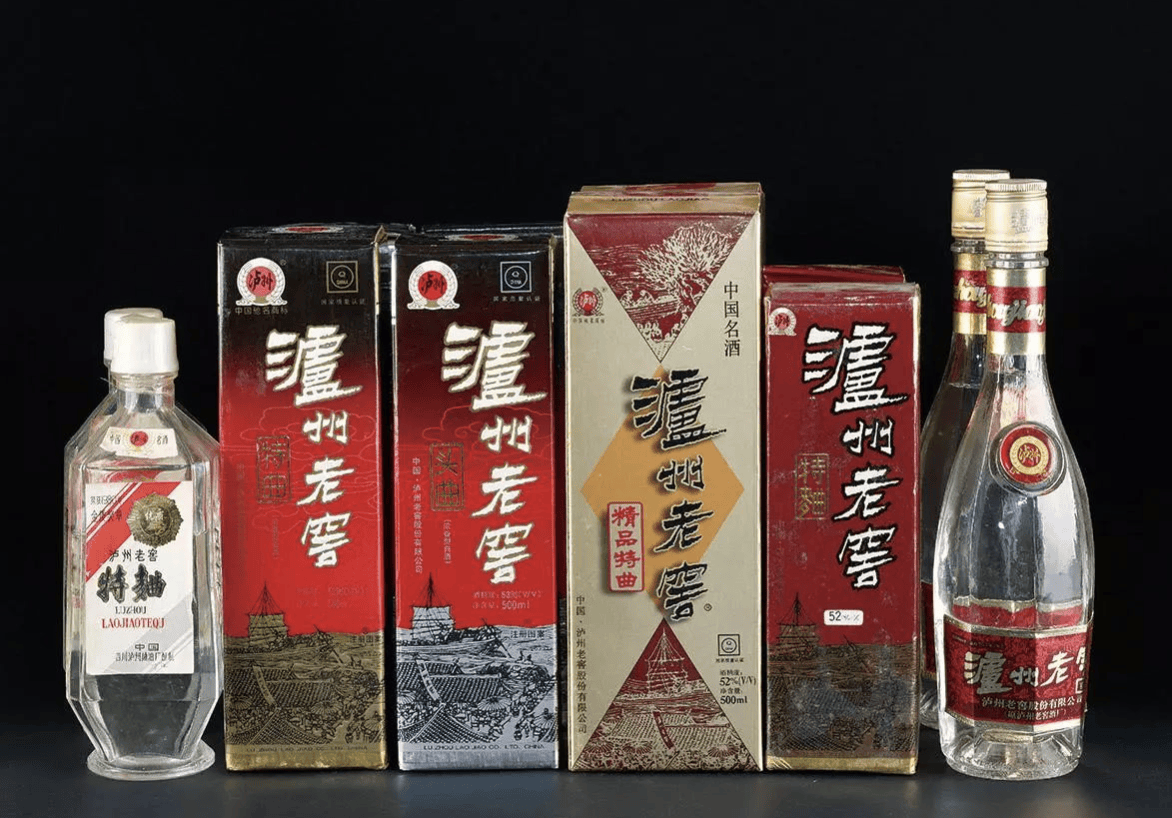
调研速递|泸州老窖接受天风证券等169家机构调研 透露白酒行业发展要点
Xin Lang Zheng Quan· 2025-09-03 12:01
Group 1 - The analyst meeting held by Luzhou Laojiao on September 1, 2025, involved 169 institutions including Tianfeng Securities and Huachuang Securities, focusing on the development prospects of the liquor industry and the pricing strategy of Guojiao 1573 [1][2] - The Chinese liquor industry is currently undergoing a new adjustment cycle characterized by a "reduction in volume and an increase in quality," shifting from "capacity expansion" to a focus on "quality, brand, culture, and value" [3] - Luzhou Laojiao's marketing strategy includes deepening market penetration, promoting product innovation to align with trends like lower alcohol content, optimizing product structure, and transforming channels through a digital marketing system [3] Group 2 - Guojiao 1573 maintains its positioning as a "strong aroma national liquor," focusing on price stability to reinforce its status in the high-end liquor market [3] - The company aims for a "steady progress" operational goal for 2025, influenced by the consumption environment, and will adapt strategies to pursue long-term industry value and sustainable development [3] - Despite challenges in the liquor industry, the upcoming Mid-Autumn and National Day festivals are expected to maintain the fundamental demand for liquor, with the company leveraging digital tools to boost sales [3] Group 3 - The trend towards lower alcohol content products is acknowledged, with the company welcoming competition and planning to introduce high and low alcohol products as needed to cultivate potential markets [3] - Performance in the first half of the year showed steady development in key markets such as Sichuan, North China, and East China, with East China performing particularly well [3] - The company will adhere to its "2358 + 100" regional strategy to deepen its base market [3]

促消费政策催化,持续看好顺周期方向
CAITONG SECURITIES· 2025-09-03 11:00
Investment Rating - The industry investment rating is "Positive" (maintained) [2][9] Core Viewpoints - Recent policies aimed at boosting consumption, such as the "2025 Shaoxing City Consumption Promotion Policy," are expected to benefit cyclical sectors, particularly in the liquor and restaurant chains [5] - The policy includes subsidies for banquet consumption, which will directly stimulate demand for liquor and benefit suppliers in the banquet consumption chain [5] - The report anticipates that similar policies may be adopted in other regions, which could enhance overall consumer demand and support the recovery of liquor demand and banquet supply chain enterprises [5] - The restaurant industry is currently at the bottom of its cycle but is expected to gradually recover due to ongoing policy support, with specific recommendations for various segments including liquor, restaurant chains, beer, and yellow wine [5] Summary by Sections Recent Market Performance - The food and beverage sector has shown a performance of -7% over the last 12 months, compared to 2% for the CSI 300 and 11% for the Shanghai Composite Index [4] Policy Impact - The Shaoxing policy provides tiered subsidies for banquet consumption, with a maximum of 5,000 yuan for events with five tables or more and total spending exceeding 10,000 yuan [5] - The policy is expected to stimulate banquet consumption during the upcoming Mid-Autumn Festival and National Day holidays, benefiting liquor demand [5] Investment Recommendations - The report recommends focusing on the following companies: - Liquor: Guizhou Moutai, Wuliangye, Luzhou Laojiao, Shanxi Fenjiu, Shede Liquor, Gujing Gongjiu, Yingjia Gongjiu, and Jinshiyuan [5] - Restaurant Chains: Hai Tian Wei Ye, Anji Food, Angel Yeast, and Qianwei Central Kitchen [5] - Beer: Qingdao Beer, China Resources Beer, and Yanjing Beer [5] - Yellow Wine: Kuaijishan and Guyue Longshan [5]



泸州老窖(000568) - 000568泸州老窖投资者关系管理信息20250903
2025-09-03 10:59
Group 1: Industry Outlook - The Chinese liquor industry is undergoing a new adjustment cycle, shifting from "capacity expansion" to "quality improvement, brand influence, cultural expression, and value creation" [2] - Consumer preferences are changing from "quantity satisfaction" to "quality pursuit," with a focus on product value and brand connotation [2] - The younger consumer demographic prefers personalized, lower-alcohol, and self-indulgent liquor options [2] - The consumption scenario is evolving, with a decline in government consumption and a stable growth in self-drinking scenarios [2] Group 2: Company Strategies - The company is focusing on market cultivation, particularly in lower-tier markets, to transform opportunities into sustainable growth [3] - Continuous product innovation is a priority, with plans to promote lower-alcohol products and introduce new offerings like the 28° Guojiao 1573 [3] - The company is reinforcing its core product lines, shifting resources towards popular products to maintain its market position [3] - A channel transformation strategy is in place, enhancing digital marketing and building a comprehensive online and offline sales network [3] Group 3: Financial and Operational Goals - The company aims for a "steady progress" operational goal for 2025, influenced by market conditions and competition [3] - Marketing expenses will be optimized for brand building and consumer engagement, maintaining a reasonable expense ratio [3] Group 4: Market Performance - Key markets such as Sichuan, North China, and East China are performing steadily, with East China showing better results [3] - The company will continue to implement its "2358+100" regional strategy to strengthen its market presence [3]
白酒板块9月3日跌0.98%,伊力特领跌,主力资金净流出7.26亿元
Zheng Xing Xing Ye Ri Bao· 2025-09-03 08:40
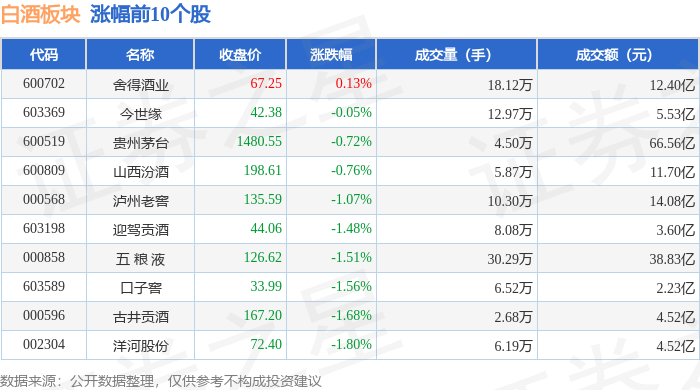
Market Overview - The liquor sector experienced a decline of 0.98% on September 3, with Yili Te leading the drop [1] - The Shanghai Composite Index closed at 3813.56, down 1.16%, while the Shenzhen Component Index closed at 12472.0, down 0.65% [1] Individual Stock Performance - Key stocks in the liquor sector showed varied performance, with the following notable changes: - Shede Liquor: Closed at 67.25, up 0.13% [1] - Kweichow Moutai: Closed at 1480.55, down 0.72% with a trading volume of 45,000 shares and a transaction value of 6.656 billion [1] - Wuliangye: Closed at 126.62, down 1.51% with a trading volume of 302,900 shares and a transaction value of 3.883 billion [1] - Yili Te: Closed at 15.56, down 3.35% with a trading volume of 78,800 shares and a transaction value of 1.25 billion [2] Capital Flow Analysis - The liquor sector saw a net outflow of 726 million from institutional investors, while retail investors contributed a net inflow of 479 million [2] - The following stocks had significant capital flow: - Shede Liquor: Net inflow from institutional investors was 59.79 million, while retail investors had a net outflow of 17.44 million [3] - Kweichow Moutai: Experienced a net outflow of 14 million from institutional investors [3] - Yili Te: Had a net outflow of 2.68 million from institutional investors [3]


方正证券:白酒行业筑底深化 龙头企业优势凸显
智通财经网· 2025-09-03 08:15
Core Viewpoint - The current outlook for the liquor industry indicates that a bottom has formed due to multiple policy catalysts, with the liquor sector showing signs of recovery but still at historical lows. The industry is expected to benefit from improved economic expectations, with a focus on the upcoming Mid-Autumn Festival and National Day for demand recovery [1][2]. Group 1: Industry Performance - In Q2 2025, the liquor industry entered a deep adjustment phase under macroeconomic and policy pressures, with total revenue for the first half of 2025 reaching 239.8 billion yuan, a year-on-year decrease of 0.9%, and net profit attributable to shareholders at 94.6 billion yuan, down 1.2% [2]. - Excluding Moutai, other listed companies in the sector reported a total revenue of 150.4 billion yuan in H1 2025, a decline of 6.1%, with net profit at 49.2 billion yuan, down 8.9% [2]. - The overall price of mainstream liquor products has declined, but with improving industry sentiment and easing constraints in H2, a recovery is anticipated, particularly during the peak sales periods of the Mid-Autumn Festival and National Day [2]. Group 2: Brand and Price Segmentation - High-end liquor brands are outperforming mid-range and regional brands, with high-end brands maintaining resilience through strong brand power and channel control. Moutai and other leading brands are stabilizing their market positions through inventory control and channel optimization [3]. - Mid-range liquor brands are experiencing more direct impacts from policy changes, with some brands like Fenjiu showing continued growth despite pressures [3]. - Regional leaders are focusing on maintaining market share and stabilizing core product prices, while brands like Jiangsu Yanghe and Jiuzi have seen significant adjustments [3]. Group 3: Investment Recommendations - The company suggests focusing on leading brands with strong market positions such as Moutai, Wuliangye, Luzhou Laojiao, and Shanxi Fenjiu during the economic transition [3]. - Regional leaders that maintain their core markets, such as Gujing Gongjiu and Jiuzi, are expected to sustain momentum as demand recovers [3]. - Brands that have actively managed their financials during this adjustment period, like Shede and Yanghe, are also recommended for attention [3].
