
GUJING(000596)

Search documents
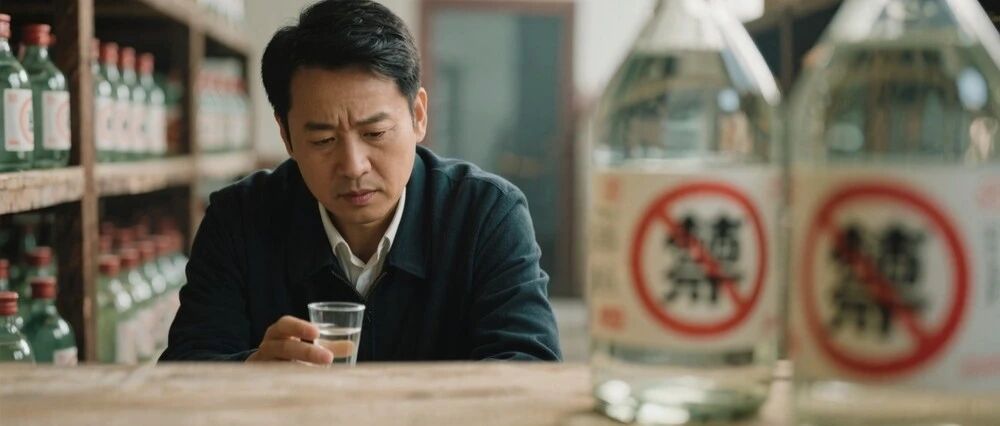
禁酒令下,白酒惨烈
虎嗅APP· 2025-09-07 23:52
Core Viewpoint - The Chinese liquor industry is undergoing significant challenges due to the impact of the alcohol ban, leading to declining production, sales, and profits across various companies [4][6][10]. Group 1: Industry Overview - Liquor consumption has decreased, with production falling nearly 6% after eight consecutive years of decline [5]. - The average price range for main consumer segments has shifted from 300-500 RMB to 100-300 RMB [6]. - The total profit for the industry has decreased by 10% compared to the same period last year, with over 100 companies shutting down [6]. Group 2: Impact of the Alcohol Ban - The alcohol ban has particularly affected high-end liquor sales, with sales in regions like Henan dropping by 50% during June and July [9][10]. - The ban has altered the underlying logic of the liquor industry, affecting over 10% of the national workforce and potentially impacting consumption worth hundreds of billions [10][11]. - The relationship between central and local governments is complex, with national policies like the alcohol ban reshaping the competitive landscape and local economies [11]. Group 3: Company Performance - Among 20 listed liquor companies, only 6 reported positive revenue growth in their mid-year reports [14]. - Major players like Moutai and Wuliangye are experiencing pressure, with Wuliangye's net profit declining by 7.58% and Shanxi Fenjiu by 13.5% in Q2 [15][17]. - The average net profit decline for many companies in Q2 is around 60%, with some companies like Shendao experiencing a staggering 62.66% drop [15][16]. Group 4: Market Dynamics - Moutai's revenue from its flagship product grew by 10.99%, while its series liquor saw a decline of 6.53% [20]. - Wuliangye's sales volume increased by 12.7%, but the average price fell by 7.2%, indicating a reliance on volume to maintain revenue [25][28]. - The market for low-alcohol products is projected to grow significantly, with a compound annual growth rate of 25% expected to reach 74 billion RMB by 2025 [38]. Group 5: Future Outlook - The alcohol ban has accelerated changes in consumer habits, with a notable decline in high-end dining and business-related alcohol consumption [34][35]. - Companies are adapting by introducing lower-alcohol products to attract younger consumers, although the effectiveness of this strategy remains uncertain [39][40]. - The liquor industry is heavily reliant on local economies, with companies like Moutai contributing significantly to local tax revenues and economic stability [48][50].







鹰眼观酒 丨白酒进入调整期,从“二八”向“一九”演进
Da Zhong Ri Bao· 2025-09-07 05:48
Core Insights - The Chinese liquor industry is experiencing a dual drive of consumption recovery and structural upgrades, leading to a pronounced trend of "the strong getting stronger and increased differentiation" [2][3] Group 1: Financial Performance - In the first half of the year, 19 A-share listed liquor companies reported a total revenue of 235.21 billion yuan, a year-on-year decrease of 0.5%, and a total net profit of 94.39 billion yuan, down 0.92% [2] - The top six liquor companies, including Kweichow Moutai and Wuliangye, accounted for 89.82% of the total revenue of A-share listed liquor companies, with a combined revenue of 211.25 billion yuan [2][3] - Kweichow Moutai achieved a main revenue of 89.39 billion yuan, while Wuliangye reported 52.77 billion yuan, and Shanxi Fenjiu reached 23.96 billion yuan in the first half of 2025 [3] Group 2: Market Dynamics - The market share of the top six liquor brands increased from 86.82% in 2022 to 89.82% in mid-2025, indicating a shift from the "80/20 rule" to the "90/10 rule" [4] - Kweichow Moutai's revenue share of the industry increased from 36.37% in 2022 to 38% in the first half of 2025, showcasing its strong brand moat and pricing power [4] - Shanxi Fenjiu has become a notable disruptor in the industry, achieving double-digit growth in revenue and net profit for eight consecutive years, increasing its market share from 7.68% in 2022 to 10.19% in the first half of 2025 [4] Group 3: Industry Challenges and Strategies - The liquor industry is entering a deep adjustment period characterized by policy adjustments, consumption changes, and intensified competition, where stability is deemed more important than growth [5] - Many liquor companies are enhancing promotional efforts, such as Shanxi Fenjiu's strategic branding initiatives through high-profile media appearances and cultural events [5] - The industry is shifting focus towards providing genuine value to consumers, particularly the younger generation, as blind expansion and price increases pose increasing risks [6] Group 4: Consumer Complaints - Consumer complaints in the liquor industry are primarily concentrated in three areas: product quality, marketing irregularities, and consumer experience [8] - Issues related to product quality include the prevalence of counterfeit high-end liquor and deceptive practices surrounding "vintage liquor" [8] - Marketing concerns involve false advertising in live-streaming sales and misleading pricing strategies during promotional events [8]

6家增长,14家下滑,3家亏损!白酒行业大洗牌,中小酒企面临雪崩
Sou Hu Cai Jing· 2025-09-06 11:40
Core Viewpoint - The Chinese liquor industry is experiencing significant polarization, with major players like Moutai thriving while others, such as Jinzhongzi, face severe losses, indicating a challenging market environment for many companies [1][8]. Industry Overview - The white liquor industry is undergoing accelerated differentiation, with 21 listed liquor companies showing mixed results: 6 companies are struggling to grow, 14 are experiencing declines, and 3 are nearing losses [3]. - The average inventory turnover days in the liquor industry have reached 900 days, indicating a significant inventory pressure on distributors [12]. Company Performance - Moutai reported a revenue of 893.89 billion with a net profit of 454.03 billion, showing a year-on-year growth of 8.89% [5][6]. - Gujing Gongjiu achieved a revenue of 138.8 billion, with a 0.54% increase in net profit to 36.62 billion, largely due to its online sales strategy [6][24]. - Jinzhongzi reported a loss of 72 million, with a staggering year-on-year decline of 750.54% [8][19]. - Other companies like Jiugui Jiu and Yanghe experienced significant revenue declines of 43.54% and 35.32%, respectively [6][19]. Market Trends - The introduction of new regulations limiting alcohol consumption in government settings has drastically reduced the share of business banquet wines from 35% to 18%, impacting high-end liquor sales [19]. - There is a growing consumer preference for lower-priced, simpler packaging products, leading to a rise in sales of light bottle wines priced between 60-80 yuan [21][24]. - Companies are innovating their product lines, with some introducing herbal liquors and health-oriented products to attract younger consumers [22][27]. Strategic Responses - Moutai is leveraging its by-products for new revenue streams, converting waste into organic fertilizers and biogas [15][17]. - Gujing Gongjiu's online sales have surged by 40.19%, demonstrating the effectiveness of digital marketing strategies during this downturn [24]. - Companies are focusing on channel innovation and deepening market penetration to maintain resilience amid industry adjustments [24][26].


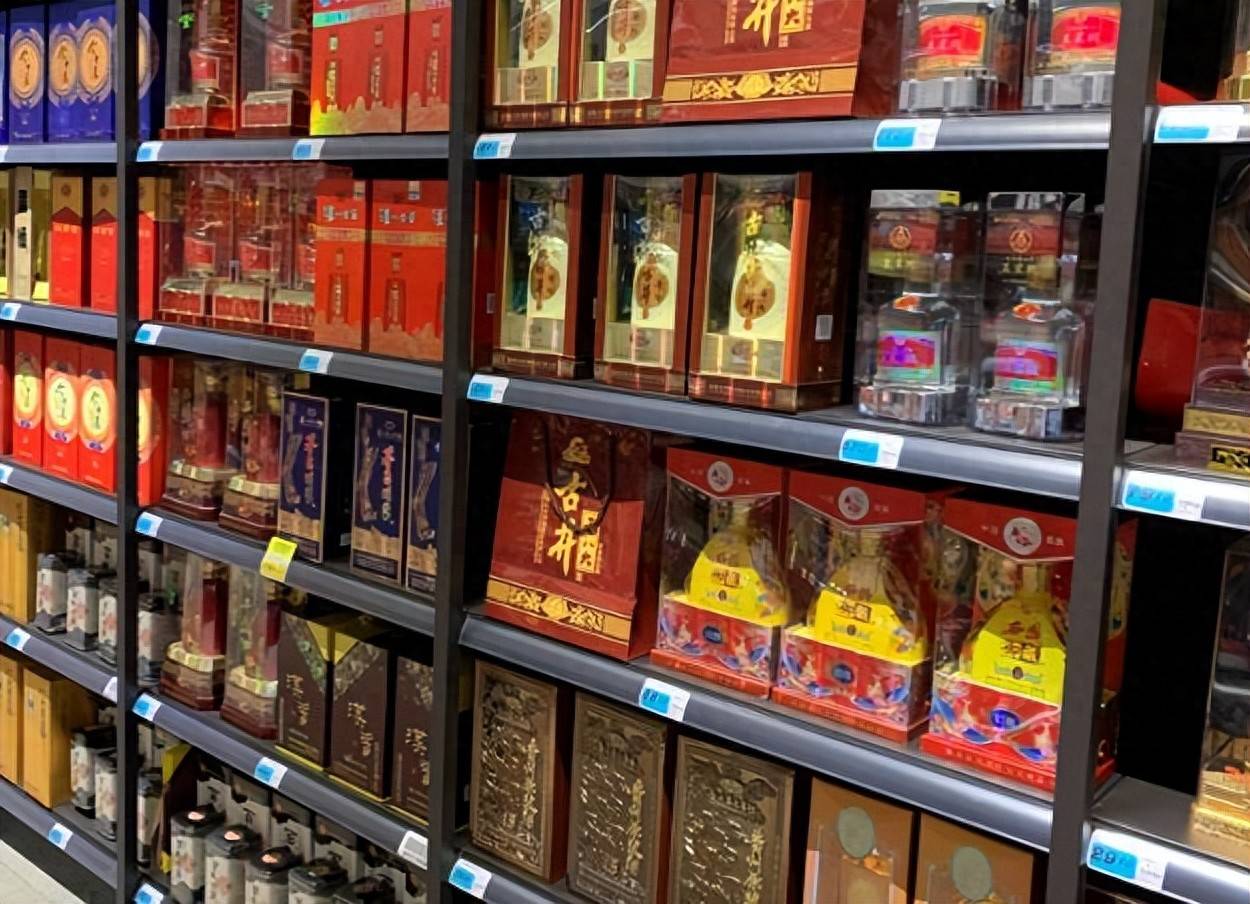
食品饮料周报:名酒保住增长,白酒业即将穿越周期?
Zheng Quan Zhi Xing· 2025-09-05 07:24
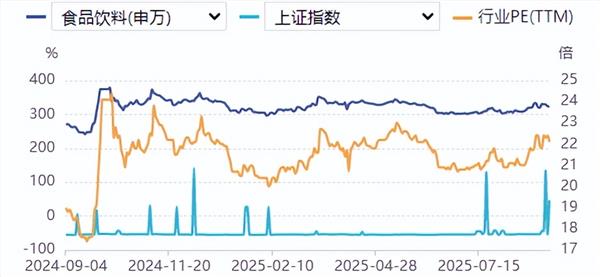
Core Viewpoint - The food and beverage industry is experiencing a mixed performance, with some companies showing growth while others face challenges due to market adjustments and inventory pressures [2][8][9]. Market Performance - The Shanghai and Shenzhen 300 Index fell by 0.81%, while the Shenwan Food and Beverage Index decreased by 1.5% during the specified period [1]. - The top five gaining stocks included Huanlejia, Gaisi Food, Qianwei Yangchu, Baihe Co., and Huifa Food [1]. Institutional Insights - Open-source Securities suggests focusing on three lines: national mid-to-high-end recovery, regional leaders, and high-end liquor valuation recovery [2]. - Key companies to watch include Shede Liquor, Shanxi Fenjiu, Gujing Gongjiu, and Moutai, with a focus on new consumption trends and channels [2]. - Huachuang Securities recommends exploring new opportunities in the health product sector, particularly H&H International and Xianle Health [3]. Industry Trends - The liquor industry is undergoing a rational adjustment, with companies like Moutai and Zhenjiu Liudu exploring new paths to enhance market reach [7]. - The white liquor sector is seeing a significant inventory issue, with 20 listed liquor companies holding nearly 170 billion yuan in inventory, leading to cash flow pressures for some mid-tier companies [9]. Company Developments - Wuliangye has launched a promotional campaign allowing car buyers to purchase its liquor at a 25% discount [10][11]. - Yingjia Gongjiu has established a new sales company to enhance its market presence [12]. - Jiusuan Co. has adjusted its growth strategy, focusing on maintaining market share rather than absolute growth [13]. Macro Events - The Chinese warehousing index for August was reported at 49.3%, indicating a decline in new orders and a slowdown in goods turnover, which may impact the food and beverage sector [4]. - The emergence of H5N1 avian influenza in the UK could have implications for poultry-related food products [5]. Financial Metrics - The financial performance of the liquor industry shows a significant disparity, with 15 out of 21 listed companies reporting revenue declines, while only six managed to achieve growth [8]. - The industry is expected to face continued challenges, with some analysts predicting a prolonged adjustment period before recovery [8]. Inventory and Capacity Issues - Many liquor companies are struggling with high inventory levels, with some facing a six-year inventory turnover cycle, which could further strain cash flow [9]. - Despite low capacity utilization rates, some companies continue to expand production, raising concerns about future inventory management [9].

中国酒业协会推动行业术语规范化变革:“勾调”取代“勾兑”、淡化“香型”概念、将≥25度的酒统称为“高度酒”-财经-金融界
Jin Rong Jie· 2025-09-05 02:23
Core Insights - The Chinese liquor industry is facing structural challenges, including inventory pressure and changing consumption scenarios, with a shift from large gatherings to smaller social settings [1][2] - The focus for future competition will be on capturing the younger consumer demographic by emphasizing emotional value and social attributes in products rather than just alcohol content [1][2] Industry Challenges - There is a notable increase in inventory due to rapid channel expansion during the pandemic, leading to conflicts between traditional distribution channels and e-commerce platforms [1] - The reduction in public consumption and the shift towards casual drinking among friends and family are changing the drinking landscape [1] Consumer Trends - Younger consumers are prioritizing emotional value, drinking methods, and social aspects over traditional drinking habits [1] - The industry is encouraged to adopt a "low-alcohol high-quality" approach, focusing on enhancing flavor profiles and allowing consumers to choose their drinking experiences [1] Regulatory Changes - The China Alcohol Industry Association is promoting the standardization of industry terminology, including replacing "勾兑" with "勾调" and redefining product characteristics based on "brand + flavor" rather than "aroma type" [1] - There is a proposal to categorize all beverages with an alcohol content of 25 degrees or more as "high-alcohol" drinks, encouraging companies to focus on flavor development without emphasizing low alcohol content [1] Strategic Recommendations - Liquor companies are advised to shift from a production-oriented approach to a consumer-oriented one, engaging directly with consumers to define new drinking scenarios [2] - Emphasis on multi-dimensional innovation in products, marketing, and drinking methods is essential to adapt to the evolving consumer landscape [2]
行业投资策略:中报综述:传统消费微光渐明,新消费繁花正盛
KAIYUAN SECURITIES· 2025-09-04 09:26
Core Insights - The report maintains a positive investment rating for the food and beverage industry, indicating potential recovery and growth opportunities despite current pressures [1] - The food and beverage sector has underperformed the market, with a year-to-date increase of 3.9%, lagging behind the CSI 300 by approximately 17.2 percentage points [4][16] - The snack segment has shown strong performance, with a notable increase of 55.2% from January to August 2025, while other segments like beer and seasoning products have struggled [4][16] Market Performance - The food and beverage sector's performance has been mixed, with snacks, cooked food, and other alcoholic beverages showing positive growth, while beer and seasoning products have declined [4][16] - The overall market sentiment has shifted towards technology themes, leading to weaker performance in traditional food and beverage sectors [4][16] - The report highlights that the snack segment's strong performance is driven by companies like Wancheng Group (+164.7%), Youyou Foods (+40.9%), and Haoxiangni (+36.2%) [4][16] Economic Overview - The macroeconomic environment remains challenging, with China's GDP growth at 5.2% in Q2 2025, slightly down from Q1 [5][49] - Retail sales of consumer goods increased by 5.4% year-on-year in Q2 2025, indicating a slight recovery, but traditional consumption sectors still face pressure [5][49] - The report anticipates a gradual recovery in consumer spending in the second half of 2025 [5][49] Industry Analysis - The food and beverage sector's revenue growth in Q2 2025 was 5.6%, a slight improvement from Q1, but profits declined by 2.1% [6][49] - The report notes a significant decline in the revenue growth of the liquor sector, particularly due to the impact of alcohol bans [6][49] - New consumption trends are emerging, with snack and health product segments showing resilience and growth potential [6][49] Investment Opportunities - The report suggests that the liquor sector is beginning to show signs of recovery, with potential for valuation improvement as the market stabilizes [7] - It recommends focusing on leading companies in the sector, particularly those with strong growth prospects in new consumption categories [7] - Specific companies to watch include Wancheng Group, Xiamen International Trade, and Dongpeng Beverage, which are expected to benefit from emerging trends [7]



食品饮料行业2025年半年度业绩综述:白酒加速出清,大众品结构分化
Dongguan Securities· 2025-09-04 09:15
Investment Rating - The report maintains an "Overweight" rating for the food and beverage industry [1] Core Insights - The food and beverage industry experienced a revenue growth of 2.47% year-on-year in H1 2025, totaling 582.81 billion yuan, while net profit decreased by 0.60% to 127.67 billion yuan [3][11] - The report highlights a significant performance divergence among sub-sectors, with the liquor sector facing challenges while other segments like snacks and soft drinks showed better performance [3][11] Summary by Sections 1. Industry Overview - The food and beverage industry achieved a total revenue of 582.81 billion yuan in H1 2025, with a year-on-year growth of 2.47%, a decline of 2.79 percentage points compared to the previous year [3][11] - The net profit attributable to shareholders was 127.67 billion yuan, down 0.60% year-on-year, with a notable decline in growth rate of 14.64 percentage points [3][11] 2. Liquor Sector - The liquor sector's revenue in H1 2025 was 241.51 billion yuan, a decrease of 0.86% year-on-year, with net profit at 94.56 billion yuan, down 1.18% [24][28] - In Q2 2025, the liquor sector's revenue was 88.09 billion yuan, down 5.01% year-on-year, and net profit decreased by 7.50% to 31.17 billion yuan [24][28] 3. Beer Sector - The beer sector showed a revenue growth of 2.36% in H1 2025, with a double-digit increase in net profit [3][11] - The sector's profitability improved steadily, benefiting from cost reductions and product structure optimization [3][11] 4. Seasoning Sector - The seasoning sector experienced a year-on-year revenue growth in Q2 2025, indicating a recovery in dining consumption [3][11] 5. Dairy Sector - The dairy sector's performance improved in Q2 2025, with growth driven by a low base effect [3][11] 6. Snack Sector - The snack sector showed a mixed performance in Q2 2025, with some companies benefiting from core products and online channels [3][11] 7. Investment Strategy - The report suggests focusing on high-certainty stocks in the liquor sector, such as Kweichow Moutai and Wuliangye, and highlights the potential in the snack and dairy sectors due to improving consumption trends [3][11]

行业“深水区”:除了控量稳价,酒企还能做什么?|财报解读②
Sou Hu Cai Jing· 2025-09-03 16:05
Core Insights - The overall performance of the liquor industry is under pressure, with 20 listed liquor companies reporting a total revenue of 241.28 billion yuan in the first half of 2025, a slight decrease of 1.59% year-on-year, and net profits also facing challenges [1] - The industry is experiencing a significant divergence, with only 6 companies achieving both revenue and net profit growth, and only 4 companies maintaining positive revenue growth in the second quarter [1][2] - Major liquor companies are proactively adjusting strategies and innovating to strengthen core competitiveness and market share amid the industry's complex environment [1][4] Industry Performance - The liquor industry is currently in a "deep water zone" characterized by reduced volume, falling prices, and high inventory levels, leading to a cautious approach among companies [1][2] - Companies like Moutai and Gujing Gongjiu have acknowledged the industry's deep adjustment and the need for structural optimization to navigate the current cycle [1][2] Strategic Adjustments - "Proactive deceleration, controlling volume and stabilizing prices" has become a common strategy among liquor companies, with a focus on stability in their 2025 targets [2][4] - Nine companies have reduced contract liabilities to alleviate pressure on traditional channels, indicating a flexible market operation strategy [4] Inventory Management - The current "suspension of sales" trend is a significant market adjustment tool, with a broader product coverage and increased participation from both major and regional brands [5][7] - As of June 2025, the total inventory of 20 listed liquor companies reached approximately 170 billion yuan, reflecting a growing trend [7] Low-Alcohol Trend - The low-alcohol trend is gaining momentum, with companies like Wuliangye and Gujing Gongjiu launching new low-alcohol products to meet changing consumer preferences [8][10] - The low-alcohol market is projected to grow at a compound annual growth rate of 30%, with expectations to exceed 74 billion yuan by 2025 [11] Cross-Industry Innovations - Liquor companies are actively pursuing cross-industry innovations to expand their market reach and appeal to diverse consumer groups [14][18] - Collaborations with retail giants and the introduction of new product lines are strategies employed to enhance market penetration and operational efficiency [15][20]
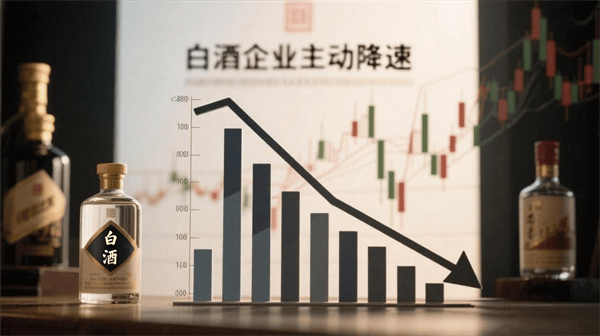
高度酒库存积压,低度酒预售秒空!白酒企业要靠“降度”突围?
Sou Hu Cai Jing· 2025-09-03 13:40
Core Insights - The keyword "lower degree" has become the most popular term in the Chinese liquor industry for 2025, indicating a significant shift towards low-alcohol products [2][3] Industry Trends - The low-alcohol liquor market in China is rapidly expanding, with market size projected to grow from approximately 20 billion yuan in 2020 to 57 billion yuan by 2024, and expected to exceed 74.2 billion yuan in 2025, reflecting a compound annual growth rate (CAGR) of 30% [4] - The shift towards low-alcohol products is driven by generational changes in consumer preferences, particularly among younger consumers born in the 1990s and 2000s, who show a strong preference for low-alcohol beverages over traditional high-alcohol options [5][6] Company Strategies - Major liquor companies are actively launching low-alcohol products to capture the young consumer market. For instance, Wuliangye's 29-degree "Yi Jian Qing Xin" product has gained significant attention and sold out quickly during a live-stream event [3][7] - Luzhou Laojiao has developed a 28-degree version of its popular Guojiao 1573, while Yanghe and other companies are also introducing various low-alcohol products to diversify their offerings [11][12] - Moutai is expanding into the low-alcohol market with its Yumi brand, launching multiple new products, including a 33.8-degree liquor [6] Market Dynamics - The potential market for young drinkers in China is estimated at 490 million, supporting a market size of 400 billion yuan, which presents a significant opportunity for low-alcohol liquor [15] - Despite the promising growth, the low-alcohol market faces challenges such as product homogenization and the need for differentiation among brands [18] - Companies must innovate not only in product offerings but also in marketing strategies to cultivate a suitable consumption environment for low-alcohol beverages [20]

中国白酒:2025 年第二季度业绩 -老窖、古井-Chinese Liquor_ 2Q25 Results_ Lao Jiao, Gujing
2025-09-03 13:23
Summary of the Conference Call on Chinese Liquor Industry - 2Q25 Results Industry Overview - **Industry**: Chinese Liquor - **Companies Covered**: Lao Jiao (Luzhou Lao Jiao Co. Ltd) and Gujing (Anhui Gujing Distillery Company Limited) Key Financial Results Lao Jiao - **Sales**: Decreased by 8% year-over-year (YoY) in 2Q25, which was in line with expectations [6] - **Net Profit**: Decreased by 11% YoY in 2Q25, also in line with expectations [6] - **Operating Profit Margin (OPM)**: Decreased by 3.3 percentage points (ppts) [6] - **Gross Profit Margin (GPM)**: Decreased by 4.7 ppts due to a higher business tax [6] - **Operating Expenses Ratio**: Decreased by 1.3 ppts [6] Gujing - **Sales**: Decreased by 14% YoY in 2Q25, which was below expectations [6] - **Net Profit**: Decreased by 12% YoY in 2Q25, also below expectations [6] - **Operating Profit Margin (OPM)**: Increased by 1.0 ppt [6] - **GPM**: Remained flat, with a decrease in operating expenses ratio by 1.0 ppt [6] Product and Sales Mix - **Midrange to High-End Liquor Sales**: Accounted for 92% of core sales, with a decrease of 1% YoY (volume increased by 13%, average selling price (ASP) decreased by 13%) [6] - **Low-End Liquor Sales**: Decreased by 17% YoY (volume decreased by 7%, ASP decreased by 11%) [6] - **Sales Channels**: - Traditional wholesale offline channel (94% of liquor sales) saw a decrease of 4% YoY, with a GPM of 87.4% [6] - New online channel experienced an increase of 28% YoY, with a GPM of 83.5% [6] Customer Advances and Cash Position - **Customer Advances**: Increased to RMB 3.5 billion in 2Q25 from RMB 2.3 billion in 2Q24 [6] - **Cash from Selling Products**: Decreased by 15% YoY in 2Q25 to RMB 9.5 billion [6] - **Net Cash Position**: Increased to RMB 34.3 billion in 2Q25 from RMB 31.4 billion in 1Q25 and RMB 25.1 billion in 2Q24 [6] Regional Performance - **Northern China**: Sales decreased by 27% YoY [6] - **Central China**: Sales increased by 4% YoY [6] - **Southern China**: Sales decreased by 6% YoY [6] Analyst Reactions - **Anhui Gujing Distillery Company Limited**: Unchanged outlook with a modest shortfall and a modest revision lower [8] - **Luzhou Lao Jiao Co. Ltd**: Outlook remains unchanged and largely in line with expectations [8] Additional Insights - **Product Mix in 1H25**: Mid-market to high-end Vintage increased by 2% YoY to RMB 11.0 billion; mass market Gujing series decreased by 4% YoY to RMB 1.2 billion; low-end segment including Huanghelou increased by 7% YoY to RMB 1.5 billion [6] - **Cash Position for Gujing**: Cash from selling products increased by 19% YoY in 2Q25 to RMB 7.0 billion [6] - **Net Cash for Gujing**: RMB 15.3 billion in 2Q25 compared to RMB 16.2 billion in 1Q25 and RMB 16.0 billion in 2Q24 [6] This summary encapsulates the key financial metrics, product performance, and regional insights for the Chinese liquor industry, specifically focusing on Lao Jiao and Gujing for the second quarter of 2025.