LI AUTO(LI)

Search documents
12款新车展望2026:中国汽车市场开启“耐力赛” | 界面预言家⑧
Xin Lang Cai Jing· 2025-12-31 09:15
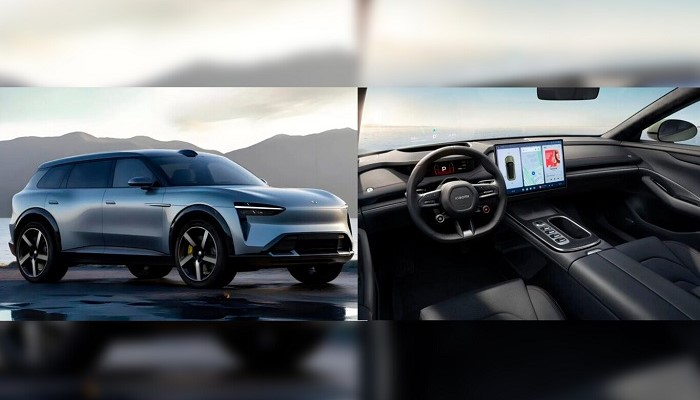
Group 1 - The automotive market is transitioning from a high-intensity "sprint" to a "marathon" mode by 2026, with electric vehicle (EV) growth slowing and consumers becoming more cautious about value and reliability [1] - Consumers are increasingly embracing hybrid and plug-in hybrid vehicles as a "bridge solution" to reduce range anxiety and stabilize purchasing decisions [1] - The supply side is experiencing compressed model development cycles, with a shift towards rapid iteration similar to the Chinese model, making "annual updates" and "mid-cycle facelifts" essential [1] Group 2 - The focus for 2026 is shifting towards addressing "problems" rather than just introducing "new cars," including questions about brand coherence and the ability to maintain consumer trust [2] - The success of the SU7 indicates that a clear product positioning and ongoing conversation can mitigate the disadvantages of late market entry, but the YU9 faces a crowded high-end SUV segment [3][7] Group 3 - The YU9 is expected to target the family flagship market with a three-row layout and reduced range anxiety, but it must adapt its sporty narrative to emphasize comfort and long-distance experience [7] - The Z model from Tengshi aims to rebrand the company by packaging its technological capabilities into a more appealing product narrative, enhancing its market presence [35] Group 4 - The iX3 from BMW is positioned to address how joint venture electric vehicles can differentiate themselves in the Chinese market, focusing on comfort and local adaptations while retaining driving characteristics [47][49] - The second-generation Roadster from Tesla, delayed for nearly nine years, needs to redefine its narrative to maintain its market allure amidst increasing competition in the high-performance electric vehicle segment [51][54] Group 5 - The introduction of large GT and convertible models by Genesis is seen as a brand investment rather than a sales strategy, aiming to elevate brand perception and value in the luxury market [56][59]





汽车及汽车零部件行业研究:汽车行业2026 年投资策略:智能提速、格局再塑与全球化持续
SINOLINK SECURITIES· 2025-12-31 09:10
Investment Rating - The report maintains a positive outlook on the automotive industry, particularly focusing on globalization, intelligence, and high-end market opportunities [5]. Core Insights - The automotive industry is experiencing intensified competition in the domestic market while witnessing significant growth in new energy vehicle (NEV) exports [2][3]. - The overall vehicle sales are projected to remain stable in 2026, with a notable increase in NEV sales driven by favorable policies and consumer demand [4][5]. - The report emphasizes the importance of high-end vehicles and intelligent driving technologies as key growth areas for automotive companies [5][14]. Summary by Sections 1. 2025 Review: Intensified Domestic Competition, High Growth in NEV Exports - Total vehicle sales in China for January to November 2025 reached 20.45 million units, a year-on-year increase of 2.0% in retail and 11.2% in wholesale [2]. - Domestic sales showed slight growth, heavily influenced by policy changes, while exports surged, particularly in the NEV segment, which saw a 19% increase year-on-year [2][19]. - The NEV penetration rate reached 40.8% in exports, with significant contributions from plug-in hybrid vehicles [19]. 2. 2026 Outlook: Stability Expected, Acceleration in Globalization and Intelligence - Retail sales of passenger vehicles are expected to reach 22.03 million units in 2026, with NEVs projected to grow by 12% year-on-year [3][4]. - The high-end vehicle segment is anticipated to perform better due to a shift in consumer preferences and the increasing market share of domestic brands [4]. - NEV exports are expected to reach 6.73 million units, with a 34% increase in NEV exports alone, driven by improved product quality and market maturity [4]. 3. Investment Strategy: Favorable Opportunities in Globalization, Intelligence, and High-End Markets - The report highlights the potential for automotive companies that excel in international markets, high-end product offerings, and advanced intelligent driving technologies [5][13]. - Companies like BYD, Geely, and Li Auto are identified as key players likely to benefit from these trends due to their strong export capabilities and innovative products [5][13]. - The report also emphasizes the importance of the AI driving sector, predicting that leading companies will leverage their technological advancements to gain competitive advantages [14][15].
美股异动丨中概新能源车股齐涨,两部门发布关于明年实施“两新”政策的通知
Xin Lang Cai Jing· 2025-12-30 15:01
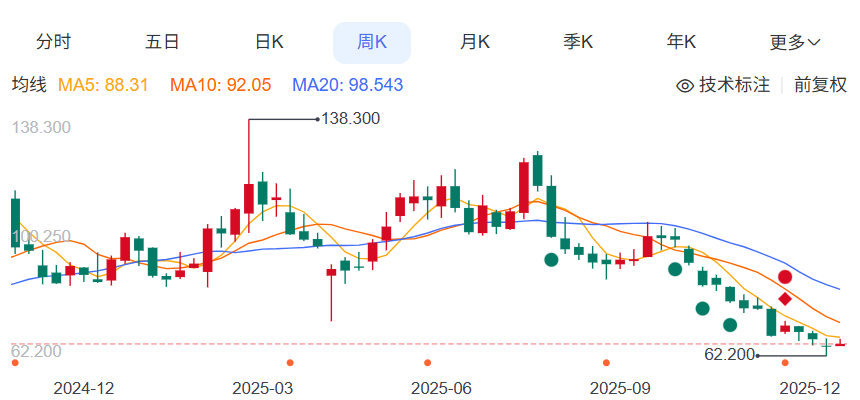
格隆汇12月30日|中概新能源车股齐涨,蔚来涨超7%,小鹏汽车涨5.5%,理想汽车涨近2%。 消息面上,国家发展改革委、财政部发布关于2026年实施大规模设备更新和消费品以旧换新政策的通 知。支持汽车报废更新。个人消费者报废登记在本人名下的乘用车,并购买纳入《减免车辆购置税的新 能源汽车车型目录》的新能源乘用车或2.0升及以下排量燃油乘用车的,给予汽车报废更新补贴支持, 购买新能源乘用车补贴车价的12%(最高不超过2万元)、购买2.0升及以下排量燃油乘用车补贴车价的 10%(最高不超过1.5万元)。 支持汽车置换更新。个人消费者转让登记在本人名下的乘用车,并购买纳入《减免车辆购置税的新能源 汽车车型目录》的新能源乘用车或2.0升及以下排量燃油乘用车的,给予汽车置换更新补贴支持,购买 新能源乘用车补贴车价的8%(最高不超过1.5万元)、购买2.0升及以下排量燃油乘用车补贴车价的6% (最高不超过1.3万元)。(格隆汇) ...


美股异动 | 新能源车中概股普涨 蔚来(NIO.US)涨5%
智通财经网· 2025-12-30 14:45
消息面上,国家发改委、财政部发布《关于2026年实施大规模设备更新和消费品以旧换新政策的通 知》,其中提到,支持汽车报废更新。个人消费者报废登记在本人名下的乘用车,并购买纳入《减免车 辆购置税的新能源汽车车型目录》的新能源乘用车或2.0升及以下排量燃油乘用车的,给予汽车报废更 新补贴支持,购买新能源乘用车补贴车价的12%(最高不超过2万元)、购买2.0升及以下排量燃油乘用车 补贴车价的10%(最高不超过1.5万元)。 上述通知还提到,支持汽车置换更新。个人消费者转让登记在本人名下的乘用车,并购买纳入《减免车 辆购置税的新能源汽车车型目录》的新能源乘用车或2.0升及以下排量燃油乘用车的,给予汽车置换更 新补贴支持,购买新能源乘用车补贴车价的8%(最高不超过1.5万元)、购买2.0升及以下排量燃油乘用车 补贴车价的6%(最高不超过1.3万元)。 智通财经APP获悉,周二,新能源车中概股普涨,蔚来(NIO.US)涨5%,小鹏汽车(XPEV.US)涨逾3%, 理想汽车(LI.US)涨逾1%。 ...
中国汽车_2026 年展望- 衰退与重塑之年-China Autos & Shared Mobility-2026 Outlook – A Year of Recession and Reinvention
2025-12-30 14:41
Summary of the Conference Call on China's Auto Industry Outlook for 2026 Industry Overview - The conference call focuses on the **China auto industry** and its outlook for **2026**, highlighting cyclical and policy challenges that may lead to both risks and opportunities for technological advancements and market growth [1][2]. Key Forecasts and Trends - **Sales Decline**: Anticipated **7% year-over-year (YoY)** decline in auto sales for 2026, ending a three-year growth streak. This decline is attributed to market pessimism, which may lead to a relief rally if marginal improvements occur [2][3]. - **Subsidy Expectations**: Continued nationwide and local subsidies are expected to mitigate the impact of a **5% purchase tax hike**. The average subsidy per car is projected to decrease due to updated stimulus measures [3]. - **Quarterly Sales Projections**: - **1Q26**: Sales expected to fall **5-7% YoY** (or down **30%+ quarter-over-quarter (QoQ)**). - **2Q26**: Anticipated **3% YoY** decline. - **2H26**: Expected to see a **0-1% YoY** decline, with March/April potentially marking the fundamental trough for investors [3]. Volume and Market Share - **Wholesale Volume**: Forecasted **3% YoY** decline in **2026** for passenger vehicle (PV) wholesale volume, with a **7% YoY** decline in domestic sales [4][11]. - **New Energy Vehicles (NEV)**: NEV sales growth is expected to decelerate to **11%**, achieving **59% sales penetration**. Plug-in hybrid electric vehicles (PHEVs) are projected to grow **14%**, outpacing battery electric vehicles (BEVs) at **9%** growth [4][15]. - **Export Growth**: Exports are expected to grow by **16% YoY**, with significant growth in sales to Europe, ASEAN, and Latin America, each projected to grow **20-25% YoY** [4][12]. Investment Recommendations - **Preferred Stocks**: - For OEMs: **XPeng**, **Geely**, and **SAIC** are recommended for their resilient domestic and growing overseas sales, along with potential re-rating opportunities from non-auto initiatives. - Investors are advised to monitor **Li Auto**, **NIO**, and **BYD** for new launches in **2Q26** that may generate alpha against reduced expectations [6]. - **Auto Parts**: Preferred stocks include **Hesai**, **Minth**, and **Xingyu**. Among dealers, **Zhongsheng** is favored due to profit resurgence from stricter scrutiny on unfair auto price competition [6]. Additional Insights - **Technological Development**: The need for progressive development of non-auto initiatives, such as AI and humanoids, is emphasized for a potential re-rating of multiples in the capital market [5]. - **Market Sentiment**: The current market sentiment is characterized by a pessimistic bias, which may create opportunities for recovery if conditions improve [2]. Conclusion - The China auto industry is poised for a challenging year in **2026**, with expected declines in sales and volume. However, strategic investments in resilient companies and emerging technologies may provide opportunities for recovery and growth in the long term [1][2][6].

大家可以来投下票推测理想能否完成2025年4000超充站目标
理想TOP2· 2025-12-30 12:15
Core Viewpoint - The company aims to significantly expand its charging station network, with specific targets set for the coming years, indicating a strong commitment to infrastructure development in the electric vehicle sector. Group 1: Charging Station Development Goals - As of December 30, 2025, the company plans to have 3,835 charging stations, needing 165 more to reach the target of 4,000 [1] - The target for 2024 is to establish 2,000 charging stations, with a breakdown of 700 on highways and 1,300 in urban areas, although the urban target presents more challenges [1] - By December 31, 2024, the company aims to have 1,600 stations operational, with a goal of reaching 2,000 by the end of Q1 2025 [1] Group 2: Progress Updates - On February 25, 2025, the company announced plans to have over 2,500 charging stations ready by the time of the i8 release [2] - By March 14, 2025, the company set a new target of 4,000 charging stations [2] - The company surpassed 2,000 stations on March 28, 2025, and reached 2,500 stations by June 19, 2025 [2] - On July 29, 2025, the company broke the 3,000 station mark on the same day the i8 was officially launched [2] - The company plans to build 4,800 charging stations by 2026, with over 35% of them located on highways, equating to approximately 1,680 stations [2]
理想汽车|写入《2025 汽车行业影响力年鉴》
Jing Ji Guan Cha Bao· 2025-12-30 11:23
Group 1 - The Chinese automotive industry is entering a new development stage as the "14th Five-Year Plan" concludes, with a focus on the impact of AI on technology paths and market structures [1] - AI is transitioning from a functional enhancement to a core capability that determines the upper limits of intelligence in the automotive sector, yet few companies have fully integrated systematic AI capabilities into mass production [1] - Li Auto is positioning itself with a clear path by unifying perception, understanding, and execution capabilities of intelligent assisted driving under a single AI architecture, moving towards AGI technology evolution [1] Group 2 - Li Auto is at the forefront of productizing edge AI, with initiatives like "Li Xiang Classmate" for multimodal interaction and the development of AI glasses Livis, extending AI capabilities beyond in-car systems [2] - The company's value this year lies in integrating AI as a core element, aligning assisted driving, cabin interaction, and edge products into a cohesive evolution logic, providing a benchmark for other automakers in the AI-driven competition [2] - Li Auto has been recognized in the "2025 Automotive Industry Influence Yearbook" as a representative automaker in the annual process of intelligentization due to its achievements in AI architecture integration and edge product implementation [2]
China's EV market slows as price war deepens and overseas push accelerates
Invezz· 2025-12-30 11:05
Core Insights - China's electric vehicle (EV) market is experiencing a downturn in 2025, with sales declining among major players due to intense competition and changing market dynamics [1] Sales Performance - Sales momentum weakened throughout the year, with Tesla's China sales dropping by 7.4% year-on-year from January to November, while BYD reported a 5.1% decline during the same period [2] - BYD's sales saw a significant drop of 26.5% in November compared to the previous year [2] - Newer entrants, such as models powered by Huawei software and vehicles from Xiaomi, recorded sales increases of over 90% in November, indicating a shift towards tech-driven competitors [3] Market Concentration - The top 10 manufacturers now account for approximately 95% of China's new energy vehicle market, a significant increase from 60-70% just two to three years ago [4] - Analysts anticipate further consolidation as consumers favor well-known brands amid increasing price pressures [4] Price Competition - Aggressive discounting has become prevalent, with significant price cuts reported, such as a 432,000 yuan reduction on the Mercedes-Benz EQS EV [5] - UBS predicts that the price war will persist for years, with potential policy changes in 2026 that could negatively impact growth [5] Sales Growth Forecast - UBS forecasts that China's EV sales growth rate may halve next year from around 20% in 2025, indicating a highly saturated market [6] - New energy vehicles accounted for 59.4% of new passenger car sales in November, suggesting limited room for further rapid expansion [6] International Expansion - Slowing domestic demand is prompting Chinese automakers to accelerate their overseas expansion, where profit margins are typically higher [8] - Geely reported that its EV exports quadrupled in the first half of the year, contributing to total vehicle exports of 184,000 [8] - BYD is also expanding internationally, with a new factory in Hungary set to increase production in 2026 and over 131,000 cars exported in November alone [9] Foreign Competition - Analysts expect intensified competition in Europe from Chinese manufacturers and battery makers, which may pressure US automakers and Tesla [9] - Volkswagen has established joint ventures with Xpeng and Horizon Robotics, delivering over 17 million vehicles in China in the first three quarters of 2025, marking an 8.5% year-on-year increase [10]
理想业绩大下滑,纯电转型阻力重重
Xin Lang Cai Jing· 2025-12-30 11:04
Core Viewpoint - Li Auto reported a net loss of RMB 6.25 billion in Q3 2025, marking a shift from profit to loss after 11 consecutive profitable quarters, primarily due to the recall of 11,400 units of the Li MEGA model [1][16]. Financial Performance - Vehicle sales revenue for Q3 2025 was RMB 25.9 billion (USD 3.6 billion), a decrease of 37.4% compared to RMB 41.3 billion in Q3 2024 [2][16]. - Total deliveries amounted to 93,211 units, down 39.0% year-on-year [2][16]. - Total revenue was RMB 27.4 billion (USD 3.8 billion), a decline of 36.2% from RMB 42.9 billion in Q3 2024 and a 9.5% decrease from RMB 30.2 billion in Q2 2025 [2][16]. - The net loss for the quarter was RMB 6.244 billion (USD 877 million) [2][16]. Market Outlook - For Q4 2025, Li Auto anticipates a continued decline, with expected vehicle deliveries between 100,000 and 110,000 units, representing a year-on-year decrease of 30.7% to 37.0% [4][18]. - Revenue for Q4 2025 is projected to be RMB 26.5 billion, reflecting a 40% year-on-year decline [13][25]. Competitive Landscape - The competition in the new energy vehicle market is intensifying, with price wars becoming more prevalent, putting pressure on Li Auto from various competitors [6][19]. - In the extended-range vehicle market, brands like AITO and Deep Blue are competing aggressively, while in the pure electric segment, Tesla and NIO have established significant advantages in technology, brand, and market share [6][19]. - Li Auto needs to accelerate the delivery and technological implementation of its pure electric models while balancing investments in both extended-range and pure electric strategies [6][19]. Production Challenges - New electric models i6 and i8 have received positive market feedback with over 100,000 orders, but supply chain challenges have limited their delivery to only 18% of total deliveries in Q3 [6][19]. - Li Auto is working to enhance production capacity by introducing a dual-supplier system with CATL and Sunwoda, aiming to increase the monthly production capacity of the i6 to 20,000 units by early 2026 [6][19]. New Business Ventures - In addition to its core automotive business, Li Auto has initiated new ventures, including the establishment of "Space Robotics" and "Wearable Robotics" departments, and launched its first AI glasses, Livis, priced from RMB 1,999 [7][21]. - However, the market response to these new products has been lukewarm, with significant competition from established brands like Xiaomi and Huawei in the AI glasses market [9][22]. Consumer Base - Despite declining sales, Li Auto's app user engagement remains high, indicating a stable consumer base that could be crucial for the company's recovery [10][22].
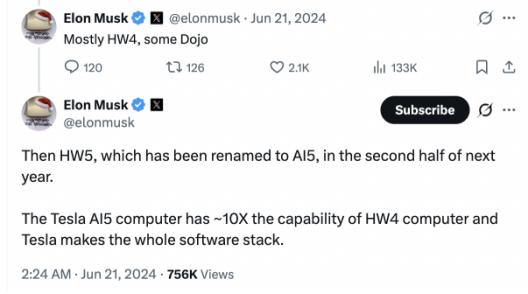
中国智能驾驶产业的算力巨变
3 6 Ke· 2025-12-30 10:36
Core Insights - In 2025, the Chinese smart driving industry is experiencing an unprecedented shift in computing power, driven by the evolution of software algorithms and the emergence of competing technical paradigms [1][2] - The differentiation in high-level intelligent driving commercial applications is evident, with a K-shaped market split between affordable and high-end models, leading to fragmentation in the industry [2] - The demand for computing power is increasingly recognized as a core element in the development of smart driving technologies, both at the vehicle and cloud levels [2] Group 1: Technological Evolution - The transition to an end-to-end framework in smart driving is marked by significant advancements, as seen in Tesla's FSD Beta V12 software, which utilizes a computing power standard of 144 TOPS [3][4] - Tesla's shift from HW3 to HW4 signifies a major milestone in its autonomous driving evolution, with the latter becoming the preferred platform for future software updates [5][6] - The upcoming FSD V14 version is expected to have ten times the parameters of its predecessor, indicating a substantial leap in the vehicle's ability to process complex environmental information [6] Group 2: Market Dynamics - Chinese smart driving players, including Xpeng, Li Auto, and NIO, are adopting end-to-end strategies but are initially relying on existing computing platforms, primarily NVIDIA's Orin-X [7][12] - By 2025, a clear division among smart driving companies has emerged, categorized into three main factions based on their computing power strategies: self-developed chips, NVIDIA-based solutions, and Huawei's offerings [12][13] - The self-developed chip faction includes NIO's NX9031 and Xpeng's Turing AI chip, while the NVIDIA faction is represented by the latest Thor platform, which is gaining traction in various models [13][14] Group 3: Cloud Computing and Future Prospects - The industry is witnessing a race for cloud computing power, which is essential for the evolution of smart driving algorithms and the transition from L2 to L4 capabilities [19][20] - The reliance on cloud computing is becoming increasingly critical, as it supports data processing, model training, and simulation necessary for addressing complex driving scenarios [23][24] - The ongoing competition for cloud resources is expected to intensify, with companies recognizing that enhanced cloud capabilities are vital for future advancements in autonomous driving technology [20][21]