LI AUTO(LI)

Search documents
热门中概股美股盘前集体走强
Ge Long Hui A P P· 2025-12-26 13:32
Group 1 - Li Auto and Xpeng Motors saw an increase of over 1% in their stock prices [1] - Bilibili rose by 0.73% [1] - JD.com increased by 0.45% [1] - Pinduoduo experienced a rise of 0.32% [1] - Baidu's stock went up by 0.29% [1] - Alibaba's shares increased by 0.16% [1] - NIO saw a slight increase of 0.02% [1]


李想:之后没有车机座舱,车是自动驾驶+空间智能+本体控制的具身智能
理想TOP2· 2025-12-26 11:12
Core Viewpoint - The article emphasizes that Apple sets the standard for interactive experience through three main principles: defining multi-touch interaction for smartphones, prioritizing high-frequency functions, and exercising restraint in design choices [1][2]. Group 1: Interaction Experience - Apple has established a multi-touch interaction method for smartphones, which has been foundational in the design of applications [2]. - High-frequency functions should be prioritized over low-frequency ones to maintain system simplicity and usability [2]. - Restraint in design is crucial, avoiding clutter from advertisements and unnecessary features that complicate user experience [2]. Group 2: Smart Cockpit Evaluation - The effectiveness of a car's smart cockpit is primarily judged by the ability to control all functions via voice commands, with the speaker using voice for over 90% of functions [3]. - User efficiency is paramount; the steps to access a function should be fewer in comparison to other car systems [5]. - The evaluation of smart cockpits should also consider the evolution and updates of the brand's technology over the years [4]. Group 3: AI and Smart Cockpit Development - Many current AI implementations in vehicles are limited to basic language intelligence, lacking the ability to understand and interact with the physical world [6]. - Future developments should focus on embodied intelligence, which involves machines understanding physical spaces and providing proactive services [7]. - The transition from traditional car systems to a comprehensive embodied intelligence system will redefine the automotive experience by 2026, marking a significant shift in product offerings [9].


理想汽车海外布局再迎里程碑
Qi Lu Wan Bao· 2025-12-26 09:35
Group 1 - The core viewpoint of the news is that Li Auto has made significant progress in its overseas expansion by entering the markets of Egypt, Kazakhstan, and Azerbaijan, following its initial foray into Uzbekistan, marking a substantial step in its global strategy [1][2][4] - Li Auto has launched three main models, the Li L9, Li L7, and Li L6, to cater to the luxury market demands in these new regions, ensuring a consistent user experience through official warranty services and professional after-sales support [1][2] - The company plans to accelerate its overseas expansion rhythm starting from October 2025, establishing a standardized overseas sales and after-sales service system while adapting its products to meet local regulations for enhanced global competitiveness [1][4] Group 2 - The entry into the Egyptian market represents Li Auto's first venture into the Middle East and Africa, leveraging Egypt's strategic geographical position to expand its reach across the continent [2] - Egypt's population of over 110 million and its status as one of North Africa's fastest-growing economies align with Li Auto's long-term strategy to tap into the burgeoning demand for mid-to-high-end vehicles [2] - Li Auto employs a diversified approach combining authorized dealer models, general agency models, and subsidiary operations to adapt to different regional market characteristics, ensuring a high-quality sales and service system [2][3] Group 3 - The rapid establishment of retail centers in Azerbaijan and Kazakhstan within a week demonstrates Li Auto's efficient execution in building core channels across regions [3] - The company has introduced its range-extended electric vehicles in these markets to address local charging infrastructure challenges, providing a flexible energy replenishment solution [3] - Positive feedback from users in Kazakhstan highlights the appeal of the Li L7 for families, showcasing the vehicle's intelligent features and comfortable design [3] Group 4 - Li Auto's global strategy will continue to deepen, leveraging its global R&D network and sales capabilities to provide high-value, localized products and services to overseas users [4]
【深度分析】2025年11月份全国新能源市场深度分析报告
乘联分会· 2025-12-26 08:36
Overall Market - The total market for passenger vehicles in China includes both traditional internal combustion engine (ICE) vehicles and new energy vehicles (NEV), which comprise battery electric vehicles (BEV) and plug-in hybrid electric vehicles (PHEV) [4][5] - In November 2025, the total production of NEVs reached 1,756,587 units, while ICE vehicles produced were 1,349,384 units, leading to a total market production of 3,105,971 units [6][7] - Year-to-date (YTD) data for January to November 2025 shows NEV production increased by 6.3%, while ICE vehicle production decreased by 4.0% compared to the same period in 2024 [6][8] Market Segmentation - The market is segmented into various categories including sedans, MPVs, and SUVs, with NEVs showing a significant growth trend in all segments [25][26] - In November 2025, NEV sales in the sedan category were 593,948 units, while ICE sedans sold were 413,429 units, indicating a strong preference for NEVs in the sedan market [26] Export Market - The export of NEVs has shown substantial growth, with a total of 2,149,769 units exported in November 2025, reflecting a 243.3% increase compared to the previous year [16][21] - The NEV export penetration rate reached 41.7% in the first eleven months of 2025, up from 27.1% in 2024, indicating a growing international demand for Chinese NEVs [18][20] Manufacturer Performance - BYD remains the leading manufacturer in the NEV market, with a wholesale volume of 474,921 units in November 2025, despite a year-on-year decline of 5.8% [22][23] - Other notable manufacturers include Geely and Chery, with Geely achieving a 53.4% increase in wholesale volume, indicating strong competitive performance in the NEV segment [22][23] Price Positioning - The market is categorized into price segments, with vehicles priced below 100,000 yuan showing a significant share in the NEV market, reflecting consumer preferences for affordable electric options [4][5] - The price segmentation also indicates a growing trend towards higher-priced NEVs, as consumers are increasingly willing to invest in premium electric vehicles [4][5]


2026年理想纯电车型阵容曝光:旗舰SUV i9定位40万级
Xin Lang Cai Jing· 2025-12-26 05:11
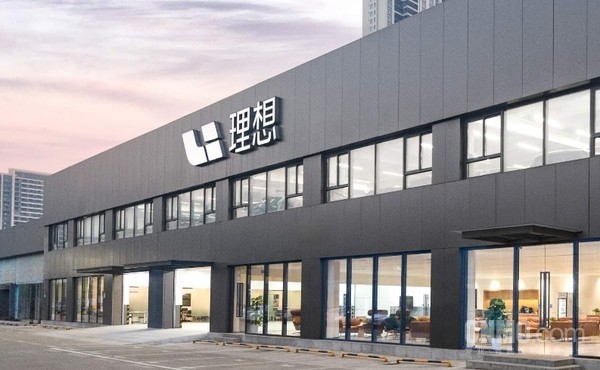
Core Viewpoint - Li Auto is set to launch four new electric vehicle models in 2026, including the flagship SUV i9, which is positioned in the 400,000 RMB price range, marking a significant step in its electric vehicle strategy [1][3][8]. Group 1: Product Line Expansion - Li Auto plans to introduce four electric models in 2026: the flagship SUV i9, a 6-seat SUV i8, a 5-seat SUV i6, and a pure electric MPV MEGA [1][8]. - The i9 is expected to be launched in the first half of 2026, with a price anticipated to exceed 400,000 RMB, aiming to enhance the brand's high-end electric product lineup [3][10]. - The i9 will feature a full-size design, with an estimated length of over 5.2 meters and a wheelbase exceeding 3 meters, promising spacious interior [3][10]. Group 2: Strategic Transition - The introduction of these electric models indicates that Li Auto is accelerating its electric strategy, with plans to further develop its electric product offerings while making significant improvements to its range-extended models [5][13]. - Reports suggest that Li Auto may also adjust its range-extended product line, potentially adding the L9L model and streamlining the L series lineup [5][13]. - With the addition of the i9 and other electric vehicles, Li Auto's product range will cover mainstream price segments from 200,000 to over 400,000 RMB, representing a key move to address market competition and marking a transition to a dual strategy of range-extended and pure electric vehicles [8][16].
字节跳动通报:120名员工被辞退;郑州中原保时捷中心疑似闭店跑路,保时捷回应;广汽人事变动!郑衡辞去副总经理职务,原因披露
雷峰网· 2025-12-26 00:25
Key Points - The article discusses various significant events in the automotive and technology sectors, highlighting issues such as dealership closures, personnel changes, and employee terminations in major companies [5][10][12][31]. Group 1: Automotive Industry - Zhengzhou Zhongyuan Porsche Center is suspected of closing down, leaving customers unable to retrieve their vehicles, with Porsche China investigating the situation [5][6]. - GAC Group announced the resignation of Vice President Zheng Heng due to personal health reasons, with no impact on the company's operations [10]. - BYD's off-road brand Fangchengbao achieved its 2025 sales target ahead of schedule, with a total of 183,769 vehicles sold from January to November 2025, marking a significant year-on-year increase [34]. Group 2: Technology Sector - ByteDance reported the termination of 120 employees for violating company policies, with some cases involving criminal activities [12]. - JD.com announced its 2025 year-end bonus plan, with over 92% of employees eligible for full or above bonuses, and some departments achieving up to 25 months' salary [14]. - Xiaomi celebrated its 15th anniversary, highlighting achievements such as the launch of its self-developed 3nm chip and the opening of a new factory [33]. Group 3: Market Developments - TikTok plans to establish a joint venture in the U.S. to ensure its continued operation, with a focus on data security and compliance with U.S. laws [44][45]. - Meta has initiated the development of the Quest 4 headset while delaying the release of the lightweight Quest Air headset to refine its features [47][48]. - Waymo explained the operational issues faced by its autonomous taxis during a power outage, emphasizing the need for software updates to improve decision-making in such scenarios [49].



李想“挥泪”送张骁,新L7 L8明年要打硬仗
Xin Lang Cai Jing· 2025-12-25 11:12
Core Insights - Li Auto is undergoing significant internal changes, highlighted by the departure of Zhang Xiao, the president of the second product line, who has been a key figure in the company's product development since its inception [2][4][20] - The recent struggles of Li Auto, including revenue decline and a shift from profit to loss, signal a critical moment for the company as it prepares for a major overhaul of its L series by 2026 [4][12][19] Company Developments - Zhang Xiao, an early employee and integral to the development of models like Li ONE and L9, is leaving the company amid a tumultuous third quarter that saw a net loss of 624 million yuan [2][12] - His departure is seen as a reflection of the company's need to reassess its product strategy, particularly after the disappointing launch of the i8 model, which failed to meet consumer expectations [4][8][10] Product Strategy Issues - The i8 model, which was intended to penetrate the 300,000 to 400,000 yuan electric SUV market, faced criticism for its configuration choices, leading to a perception of diminished value compared to lower-priced models like the L6 [6][9][10] - Li Auto's attempt to create distinct product lines has resulted in internal conflicts, with the second product line struggling to align with the company's overall strategy, leading to a lack of coherence in product offerings [9][10][11] Financial Performance - Li Auto reported its first net loss in the third quarter of 2025, attributed in part to an 1.1 billion yuan provision related to the MEGA recall, raising concerns about the company's operational stability [12][14] - The company is facing pressure to maintain its historically high gross margin of 20%, with forecasts for Q4 deliveries significantly lower than market expectations, indicating potential challenges ahead [14][15] Future Outlook - The upcoming 2026 L series overhaul is positioned as a critical opportunity for Li Auto to rectify past mistakes and re-establish its market position by simplifying its product offerings and enhancing core features [16][19] - The leadership change with Zhang Xiao's exit is viewed as a strategic move to unify the company's vision and ensure effective execution of the new product strategy [20]
2025品牌代言:顶流不再是“最优选”?
3 6 Ke· 2025-12-25 10:29
Core Insights - The article discusses the evolving landscape of celebrity endorsement marketing, highlighting a shift from traditional top-tier celebrities to a more diverse range of endorsers, including lesser-known figures and even non-human entities [2][18][24]. Group 1: Trends in Celebrity Endorsement - The number of official endorsements has increased by 22.61% in the first three quarters of this year, indicating a growing reliance on this marketing strategy [3]. - Brands are increasingly opting for unconventional combinations and cross-industry collaborations, such as luxury brands partnering with comedians or sports stars [4][7]. - The trend of using "cold" or "unusual" endorsers is on the rise, with brands selecting individuals who resonate with their image rather than just relying on mainstream celebrities [18][20]. Group 2: Market Dynamics - The competitive market landscape and fragmented media consumption have led to a demand for more authentic and diverse emotional connections from consumers [2][24]. - Brands are adapting to the changing social media landscape, where the production of topics has shifted from brands to ordinary users, allowing for greater interaction and engagement [15][16]. - The rise of digital influencers and virtual entities as brand ambassadors reflects a shift towards lower-cost and lower-risk marketing strategies [21][23]. Group 3: Challenges in Endorsement Marketing - Despite the diversification of endorsers, the most effective sales drivers remain a select group of top-tier celebrities, indicating a challenge in balancing short-term sales with long-term brand building [25][27]. - The increasing number of endorsements can lead to a "sea of people" effect, where the uniqueness of each endorsement diminishes, making it harder for brands to achieve deep resonance with consumers [29][30]. - Brands are exploring a hybrid approach, combining short-term endorsements with long-term partnerships to maintain both freshness and depth in their marketing strategies [29][30].


逃离商场的“特斯拉们”,为何撑不下去了?
商业洞察· 2025-12-25 09:26
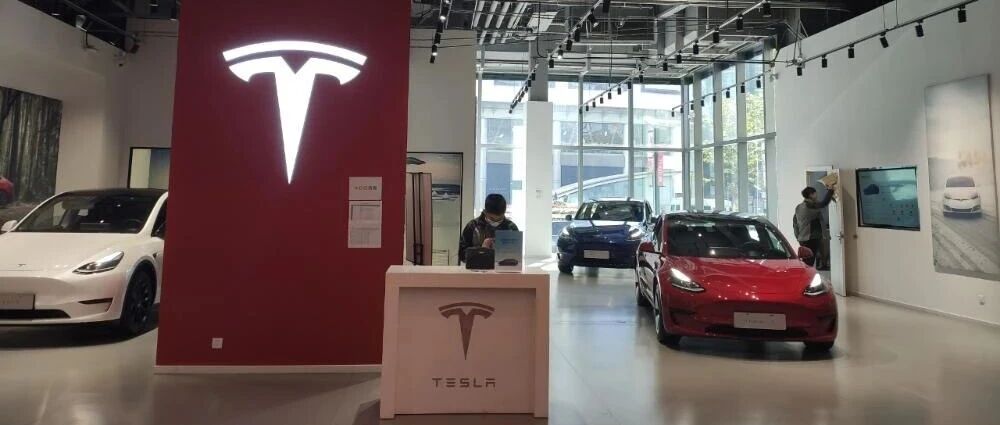
以下文章来源于金错刀 ,作者祥燎 金错刀 . 科技商业观察家。爆品战略提出者。 作为新能源汽车行业的标杆,特斯拉有不少 "创举"被同行模仿,结果后来被车主狠狠吐槽,继而 陆续被抛弃或升级。比如取消物理按键,还有 夏天晒得头晕的全景天窗,冬天冻得僵硬的隐形门把 手…… 这一次,轮到了汽车商场店。 2013年,特斯拉在北京开设第一家体验店,地址选在了很有潮流感的侨福芳草地购物中心,开创 了在商场里卖新能源汽车的先河。 后来汽车商场店风靡全国。甚至可以说, 判断 商场 火不火, 过去 看 的是 星巴克和麦当劳的分 布, 现在 要看 有多少新能源 汽车的 门店。 投入最狠的,非蔚来莫属。据报道,北京王府井的东方广场店,蔚来付出的年租金高达 7000 万-8000万元。 作者: 祥燎 来源:金错刀 又一个特斯拉开的 "坏头",快被抛弃了。 ------------------------------ 但风向说变就变,在商场里一掷千金的车企越来越少了。 数据显示, 2024年以来全国购物中心的新能源汽车门店数量同比减少37% , 连特斯拉、小鹏等 头部品牌也在 "撤退"。 车企们为什么集体逃离商场? 特斯拉开的"坏头", ...

敢跟李想「拍桌子」的王牌产品负责人,离职了
3 6 Ke· 2025-12-25 08:00
Core Insights - Zhang Xiao, the product head of the Li Auto i8 model, is reported to be leaving the company after nearly 10 years, despite not being a core executive or technical leader [2][3] - Zhang has been a key figure in the development of several successful models, including the ONE, L9, L8, and L7, and is known for his deep understanding of product development [5][7] Group 1: Departure of Zhang Xiao - Zhang Xiao's departure is linked to his desire to pursue entrepreneurial opportunities in AI and embodied intelligence [13] - He played a significant role in the restructuring of Li Auto's product lines, particularly the second product line, which includes key models like the L7 and L8 [3][5] Group 2: Performance of the i8 Model - The i8, Li Auto's first pure electric SUV, has faced challenges in its initial market performance, with concerns over its product capabilities compared to previous models [15][19] - Initial sales figures for the i8 show a recovery after adjustments in configuration and pricing, but it still falls short of the ambitious target of 10,000 monthly deliveries set by CEO Li Xiang [20][19] - The i8's sales trajectory reflects a "low start, high rise" strategy, similar to the earlier MEGA model, indicating potential for future growth despite a rocky start [20][19]