蔚来

Search documents
国泰海通|汽车:中欧电动汽车反补贴案取得阶段性进展
国泰海通证券研究· 2026-01-14 12:25
Core Viewpoint - The article discusses the significant framework consensus reached between China and the EU regarding the anti-subsidy case against Chinese electric vehicles, transitioning from high tariffs to a constructive "minimum price commitment" mechanism [1][2]. Group 1: Framework Consensus - On January 12, 2026, the Chinese Ministry of Commerce announced that China and the EU have reached an important framework consensus to replace high tariffs with a minimum price commitment mechanism [1]. - The EU had previously imposed anti-subsidy taxes on Chinese electric vehicles, with rates reaching up to 35.3%, significantly impacting the profitability and competitiveness of Chinese automakers in the European market [1]. - The consensus was reached after ongoing negotiations since October 2023, with the EU officially imposing anti-subsidy taxes in April 2024 [1]. Group 2: Price Commitment Mechanism - The EU will issue guidelines for submitting price commitment applications, allowing eligible Chinese electric vehicle companies to replace anti-subsidy taxes with price commitments [2]. - This arrangement reflects the willingness of both parties to resolve differences through dialogue within the framework of multilateral trade rules, contributing to the stability of the automotive industry and supply chain [2]. - The implementation of the price commitment mechanism is expected to alleviate the tariff pressure on Chinese electric vehicle exports to Europe, potentially lowering overall export costs and improving profit margins [2]. Group 3: Investment Recommendations - The article recommends investing in Chinese electric vehicle companies that have established a solid presence in the European market, with strong channels and product foundations [3].


价格承诺替代高额关税,中欧车企受益几何?
2 1 Shi Ji Jing Ji Bao Dao· 2026-01-14 12:21
Core Viewpoint - The negotiations regarding the EU's anti-subsidy measures on Chinese electric vehicles have made significant progress, with the EU set to issue guidelines for price commitment applications, allowing Chinese manufacturers to potentially avoid high tariffs by committing to minimum pricing [1][2]. Group 1: Negotiation Progress - The EU will release guidelines for Chinese electric vehicle manufacturers to submit price commitment applications, which could exempt them from anti-subsidy tariffs [1][2]. - The EU's anti-subsidy investigation began in October 2023, with high tariffs set to be imposed in October 2024, but recent negotiations have led to a more favorable outcome for Chinese manufacturers [1][2]. Group 2: Tariff Implications - Chinese electric vehicle manufacturers faced tariffs ranging from 17.0% to 35.3%, with an overall import tax potentially reaching 45.3% when combined with the EU's 10% import duty [2]. - The new agreement allows manufacturers to replace these tariffs with price commitments, which could enhance profit margins and provide a more stable market environment for expansion in Europe [2][3]. Group 3: Market Dynamics - Despite the new pricing commitments, experts believe that the retail prices of Chinese electric vehicles in Europe will not significantly change, maintaining a high price point compared to domestic sales [3]. - The average selling price of Chinese electric vehicles in Europe is estimated to be around €25,000, while the average for all imported electric vehicles is approximately €30,000, indicating a substantial markup for Chinese models [4]. Group 4: Competitive Landscape - Chinese brands like BYD and SAIC have seen significant growth in the EU market, with BYD's registrations increasing by 240% year-on-year, while other brands like Xpeng and Leap Motor have also reported explosive growth [8]. - In contrast, Tesla's market share in the EU has declined, highlighting the increasing competitiveness of Chinese electric vehicles in the region [8]. Group 5: Industry Collaboration - The new agreement is expected to foster deeper collaboration between European and Chinese automakers, with European companies looking to China for battery and smart technology advancements [9][10]. - Recent investments, such as CATL's joint battery factory with Stellantis in Spain and BYD's new factory in Hungary, indicate a trend towards closer ties and shared technological development between the two regions [10].
最高增速67.5%! 多家主流车企公布2026年销量目标
Mei Ri Jing Ji Xin Wen· 2026-01-14 12:07
Core Viewpoint - In 2026, China's automotive market is set to witness a mix of traditional automakers pursuing steady growth and new entrants aiming for aggressive expansion, particularly in the electric vehicle (EV) sector. Traditional Automakers' Strategies - Traditional automotive groups are generally targeting a year-on-year sales growth of 10% to 15% for 2026, with a focus on expanding their EV business as a key driver for sales growth [2] - Geely aims for a sales target of 3.45 million units in 2026, a 14% increase from 2025, with EV sales projected to reach 2.22 million units, marking a 32% growth [2] - Changan plans to sell 3.3 million units in 2026, a 13.3% increase, with EV sales targeted at 1.4 million units, up 26.2% [2] - Chery Group sets a sales target of 3.2 million units for 2026, reflecting a 14.03% increase from 2025 [3] - Dongfeng Group targets 3.25 million units in 2026, with 1.7 million from EVs, building on previous successes in both EV and passenger vehicle sales [3] - Great Wall Motors adopts a more cautious approach, setting a target of at least 1.8 million units for 2026, indicating a need for transformation in its EV business [4] New Entrants and Aggressive Targets - New energy vehicle startups and tech companies are setting more aggressive sales targets for 2026, leveraging strong growth in 2025 [5] - Leap Motor aims for a sales target of 1 million units in 2026, representing a 67.5% increase from 2025 [5] - Xiaomi plans to deliver 550,000 units in 2026, a 34% increase, with plans to launch four new models to enhance its product lineup [5] - NIO targets a sales growth rate of 40% to 50% for 2026, estimating sales between 456,000 and 489,000 units [6] Market Context and Competition - The overall retail sales of passenger vehicles in China are projected to reach approximately 24 million units in 2026, with a modest year-on-year growth of 1% [6] - The penetration rate of new energy vehicles is expected to reach 61%, a slight increase from the previous year [6] - The automotive market in China is anticipated to face intensified competition, with both conservative and aggressive strategies leading to a more challenging environment for all automakers [6] - Industry consolidation is expected to continue, with significant room for integration compared to developed markets, indicating a prolonged competitive landscape [6]
“价格承诺”方案落地! 中欧电动汽车反补贴案出结果
Mei Ri Jing Ji Xin Wen· 2026-01-14 12:04
Core Viewpoint - The EU has made significant progress in negotiations with China regarding electric vehicle anti-subsidy tariffs, replacing high tariffs with a "price commitment" mechanism, which is seen as a positive signal for both parties to manage trade frictions [1][2]. Group 1: Negotiation Outcomes - The "price commitment" mechanism is a pragmatic breakthrough that preserves access for Chinese electric vehicles to the EU market while avoiding the impact of high tariffs [2]. - The EU's previous proposed tariffs could have reached nearly 45%, posing a significant threat to Chinese electric vehicle exports and potentially forcing some companies out of the EU market [3]. - The agreement allows Chinese exporters to submit price commitments that will replace anti-subsidy tariffs, thus stabilizing market access and industry expectations [4][6]. Group 2: Price Commitment Mechanism - The "price commitment" requires that the selling price of Chinese electric vehicles in the EU must not be lower than that of similar local models, aimed at protecting the EU automotive industry [5]. - The mechanism allows for a single company or a group of companies to submit price commitments, with a preference for single submissions to simplify evaluations [5]. - This approach is expected to lead to higher vehicle prices, which may impact sales but ultimately allows companies to retain profits that would otherwise go to tariffs [6]. Group 3: Industry Implications - The agreement is anticipated to encourage Chinese automakers to shift from a "low-price volume" strategy to a focus on high-end products and local production in Europe [7][8]. - The established legal standards and evaluation processes are expected to regulate pricing behavior and reduce trade friction risks, promoting technological investment and high-value products [8]. - The collaboration between China and the EU is projected to result in an annual growth rate of approximately 20% for Chinese electric vehicles in the EU market, setting a precedent for resolving global trade disputes [8]. Group 4: Industry Associations' Responses - Various industry associations have expressed strong support for the resolution of the EU's anti-subsidy case against Chinese electric vehicles, highlighting its importance for stable economic and trade relations [9][10]. - The consensus reached is viewed as a significant example of resolving differences through dialogue within the framework of WTO rules, benefiting both the automotive industry and broader economic cooperation [9].

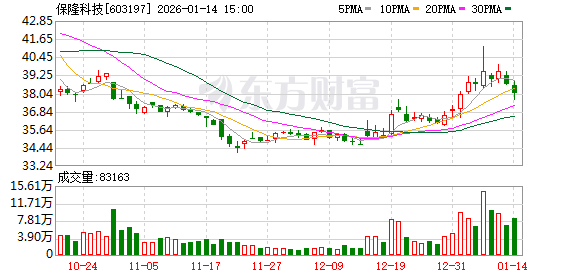
保隆科技:公司的智能悬架产品与蔚来、极氪、比亚迪三家客户均有合作
Zheng Quan Ri Bao Wang· 2026-01-14 11:42
Group 1 - The core viewpoint of the article is that Baolong Technology (603197) has established partnerships with three clients: NIO, Zeekr, and BYD (002594) for its intelligent suspension products [1] Group 2 - Baolong Technology's intelligent suspension products are being utilized in collaboration with notable electric vehicle manufacturers [1] - The company is actively engaging with the growing electric vehicle market through these partnerships [1] - The collaborations indicate a strategic positioning of Baolong Technology within the automotive industry [1]

城市NOA加速渗透 预计2030年将成为主流功能
Zheng Quan Shi Bao Wang· 2026-01-14 11:33
(原标题:城市NOA加速渗透 预计2030年将成为主流功能) 近年来,我国智能网联汽车产业迎来快速发展,正迈入高阶辅助驾驶普及、示范应用推进关键期。1月 14日,《2025城市NOA汽车辅助驾驶研究报告》(下称《报告》)在中国汽车工业协会汽车行业信息 发布会上发布。 《报告》由中国汽车工业协会全资子公司智库——中国汽车工业经济技术信息研究所有限公司编撰,从 行业背景、市场格局分析、未来趋势展望、发展建议等多个维度,剖析了城市NOA(导航辅助驾驶) 技术及产业的发展态势,旨在为行业企业提供参考,助力我国智能网联汽车产业高质量发展。 数据显示,2025年前三季度,我国具备组合驾驶辅助功能(L2级)的乘用车新车销量同比增长21.2%, 渗透率达64%,预计2025年年底升至66.1%,三分之二左右的新车型将搭载L2级辅助驾驶功能。 中国汽车工业协会副秘书长杨中平表示,NOA技术作为智能网联汽车应用的核心抓手,是衔接高阶辅 助驾驶与完全自动驾驶的关键桥梁,更是提升用户出行体验、彰显智能化价值的核心载体,其发展水平 直接关乎我国在全球汽车产业竞争中的核心话语权。 据介绍,最近两年,NOA技术市场规模快速扩容,高速NOA ...
一周一刻钟,大事快评(W140):长安汽车、千里科技、文远知行、阿尔特
Shenwan Hongyuan Securities· 2026-01-14 10:48
Investment Rating - The report rates the automotive industry as "Overweight," indicating an expectation for the industry to outperform the overall market [11]. Core Insights - Changan Automobile is highlighted for its focus on Avita, which is expected to become a valuable asset as it prepares for a Hong Kong IPO, supported by state-owned enterprise backing [2][3]. - Qianli Technology's partnership with Geely is anticipated to unlock significant growth potential in its intelligent driving systems, targeting the 150,000 to 500,000 yuan market segment, with expectations for improved profit margins [2][3]. - WeRide's overseas business is progressing better than expected, with annual revenue per vehicle in the Middle East projected to reach $90,000, potentially contributing 1 billion yuan in profits if it scales to 10,000 units by 2030 [4]. - Alter's AI tools are noted for their unique application in the automotive sector, with a projected revenue growth of around 40% in 2026, primarily driven by product enhancements [5]. Summary by Company Changan Automobile - Focus on Avita's IPO and brand positioning is crucial for sales growth, moving away from price competition [2][3]. Qianli Technology - Collaboration with Geely is expected to enhance the scalability of its intelligent driving systems, with a focus on achieving superior profit margins [2][3]. WeRide - The company is set to benefit from overseas market expansion, with significant profit potential from scaling operations in the Middle East [4]. Alter - The company is leveraging AI to enhance design efficiency, with expectations for a turnaround in profitability by 2027-2028 [5].

实探2026开年二手车市场:购销两淡,新能源销量略有提升
Hua Xia Shi Bao· 2026-01-14 10:01
Core Viewpoint - The implementation of the new vehicle replacement subsidy policy in 2026 has disrupted the existing dynamics of the automotive market, leading to a significant impact on both the new and used car sectors [2][7]. Group 1: Policy Changes and Market Reactions - The new subsidy policy shifts from a fixed amount to a percentage-based calculation, offering 12% for scrapping old cars for new energy vehicles (maximum 20,000 yuan) and 8% for trade-ins (maximum 15,000 yuan) [2]. - Despite the potential savings of up to 35,000 yuan from combined subsidies and tax reductions, the market has not seen the expected surge in transactions, instead experiencing a period of stagnation [2][3]. - The initial increase in inquiries (40% rise) following the policy's announcement did not translate into sales, which fell by 15%, indicating a cautious consumer sentiment [3]. Group 2: Dealer Strategies and Market Dynamics - Dealers are adopting a conservative approach to acquiring used cars due to uncertainties surrounding the new policy, leading to a strategy of "quick turnover and strict inventory control" [3][6]. - The exit of speculative traders, who previously profited from arbitrage opportunities, has further contributed to the market's subdued atmosphere, with a 92% drop in the circulation of "zero-kilometer used cars" [4]. Group 3: Market Segmentation and Performance - There is a noticeable divergence in the used car market, with leading new energy brands like BYD and NIO experiencing growth, while lesser-known brands struggle to attract buyers [5][6]. - Traditional fuel vehicles remain the dominant segment due to their established demand, with prices for certain models increasing by 5%-8% as they become more desirable under the new subsidy framework [6]. - The average resale value for fuel vehicles is higher (52%) compared to pure electric vehicles (45%-50%), making them more appealing to consumers who are wary of new energy options [6]. Group 4: Long-term Implications - The current market downturn is viewed as a transitional phase, paving the way for a healthier industry structure where quality-focused dealers and established brands can thrive [7].
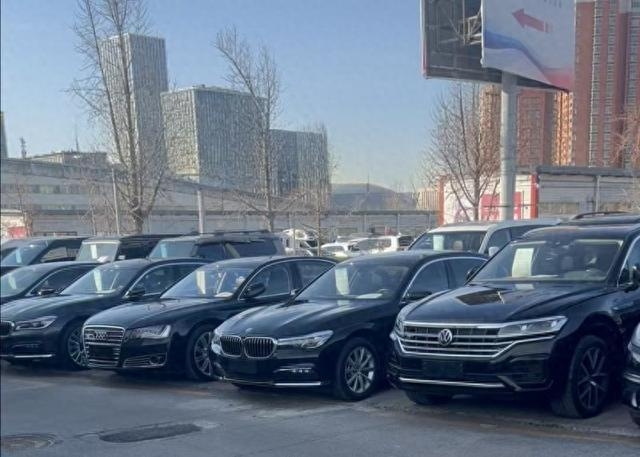
宝马2025年全球销量微增0.5%,中国市场连续两年下滑成最大挑战
Xin Lang Cai Jing· 2026-01-14 09:22
Core Insights - BMW Group reported a slight increase in global sales for 2025, delivering 2,463,715 vehicles, marking a 0.5% year-on-year growth, halting the decline seen in 2024 [2] - However, the Chinese market, BMW's largest single market, experienced a significant decline for the second consecutive year, with sales dropping 12.5% to 625,527 vehicles [2][5] - The contrasting performance across regions highlights the challenges faced by traditional luxury brands in adapting to the rapidly evolving automotive landscape, particularly in China [2][7] Global Performance Overview - BMW's global performance in 2025 can be summarized as "overall stabilization with regional differentiation," with a total of 668,000 vehicles delivered in Q4, a 4.1% decline year-on-year, but still achieving a 0.5% growth for the year [3] - The European market was a key driver, with sales reaching 1,016,360 vehicles, a significant increase of 7.3%, and electric vehicle sales in Europe surged by 28.2%, accounting for about 25% of total sales in the region [3][4] Regional Sales Breakdown - In the Americas, BMW's sales totaled 508,200 vehicles, reflecting a 5.7% increase, with the U.S. market contributing 417,638 vehicles, up 5% [4] - In contrast, the Asian market, particularly China, saw a decline, with total sales in Asia at 871,000 vehicles, down 9.3%, and the Chinese market's performance dragging down overall results [5][6] Electric Vehicle Transition - BMW's global electric vehicle sales reached 642,000 units in 2025, a growth of 8.3%, representing 26% of total sales, with pure electric vehicle sales at 442,000 units, up 3.6% [5] - The electric vehicle penetration rate in China was approximately 26%, lower than the average for luxury vehicles in the Chinese market, indicating challenges in competitiveness [5][7] Challenges in the Chinese Market - The decline in sales in China is attributed to increased competition from local brands like NIO and BYD, which are rapidly gaining market share in the high-end segment [7][8] - BMW's electric vehicle offerings in China, based on traditional fuel platforms, are perceived as less competitive compared to local brands, which are more aligned with consumer expectations for technology and performance [7][8] Strategic Responses - In response to the challenges, BMW plans to launch around 20 new models in China by 2026, including the new generation BMW iX3, designed specifically for the Chinese market [8][9] - Additionally, BMW has significantly reduced the official prices of 31 models in early 2026, with reductions exceeding 10% for many models, aiming to enhance market penetration and consumer appeal [9]
保隆科技:合肥工厂为蔚来配套供货空气弹簧、轻量化结构件和超声波雷达
Mei Ri Jing Ji Xin Wen· 2026-01-14 09:12
Group 1 - The core viewpoint of the article is that Baolong Technology's Hefei factory primarily produces intelligent suspension systems, ADAS, and lightweight structural products, and supplies components for NIO vehicles [2][3] Group 2 - Baolong Technology's Hefei factory supplies air springs, lightweight structural parts, and ultrasonic radars for NIO [2]