
长安汽车

Search documents
中央经济工作会议定调 推动智能驾驶产业迈入新阶段
Zhong Guo Jing Ying Bao· 2026-01-01 01:44
Core Insights - The article highlights the significant advancement of autonomous driving in China, marking a transition from demonstration to commercial operation, with companies like Changan Automobile and XPeng obtaining L3 autonomous driving licenses [1][3][4]. Industry Developments - The autonomous driving sector is witnessing a clear differentiation and acceleration, with various companies, including Changan and XPeng, moving towards conditional autonomous driving responsibilities [2]. - The first batch of L3 autonomous vehicles has received product access approval, indicating a shift towards institutionalized operation within public transport systems [3]. - The operational landscape for autonomous driving is evolving from capability demonstration to responsibility integration, with clearer operational boundaries and accountability [4]. Technological Advancements - Companies are focusing on real-world testing, with Changan's SL03 completing over 5 million kilometers of open road testing under challenging conditions, maintaining a zero-accident record [3]. - The technology logic is shifting towards embedding responsibility within the operational framework, allowing for more cities to become practical applications of "Artificial Intelligence+" [4]. Business Models and Commercialization - Robotaxi services are entering a sustainable commercial expansion phase, with companies like Pony.ai achieving full unmanned commercial operations in cities like Guangzhou and Beijing [5]. - The operational verification of autonomous driving is proving its commercial viability, while data collection systems are being restructured to enhance technological iteration limits [5]. - Companies are exploring various paths to integrate autonomous driving with ride-hailing platforms and data services, aiming for lower-cost business models [2][6]. Policy and Regulatory Environment - The Chinese government is actively shaping the autonomous driving industry through policies that encourage innovation while emphasizing safety and regulation [7]. - The recent policy changes are expected to accelerate the commercialization of autonomous driving, expanding its application from closed environments to complex urban traffic systems [7]. - Regulatory frameworks are crucial for the sustainable large-scale commercialization of autonomous driving, necessitating a dynamic and tiered approach to ensure safety while allowing for innovation [9].
长安汽车申请防碰撞方法专利,能抓住最短报警时机
Jin Rong Jie· 2026-01-01 01:05
国家知识产权局信息显示,重庆长安汽车股份有限公司申请一项名为"一种防碰撞方法、装置、计算机 设备及车辆"的专利,公开号CN121236945A,申请日期为2024年6月。 财经频道更多独家策划、专家专栏,免费查阅>> 专利摘要显示,本发明涉及车辆控制技术领域,具体涉及一种防碰撞方法、装置、计算机设备及车辆, 其中应用于第一车辆的防碰撞方法通过获取路段的MAP消息、第一车辆的第一经纬度和第一航向角, 根据第一经纬度和每个车道的经纬度确定第一车辆在路段中所处的车道,当第一车辆有被碰撞的危险 时,发出广播信号以使第一车辆后方的第二车辆可以接收到广播信号,第二车辆只需判断第二车辆当前 所处的实际车道与第一车辆在路段中所处的车道是否相同、及第一车辆的第一航向角与第二车辆的第二 航向角的差值是否在预设的范围内,无需结合速度来计算是否有碰撞,计算量小,耗时时间短,能抓住 最短报警时机。 声明:市场有风险,投资需谨慎。本文为AI基于第三方数据生成,仅供参考,不构成个人投资建议。 天眼查资料显示,重庆长安汽车股份有限公司,成立于1996年,位于重庆市,是一家以从事汽车制造业 为主的企业。企业注册资本991408.606万人民币 ...

深度观察|走车企,看中国汽车产业的“三个三千万”
Ren Min Ri Bao· 2026-01-01 00:39
Core Insights - The automotive industry in China is experiencing significant growth, with three major companies achieving the milestone of producing their 30 millionth vehicle, showcasing the strength of Chinese manufacturing and market vitality [1][2][8] Group 1: China Changan Automobile - Changan Automobile achieved its 30 millionth vehicle milestone in December 2025, completing this feat in just 4.5 years after reaching 20 million [2][6] - The company has established a clear five-brand matrix to cater to diverse consumer needs, aiming for over 1 million sales in new energy vehicles by 2025 [6][7] - Changan's global expansion strategy includes increasing local supply chain rates in international markets, with a target of 70% localization by 2027-2028 [7] Group 2: FAW-Volkswagen - FAW-Volkswagen has produced over 30 million vehicles since its establishment 34 years ago, generating over 5.5 trillion yuan in revenue and creating over 500,000 jobs [8][9] - The company is transitioning to a "Joint Venture 2.0 Era," focusing on independent research and development, with 155 innovation projects initiated in 2025 [9][12] - FAW-Volkswagen is set to launch its first new energy vehicle under the Jetta brand in 2026, featuring self-developed electronic and electrical architecture [11][12] Group 3: NIO Inc. - NIO has seen significant demand for its high-end ES8 model, achieving over 30,000 deliveries within 89 days of its launch [13][15] - The company has invested nearly 70 billion yuan in technology development, resulting in over 9,900 patents filed as of November 2025 [14][15] - NIO's innovative business model includes a battery swap system and comprehensive lifecycle services, enhancing customer engagement and operational efficiency [15][16]


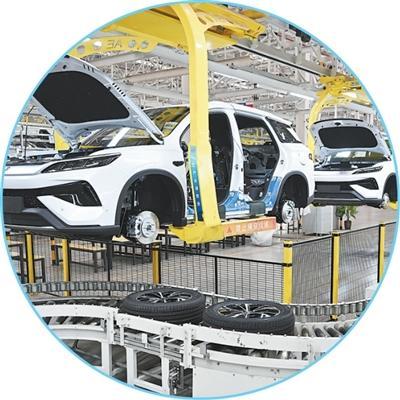
车圈2025:价格战没赢家,但淘汰赛已有出局者
Ge Long Hui· 2025-12-31 20:53
Core Insights - The automotive industry is transitioning from price competition to a focus on systematic and ecological strategies [3][23] - In 2025, the penetration rate of new energy vehicles (NEVs) reached a historic high, indicating a significant shift in consumer acceptance and market dynamics [5][13] - Traditional fuel vehicle manufacturers are struggling to maintain their market position against the rising dominance of domestic brands [6][14] Group 1: Market Dynamics - The price war initiated by domestic brands has continued into 2025, impacting the average profit margins across the industry [8][6] - The penetration rate of NEVs reached 62.2% in early December 2025, marking a significant milestone in the market [13] - Domestic brands are leading the charge in the NEV sector, with a penetration rate of 79.6% for new energy passenger vehicles [13] Group 2: Company Performance - Leading new energy vehicle manufacturers like Xiaopeng and Leap Motor have exceeded their annual sales targets, showcasing strong market adaptability [18][19] - Traditional brands like Geely and BYD are also performing well, with Geely's NEV sales reaching 153.4 million units, a 97% year-on-year increase [19][20] - In contrast, some joint venture brands are struggling, with Nissan and Honda experiencing significant declines in sales [20][21] Group 3: Technological Advancements - The introduction of the new battery safety standard (GB38031-2025) is expected to drive technological upgrades across the industry [11][12] - The focus on intelligent driving technology has intensified, but recent incidents have raised concerns about safety and regulatory standards [9][10] - Companies are increasingly collaborating with tech firms to enhance their smart driving capabilities, as seen with Audi and BMW partnering with Huawei [28][29] Group 4: Strategic Shifts - The competition is evolving from price wars to a comprehensive battle over ecosystem capabilities and technological integration [23][24] - Companies are adjusting their strategies to focus on product-market fit, intelligent configurations, and supply chain efficiency [21][22] - The future of the automotive industry will depend on the ability to integrate diverse technological pathways and create unique value for consumers [30]




晚高峰乘L3自动驾驶车辆体验如何?记者带你感知未来→
Yang Shi Xin Wen· 2025-12-31 20:44
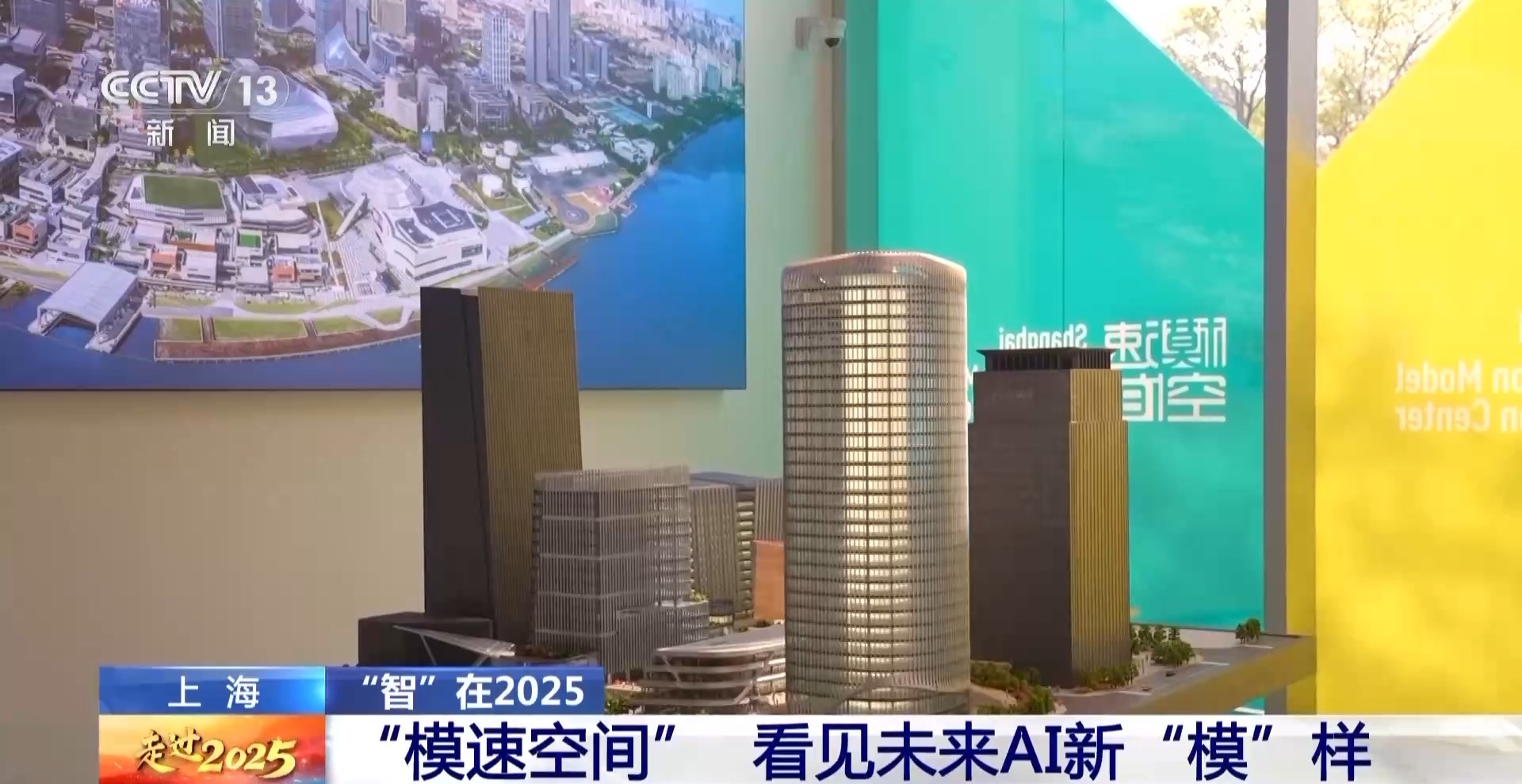
人工智能正加速来到人们身边,"模速空间"是上海市打造的人工智能大模型专业孵化和加速平台,这里汇聚了众多科技行业的标杆企业,共同推动关键技术 攻关与开源生态建设。"模速空间"究竟有何独特之处? 总台记者 王一喆:我现在所在的位置就是"模速空间"的具身工坊,我身边的这款人形机器人是这里的001号员工——模小速。现在它不仅能够完成导览等基 础工作,背后更凝聚着产业链协同的创新智慧。从机器人的本体研发一直到它的算力大脑,包括外观设计,在这里真正实现了楼上研发,楼下配套的高效协 同。 "楼上楼下"的协作模式,正不断催生具体的创新成果。近日,模速空间内一家企业发布了智能体服务平台,未来可服务于其它具身智能产品,眼下正依托空 间内的其他企业开展测试。 此次获批上路的车辆可以在重庆市内环快速路,以及新内环快速路和渝都大道的部分路段开展上路通行。重点考察L3级自动驾驶车辆在普通消费者乘坐的 情况下,系统的安全、舒适、高效及交规符合性,通过积累长周期、高密度的真实驾驶数据,持续提升L3级自动驾驶的可靠性与实用性。 重庆长安汽车股份有限公司副总裁 邓承浩:此次批量上路将通过真实的运行场景,积累不同交通状况下的实证数据,为下一步完善 ...
高端汽车市场的价值变革
Xin Hua Wang· 2025-12-31 17:16
Group 1: Core Trends in the Automotive Industry - The global automotive industry is undergoing rapid restructuring driven by electrification and intelligence, with China's smart connected new energy vehicles expected to exceed a penetration rate of 50% by November 2025 [1] - The market share of traditional luxury brands is under pressure as Chinese brands achieve historic breakthroughs in the high-end automotive segment through technological advancements and ecosystem collaboration [1] Group 2: Technological Advancements - The competition in high-end automotive technology has shifted from single-function comparisons to systemic innovations, with Chinese brands making significant breakthroughs in battery safety and intelligent driving [2] - Notable advancements include GAC Group's solid-state battery with an energy density exceeding 400Wh/kg and the mass production of L3-level autonomous driving vehicles by companies like BAIC and Changan [2] Group 3: Industry Collaboration - The competition in the high-end automotive market has expanded to encompass comprehensive capabilities across the entire industry chain, with Chinese brands leveraging technological standards, supply chain collaboration, and global strategies [3] - The Chinese government's policies, such as the "New Energy Vehicle Industry Development Plan (2021-2035)," have significantly enhanced the competitiveness of the domestic market [5] Group 4: Consumer Behavior Changes - The high-end automotive market is witnessing a shift in consumer perception from "brand premium" to "value matching," with Chinese brands gaining an 18 percentage point increase in market share in the 700,000 RMB and above segment [7] - The decision-making factors for consumers have evolved, emphasizing technological advancement, scenario adaptability, and ecosystem integrity over brand history [7] Group 5: Future Market Dynamics - The competition in the Chinese high-end automotive market is now a three-dimensional contest focusing on "technical depth, industrial breadth, and consumer warmth," necessitating traditional luxury brands to accelerate their electrification and intelligence transformation [8] - The sustainability of technological innovation, supply chain resilience, and user ecosystem inclusivity will be key variables defining the market landscape moving forward [8]
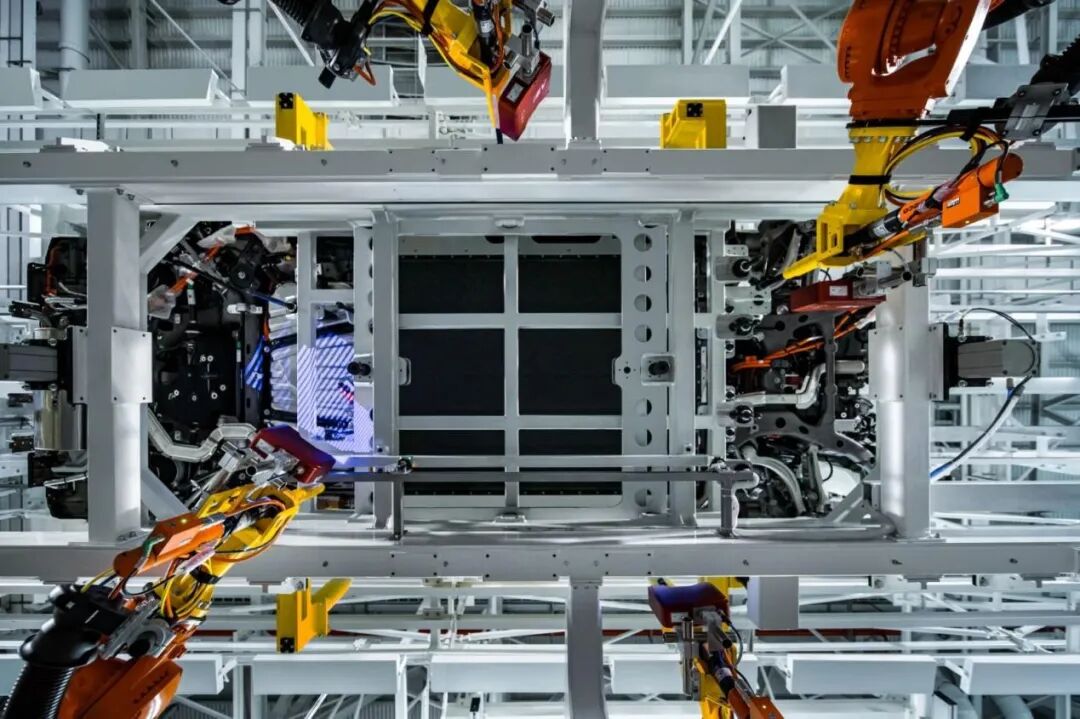
乘用车与重卡以旧换新政策解读及2026年车市展望
2025-12-31 16:02
Summary of Conference Call on Automotive Industry and Policies Industry Overview - The conference call discusses the automotive industry, specifically focusing on passenger vehicles and commercial trucks, with an emphasis on the 2026 automotive subsidy policies and market outlook [1][2][3]. Key Points on 2026 Automotive Subsidy Policies - **Total Subsidy Amount**: The total subsidy for 2026 is set at 300 billion, with approximately 150 billion allocated to the automotive sector. Funds will be distributed more evenly across quarters to avoid issues seen in 2025 [1][3]. - **Subsidy Structure Changes**: The subsidy method will shift from fixed amounts to a percentage of the vehicle price, favoring models priced above 150,000 yuan. For electric vehicles, the scrappage subsidy is 12% (up to 20,000 yuan), while for fuel vehicles, it is 10% (up to 1,500 yuan) [1][3]. - **Incentives for New Energy Vehicles (NEVs)**: NEVs will receive higher scrappage and replacement subsidies compared to fuel vehicles, indicating a strong policy push towards electric mobility [1][4]. Market Outlook for 2026 - **Passenger Vehicle Market**: The overall expectation for the passenger vehicle market in 2026 is positive, with a forecasted wholesale volume of approximately 30 million units, remaining stable compared to 2025. Domestic demand is expected to decline slightly by 2%, while exports are projected to grow by 10% to 6 million units [2][8]. - **Commercial Vehicle Market**: The commercial vehicle sector, particularly heavy-duty trucks, is expected to see a slight decline or stabilization in domestic sales, estimated at around 750,000 units. However, the penetration rate of new energy vehicles in this segment is anticipated to rise to 32%-35% [2][15]. Investment Opportunities - **Valuation and Investment Timing**: The current valuation of the automotive sector is considered low, at the 60th percentile of the past five years. The new policies and positive January data are expected to drive a significant upward trend in the first quarter [2][9]. - **Focus on Specific Brands**: Brands such as Geely, BYD, and Leap Motor are highlighted as having beta attributes that may benefit from the new policies. Additionally, companies like XPeng Motors and Changan Automobile are recommended for their potential in self-driving and international expansion [2][10]. Regulatory and Market Dynamics - **Regulatory Changes**: Stricter regulations to prevent subsidy fraud are expected to enhance consumer confidence and promote healthy market growth. The government aims to ensure that subsidies effectively reach consumers [5][6]. - **Impact of Economic Conditions**: Despite uncertainties in the overall economic environment, the demand for high-end NEVs is expected to continue growing, supported by consumer upgrade trends [5]. Commercial Vehicle Specifics - **Subsidy Impact on Heavy-Duty Trucks**: The scrappage and replacement subsidies for commercial vehicles are more substantial than anticipated, with diesel and natural gas vehicles receiving over 25% and NEVs up to 30% in subsidies [2][13]. - **Export Market Growth**: The export market for heavy-duty trucks is projected to benefit from infrastructure development in Africa and Southeast Asia, with an expected growth rate of 15% or higher in 2026 [2][17][18]. Conclusion - The automotive industry is poised for a transformative year in 2026, driven by favorable subsidy policies, a shift towards new energy vehicles, and a stable market outlook for both passenger and commercial vehicles. Investment opportunities are emerging, particularly in brands that align with the new regulatory environment and consumer trends.
回望“十四五” | 破解“内陆困局” 构筑“价值高地”——“十四五”期间重庆辖区上市公司蝶变观察
Xin Lang Cai Jing· 2025-12-31 16:01
Core Insights - As of September 2025, the number of listed companies in Chongqing reached 78, an increase of 20 from early 2021, with a total market capitalization exceeding 1.25 trillion yuan, representing a growth of 28.87% from the end of 2020 [2][11] - The "14th Five-Year Plan" period has seen Chongqing's securities regulatory authority implement policies to enhance both the quantity and quality of listed companies, contributing to high-quality economic development in the region [2][12] - Chongqing is leveraging capital to drive a structural revolution, with significant increases in core indicators such as revenue, R&D investment, and tax contributions, with R&D investment surging by 127.45% over five years [2][11] Group 1: Structural Changes and Innovations - The transformation of Chongqing's listed companies from quantity to quality is facilitated by institutional innovations, including government-guided funds and bankruptcy restructuring, providing a replicable model for inland cities [4][13] - Notable examples include the integration of resources between China National Pharmaceutical Group and Taiji Group, breaking down barriers in the pharmaceutical industry and fostering deep integration between central enterprise capital and local market networks [4][13] - The shift towards a light-asset model by companies like China Communications Construction Company has improved asset turnover rates by 37%, prompting a transition from land development to urban operations [4][13] Group 2: Bankruptcy Restructuring - For companies facing operational difficulties, Chongqing has adopted a challenging path of market-oriented bankruptcy restructuring to rebuild corporate value, as exemplified by Jinke Group's transformation into a comprehensive real estate operator [5][14] - The regulatory authority emphasizes that bankruptcy restructuring should not be seen as an endpoint but as a process that tests the long-term governance capabilities of the capital market [5][14] Group 3: Innovation Ecosystem - Chongqing's innovation has evolved from a focus on input quantity to an ecosystem approach, integrating "institution + scenario" to embed technological innovation deeply within the industrial landscape [6][15] - Leading companies like Changan Automobile have established significant research facilities, enhancing technology transfer rates to 42%, surpassing the national average of 28% [6][15] - The city is actively developing systemic support for innovation, including the establishment of technology transfer research institutes and specialized technology incubators [6][15] Group 4: Green Transformation - The green transformation of Chongqing's listed companies has integrated ESG (Environmental, Social, and Governance) principles into core competitive advantages, with the number of companies disclosing sustainability reports doubling to 41 since 2021 [7][16] - Companies like Seres have achieved high ESG ratings, which not only attract international capital but also facilitate market entry into the EU, reducing export costs by an average of 8% due to carbon tariffs [7][16] - Innovations in green finance, such as the issuance of green bonds linked to carbon reduction, have transformed financing into a dynamic value creation mechanism [7][16] Group 5: Strategic Positioning - Chongqing's listed companies have found a clearer positioning within national strategies, actively participating in regional development and international trade initiatives, becoming key players in the Chengdu-Chongqing economic circle and the Western Land-Sea New Corridor [8][17] - Financial innovations have significantly reduced the time for enterprise financing approvals, enhancing regional collaboration and serving as a vital link in the national strategy [8][17] - The successful establishment of automotive research and manufacturing bases by companies like Changan and Seres is paving the way for Chongqing's transition from domestic leadership to international competitiveness [8][17] Group 6: Future Outlook - The achievements during the "14th Five-Year Plan" lay a solid foundation for Chongqing's listed companies in the upcoming "15th Five-Year Plan," with ambitions to evolve from an "industrial highland" to an "innovation source" [8][18] - Future plans include the establishment of a Western Science and Technology Innovation Financial Reform Pilot Zone and the creation of a "green technology international certification center" to lower compliance costs for companies entering global markets [8][17][18]
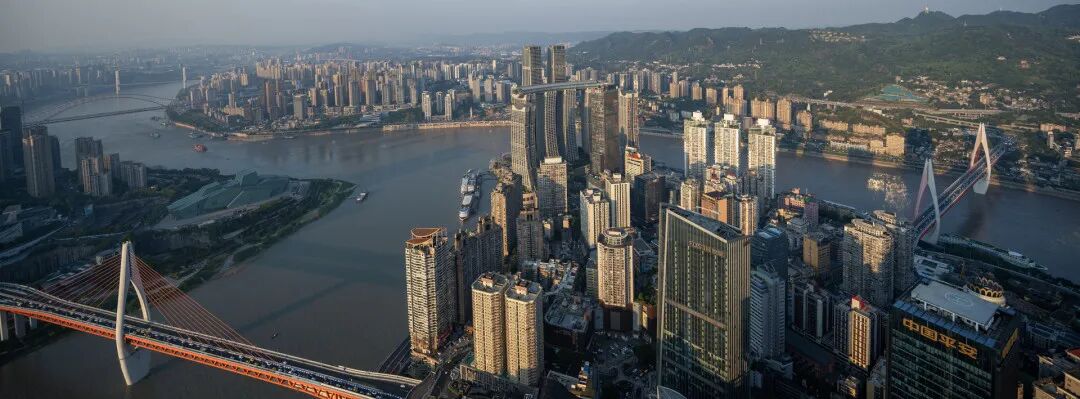
五维度看2025中国乘用车发展之“术”
Xin Lang Cai Jing· 2025-12-31 16:01
Core Insights - The Chinese passenger car market is experiencing unprecedented vitality and resilience due to various transformative forces, with a focus on the industry's ability to identify and solve problems [1][2]. Group 1: New Energy Vehicle Market - The penetration rate of new energy vehicles (NEVs) in China reached 53.6% in the first 11 months of 2025, indicating a shift from policy-driven to market-driven growth [4]. - The number of new car models launched in 2025 exceeded 200, showcasing the industry's strength and providing diverse options for consumers [5]. - Major NEV manufacturers have established comprehensive product platforms, enabling rapid iteration and performance enhancement across various models [6]. Group 2: Technological Advancements - Significant advancements in foundational technologies, such as intelligent chassis systems, are enhancing the overall level of the NEV industry [7]. - The performance of pure electric vehicles has improved, with extended driving ranges and enhanced safety features, addressing consumer concerns [8]. - Range-extended vehicles have also seen performance improvements, with some models achieving over 1000 kilometers of range [9]. Group 3: Autonomous Driving and AI Integration - The first batch of Level 3 conditional autonomous driving vehicle licenses was issued, marking a new phase in the commercialization of autonomous driving in China [10]. - AI technology is being integrated into smart cockpit systems, enhancing user interaction and experience [11]. - The automotive industry is witnessing a shift towards cognitive intelligence, allowing vehicles to understand and respond to complex commands [23]. Group 4: Domestic Brand Performance - Domestic brands captured a market share of 69.6% in the first 11 months of 2025, reflecting their growing competitiveness [13]. - High-end NEV sales have been dominated by domestic brands, indicating their increasing strength in the premium segment [14]. - Domestic brands are expanding internationally, with significant export growth and market penetration in Europe and Southeast Asia [15]. Group 5: Brand Image and Communication - Automotive leaders are increasingly engaging with consumers through relatable narratives, moving away from traditional high-end marketing [39]. - The industry is addressing issues of "involution" and promoting high-quality development to avoid harmful price competition [40][41]. - Companies are adopting transparent communication strategies to build trust and address safety concerns following incidents involving autonomous driving technologies [44][46].

时隔40年的历史呼应:中国汽车开启“技术换市场”时代
Xin Lang Cai Jing· 2025-12-31 16:00
Core Insights - The Chinese automotive export sector has shown stronger-than-expected performance in 2025, with a cumulative export volume of 7.33 million vehicles from January to November, representing a year-on-year increase of 25.7%, primarily driven by a 62% increase in new energy vehicle exports to 3.01 million units [1][9] - The export forecast for 2025 is set at 8 million vehicles, surpassing earlier predictions of a mere 10% growth due to geopolitical pressures and tariff challenges [1][9] - A significant shift in export markets and innovative export models is emerging, with Chinese automakers aggressively targeting Europe while rapidly expanding into emerging markets [1][9] Export Trends - The growth engine for exports is shifting from pure electric vehicles to hybrid models, which are gaining momentum in response to high tariffs on electric vehicles [3][11] - Traditional markets are evolving, with emerging markets in Southeast Asia, Africa, the Middle East, and South America witnessing a rise in market share for Chinese vehicles, particularly in Mexico [3][11] - The localization of production is intensifying, with several Chinese automakers establishing overseas factories, marking a deepening of the "global manufacturing, global selling" model [4][12] Strategic Developments - The collective overseas expansion of the automotive supply chain is a key strategic trend, with major battery suppliers like CATL and Guoxuan High-Tech establishing global production and recycling systems [5][13] - The export model is transitioning from merely selling vehicles to a collaborative output of technology, standards, and supply chains, indicating a qualitative upgrade in exports [5][13] - By the end of the 14th Five-Year Plan, it is projected that China's overseas automotive production and sales will exceed 12 million units, increasing the global automotive products' "Chinese content" [5][13] Challenges Ahead - The automotive industry is entering a phase of deep global layout, driven by internal market pressures and external geopolitical dynamics, with a focus on deep localization strategies [6][14] - The year 2026 is anticipated to present high-level challenges, particularly in navigating stringent compliance requirements in the European market, which will be crucial for brand establishment [7][15] - New EU regulations on materials, recycling, safety, and carbon emissions will impose stricter standards on Chinese automakers, potentially increasing export costs [7][15] Innovation and Collaboration - Companies are adopting innovative models to mitigate risks associated with entering the European market, such as partnerships with leading global suppliers to facilitate collaboration with European automakers [8][16] - There is a growing trend of European countries negotiating "technology for market" agreements, recognizing the challenges in catching up with Chinese advancements in new energy and smart technologies [8][16] - Predictions indicate that Chinese automotive exports will continue to grow in volume and undergo structural changes, emphasizing the need for companies to convert technological advantages into sustainable business success and brand value [8][16]
