优衣库

Search documents
3年来首部!《疯狂动物城2》贺岁档首日总票房破10亿元
Zhong Guo Jing Ying Bao· 2025-11-29 03:01
11月28日晚,在2025年电影市场贺岁档(11月28日至12月31日)开启首日,《疯狂动物城2》总票房突 破(含预售)10亿元,成为3年来首部票房过10亿元的引进片。 一位影院管理公司的人士坦言:"我们之前就感觉《疯狂动物城2》的票房一定会过10亿元,但之前以为 会是在下周初,也是12月份刚开始的那一两天,但现实比我们预计的早了两天。" 若《疯狂动物城2》的总票房如灯塔AI预测达到27亿元,这就意味着,该片将成为中国内地电影市场引 进片的影史亚军,仅次于《复仇者联盟4》的42.5亿元。 为何《疯狂动物城2》会成为近年来首部票房破10亿元的引进片?该人士认为,一是该片的前作此前收 获的高口碑打好了基础;二是动画电影在IP建设、衍生开发、传播等方面较真人电影往往具备优势,特 别是对于擅长衍生开发的迪士尼而言,能够在两部影片上映的间隔期,很好地维持甚至提升影片的热 度。 据媒体报道,自2023年12月以来,"疯狂动物城"IP在大中华区的授权业务已实现3倍增长。在上映前, 已有60多个品牌提前押宝联名合作,提前抢占这一IP红利,其中就包括星巴克、优衣库、瑞幸、名创优 品、周大福等。预计到2025年年底将推出超200 ...
日本消费行业10月跟踪报告:内需分化,免税回暖
Haitong Securities International· 2025-11-28 14:56
Investment Rating - The report does not explicitly state an investment rating for the industry, but it suggests a focus on companies with optimistic profit improvement prospects. Core Insights - Domestic demand in Japan is diverging, with a rebound in duty-free sales driven by the National Day holiday and a weaker yen, marking the first positive growth in duty-free sales in eight months [3][15]. - Consumers are highly sensitive to prices for daily necessities, leading to increased average transaction values at discount and convenience stores, despite a decline in foot traffic [3][15]. - There is a trend of "downgrading" in dining and clothing consumption, with value brands like Saizeriya and Uniqlo seeing significant increases in customer traffic and same-store sales [3][15]. - Actual household entertainment spending has increased significantly, with travel and savings becoming preferred uses of disposable income, reflecting a mindset of enjoying life while prioritizing financial security amid economic uncertainty [3][15]. - The hotel industry continues to thrive due to a record number of inbound tourists and the depreciation of the yen, with strong demand for luxury goods and cosmetics from visitors [3][15]. Summary by Sections Macro Overview - The Japanese yen has depreciated, and inflationary pressures are rising, with the consumer confidence index slightly increasing to 35.8 in October from 35.3 in September [2][9]. - Real wages contracted by 1.4% year-on-year in September, continuing a nine-month trend of negative growth, while nominal wage growth was only 1.9%, significantly lagging behind inflation [2][9]. - The Producer Price Index (PPI) rose by 2.7% year-on-year in October, maintaining above 2% for four consecutive months, indicating persistent price pressures [2][13]. Essential Consumption - Retail sales in essential goods are showing steady growth despite high prices, with same-store sales for major retailers like Aeon and 7-Eleven increasing by 4.7% and 1.3% respectively in October [4][18]. - The demand for basic food and beverage items remains under pressure, with a year-on-year decline in retail sales for food and beverages recorded at approximately 35.56 billion yen in September [4][18]. Optional Consumption - There is a significant increase in demand for winter clothing, with same-store sales for Uniqlo rising by 25.1% in October, driven by strong sales of winter collections [5][32]. - The restaurant sector has seen same-store sales growth for major chains like Saizeriya and McDonald's, with increases of 16.9% and 8.1% respectively in October [5][28]. - Duty-free sales have turned positive for the first time in eight months, with a year-on-year growth of 7.5% in October, driven by increased tourist spending [5][36]. Stock Market Performance - The consumer sector saw most stocks rise from October 27 to November 27, with retail and food and beverage sectors gaining 5.6% and 4.7% respectively [6]. - Investment recommendations focus on companies like Mercari, which is expected to improve profitability, and Kirin Holdings, which has shown strong operational profit growth [6].
悬崖之上的日本:M型社会大困局
凤凰网财经· 2025-11-26 12:56
Economic Overview - The Japanese government has approved a comprehensive economic stimulus plan amounting to 21.3 trillion yen, marking the largest economic intervention since the pandemic [1] - Despite this stimulus, Japan's real GDP is projected to decline at an annual rate of 1.8% in Q3 2025, indicating a return to negative growth since Q1 2024 [1] - Inflation in Japan has exceeded the central bank's 2% target for 43 consecutive months, while real wages have been declining for over two years, leading to a decrease in purchasing power [1][3] Structural Changes - The traditional "one hundred million middle class" structure in Japan is collapsing, giving way to a polarized society characterized by wealth disparity [1][4] - The increase in non-regular employment, widening income gaps, and the collapse of seniority-based wage systems are key factors contributing to the emergence of an "M-shaped society" [6][7] - By 2002, a significant portion of the population had shifted towards lower income brackets, with 80% of the population earning below 6 million yen annually [7] Societal Implications - The collapse of the seniority wage system has altered individual career expectations, making long-term financial planning difficult for families [8] - The phenomenon of "working poor" is prevalent, where employed individuals struggle financially, leading to intergenerational poverty [8] - The declining birth rate is exacerbated by the economic situation, with 2023 witnessing a record low of 758,600 newborns [7] Government Responsibility - The government is criticized for its failure to recognize the long-term recession and for implementing ineffective economic policies, resulting in a debt burden of 1,000 trillion yen [11] - Current fiscal policies are constrained, with the OECD downgrading Japan's GDP growth forecast for 2025 from 1.1% to 0.7% [12] Corporate Strategies - Companies must adapt their market strategies to cater to the expanding low-income demographic, as the middle class continues to shrink [15] - Successful examples include Uniqlo, which shifted focus from the middle class to serve the growing low-income segment, achieving sales of 300 billion yen [15] - Traditional retailers that maintain a middle-class focus are experiencing declining performance [16] Individual Adaptation - Individuals are encouraged to abandon the illusion of middle-class stability and to rethink their life strategies based on current economic realities [17] - Education is highlighted as a crucial pathway to breaking the cycle of the M-shaped society, with a focus on aligning educational choices with financial capabilities [18] - The labor market is experiencing a rare reversal, with a high employment rate of 98.1% for university graduates in 2024, reflecting a labor supply crisis [19][20]


《疯狂动物城2》联名60+品牌,为什么迪士尼永远无法忽视中国?
Jing Ji Guan Cha Wang· 2025-11-26 10:41
Core Insights - The release of Disney's animated film "Zootopia 2" has generated significant box office revenue, with a first-day domestic box office of 1.74 billion and a global box office of 57.64 million [2][4] - The film's marketing strategy in China has involved over 60 brand collaborations, creating a highly commercialized IP marketing environment [5][17] - Disney views the Chinese market as a key area for growth, leveraging the film's popularity to test a new "IP emotional economy" model [13][17] Box Office Performance - The first-day box office reached 1.74 billion, with a cumulative box office of 1.88 billion and a projected total box office of 25.64 billion [4][12] - The film's global box office stands at 57.87 million, with significant contributions from the domestic market [4][12] Marketing Strategy - The marketing campaign is characterized as a large-scale social marketing experiment, integrating various sectors such as food, fashion, and automotive [5][12] - Collaborations with brands like Luckin Coffee and Uniqlo have resulted in significant sales increases, showcasing the effectiveness of the IP in driving consumer engagement [7][10] Brand Collaborations - The film has seen partnerships with brands across multiple industries, including food and beverage, apparel, and automotive, creating a pervasive presence in urban environments [10][12] - The collaboration with automotive brands has provided a visually impactful marketing strategy, enhancing brand visibility [12][13] Consumer Engagement - The emotional connection of characters Judy and Nick resonates with young consumers, making the film's merchandise more appealing [15][16] - The trend of emotional consumption is growing, with brands increasingly focusing on leveraging IP for growth rather than mere aesthetics [15][17] Market Potential - Disney's strategic focus on the Chinese market reflects its recognition of the region's unique consumer dynamics and potential for long-term value [13][14] - The success of "Zootopia 2" in China is indicative of the country's evolving role as a vibrant and creative landscape for international IP [17]


巨无霸吊牌背后, 是一场怎样的退货“暗战”?
Mei Ri Shang Bao· 2025-11-25 23:43
Core Insights - The recent trend of oversized clothing tags reflects the apparel industry's anxiety over the no-reason return policy, leading to a wave of passive "micro-innovations" [1][2] - The return rate for women's clothing remains high, often between 30% to 50%, with some popular stores experiencing even higher rates, indicating a significant challenge for the industry [3] Group 1: Tag Innovations - Many e-commerce clothing brands, especially in women's fashion, have adopted "giant tags" and anti-tampering designs to deter returns, with tags featuring bold warnings like "no return or exchange if removed" [1][2] - Some brands have introduced lockable zippers that require customers to confirm receipt before obtaining the unlock code, highlighting the lengths to which companies are going to reduce return rates [2] - Major brands like Uniqlo and Decathlon have embedded RFID electronic tags in their clothing tags, serving as a "digital ID" that tracks the product's journey from production to sale, enhancing anti-counterfeiting and traceability [2] Group 2: Industry Challenges - The high return rates are exacerbated by consumer behaviors such as trying on clothes and returning them shortly after, often with signs of wear, which complicates resale efforts [3] - The trend of "armoring" tags is seen as a cost-shifting measure, transferring the burden of loss prevention onto consumers, which may erode trust over time [3] - Industry experts suggest that true innovation should focus on improving product quality, fit, and materials to reduce return intentions, rather than relying on cumbersome tag designs [3]
汽车大奖+首店经济+票根密码,系列举措持续带火消费,长沙今年社零增长明显
Chang Sha Wan Bao· 2025-11-25 12:25
Core Insights - Changsha's consumer market is experiencing significant growth due to targeted promotional measures, with a retail sales total of 4,775.98 billion yuan from January to October, reflecting a year-on-year increase of 5.1% [1][3] Group 1: Automotive Sector - The automotive consumption market in Changsha saw a surge in activity, with 3,870 consumers winning cash prizes in a promotional lottery for purchasing new vehicles [1] - Major car manufacturers launched new models, contributing to a vibrant market environment, with significant sales reported during the October auto consumption promotion [3] - The Mango International Auto Show generated over 20 billion yuan in transaction value and more than 10,000 vehicle orders within just five days [3] Group 2: Retail and Commercial Developments - The "first store economy" is a notable highlight, with over 130 new stores opening, enhancing consumer experiences and driving sales [4][9] - New commercial projects, including flagship stores and duty-free shops, are reshaping the retail landscape in Changsha, providing diverse shopping options [5][7] - The city has implemented a million-yuan "first store consumption coupon" initiative to stimulate spending in new retail locations [9] Group 3: Event-Driven Consumption - The "ticket root economy" is emerging as a new consumption driver, linking sports events and concerts to retail opportunities, enhancing consumer engagement [10][11] - The "Xiangchao" league and popular concerts have created a vibrant atmosphere, with ticket stubs offering discounts across various services, boosting local commerce [11] - Changsha's promotional activities have effectively integrated policy support, innovative scenarios, and digital enhancements to foster sustainable consumption growth [11]

男装求解:海澜之家香港IPO加速出海,报喜鸟挤入户外赛道
Sou Hu Cai Jing· 2025-11-24 15:40
Core Viewpoint - Hailan Home has submitted an application for H-share listing on the Hong Kong Stock Exchange, aiming to enhance its global strategy and expand overseas operations [2][4] Group 1: Company Developments - Hailan Home plans to open its first overseas store in Sydney as part of its global expansion strategy, which began in 2017 [2][4] - The company reported revenues of 179.05 billion yuan, 207.54 billion yuan, 201.62 billion yuan, and 156.0 billion yuan for the years 2022 to 2024 and the first three quarters of 2025, respectively [2] - Net profits attributable to shareholders for the same periods were 21.55 billion yuan, 29.52 billion yuan, 21.59 billion yuan, and 18.62 billion yuan [2] - As of June 2025, Hailan Home had a total of 7,241 stores, with 1,583 being direct-operated and 4,101 being franchise and other types [2] Group 2: Market Position and Performance - Hailan Home ranked sixth in Tmall's "Double Eleven" sales for men's clothing, with Uniqlo leading the rankings [4] - The main brand, Hailan Home series, generated 108 billion yuan in revenue, a year-on-year decline of 3.99%, accounting for 69% of total revenue [2] - The company’s offline sales accounted for nearly 80% of total revenue, while online sales made up about 20% [2] Group 3: Industry Context - The overall apparel industry in China faced challenges, with 13,673 companies reporting revenues of 8,685.18 billion yuan, a year-on-year decline of 4.63% [14] - The profit total for the industry was 319.23 billion yuan, down 16.19% year-on-year, indicating increased pressure on domestic men's apparel companies [14] - Hailan Home and other brands like Baoxini are focusing on internationalization to navigate the competitive landscape, with Hailan Home targeting the global market through its IPO [14]


新物种正在诞生
投资界· 2025-11-24 09:09
Core Viewpoint - The article discusses the shift in consumer behavior in Japan and East Asia towards extreme cost-effectiveness and practicality, influenced by economic downturns and changing societal values [3][10]. Group 1: Historical Context - The article references the Great Depression in the U.S., where citizens adopted frugal lifestyles, highlighting a historical pattern of economic hardship leading to changes in consumer behavior [3]. - Japan's prolonged economic stagnation, termed the "Lost Decade," has left a lasting impact on its citizens, who have become skeptical of politicians and media, focusing instead on immediate, practical needs [4][10]. Group 2: Consumer Behavior Changes - There is a notable trend of consumers prioritizing cost over luxury, with young people in Japan and Korea opting not to buy homes or cars due to perceived low value [6][10]. - The rise of discount stores, such as the 100-yen shop in Japan, reflects a cultural shift towards valuing affordability, with over 8,900 such stores now operating [7]. Group 3: New Consumption Models - The emergence of new consumption models, such as Meituan's "拼好饭" (Pīn Hǎo Fàn), illustrates a significant change in the food delivery industry, focusing on cost-effective meal options that cater to a large consumer base [12][13]. - The article notes that the demand for high cost-performance products is reshaping various industries, including food and retail, as businesses adapt to meet consumer expectations for value [13][14]. Group 4: Economic Implications - The article suggests that economic downturns historically lead to innovative business models, such as the rise of supermarkets post-Great Depression and the emergence of brands like Uniqlo during Japan's low-consumption era [14].

不止汽车,日系品牌也在迎来“全线溃败”
创业邦· 2025-11-23 03:32
Core Viewpoint - Japanese automakers are facing significant challenges due to U.S. tariffs, leading to a collective profit decline of 1.5 trillion yen (approximately 68.78 billion RMB) in the first half of 2025, marking a 27.2% year-on-year decrease [6][7]. Group 1: Impact of Tariffs - The North American market has severely impacted Mazda and Subaru, with Mazda's U.S. sales accounting for about 30% of its global sales, resulting in a profit drop of approximately 97.1 billion yen (about 4.45 billion RMB) due to tariffs [6]. - Subaru, with nearly 80% of its sales in the U.S., faced a tariff impact of 154.4 billion yen (around 7.08 billion RMB), nearly offsetting its profits from vehicle sales [6][7]. Group 2: Domestic Market Saturation - Japan's domestic car market is saturated, with a new car sales forecast of approximately 4.42 million units in 2024, a decline of about 7.5% from 2023 [8]. - The younger generation in Japan shows a declining interest in car ownership, with 32% citing "sufficient family cars" and 28% concerned about high car prices [8]. Group 3: Global Market Challenges - Japanese automakers have historically relied on overseas markets, which account for nearly 80% of their sales, but are now facing increased competition and market share losses, particularly in China and Southeast Asia [8][9]. - From 2021 to 2024, Japanese automakers lost significant market share in Southeast Asia, with declines of 5% in Malaysia, 6% in Indonesia, and 12% in Thailand [9][12]. Group 4: Declining Sales in China - Japanese automakers have seen a decline in sales in China, with Toyota's sales down 1.7% to 1.908 million units, Honda's down 10.1% to 1.234 million units, and Nissan's down 16.1% to 794,000 units in 2023 [9]. - The market share of Japanese brands in China dropped from 20.6% in 2021 to 11.2% in 2024, largely due to the rise of domestic electric vehicle brands [9][12]. Group 5: Shift in Consumer Preferences - The younger generation in Southeast Asia is increasingly favoring electric vehicles and brands that offer better value and technology, leading to a shift away from traditional Japanese automakers [12][17]. - Japanese automakers are struggling to adapt to the electric vehicle trend, with their market share in the rapidly growing EV segment remaining below 30% in Southeast Asia [16][17]. Group 6: Financial Performance and Future Outlook - Despite challenges, Toyota remains the world's most profitable automaker, with a profit of 31.2579 billion USD (approximately 224.5 billion RMB) in 2025, significantly outperforming competitors [17][21]. - The overall performance of Japanese brands in other sectors, such as convenience stores and cosmetics, is declining, indicating a broader struggle beyond the automotive industry [18][21].



无聊,或许才是中国男装最大的“护城河”
Xin Lang Cai Jing· 2025-11-22 06:17
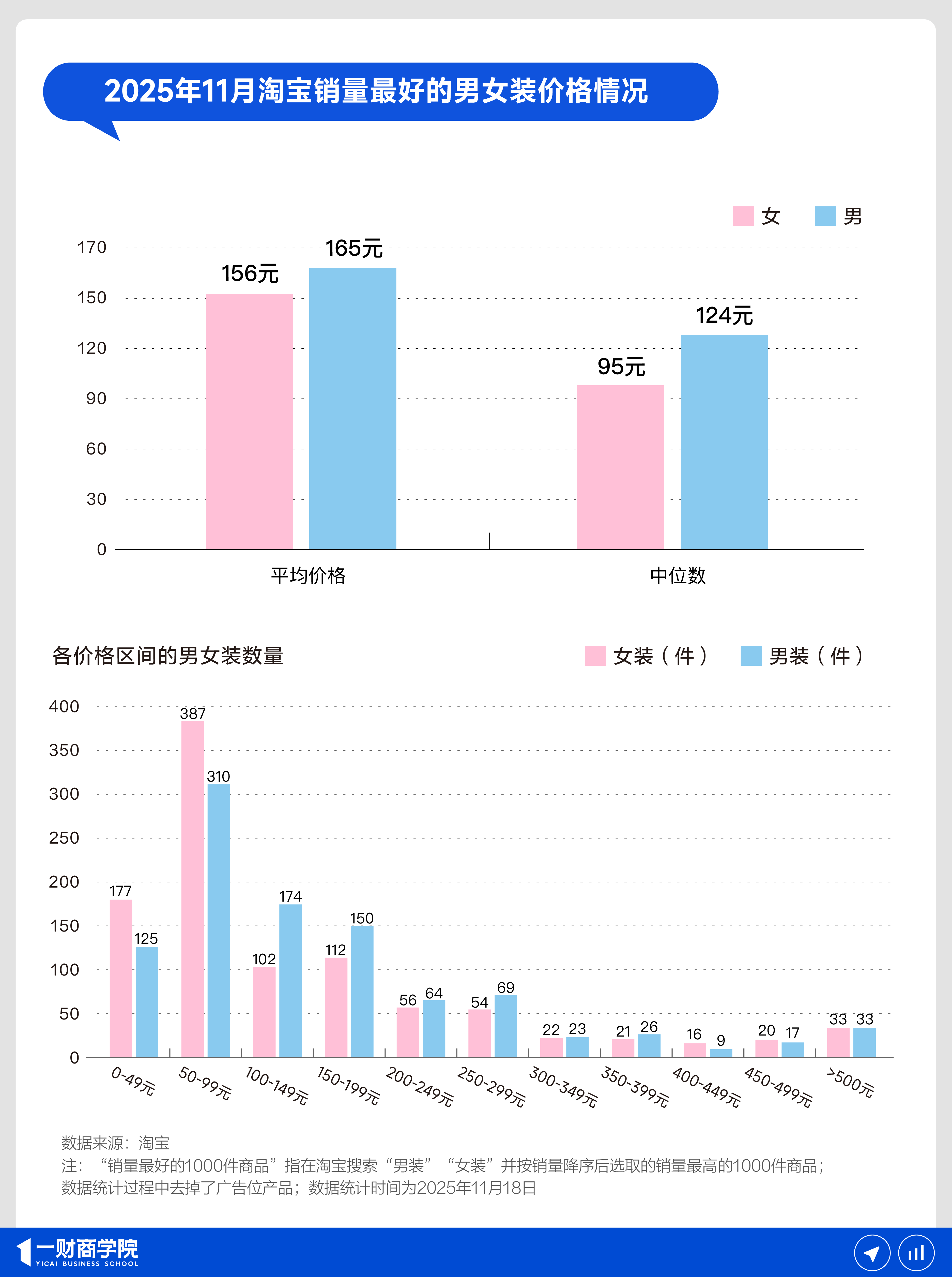
Group 1 - The core viewpoint of the article highlights the evolving landscape of e-commerce, particularly during the Double 11 shopping festival, where AI and near-field commerce are driving a new era focused on technology and efficiency [1][2] - The article emphasizes the emergence of "hidden" players in various sectors such as apparel, outdoor, beauty, and digital products, who, despite not being top sellers, possess unique business hypotheses and user insights [2][3] - The analysis of men's fashion reveals that the notion of men being unwilling to spend on clothing is a misconception, as data shows that the average price of men's clothing is higher than that of women's clothing [4][11] Group 2 - The article discusses the differences in marketing strategies between men's and women's clothing, noting that men's clothing descriptions tend to be less varied and more straightforward, focusing on functionality [16][19] - It highlights that men's purchasing behavior is characterized by a strong purpose and low interaction, often leading to lower return rates compared to women's clothing [33][34] - The financial performance of men's clothing brands, particularly Haianzhijia, is contrasted with women's brands, indicating that while men's brands may not require constant trend education, they face challenges in maintaining sales growth due to high-quality products [43][50]