珀莱雅

Search documents
可选消费W04周度趋势解析:黄金持续创新高叠加新消费板块回暖,黄金珠宝板块本周表现最优-20260126
Haitong Securities International· 2026-01-26 09:54
Investment Rating - The report assigns an "Outperform" rating to multiple companies including Nike, Midea Group, JD Group, Haier Smart Home, Gree Electric, Anta Sports, and others, indicating a positive outlook for these stocks [1]. Core Insights - The gold and jewelry sector has emerged as the top performer this week, driven by new consumer sentiment and expectations of improved sales as the Spring Festival approaches. The sector saw a weekly increase of 12.9% [4][14]. - The report highlights a rebound in the new consumer sectors, with various segments such as gambling, overseas cosmetics, and retail also showing positive performance [4][14]. - The overall market sentiment is influenced by the performance of the MSCI China index, which has shown fluctuations in its weekly, monthly, and year-to-date performance [12][13]. Sector Performance Summary - **Gold and Jewelry**: Increased by 12.9%, with notable gains from Lao Pu Gold (20.5%) and Chow Tai Fook (5.9%) due to positive sales forecasts [6][14]. - **Gambling**: Rose by 2.9%, with MGM China and Galaxy Entertainment seeing increases of 4.0% and 3.6% respectively, attributed to market share gains [6][14]. - **Overseas Cosmetics**: Gained 2.1%, driven by E.L.F Beauty's strong performance and positive earnings outlook [6][14]. - **Retail**: Increased by 2.0%, with Wanchen Group rising 14.3% due to optimistic revenue forecasts [6][14]. - **Domestic Cosmetics**: Saw a modest increase of 0.9%, with companies like Proya and Runben showing positive trends [8][14]. - **Snacks**: Increased by 0.6%, with Youyou Foods and Qiaqia Foods showing gains [8][14]. - **Pet Sector**: Experienced a slight decline of 0.4%, with Zhongchong Co. facing market challenges [8][14]. - **Domestic Sportswear**: Decreased by 1.4%, with Li Ning showing a positive increase of 4.3% while Anta Sports faced a decline [8][14]. - **US Hotels**: Fell by 1.4%, with major hotel chains like Marriott and Hilton seeing declines [15][16]. - **Credit Card Sector**: Also decreased by 1.4%, with Visa and Mastercard facing market uncertainties [15][16]. - **Luxury Goods**: Declined by 1.6%, with Burberry experiencing a significant drop [15][16]. - **Overseas Sportswear**: Decreased by 1.8%, with Adidas facing a notable decline due to downgrades from investment banks [15][16]. Valuation Analysis - The report indicates that most sectors are currently undervalued compared to their historical averages, with expected PE ratios for various sectors such as overseas sportswear at 30.0x (56% of the past 5-year average) and domestic sportswear at 13.4x (70% of the past 5-year average) [10][17].
海底捞+老铺黄金+珀莱雅
2026-01-26 02:50
Summary of Conference Call Company and Industry Overview - **Industry**: Consumer Sector, specifically focusing on the restaurant and jewelry industries - **Companies Discussed**: Haidilao (restaurant), Laopuhuang (jewelry), and Proya (cosmetics) Key Points and Arguments Haidilao 1. **Performance Recovery**: Haidilao's performance is showing signs of stabilization, with a notable recovery in customer turnover rates in Q3 and Q4 of 2025, maintaining an average customer spend of around 100 RMB [2][6] 2. **Management Changes**: The return of Zhang Yong is expected to positively influence the company's operations, although specific growth targets have not been set. The potential for new store openings is contingent on stabilizing turnover rates [3][4] 3. **Brand Expansion**: Haidilao is exploring multi-brand strategies, with new concepts like barbecue and sushi being developed, which could enhance its market presence [4][5] 4. **Market Sentiment**: The overall sentiment in the consumer sector is at a low point, particularly in the Hong Kong market, but there is potential for a rebound due to low expectations and valuations [1][6] 5. **Future Outlook**: For 2026, the revenue forecast is cautiously optimistic, with estimates suggesting a recovery in performance, potentially reaching 4.5 to 4.7 billion RMB [6][7] Laopuhuang 1. **Sales Momentum**: Laopuhuang is experiencing a surge in customer interest, particularly during the Valentine's Day season, with expectations of exceeding previous sales records due to rising gold prices and promotional activities [9][10] 2. **Brand Strength**: The brand's positioning and market presence have strengthened, with significant customer engagement observed during promotional events, indicating a robust demand outlook [11][12] 3. **Pricing Strategy**: There is anticipation of price increases following the Valentine's Day period, which could further enhance sales performance [10][11] 4. **Market Positioning**: Laopuhuang's strategy includes optimizing store locations and expanding its product offerings, which is expected to drive growth in the coming years [12][13] Proya 1. **Valuation and Growth Potential**: Proya is currently undervalued, with a projected earnings multiple of around 15 times for 2026, making it an attractive investment opportunity [19][20] 2. **Management Changes**: Recent leadership changes are expected to bring new strategies and innovations, particularly in product development and market positioning [19][20] 3. **Product Innovation**: The introduction of new product lines, particularly in the skincare segment, is anticipated to capture market share and drive sales growth [20][21] 4. **Acquisition Strategy**: Proya is actively pursuing acquisition opportunities, particularly in the cosmetics sector, to enhance its market presence both domestically and internationally [22][23] Additional Important Insights - **Consumer Sentiment**: The overall consumer sentiment remains cautious, but there are signs of potential recovery in spending, particularly in the restaurant and jewelry sectors [1][6] - **Market Dynamics**: The competitive landscape is evolving, with companies like Haidilao and Laopuhuang adapting their strategies to meet changing consumer preferences and market conditions [4][10] - **Future Monitoring**: Continuous monitoring of market trends and consumer behavior will be essential for assessing the performance of these companies in the upcoming quarters [24]


商贸零售行业跟踪周报:量贩零食行业龙头上市在即,鸣鸣很忙IPO全梳理
Soochow Securities· 2026-01-26 00:24
Investment Rating - The report maintains an "Overweight" rating for the retail industry [1] Core Insights - Mingming Hen Mang is the largest leisure food and beverage retail chain in China, formed by the merger of "Snacks Are Busy" and "Zhao Yiming Snacks" in November 2023, aiming to address industry pain points through scale procurement and efficient turnover [4][9] - The company is projected to achieve a revenue of CNY 39.34 billion and a net profit of CNY 0.83 billion in 2024, with nearly 15,000 stores [4][10] - The leisure food industry is experiencing rapid growth, with Mingming Hen Mang's revenue increasing from CNY 4.286 billion in 2022 to CNY 39.344 billion in 2024, representing a year-on-year growth of 282.17% [10][13] - The gross margin is expected to improve from 7.45% in 2022 to 9.73% in Q1-Q3 2025, while the net profit margin is projected to rise from 1.67% to 3.36% in the same period [10][16] - The report highlights the acceleration of brand consolidation in the snack retail sector, with the top five chain retailers contributing CNY 2.1 trillion in GMV, accounting for 57.1% of the food and beverage industry [17][20] Summary by Sections Industry Trends - The retail sector is witnessing a significant increase in store numbers, with major players like Mingming Hen Mang and Wancheng Group expanding aggressively across the country [23] - The competitive landscape is stabilizing with Mingming Hen Mang and Wancheng Group leading the market, holding over 70% of the market share in the snack retail sector [17][23] Financial Performance - Mingming Hen Mang's revenue and net profit for 2022, 2023, and 2024 are reported as follows: CNY 4.286 billion, CNY 10.295 billion, and CNY 39.344 billion for revenue; CNY 0.72 billion, CNY 2.17 billion, and CNY 8.34 billion for net profit, respectively [10][13] - The company achieved a revenue of CNY 46.371 billion in Q1-Q3 2025, surpassing the total revenue of 2024, with a year-on-year growth of 75.21% [10][13] Market Position - In 2024, Mingming Hen Mang's GMV reached CNY 55.5 billion, securing a market share of 1.5%, making it the largest leisure food and beverage retail chain in China [17][20] - The report suggests that investors should actively consider opportunities in the snack retail sector, especially with Mingming Hen Mang's upcoming H-share listing on January 28 [17][24]
化妆品医美行业周报20260125:化妆品12月社零高增,Q4需求端景气度明显提升-20260125
Shenwan Hongyuan Securities· 2026-01-25 14:44
Investment Rating - The report maintains a "Positive" outlook on the cosmetics and medical beauty industry, indicating strong performance compared to the market [2]. Core Insights - The cosmetics and medical beauty sector has outperformed the market recently, with the Shenwan Beauty Care Index rising by 2.0% from January 16 to January 23, 2026, surpassing the Shenwan A Index by 0.8 percentage points [4][5]. - December 2025 saw a significant increase in social retail sales for cosmetics, reaching 38 billion yuan, with a growth rate of 8.8%, indicating robust demand even in the off-season. The overall growth rate for Q4 was 9.9%, significantly higher than the annual growth of 5.1% for 2025, driven by promotional events like Double 11 [10][17]. - The report anticipates continued high consumer demand in Q1 2026, supported by new product launches and regulatory approvals in the medical beauty sector [10]. Summary by Sections Industry Performance - The cosmetics and medical beauty sector has shown strong performance, with the Shenwan Cosmetics Index increasing by 2.6% and the Shenwan Personal Care Index rising by 4.2%, both outperforming the Shenwan A Index [4][5]. Key Company Reviews - Lin Qingxuan (2657HK) is highlighted as a benchmark in the high-end domestic skincare market, with revenue projected to grow from 690 million yuan in 2022 to 1.21 billion yuan in 2024, representing a CAGR of 32.7%. The company is expected to turn a profit of 187 million yuan in 2024, a 120% increase year-on-year [11][12]. - Langzi Co., Ltd. (002612.SZ) forecasts a net profit of 900 million to 1.05 billion yuan for 2025, reflecting a year-on-year growth of 245.25% to 302.80% [4]. - Qingsong Co., Ltd. (300132.SZ) anticipates a net profit of 130 million to 165 million yuan for 2025, with a growth rate of 137.73% to 201.74% [4]. Market Trends - The report notes that the high-end skincare market is expanding, with the market size expected to reach 218.5 billion yuan by 2029. The concept of "oil-based skincare" is becoming mainstream, driving growth in the facial oil segment, which is projected to grow at a CAGR of 42.8% from 2019 to 2024 [12][14]. - E-commerce channels are increasingly important, with Lin Qingxuan achieving a 65.4% online revenue share in H1 2025, leveraging platforms like Douyin and Tmall for growth [13]. Sales Data - In December 2025, the total retail sales of cosmetics reached 38 billion yuan, with a year-on-year growth of 8.8%. The overall retail sales for cosmetics in 2025 were 465.3 billion yuan, reflecting a 5.1% increase [17][21].





大消费行业周报:2025年社零首破50万亿,关注细分赛道机会-20260125
Ping An Securities· 2026-01-25 11:09
Investment Rating - The industry investment rating is "stronger than the market," indicating that the industry index is expected to outperform the market by more than 5% in the next six months [28]. Core Insights - The total retail sales of consumer goods in 2025 are projected to exceed 50 trillion yuan, highlighting significant growth potential in the consumer sector [4][10]. - The report emphasizes the importance of focusing on specific segments within the consumer industry, such as tourism, beauty, jewelry, media, and food and beverage, which are expected to show resilience and growth [4][10]. Summary by Relevant Sections Social Services - The tourism sector is expected to continue its recovery, with leading companies responding effectively to changing consumer demands, particularly as the Spring Festival approaches [4]. - The beauty industry is experiencing steady growth, with a focus on companies that can quickly adapt to market dynamics [4]. - The jewelry sector presents investment opportunities, particularly for brands that can increase market share and maintain strong performance [4]. Food and Beverage - Alcohol - Major liquor companies are experiencing a deeper decline in net profits compared to previous quarters, but leading firms are expected to enhance market share through effective brand management [4]. - The report identifies three key investment lines: high-end liquor with stable demand, mid-range liquor with national expansion, and local real estate liquor [4]. Food and Beverage - General - The at-home dining market, represented by companies like Guoquan, shows significant growth potential, with a focus on product, channel, and supply chain advantages [4]. - The restaurant sector is entering a peak season with the upcoming Spring Festival, and supply chain conditions are stabilizing [4]. Key Company Announcements - China Duty Free Group is expanding its international retail market presence through a strategic partnership with LVMH, which includes a significant acquisition [12]. - Meili Tianyuan is forecasting a revenue increase of at least 16% in 2025, driven by both external acquisitions and strong internal growth [15]. - Longzi Co. is expecting a net profit of 9-10.5 billion yuan for 2025, indicating a positive outlook despite some adjustments in financial reporting [15].
商贸零售行业周报:老铺黄金SKP活动开启,关注春节销售超预期催化-20260125
KAIYUAN SECURITIES· 2026-01-25 09:14
Investment Rating - The industry investment rating is "Positive" (maintained) [1] Core Insights - The total retail sales in China for 2025 reached CNY 501,202 billion, with a year-on-year growth of +3.7%. December's retail sales showed a modest increase of +0.9% [25][34] - The retail sector is experiencing a gradual recovery, with service retail outperforming goods retail. Online sales are rebounding, while offline supermarkets, convenience stores, and specialty shops are performing relatively steadily [4][27] - The high-end traditional gold market is expanding, with brands like Laopu Gold gaining traction among high-net-worth consumers, supported by strong sales during promotional events [34][38] Summary by Sections Retail Sector Overview - The retail and social service indices reported increases of 2.16% and 3.20% respectively from January 19 to January 23, 2026, with the retail index ranking 16th among 31 sectors [6][15] - The jewelry sector has shown the highest growth, with an increase of 8.66% in the past week and 11.51% year-to-date [18][20] Consumer Trends - Essential consumer goods are stable, with food and oil products performing particularly well. In contrast, optional consumer goods show mixed results, with cosmetics and jewelry performing better than clothing and home appliances [31][33] - The online retail market for physical goods reached CNY 130,923 billion in 2025, growing by +5.2%, accounting for 26.1% of total retail sales [27][30] Investment Recommendations - Focus on high-quality companies in high-demand sectors driven by emotional consumption themes, particularly in gold and jewelry, with recommendations for brands like Laopu Gold, Chao Hong Ji, and Chow Tai Fook [7][41] - Emphasize offline retail companies adapting to market changes and AI-enabled cross-border e-commerce leaders, recommending companies like Yonghui Supermarket and Aiyingshi [7][39] - Highlight domestic beauty brands that innovate in emotional value and safety, recommending brands like Mao Ge Ping and Proya [7][39] - Consider differentiated medical beauty product manufacturers and expanding chain medical institutions, with recommendations for companies like Meili Tianyuan and Aimeike [7][39]
美妆品牌抢滩药店新渠道
经济观察报· 2026-01-25 04:58
Core Viewpoint - The OTC channel presents significant opportunities for beauty brands, offering professional endorsements, precise targeting of skincare needs, and immediate product experiences, but it also poses challenges due to strict professional requirements and a talent shortage in the industry [1][2][3]. Group 1: Market Entry and Growth - By 2025, over six domestic cosmetic companies are expected to enter the OTC channel, marking it as the "Year of Domestic Beauty OTC Layout" [2]. - Leading domestic beauty brand Proya (603605.SH) announced its entry into the OTC channel in January 2026, joining a growing list of companies [2]. - Brands like Winona and Kefu Beauty have been early entrants into the OTC channel, with Winona's sales nearing 1 billion yuan in 2023, capturing over 60% of the market share in this channel [5]. Group 2: Strategic Developments - In April 2025, Furuida Bio announced plans to accelerate its OTC channel development, aiming to cover 10,000 drugstore chains and launch 100 "cosmetic and medicinal" SKUs [5]. - Companies are increasingly focusing on integrating with the professional environment of pharmacies rather than merely distributing products [5]. - Proya is preparing multiple products for the OTC channel, emphasizing the importance of medical device products as a foundation for entry [6]. Group 3: Market Potential and Challenges - The OTC channel has approximately double the growth potential, with Winona targeting to cover 250,000 pharmacies [8]. - As of December 2024, there are about 705,000 licensed drug retail enterprises in China, with Winona covering over 110,000, representing about one-seventh of the total retail pharmacy stores [9]. - The demand for beauty products in pharmacies is rising due to pressures on traditional pharmacy profits and the need for transformation [9]. Group 4: Profitability and Talent Shortage - Medical device products have a significantly higher gross margin, averaging 77%-83%, compared to regular cosmetic products [9]. - The beauty industry faces a talent shortage in the pharmacy channel, as many brands rely on pharmacists who must understand both pharmaceuticals and cosmetics [10]. - Companies like Betaini are addressing this by training pharmacy staff to enhance customer trust and provide professional consultations [10][11].


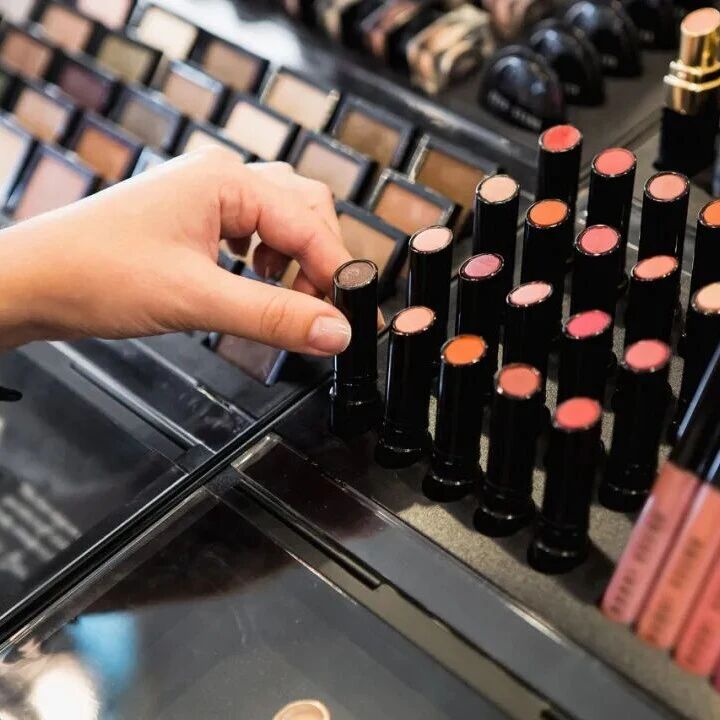
珀莱雅正在失速?
虎嗅APP· 2026-01-25 03:36
Core Viewpoint - The article discusses the challenges faced by Proya, a leading domestic beauty brand in China, after achieving the top revenue position in the industry. It highlights the company's struggle to maintain its market leadership amid declining sales and profits, particularly following the transition to a new generation of leadership. Group 1: Company Performance - Proya's revenue for Q3 2025 was 1.736 billion yuan, a year-on-year decline of 11.63%, with net profit dropping by 23.64% to 227 million yuan, marking the first time the company faced a simultaneous decline in both revenue and profit [6][7]. - The company's stock price has significantly decreased from a peak of 129.01 yuan per share in March 2023 to 73.18 yuan per share by January 2026 [6][8]. - In 2024, Proya's main brand revenue reached 10.778 billion yuan, making it the only domestic beauty giant to enter the "100 billion club" [11]. Group 2: Challenges and Market Dynamics - The beauty industry is entering a micro-growth phase, with Proya facing challenges from industry cycles, intensified competition, and internal bottlenecks [7][9]. - Proya's reliance on a few key products, such as the Ruby Essence and the Early C and Late A series, has led to stagnation as these products approach the latter stages of their life cycles [12][13]. - The company is experiencing high marketing costs, which are eroding profit margins, as traditional marketing strategies become less effective in the current market environment [16][18]. Group 3: Strategic Responses - Proya is attempting to revitalize its product lines and has introduced new brands like OR and Cai Tang, but these efforts have not yet compensated for the slowdown in its main brand's growth [14][30]. - The company is also focusing on enhancing its offline presence, having initiated partnerships with offline pharmacies and retail channels, but has seen a decline in offline revenue [21][22]. - Proya's leadership transition has led to significant changes in its executive team, which may impact its strategic direction and operational stability [26][28]. Group 4: Financial Health and Future Outlook - Proya's financial health remains robust, with projected cash flow of 4.07 billion yuan by the end of 2024 and potentially reaching 6.2 billion yuan by the end of 2027, with no short-term or long-term bank loans [31]. - The company is exploring opportunities for international expansion and product development through potential listings and investments, which could provide additional growth avenues [31].

美妆行业周度市场观察-20260125
Ai Rui Zi Xun· 2026-01-25 03:01
Investment Rating - The report does not explicitly provide an investment rating for the beauty industry Core Insights - The beauty industry is facing significant challenges in 2025, including market contraction, the end of traffic dividends, and intensified competition, leading to many brands exiting the market. However, leading companies are showing resilience due to their scale and R&D advantages, while smaller brands struggle due to limited resources [4] - The luxury goods sector is witnessing a trend where high-end brands are leaving premium shopping malls, which are now embracing new consumer brands to attract foot traffic. This shift indicates a failure of the traditional "top brands + prime locations" model [4] - The global beauty industry is entering a transformation phase in 2025, with growth rates slowing from 7% to 5%. The market is shifting towards segmentation and premiumization, with significant mergers and acquisitions occurring [6] - The beauty industry is experiencing an upgrade in 2026, characterized by a surge in plant-based ingredients and significant changes in packaging, indicating a move towards ecological and high-end transformations [6] Industry Trends - In 2025, over 30 well-known beauty brands are expected to exit the Chinese market, with a significant proportion being Japanese and Korean brands. This is attributed to the rise of domestic brands and changing consumer demands [6] - The application of generative AI in the fragrance sector is projected to contribute $9-10 billion to the global beauty industry, enhancing product development, marketing insights, and customer experiences [7] - The beauty industry is witnessing a rise in plant-based ingredient registrations, with nearly 25% of new ingredient registrations being plant-based by the end of 2025, indicating a shift towards ecological beauty [6] Head Brand Dynamics - Aldi's beauty brand Lacura has gained popularity by offering high-quality products at low prices, appealing to young consumers and reflecting a shift towards value-driven beauty consumption [10] - Lin Qingxuan has successfully listed on the Hong Kong Stock Exchange, becoming the first high-end domestic skincare brand to do so, with a focus on research and global expansion [10] - The brand Hai Gui Ba Ba is leveraging emotional resonance and cultural connections in its marketing strategies, particularly targeting youth during the New Year period [10]
美妆品牌抢滩药店新渠道
Jing Ji Guan Cha Wang· 2026-01-24 08:48
Core Insights - The article discusses the growing trend of domestic beauty brands entering the OTC (over-the-counter) channel in China, with 2025 being marked as a pivotal year for this transition [2][3] - Major players like Proya and other beauty companies are preparing to launch products in the OTC space, which is seen as a way to leverage the professional credibility of pharmacies and meet specific skincare needs [4][5] Group 1: Market Entry and Growth - By 2025, over six domestic cosmetic companies are expected to enter the OTC channel, expanding the current limited presence of leading brands [2] - Proya announced its entry into the OTC channel in January 2026, joining other brands that have already established a presence [2][4] - The OTC channel has seen significant sales, with brands like Winona achieving nearly 1 billion yuan in sales from this channel in 2023 [3] Group 2: Strategic Partnerships and Product Development - Companies are focusing on strategic partnerships and product development tailored for the OTC market, with Proya preparing multiple products aimed at post-operative recovery and daily skincare [4] - Winona and other brands are actively seeking to enhance their product offerings and market reach through collaborations with pharmacies [3][4] Group 3: Market Potential and Challenges - The OTC channel is projected to have about double the growth potential, with Winona aiming to cover 250,000 pharmacies [5] - The regulatory environment is becoming more favorable for pharmacies to sell cosmetic products, which aligns with the increasing demand for beauty products in these settings [6] - Despite the opportunities, there is a significant talent shortage in the OTC channel, as brands require personnel who are knowledgeable in both pharmaceuticals and cosmetics [7] Group 4: Financial Metrics and Profitability - The average gross margin for medical beauty products in the OTC channel is significantly higher than that of regular cosmetic products, with margins for medical dressings ranging from 77% to 83% [6] - Specific companies report high gross margins, such as 84.22% for Chuerjia's medical device products and 82% for Jinjian Biological's collagen products [6]