
蔚来

Search documents
铜价狂飙36%,格力回应空调涨价问题
21世纪经济报道· 2026-01-05 12:52
Core Viewpoint - Gree Electric Appliances has decided not to raise prices for its home air conditioners despite rising copper prices, emphasizing its commitment to consumer rights and maintaining the benefits of national subsidies [1][5]. Group 1: Price Strategy and Market Position - Gree Electric announced that it will not increase the price of its home air conditioners, aiming to ensure that the benefits of national subsidies reach consumers fully [1][5]. - The company highlighted that copper constitutes about 20% of the cost of air conditioners, and the recent surge in copper prices has led to a cost increase of approximately 7.26% per unit [4]. - Gree's market director stated that transferring cost pressures to consumers undermines the effectiveness of national subsidy policies [5]. Group 2: Aluminum vs. Copper Debate - Gree Electric has no current plans to adopt "aluminum instead of copper" technology, citing significant performance and reliability differences between the two materials [4][6]. - The company has been actively researching aluminum technology but insists that it will only switch to aluminum when it meets the same technical standards as copper [6]. - Other companies in the industry, such as Midea and Haier, have signed a self-regulatory agreement to accelerate the adoption of aluminum, while Gree has opted out of this initiative [6][7]. Group 3: Industry Trends and Future Outlook - The air conditioning industry is seeing a push towards aluminum use, with expectations that aluminum replacement rates could reach 60% for heat exchangers and 90% for connecting pipes by 2030 [7]. - Analysts predict that the air conditioning sector, due to its high copper intensity and cost sensitivity, will be a leading area for aluminum adoption, potentially increasing annual aluminum demand by 200,000 to 500,000 tons [7].



那些从低往高端走的车企,谁破了“高端魔咒”?
Xin Lang Cai Jing· 2026-01-05 12:23
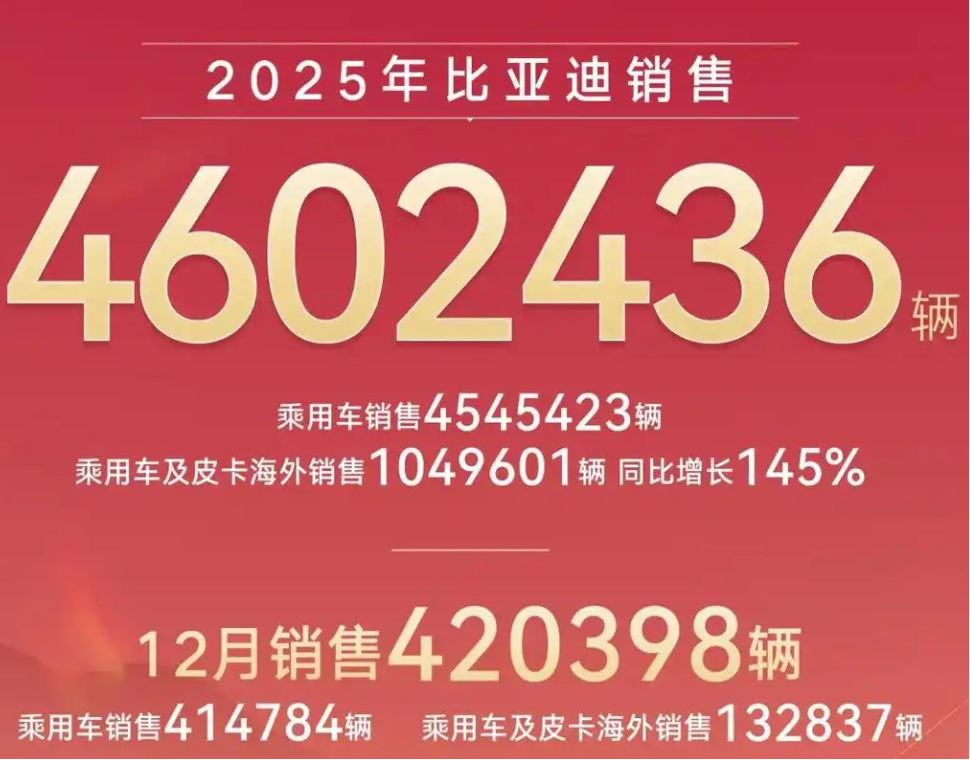
Core Insights - The automotive industry is experiencing a dichotomy between companies focusing on volume, like BYD, and those emphasizing quality, like Seres [1] - BYD's total sales in 2025 reached 4.6 million units, a year-on-year increase of 7.73%, with the Ocean and Dynasty series contributing 88% of total sales [1] - Seres' new car deliveries exceeded 420,000 units in 2025, marking a 9.25% year-on-year growth [1] Financial Performance - BYD's cumulative global sales for the first three quarters of 2025 reached 3.26 million units, up 18.64% year-on-year, with revenue of 566.27 billion yuan, a 13% increase, and a net profit of 23.33 billion yuan, down 7.55% [3] - In comparison, Seres sold 340,700 units in the first three quarters, with a year-on-year decline of 3.82% in new energy vehicle sales, generating revenue of 110.53 billion yuan and a net profit of 5.31 billion yuan, up 31.56% [3][6] Market Dynamics - BYD earns approximately 7,157 yuan per vehicle sold, while Seres earns about 15,591 yuan, indicating a significant difference in profitability per unit sold [6] - The high-end model "Wenjie" contributes 90% of Seres' revenue, highlighting the importance of premium offerings in the current market landscape [6] Consumer Behavior - Price sensitivity has been a primary driver for consumers in the electric vehicle market, with many opting for brands like BYD and Seres based on affordability [7][8] - The perception of value for money has become a key factor in consumer decision-making, as seen in the experiences of buyers who prioritize cost-effectiveness [8] Competitive Landscape - Brands like BYD and Seres are attempting to penetrate the high-end market, but face challenges in shifting consumer perceptions from low-cost to high-value offerings [15][18] - The strategy of simply increasing product specifications without addressing brand perception and service quality has proven ineffective in the high-end segment [18] Strategic Insights - Successful high-end brands like NIO and Wenjie have established a comprehensive value system that goes beyond product specifications, focusing on quality, service, and user experience [21][24] - The automotive industry is witnessing a shift where consumers are increasingly prioritizing quality and reliability over low prices, indicating a potential challenge for brands that rely heavily on cost competitiveness [27][29] Future Outlook - For brands like BYD to succeed in the high-end market, they must resolve the conflict between their low-cost heritage and the demands for high-end value, transitioning from a focus on selling products to selling value [29]




德系豪华车新年搞“突袭”?宝马开年官降最高30万
Zhong Guo Jing Ji Wang· 2026-01-05 11:49
Core Viewpoint - BMW has initiated a significant price reduction across 31 key models, with discounts reaching up to 300,000 yuan, marking a departure from its previous stance against price wars in the luxury car market [1][4]. Group 1: Price Reduction Details - The price cuts affect a wide range of models, with reductions generally exceeding 10%, and 24 models seeing cuts over 10%, while 5 models have reductions over 20% [2]. - The model with the largest price drop is the BMW i7 M70L, which saw a reduction from 1.899 million yuan to 1.598 million yuan, a decrease of 301,000 yuan [3][4]. - The entry-level BMW 225L M Sport model's price was reduced from 259,900 yuan to 208,000 yuan, lowering the entry barrier for consumers [2]. Group 2: Market Context and Strategy - BMW's price reduction is framed as a "value upgrade" rather than a price war, indicating a strategic response to market dynamics [4]. - The luxury car market in China is undergoing rapid restructuring, with traditional German brands like BMW, Mercedes-Benz, and Audi facing declining sales, as evidenced by a 14.7% drop in BMW's sales from January to November 2025 [6]. - The rise of Chinese brands, which have seen significant sales growth, poses a challenge to established luxury brands, with companies like Hongmeng Zhixing and Zeekr achieving sales of 589,000 and 575,000 units respectively in 2025 [7][8]. Group 3: Regulatory Environment and Implications - The Chinese government has been actively regulating price wars in the automotive sector, emphasizing compliance with pricing guidelines to promote healthy market development [9]. - BMW's decision to lower prices may attract consumer interest in the short term but could undermine its brand's pricing integrity and consumer perception in the long run [9]. - The competitive landscape may prompt other luxury brands like Mercedes-Benz and Audi to reconsider their pricing strategies in response to BMW's actions, potentially reshaping the market dynamics further [10].
2025车市收官:零跑领跑新势力,比亚迪反超特斯拉
Xin Lang Cai Jing· 2026-01-05 11:45
Industry Overview - In October 2025, China's new energy vehicle (NEV) sales reached approximately 1.715 million units, accounting for 51.6% of total new car sales, marking a significant shift in the market dynamics [1][11] - By November 2025, the penetration rate of NEVs further increased to 53.2%, indicating a transition from niche to mainstream consumer choice [1][11] - The automotive market is expected to face challenges as multiple consumer stimulus policies are set to exit, leading to a return to a demand-supply driven seasonal operation [1][12] New Entrants and Performance - Leap Motor emerged as the top new force with 596,600 units delivered, surpassing competitors like NIO, Xiaopeng, and Hongmeng Zhixing [3][14] - Xiaopeng Motors delivered 429,400 units, while Li Auto and NIO delivered 406,300 and 326,000 units respectively, with NIO experiencing a significant sales boost in Q4 due to the new ES8 model [3][14] - Xiaomi Auto achieved over 410,000 units, exceeding its target of 350,000 units, and plans to challenge a target of 550,000 units in 2026 [6][16] Established Brands Performance - BYD sold 4.6024 million vehicles globally, achieving its target and becoming the world's top seller of pure electric vehicles with 2.26 million units sold, a 28% year-on-year increase [7][17] - Geely and Changan both met their sales targets, with Geely selling 3.0246 million vehicles and Changan reaching 2.913 million, with significant growth in their NEV segments [8][18] - Great Wall Motors and Chery reported sales of 1.3237 million and 2.6314 million units respectively, with Chery's sales boosted by its collaboration with Huawei [8][18] Market Dynamics and Future Outlook - The competition among new entrants and established brands is intensifying, with the market expected to undergo significant changes as policy support diminishes [1][12] - The automotive industry is preparing for a challenging 2026, with various companies adjusting their strategies to maintain competitiveness [1][12]


锂电产业全线涨价:消息称动力电池紧缺已缓解,储能电池仍稀缺
起点锂电· 2026-01-05 10:33
Group 1 - The supply of power batteries for automotive companies has eased, but the shortage of energy storage batteries persists, leading to price increases across the lithium battery industry [2] - Due to battery supply shortages, the delivery of several new energy vehicle models has been slow, affecting models like Li Auto's i6 and NIO's new ES8 [2] - From early December 2025, many manufacturers of lithium iron phosphate cathode materials have initiated price hikes, with increases of 2000 to 3000 yuan per ton, driven by demand for energy storage and rising costs of raw materials like lithium carbonate [2] - Dejia Energy announced a price increase of 15% for its battery products effective December 16, 2025, to ensure stable delivery and quality [2] Group 2 - Funeng Technology indicated on its investor interaction platform that the rise in lithium battery prices is a trend driven by increased raw material costs and expanding market demand [3]

烧钱、互搏与淘汰赛:地平线和Momenta走到决赛圈了吗?
Tai Mei Ti A P P· 2026-01-05 10:19
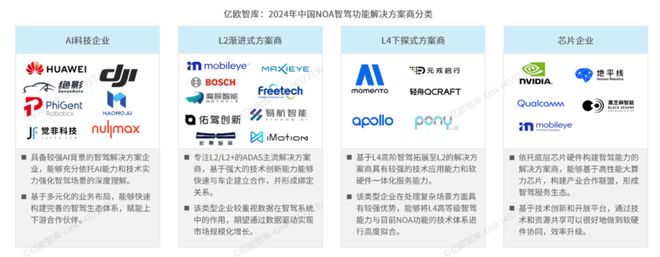
Core Insights - The smart driving industry is at a pivotal point, shifting focus from high-end models to mainstream adoption, with affordability and usability becoming key competitive factors [1][2] - Companies like Horizon and Momenta are leading the charge in making advanced driving assistance systems (ADAS) accessible to the mass market, targeting vehicles priced around 100,000 RMB [1][20] Group 1: Industry Dynamics - The transition from high-end to mass-market smart driving solutions is driven by technological advancements and cost reductions, aiming for broader market penetration [2][4] - The competitive landscape is evolving from a focus on capabilities to one centered on cost, reliability, and delivery capabilities, with supply chain stability becoming crucial for widespread adoption [4][11] Group 2: Supply Chain Evolution - The supply chain for smart driving technology is complex, involving multiple players including OEMs, Tier 1 suppliers, algorithm companies, and chip manufacturers, with a shift towards more collaborative models [5][7] - As competition intensifies, the relationship between suppliers and OEMs is changing, with suppliers becoming co-developers rather than just vendors, emphasizing the need for integrated solutions [9][17] Group 3: Competitive Landscape - Horizon and Momenta are positioned as key players in the smart driving ecosystem, with Horizon focusing on hardware-software integration and Momenta emphasizing data-driven algorithm improvements [15][16] - Both companies are targeting the same market segment, aiming to provide cost-effective solutions for urban navigation assistance (NOA) in vehicles priced around 100,000 RMB [20][21] Group 4: Financial Pressures - The financial realities of the smart driving industry are challenging, with high R&D and operational costs leading to significant losses for companies like Horizon [27][29] - The need for sustained investment in technology and infrastructure is critical, as both Horizon and Momenta face pressures to scale their operations while managing costs effectively [30][31] Group 5: Future Outlook - The industry is expected to undergo a consolidation phase, with a few key players emerging as leaders while others may struggle to survive due to increasing competition and market pressures [25][30] - The competition is shifting from technological capabilities to scale and ecosystem stability, indicating a potential future where only a few companies dominate the market [30][31]
沪铜产业日报-20260105
Rui Da Qi Huo· 2026-01-05 09:34
1. Report Industry Investment Rating No information provided. 2. Core View of the Report - The main contract of Shanghai copper fluctuates strongly, with increasing positions, spot discount, and weakening basis. The raw material side has a tight copper concentrate supply, and the cost - support logic for copper prices is solid. Supply may gradually shrink due to tight raw materials and approaching holidays, and the growth rate of domestic refined copper supply is slowing. Demand is affected by high copper prices, and downstream buyers are cautious. Overall, the fundamentals are in a stage of slightly shrinking supply and cautious demand, with an increase in social inventory. In the options market, the sentiment is bullish, and the implied volatility slightly decreases. Technically, the 60 - minute MACD shows a bullish signal. The suggestion is to conduct short - term long - position trading at low prices with light positions, paying attention to rhythm and risks [2]. 3. Summary by Relevant Catalogs 3.1 Futures Market - The closing price of the main Shanghai copper futures contract is 101,350 yuan/ton, up 3110 yuan; the LME 3 - month copper price is 12,833 dollars/ton, up 363.5 dollars. The main contract's inter - month spread is - 120 yuan/ton, up 20 yuan. The main contract's open interest of Shanghai copper is 216,315 lots, up 8069 lots. The net position of the top 20 futures holders of Shanghai copper is - 45,864 lots, down 3287 lots. The LME copper inventory is 145,325 tons, down 2100 tons. The SHFE cathode copper inventory is 145,342 tons, up 33,639 tons. The SHFE cathode copper warrant is 90,282 tons, down 2856 tons [2]. 3.2现货市场 - The SMM 1 copper spot price is 100,575 yuan/ton, up 1755 yuan; the Yangtze River Non - ferrous Market 1 copper spot price is 100,660 yuan/ton, up 1325 yuan. The Shanghai electrolytic copper CIF (bill of lading) price is 50 dollars/ton, unchanged; the Yangshan copper average premium is 41.5 dollars/ton, down 7.5 dollars. The basis of the CU main contract is - 775 yuan/ton, down 1355 yuan; the LME copper cash - to - 3 - month spread is 38.6 dollars/ton, up 8.21 dollars [2]. 3.3 Upstream Situation - The import volume of copper ore and concentrates is 252.62 million tons, up 7.47 million tons. The copper concentrate price in Jiangxi is 89,620 yuan/metal ton, up 1610 yuan; in Yunnan, it is 90,320 yuan/metal ton, up 1610 yuan. The southern processing fee for blister copper is 2000 yuan/ton, up 500 yuan; the northern processing fee is 1200 yuan/ton, up 100 yuan. The monthly output of refined copper is 123.6 million tons, up 3.2 million tons. The import volume of unwrought copper and copper products is 430,000 tons, down 10,000 tons [2]. 3.4 Industry Situation - The social inventory of copper is 41.82 million tons, up 0.43 million tons. The price of 1 bright copper wire in Shanghai is 67,970 yuan/ton, up 1100 yuan; the price of 2 copper (94 - 96%) in Shanghai is 82,050 yuan/ton, up 900 yuan. The ex - factory price of 98% sulfuric acid of Jiangxi Copper is 1030 yuan/ton, unchanged [2]. 3.5 Downstream and Application - The monthly output of copper products is 222.6 million tons, up 22.2 million tons. The cumulative grid infrastructure investment is 560.39 billion yuan, up 77.956 billion yuan. The cumulative real estate development investment is 7859.09 billion yuan, up 502.82 billion yuan. The monthly output of integrated circuits is 4,392 million pieces, up 215 million pieces [2]. 3.6 Option Situation - The 20 - day historical volatility of Shanghai copper is 21.82%, up 1.47 percentage points; the 40 - day historical volatility is 17.69%, up 1.40 percentage points. The implied volatility of the current - month at - the - money option is 27.33%, down 0.0101 percentage points. The call - to - put ratio of at - the - money options is 1.49, up 0.0406 [2]. 3.7 Industry News - In December 2025, China's manufacturing PMI, non - manufacturing PMI, and composite PMI were 50.1%, 50.2%, and 50.7% respectively, up 0.9, 0.7, and 1.0 percentage points month - on - month, all rising to the expansion range. In 2025, the sales of trade - in related goods exceeded 2.6 trillion yuan, benefiting over 3.6 billion people. The eurozone's December 2025 manufacturing PMI was 48.8, lower than expected. Fed's Paulson said that if inflation cools, the Fed may further cut interest rates but will not take immediate additional measures. In December 2025, BYD's new - energy vehicle sales were 420,398, down 18.2% year - on - year, with an annual cumulative sales of 4.602436 million, up 7.73% year - on - year, and overseas sales exceeded 1 million for the first time, up 145%. Geely's December 2025 sales were 236,817, up 13% year - on - year, and the annual sales were 3.024567 million, up 39% year - on - year. Many new - energy vehicle brands had record - high December sales, and Leapmotor ranked first with nearly 600,000 annual sales [2].
拆解理想在世界模型方向的工作
自动驾驶之心· 2026-01-05 09:30
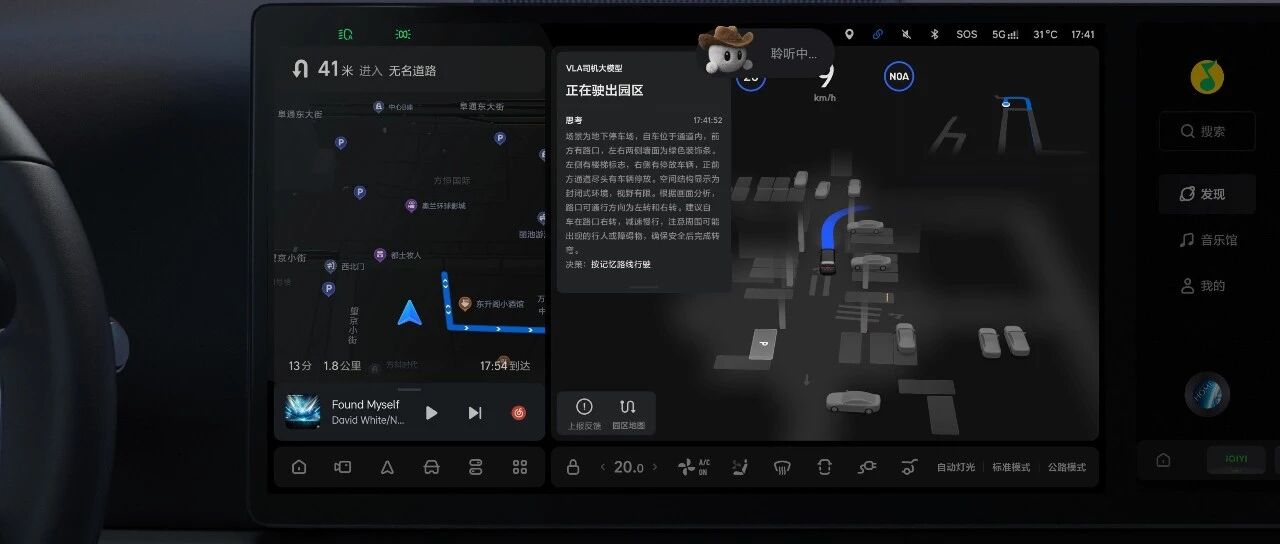
Core Insights - The article discusses the advancements and applications of world models in autonomous driving, particularly focusing on the reconstruction and generation techniques utilized by companies like Li Auto [2][3] - It highlights the importance of understanding world models for newcomers in the field, emphasizing the challenges faced in grasping the concepts and practical applications [4][5] Summary by Sections Section 1: Introduction to World Models - The first chapter provides an overview of world models and their connection to end-to-end autonomous driving, detailing the historical development and current applications [7] - It categorizes different types of world models, including purely simulated models, simulation combined with planning, and those generating sensor inputs and perception results [7] Section 2: Background Knowledge of World Models - The second chapter covers foundational knowledge related to world models, including scene representation, Transformer technology, and BEV perception [8][13] - It emphasizes the significance of these concepts in preparing for advanced discussions on world models [8] Section 3: General World Model Exploration - The third chapter focuses on general world models and recent popular works in autonomous driving, discussing models like Marble, Genie 3, and DriveVLA-W0 [9] Section 4: Video Generation-Based World Models - The fourth chapter delves into video generation algorithms, which are currently the most researched area in both academia and industry, starting with notable works like GAIA-1 & GAIA-2 [10] Section 5: OCC-Based World Models - The fifth chapter centers on OCC generation methods, explaining their potential for extending to vehicle trajectory planning and achieving end-to-end solutions [10] Section 6: World Model Job Topics - The sixth chapter shares practical insights from industry experience, addressing the application of world models, industry pain points, and interview preparation for related positions [11] Course Overview - The course aims to provide a comprehensive understanding of world models, targeting individuals interested in advancing their knowledge and skills in autonomous driving technology [12][15] - It includes a structured schedule with specific topics covered in each chapter, starting from foundational concepts to advanced applications [16][17]
科网股分化,快手涨超11%,汽车股下挫,蔚来跌近6%
2 1 Shi Ji Jing Ji Bao Dao· 2026-01-05 09:28
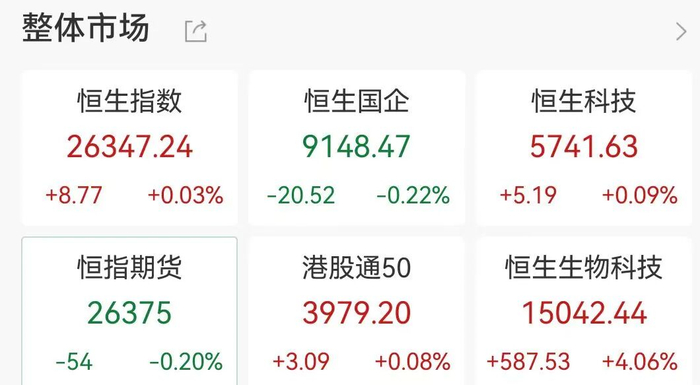
Market Overview - The Hong Kong stock market showed a narrow fluctuation today, with the Hang Seng Index slightly up by 0.03% to close at 26,347.24, while the Hang Seng China Enterprises Index fell by 0.22% to 9,148.47, and the Hang Seng Tech Index increased by 0.09% to 5,741.63 [1][2]. Technology Sector - The technology sector exhibited mixed performance, with Kuaishou rising over 11%, Bilibili increasing by over 4%, Alibaba up by over 2%, while NetEase and Xiaomi both dropped by over 2% [2]. Automotive Sector - The automotive stocks faced significant declines, with NIO down nearly 6%, XPeng Motors falling over 4%, and Li Auto dropping over 3%. Great Wall Motors also saw a decline of over 6% [4]. Biopharmaceutical Sector - The biopharmaceutical sector saw gains, with Rongchang Biopharmaceutical rising over 7%. The China Drug Evaluation Center (CDE) indicated that by December 31, 2025, 76 innovative drugs are expected to be approved, surpassing the 48 approved in 2024, marking a historical high [4]. Real Estate Sector - The real estate sector showed strength, with China Rongxin rising over 6% [5]. Brain-Computer Interface Sector - The brain-computer interface concept surged, with Nanjing Panda Electronics rising over 39%. Elon Musk announced that his company Neuralink plans to begin large-scale production of brain-computer interface devices in 2026 [5]. Oil Sector - The oil sector weakened, with PetroChina declining by over 3%. This follows reports of U.S. military actions against Venezuela, with plans for U.S. oil companies to invest billions in repairing Venezuela's oil infrastructure while maintaining an oil embargo [5].

瑞达期货铝类产业日报-20260105
Rui Da Qi Huo· 2026-01-05 09:14
1. Report Industry Investment Rating - No relevant content provided 2. Core Viewpoints of the Report - The alumina market may be in a stage of slightly converging supply and stable demand, suggesting light - position oscillatory trading [2]. - The Shanghai aluminum market may be in a stage of slightly increasing supply and off - season demand, with aluminum prices maintaining high - level oscillations due to positive macro expectations. It is recommended to go short - term long at low prices with a light position [2]. - The cast aluminum alloy market may be in a stage of converging supply and weakening demand, and light - position oscillatory trading is suggested [2]. 3. Summary by Related Catalogs 3.1 Futures Market - The closing price of the Shanghai aluminum main contract was 23,645 yuan/ton, up 720 yuan; the closing price of the alumina futures main contract was 2,770 yuan/ton, down 8 yuan [2]. - The LME electrolytic aluminum three - month quotation was 3,021 US dollars/ton, up 24 US dollars; the LME aluminum inventory was 509,250 tons, down 2,500 tons [2]. - The closing price of the cast aluminum alloy main contract was 22,520 yuan/ton, up 665 yuan; the registered warehouse receipts of the cast aluminum alloy on the Shanghai Futures Exchange were 69,620 tons, up 32 tons [2]. 3.2 Spot Market - The price of Shanghai Non - Ferrous Network A00 aluminum was 23,310 yuan/ton, up 850 yuan; the spot price of alumina in Shanghai Non - Ferrous was 2,610 yuan/ton, unchanged [2]. - The average price (tax - included) of ADC12 aluminum alloy ingots nationwide was 23,100 yuan/ton, up 650 yuan; the price of Yangtze River Non - Ferrous Market AOO aluminum was 22,520 yuan/ton, up 820 yuan [2]. 3.3 Upstream Situation - Alumina production in the current month was 813.80 million tons, up 27.30 million tons; the demand for alumina (electrolytic aluminum part) in the current month was 705.96 million tons, down 24.27 million tons [2]. - The average price of crushed raw aluminum in Foshan metal scrap was 17,500 yuan/ton, up 150 yuan; the average price of crushed raw aluminum in Shandong metal scrap was 17,050 yuan/ton, up 150 yuan [2]. 3.4 Industry Situation - The import volume of primary aluminum was 146,109.72 tons, down 101,652.54 tons; the export volume of primary aluminum was 53,047.69 tons, up 28,474.13 tons [2]. - The production of aluminum products was 593.10 million tons, up 23.70 million tons; the export volume of unwrought aluminum and aluminum products was 57.00 million tons, up 7.00 million tons [2]. 3.5 Downstream and Application - The production of recycled aluminum alloy ingots was 70.00 million tons, up 9.17 million tons; the export volume of aluminum alloy was 3.06 million tons, down 0.03 million tons [2]. - The automobile production was 351.90 million vehicles, up 24.00 million vehicles; the national real estate climate index was 91.90, down 0.52 [2]. 3.6 Option Situation - The historical volatility of Shanghai aluminum for 20 days was 17.05%, up 3.38%; the historical volatility for 40 days was 13.95%, up 1.88% [2]. - The implied volatility of the at - the - money option of the Shanghai aluminum main contract was 21.6%, up 0.0295; the call - put ratio of Shanghai aluminum options was 1.69, down 0.1008 [2]. 3.7 Industry News - In December 2025, China's manufacturing PMI, non - manufacturing PMI, and comprehensive PMI were 50.1%, 50.2%, and 50.7% respectively, up 0.9, 0.7, and 1.0 percentage points month - on - month [2]. - In 2025, the sales volume of trade - in related commodities nationwide exceeded 2.6 trillion yuan, benefiting more than 360 million people [2]. - The final value of the eurozone's manufacturing PMI in December 2025 was 48.8, with the expected and previous values both being 49.2 [2]. - Multiple car companies announced their December 2025 and full - year results. BYD's new - energy vehicle sales in December 2025 were 420,398 units, a year - on - year decline of about 18.2%; the full - year cumulative sales were 4,602,436 units, a year - on - year increase of 7.73% [2].