
小米

Search documents
Omdia:印度智能手机市场增长3%,各品牌为节日季做准备,vivo继续蝉联榜首,苹果出货量创历史新高
Canalys· 2025-10-22 01:02
Core Insights - The Indian smartphone market is projected to grow by 3% year-on-year in Q3 2025, reaching a shipment volume of 48.4 million units, driven by pre-festival inventory replenishment and retail promotions [2][7]. Market Performance - Vivo leads the market with a shipment of 9.7 million units, capturing a 20% market share. Samsung follows with 6.8 million units and a 14% share, while Xiaomi and OPPO are nearly tied with 6.5 million units each, both holding a 13% share. Apple returns to the top five with 4.9 million units, driven by demand from lower-tier cities [2][7]. Sales Strategies - The market momentum in Q3 is primarily driven by channel incentives rather than pure consumer demand recovery. Manufacturers are reallocating marketing budgets to impactful retail incentive programs, including dealer competitions with rewards such as cash bonuses and travel [4][6]. Brand Strategies - Vivo's strong market position is attributed to a balanced product portfolio and aggressive retail strategies. Samsung is making progress in the mid-to-high-end market with new models but faces challenges in the entry-level segment. OPPO's growth is supported by targeted promotional plans centered around the F31 series [4][5]. Apple’s Performance - Apple achieved its highest-ever shipment volume in India during Q3, with a market share of 10%. Growth is fueled by demand for high-end models and effective promotional strategies, particularly in smaller cities [5]. Future Outlook - Despite a strong early performance in Q3, growth is not expected to continue into the year-end peak period. Urban consumers remain cautious due to job uncertainty and cost sensitivity, leading to delayed upgrades. The overall smartphone market is anticipated to see a slight decline in 2025, reflecting a fragile recovery sensitive to economic conditions [6].



阿里员工午休被纪委13:34叫醒,每个BU午休时间或不同;知情人士回应丰巢IPO停滞:对赌有分歧,投资人起诉;王自如入职雷鸟创新
雷峰网· 2025-10-22 00:51
Group 1 - Roma Technology has recalled 167,000 power banks, accounting for 34.1% of the total recall, with a refund amount of 22.837 million yuan [3] - The company has faced significant operational impacts due to safety concerns, leading to a production halt announced for six months starting July 7, 2025 [3] - The company's equity has been frozen, with 25 million yuan worth of shares affected by court orders [2] Group 2 - Alibaba employees reported being woken up by the disciplinary committee during lunch breaks, indicating a potential shift in company culture regarding work hours [5][6] - Different business units within Alibaba have varying lunch break policies, reflecting a lack of uniformity in employee management [5][6] Group 3 - Wang Ziru has joined Raybird Innovation, participating in the testing of new products, with a focus on AR technology [6][7] - Raybird Innovation is set to unveil its new AR glasses, RayNeo Air 4, on October 23 [7] Group 4 - Feng Xiaoya, chairman of GAC Group, revealed that the new car brand "Qijing" was named based on a suggestion from Ren Zhengfei, with the first model expected to launch in mid-2026 [14][15] - The brand will fully integrate Huawei's intelligent solutions into its vehicles [15] Group 5 - Xiaomi's new electric SUV, YU7 GT, is nearing mass production, featuring a powerful three-motor system with a total output of 1,138 kW (approximately 1,526 horsepower) [10] - The vehicle is designed to compete in the high-performance segment, targeting the European market [10] Group 6 - Longxin Storage plans to launch an IPO in Shanghai, aiming to raise between 20 billion to 40 billion yuan, with a target valuation of 300 billion yuan [29] - The company is a leading player in China's DRAM memory sector and is currently undergoing IPO counseling [29] Group 7 - OpenAI is training AI to take over tasks traditionally performed by junior bankers, utilizing over 100 former investment banking professionals [33] - This initiative is part of a secret project aimed at automating financial modeling and other repetitive tasks in the banking sector [33] Group 8 - Amazon is accelerating its automation strategy, planning to replace over 600,000 jobs with robots by 2033, while also aiming to double its sales [46][47] - The company expects to save approximately 12.6 billion yuan through this automation initiative between 2025 and 2027 [46]
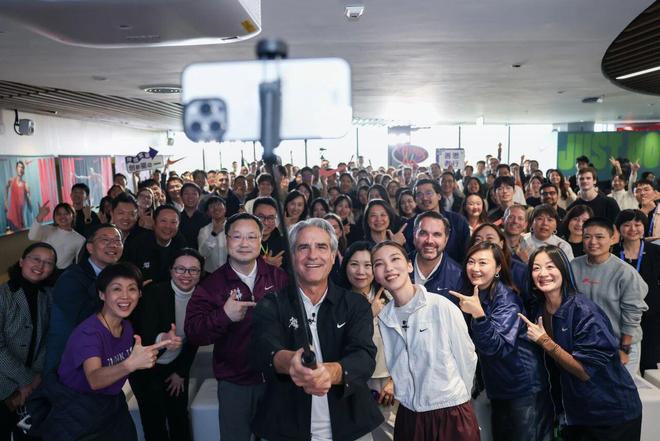
运动巨头CEO竞相访华:耐克比阿迪达斯低调丨消费参考
2 1 Shi Ji Jing Ji Bao Dao· 2025-10-22 00:27
Group 1 - The importance of the Chinese market for global sports brands is increasing, as evidenced by the frequent visits of CEOs from major companies like Adidas and Nike [1][2] - Adidas CEO Bjoern Gulden expressed confidence in the Chinese market, noting that 95% of products sold in China are "Made in China" and that the company is gradually achieving original designs in China [1][2] - Nike's revenue in Greater China has declined by 10% to $1.512 billion (approximately 107.75 billion RMB) for the latest fiscal quarter ending August 31, 2025, while Adidas reported an 11% increase in revenue to €798 million (approximately 66.53 billion RMB) [2] Group 2 - The competition between international brands in China is intensifying, with Adidas' market share in China at 8.7%, lower than Nike's 16.2%, Anta's 10.5%, and Li Ning's 9.4% [2] - The decline in Nike's sales is attributed to decreased foot traffic, a competitive promotional environment, and ongoing inventory clearance pressures [2] - Adidas has faced challenges in the Chinese market, including a decline in revenue for eight consecutive quarters prior to the recent growth, leading to a drop in its market position from second to fourth [2][3]

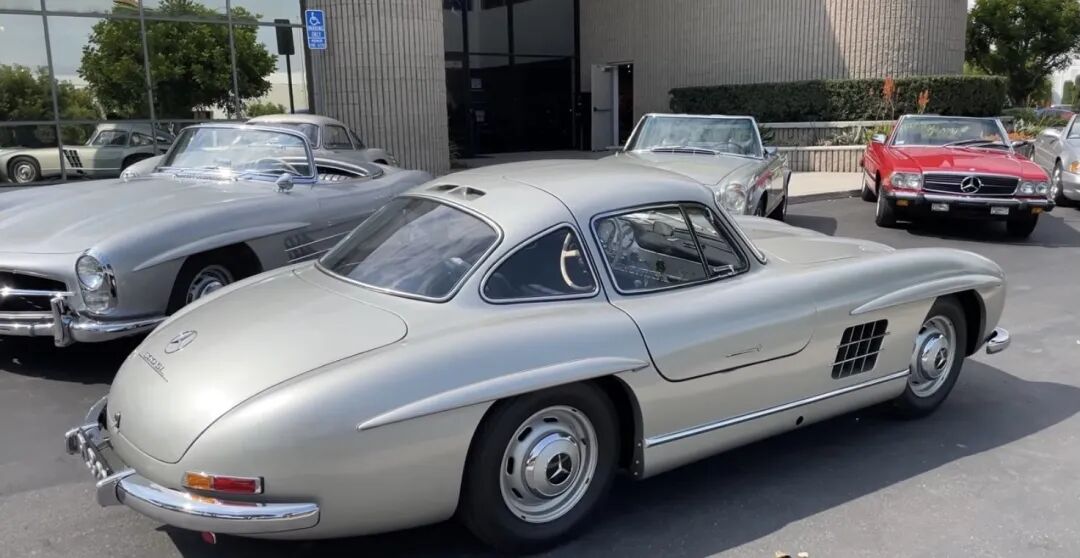
隐藏式门把手的是与非:行业数据揭秘真相
3 6 Ke· 2025-10-21 12:31
Core Viewpoint - The article discusses the controversy surrounding hidden door handles in electric vehicles, emphasizing the need for a rational analysis of their design and safety implications rather than emotional reactions to accidents involving these vehicles [1]. Group 1: Origin and Current Status of Hidden Door Handles - Hidden door handles have a history dating back to the 1950s, initially seen in high-performance cars like the Mercedes-Benz 300SL, focusing on design aesthetics and aerodynamics [2]. - Tesla popularized hidden door handles with its electric models, making them synonymous with technological advancement, leading to widespread adoption among various automakers [2][4]. Group 2: Sales and Adoption Rates - Over 3 million vehicles equipped with hidden door handles have been sold in China, with brands like Li Auto, NIO, and Xpeng also adopting this design [4]. - By 2025, it is projected that 38.9% of new energy vehicles will feature non-mechanical door handles, with 21.5% of new SUV models already incorporating electric door handles [4]. Group 3: Cost Analysis - The claim that hidden door handles are a cost-saving measure is debunked, as traditional mechanical handles cost between 30-50 yuan, while electric systems can range from 300-600 yuan, and even exceed 1000 yuan in high-end models [4]. Group 4: Safety Concerns - The main safety concern regarding hidden door handles is their functionality in the event of a collision that causes power failure, particularly for electric lock designs [6][8]. - Despite concerns, Tesla's vehicles with electric door handles have performed well in crash tests, indicating that these designs are not inherently more dangerous than traditional handles [8][10]. Group 5: Regulatory Developments - A new national standard requires that all car doors must have a mechanical release function, which poses challenges for designs like Tesla's that rely solely on electric unlocking [13]. - Some new energy vehicle manufacturers are proactively addressing safety concerns by incorporating mechanical unlocking systems alongside electric ones, ensuring compliance with upcoming regulations [15]. Group 6: Future Outlook - The evolution of hidden door handles reflects a balance between design innovation and safety, with ongoing technological advancements expected to enhance their functionality [19]. - The automotive industry is encouraged to prioritize user safety while continuing to innovate, ensuring that technological progress does not compromise reliability [19].

前瞻全球产业早报:前三季度中国GDP同比增长5.2%
Qian Zhan Wang· 2025-10-21 10:21
Economic Performance - In the first three quarters of 2025, China's GDP reached 10,150.36 billion yuan, with a year-on-year growth of 5.2% [2] - Agricultural value added grew by 3.6%, with summer grain and early rice production increasing by 190,000 tons compared to the previous year [2] - Industrial value added increased by 6.2%, while the service sector saw a growth of 5.4% [2] Income Statistics - The per capita disposable income for residents in the first three quarters was 32,509 yuan, reflecting a nominal growth of 5.1% and a real growth of 5.2% after adjusting for price factors [2] - Urban residents had a per capita disposable income of 42,991 yuan, with a nominal growth of 4.4% and a real growth of 4.5% [2] - Rural residents' per capita disposable income was 17,686 yuan, showing a nominal growth of 5.7% and a real growth of 6.0% [2] Electricity Consumption in Guizhou - In Guizhou, total electricity consumption reached 151.676 billion kWh in the first three quarters, marking a year-on-year increase of 7.81% [3] - Internet data service electricity consumption surged by 72.92%, indicating strong growth in the digital economy [3] - The province has 49 key data centers under construction or in operation, with a computing power scale exceeding 100 EFLOPS [3] Trade Performance in Shenzhen and Zhejiang - Shenzhen maintained its position as the leading city for foreign trade in mainland China, with a total import and export volume of 3.36 trillion yuan, a year-on-year increase of 0.1% [3] - Zhejiang's foreign trade total reached 4.17 trillion yuan, with exports of 3.16 trillion yuan, reflecting an 8.3% growth [5] Robotics and Technology Developments - Unitree Technology launched the H2 bionic humanoid robot, showcasing impressive agility and performance in various movements [6] - UBTECH Robotics secured a major contract worth 126 million yuan for its Walker humanoid robot, bringing its total orders for the year to over 630 million yuan [9] - NIO's CEO emphasized the necessity of achieving profitability in the fourth quarter, focusing on key model marketing, supply chain management, and timely software delivery [8]
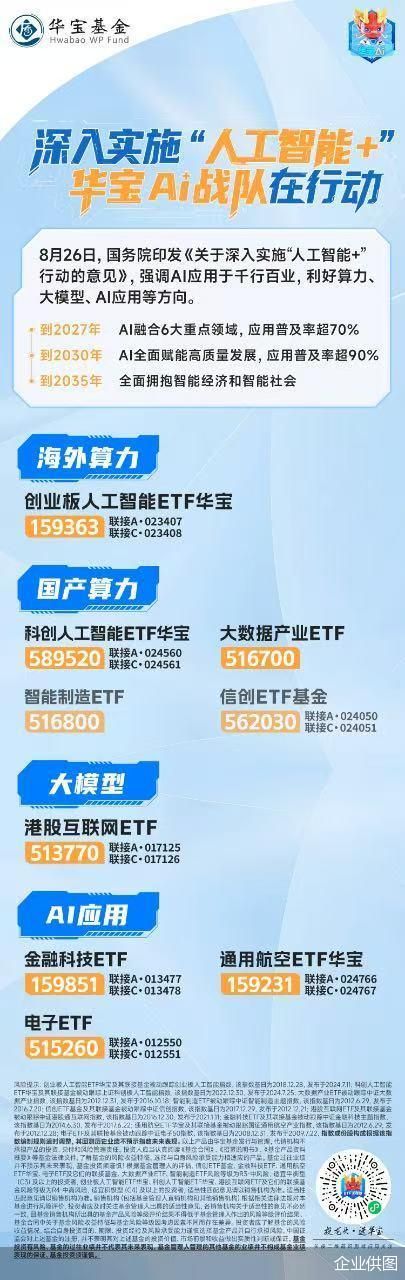
时代的荣耀, “华宝AI+”ETF战队全面布局人工智能产业链
Bei Jing Shang Bao· 2025-10-21 09:46
Core Insights - The article highlights the dominance of gold and the significant rise in equity markets, particularly driven by the AI and technology sectors, as a key investment theme for 2025 [1][2] Group 1: Investment Strategies and Product Offerings - Huabao Fund has strategically positioned itself in the AI sector with flagship products like the ChiNext AI ETF (159363) and the Sci-Tech Innovation AI ETF (589520), forming the "Huabao AI+" team [1][3] - The total management scale of the "Huabao AI+" team has exceeded 26 billion yuan, with continuous inflow of funds into key products like the ChiNext AI ETF and the Hong Kong Internet ETF [2][9] - The upcoming launch of the Hong Kong Information Technology ETF (159131) aims to capture the hard technology leaders in the Hong Kong market, further expanding the "Huabao AI+" team's investment landscape [1][5] Group 2: Market Trends and Performance - The ChiNext AI ETF (159363) is the first ETF to track the ChiNext AI Index, closely linked to overseas data center investments, thus capitalizing on the AI investment wave [3][4] - The Sci-Tech Innovation AI ETF (589520) focuses on large-cap AI companies in the Sci-Tech Innovation Board, reflecting a strong emphasis on domestic core technologies [4][10] - The performance of related ETFs has been robust, with the Smart Manufacturing ETF (516800) showing a cumulative increase of 49.24% in the first three quarters of 2025 [4][9] Group 3: Sector Focus and Future Outlook - Huabao Fund is actively exploring opportunities in various AI applications, including financial technology, general aviation, and electronics, indicating a broad investment strategy [8][9] - The financial technology ETF (159851) and general aviation ETF (159231) are designed to tap into emerging sectors with high growth potential, such as low-altitude economy and digital infrastructure [8][9] - The article suggests that while the AI sector remains promising, short-term adjustments may occur, and a "buy on dips" strategy could be favorable for investors in the tech sector [10][11]
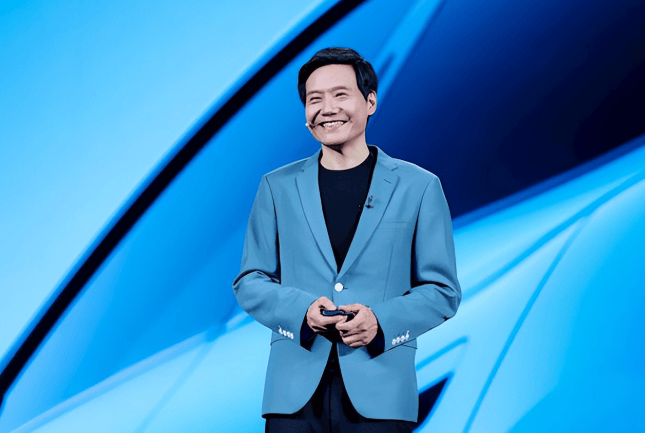
前脚抵制黑公关,后脚就遭官媒回怼,雷军为何犯众怒?
Sou Hu Cai Jing· 2025-10-21 07:34
Core Viewpoint - The rise of Xiaomi's automotive division exemplifies the dual nature of traffic as both a boon and a potential downfall for brands, highlighting the current trust crisis faced by the company due to safety incidents and inadequate responses [1][3]. Group 1: Safety Incidents - The trust crisis for Xiaomi began with a tragic accident on March 29, 2025, where three university students died in a crash involving the Xiaomi SU7, raising serious concerns about the vehicle's safety features [6]. - Subsequent incidents, such as the one on Chengdu Tianfu Avenue, further eroded public trust, as the vehicle's inability to unlock doors during a fire raised alarms about safety protocols [8]. - Xiaomi's initial responses to these incidents were seen as dismissive, failing to address core safety concerns adequately, which intensified public outrage [6][8]. Group 2: Public Relations and Corporate Response - Xiaomi's CEO Lei Jun's public statements during the crisis have been criticized for failing to address the actual safety issues, instead focusing on external factors like "black public relations" [9][11]. - Media criticism, including a pointed article from Qianjiang Evening News, emphasized that the company should not conflate safety concerns with public relations issues, urging a focus on resolving the actual problems [14]. - The intervention of regulatory bodies, such as the State Administration for Market Regulation, forced Xiaomi to acknowledge its shortcomings and submit a technical report, revealing critical design flaws in the SU7 [15][16]. Group 3: Design and Technical Flaws - The technical report disclosed that the vehicle's electronic door handles failed to operate due to a power cut during a collision, which was exacerbated by design thresholds that prevented automatic unlocking [15]. - The SU7's design flaws, including limited night-time recognition capabilities and inadequate safety measures, contradict the company's stated commitment to safety [16]. - The reliance on marketing over research and development has been identified as a significant issue for Xiaomi, suggesting a need for a shift in focus towards improving product safety and reliability [16]. Group 4: Future Directions - To regain public trust, Xiaomi must prioritize safety design improvements and establish transparent communication with consumers, moving away from a marketing-centric approach [16][19]. - The company is urged to adopt a more humble stance, addressing safety concerns earnestly rather than deflecting criticism, as this is essential for overcoming the current trust crisis [19].
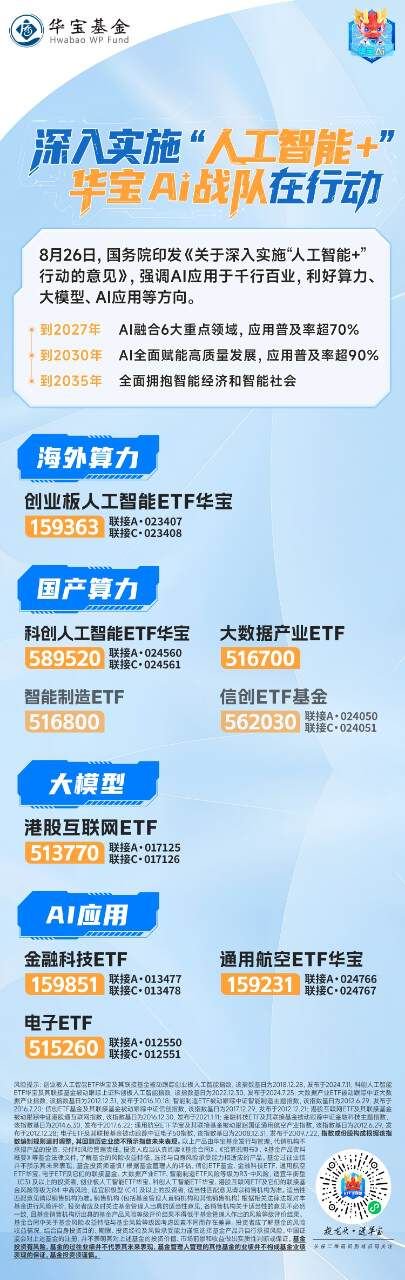
“华宝AI+”指基战队覆盖“算力+大模型+应用”,精锐ETF助力把握多维机遇
Xin Lang Ji Jin· 2025-10-21 07:10
Core Insights - The article highlights the dominance of gold and the significant rise in equity markets, particularly driven by the AI and technology sectors, as a key investment theme for 2025 [1][12] - Huabao Fund has strategically positioned itself in the global technology sector, focusing on the entire AI industry chain through its "Huabao AI+" product lineup [1][2] Investment Strategy - Huabao Fund has launched flagship products such as the ChiNext AI ETF (159363) and the Sci-Tech Innovation AI ETF (589520), which cover various segments from upstream computing power to downstream AI applications [1][4] - The upcoming launch of the Hong Kong Information Technology ETF (159131) aims to capture the performance of leading hard-tech companies in Hong Kong, further expanding the "Huabao AI+" strategy [1][6] Product Performance - The total management scale of the "Huabao AI+" product lineup has exceeded 26 billion yuan, with continuous inflows into key products like the ChiNext AI ETF and the Hong Kong Internet ETF [2][11] - The ChiNext AI ETF (159363) is noted for its strong correlation with overseas data centers and is the first ETF to track the ChiNext AI Index, making it a trendsetter in the market [4][5] Market Trends - The article emphasizes the growing interest in AI applications across various sectors, including financial technology and general aviation, as investors seek to capitalize on the potential productivity enhancements brought by AI [9][10] - The performance of ETFs such as the Smart Manufacturing ETF (516800) has been notable, with a reported increase of 49.24% in the first three quarters of 2025 [5][11] Competitive Landscape - The competition among domestic internet giants in the large model AI space is highlighted, with significant investments from companies like Alibaba and Tencent [8] - Huabao Fund's Hong Kong Internet ETF (513770) has surpassed 10 billion yuan in scale, reflecting its successful strategy in the rapidly evolving AI landscape [8][11]
美联储10月降息或板上钉钉?恒生科技指数ETF(513180)或迎内外资共振
Mei Ri Jing Ji Xin Wen· 2025-10-21 05:54
Group 1 - The Hong Kong stock market continues its upward trend, with the Hang Seng Tech Index rising over 2.5% in the afternoon session, driven by gains in tech and chip stocks [1] - Southbound capital has significantly increased its allocation to Hong Kong stocks, with a net purchase amount reaching HKD 12,125.78 million as of October 20 [1] - The expectation of a 25 basis point rate cut by the Federal Reserve in October is at 98.3%, which may lead to an influx of foreign capital into Hong Kong stocks, benefiting from the increased foreign investment [1] Group 2 - According to the October strategy report from China Merchants Securities, foreign capital and southbound funds continue to flow into the Hong Kong market, highlighting its valuation advantage [2] - The report anticipates two rate cuts by the Federal Reserve in Q4, with a continued trend of foreign capital inflow into the Hong Kong market, although the process may be complex [2] - The Hang Seng Tech Index ETF (513180) includes 30 leading tech stocks in Hong Kong, focusing on the AI industry chain, with companies like Alibaba, Tencent, Xiaomi, Meituan, and SMIC expected to be key players in China's tech sector [2]
港股午评:恒科指大涨2.6%,恒指重上两万六,科技股、金融股携手上涨
Ge Long Hui· 2025-10-21 04:11
港股上午盘三大指数继续昨日大反弹行情,恒生科技指数再度领衔,午间大幅上涨2.6%,恒生指数涨 1.65%重上26000点大关,国企指数涨1.79%。 盘面上,大型科技股继续造好带领大市走高,其中,阿里巴巴涨近4%,网易涨2.38%,腾讯涨2%,京 东、百度、美团涨超1%,小米涨0.8%;大金融股(银行、保险、券商)、中字头等权重普遍表现活跃, 尤其是中资券商股、内险股涨幅较为明显,中国人寿涨超7%,中金公司涨6%,中信建投涨5.6%,农业 银行9连阳续创历史新高;有迹象显示新一代iPhone需求强劲,苹果概念股走强,半导体芯片股、纸业 股、风电股、体育用品股、内房股、军工股、锂电池股纷纷上涨。 另一方面,昨日大幅上涨的煤炭股、燃气股集体回调,兖煤澳大利亚跌超5%,大众公用跌4.58%,电信 股、零售股、航空股部分走低。(格隆汇) ...